Dimcho Debelyanov House-museum Visitor Guide
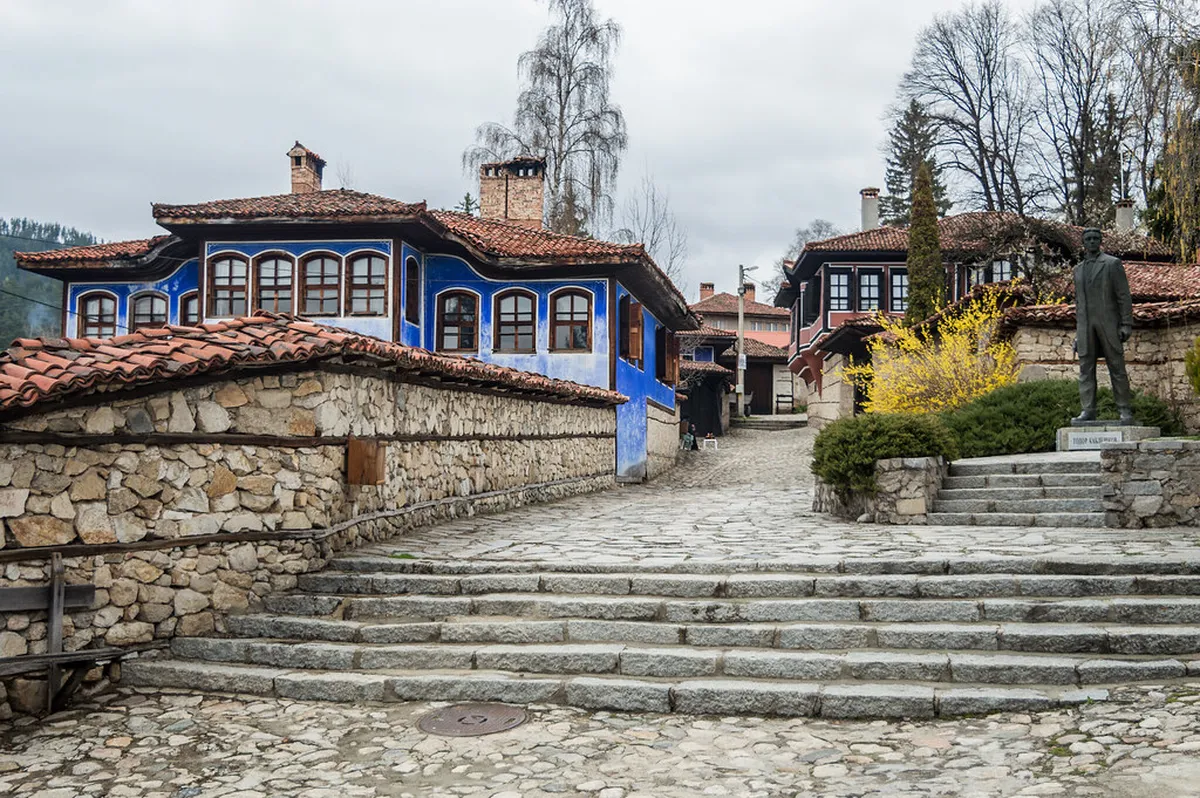
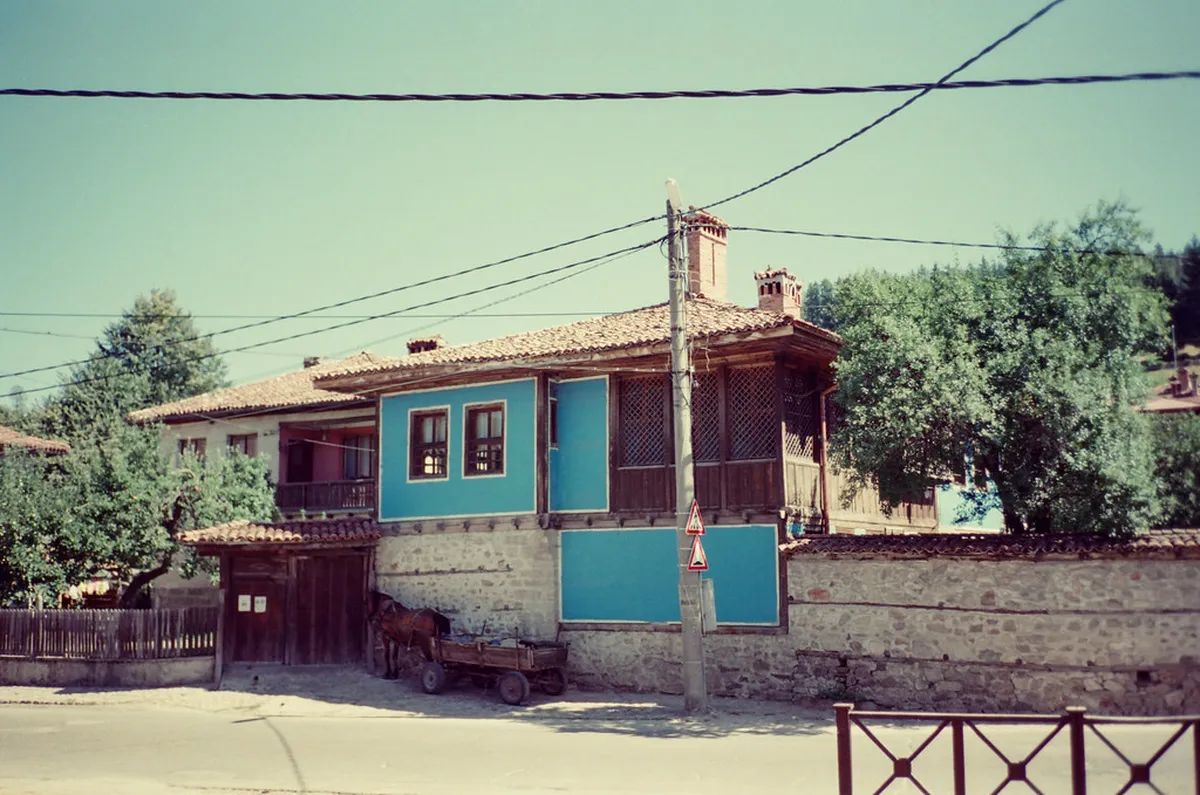
The Dimcho Debelyanov House-museum stands as a poignant tribute to one of Bulgaria’s most beloved lyrical poets. Located in the historic town of Koprivshtitsa, this bright blue building captures the essence of the Bulgarian National Revival period. Visitors often feel a deep sense of nostalgia while walking through the rooms where the poet spent his childhood.
To experience the museum’s quiet atmosphere and garden setting, here’s a walk-through of this Bulgarian Revival-era house:
This comprehensive guide provides everything you need to know for a fulfilling visit to this cultural landmark. You will discover the best times to visit and how to navigate the cobblestone streets of this museum town. Learning about the poet's life adds a layer of meaning to the beautiful architecture found throughout the region.
Must-See Dimcho Debelyanov House-museum Visitor Guide
The house itself is a symmetrical, two-story example of the timber-frame Bulgarian National Revival style, built in 1830 for a well-off local family and later turned into a museum dedicated to the poet born there. Walking through the wooden gate, visitors first meet a shaded courtyard whose vines and rose beds echo the plantings Debelyanov described in his childhood verses. The ground-floor rooms hold the family's original furniture, textiles, and personal items, arranged to recreate a comfortable 1890s Koprivshtitsa household.
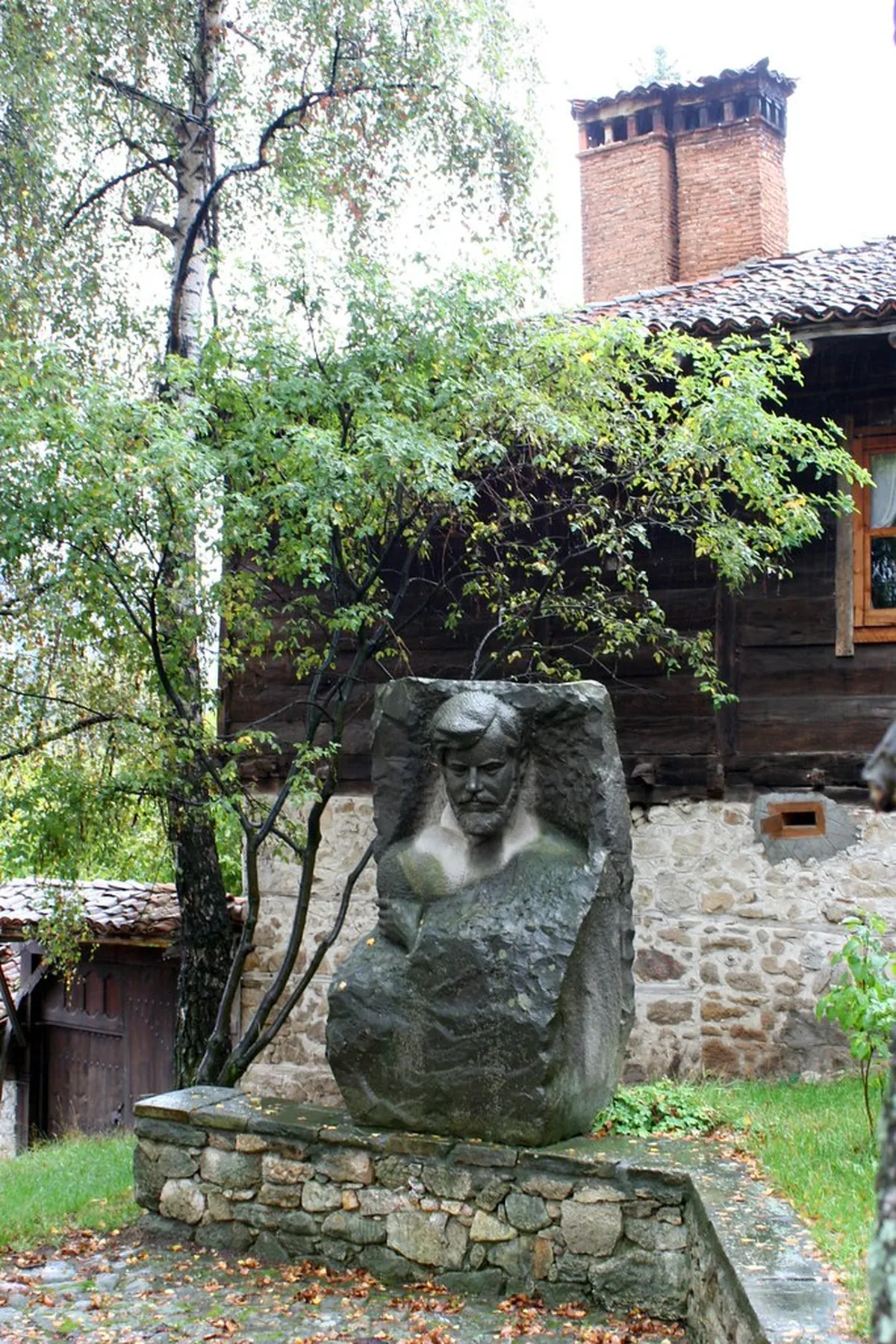
The most photographed spot on site is Ivan Lazarov's 1934 bronze of a seated, grieving mother, inspired by Debelyanov's best-known poem about a mother waiting endlessly for a son who never returns from war. According to Photomoments.bg, Lazarov based the pose on a real Koprivshtitsa grandmother, Lila Paraleeva, whom he saw resting her head on her hand at her own gate after losing both a husband and a son to earlier wars; when she died before the casting was finished, a second local woman, Lala Dushkova, sat as the model instead. Many visitors linger here before heading to the nearby First Shot Bridge (Kalachev Bridge) Visitor Guide for more of the town's 1876 April Uprising history.
The museum keeps a quiet, unhurried atmosphere compared with the busier squares in the town center. Take time to read the translated excerpts of Debelyanov's poems displayed in the upstairs study; the manuscripts and letters on show, some newly digitized for the 2026 season, give a fuller sense of a poet who wrote about home from the trenches of the First World War.
- Planning Your Museum Visit
- Location: ul. Dimcho Debelyanov 6, Koprivshtitsa center
- Cost: 5.00 EUR (9.78 BGN) single museum, 10.00 EUR (19.56 BGN) combined ticket for all six house-museums
- Time: 45 minutes to 1 hour
- Access: Walking only, closed Mondays
Museums, Art, and Culture in Dimcho
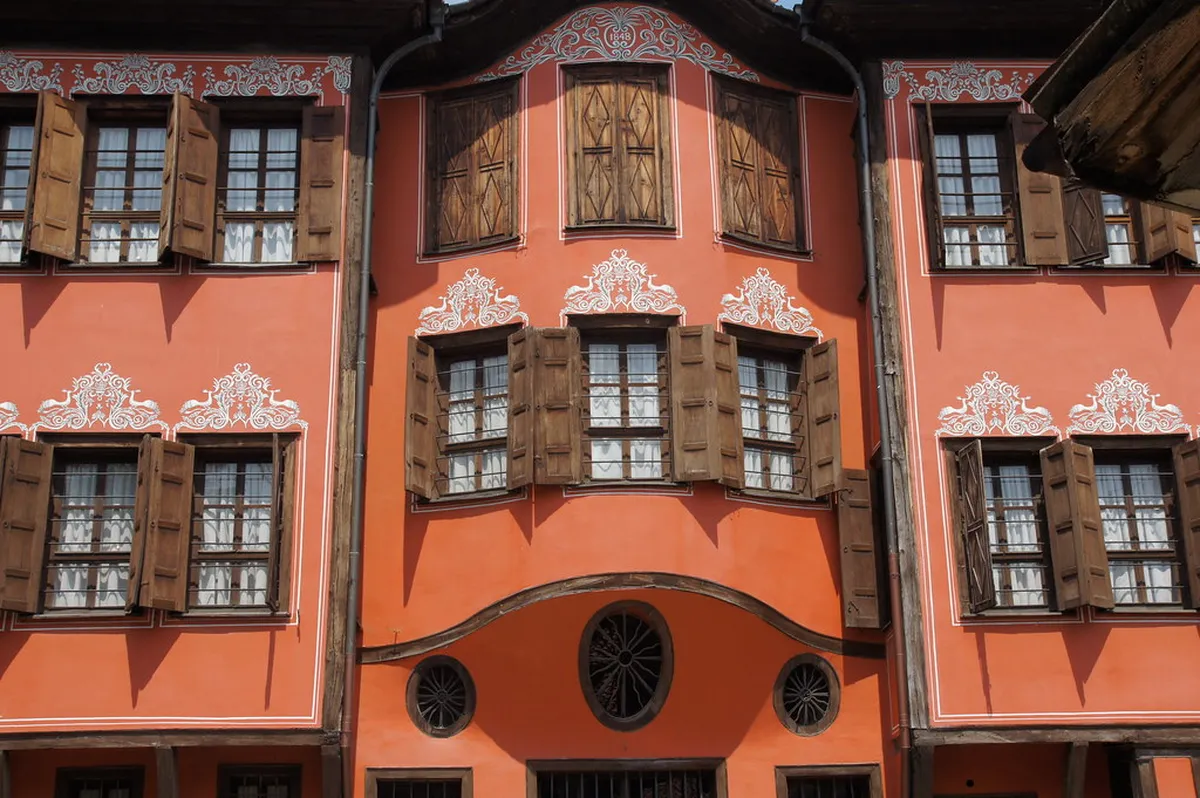
Koprivshtitsa's cluster of Revival-era houses each work as a stand-alone museum dedicated to a figure from the 1876 April Uprising or, in Debelyanov's case, to Bulgarian letters. The Debelyanov house is often paired on a walking route with the Oslekov House Visitor Guide, whose carved wooden ceilings and painted facade show the wealthier, more ornate end of the same architectural style. Seeing both back to back is the fastest way to understand how much status and money shaped house design in 1830s Koprivshtitsa.
Inside the Debelyanov house, the upper floor holds hand-woven textiles, ceramics, and the desk where the poet is said to have written before leaving first for Plovdiv and later Sofia. A small side room is set aside for rotating exhibitions on the literary circle Debelyanov moved in as co-editor of the magazine "Zveno," alongside contemporaries such as Yordan Yovkov and Geo Milev. These displays anchor the house to the wider story of early-20th-century Bulgarian Symbolist poetry, not just to one family's biography.
Each August, Koprivshtitsa hosts an annual Debelyanov poetry festival tied to the museum, with recitations often staged in the courtyard beside the mother statue. It is the one week of the year the house feels genuinely lively rather than contemplative, and it is worth timing a 2026 visit around if poetry readings matter to you more than quiet rooms to wander alone.
Parks, Gardens, and Outdoor Spots in Dimcho
The garden around the house is planted to echo the flora of the 1890s, with roses, vines, and old fruit trees shading the benches near the mother statue. According to visit.Guide-Bulgaria.com, this small courtyard-garden is as central to the museum's appeal as the house interior itself, since it is where most visitors choose to sit and read the poems on display.
Beyond the museum walls, hiking trails into the hills above Koprivshtitsa give panoramic views over the town's red-tiled roofs and the Sredna Gora range. A 20 to 30 minute walk up from the town center is enough to see the house-museum's blue facade from a distance, framed against the mountains, without committing to a full day hike.
The wider museum grounds also hold a handful of stone memorials to local figures from the 1876 uprising, giving families a relaxed, open-air way to introduce children to the town's history between house visits. Photographers tend to time their visits for late afternoon, when low light crosses the courtyard and catches the texture of the old stone walls.
Family-Friendly and Budget-Friendly Options in Dimcho
A visit here is one of the cheaper stops on a Koprivshtitsa itinerary: 5.00 EUR (9.78 BGN) for a single adult ticket to this house alone, or 10.00 EUR (19.56 BGN) for the combined ticket that also covers the Todor Kableshkov House-Museum Visitor Guide and four other house-museums. Students and pensioners pay 5.00 EUR (9.78 BGN) for the combined ticket, so the math clearly favors buying combined the moment you plan on seeing more than one house.
Children generally respond better to the mother statue and the war story behind it than to the furniture displays, so a guide who can tell that story well tends to hold younger visitors' attention longer than the printed information plaques do. Large families and student groups should ask about group discounts at the ticket office on the central square, since standard combined-ticket pricing is not always the cheapest option once you are four or more people.
Walking between house-museums is free, and Koprivshtitsa's bakeries sell banitsa and other pastries for well under 3 EUR, which keeps a full day of sightseeing affordable. Packing a simple picnic for the riverside benches near the town center is the easiest way to stretch a modest travel budget through a full day of museum-hopping.
How to Plan a Smooth Dimcho Attractions Day
Arrive at opening: 09:30 in summer (1 April to 1 November) or 09:00 in winter (1 November to 1 April), to beat the tour buses that typically reach Koprivshtitsa by mid-morning. The house is closed on Mondays year-round, so build that into a multi-day Koprivshtitsa or Sofia-Plovdiv itinerary before you book transport. A logical walking route runs from the central square down to the Debelyanov house and on to the Lyutov House (Lutova House) Visitor Guide, covering two museums without backtracking.
Wear sturdy, flat shoes; the cobblestone lanes around the house are uneven and slick after rain. Most of the oldest streets are too narrow for cars, so the whole route is walkable, but mobile signal can drop out in pockets of the valley, so it helps to carry a downloaded map or grab a paper one from the tourist information office on the square.
A local guide adds real value here, mainly because the printed English-language plaques inside the house are thin on biographical detail. Guides can also confirm on the spot whether the annual free-admission Monday (the last Monday of the month) coincides with your visit, since the house's normal Monday closure otherwise overrides it. Book a guide a day ahead in July and August, when Koprivshtitsa sees its heaviest domestic tourism.
Accessibility, Etiquette, and Ticket Logistics
Like most of Koprivshtitsa's Revival-era house-museums, the Debelyanov house was not built with modern accessibility in mind. The entrance has a raised stone threshold, and the exhibit rooms holding the poet's manuscripts sit up a steep, narrow wooden staircase typical of 1830s merchant homes. Visitors using wheelchairs or with limited mobility can still reach the courtyard and the mother statue through the street-level gate, so it is worth asking staff whether viewing the garden and ground floor alone suits a shorter visit if the stairs are a barrier.
Because the statue commemorates a real family's wartime loss rather than functioning as a simple photo backdrop, locals generally treat it the way they would a grave marker: flowers are sometimes left at its base, and sitting on the sculpture for photos is considered disrespectful, even though it happens often enough that staff will ask visitors to step down. Standing beside it for a photo is fine; climbing onto it is the one etiquette mistake worth avoiding.
Buy the combined ticket at whichever house-museum you visit first; it covers all six houses and does not need to be used in a single day, so it is worth buying even if you can only fit in two or three houses on this trip and plan to return for the rest. Keep the ticket stub, since some houses check it again on entry rather than only stamping it once.
Visiting the Debelyanov House in 2026
For the 2026 season, the museum has added digital translations of some of Debelyanov's letters alongside the original manuscripts, making the upstairs study more useful for visitors who do not read Bulgarian. New benches have also gone in around the mother statue, so the garden now supports longer, quieter visits than it used to.
Koprivshtitsa's broader national folklore festival draws far larger crowds to the town than the museum circuit alone, historically gathering performers from across Bulgaria roughly every five years; if a festival weekend overlaps with your trip, arrive at the house-museum before 10:00 or plan for a wait at the ticket window. Outside festival dates, the museum stays a quieter, slower stop than the town's main square.
The core appeal has not changed: this is a small, specific house telling one poet's story, not a broad regional museum, and it rewards visitors who already know a little about Debelyanov's life, or who take ten minutes to read the panels before wandering through.
Continue planning: Use Koprivshtitsa Attractions: 6 House-Museums & Things to Do to connect this guide with the rest of your Bulgaria itinerary.
Frequently Asked Questions
Who was Dimcho Debelyanov?
Dimcho Debelyanov (1887-1916) was a celebrated Bulgarian Symbolist poet born in Koprivshtitsa. His lyrical verse moved from symbolist to more realist themes before he was killed in combat during World War I at the age of 29; his childhood home in the town is now a museum dedicated to his life and work.
What is the 'waiting mother' statue in the garden?
The garden holds a famous bronze sculpture of a seated, grieving mother by Ivan Lazarov, evoking Debelyanov's best-known poem in which a mother waits endlessly for her son to come home. It has become one of the most photographed and emotionally resonant sights in Koprivshtitsa, tied to the poet who died young in the war.
Is the Debelyanov house covered by the combined museum ticket?
Yes. It is one of the six Koprivshtitsa house-museums on the combined ticket, priced at 10.00 EUR (19.56 BGN) for adults and 5.00 EUR (9.78 BGN) for students and pensioners. A single-museum ticket for just this house is 5.00 EUR (9.78 BGN) for adults, making the combined ticket the better value for visiting several houses.
What are the opening hours and closing day?
The house opens 09:30-17:30 in summer (1 April to 1 November) and 09:00-17:00 in winter (1 November to 1 April), with no lunch break, and it is closed on Mondays. An annual Debelyanov poetry festival is also held in the town each August.
How do I get to Koprivshtitsa from Sofia or Plovdiv?
Koprivshtitsa is roughly 110 km east of Sofia in the Sredna Gora mountains, on the rail line between Sofia and Plovdiv. Trains from Sofia take about two hours to Koprivshtitsa station, where a shuttle van meets each arrival for the 9 km trip into town; buses from Sofia run about three times a day (around 3 hours) and driving takes about 1.5 hours via the A1 Trakia motorway.
How long do I need to visit?
Allow two to three hours to combine the Debelyanov house with the nearby museums, or a full day to see all six house-museums plus the town's April Uprising monuments. The houses are all within a short, walkable distance in the compact old town, so no transport is needed once you arrive.
Can I visit for free?
The Directorate of Museums offers free admission on the last Monday of each month and for visitors with disabilities. Because the Debelyanov house is normally closed on Mondays, ask at the ticket office on the central square whether a given free Monday applies to this house.
The Dimcho Debelyanov House-museum is a worth considering forone traveling through the historic heart of Bulgaria. Its combination of architectural beauty and emotional history creates a unique experience for every visitor. Walking through the blue house and its quiet garden offers a rare moment of peace in a busy world.
Whether you are a fan of literature or simply love beautiful buildings, this site will leave a lasting impression. Plan your visit for 2026 to enjoy the latest updates and the timeless charm of Koprivshtitsa. The poet's legacy continues to inspire, making his childhood home a true cornerstone of Bulgarian culture.
For more Koprivshtitsa planning, read our 12 Best Things To Do in Koprivshtitsa (2026) and The Six Koprivshtitsa House-Museums: Combined Ticket Guide (2026) guides.
For authoritative information, refer to the Dimcho Debelyanov House-Museum on Wikipedia, Dimcho Debelyanov House-Museum on Wikipedia, Dimcho Debelyanov House-Museum official site, Dimcho Debelyanov House-Museum official site and Dimcho Debelyanov House-Museum official site.