St. George the Conqueror Chapel-Mausoleum Visitor Guide
The St. George the Conqueror Chapel-Mausoleum stands as a prominent symbol of Bulgarian liberty in central Pleven. This monument commemorates the soldiers who died during the decisive Siege of Pleven in 1877, and it remains one of the most moving cultural landmarks in Northern Bulgaria in 2026. It is essential to note upfront that this guide covers the Bulgarian chapel-mausoleum, not St. George's Chapel at Windsor Castle in England — a different building and a different country entirely.
This video walkthrough provides a visual introduction to the mausoleum's striking Neo-Byzantine architecture and interior spiritual spaces:
Exploring this historic chapel offers a deep look into the regional struggle for independence from Ottoman rule. The building serves as both a religious sanctuary and a solemn war memorial for the local community. Travelers can start their journey by understanding the unique blend of architecture and history found in Pleven Attractions & Things to Do today. Planning a visit requires knowing the specific hours, how to get here, and the etiquette expected at this active place of remembrance.
Historical Significance: The Pleven Epopee of 1877
The monument honors the sacrifice of approximately 31,000 Russian and 4,500 Romanian soldiers who died in the conflict. These troops fought during the intense five-month siege that eventually led to the liberation of the Bulgarian state. The Siege of Pleven remains a pivotal moment in the Russian-Turkish War of 1877 to 1878. Walking through the square allows you to reflect on the gravity of these historical events.
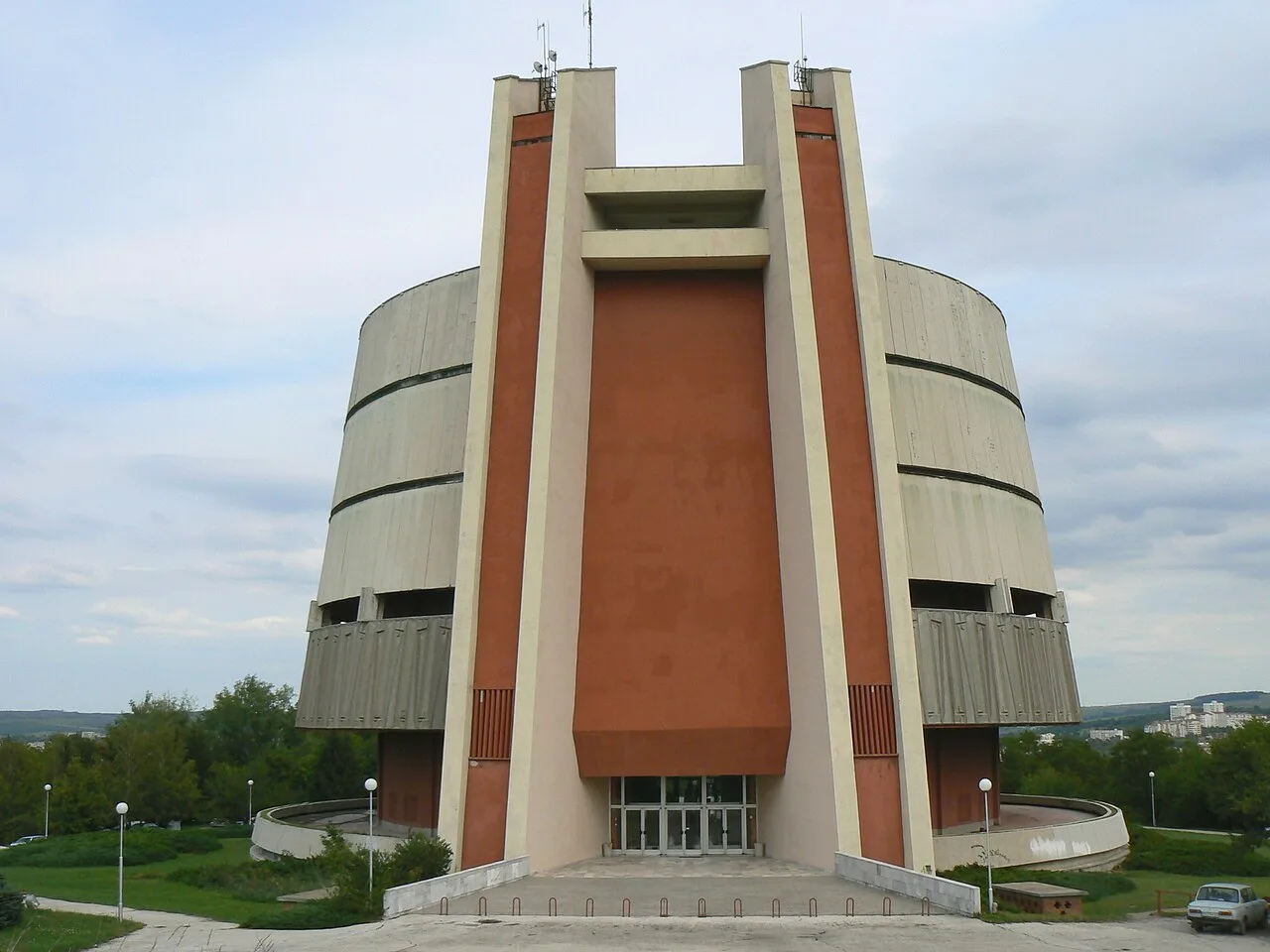
The chapel was built to ensure that future generations would never forget the cost of their national freedom. It serves as a final resting place for many warriors who fell on the surrounding battlefields. You can learn more about these specific military maneuvers at the nearby Pleven Panorama (Pleven Epopee 1877) Visitor Guide exhibit. Combining these sites provides a comprehensive perspective on the military history of the late nineteenth century.
Local historians often emphasize that the fall of Pleven was the turning point for the entire war effort. The strategic victory here allowed the liberating armies to advance toward the capital and the southern regions. Each year around 10 December, the anniversary of Osman Pasha's surrender, the city holds wreath-laying ceremonies here — in 2026 marking 149 years since the siege ended. The well-kept grounds and quiet respect shown by visitors reflect how present that history still feels.
Architectural Style: Byzantine and Bulgarian Influence
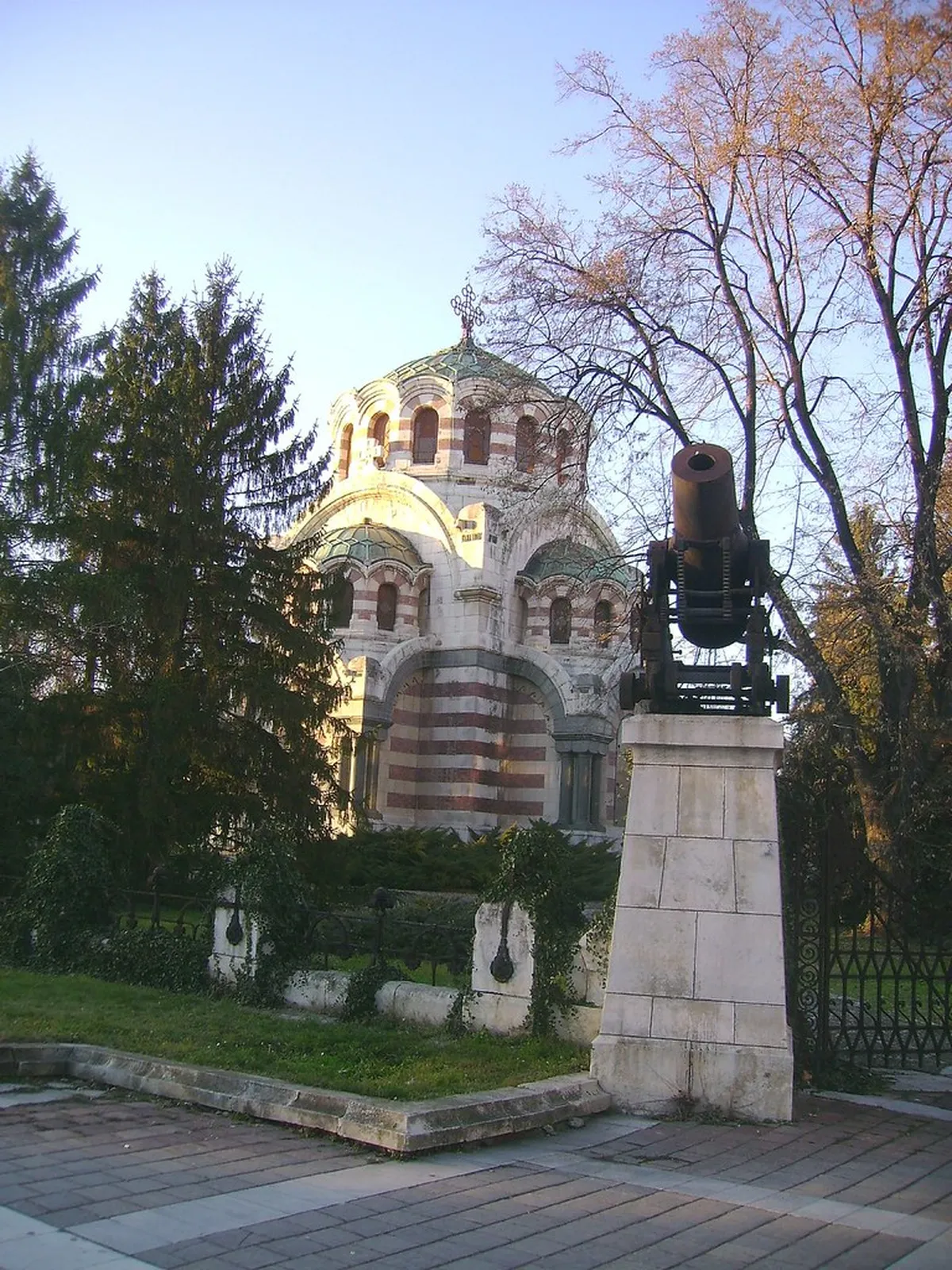
The chapel features a striking Neo-Byzantine design that was popular in Bulgarian ecclesiastical architecture during the early 1900s. Its construction took place between 1903 and 1907, designed by Bulgarian architect Pencho Koychev and funded by donations collected across Bulgaria and Russia. The exterior is characterized by alternating bands of stone and brick, creating a visually rhythmic facade. A cross-plan arrangement of five domes dominates the skyline, with the central dome rising roughly 24 metres, signaling the importance of the structure to anyone in the square.
Architectural enthusiasts will appreciate the intricate stonework and the delicate arches that frame the entrance and windows. The building follows a traditional cross-dome plan which is a hallmark of Eastern Orthodox religious structures. You can find more detailed architectural specifications on the Religiana Building Profile for this specific site. The design successfully blends solemnity with the triumphant spirit of a newly liberated nation.
Surrounding the main building, the manicured gardens provide a peaceful buffer from the busy city traffic nearby. The materials used in the construction were carefully selected to ensure the monument would endure for centuries. Nighttime illumination highlights the sharp angles and graceful curves of the roofline for evening strollers. This aesthetic balance makes the mausoleum a favorite subject for photographers visiting the Pleven city center.
Artistic Treasures: Iconostasis and Wood Carvings
Inside the chapel, the wood-carved iconostasis serves as the primary focal point for all religious and secular visitors. Prof. Ian Travnitski crafted this masterpiece, showcasing the high level of Bulgarian wood-carving skill in that era. The intricate patterns depict various religious scenes and floral motifs common in the Balkan artistic tradition. Standing before this work allows one to appreciate the months of labor required for such detail.
The icons themselves were painted by renowned artists including Prof. Anton Mitov and Prof. Ian Markvichka. These paintings are celebrated for their expressive faces and the rich use of color and gold leaf. Each icon tells a story of faith and resilience that resonates with the historical purpose of the chapel. The lighting inside is often kept low to protect the integrity of these delicate historical artworks.
Visitors should take a moment to look upward at the frescoes decorating the interior of the central dome. These paintings depict celestial themes and saints that watch over the memorial below. The acoustic properties of the space often amplify the soft whispers of those paying their respects. This artistic environment creates a bridge between the physical world and the spiritual memory of the fallen.
The Crypt: Sarcophagi of the Fallen Heroes
A narrow staircase leads visitors down into the crypt, which serves as the actual mausoleum for the soldiers. The air here is noticeably cooler, adding to the somber and respectful atmosphere of the underground chamber. Three large marble sarcophaguses hold the remains of the warriors who perished during the 1877 battles. It is a place for quiet reflection and honoring the personal sacrifices made for a larger cause.
The walls of the crypt are relatively simple, keeping the focus entirely on the white marble tombs. Soft candlelight often illuminates the space, casting long shadows that dance across the stone floor. Many visitors leave flowers or small tokens of respect near the base of the sarcophaguses during their visit. This section of the monument provides the most direct connection to the individuals who fought in Pleven.
Understanding the layout of the crypt helps travelers appreciate the dual nature of the entire structure. While the upper chapel celebrates victory and spirit, the lower crypt acknowledges the physical toll of war. The transition between these two levels is a powerful experience for those interested in military heritage. Ensure you move quietly in this area to avoid disturbing the solemn peace of the burial site.
Visitor Logistics: Hours, Location, and Entry
The St. George the Conqueror Chapel-Mausoleum sits in the City Garden (Gradska Gradina) in the central square of Pleven, making it very accessible on foot from any downtown hotel. You can check the latest updates on the Visit Pleven Official Listing before heading out, since operating hours change with the season. The site is managed by the Regional Military-Historical Museum of Pleven, so a small entrance fee applies at the ticket desk; the exact amount is not published online, so confirm the current price when you arrive.
During the summer months (1 April to 31 October), the site is open for longer periods to accommodate seasonal tourists. Winter schedules (1 November to 31 March) are slightly shorter, reflecting the reduced daylight hours in Northern Bulgaria. In both seasons the chapel is closed on Sundays and Mondays, which catches out visitors who assume a war memorial keeps museum-standard weekday-only closures. Nearby, you can also explore the lush greenery of Skobelev Park-museum (skobelev Park) Visitor Guide after your visit to the square.
- Summer hours (1 Apr – 31 Oct): 09:00–12:00 and 13:00–18:00
- Winter hours (1 Nov – 31 Mar): 09:00–12:00 and 12:30–17:00
- Closed year-round: Sunday and Monday
- Location: City Garden, central Pleven, postal code 5800
Getting to Pleven and Visiting Etiquette
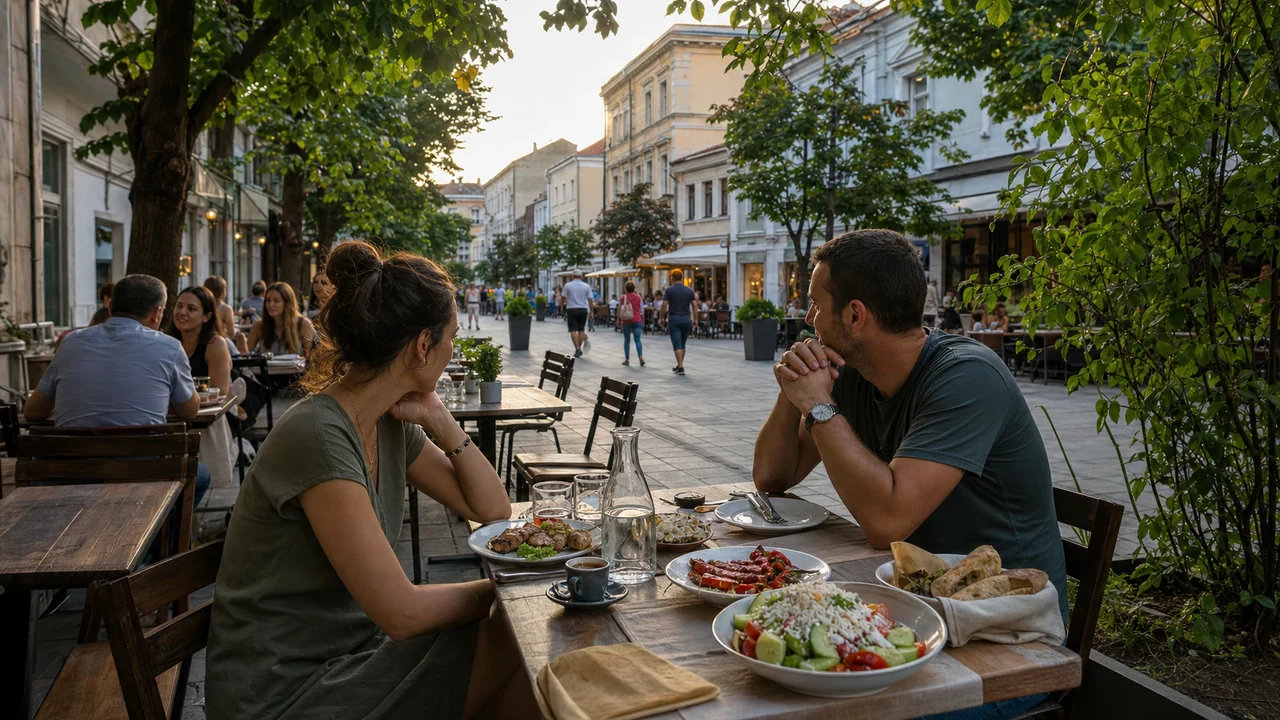
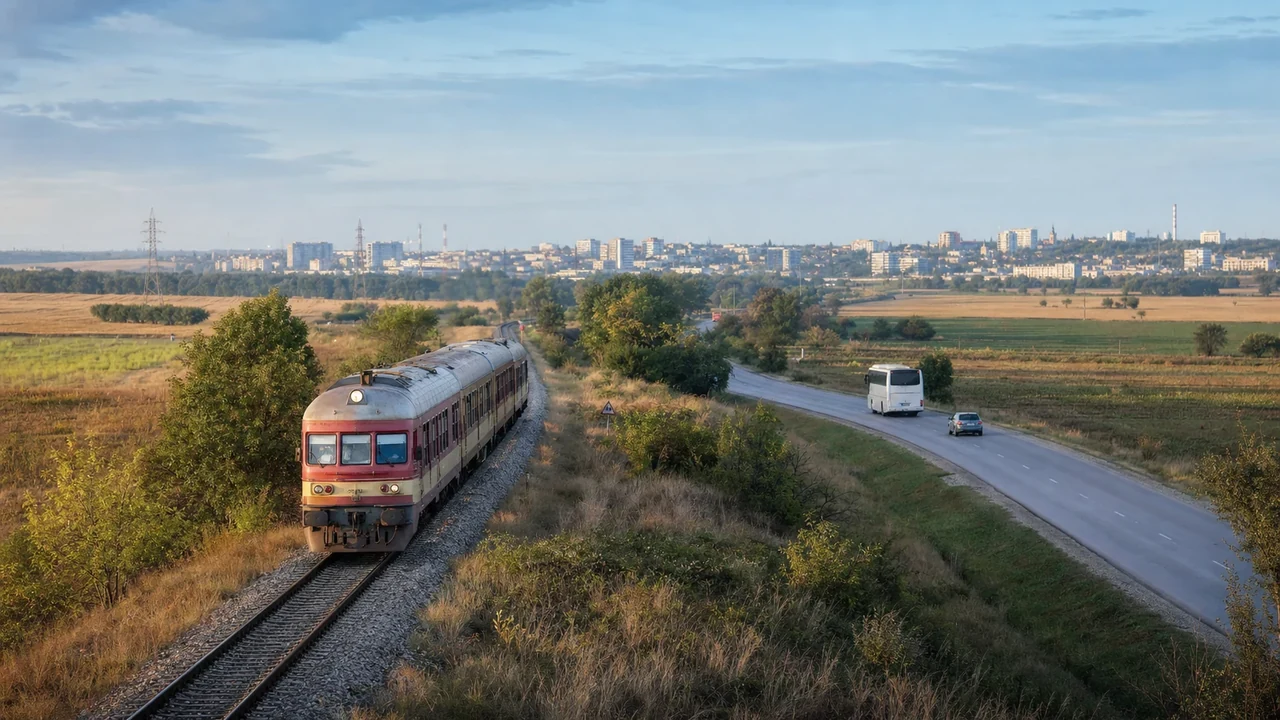
Most overseas visitors reach Pleven from Sofia rather than driving straight there, and the bus is usually the more reliable option. Direct coaches run from Sofia's Central Bus Station several times daily, cover the 170 km in roughly two to two and a half hours, and cost around 20-25 BGN (about EUR 10-13) one way. Trains are scenic but slower — the fastest direct service still takes close to three hours, and off-peak departures often require a change at Gorna Oryahovitsa. From Pleven's bus or rail station, the mausoleum is a 15 to 20 minute walk through the pedestrian centre.
Inside, the upper chapel is an active place of worship as well as a monument, so modest dress with covered shoulders is customary and voices are kept low. Photography of the exterior and domes is unrestricted and popular at golden hour, but flash is generally discouraged near the iconostasis and icons, and many visitors choose not to photograph the sarcophagi in the crypt out of respect for the dead.
Given how close everything sits, most travelers combine the mausoleum with the rest of the "Pleven Epopee" sites in one half-day loop: the City Garden chapel, the trenches and cannons of Skobelev Park, the 360-degree canvas at Pleven Panorama, and — for a change of pace — the limestone cliffs of Kaylaka Park (Kaylъka) Visitor Guide on the edge of town.
Distinguishing the Pleven Mausoleum from Windsor
Many travelers searching for "St. George's Chapel" may accidentally find information about the royal site in Windsor. The Pleven monument is a military mausoleum in Bulgaria, while the Windsor site is a royal burial ground in England. These two locations serve very different historical purposes and feature distinct architectural styles from different eras. The Bulgarian chapel is specifically dedicated to the "Conqueror" and the liberation of the Balkan people.
While the Windsor chapel hosts royal weddings, the Pleven site is a place of national mourning and military remembrance. The Pleven Mausoleum features Eastern Orthodox icons rather than the Gothic architecture found in the United Kingdom. Understanding this distinction ensures that you plan the correct itinerary for your trip to Eastern Europe. The Bulgarian site offers a unique perspective on the 1877 conflict that you will not find in Western Europe.
If you are looking for a royal experience, the UK site is appropriate, but for military history, Pleven is unmatched. The cultural context of the Balkan Peninsula is deeply embedded in the walls of the St. George the Conqueror site. Both locations are worth visiting, but they represent entirely different chapters of world history and religious tradition. Clarifying your destination will help you find the best local guides and transport options for your journey.
Continue planning: Use Pleven Attractions & Things to Do: Panorama, Kaylaka Park to connect this guide with the rest of your Bulgaria itinerary.
Frequently Asked Questions
What is the St. George the Conqueror Chapel-Mausoleum in Pleven?
It is a 1907 memorial chapel-mausoleum in the central City Garden of Pleven, built to honour the Russian and Romanian soldiers who died fighting for Bulgaria's liberation during the 1877 Siege of Plevna. Their bones are kept in the crypt below the chapel.
When was it built and by whom?
It was constructed between 1903 and 1907 in the Neo-Byzantine style, designed by the Bulgarian architect Pencho Koychev, with donations collected from across Bulgaria and Russia.
Whose remains are kept inside?
The crypt holds the bones of the fallen from the Russian imperial army and the Romanian army who died or were wounded during the five-month siege of Pleven in 1877; the remains are placed in marble sarcophagi inside the mausoleum.
What makes the dome so famous?
The chapel is known for its ornate ceramic-tiled dome. It follows a cross plan with a tall central dome (about 24 m high) flanked by four smaller domes, and the coloured tilework makes it one of Pleven's most recognisable landmarks.
What are the opening hours?
In summer (1 April – 31 October) it is open 09:00–12:00 and 13:00–18:00; in winter (1 November – 31 March) 09:00–12:00 and 12:30–17:00. It is closed on Sundays and Mondays.
Is there an entrance fee?
A small admission fee is charged at the museum desk. The exact amount is not published online, so check the ticket office at the mausoleum for the current price; the site is managed by the Regional Military-Historical Museum of Pleven.
Where is it and how do I get there?
The chapel-mausoleum stands in the central City Garden of Pleven, an easy walk from the main pedestrian square and the town centre, so most visitors reach it on foot.
What was the Siege of Plevna?
The Siege of Plevna (Pleven) was a five-month battle in 1877 during the Russo-Turkish War of 1877–78. The heavy fighting and eventual fall of the Ottoman stronghold became a turning point that led to the Liberation of Bulgaria.
Visiting the St. George the Conqueror Chapel-Mausoleum provides a meaningful connection to the history of Bulgaria. The combination of artistic beauty and historical weight makes it a worth seeing for traveler in the region. Budget about an hour for the chapel and crypt, then extend that into a half-day covering the other 1877 liberation sites, or a full Pleven itinerary if you have more time in the city.
The site remains a testament to the enduring spirit of those who fought for national independence. Whether you are a history buff or an art lover, the chapel offers something unique and memorable. Plan your visit for the morning hours to enjoy the best natural light on the exterior stonework and to beat the square's midday foot traffic. Respectful, modest dress and quiet observation will ensure a positive experience for you and other visitors in 2026 and beyond.
For more Pleven planning, read our Kaylaka Park, Pleven (2026): Caves, Cliffs & Trails Guide.
For the latest official information, see the St. George the Conqueror Chapel-Mausoleum on Wikipedia and St. George the Conqueror Chapel-Mausoleum official site.