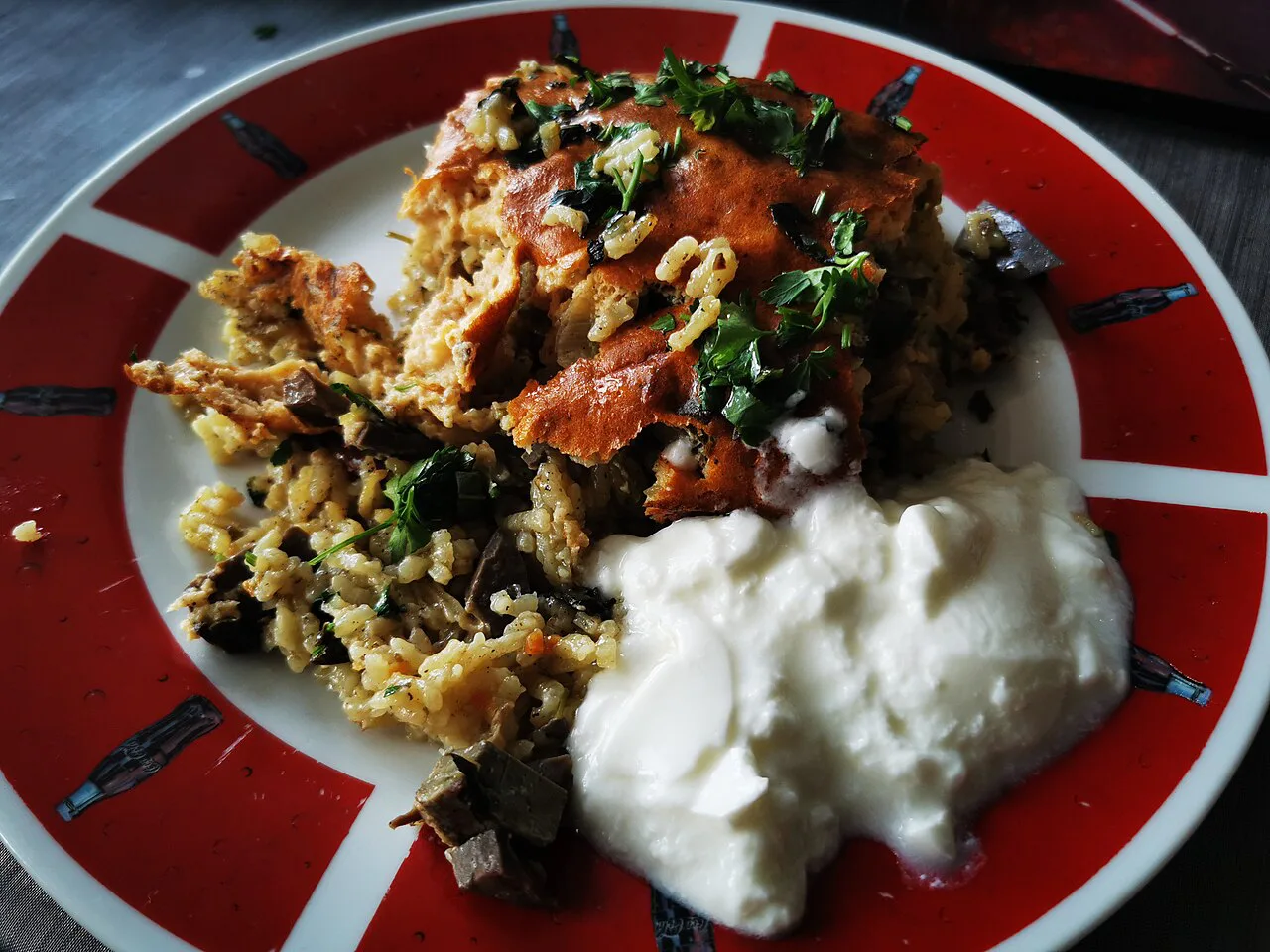
Bulgarian Sarma: Stuffed Cabbage and Vine Leaf Rolls, Explained
Last updated July 2026, this guide breaks down Bulgarian sarma, the stuffed rolls built from either sour cabbage leaves or vine leaves. The name comes from the Turkish word for wrapped, and Bulgaria's version splits sharply by season and by household calendar. Expect a decision matrix for cabbage versus vine leaves, the Sherena Sol spice logic, and the Christmas Eve tradition that turns this dish meatless one night a year.
What Is Bulgarian Sarma?
Sarma means wrapped, a term borrowed from Turkish and used across the former Ottoman Balkans for stuffed leaf rolls. In Bulgaria, sarma refers to two distinct dishes rather than one. Zelni sarmi are rolled in cabbage leaves, usually fermented, and eaten heaviest in winter. Lozovi sarmi are rolled in vine leaves and served lighter, mostly in the warmer months. Both share a rolling technique and a shared spice logic, but the filling, season, and accompaniment differ enough that Bulgarian home cooks treat them as separate dishes with one name.

Cabbage vs Vine Leaves: A Seasonal Decision Matrix
Deciding which sarma to order or cook comes down to season and weight. Use this comparison before picking a version at a mehana or planning a home batch.
| Factor | Zelni sarmi (cabbage) | Lozovi sarmi (vine leaves) |
|---|---|---|
| Season | Autumn and winter | Spring and summer |
| Leaf | Fermented sour cabbage (kiselo zele), sometimes fresh | Fresh or brined vine leaves |
| Typical filling | Pork shoulder, rice, onion | Rice, herbs, sometimes minced meat |
| Weight | Heavier, served with its own braising juices | Lighter, usually served cold or warm |
| Usual pairing | Rakia, bread, sometimes yogurt on the side | Thick Bulgarian yogurt, almost always |
Badni Vecher: Why Sarma Is a Christmas Eve Dish
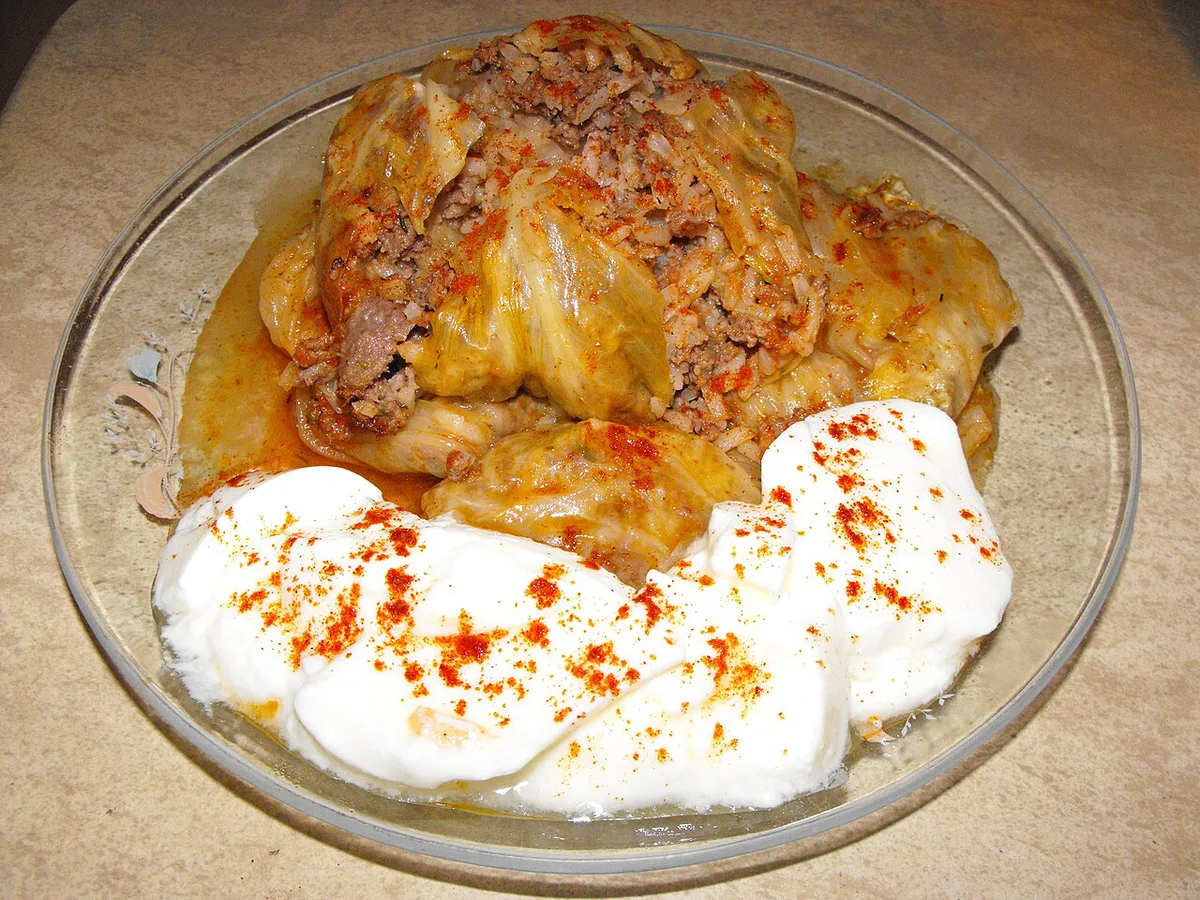
Sarma sits at the center of Badni Vecher, the Bulgarian Christmas Eve table. Tradition calls for an odd number of Lenten dishes, and stuffed cabbage rolls almost always make the list. On this night the filling changes: no meat, only rice, walnuts, and sometimes raisins packed into the cabbage leaves. The fasting rule tied to Orthodox Christmas Eve is the reason a dish normally built on pork shoulder turns fully plant-based for one meal a year. This Lenten version is worth knowing before assuming every sarma recipe is meat-based.
The Lenten version tied to Christmas Eve fasting is rarely offered in restaurants outside the holiday season, meaning most Bulgarians first encounter sarma in its plant-based form through home cooking rather than menu choice. This domestic preservation reinforces the dish's family-centered cultural role.
Essential Ingredients: Sherena Sol Spice and Kiselo Zele
Two ingredients define authentic Bulgarian sarma flavor. The first is Sherena Sol, a Bulgarian spice blend built around savory (chubritsa), the herb most competitor recipes single out as the essential seasoning for sarma filling. Paprika and black pepper round out the mix, and dried mint or oregano work as substitutes when savory is not available. The second defining ingredient is kiselo zele, whole-fermented sour cabbage rather than shredded sauerkraut. Fermentation is what separates Bulgarian cabbage sarma from a plain baked cabbage roll, and the same lacto-fermentation logic underpins the country's turshiya pickle tradition. Store-bought sauerkraut can substitute for kiselo zele in a pinch, but it is shredded rather than whole-leaf, so leaves need to be assembled from smaller pieces or swapped for lightly blanched fresh cabbage instead.
Kiselo zele's whole-leaf fermentation defines Bulgarian sarma, yet fermented cabbage also demands a gyuvech's moist heat to prevent toughening during the long bake. The tradition's authenticity depends equally on this ingredient and the vessel required to cook it properly.
- Sherena Sol: savory (chubritsa), paprika, black pepper, salt
- Kiselo zele: whole-fermented sour cabbage leaves, or fresh cabbage blanched until pliable
- Filling base: pork shoulder, rice, onion, tomato paste (meat version)
- Filling base for Badni Vecher: rice, walnuts, raisins, no meat
How to Make Sarma: A Practical Technique Guide
The technique is consistent whether the leaf is cabbage or vine. Sauté onion and, for the meat version, chopped pork shoulder in oil until the meat changes color. Stir in the Sherena Sol spice blend along with paprika and tomato paste, then cook a few more minutes off the heat. Lay each leaf flat, spoon filling into the center, and fold the sides in before rolling, seam side down, to keep the roll sealed during cooking. Arrange the rolls tightly in a clay pot (gyuvech), Dutch oven, or lidded glass dish, then add enough water or broth to submerge roughly half of each roll. Bake covered at around 180C (360F) for about an hour, following the same baking window used for the classic pork-and-cabbage version. Removing the lid for the final stretch of baking crisps the tops, a finishing step worth applying to any oven method.
- Sauté onion and pork (if using) until the meat changes color
- Mix in Sherena Sol, paprika, and tomato paste
- Fill and roll each leaf seam side down to prevent unrolling
- Arrange tightly in a clay pot or lidded dish
- Add water or broth to submerge about half the rolls
- Bake covered at 180C/360F for about 1 hour
- Uncover for the last 10 minutes for a crisper top
Meat-Based vs Lenten Sarma: Which One Applies
Choosing between the two versions is really about occasion, not just taste. Meat-based sarma, built on pork shoulder and Sherena Sol, is the everyday winter version served through autumn and into the cold months. Lenten sarma, filled with rice, walnuts, and raisins, is reserved for Badni Vecher and other Orthodox fasting days. Rhodope and Thracian households sometimes fold in regional touches, such as extra dried mint or a heavier hand with paprika, but the meat-versus-Lenten split holds across the country as the primary decision point.
Where to Find Authentic Sarma in Bulgaria
A traditional mehana is the most reliable place to try sarma outside a home kitchen, since the dish is labor-intensive and less common on fast-casual menus. Cabbage sarma tends to appear on winter menus, while vine leaf versions show up more in warmer months alongside other cold starters. Home cooking remains the primary way most Bulgarians encounter sarma, particularly the Lenten version tied to Badni Vecher, which is rarely offered in restaurants outside the holiday season. Pairing sarma with other clay-pot-cooked dishes rounds out a meal built around slow oven technique, including baked dishes like sirene po shopski.
Mistakes to Avoid: Falling-Apart or Over-Salted Sarma
Two problems account for most sarma failures. Rolls unroll during baking when the seam is not placed face-down against the dish, so always arrange rolls seam side down and pack them tightly enough that they support each other. Over-salted sarma usually comes from skipping a rinse or soak on the fermented cabbage leaves, since kiselo zele already carries salt from fermentation. Tasting the brine before assembling, and adjusting added salt in the Sherena Sol mix downward, keeps the final dish balanced.
- Roll seam side down and pack tightly to stop unrolling
- Taste kiselo zele brine before adding extra salt
- Submerge only about half the rolls in liquid, not all of them
- Use a lidded clay pot or Dutch oven, not an open dish, for the first stage of baking
What to Pair with Bulgarian Sarma
The right side dish depends on which sarma is on the table. Vine leaf sarma is served with thick Bulgarian yogurt in nearly every household, a pairing worth trying before adding anything else. Cabbage sarma is often eaten with its own braising juices and needs little beyond bread and a glass of rakia. A side of turshiya pickles cuts through the richness of the meat version, and a spoon of Bulgarian honey drizzled over the Lenten walnut-and-rice filling is a common Badni Vecher touch. Sarma sits within a broader clay-pot and fermentation-driven cooking style covered across the wider 15 Must-Try Bulgarian Foods: A Culinary Travel Guide (2026) landscape.
Why a Gyuvech Clay Pot Changes Sarma
A Bulgarian gyuvech is a lidded clay pot, not just a rustic serving dish. Its main advantage is steady, moist heat. Cabbage leaves soften without drying at the edges, while rice absorbs broth slowly. That matters most for zelni sarmi, where fermented cabbage can become tough in a shallow uncovered pan.
Compared with a metal baking tray, a gyuvech keeps the rolls pressed together and surrounded by steam. The braising juices stay concentrated, so pork, paprika, chubritsa, and sour cabbage flavor the rice evenly. In mehanas around places such as Bansko, Koprivshtitsa, and Plovdiv, clay-pot cooking is often part of the appeal, especially in winter.
If you do not have a gyuvech, use a Dutch oven or lidded glass casserole. Avoid a wide open dish for the full cook time. Uncover only near the end if you want browned tops.
Further reading: Bulgaria on Wikivoyage · Bulgaria on Wikipedia
Continue planning: Use 15 Must-Try Bulgarian Foods: A Culinary Travel Guide and The Best Banitsa Recipe: Authentic Bulgarian Cheese Pie Guide to connect this guide with the rest of your Bulgaria itinerary.
Frequently Asked Questions
What is the difference between Bulgarian sarma and Turkish dolma?
Sarma refers to wrapped rolls, typically cabbage or vine leaves folded around a filling, while dolma usually refers to stuffed vegetables such as peppers or tomatoes. Bulgarian usage keeps sarma specifically for the rolled versions.
Can you use store-bought sauerkraut for Bulgarian sarma?
Store-bought sauerkraut can substitute for kiselo zele, but it is shredded rather than whole-leaf. Expect to assemble rolls from smaller pieces, or blanch fresh cabbage leaves instead for a closer texture.
Why is sarma served on Christmas Eve in Bulgaria?
Badni Vecher calls for an odd number of Lenten, meat-free dishes, and sarma filled with rice, walnuts, and raisins is one of the most common. The tradition ties directly to Orthodox Christmas Eve fasting rules.
What is the best meat for Bulgarian sarma filling?
Pork shoulder, finely chopped, is the standard choice for meat-based cabbage sarma, seasoned with the Sherena Sol blend of savory, paprika, and black pepper.
How do you stop cabbage rolls from unrolling during cooking?
Fold the sides in first, roll tightly, and place each roll seam side down in the baking dish. Packing the rolls close together in a clay pot or lidded dish also helps them hold their shape.
For connected planning, compare practical Bulgaria travel guide with Bulgaria seasonal planning guide before finalizing your route.