Roman Stadium of Philippopolis Visitor Guide
The Roman Stadium of Philippopolis sits at the heart of modern Plovdiv, buried beneath the street locals call Glavnata.
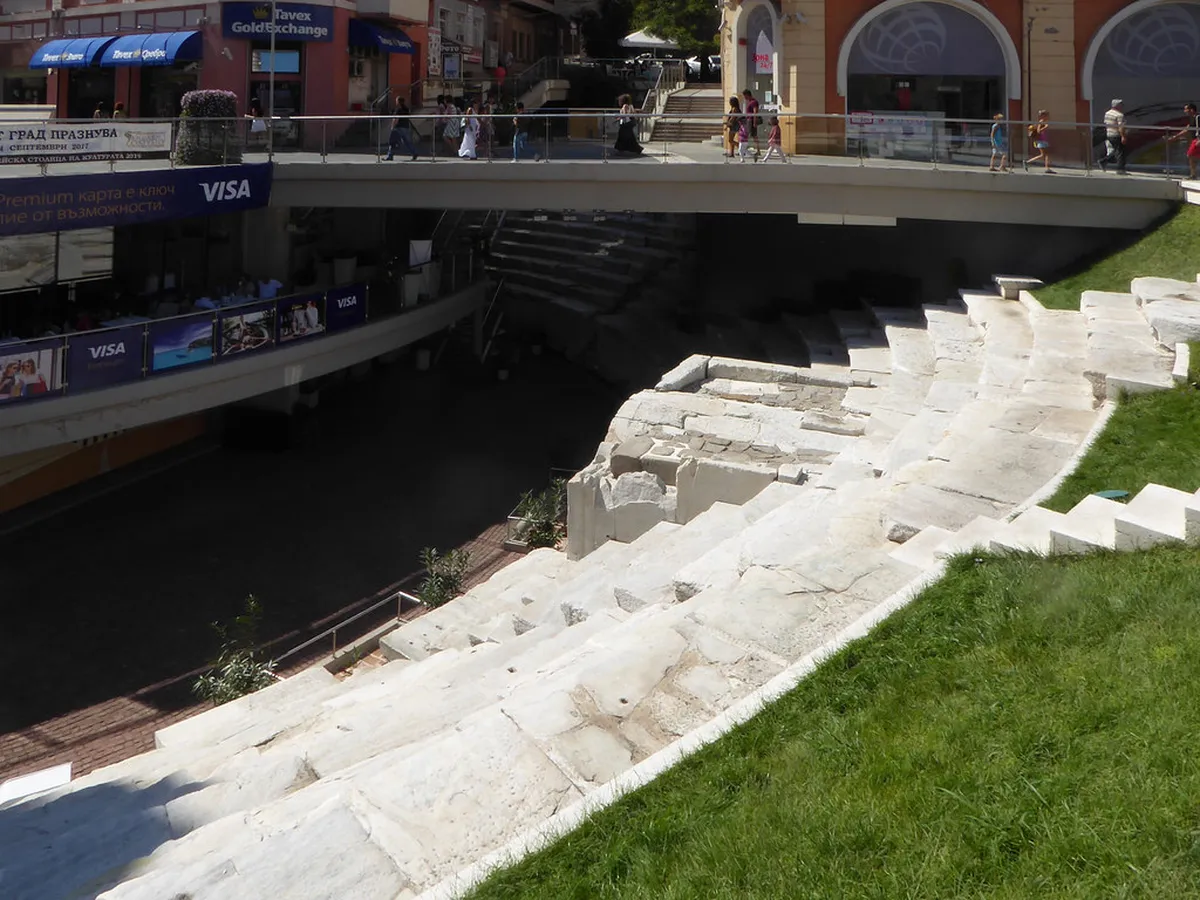
Descend the stairs at Dzhumaya Square and stand on the marble seats Roman spectators used nearly 1,900 years ago.
This 2026 guide covers what's free, what costs money, and how to avoid confusing this site with the Ancient Theatre.
For a feel of the stadium before you visit, here's a walkthrough of the excavated Sphendone:
About the Ancient Stadium of Philippopolis
This is one of the largest Roman stadiums in the Balkans, stretching roughly 240 meters long and close to 50 meters wide at its peak, with most of the arena now buried under shops lining the main pedestrian street in Plovdiv Attractions.
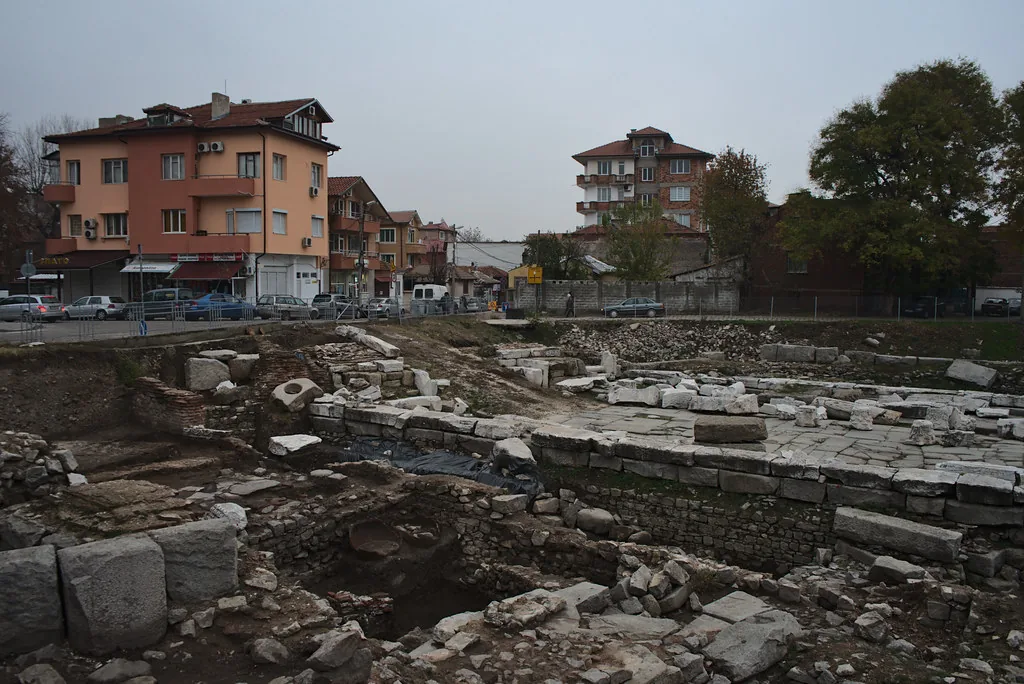
Only the sphendone, its curved northern end, is fully excavated and open at Dzhumaya Square, where it takes real effort to picture the arena running several modern city blocks.
- Original Length of the Arena
- Measurement: 240 meters
- Modern Location: Under the main street
- Visibility: Partially excavated
- Width of the Stadium
- Measurement: 50 meters
- Seating: 14 marble rows
- Structure: Built into the valley
History and Facts of the Roman Arena
The stadium was built under Emperor Hadrian, likely between 117 and 138 AD, after Thrace was annexed into the Roman Empire and Philippopolis grew into a major crossroad city.
It could seat up to 30,000 spectators who watched the athletic contests and equestrian races of the city's own Pythian Games, modeled on the games at Delphi.
Unusually, the stadium was built inside the city walls, fitted into the bowl-shaped valley between Taksim Tepe and Sahat Tepe, and its marble seats still bear inscriptions marking reserved places for imperial visitors and officials.
What to See at the Stadium Today
Visitors can walk down to the original street level and stand beside the curved marble seating of the sphendone, the best-preserved section of the arena; descent is free, and a short walkway follows the track where Roman athletes and horses once competed.
The visitor center's 3D film reconstructs the stadium at full scale, worth the small ticket price to picture how the entire arena once looked, and further fragments of the outer wall are visible through glass floors in the basements of the Excelsior shopping centre and the nearby H&M store.
Visitor Information: Working Hours and Contacts
The Sphendone and the open-air ruins above it are free every day of the year, no ticket required; the 3D cinema is the only paid part of the site, and children under 7 always go in free.
Check the latest hours on Visitplovdiv.com before you go, since the municipal site occasionally adjusts them around local holidays.
- Opening Hours
- April to October: 09:30 to 18:00 daily
- November to March: 09:00 to 17:30 daily
- Lunch break: 12:30 to 13:00
- 2026 Ticket Prices
- 3D cinema, adults: EUR 3.68
- 3D cinema, students and school groups: EUR 1.23
- Combined Eastern sector plus 3D ticket: EUR 5.11
- Free admission day: first Thursday of every month for students and retirees
Two Viewing Areas: The Sphendone and the Eastern Sector
Most first-time visitors assume "the Roman Stadium" is a single site, but Philippopolis's arena is presented in two separate spots along the same street: the Sphendone, the curved northern end at Dzhumaya Square, is the free section most photos show.
A second, ticketed section, the Eastern sector, sits further along at 11 Knyaz Alexander I Street; it's what the combined EUR 5.11 ticket covers, together with the 3D film at the visitor center.
With limited time, the free Sphendone gives the clearest sense of scale; the Eastern sector suits visitors who want more excavated seating away from the crowds.
Getting to the Stadium in Plovdiv
The stadium is located directly under Dzhumaya Square, the main meeting point for the city, within the primary pedestrian zone.
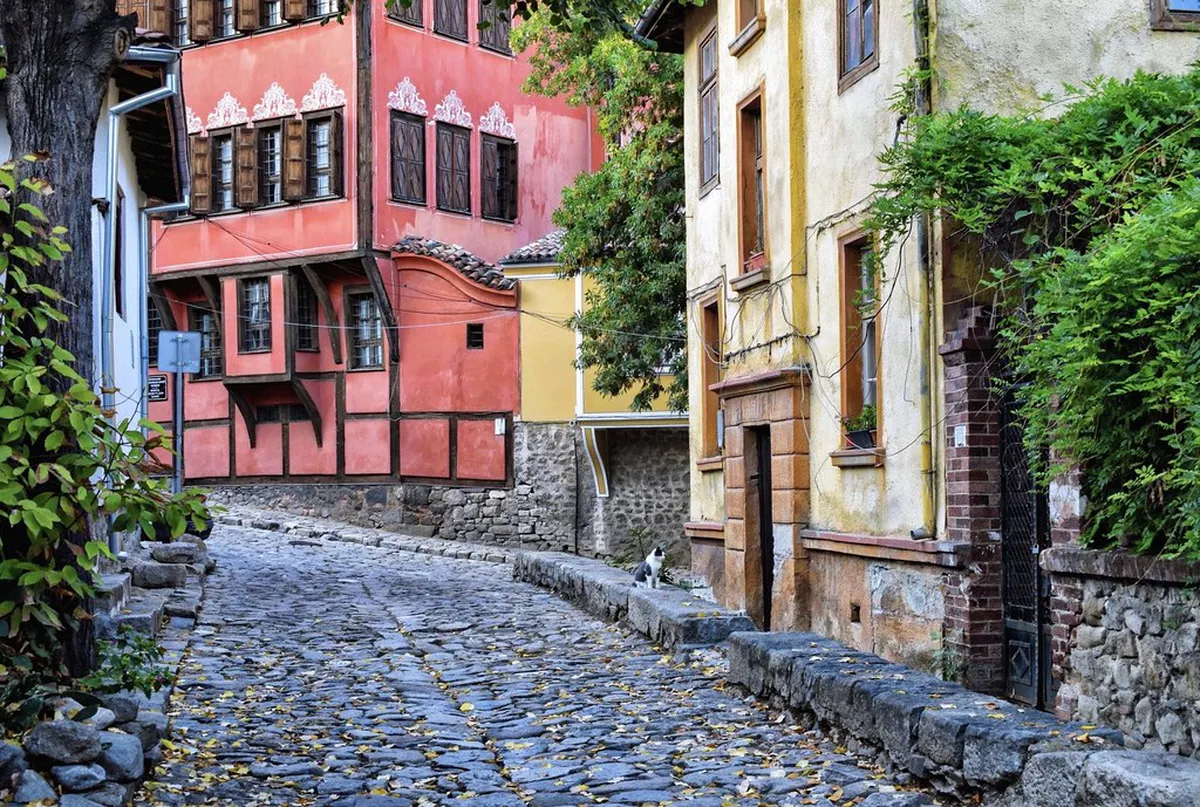
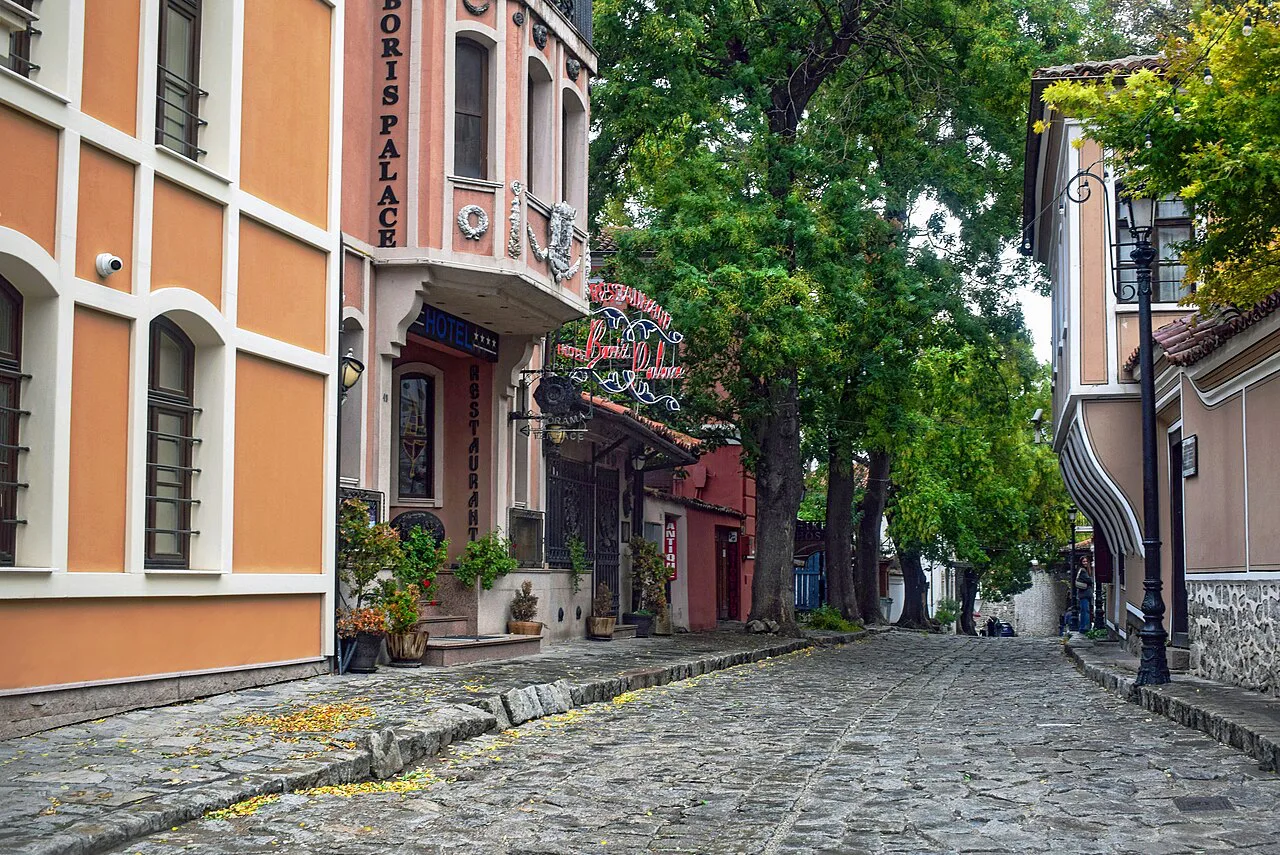
Most visitors arrive on foot after exploring the nearby Plovdiv Old Town Visitor Guide or the Kapana district.
Public buses stop near the nearby tunnel, a five-minute walk from the stadium entrance, and the Central Railway Station is roughly 15 minutes away on foot.
Parks, Gardens, and Outdoor Spots in Plovdiv
The stadium sits in the natural bowl between two of Plovdiv's hills, Taksim Tepe and Sahat Tepe, part of why the Romans could build such a long arena without extensive earthworks.
A 15-minute walk brings you to Nebet Tepe, a free hilltop fortress with panoramic views over the Old Town's red roofs.
Closer to the stadium, the riverside Tsar Simeon Garden Visitor Guide offers shaded paths, a playground, and the Singing Fountains show on summer evenings.
Must-See Roman Attractions in Plovdiv
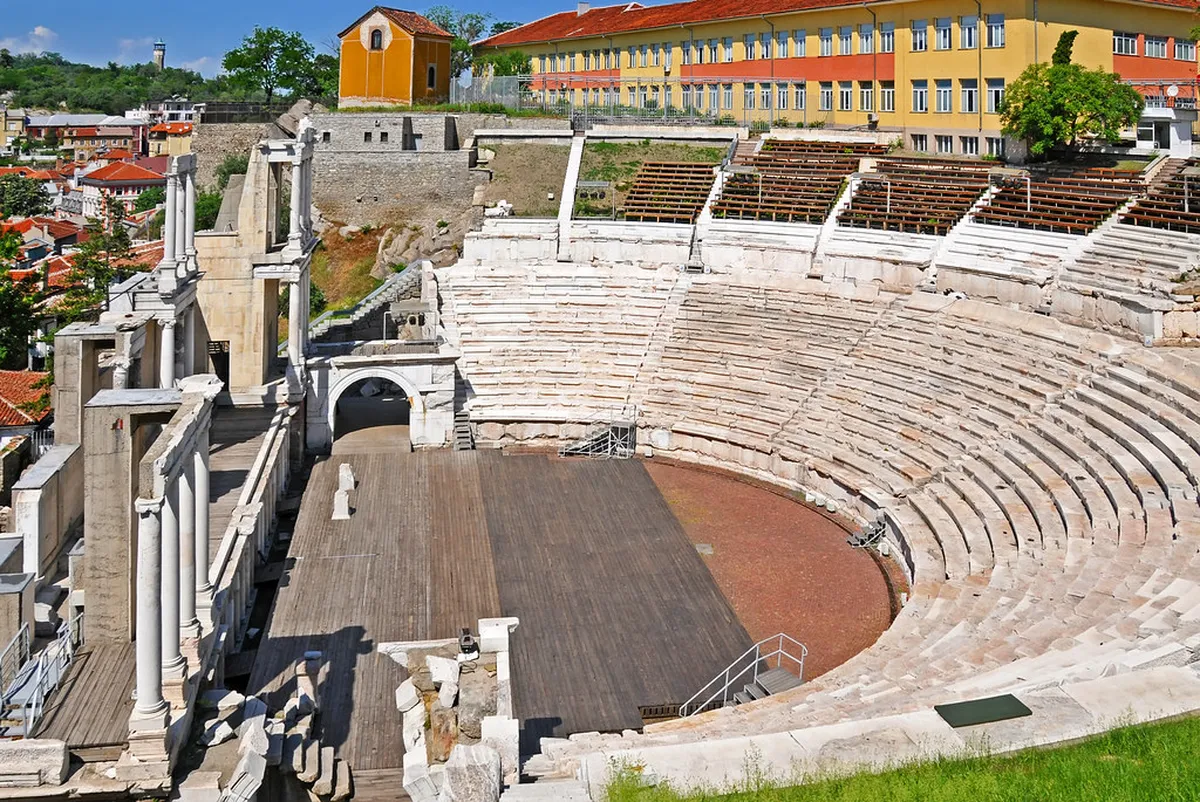
Plovdiv's Roman heritage extends well beyond the stadium, starting with the Ancient Theatre of Plovdiv Visitor Guide, carved into the hillside above the Old Town.
First-time visitors often assume the stadium and theatre are the same monument, but the sites sit roughly ten minutes apart and require separate tickets for their paid features.
The Roman Forum and the Odeon, near the central post office, round out Philippopolis's public life.
Museums, Art, and Culture in Plovdiv
After seeing the ruins you can walk to the Regional Ethnographic Museum Plovdiv for a change of pace.
The Kapana Creative District Visitor Guide is located just steps away and offers a modern artistic atmosphere.
This area is filled with small galleries and craft shops that showcase the work of local Bulgarian artists.
Exploring these cultural spots helps you understand how Plovdiv has evolved over thousands of years, from Roman arena to open-air museum to creative hub.
Family-Friendly and Budget-Friendly Options in Plovdiv
Families can let kids run safely around the open square above the ruins, and low walls around the sphendone make it easy to supervise younger children from a nearby bench.
Viewing the stadium from street level, and stepping down into the Sphendone itself, costs nothing year-round, so a full visit doesn't require a ticket unless you want the 3D film.
Students and retirees also get free admission to the site's normally ticketed features on the first Thursday of every month.
Bulgarian Cuisine and Recommended Restaurants Nearby
The Kapana district next to the stadium is the best place to find traditional Bulgarian food and craft beer.
You can try local specialties like shopska salad or grilled meats at many of the cozy outdoor cafes.
Many restaurants in this area offer modern twists on classic recipes that appeal to international travelers.
According to Wellvoyaged.com the dining scene in Plovdiv is one of the best in the entire Balkan region.
How to Plan a Smooth Roman Attractions Day
Start at the Ancient Theatre in the morning when the light works best for photos of the stage and hillside seating.
Walk down through the Old Town to Dzhumaya Square for the free Sphendone visit, then decide whether the 3D film or the Eastern sector's combined ticket is worth adding to your afternoon.
Break for lunch or a craft beer in Kapana before a short climb to Nebet Tepe for sunset views over the rooftops.
Continue planning: Use Plovdiv Attractions: 12 Top Sights, Tickets & Tips to connect this guide with the rest of your Bulgaria itinerary.
Frequently Asked Questions
Is the Roman Stadium of Philippopolis free to visit?
Yes the visible ruins at Dzhumaya Square are free to view from the street level at any time. You only need to pay a small fee if you wish to enter the visitor center for the 3D cinema experience or special exhibitions.
How much time do you need at the Plovdiv Roman Stadium?
Most visitors spend about 30 to 45 minutes exploring the excavated ruins and taking photos. If you plan to watch the 3D historical movie you should allow at least one hour for your full visit to the site.
Where is the entrance to the Roman Stadium in Plovdiv?
The main entrance to the excavated area and the visitor center is located directly under Dzhumaya Square. You will find stairs leading down from the pedestrian street near the large mosque in the city center.
What was the capacity of the Ancient Stadium of Philippopolis?
The stadium could accommodate approximately 30,000 spectators across its 14 rows of marble seating. This made it one of the largest and most significant structures in the entire Roman province of Thrace.
The Roman Stadium of Philippopolis is a must-see landmark that perfectly bridges the gap between ancient and modern Plovdiv.
Visiting this site allows you to walk in the footsteps of ancient athletes while enjoying a modern European city.
Be sure to include the 3D movie in your visit to fully appreciate the architectural genius of the Roman era.
Plan your 2026 trip today to see why this arena remains a highlight for every traveler in Bulgaria.
To verify current details, consult the Roman Stadium of Philippopolis official site and Roman Stadium of Philippopolis on Wikipedia.
For more Plovdiv planning, read our Best Things to Do in Plovdiv: Complete 2026 Guide and Plovdiv Roman Stadium: A Complete Visitor Guide guides.