Kaylaka Park (Kaylъka) Visitor Guide
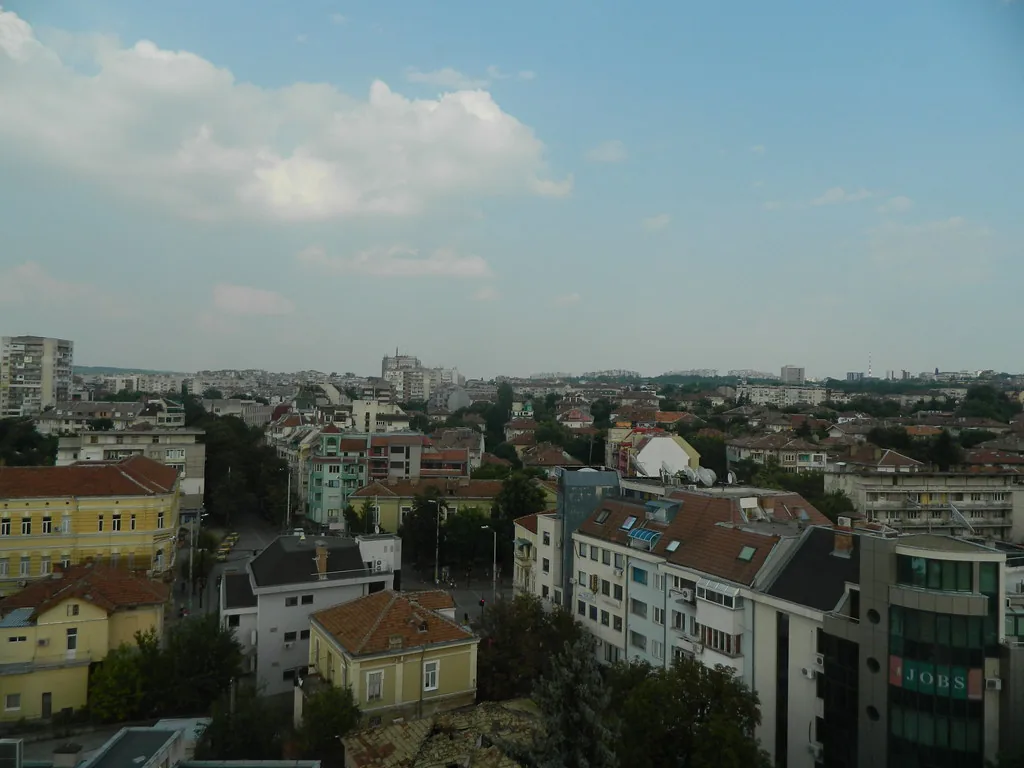
Visitors find Kaylaka Park at the southern edge of Pleven where the Tuchenica River carves a deep limestone gorge. This protected area spans nearly 10,000 acres and serves as the primary green space for local residents and tourists.
This kaylaka park (kaylъka) visitor guide helps you explore the unique blend of Roman history and modern recreational spots. You will discover why this 'stone valley' remains one of the most beloved natural landmarks in northern Bulgaria.
The park offers everything from ancient fortress ruins to a world-class wine museum hidden inside a natural cave. Planning your trip to the city of Pleven ensures a perfect mix of cultural education and outdoor adventure.
For an aerial perspective of the entire valley and its terrain, here's a drone flight over the park:
About Kaylaka Park: History and Origins
The name Kaylaka comes from the Turkish word 'Kaylak' which translates directly to 'stone valley' or 'Kamenets'. This moniker perfectly describes the rugged karst landscape that defines the park's unique geological character.
Formal development of the area began in 1946 under the leadership of Ivan Vinarov and a dedicated committee of volunteers. They envisioned a massive recreational zone that would combine natural beauty with accessible public amenities for all citizens.
A remarkable reforestation effort took place in 1958 when Boris Pariskov led a team to plant over two million saplings. This massive project introduced diverse species like Himalayan pines and Lebanon cedars to the previously rocky terrain.
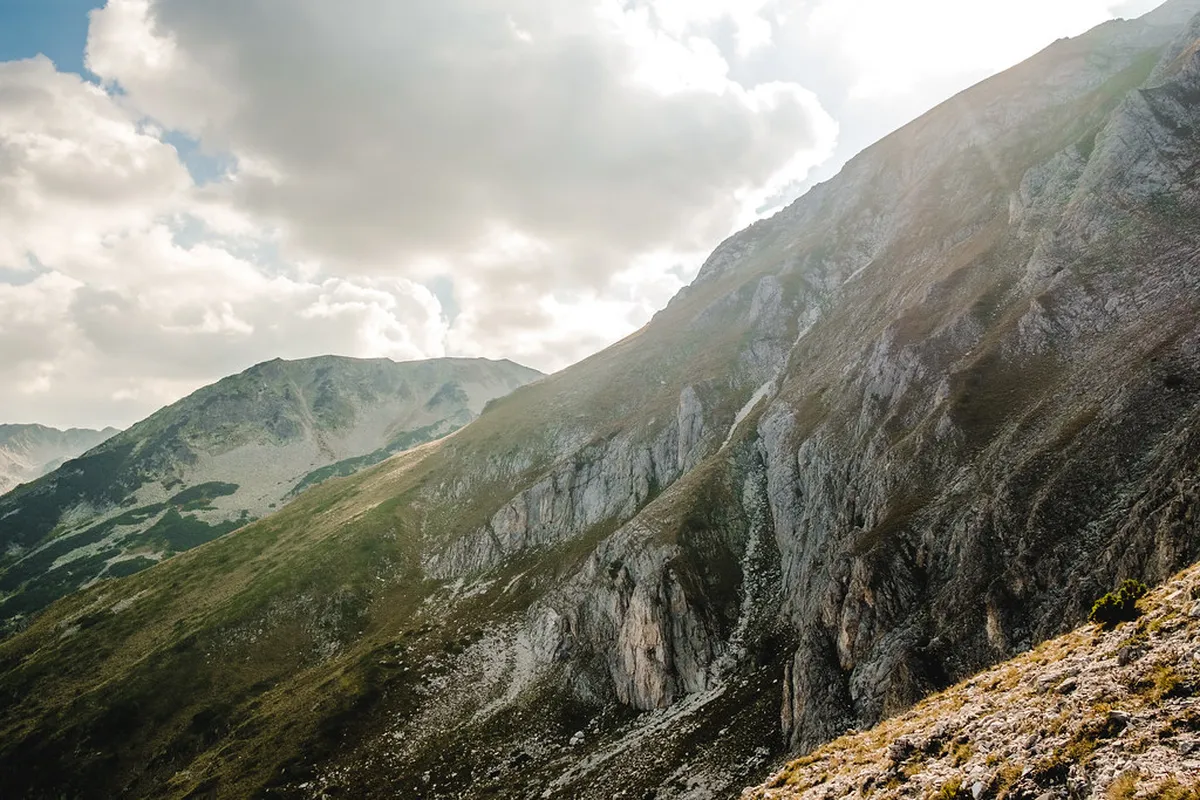
Today the park encompasses approximately 4,000 hectares of land and serves as a vital ecological corridor for the region. It stands as a testament to successful long-term environmental planning and community-driven conservation efforts.
Must-See Kaylaka Attractions and Landmarks
History enthusiasts should head straight to the Storgosia Fortress to see ruins dating back to the late Roman period. These ancient walls once protected a thriving settlement and now provide a window into the military past of the region.
The Tuchenica River gorge features impressive limestone cliffs that tower 20 to 30 meters above the valley floor. Walking along the river banks allows you to see how water has shaped the soft stone over thousands of years.
You can find Totleben’s Wall near the park dams which played a critical role during the 1877-1878 Liberation War. General Totleben designed these structures to block water supplies and pressure the defending forces during the Siege of Pleven.
Pair the park's siege-era remains with two nearby sites that fill in the rest of the story: Skobelev Park-museum, built around the redoubts where the war's bloodiest assault took place, and the St. George the Conqueror Chapel-Mausoleum, the ossuary where soldiers from both sides are buried together. Both are a short taxi or bus ride from Kaylaka and reward the same half-day you'd otherwise spend only on the park's own ruins.
Exploring these Pleven attractions provides a deep sense of the strategic importance this valley held for centuries. Each stone and path tells a story of conflict, survival, and eventual peace in the Balkan Peninsula.
Museums, Art, and Culture in Kaylaka
The Wine Museum is arguably the most famous cultural site within the park because of its unusual location. It sits entirely inside a natural cave which provides the perfect temperature and humidity for storing precious vintages.
Inside the cave you will find over 7,000 bottles of wine representing various regions across Bulgaria. The dim lighting and cool air create an immersive atmosphere that makes every tasting session feel like a journey through time.
Professional sommeliers offer guided tours that explain the long history of winemaking in the Thracian plains. Visitors can learn about local grape varieties while admiring the impressive collection of historical wine-related artifacts and tools.
Artistic sculptures and monuments are also scattered throughout the park to honor local heroes and historical events. These cultural markers add a layer of intellectual discovery to your leisurely walk through the shaded forest paths.
Parks, Gardens, and Outdoor Spots in Kaylaka
Active travelers often visit the park specifically for the 20-30 meter limestone cliffs that are perfect for rock climbing. These vertical faces offer various routes suitable for both beginners and experienced climbers looking for a challenge.
The botanical diversity is another major draw for nature lovers who enjoy identifying rare tree species. Look for the tall chestnut trees and the distinct needles of the Lebanon cedars that thrive in this protected microclimate.
Several artificial lakes and dams provide serene spots for quiet reflection or photography near the water's edge. These bodies of water also support local bird populations making the park a great destination for amateur birdwatching.
Well-maintained trails crisscross the entire valley and offer different levels of difficulty for hikers and casual walkers. You can choose a flat path near the river or a steeper climb to the plateau for panoramic views.
- Climbing the Limestone Cliffs
- Height: 20 to 30 meters
- Access: Near the gorge
- Level: Beginner to expert
- Best: Spring or autumn
- Walking the Botanical Trails
- Length: Multiple route options
- Focus: Rare tree species
- Terrain: Mostly flat paths
- Cost: Free public access
Family-Friendly and Budget-Friendly Options in Kaylaka
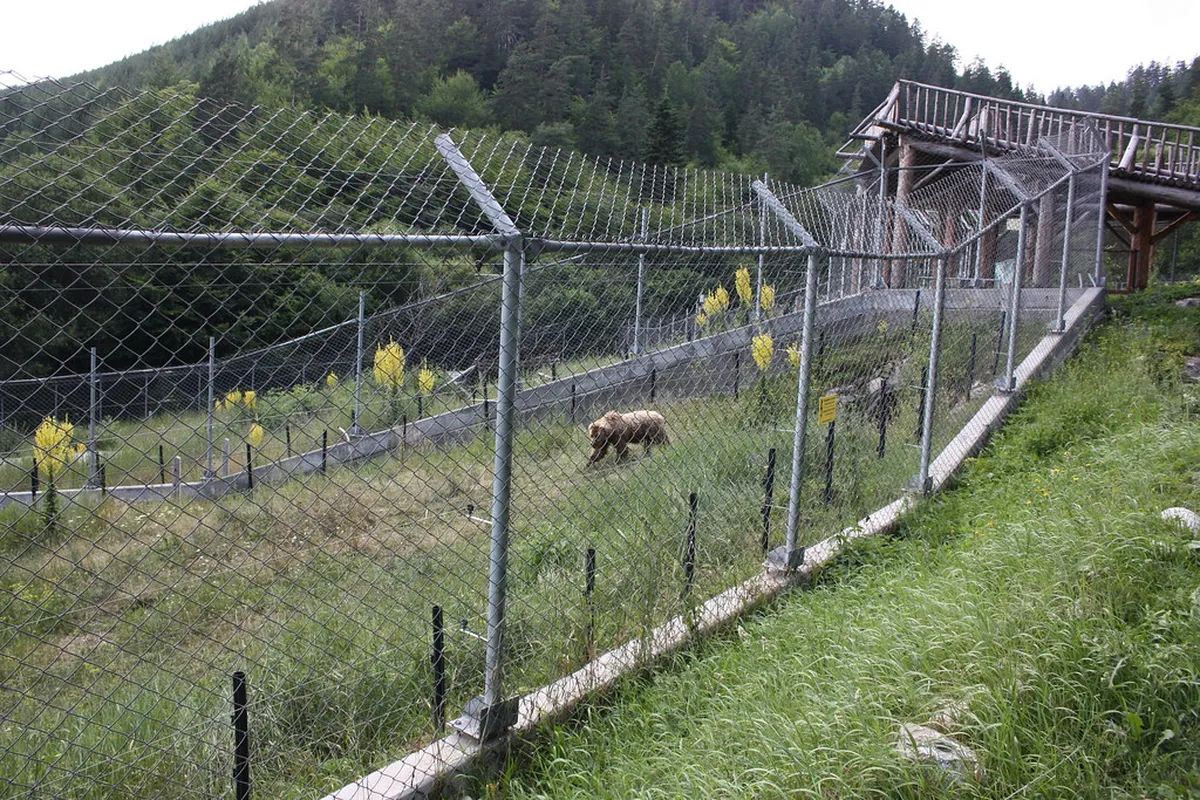
Families with children will enjoy a visit to the Kaylaka Zoo which houses various local and exotic animal species. The zoo is designed to be walkable for small kids and offers an educational break from the hiking trails.
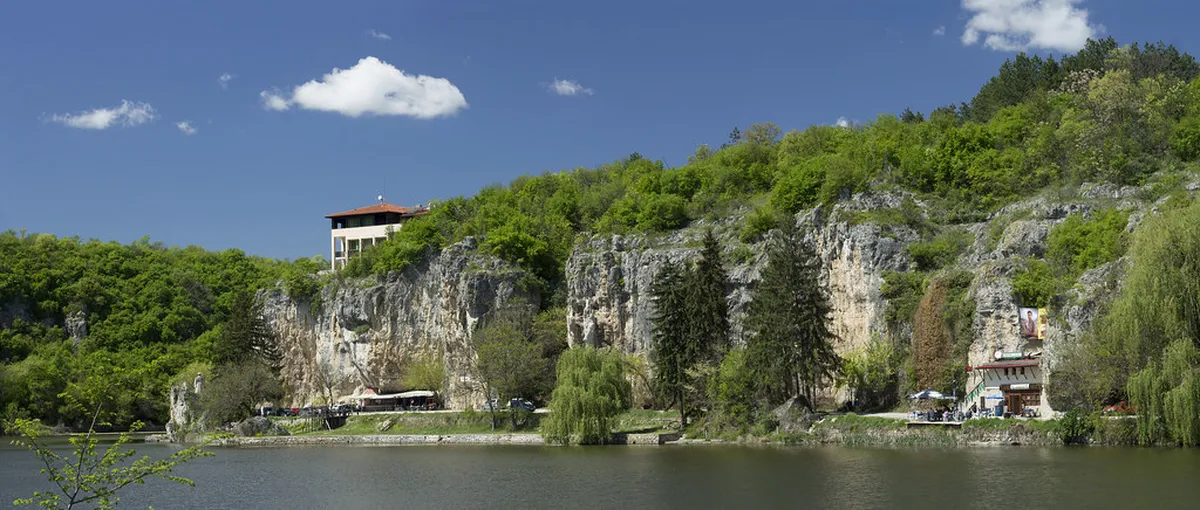
Boating on the park's central lake is a popular summer activity that provides a fun perspective of the surrounding cliffs. You can rent small paddle boats or rowboats for a very reasonable hourly fee during the peak season.
Numerous playgrounds are located near the main entrance and offer safe spaces for children to play while parents relax. These areas are surrounded by benches and shaded by large trees to keep everyone cool during the afternoon.
Most of the park remains free to enter which makes it an excellent choice for travelers on a tight budget. You only need to pay small fees for specific attractions like the zoo or the wine museum tours.
Since Bulgaria's January 2026 switch to the euro, those small on-site fees are posted in EUR at each facility, with the lev (BGN) figure often still shown alongside during the changeover. Rates for boating, the zoo, and the pool aren't published centrally, so treat any number you see on an older blog or review as out of date and check the board at the ticket window instead.
How to Plan a Smooth Kaylaka Attractions Day
Reaching the park from the Pleven city center is easy whether you choose to walk, take a bus, or use a taxi. The main entrance is roughly a 30-minute walk from the central plaza along a pleasant pedestrian-friendly route.
Check the Google Maps: Kaylaka Park Location to plan your specific entry point and see nearby transit stops. Local buses run frequently and stop right near the start of the main walking paths.
The best time to visit for the rose gardens is during late May or early June when the flowers are in full bloom. Rock climbers should aim for the shoulder seasons to avoid the intense summer heat reflecting off the limestone.
Wear comfortable walking shoes because the park is vast and you will likely cover several miles during a full day of exploration. Bringing a refillable water bottle is also wise as there are several natural springs with drinkable water.
Not every corner of the park is equally easy going, which matters if you're traveling with a stroller or a wheelchair. The paved lakeside promenade from the main entrance to the central lake is flat and wide for roughly the first kilometer, enough to reach the boating dock and the nearest picnic tables without any steps. Past that point the ground turns to packed dirt and exposed karst, and the paths climbing toward the Storgozia ruins and the cliff-top viewpoints involve loose stone and uneven steps, so plan a shorter, flatter loop rather than assuming the whole valley is level.
Culinary Delights: Refined Flavors and Local Drinks
Several restaurants are located near the park entrance and offer traditional Bulgarian dishes like grilled meats and fresh salads. Dining outdoors under the canopy of old trees provides a relaxing atmosphere after a long morning of walking.
You should try the local wines produced in the Pleven region which are known for their rich body and complex aromas. Many eateries serve these wines by the glass so you can sample different varieties with your meal.
Picnic areas are designated throughout the park for those who prefer to bring their own snacks and enjoy a meal in nature. These spots are usually equipped with wooden tables and trash bins to help keep the environment clean.
Seasonal kiosks also sell light refreshments like ice cream and cold drinks during the warmer months of 2026. These are convenient for a quick energy boost while you are deep within the forest trails.
Accommodation: Park Hotel Kaylaka and Nearby Stays
Park Hotel Kaylaka is the most prominent lodging option and sits directly within the beautiful park boundaries. This hotel offers a spa center and comfortable rooms that overlook the lush greenery and limestone cliffs.
Staying at this hotel allows you to be the first person on the trails each morning before the day-trippers arrive. It is a great choice for travelers who prioritize peace and quiet over the bustle of the city center.
Other accommodation options are available in central Pleven if you prefer to be closer to shopping and urban nightlife. Most city hotels are just a short drive or bus ride away from the park's main gates.
Worth clearing up before you book: Kaylaka Park is the free public nature reserve covered throughout this guide, while Park Hotel Kaylaka is a separately run four-star property that simply sits inside the park's boundary. A room there doesn't include entry to the zoo, pool, or wine museum, since those stay independently ticketed facilities. Search results and older reviews sometimes blur the two names together, so confirm whether a listing means the park or the hotel before you plan a budget around it.
Booking your stay in advance is recommended during the summer months when local events and festivals draw larger crowds. Early reservations often secure better rates and ensure you get a room with the best views of the valley.
Find and Book a Tour: Exploring Beyond the Park
Many visitors combine their park trip with a guided tour of the famous Pleven Panorama (Pleven Epopee 1877) Visitor Guide which commemorates the 1877 siege. This massive art installation is located nearby and provides essential context for the military history seen in the park.
You can find various things to do in Pleven by booking a local guide who knows the hidden stories of the region. They can lead you to lesser-known spots like the smaller karst caves or specific historical monuments.
Regional tours often include stops at local wineries and traditional villages to give you a broader taste of northern Bulgarian culture. These organized trips take the stress out of navigation and provide expert insights into the local way of life.
Exploring beyond the park boundaries reveals a city rich in 19th-century architecture and vibrant public squares. A well-planned tour ensures you do not miss the subtle details that make this part of Bulgaria so unique.
Continue planning: Use Pleven Attractions & Things to Do: Panorama, Kaylaka Park to connect this guide with the rest of your Bulgaria itinerary.
Frequently Asked Questions
What is Kaylaka Park?
Kaylaka is a large nature park and protected area on the southern edge of Pleven, set in the rocky karst canyon of the Tuchenitsa river. Its name comes from the Turkish word for a rocky place, and it spans about 10 km2 of cliffs, lakes, woodland and recreation grounds, along with the ruins of the Roman fortress of Storgozia.
Is Kaylaka Park free to enter?
Yes. Kaylaka is a free, open-access public park you can walk into year-round. Individual facilities such as boat and pedalo rental, the swimming pool, the zoo area and the cave wine-museum/restaurant charge their own fees on site.
How do I get to Kaylaka Park from Sofia?
Pleven is about 170 km north-east of Sofia, roughly a 2 to 2.5 hour drive via the A2 Hemus motorway, or 2.5 to 3.5 hours by direct train or bus. Kaylaka sits about 4 km south of Pleven's centre and is reachable by car, taxi or local bus.
What is the Storgozia fortress in Kaylaka?
Storgozia is a late-Roman fortress built in the 4th-6th centuries AD, whose ruins stand within the park. Excavations have uncovered fortified gates, defensive towers, a grain warehouse (horreum) and the remains of an early Christian basilica, making it a key historical site inside Kaylaka.
What activities are available in Kaylaka Park?
The park is popular for walking and hiking, cycling, rock climbing on the limestone cliffs, boating and pedalos on the lakes, fishing and swimming. There are children's playgrounds, tennis courts, cafes and restaurants, hotels, and an unusual cave wine museum-restaurant.
How much time should I spend at Kaylaka Park?
Allow around 2 to 4 hours for a walk through the canyon, the lakes and the Storgozia ruins. If you plan to use the recreation facilities such as boating, the pool or a meal at the cave restaurant, it easily fills a half or full day.
How big is Kaylaka Park and what is the landscape like?
The park covers roughly 10 km2 (10,000 decares) along the Tuchenitsa river canyon. Over centuries the river cut through the limestone to form a gorge lined with parallel vertical cliffs 20-30 metres high, which are also popular with rock climbers.
Which Kaylaka is this?
This is Kaylaka Park in Pleven, north-central Bulgaria, the karst-canyon nature park on the city's southern edge - not any similarly named place elsewhere.
Kaylaka Park remains a crown jewel of northern Bulgaria by blending natural beauty with centuries of deep history. Whether you are sipping wine in a cave or climbing limestone walls, the valley offers something for every traveler.
This kaylaka park (kaylъka) visitor guide highlights the importance of planning your trip to see both the Roman ruins and the lush gardens. Make sure to dedicate at least one full day to truly appreciate the scale of this 10,000-acre treasure.
Your visit to Pleven will be much richer after exploring the quiet trails and historical monuments of this unique stone valley. We hope this guide helps you create lasting memories in one of Bulgaria's most impressive public parks.
For more Pleven planning, read our Kaylaka Park, Pleven (2026): Caves, Cliffs & Trails Guide.
For the latest official information, see the Kaylaka Park (Kaylъka) official site, Kaylaka Park (Kaylъка) on Wikipedia and Kaylaka Park (Kaylъka) on Wikipedia.