Basarbovo Rock Monastery (St. Dimitar Basarbowski) Visitor Guide
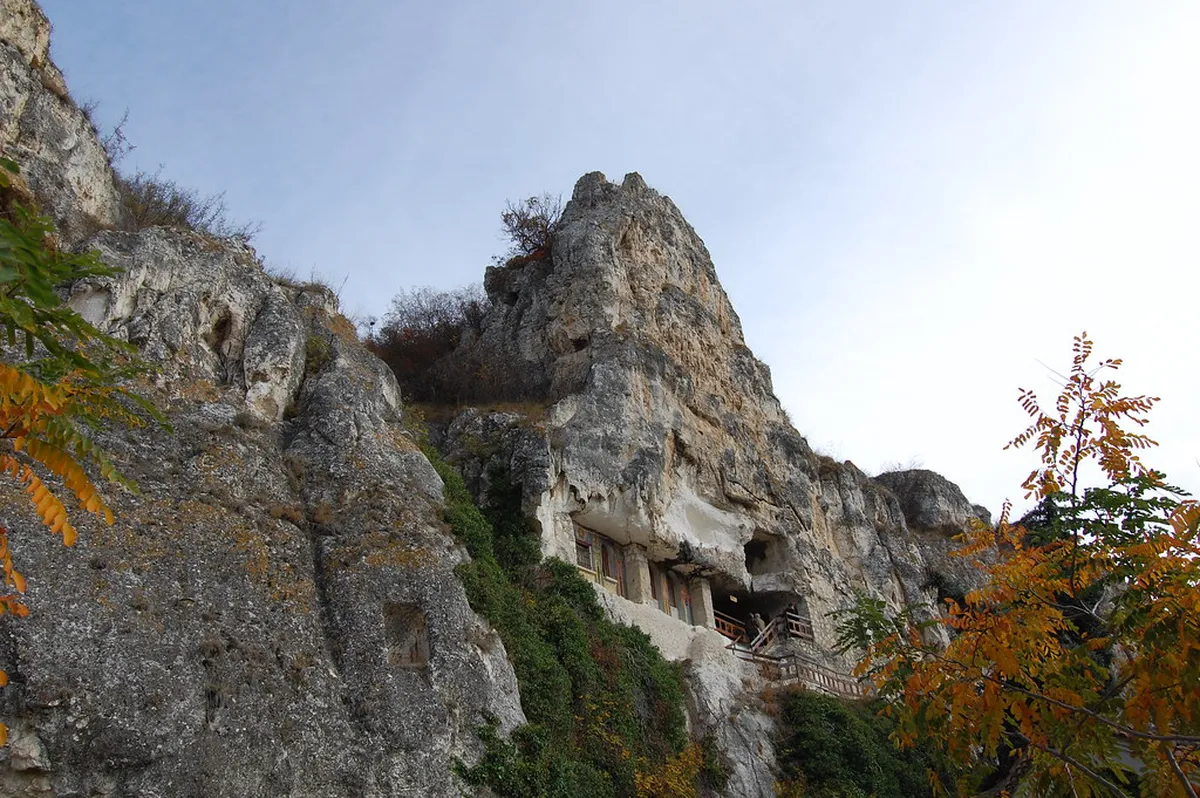
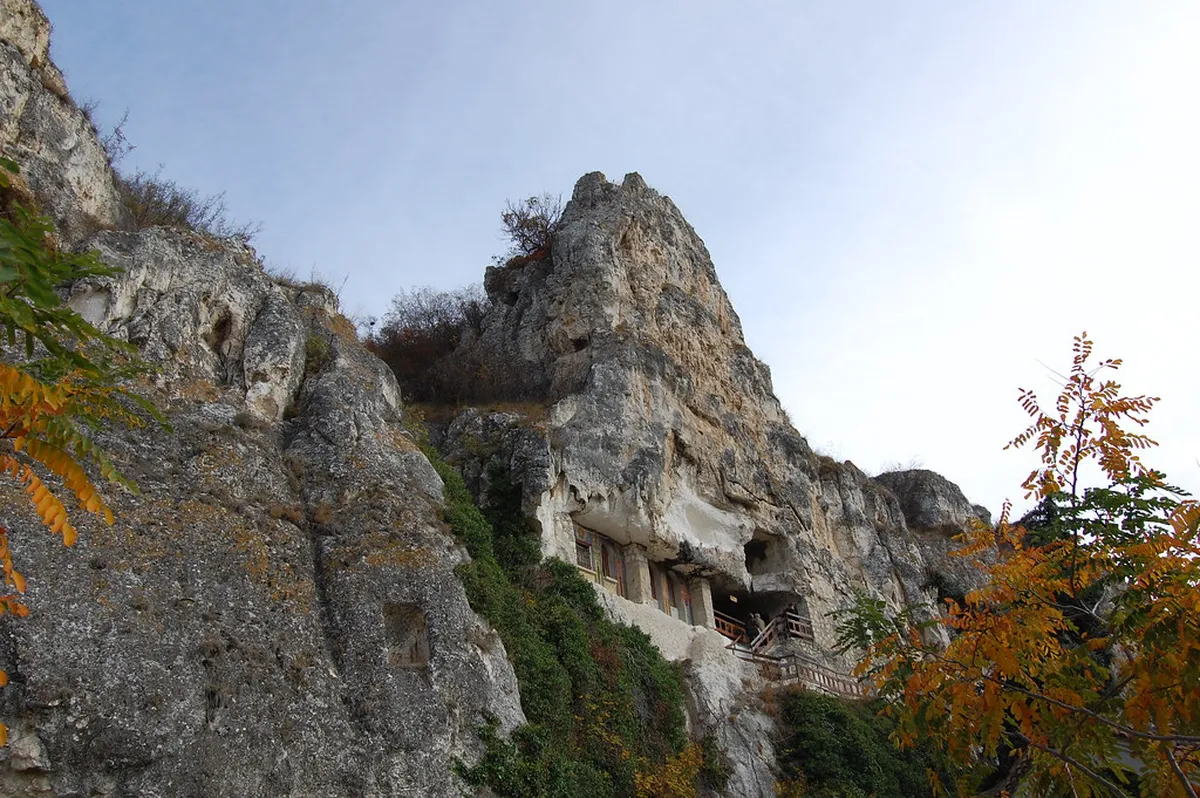
The Basarbovo Rock Monastery stands as a unique spiritual sanctuary nestled within the scenic limestone cliffs of the Rusenski Lom river valley. This remarkable site remains the only active rock-hewn monastery in Bulgaria, offering a glimpse into centuries of Orthodox tradition. Located just 10-12 kilometers from the city of Ruse, it serves as a popular destination for both pilgrims and curious travelers. This 2026 guide covers the monastery's history, current opening hours, transport from Ruse, and what to expect on the climb up to the cave church.
Visitors often feel a sense of peace when they enter the beautifully maintained garden at the base of the cliffs. The monastery was first mentioned in an Ottoman tax register dating back to the year 1431. It represents a living piece of history where a small community of monks still lives and prays within the stone walls. Understanding the layout, the legends, and a few practical logistics before you arrive will make the short trip from Ruse far more rewarding.
To see the rock-carved interior and the climb up to the cave church, here's a walkthrough of Bulgaria's only active rock monastery:
What is Basarbovo Rock Monastery?
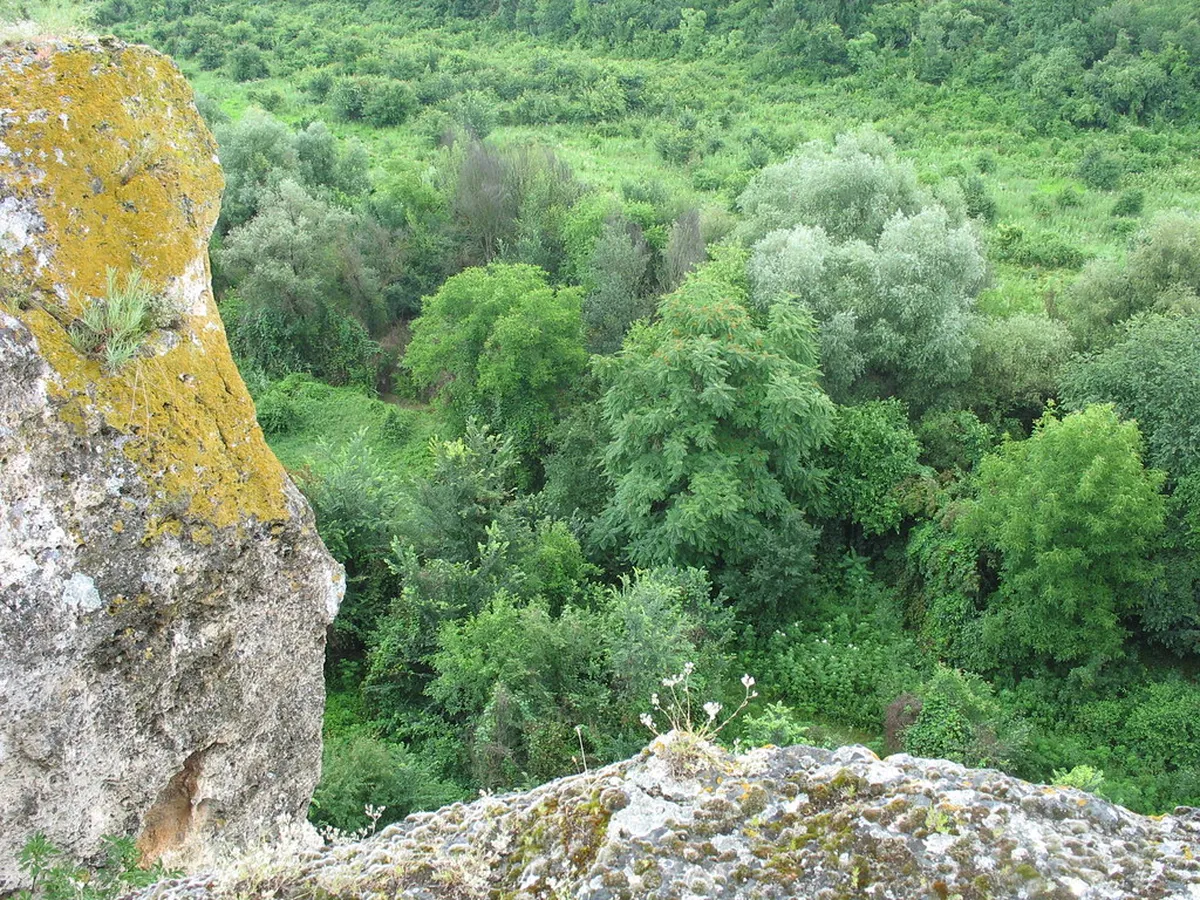
Basarbovo Monastery is a medieval cave complex that still functions as a place of worship. Unlike the nearby Ivanovo churches, which are museum sites, this monastery maintains a small community of resident monks under an abbot. It is dedicated to Saint Dimitar Basarbowski, revered in both Bulgaria and Romania, and sits along the banks of the Rusenski Lom River amid towering limestone cliffs.
Historical records place the monastery's founding in the era of the Second Bulgarian Empire, 12th-14th centuries, when the valley became a hub for hesychasm — a mystical Orthodox tradition of silence, prayer, and isolation. Monks carved cells and chapels directly into the soft limestone by hand. The village below is thought to take its name from Queen Theodora Basarab, first wife of Tsar Ivan Alexander and daughter of the Wallachian voivode Ivanko Basarab, an early patron of the monastery.
The grounds include a landscaped courtyard, a small museum, and paths leading up the cliffside, and travelers often stop here while exploring the wider Rusenski Lom Nature Park Visitor Guide. The site is officially listed as No. 50b on the 100 National Tourist Sites of Bulgaria, a checklist many domestic travelers work through with a dedicated stamp book.
The Life and Miracles of St. Dimitar Basarbowski
Saint Dimitar was born in the village of Basarbovo during the 17th century and lived a remarkably humble life. He spent his early years as a shepherd before choosing the path of a monk in the nearby rock monastery. Legend says he spent his life in quiet prayer and died around 1685 on the banks of the Rusenski Lom, his body later recovered from the river and found to be incorrupt.
The saint became known for many miracles, including healing the sick and shielding the community from drought and disease. During the Russo-Turkish War of 1768-1774, his relics were moved out of Basarbovo for safekeeping; a Russian general intended to carry them on to Russia, but at the request of local intermediaries they remained in Bucharest instead. You can find more about the Bulgarian Orthodox Church History to understand his enduring legacy.
Today, St. Dimitar is a patron saint of Bucharest, and his relics rest in the Church of Sts. Constantine and Helena, part of the Romanian Patriarchal Cathedral complex on Metropolitan Hill. Thousands of pilgrims travel between Ruse and Bucharest each year to honor him, which is why Romanian visitors make up such a large share of Basarbovo's traffic. Back in Basarbovo, the rock-cut cell where he lived remains a focal point for modern pilgrims.
Practical Information: Opening Hours and Entrance Fees
The monastery keeps seasonal hours: 08:00 to 19:00 daily from April through September, and 08:00 to 17:00 daily from October through March. Always build in a buffer before closing time, since it is a working religious site and access can shift around major Orthodox feasts, especially the patron's day on October 26. Check the Visit Bulgaria - Official Tourism Portal if you are planning around a holiday.
Entry is effectively free. Recent visitors report no mandatory fee, with donations welcomed for candles and the upkeep of the buildings; older guides mention a token charge of roughly 1.02 EUR (2 BGN), so carry a little small change either way. Bring cash in small denominations for candles or icons, since there is no card reader at the gift stall.
Local tip: if you are working through Bulgaria's 100 National Tourist Sites program, Basarbovo is stop No. 50b and the stamp is kept at the gift shop near the courtyard entrance — ask for it before the climb, since the attendant is not always at the desk on the way back down. Modest dress is expected: cover shoulders and knees, and remove hats before entering either church.
- Essential Visitor Logistics for Basarbovo
- Opening Hours: 08:00-19:00 (Apr-Sep) / 08:00-17:00 (Oct-Mar)
- Entrance Fee: Free (donations encouraged)
- Stamp Location: Monastery gift shop, No. 50b
- Dress Code: Shoulders and knees covered
How to Get to Basarbovo Rock Monastery from Ruse
Reaching the monastery from Ruse is straightforward if you pick the right mode of transport. A taxi is the most convenient option and typically costs around 10-12 BGN, roughly 5-6 EUR, for the 15-minute ride. Drivers around Freedom Square (Ploshtad Svoboda) Visitor Guide are usually familiar with the route, and it is worth agreeing the fare or confirming the meter before you set off.
Public buses run from the Avtogara Iztok bus station in Ruse to Basarbovo village, but the schedule is where most first-time visitors run into trouble: return departures are infrequent, and travelers commonly report waits of an hour to ninety minutes for the bus back, so check the timetable before you climb up rather than after. From the village center bus stop it is roughly 1.4 km, about 20 minutes on foot, along a flat riverside road to the monastery gate.
Cycling from Ruse is a pleasant, largely flat alternative that follows the river valley through open countryside. Drivers can self-navigate easily: leave Ruse toward Sofia, take the signposted left turn to Basarbovo before the large bridge, and follow the village road to a small free parking area at the base of the cliffs.
Key Features: The 48 Steps, the Cave Church, and the Holy Well
The visit unfolds in layers. At the base of the cliffs, past the landscaped courtyard, you will find two monastic rooms and a rock-cut dining cave added in 1956, along with the holy well that legend says St. Dimitar dug himself. Locals believe the well's water carries curative properties, and many visitors pause here to draw a bucket and rest in the shade before the climb.
From the courtyard, a flight of 48 stone stairs cut into the rock leads up to a narrow terrace, where the site starts to feel carved rather than built. At the top sits the small rock church, its wood-carved iconostasis dating to 1941 and a large icon of St. Dimitar watching over the space, plus a rock niche where the saint is said to have slept. Services are still held inside, so keep voices low if worshippers are present.
A separate short staircase leads to a natural cave that now serves as an ossuary and small museum. This is where Father Hrisant, the monk who arrived from the Transfiguration Monastery near Veliko Tarnovo and revived Basarbovo as a working community in 1937, is buried. Give yourself 60 to 90 minutes for all three levels — courtyard, terrace church, and ossuary cave.
Exploring the Village of Basarbovo
Basarbovo village sits a short walk from the monastery, on the road that follows the Rusenski Lom River, and it is worth a slow ten minutes even if you are short on time. It is a small, quiet farming settlement whose unhurried pace makes the contrast with the cliffside monastery feel sharper. St. Dimitar is remembered here as a shepherd who kept sheep and tended a small vineyard by the river before becoming a monk.
Do not expect restaurants or shops beyond a small general store — the village has no dedicated tourist infrastructure, and there is currently no guesthouse or hotel here. Most visitors treat it purely as the gateway to the monastery, parking or getting off the bus and walking the flat riverside path the rest of the way. For a proper meal, plan to eat in Ruse before or after your visit.
Nearby Attractions in the Rusenski Lom Region
A visit to Basarbovo pairs naturally with the Rock-Hewn Churches of Ivanovo Visitor Guide, a UNESCO World Heritage Site further into the valley, known for its 14th-century frescoes. Both sites share the same geological formation and monastic network, but offer contrasting experiences: a preserved museum at Ivanovo against a living monastery at Basarbovo. Ivanovo typically closes over winter, while Basarbovo stays open year-round.
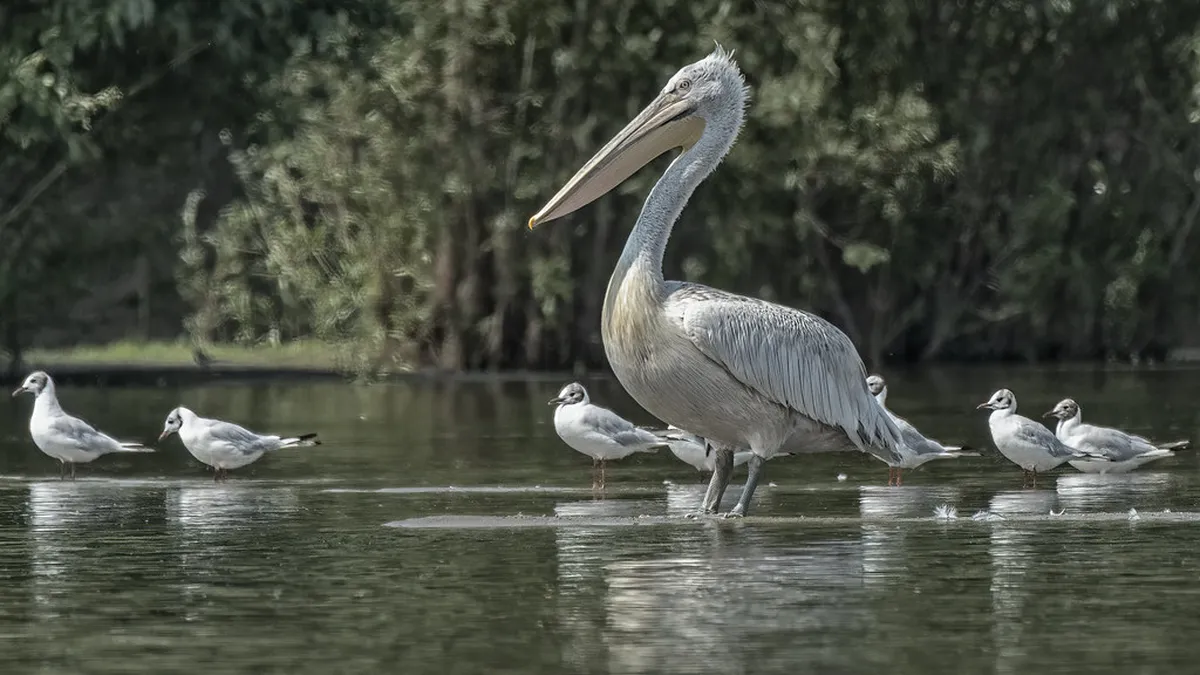
A practical day-trip plan for 2026: leave Ruse around 09:00, spend 60-90 minutes at Basarbovo, drive 20-25 minutes to Ivanovo, then finish at the medieval ruins of Cherven Fortress, another 20 minutes away, before heading back to Ruse by mid-afternoon. Nature lovers can extend the day into the Rusenski Lom Nature Park Official Site trails, known for rare bird species and dramatic rock formations.
Afterward, visit the Regional Historical Museum Ruse Visitor Guide for more context — its exhibits cover artifacts from the Thracian and Roman periods through the region's medieval history. A walk through the city's historic center is a good way to close the loop.
Accessibility, Facilities, and What to Bring
The 48 stone steps and uneven rock terrace mean the cave church and St. Dimitar's cell are not accessible to wheelchair users or anyone with significant mobility limitations — there is no ramp or lift to the upper level. That said, the courtyard, the holy well, the ground-floor monastic rooms, and the 1956 dining cave sit at ground level and can be reached without climbing, so visitors who cannot manage the stairs can still see a meaningful part of the site.
There is no cafe, restaurant, or drinking-water fountain on site, so carry your own water, especially in summer when the exposed stone stairs hold the heat. Mobile signal is patchy inside the canyon, so download offline maps before leaving Ruse. Sturdy, closed shoes are worth it given the stone steps and gravel paths.
It also helps to set expectations before you arrive: unlike Rila Monastery, Bulgaria's largest and most-visited monastic complex, Basarbovo is compact and quiet, home to just a handful of resident monks rather than a sprawling walled town. Come for the atmosphere and the climb, not for scale, and the visit tends to land better.
Planning Your Visit: Is Basarbovo Monastery Worth It?
Basarbovo Rock Monastery is worth the short trip from Ruse for its unique atmosphere and its status as Bulgaria's only active rock monastery. It offers a rare chance to see how ancient rock-hewn spaces are still used for worship today. The climb up the 48 stairs is manageable for most people and provides excellent photo opportunities from the terrace. Most visitors find that one to two hours is sufficient to see everything at a leisurely pace.
The spiritual energy of the site makes it feel much further away from the city than the 10-12 km drive suggests. It offers a sense of continuity between Bulgaria's medieval past and its present-day Orthodox traditions. Whether you are a religious pilgrim, a history enthusiast, or simply looking for a quiet half-day out of Ruse, the monastery leaves a lasting impression — especially when combined with Ivanovo or Cherven for a fuller day in the Rusenski Lom valley.
Continue planning: Use Ruse Attractions: 10 Top Things to Do in Ruse, Bulgaria to connect this guide with the rest of your Bulgaria itinerary.
Frequently Asked Questions
Is Basarbovo really Bulgaria's only active rock monastery?
Yes. Basarbovo is the only functioning rock monastery in modern Bulgaria — revived in 1937 after centuries of intermittent hermit occupation, it is home to a small monastic brotherhood under an abbot today. Unlike the museum-run Ivanovo churches nearby, this is a living place of worship under the Ruse Metropolia of the Bulgarian Orthodox Church.
How much does it cost to visit?
Entry is effectively free: recent visitors (2023-2026) report no mandatory fee, with donations welcomed for candles, blessings and the monastery's upkeep. Older guides mention a token entrance charge of about 1.02 EUR (2 BGN), so carry a little small change either way.
What are the opening hours?
The monastery keeps seasonal hours: 08:00-19:00 daily from April to September and 08:00-17:00 daily from October to March, per the Visit Ruse municipal tourism portal. As a working monastery it may adjust access around major Orthodox feasts, especially the patron's day on October 26.
How do I get there from Ruse without a car?
The monastery sits by Basarbovo village, only 10-12 km from Ruse, so a taxi is quick and inexpensive; cycling the flat Rusenski Lom valley road is also popular. Local buses run from Ruse toward Basarbovo village, from where it is a short walk — or join one of the frequent combined tours that pair it with the Ivanovo rock churches.
Can I combine it with the Ivanovo rock churches?
Yes — Basarbovo and the UNESCO-listed Ivanovo rock churches lie in the same Rusenski Lom valley south of Ruse and are the region's standard half-day pairing. Visit Basarbovo first (10-12 km from Ruse), then continue roughly 10 km on to Ivanovo; note Ivanovo closes in winter while Basarbovo stays open year-round.
Who was St. Dimitar Basarbowski?
St. Dimitar (Demetrius) Basarbowski was a 17th-century hermit monk born in Basarbovo village who lived in the rock cells here and died in 1685. His relics were moved to Bucharest in 1774 during the Russo-Turkish War and now rest in the Romanian Patriarchal Cathedral complex, which is why the monastery draws many Romanian pilgrims; his feast is celebrated on October 26.
Is there a dress code?
As an active Orthodox monastery, modest dress is expected: shoulders and knees covered for all visitors, and hats removed inside the churches. The rock church and chapel are reached by stairs cut into the cliff, so wear sturdy shoes.
The Basarbovo Rock Monastery is a must-see destination for anyone visiting the city of Ruse. Its combination of natural beauty, ancient history, and living tradition creates a memorable experience even on a short half-day trip. After exploring the cliffs, return to enjoy the Ruse Danube Riverside Park: 2026 Visitor Guide for a relaxing evening by the Danube.
Planning a trip to this part of Bulgaria lets you witness the resilience of the local faith, from the 1431 tax register to Father Hrisant's 1937 revival and the small brotherhood that still lives there today. The monastery stands as a testament to the monks who carved a life out of solid rock. Make sure to include this site in your 2026 travel plans, and pair it with Ivanovo and Cherven for one of the best day trips in Northern Bulgaria.
For more Ruse planning, read our Basarbovo Rock Monastery 2026: Visitor Guide & Transport Tips.
To verify current details, consult the Basarbovo Rock Monastery (St. Dimitar Basarbowski) on Wikipedia and Basarbovo Rock Monastery (St. Dimitar Basarbowski) official site.