Burgas Sand Sculptures Festival Visitor Guide
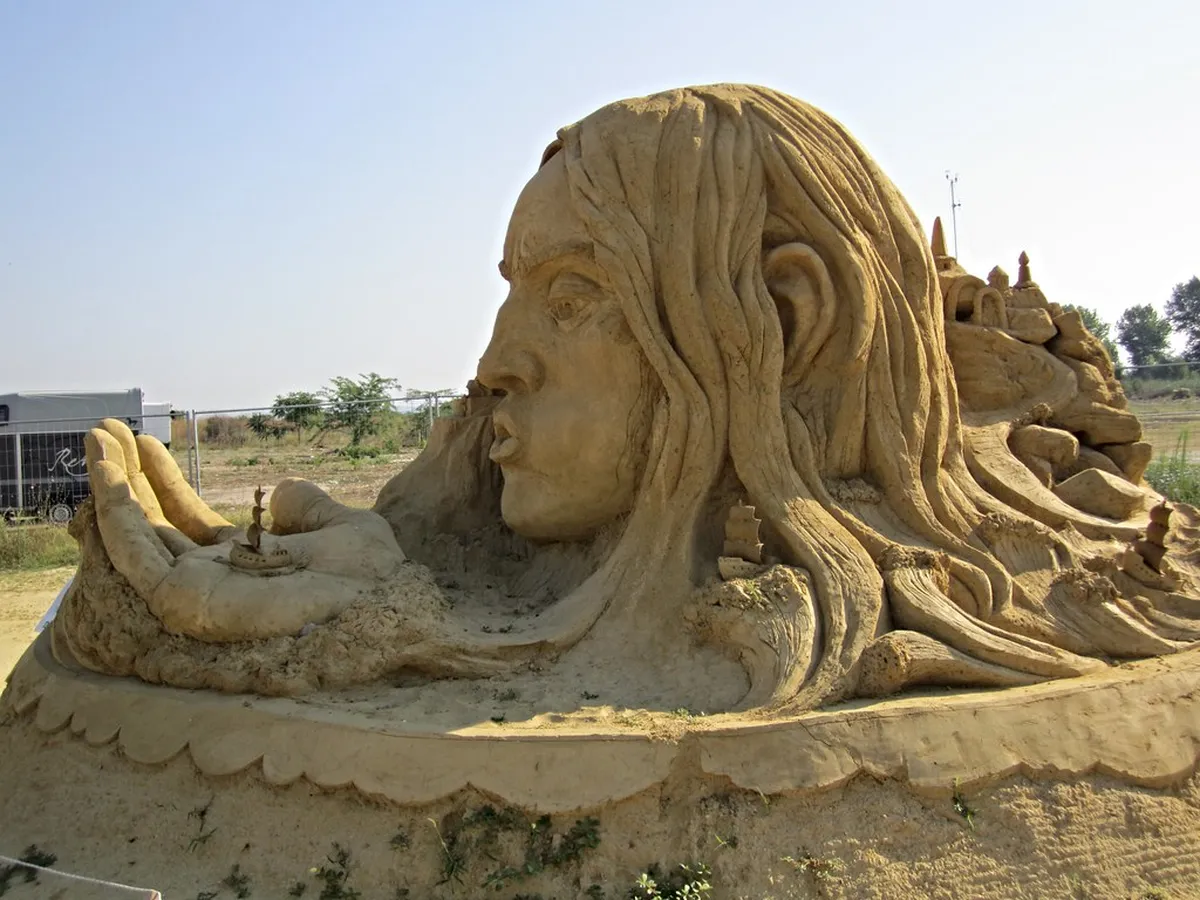
The Burgas Festival of Sand Sculptures turns Park Ezero into a giant open-air gallery every summer, with international artists carving multi-metre figures out of compacted sand and water. Held annually since 2008, the event gives the Bulgarian Black Sea coast one of its most photographed family attractions each July through September.
This burgas sand sculptures festival visitor guide covers where to find the park, what the 2026 lineup looks like, and how to fit a visit around the rest of the city.
Whether you're a solo photographer chasing golden-hour light or a family filling an afternoon between beach sessions, a little planning helps you catch the sculptures at their best before the season ends.
Get a feel for the festival grounds in this video walkthrough from a past season:
Must-See Highlights at the 2026 Sand Sculptures Festival
The 2026 edition of the Burgas Festival of Sand Sculptures runs from early July through the end of September in Park Ezero. Every summer brings a completely new theme and a new roster of sculptors, so even repeat visitors see a fresh set of figures each season rather than the same displays year after year.
![Nessebar - Holy Archangels Church [13th century] in Burgas, Bulgaria](https://toursbulgaria.com/images/burgas-sand-sculptures-park-must-see-highlights-at-the-2026-sand.webp)
Morning visits before 10:00 give the softest light for photos and the coolest walking temperatures; evenings bring a different mood once the figures are lit with coloured spotlights after dark. Most people need about one to two hours to see the whole grounds at a relaxed pace, longer if you're stopping for photos at every sculpture.
The opening weekend in early July typically features live sculpting demonstrations, so you can watch artists finish details on figures that are still being shaped. If you can time a visit to the first few days of the season, it's worth checking the festival's social channels or gotoburgas.com for the exact opening date before you go.
The 2026 Theme: Sand Heroes from the Screen
Burgas has run a themed Festival of Sand Sculptures every summer since 2008, and the 2026 edition carries the title Sand Heroes from the Screen. Thirteen sculptors, working individually and in pairs, have spent the weeks before opening carving figures pulled from film, animation, and video games rather than the fairy-tale and mythology themes the festival has used in past years.
Confirmed figures for 2026 include Mr. Bean, the Paw Patrol pups, and characters built around the blocky aesthetics of Minecraft and Roblox, so the lineup skews toward names that both small children and older siblings will recognise instantly. Earlier festivals have covered everything from Marvel and Star Wars characters to Disney classics and native Bulgarian folklore, giving the event a reputation for switching genres completely from one year to the next.
Because the theme changes annually, sculptures from a 2024 or 2025 visit will not be on display in 2026 - there is no permanent collection here, only whatever the current season's artists have built. That turnover is part of the appeal for return visitors, but it also means photos you've seen online from a previous summer won't match what's on the ground this year.
Finding Park Ezero and Getting There
The festival grounds sit in Park Ezero (Lake Park), in the Lazur district on the northern edge of Burgas, close to the southern tip of Atanasovsko Lake. You can find the exact site at Burgas, Severen Plaj, Kraybrejna Aleya, 8000 Burgas, Bulgaria, a few minutes' walk north of where the Sea Garden meets the beach.
Most central hotels are within a 20 to 30 minute walk, and several city bus lines stop within a short walk of the park gates, so a car isn't necessary if you're already staying near the centre or the seafront. Bike rental points inside the Sea Garden make the trip faster if you'd rather cycle along the coastal path.
If you have transport, the Poda Protected Area and the Pomorie and Atanasovsko salt pans are a short drive south and make a natural pairing with a festival visit - both are known for flamingos and other wading birds outside the height of summer, and neither charges an entrance fee comparable to the festival's.
Tickets, Hours, and the 2026 Season
There's no way around a small entrance fee here - the festival is one of the few paid sights in Burgas - but it's a genuinely minor cost, priced on a seasonal ticket that's paid on the spot at the park entrance rather than booked in advance. Reduced rates apply for children and pensioners, and group rates have applied in past seasons for parties of ten or more.
Because prices are set fresh each year and occasionally change mid-season, treat any number you see online, including older blog posts, as a rough guide rather than a guarantee. Confirm the current 2026 rates on gotoburgas.com or the Burgas Municipality site (burgas.bg) before you go, or simply budget the cost of a coffee and expect a little change back.
The park is strictly seasonal - there's nothing to see here outside early July through the end of September, and the sculptures aren't rebuilt or maintained once the season ends. If you're planning a Burgas trip for any other month, drop this stop from your itinerary entirely rather than showing up to a closed gate.
Family Extras: Workshops, Playgrounds, and Picnic Spots
Past seasons have included free hands-on sand-sculpting workshops for children, run by visiting artists alongside the main exhibition - worth asking about at the entrance, since the schedule for these sessions isn't always published in advance and can depend on which sculptors are on site that week.
The paths through the festival grounds are flat and well maintained, which reviewers on Google consistently flag as easy going for strollers - a rarity for an outdoor sand attraction. Free playgrounds and open-air gyms are scattered through the surrounding Sea Garden, so kids who tire of looking at sculptures have somewhere else to burn energy nearby.
Bring a picnic if you want to stretch the visit into a half-day out - there's shaded grass near the festival entrance, and it's considerably cheaper than eating at the seafront restaurants that get busy during the lunch rush.
How the Sculptures Survive a Black Sea Summer
Building a sculpture park that has to survive three months of coastal sun, wind, and the occasional summer thunderstorm takes more than just packing sand into shape. Artists use thousands of tonnes of a specially graded, rain-resistant sand, compacted in wooden forms and carved from the top down before the forms are removed.
Once a figure is finished, its surface is treated with a clear protective fixing spray that binds the top layer of grains together and sheds light rain. It won't survive a direct storm surge or being climbed on, which is why the figures are roped off and staff ask visitors to view rather than touch.
Even with the treatment, expect the sharpest details to soften a little by late August; sculptures photographed in early July are almost always crisper than the same figures seen in September. If pristine detail matters more to you than avoiding peak-season crowds, an early-July visit is the better trade-off.
Practical Tips: Photos, Food, and Accessibility
Photography is welcome throughout the grounds, and most visitors spend their entire visit taking pictures - just be considerate of other guests waiting for a clear shot at the more popular figures. There's no live entertainment built into a standard visit; the opening weekend's artist demonstrations aside, this is a self-paced walk-through rather than a scheduled show, so there's no set start time to plan around.
Food and drink options are limited inside the park itself, but kiosks and cafes line the approach from the Sea Garden and the seafront promenade, so you're never more than a short walk from a coffee or an ice cream. There are no age restrictions, and the flat, paved perimeter path makes the site workable for wheelchairs and pushchairs - though the sand exhibits themselves are fenced, so no one, wheelchair or otherwise, walks directly on the sculptures.
Pack sunscreen and a hat regardless of when you visit; there's very little shade directly around the sculptures, even though the surrounding Sea Garden is well treed.
Pairing the Festival with the Rest of Burgas
The Ethnographic Museum Burgas Visitor Guide is a natural add-on for a rainy morning or a midday break from the sun - it covers the traditional costumes and crafts of the region and sits well within walking distance of the centre. Combining an indoor cultural stop with the outdoor festival makes for a fuller day than the sculptures alone.
If you're building a longer stay, a first day built around Burgas Attractions's Sea Garden and the sand festival pairs naturally with a second day exploring the wider city, and a third spent in nearby Sozopol or on the island of Saint Anastasia. Travelers with a car can extend further into the Balkan foothills or the southern beach towns toward the Turkish border.
Since the festival itself only takes one to two hours, most visitors treat it as a stop within a bigger day rather than a standalone destination - pair it with the beach in the morning, the sculptures in the late afternoon, and dinner on the promenade to close things out.
Burgas throughout the year
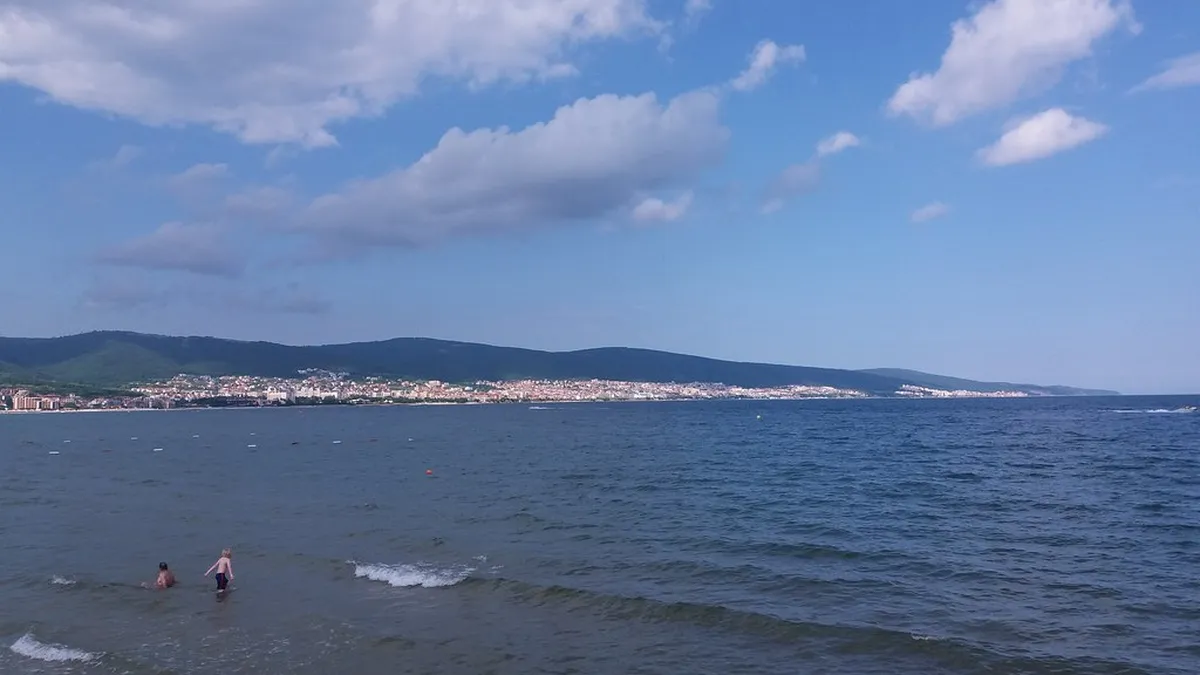
Summer is unquestionably Burgas's busiest season, driven by the beach as much as by the sand festival - July and August bring the most reliable weather for both, along with the thickest crowds on the Sea Garden's paths and around the festival gates.
![Nessebar - Holy Archangels Church [13th century] in Burgas, Bulgaria](https://toursbulgaria.com/images/burgas-sand-sculptures-park-burgas-throughout-the-year.webp)
Once the festival closes at the end of September, the sand sculptures aren't rebuilt or preserved for a shoulder season - the appeal of the site genuinely disappears until the following July. Autumn still offers mild weather and thinner crowds for the museums, the salt pans, and the Sea Garden itself, just without the sculptures.
Winter in Burgas is mild by Bulgarian standards but can be windy off the sea, and cultural life moves indoors toward theatre and music. If you're set on seeing the sand sculptures specifically, there is no substitute season - plan your trip for July, August, or September, and treat any other month as a different kind of Burgas visit altogether.
Continue planning: Use Burgas Attractions: 10 Best Things to Do in 2026 to connect this guide with the rest of your Bulgaria itinerary.
Frequently Asked Questions
When is the Burgas Sand Sculptures Festival open in 2026?
The 2026 edition opens in early July and welcomes visitors until the end of September in Park Ezero, Burgas. It is a seasonal open-air exhibition, so the sand city is only on display in summer and early autumn.
How much does the Burgas sand sculptures park cost?
There is a small seasonal entrance ticket paid on the spot at Park Ezero, with reduced prices for children and pensioners in past seasons. Check gotoburgas.com or the Burgas Municipality (burgas.bg) for the current 2026 prices before you go.
What is the 2026 festival theme?
The 2026 theme is Sand Heroes from the Screen: 13 sculptors have built figures of favourite characters from film, animation and video games, including Mr. Bean, Paw Patrol, Minecraft and Roblox.
Where exactly is the sand sculptures park in Burgas?
In Park Ezero (Lake Park) in the Lazur district of northern Burgas, near the southern edge of Atanasovsko Lake. It is an easy walk or short drive from the Sea Garden and the city centre.
Is the sand festival open all year?
No. It is strictly seasonal - the sculptures are built fresh each summer and the park closes at the end of the season in autumn, so plan a visit between July and the end of September.
How long has the Burgas sand festival been running?
The Festival of Sand Sculptures has been held annually in Park Ezero since 2008, with a new theme and a new cast of giant sand figures created by an international team of sculptors each summer.
How do the sand sculptures survive the whole summer?
The figures are carved from tonnes of compacted sand and water and their surfaces are treated with a protective fixing spray, which lets them withstand wind and summer rain through the roughly three-month season.
The Burgas Festival of Sand Sculptures is a small, low-cost stop that rewards a little timing - go in early July for the sharpest detail, or during the evening hours for the lit-up version of the same figures. Either way, it's worth building a visit around rather than treating it as an afterthought on a Sea Garden walk.
Combine it with the Ethnographic Museum, a stretch of the Sea Garden, or a day trip to Sozopol, and you've got a full Black Sea itinerary anchored around one strictly seasonal, always-changing attraction. Check gotoburgas.com or burgas.bg before you go for this year's exact dates and prices, since both shift slightly from one season to the next.
For the latest official information, see the Burgas Sand Sculptures Festival official site and Burgas Sand Sculptures Festival official site.
For more Burgas planning, read our Best Time to Visit Burgas: Weather & Seasons (2026) guide.