Euxinograd Palace Visitor Guide
Euxinograd Palace is the Black Sea's most photographed royal address, a French-style estate 8 km north of central Varna that locals still call the Bulgarian Versailles. Built as a summer retreat for Bulgaria's princes and later enlarged by Tsar Ferdinand, the estate combines a French Renaissance palace, an 80-hectare park, and a working winery on one stretch of coastline. In 2026 it remains an active state and presidential residence, so what you can see on a given week depends on the government's own calendar, not a fixed museum schedule.
That single fact shapes every part of planning a visit: there is no walk-up ticket booth, no online booking portal, and no printed price list. Access runs through a reservation email or phone call, and the guided tour only opens a fraction of the estate. This guide covers how to book, what the route includes, and what to do if the calendar doesn't line up with your dates.
For a preview of the palace grounds before you go, this walk-through covers the gardens, terraces, and landscape features:
Essential Visitor Information: Booking & Hours
Book by emailing euxinograde@government.bg or calling +359 52 393 140 or +359 52 393 150. Do this well before your trip: the administration answers case by case, and confirmation can take anywhere from a same-day reply to several working days depending on that week's official schedule. Because Euxinograd is a working residence rather than a museum, a request can be declined outright if the palace is hosting a government event on your chosen date. The residence's official page at euxinograd.bg carries general background, but booking itself is only handled by email or phone.
Write your email so the administration can confirm you in one exchange. Include:
- The full legal name of every visitor, exactly as printed on their ID card or passport
- Each visitor's ID or passport number and nationality
- Your preferred date and a backup date
- Your preferred tour time and the total number of people in your group
- A phone number the administration can reach you on
Guided tours generally run Tuesday to Sunday, with slots typically offered around 09:00, 11:00, and 15:00; the estate is closed Mondays. Treat these as a starting point for your request rather than a guaranteed timetable, since the exact schedule shifts with the season and the residence's own calendar. There's no published price list either - the fee depends on the specific tour and group size, and the administration confirms it only once your booking is approved. Bring the same physical ID or passport you listed in your email; security checks it against the reservation list at the gate, and names that don't match can be turned away.
History of the "Bulgarian Versailles"
Prince Alexander of Battenberg chose this stretch of coast for his summer residence in 1882, on land that had previously held a small monastery. Architect Viktor Rumpelmayer designed the first villa in a French Renaissance style, and the estate later passed to Ferdinand I, who had it enlarged around 1890-1891 and renamed it Euxinograd in 1893 - a blend of the Greek name for the Black Sea and the Slavic word for "city." Some furnishings and decorative pieces from this period are now held at the Varna Archaeological Museum Visitor Guide.
Ferdinand brought in architects Hermann Mayer and Nikola Lazarov to finish the expanded palace and lay out the surrounding gardens, drawing on the French chateau style fashionable among European royalty at the time. The estate served the royal family as a summer residence until the monarchy ended in Bulgaria in 1946, after which it passed to the state. It reopened to limited public visits in 1989 and today functions as a government and presidential residence, hosting cabinet meetings and, since 2007, the summer Operosa opera festival.
The Palace Interior: French Renaissance Splendor
The interior keeps its French Renaissance detailing: furniture linked to the Château de Saint-Cloud, ornate chandeliers, carved wood paneling, and ceramic stoves in the reception rooms. The guided route through the building typically takes in the reception hall, the dining room, and the music room, plus the palace's small St. Demetrius chapel - a quieter stop many first-time visitors don't expect to find on the itinerary.
Photography is not allowed inside any of the palace buildings, a rule the residence enforces strictly to protect both security and the historic furnishings. Guides ask visitors to put phones and cameras away before entering and only bring them back out once you're back in the gardens. The dining hall and music room draw the most attention, but the library - holding books and documents that belonged to the royal family - is worth lingering over if your guide allows it.
Restoration work on several rooms continued into the 2026 season, so the exact set of open rooms can vary slightly by visit. Stick to the roped-off paths and avoid touching any furniture or displays; staff enforce this closely given how few interiors of this kind survive intact anywhere in Bulgaria.
The Botanical Gardens and Historic Greenhouse
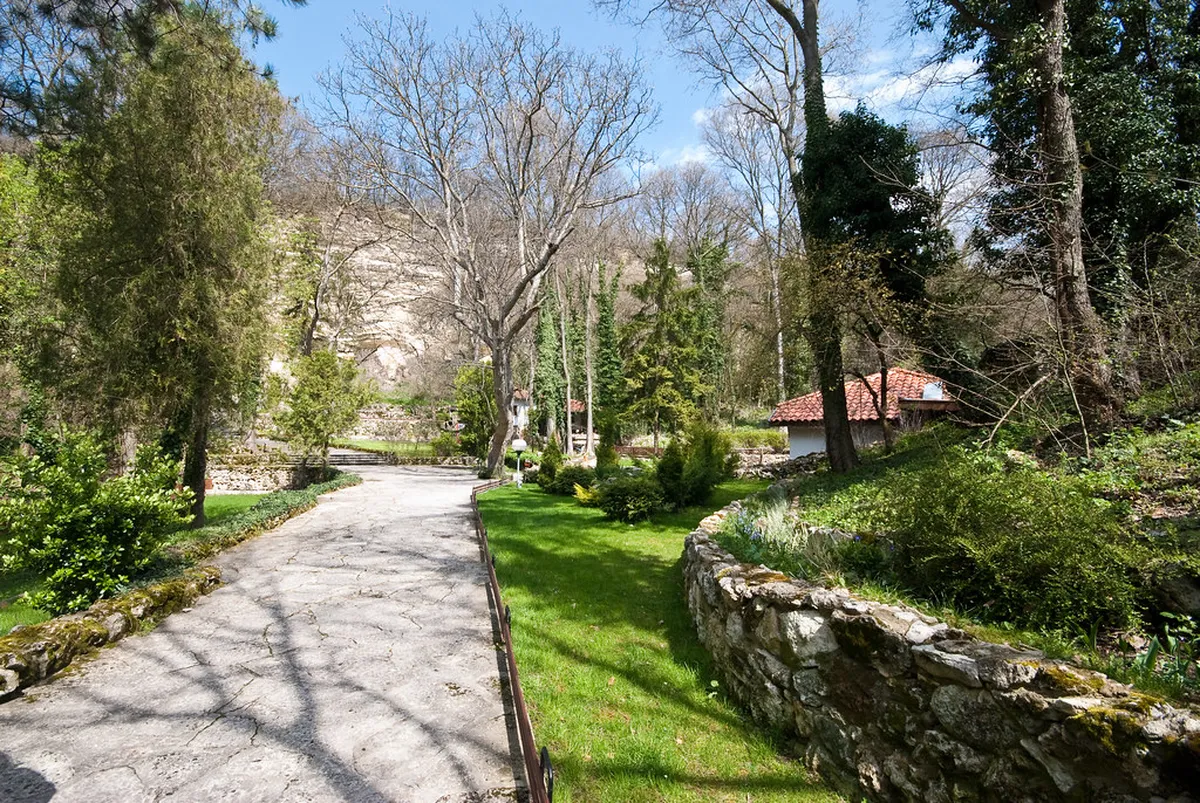
The park covers roughly 80 hectares (800 decares) and holds more than 300 plant species, many grown from soil royal gardeners shipped in from the Kamchiya River delta so foreign trees would take root in what's otherwise a fairly dry coastal strip. Look for the Atlantic cedar and a palm tree in the greenhouse that's now more than 114 years old - both older than the palace's own government era. The grounds are noticeably larger than the Sea Garden in central Varna, and far less crowded.
A golden sundial that Queen Victoria gave as a personal gift sits in a prominent spot in the French-style section of the garden, where clipped hedges and symmetrical paths reflect the formal European gardening style of the 1890s. The English-style section, by contrast, is loosely landscaped with winding trails and shaded benches - a deliberate contrast built into the same park.
The 19th-century greenhouse still grows the tropical flowers used to decorate the palace for state events, and it's part of the standard tour route along with the park and chapel. Outdoor photography is allowed throughout the grounds, so save your camera for this part of the visit. Wear shoes you can walk in - the paths cover real distance and the ground is uneven in places.
The Euxinograd Winery and Vineyard
Ferdinand I founded the estate's winery and vineyards in 1891 to produce wine that could compete with the labels then coming out of France and Germany, and it remains one of the oldest working wineries in Bulgaria. The cellar is dug well underground to hold a steady temperature for aging, and the tour sometimes includes a walk through it as part of the standard route.
The winery focuses on white grapes - Chardonnay and the more local Traminer among them - alongside rakia and the estate's signature aged brandy, matured in oak barrels for years before bottling. This Euxignac brandy is still poured at state dinners and remains one of the more distinctive souvenirs a Black Sea itinerary can offer, precisely because it isn't sold outside the estate.
Bottles are sometimes available to buy at the end of a tour, labeled with the estate's royal crest, though stock depends on that season's production and what's left over from official events. If bottles are on the shelf when you visit, buy them there - you won't find this label in Varna's wine shops.
Archaeological Ruins: Kastritsi Fortress
Within the grounds, near the cliffs above the water, sit the ruins of the medieval Kastritsi fortress and settlement - a detail most first-time visitors don't know to look for. The fortress guarded the local harbor and functioned as a trading post, with stone walls and residential foundations dated to the thirteenth and fourteenth centuries.
Excavations at the site turned up coins and ceramics from distant trading partners, evidence that this stretch of coast was linked into wider Black Sea trade routes long before any palace stood here. It's a useful contrast to the manicured 19th-century grounds around it, and a reminder the site was inhabited centuries before the royal family arrived.
If you've already seen the Roman Thermae in central Varna, Kastritsi adds a medieval layer to the same coastline's long occupation history, though the fortress ruins here are smaller and seen only as part of the guided tour rather than as a stand-alone stop.
Practical Tips for a Smooth Visit
The full route covers real distance across garden paths, gravel, and a few sets of stairs, and the historic palace building has no elevator or ramp access for the public tour. If you or anyone in your group uses a wheelchair, has limited mobility, or is traveling with a stroller, say so in your booking email - the administration can tell you in advance which parts of the route are and aren't manageable, rather than you finding out at the gate.
Summer brings the gardens to full bloom and is also when the Operosa opera festival sometimes uses the grounds for evening performances, which can affect tour availability on those dates. Winter visits are quieter and easier to book, but the coast here is windy and noticeably colder than central Varna, so bring a proper layer even for a short walk between the gate and the palace.
There are no cafes, shops, or water fountains on the grounds, so carry your own water, especially for the ninety-minute version of the tour in summer heat. Stay with your guide throughout - parts of the estate remain an active government facility, and wandering off the marked route isn't just discouraged, it can end your visit early.
Nearby Attractions and Accommodation
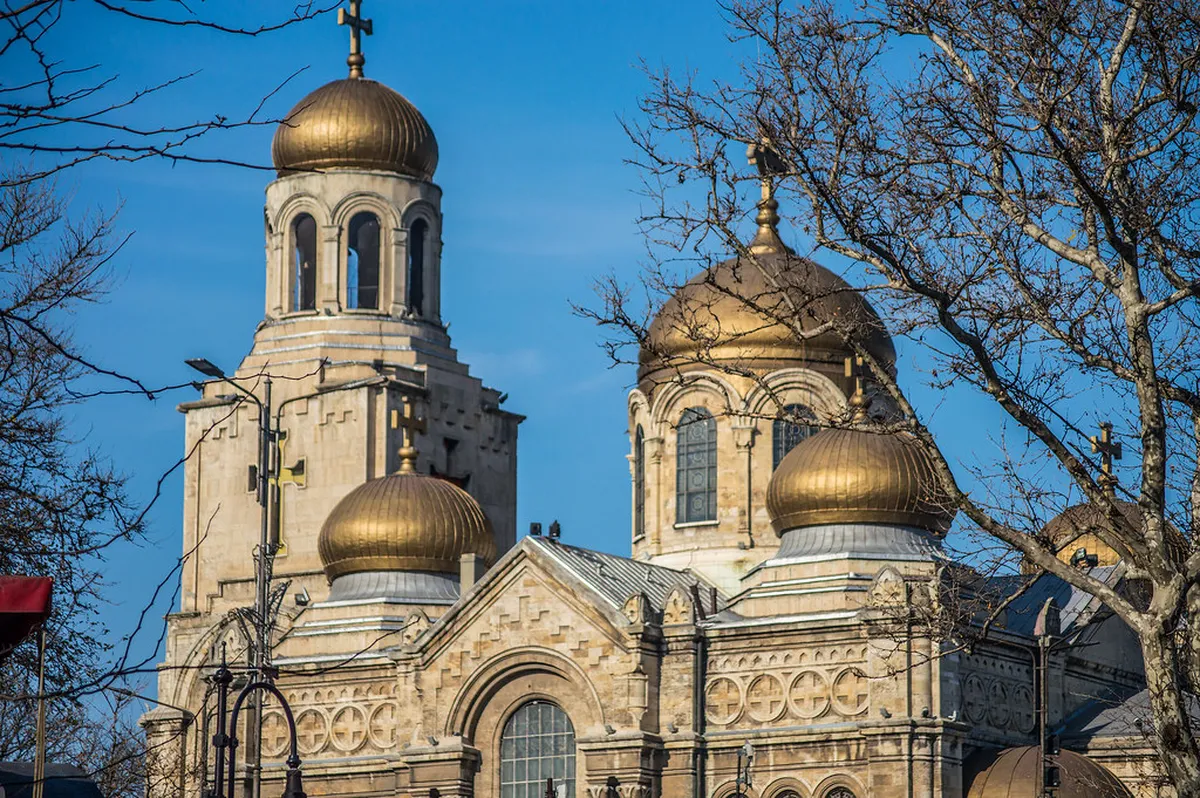
Euxinograd sits about eight kilometers north of central Varna, between the city and the Sts. Constantine and Helena resort. Public buses 9, 31A, 109, and 409 all stop at Evksinograd, though a taxi is faster and simplest if your tour time is tight - remember that booking is still required regardless of how you arrive. The 9 Essential Tips for Visiting the Dormition of the Mother of God Cathedral makes an easy add-on earlier the same day, since it's back in the city center.
Sts. Constantine and Helena, just south of the palace, has more hotel and guesthouse options than the immediate palace area and puts you closest to an early-morning slot. It's a quieter, more resort-style base than downtown Varna, with thermal-spring spas nearby and an easier walk to the beach.
Pair your visit with the Aladzha rock monastery, carved into a cliff a short drive further north, for a full day that mixes royal and monastic history along the same stretch of coast. Varna itself has the wider choice of restaurants if you'd rather eat back in the city after the tour.
Euxinograd or Balchik Palace: Two Different Royal Residences
Euxinograd isn't the only former royal palace near the Bulgarian coast, and it's easy to mix it up with a second one. About 40 km up the coast in Balchik sits Balchik Palace, the seaside summer residence Queen Marie of Romania built when this part of the coast belonged to Romania between the two World Wars. It's a Romanian royal building, not a Bulgarian one, and today it operates as a public museum and botanical garden rather than a government residence.

The practical difference matters more than the history: Balchik sells tickets at the gate, needs no advance email, no ID check, and no fixed tour time, so you can walk its terraced gardens and Europe's second-largest cactus collection at your own pace. Euxinograd, by contrast, only opens through a pre-approved guided tour on the residence's own schedule.
If your dates are fixed and you'd rather not risk a booking that depends on the government's calendar, or you're traveling with young kids who won't sit through an escorted 90-minute walk, Balchik is the lower-friction option. If it's specifically the Bulgarian royal history, the wine cellar, and the Queen Victoria sundial you're after, Euxinograd is worth the extra paperwork.
Continue planning: Use Varna Attractions: 10 Best Things to Do in 2026 to connect this guide with the rest of your Bulgaria itinerary.
Frequently Asked Questions
How do I book a tour of Euxinograd Palace?
You must send a reservation email to euxinograde@government.bg with the full names and ID numbers of all guests. The administration will confirm your time slot based on availability. It is best to book at least two days before your visit to ensure a spot. Learn more about local sites like the 10 Essential Tips for Your Aladzha Monastery Visitor Guide while planning.
Is photography allowed inside Euxinograd Palace?
Photography is strictly prohibited inside all the palace buildings to protect the historic interior and security. You are allowed to take photos outside in the botanical gardens and around the ruins. Guides will remind you to put your camera away before entering the residence.
What are the opening hours for Euxinograd gardens?
The gardens are only accessible on scheduled guided visits, and there is no fixed public timetable — tours depend on the government residence's calendar and are confirmed when you book via euxinograde@government.bg or +359 52 393 140. The estate closes to visitors during official events throughout the year.
Can you buy wine at the Euxinograd winery?
Visitors can often purchase bottles of estate-produced wine and Euxignac brandy at the end of the tour. Availability depends on the current stock and production schedule of the winery. The wines are unique to the palace and feature the royal crest on the labels.
How far is Euxinograd Palace from Varna?
The palace is located approximately eight kilometers north of the Varna city center. It takes about fifteen minutes to reach the entrance by car or taxi. Local buses also stop near the palace gates for travelers using public transportation.
Euxinograd Palace pairs a rare slice of Bulgarian royal history with an active government address, which is exactly why visiting takes more planning than most Black Sea attractions. Email or call ahead, bring the same ID you register with, and treat the posted tour times and price range as a starting point the administration confirms case by case.
Once you're through the gate, the payoff is the French Renaissance rooms, the sundial and chapel tucked into the gardens, the Kastritsi ruins by the cliffs, and a brandy you can only buy on-site. Combine it with a day trip to Balchik or a stop at Varna Cathedral, and Euxinograd becomes one part of a coastline that mixes royal, medieval, and modern Black Sea history into a single 2026 itinerary.
For the latest official information, see the Euxinograd Palace on Wikipedia.