Atanasovsko Lake Visitor Guide: 10 Essential Tips for Your Trip
Atanasovsko Lake is a stunning natural wonder that sits on the edge of the vibrant city of Burgas.
Get a firsthand look at this remarkable pink lake in Bulgaria:
This hypersaline lagoon is famous for its bright pink waters and therapeutic mud baths that attract thousands of visitors.
Our atanasovsko lake visitor guide provides everything you need to plan a perfect trip to this unique Bulgarian destination.
Whether you want to see rare birds or relax in the salt pans, this guide ensures a smooth experience in Burgas.
Atanasovsko Lake Nature Reserve: An Overview
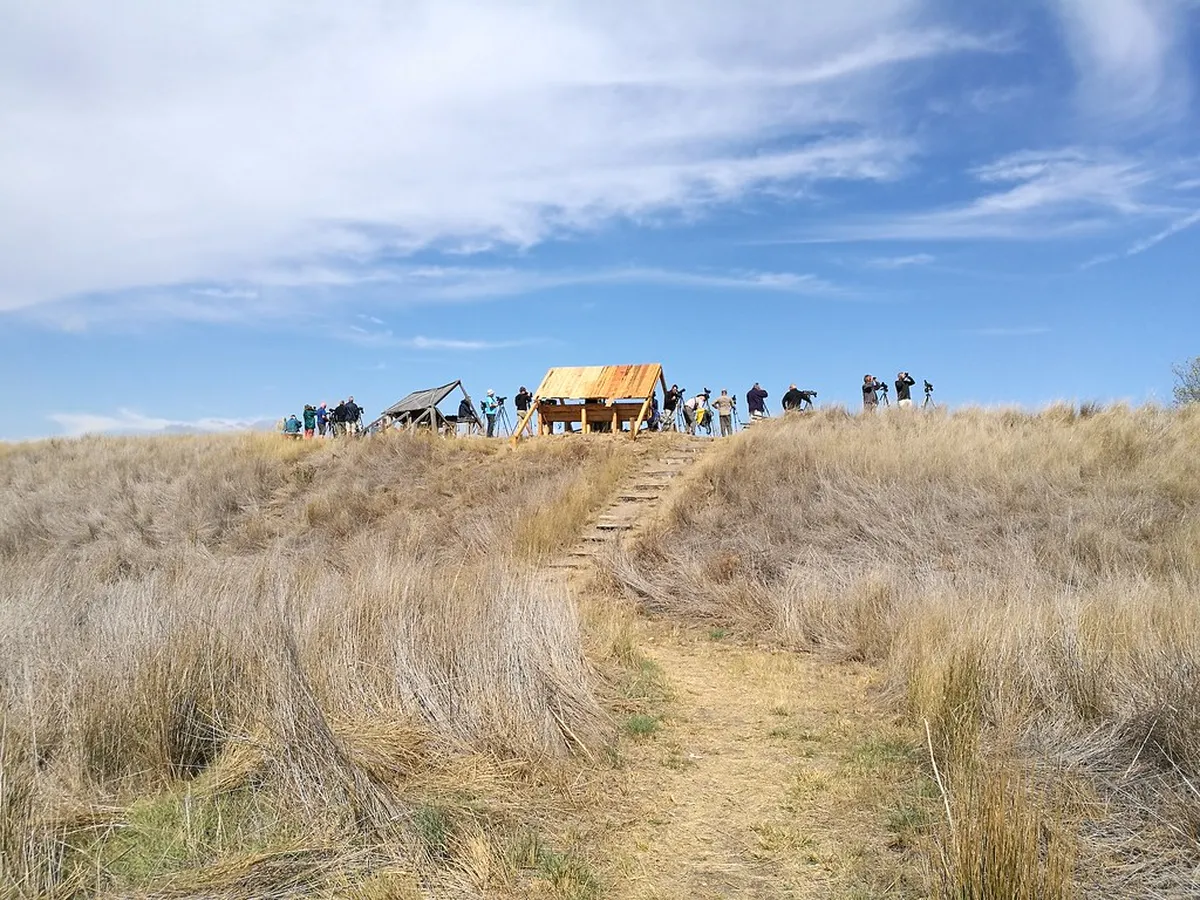
Lake Atanasovsko sits on a narrow strip of coast immediately north of Burgas, split into two halves by the Varna road. The northern half became a protected nature reserve in 1980, connected to the Black Sea by a channel; access there is for observation only, along marked paths and a birdwatching platform. The southern half is a working buffer zone known as the Southern Salt-Works (Бургаски солници), where sea salt has been harvested since 1906 and where the public mud and lye pools are located. The two halves stretch roughly 9 to 9.5 kilometers long and up to 4.3 kilometers wide, one of the largest coastal wetlands on the Bulgarian Black Sea.
![Nessebar -St. Demetrius Church [11th century] in Burgas, Bulgaria](https://toursbulgaria.com/images/atanasovsko-lake-atanasovsko-lake-nature-reserve-an-o.webp)
That scale matters for conservation: the lake is a Ramsar Wetland of International Importance and part of the Natura 2000 network, valued for rare salt-marsh habitats alongside an active industrial salt operation. Roughly 40,000 tons of salt are still raised from the shallow pans each year, the same traditional method used for over a century. None of this comes with an entrance fee - the reserve and the saltworks are both open, free public land in 2026 - and you can read more via the Burgas Museums - Lake Atanasovsko Profile.
This split trips up first-time visitors: if your plan is to float in pink brine and coat yourself in mud, head for the Southern Salt-Works near the beach, not the reserve's northern viewing point, which is fenced bird habitat with no public bathing at all. Confusing the two means driving out expecting a spa and finding only an information board. Either way the lake is a key ecological pillar for the entire Burgas Attractions region, but knowing which side you want first saves a wasted detour.
The Science of Color: Why is the Lake Pink?
The signature pink comes from chemistry, not dye: extreme salinity concentrates the water until only a narrow set of organisms can survive in it. Microscopic brine shrimp and salt-loving algae and bacteria thrive in these hypersaline pans and produce red and orange pigments as they multiply. Salinity in the working pans typically ranges from 20% to 27.5%, several times saltier than the open Black Sea, and it climbs fastest in hot, dry weather.
Evaporation is the trigger: as summer heat pulls water out of the shallow pans, minerals and pigment-producing organisms concentrate and the pink deepens. Photographers get the most saturated color from July through September, when the contrast between hot-pink brine and white salt crusts is strongest. The shade shifts by the week and even by the hour, so a lake that looks pale rose in the morning can turn a deep magenta by afternoon if the sun holds. Locals treat this as normal - the pink lake Bulgaria is known for is really a live mineral system that changes with the weather, not a fixed postcard color.
The Healing Mud and Salt Baths Experience
What people call the "spa" here is not a business - it is free, unmanaged public access to the open-air lye pools and mud beds along the Southern Salt-Works. This also settles the swimming question: the lagoon itself is protected habitat and off-limits for swimming, but bathing in the shallow, saturated brine of the working salt pans, and in the black mud beside them, is free and normal - locals do it daily through summer.
The routine Burgas families have followed for decades is simple:
- Float in the dense brine for ten to fifteen minutes - buoyancy is dramatic at this salinity, so it takes almost no effort to stay on the surface.
- Scoop black mineral mud from the shallows and coat yourself head to toe, avoiding eyes and mouth.
- Let the mud dry to a grey, cracked layer for around twenty minutes.
- Walk roughly 100 meters to the Black Sea and rinse off in the waves.
Keep total time in the concentrated lye itself to no more than 20 to 30 minutes - it is several times saltier than seawater and dries skin fast. For a fully commercial version, with staffed rooms and price lists, most Bulgarians instead go to Pomorie, 25 kilometers up the coast, where mud from a similar salt lake is sold through spa sanatoriums; Atanasovsko's version stays wild, free, and do-it-yourself.
Birdwatching Highlights: Flamingos and Migratory Species
The lake holds international importance as a wetland: it became a Ramsar-listed Wetland of International Importance in 1984 and joined the EU's Natura 2000 network in 2008. Over 316 bird species have been recorded here, representing roughly 70% of all bird diversity found in Bulgaria. It is one of the busiest checkpoints on the Via Pontica migration flyway, used each spring and autumn by millions of storks, pelicans, eagles, and other soaring birds. For the full conservation picture, see the Ramsar Sites Information Service - Atanasovo Lake.
Greater flamingos are the headline draw and a genuinely recent phenomenon: the first sizeable flock, around 160 birds, only arrived in 2019, and numbers have climbed most summers since, with flocks now a near-guaranteed sight. The lake is also home to the Etruscan pygmy shrew, the world's smallest mammal at around two grams, plus breeding colonies of terns and gulls found almost nowhere else in Bulgaria. Bring binoculars for pelicans, herons, and rarer sandpipers, and pair your visit with the Poda Protected Area Visitor Guide just south of the city center.
Photography Guide: Best Times and Lighting
Timing the light matters as much as timing the season. Golden hour, the hour after sunrise and before sunset, gives soft, low-angle light that deepens the pink without blowing out the white salt crusts, which is usually what separates a flat snapshot from a striking one. Midday sun makes the water look more transparent and the colors read paler, so if you only have a few hours, plan around the edges of the day rather than noon.
A drone gives the clearest read of the geometric salt pan pattern from above, but check current nature-reserve drone restrictions before you fly, since rules around the protected northern zone are enforced and can change year to year. Still water in the pans doubles as a mirror for the sky, so overcast days can still deliver striking reflection shots even without direct sun. As with the color itself, contrast peaks in late summer when evaporation is highest - late July through September remains the most reliable photography window heading into 2026.
How to Get to the Pink Lakes from Sofia and Burgas
Driving from Sofia is the fastest option: take the A1 highway east, a journey of about four hours. Once you reach Burgas, head north toward Varna and Burgas Airport; take the off-ramp immediately after the road crosses the bridge over the lake, then follow the small side road until you see pink pans on your right. If you are using GPS rather than road signs, searching "Burgas Salt-Parking" is more reliable than searching for the lake by name.
Without a car, buses run from Sofia Central Bus Station roughly every hour, take five to six hours, and cost 20 to 25 BGN (about 10 to 13 euro) one way. From central Burgas, a taxi to the saltworks is quick - show the driver the Bulgarian name, Бургаски солници, since "pink lake" will not mean much to most drivers - and it is worth asking them to wait, since taxis are scarce out there on the way back.
If you are staying near the coast, walking is realistic: from the northern end of the Sea Garden Burgas Visitor Guide, it is about 2.5 kilometers along the beach, roughly 30 minutes on foot, and free. Dedicated bike paths run the same route, and local buses cover the same stretch for visitors who would rather not walk in summer heat.
Visitor Logistics: Parking, Fees, and Facilities
The saltworks stay open to the public with no entrance fee, but a few small services carry small charges. Parking near the entrance runs about 1 BGN per hour (roughly 0.50 euro) in peak season. A shower costs 50 stotinki per two minutes of hot water (about 0.25 euro), and toilets carry a similar coin charge - keep a handful of BGN coins on hand, since these machines are coin-operated and change is not always available.
Do not expect a proper restaurant here - just a small kiosk selling cold drinks and basic snacks near the parking area, so bring your own food if you plan to stay a while. The site runs to daylight hours with no formal gate; early morning is the calmest time, and around two hours covers a comfortable soak, mud application, and rinse.
What to Pack for the Saltworks and Mud Baths
The black mineral mud stains fast and does not wash out easily, so wear an old, dark-colored swimsuit you will not mind ruining, and bring a dark towel rather than a light one for the same reason. Water shoes or flip-flops matter more than people expect - the salt crusts underfoot can be sharp and the pan bottoms are rough, so bare feet risk small cuts.
Carry more fresh water than you think you will need, both to stay hydrated in the open sun and to rinse your eyes immediately if brine splashes into them. There is very little shade around the pans, so sunscreen and a hat are not optional in summer. A small stash of BGN coins covers the shower and parking machines, since card payment is not reliably available at either.
Where to Go After the Pink Lakes
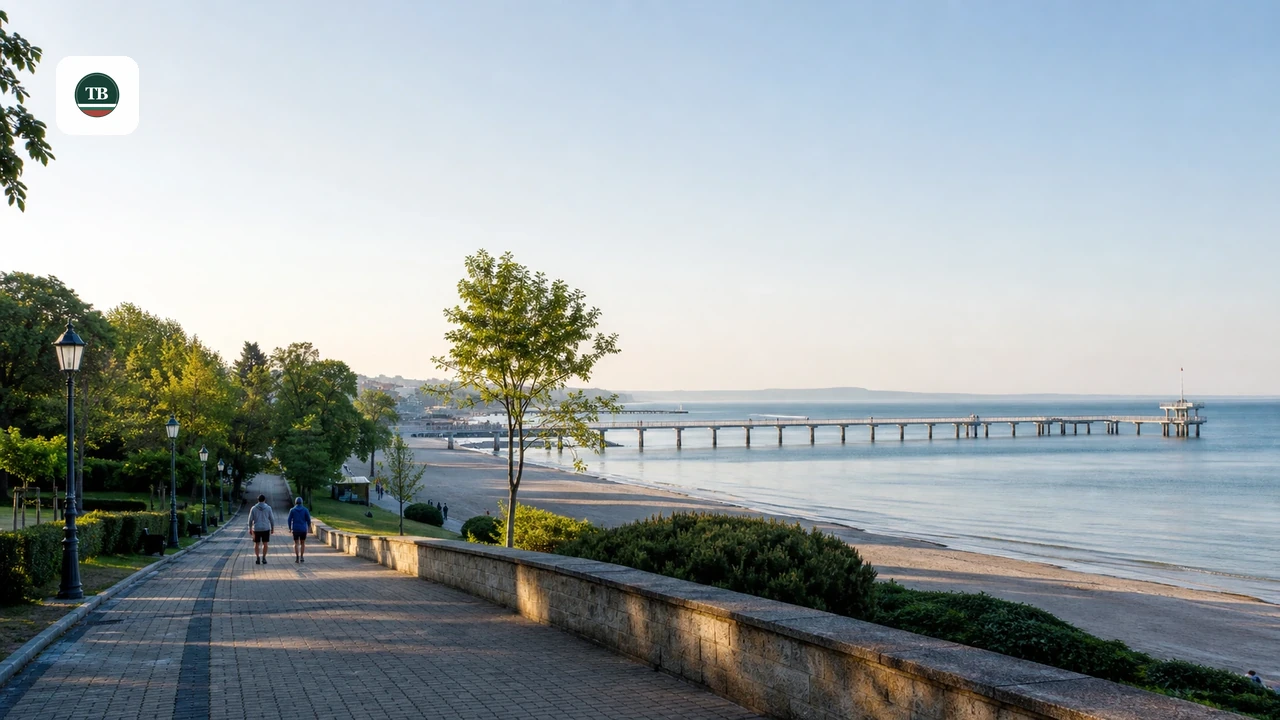
Head back toward the city center afterward and the Burgas Pier Visitor Guide is a natural next stop, with open Black Sea views and a long stretch of coastline to walk off the salt and sun. The Sea Garden, just behind the beach, is shaded by mature trees and dotted with cafes and playgrounds - an easy, relaxed contrast after a few hours in open salt pans.
Burgas's seafood is worth planning around: look for grilled catch of the day near the port, or a classic Shopska salad if you want something lighter after the heat. If you have another day on the coast, beach towns like Sozopol, Nessebar, Pomorie, and Chernomorets are all within about 45 minutes' drive and each has a different character, from Sozopol's old town to Pomorie's own mineral-mud tradition. A sunset walk on the Burgas beach is the simplest way to close out the day.
Essential Travel Insurance for Bulgaria
Natural sites like Atanasovsko are low-risk, but a basic travel insurance policy is still worth having before any trip to the Bulgarian coast in 2026. Check that your policy covers medical treatment and any outdoor activity you are planning, since Burgas has solid medical facilities but out-of-pocket costs add up quickly without coverage. If you are carrying a camera or drone for the salt pans, confirm your policy also covers lost or damaged equipment.
![Nessebar - Holy Archangels Church [13th century] in Burgas, Bulgaria](https://toursbulgaria.com/images/atanasovsko-lake-essential-travel-insurance-for-bulga.webp)
Keep a digital copy of your policy and your insurer's emergency contact number on your phone before you head out - reception near the saltworks can be patchy, and it is easier to sort out logistics before you need them rather than after. None of this should get in the way of the visit itself; it just means you can enjoy the lake without worrying about the "what if."
Continue planning: Use Burgas Attractions: 10 Best Things to Do in 2026 to connect this guide with the rest of your Bulgaria itinerary.
Frequently Asked Questions
Why is Atanasovsko Lake pink?
The lagoon is hypersaline, and as summer evaporation concentrates the brine in the salt pans, salt-loving microorganisms bloom and tint the water shades of pink to red. The colour is strongest in hot, dry weather and varies from pan to pan and week to week.
Is Atanasovsko Lake free to visit?
Yes. The lake is open nature with no entrance fee, and public access to the popular open-air lye and mud basins by the southern salt works is also free.
Can you swim in Atanasovsko Lake?
The lake itself is protected - its northern part has been a nature reserve since 1980 - so you do not swim in the lagoon. Instead, visitors bathe in the designated open-air lye pools and take mud baths beside the southern salt pans; local guidance is to stay in the dense lye no more than 20-30 minutes.
Where are the free mud and lye pools at Atanasovsko Lake?
They are in the southern part of the lake, on the seaward side, on the territory of the Southern Salt-Works. You can reach them on foot or by bicycle heading north along the Burgas beach, and access is free.
When is the best time to see the pink water?
High summer, roughly July to September, when heat and evaporation concentrate the brine in the salt pans. The intensity changes with the weather, so the lake can range from pale rose to vivid pink across the season.
Is salt still produced at Atanasovsko Lake?
Yes. Sea salt has been harvested here since 1906, with production of around 40,000 tons a year using traditional shallow salt pans - the same pans that create the pink brine and the therapeutic mud and lye.
What wildlife can you see at Atanasovsko Lake?
Atanasovsko is one of Bulgaria's richest birdwatching sites, part of the Burgas Lakes wetland complex on the Via Pontica migration flyway; in recent years greater flamingos have become a regular sight on the lagoon.
Atanasovsko Lake earns its place on any Bulgarian Black Sea itinerary, and it costs nothing to visit.
Between the free mud baths at the Southern Salt-Works, world-class birdwatching on the Via Pontica flyway, and the strange beauty of the pink brine itself, it rewards even a short detour from Burgas.
Know which half of the lake you are heading for, budget an hour or two, and the pink lakes of Burgas deliver one of the more memorable free experiences on the coast in 2026.
For official details, visit the Atanasovsko Lake official site and Atanasovsko Lake on Wikipedia.
For more Burgas planning, read our 8 Essential Things to Know About Burgas Lakes and Poda Protected Area guide.