Wellness & Spas in Sandanski: 10 Best Experiences
Sandanski sits at the foot of the Pirin Mountains in Bulgaria's sunniest valley and has earned the title of the country's premier natural health resort. The town is built above a field of over 80 hyper-thermal mineral springs, with water temperatures ranging from 42°C to 81°C. Its unique microclimate records 2506 hours of sunshine per year, the lowest allergen count in all of Bulgaria, and average humidity of just 66%. These are not marketing claims — they are official climatic measurements that have drawn respiratory patients and wellness travelers here for over a century.
Unlike other 10 Best Spa Towns and Planning Tips in Bulgaria, Sandanski combines two distinct therapeutic forces: balneotherapy through its mineral waters and climatotherapy through its exceptional air quality. You can receive medical-grade treatment for bronchial asthma, chronic rhinitis, or post-operative lung recovery — or simply use the town as a restorative base for exploring the nearby Melnik wine region and Pirin National Park. This guide covers every dimension of the Sandanski wellness experience in 2026, from the public mineral taps to the historic monasteries nearby.
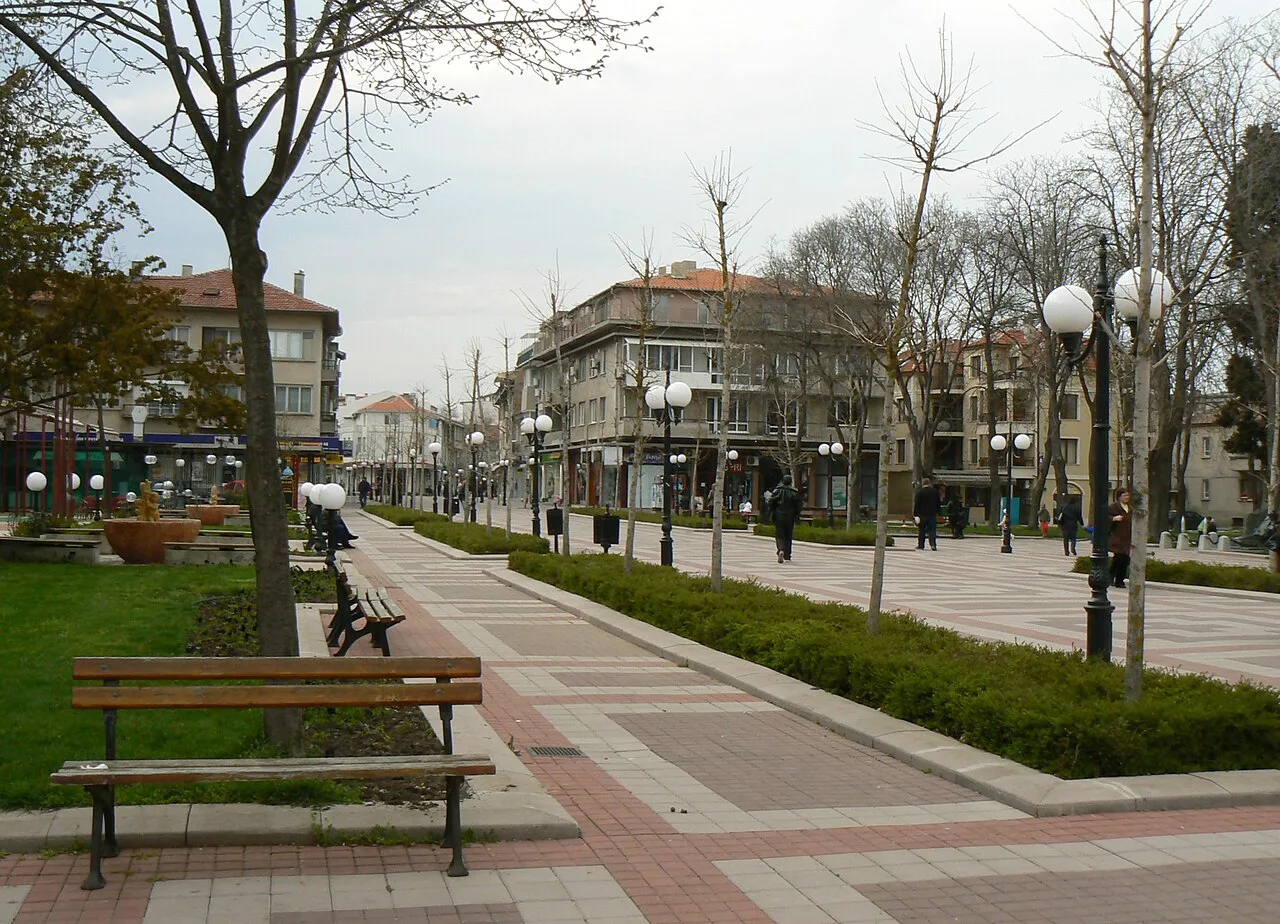
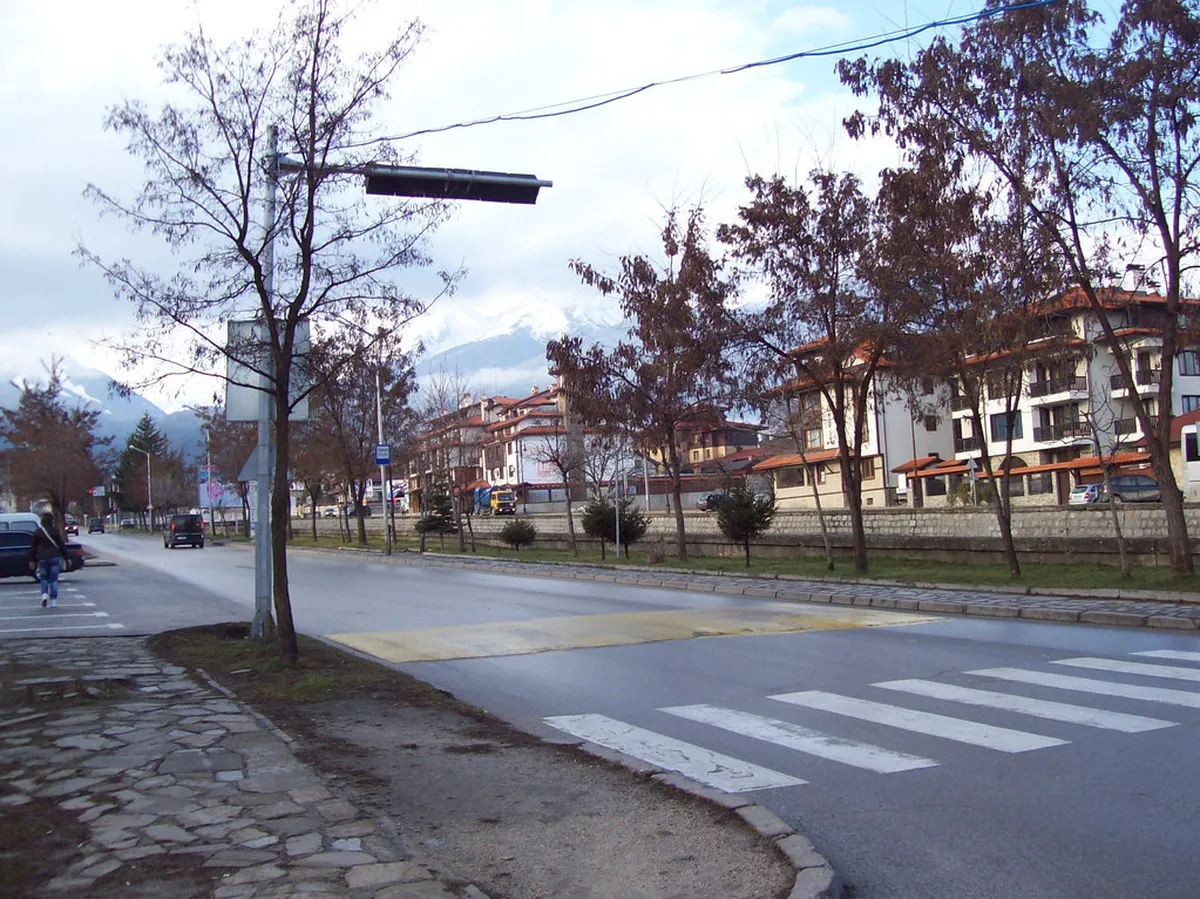
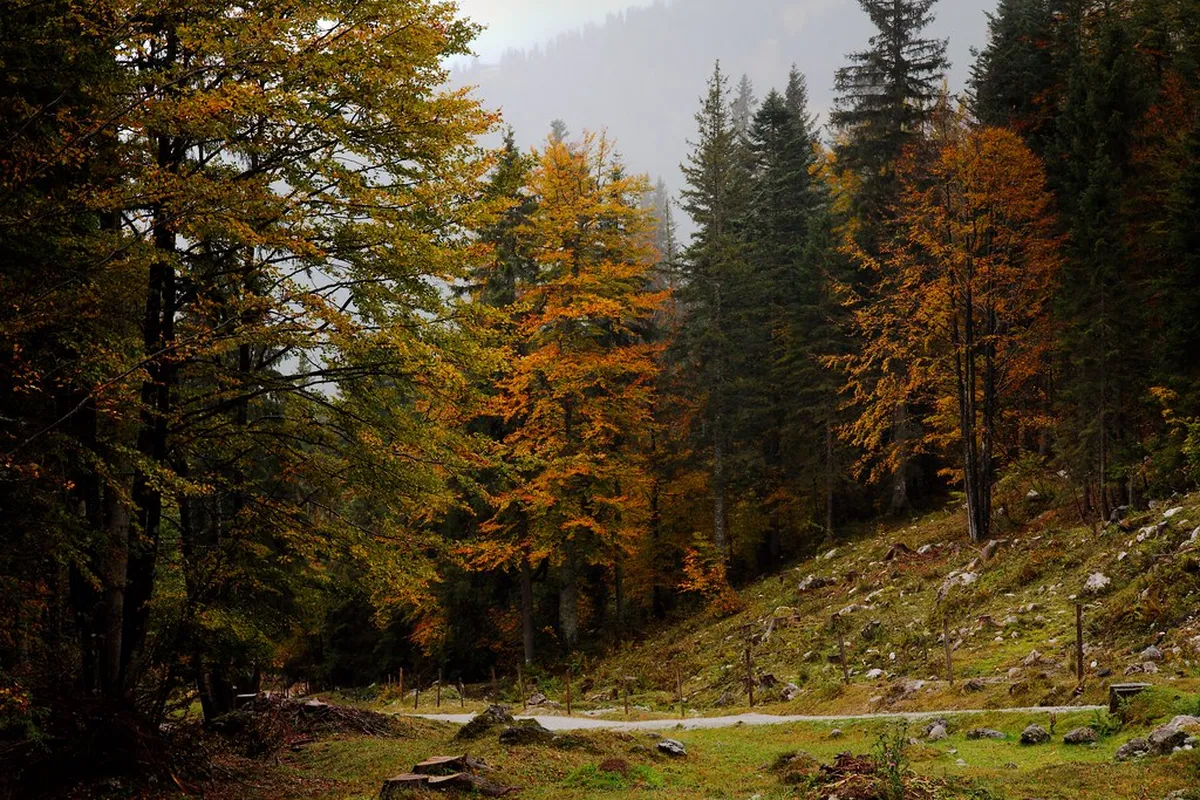
Here's a walkthrough of Sandanski's thermal landscape and its setting at the foot of the Pirin Mountains:
Must-See Wellness Attractions
The mineral springs of Sandanski belong to the bicarbonate-sulphate sodium type, carrying a neutral to slightly alkaline reaction. What makes them therapeutically distinctive is their high content of metasilicic acid and fluorine. These compounds improve skin elasticity, support joint cartilage, and accelerate recovery from musculoskeletal injuries. The springs also benefit the central and peripheral nervous system, which is why neurological rehabilitation programs are offered at several local clinics alongside the standard spa packages.
The town's 'health factory' reputation is not an exaggeration. Local medical institutions run structured balneotherapy programs that involve prescribed soaking sessions, inhalation therapies using mineralized steam, and hydro-massage sequences. Treatments are conducted under medical supervision and differ meaningfully from the generic spa packages found elsewhere in Bulgaria. Guests on recovery programs typically stay for 7 to 14 days to complete a full therapeutic cycle.
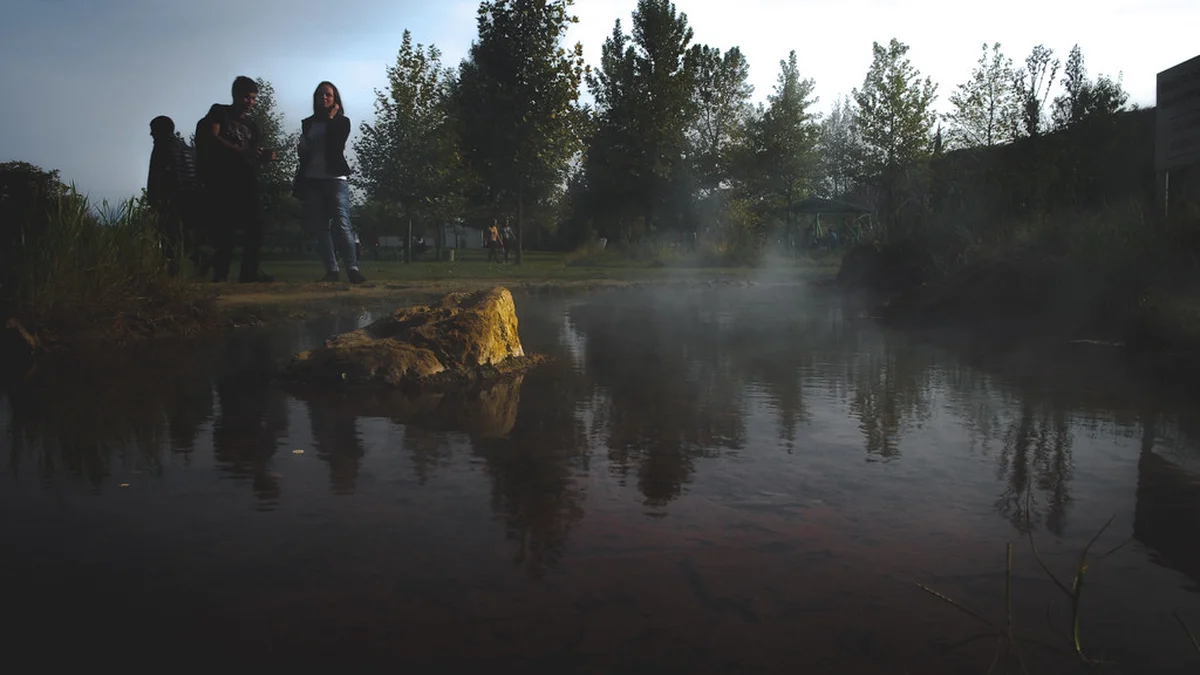
Sandanski's unique combination of climatotherapy (lowest allergen count in Bulgaria) and balneotherapy (80+ mineral springs) makes it medically superior for respiratory conditions like bronchial asthma and chronic rhinitis. Unlike ordinary spas, medical institutions here conduct supervised treatment programs that integrate both the air quality and mineral water composition.
For visitors who want to experience the springs without a clinical commitment, outdoor thermal taps are available in the town park at no charge. Locals collect the water for drinking — the clear, tasteless mineral water is used to support gastrointestinal and kidney health. The public mineral pool near the Sandanska Bistrica river offers year-round soaking for a few lev, drawing families and day visitors alongside longer-stay medical guests. Arrive early on weekends to secure a lane in the outdoor pools.
Who Should Choose Sandanski Over Velingrad
Velingrad is Bulgaria's most commercially developed spa destination, with over 80 mineral springs and a well-established hotel spa industry. Sandanski has a comparable spring count but wins on a factor Velingrad cannot offer: air quality. Velingrad sits in a forested mountain valley at around 750 meters altitude, while Sandanski's location between the Kresna and Rupel gorges channels warm, dry Mediterranean air through the town year-round. The result is the lowest allergen concentration measured at any Bulgarian settlement.
Travelers recovering from lung surgery, managing emphysema, or dealing with bronchial asthma, chronic rhinitis, pharyngitis, sinusitis, or hay fever will find Sandanski clinically superior. The combination of clean air and mineralised inhalation therapy is a treatment profile Velingrad simply cannot replicate. Velingrad is a better choice for travelers whose primary goal is high-volume water therapy, particularly for musculoskeletal or cardiovascular complaints, where its 80+ springs and large hotel spas excel.
| Wellness Factor | Sandanski | Velingrad |
|---|---|---|
| Allergen Count | Lowest in Bulgaria | Higher (mountain valley) |
| Primary Strength | Respiratory + climatotherapy | Musculoskeletal + cardiovascular |
| Mineral Spring Count | 80+ hyper-thermal springs | 80+ springs |
| Hotel Spa Scale | Smaller, medical-focused | Large commercial complexes |
| Best Season | Year-round (warm air) | Warmer months (high altitude) |
| Treatment Type | Medical-supervised programs | Spa packages + wellness |
For families or travelers without specific medical needs, Sandanski's warmer average annual temperature of 13.9°C and longer outdoor season make it more versatile. Velingrad requires warmer clothing even in summer. If your priority is respiratory recovery or hay fever relief, book Sandanski. If your priority is a large-scale spa hotel complex with many treatment options and you have no respiratory concerns, Velingrad offers more choice. Both towns are covered in our guide to the 10 Best Spa Towns and Planning Tips in Bulgaria.
Choose Sandanski if respiratory health is your primary goal—the town offers the only combination of extremely low allergen air and medically-supervised mineral inhalation therapy in Bulgaria. Choose Velingrad if you prefer a large commercial spa resort with diverse water-based treatments for other conditions.
Saint Vrach Park and Outdoor Climatotherapy
The Saint Vrach City Park is one of the largest urban parks in Bulgaria, spanning 344 acres on both banks of the Sandanska Bistrica River. The park holds over 160 plant species, including century-old plane trees, and is the only urban park in the country with natural sand alleys. In 1991, it was declared a monument of garden and park art. Walking its paths in the morning, when the air is clearest, is the most direct way to practice climatotherapy in Sandanski.
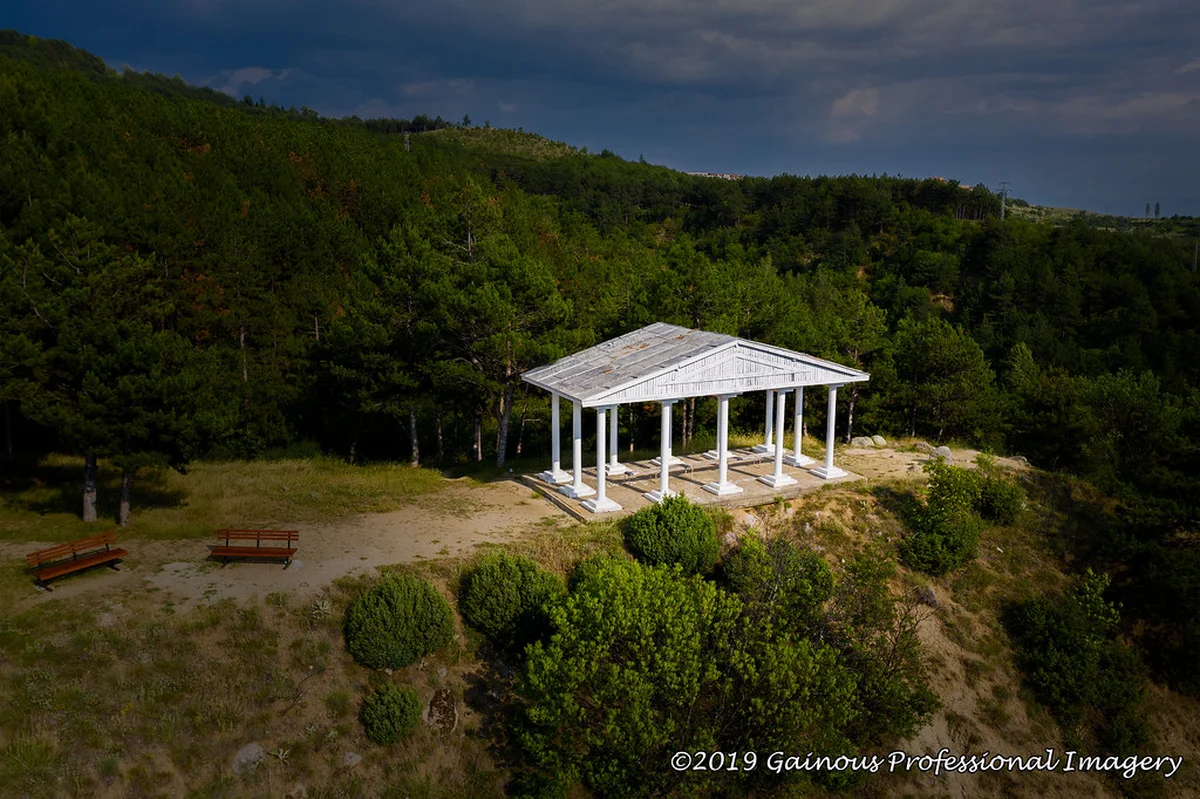
One of the park's most distinctive natural landmarks is the Eastern century sycamore — a tree of the Eastern sycamore species located in the courtyard of the Monastery of Saint Georgi Pobedonosets in the village of Zlatolist, on the outskirts of Pirin Mountain near Sandanski. It is approximately 1300 years old, stands 28 to 30 meters tall, and has a trunk circumference of 6 meters. Local tradition holds that the site sits at a peak of an energy triangle connecting Zlatolist, the chapel at Rupite, and the village of Katuntsi. Whether or not you share that belief, standing beneath a tree older than most European cathedrals is an experience worth the short drive.
The park also contains an artificial lake with swans, fountains, children's play areas, two rope bridges over the river, a scale model of the Pirin Mountains, a summer theater, and a swimming complex. Outdoor fitness stations allow active visitors to combine exercise with the therapeutic air. Sandanski's position between two gorges means still air days are rare — a gentle breeze circulates through the valley almost year-round, continuously refreshing the atmosphere. For visitors with respiratory neuroses or chronic stress, even an hour of slow walking in the park has measurable benefit.
Museums, Art, and Culture in Sandanski
The Archaeological Museum - Sandanski was founded in 1936 and is the oldest museum in Southwest Bulgaria. It holds 11,367 exhibits and is one of only five specialized archaeological museums in the country. The ground floor contains a 5th-century basilica — the Basilica of Bishop John — where you can see extraordinary mosaic carpets that once lined the floors of the ancient city. The open courtyard section preserves an early Christian complex including a 4th-century basilica, an ancient main street, and an atrium.
The museum's collection of Roman funerary marble sculpture is the largest in Bulgaria and rare in Europe, characteristic only of this southwestern region. Exhibits span prehistory through the Middle Ages and include ancient coins, a bronze lithium cross, and a gladiatorial invitation poster. A hologram of Spartacus and augmented reality reconstructions of the ancient churches bring the history to life for younger visitors. Entry costs approximately 5 BGN and the museum typically opens from 09:00 to 18:00. The Episcopal complex entry is included with the same ticket.
The Thracians were the first to recognize the healing properties of these springs, long before the Romans built their thermal infrastructure over the same waters. The museum traces this continuity from Thracian settlement through the Roman city of Parthicopolis and into the early Christian period. Understanding this multi-layered history adds context to the town's identity as a health destination — the springs were considered sacred long before the science of balneology existed.
Episcopal Complex and Early Christian Sandanski
The Episcopal complex with a basilica in Sandanski is one of the most significant late antique archaeological sites in southern Bulgaria. The main structure — also called Basilica Number 1, or the basilica next to the episcopal residence — dates from the 3rd to 4th century. An ancient Greek inscription carved on a granite column confirms the construction period. The basilica was massive for its time. It was destroyed in the 6th century by barbarian invasions, and the episcopal residence that once rose to its north has been partially excavated.
The interior of the complex features floor mosaics, colonnades, a marble altarpiece with scenes from the Gospels, and a preserved vestibule and pulpit. These decorative elements reflect the wealth of ancient Parthicopolis and the importance of Sandanski as a religious and administrative center in the early Christian world. The connection to the Roman belief in the 'Holy Springs of Thrace' is tangible here — water was integrated into both sacred and civic life in ways you can literally walk through.
The complex is located in the center of Sandanski, on the outskirts of the Pirin Mountain foothills, and is easy to reach on foot from the main pedestrian street. The quiet atmosphere of the ruins offers a contemplative break from the busier spa zones. Many visitors find the architectural scale — even in ruin — deeply calming. Entry is included with the Archaeological Museum ticket.
Rozhensky Monastery and the Churches of Melnik
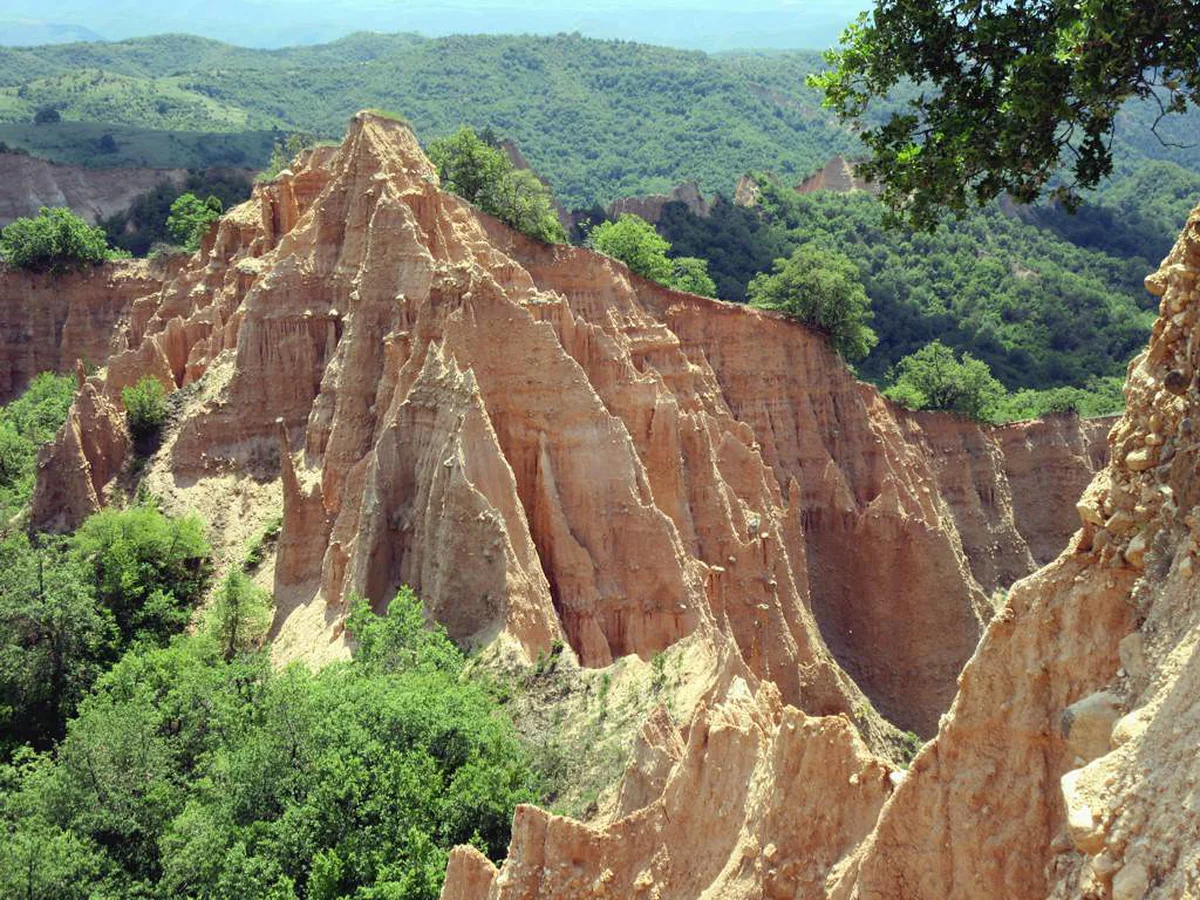
The Rozhensky Monastery of the Nativity of the Virgin Mary is located in the Pirin Mountains, 6 kilometers from the town of Melnik and approximately 25 kilometers from Sandanski. It is one of the few medieval monasteries preserved to the present day — first mentioned by name in the 13th century. The monastery remains permanently active. Its iconostasis and wall paintings were completed in 1732, and the miraculous icon of the Holy Mother of God is venerated by pilgrims from across Bulgaria and abroad. The views across the Melnik Pyramids from the monastery grounds are among the finest in the region.
Saint Nicholas Church in Melnik dates from the end of the 12th century. Only the eastern wall and some interior elements survive, but traces of frescoes of high artistic value remain visible on the standing ruins. The interior once contained rarely depicted scenes alongside an inscription from the 13th century, and the church's bell is considered among the oldest in Europe. The combination of fragility and age makes this a moving site even in partial ruin.
Both sites pair naturally with a visit to the Melnik Pyramids — the 50 square kilometer field of eroded rock formations that have been changing shape since they were declared a natural landmark in 1960. A half-day excursion from Sandanski can combine a morning at the Archaeological Museum, a taxi or bus to Melnik (approximately 4 BGN each way), lunch at a wine cellar serving local Melnik red, an hour at the pyramids, and a stop at the Rozhen Monastery on the return. For visitors with reduced mobility, note that the path through the Melnik Pyramids involves uneven terrain and moderate inclines — the monastery road is accessible by car.
Monastery of St. St. Cosmas and Damian
The Sandanski Monastery of St. St. Cosmas and Damian is a Renaissance monastery located within the town itself, making it easily walkable from most accommodation. The complex consists of a single-nave, single-apsed church alongside chapels dedicated to St. Dimitar and St. Petka, plus a residential building. Archaeological evidence suggests a church stood on this site as far back as the 4th to 5th century.
The monastery carries particular historical weight for Sandanski's identity. It is believed that the two brothers Cosmas and Damian actually lived here and treated sick pilgrims at the Miroto spring, which still exists on the grounds today. Their healing work gave the town its older name — Sveti Vrach, meaning 'Holy Healer' — a name the park still carries. The town was only renamed Sandanski in 1958, in honor of the Macedonian revolutionary Jane Sandanski.
The spring at the monastery grounds can be visited freely, and the water is considered beneficial in local tradition. The quiet interior of the church and the small courtyard offer a meditative counterpoint to the active spa treatments elsewhere in town. This is a less-visited site than the Episcopal complex, which makes it more peaceful and suitable for unhurried reflection.
Family-Friendly and Budget Wellness Options
Wellness in Sandanski does not require a luxury hotel budget. The public mineral pool is the most accessible entry point: entry costs between 5 and 10 BGN per person, and the pool operates year-round thanks to the geothermal water supply. Families with children often prefer the public facility because the outdoor pools give children more room to move than the indoor spa zones of private resorts. The water temperature in public pools is regulated to approximately 34 to 38°C — comfortable for extended soaking without the extreme heat of the raw springs.
Several high-end hotels — including Interhotel Sandanski (4-star) and Medite Spa Resort (4-star) — offer day spa passes that give access to saunas, steam rooms, and hydro-massage without an overnight booking. These day passes typically run between 30 and 60 BGN and can be confirmed by calling ahead. This is a practical option for travelers passing through on a Melnik or Pirin circuit who want an afternoon of wellness without committing to accommodation.
For a free active wellness option, the hike to the sculptural object called The Cross provides strong cardio and panoramic views over the valley. The structure represents stairs in the form of a cross, symbolizing Christ's path to Calvary. It was commissioned by the clairvoyant Vanga and sits in the hills near Rupite, about 10 kilometers from the center of Sandanski. Pack water and trail shoes; the ascent takes around 30 to 40 minutes from the base. Children above primary school age manage it easily, and the views from the top justify the effort.
National Park Pirin and Active Wellness
Pirin National Park covers over 40,000 hectares across seven municipalities in Blagoevgrad district, including Sandanski. Created in 1962 and listed as a UNESCO World Heritage Site since 1983, the park offers some of the finest mountain hiking in the Balkans. Trails near Sandanski reach the Popinolash Waterfall — a year-round cascade on the Bashliytsa River, about 5 to 6 minutes' walk from the Yane Sandanski mountain hut, where the clear water falls 12 to 13 meters into small natural pools below.
Active wellness in the park complements thermal spa treatments effectively. A morning of gentle hiking followed by an afternoon mineral bath is a routine many long-stay guests adopt after the first few days. The combination of physical movement, altitude air, and post-exercise thermal soaking accelerates muscular recovery and produces measurable improvements in sleep quality. For day visitors, the trailhead near Turichka Cherkva village is the most direct access point for the waterfall route.
The park also supports mountain biking and fishing at specific zones. For those interested in forest hiking without significant elevation gain, the trails immediately behind Saint Vrach Park in town connect directly to lower Pirin foothills. These routes are walkable in ordinary footwear and suitable for visitors in respiratory recovery who want fresh mountain air without strenuous exertion. Check conditions with local hotel concierges before heading out, as trail access at higher elevations may be restricted in winter months.
How to Plan a Smooth Wellness Day in Sandanski
A well-structured Sandanski day begins before 08:00. Walk through Saint Vrach Park at dawn when the air is at its cleanest and the park is almost empty. Spend 45 minutes on the sandy alleys near the lake. By 09:30, move to a mineral pool or hotel spa for a soaking session — most balneotherapy protocols recommend 20-minute intervals in the water, with breaks between rounds to avoid circulatory overload. A full morning session of two to three cycles takes about two hours.
In the afternoon, consider the Melnik day trip. Melnik is the smallest town in Bulgaria, famous for its sand pyramids and Melnik red wine. The journey takes about 30 to 40 minutes by local bus (approximately 4 BGN each way) or taxi. Wine tasting at one of Melnik's cellar-cut-into-rock establishments pairs well with a visit to the Kordopul House, the largest preserved Renaissance house on the Balkan Peninsula, originally built for wine storage. Return to Sandanski by 18:00 for a final thermal soak or sauna session before dinner.
For a culture-focused day, combine the Archaeological Museum (allow 90 minutes) with the Episcopal complex and the Monastery of St. St. Cosmas and Damian — all within easy walking distance of the town center. On a second day, take a car or taxi to Rozhen Monastery and the Melnik Pyramids. A third day can be dedicated entirely to Pirin, either for hiking or a visit to the Popinolash Waterfall area. Most medical treatment programs run for 7 to 14 days, which provides time to cover all of the above without rushing.
Continue planning: Use 10 Best Spa Towns and Planning Tips in Bulgaria and Wellness & Spas In Devin Travel Guide to connect this guide with the rest of your Bulgaria itinerary.
Frequently Asked Questions
Why is Sandanski considered the best spa for respiratory issues?
Sandanski has a unique microclimate with the lowest allergen counts in Bulgaria. The combination of high sunshine, low humidity, and forest air creates ideal conditions for treating asthma and bronchitis. Many medical programs here integrate these natural factors with mineral water inhalations for maximum recovery.
What is the temperature of the mineral springs in Sandanski?
The mineral springs in Sandanski are hyper-thermal, with temperatures ranging from 42°C to 81°C. This heat helps the minerals penetrate the skin more effectively during baths. Most spa facilities cool the water to a comfortable 34-38°C for guest use in pools and tubs.
Can you visit the Melnik wine region and Sandanski spas in one day?
Yes, Melnik is only about 20 kilometers away from Sandanski, making it a perfect afternoon trip. You can enjoy a morning spa treatment and then head to Melnik for wine tasting and a visit to the Bulgarian mineral springs nearby. Taxis and local buses run frequently between the two towns.
What are the best months for climatotherapy in Sandanski?
The best months are during the spring and autumn when temperatures are mild and the air is fresh. However, Sandanski is a year-round destination due to its 2506 hours of annual sunshine. Even in winter, the Mediterranean influence keeps the climate much warmer than in northern Bulgaria.
Sandanski offers a rare blend of ancient history, healing waters, and a Mediterranean microclimate that no other Bulgarian spa town can fully replicate. Whether you are seeking medical treatment for a respiratory condition, a structured balneotherapy program, or simply a restorative break from city life, the town delivers on every level. The combination of 80+ mineral springs, 2506 annual sunshine hours, the lowest allergen count in Bulgaria, and a surrounding region rich in monasteries, pyramids, and mountain trails makes Sandanski one of the most complete wellness destinations in the Balkans.
For a different experience within Bulgaria's spa tradition, consider extending your trip to include 10 Best Wellness & Spas in Velingrad — a mountain spa town with its own distinct mineral profile suited to travelers without respiratory priorities. Each destination strengthens the case for Bulgaria as a serious wellness country. Plan your 2026 retreat today and book treatment programs at least two weeks in advance if you are visiting during the May to September peak season.