Ropotamo Nature Reserve Visitor Guide: 9 Essential Tips
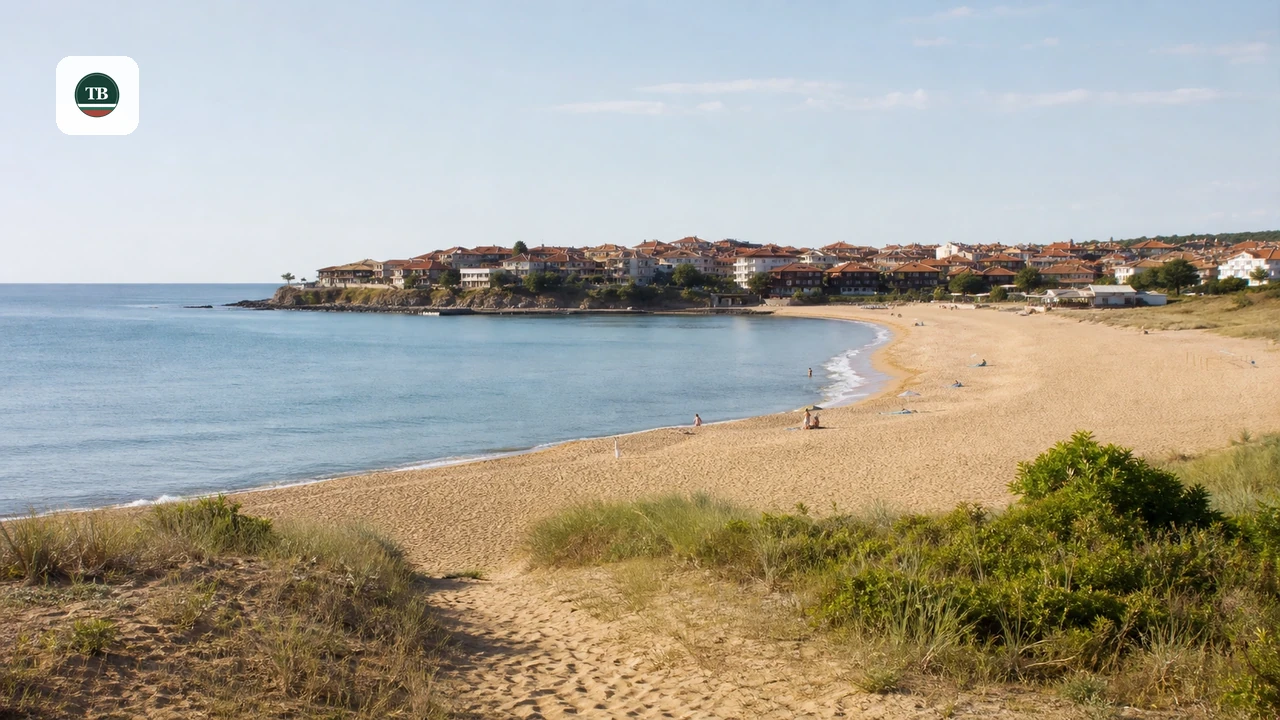
The Ropotamo Nature Reserve is a wild gem located on the southern Bulgarian coast. This protected area offers a rare mix of dense forests, marshes, and sandy beaches. Visitors come here to enjoy quiet boat trips and scenic hiking trails near the Black Sea. Our ropotamo nature reserve visitor guide provides all the details you need for a perfect day trip.
Located just a short drive from the historic town of Sozopol Bulgaria, the reserve is a favorite for nature lovers. You can spot rare birds, ancient rock formations, and beautiful water lilies in a single afternoon. The area serves as a vital sanctuary for many endangered species in the region. Planning ahead ensures you see the best sights without the stress of summer crowds.
To see the river landscape and wildlife from the water, watch this guided boat tour through the Ropotamo's highlights:
Overview of Ropotamo Nature Reserve
The Ropotamo Nature Reserve covers over 1,000 hectares of diverse coastal landscape. It sits about 50 km south of Burgas and only 12 km from the town of Primorsko. The reserve was granted strict regime status in 1992 to protect it from uncontrolled tourism. This designation helps preserve the delicate balance of the river's ecosystem.
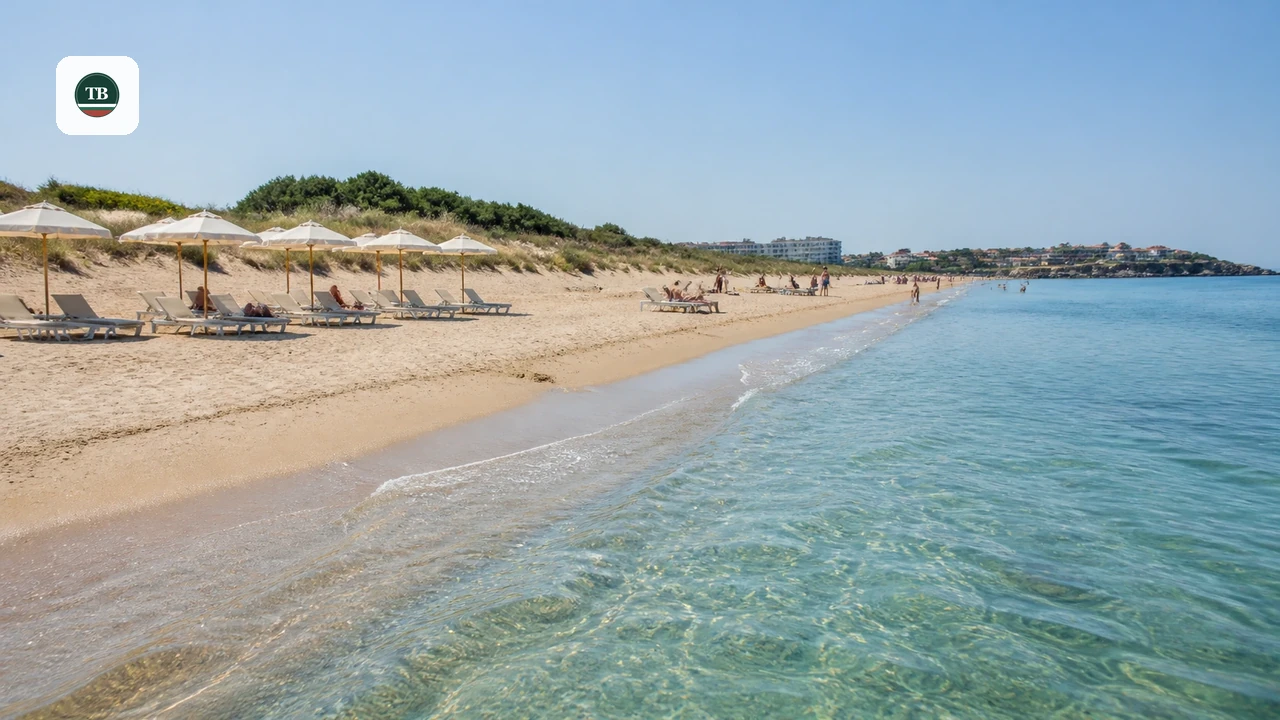
The Ropotamo River flows through the heart of the reserve before reaching the Black Sea. Its banks are lined with lush vegetation that resembles a flooded jungle. You will find unique habitats ranging from sand dunes to freshwater marshes here. Visitors must follow specific paths to keep this environment safe and clean.
Many travelers choose to visit while staying in nearby coastal resorts. The short distance makes it an ideal break from the local beaches. Understanding the Protected area Beglik Tash – Ropotamo status helps you respect the local rules. Always check for updated visitor guidelines before you begin your journey into the woods.
Ropotamo River Boat Tour Options
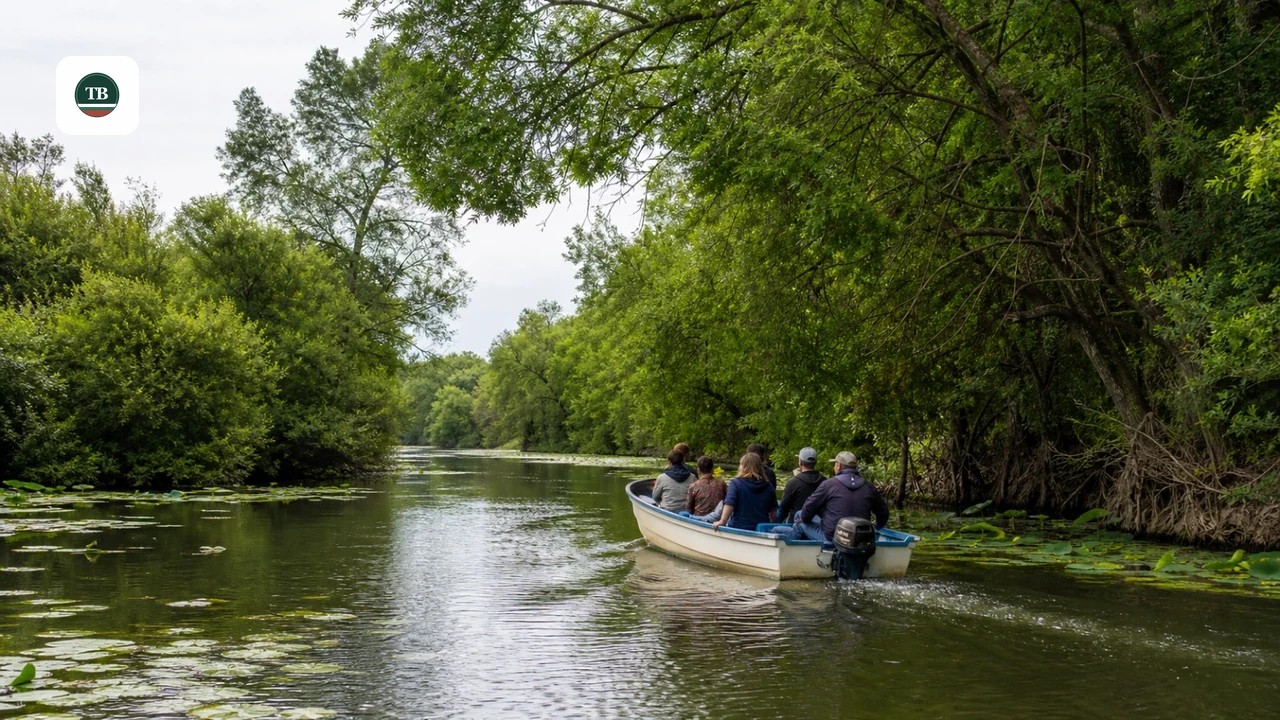
A boat tour is the most iconic way to experience the beauty of the river. Most boat tours last approximately 45 minutes to an hour on the water. The boats depart from a small pier located near the main bridge on the road. You can enjoy a relaxing ride while a guide points out local wildlife.
Choosing between the upstream and downstream tours is your first big decision. Upstream tours focus on the dense forest and quiet marshy areas. These trips are better for spotting turtles and rare freshwater plants. The calm water makes it easy to photograph the surrounding greenery.
Downstream tours take you toward the confluence where the river meets the sea. This route offers wider views and a chance to see the coastal dunes. You might see different bird species as the water becomes more salty. Both options provide a unique perspective on the reserve's natural transition zones.
- Upstream Wildlife Tour
- Focus: Turtles and lilies
- Vibe: Quiet and jungle-like
- Duration: 45 minutes
- Best for: Photography
- Downstream Sea Mouth Tour
- Focus: River mouth views
- Vibe: Open and breezy
- Duration: 50 minutes
- Best for: Scenic vistas
Hiking Trails and Eco-Paths Map
The reserve features several well-marked eco-paths for those who prefer walking. One popular trail leads through the forest to the scenic Maslen Nos cape. This hike offers stunning views of the rocky coastline and hidden coves. Be sure to bring plenty of water as there are no shops along the trails.
Another easy path follows the riverbank toward the mouth of the Ropotamo. This route is mostly flat and suitable for families with older children. You can see the Arkutino marsh and its famous floating plants from certain points. Walking allows you to move at your own pace and enjoy the silence.
Proper footwear is essential for the more rugged paths near the rock formations. Some sections can be slippery after rain or covered in loose stones. Always stay on the marked trails to avoid disturbing the local flora. Check the Management plan for the Ropotamo Reserve for seasonal trail closures.
Must-See Landmarks: Lion’s Head and Rock Formations
The Lion's Head is perhaps the most famous natural landmark in the entire reserve. This massive rock formation sits high on a ridge overlooking the river valley. From a distance, the stones clearly resemble the profile of a resting lion. It is a favorite subject for photographers visiting the southern coast.
Near the Lion's Head, you can find the ruins of the ancient Valchanovo Kale. This fortress once guarded the river and the surrounding trade routes. Many visitors confuse the natural rock shapes with the old man-made walls. The site offers a fascinating look into the history of the Thracian tribes.
Veselata skala, or the Happy Rock, is another interesting site to discover. It provides a great vantage point for looking down at the river's curves. The climb to these formations can be steep but the views are worth the effort. Plan to spend at least an hour if you intend to hike up for photos.
Wildlife and Biodiversity: Flora and Fauna
The biodiversity of Ropotamo is truly impressive for such a small area. Over 250 bird species have been recorded within the reserve boundaries. You might see gray herons, white storks, and even rare sea eagles. The river is also home to a large population of European pond turtles.
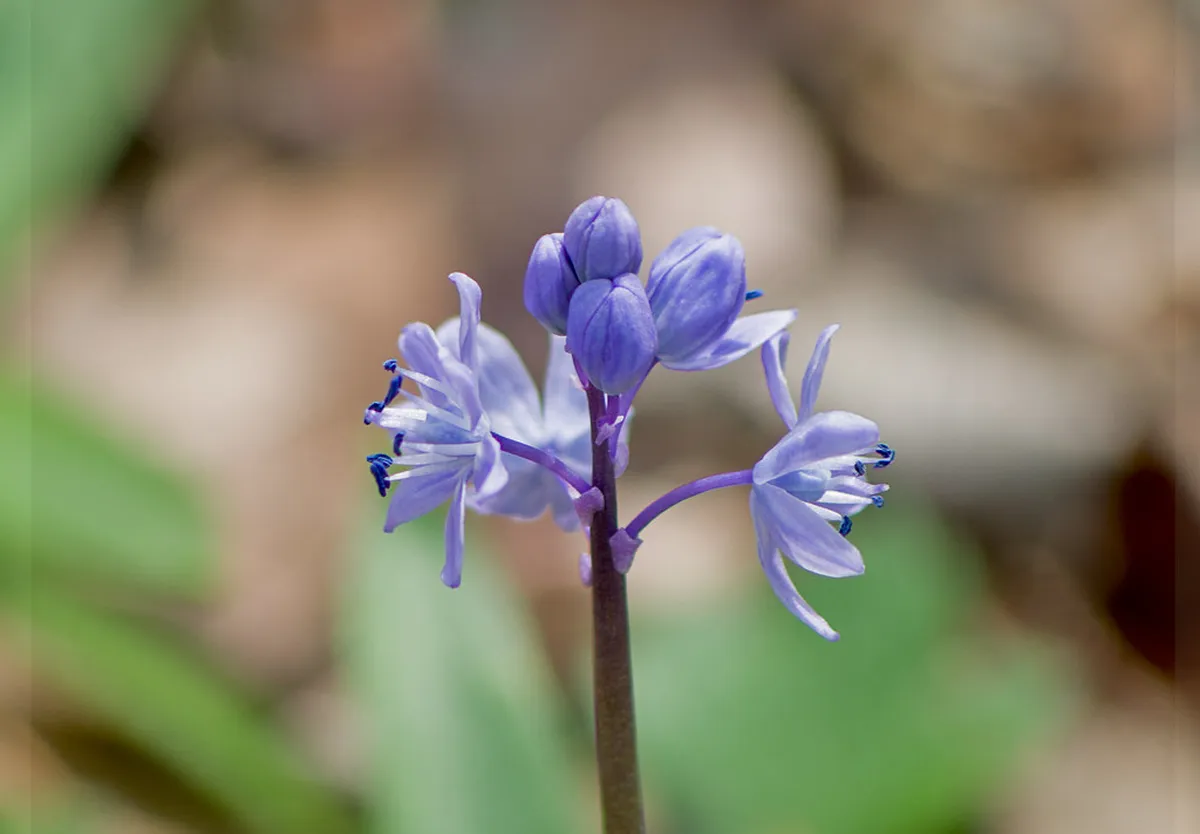
Flora enthusiasts should look for the rare white water lilies in the river. These flowers usually bloom in June and create a magical scene on the water. The sand dunes near the beach host the beautiful and rare sea daffodil. Each season brings a different set of colors to the riverbanks.
Turtles are often seen sunbathing on fallen logs during the warm morning hours. Keep your voice low on the boat to avoid scaring them away. The dense forest also hides deer and wild boars that occasionally visit the water. Binoculars are highly recommended for the best wildlife viewing experience.
Best Time to Visit and Seasonal Weather
Summer is the peak season for boat tours and general sightseeing. June through August offers the most frequent tour departures and best weather. However, this is also when the reserve experiences the highest number of visitors. Early morning visits in July help you avoid the heat and the largest crowds.
Spring is the ideal time for birdwatchers to visit the Ropotamo marshes. Many migratory birds stop here on their way north during April and May. The forest is vibrant and green as the new leaves begin to grow. Water levels are usually higher, making the river look even more impressive.
Autumn provides cooler temperatures that are perfect for long hiking trips. September and October see fewer tourists and a more peaceful atmosphere. The changing colors of the trees reflect beautifully in the still river water. Check the Verified Visitor Review (Sep 2023) for a look at late-season conditions.
Planning Your Trip: Access and Logistics
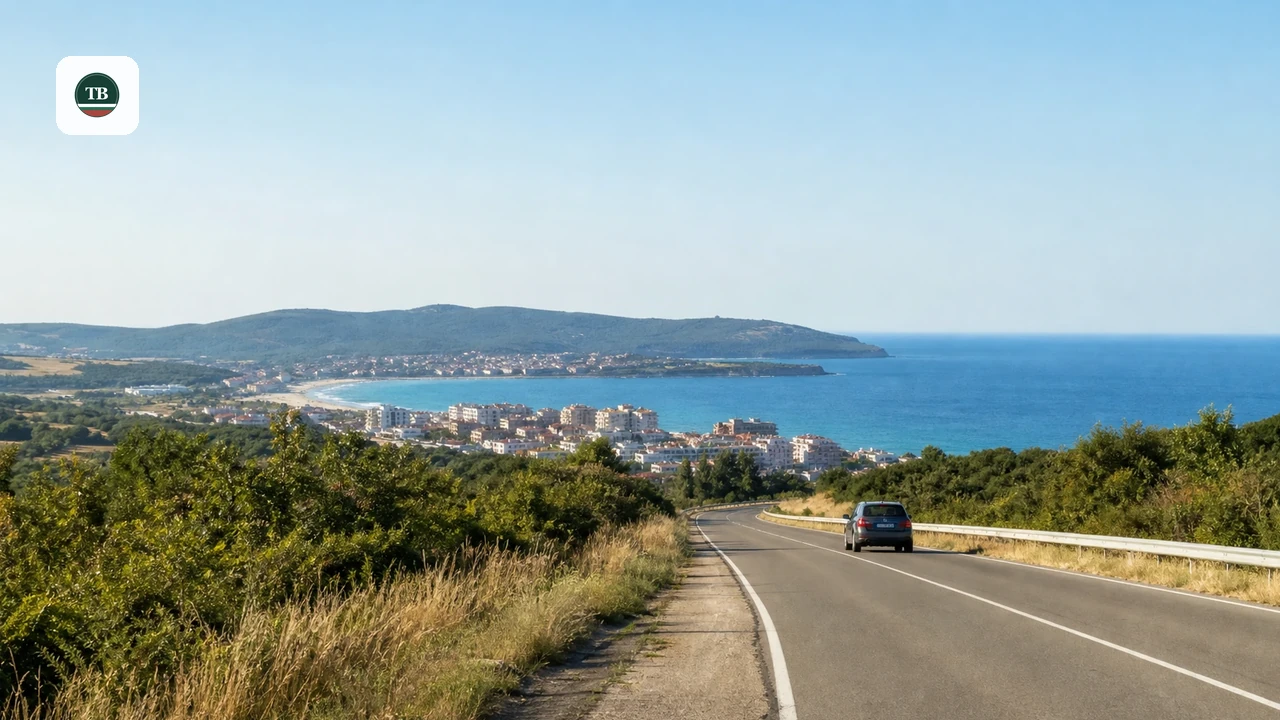
Getting to the reserve is simple if you are driving from Sozopol or Primorsko. The main entrance is located right off the primary coastal highway. Parking near the bridge can become very congested during the summer months. Try to arrive before 10:00 AM to secure a spot without a long wait.
Cash is essential for your visit as many local vendors do not take cards. You will need Bulgarian Lev for boat tickets, parking, and small snacks. There are no ATMs inside the reserve, so withdraw money in town first. Some larger boat operators may accept digital payments, but it is not guaranteed.
The drive from Sozopol takes about 15 to 20 minutes in normal traffic. Use the Google Maps Location (8180 Primorsko) for precise navigation. Keep an eye out for the brown tourism signs as you approach the river bridge. The entrance is well-marked but easy to miss if you are driving too fast.
Nearby Destinations and Day Trip Ideas
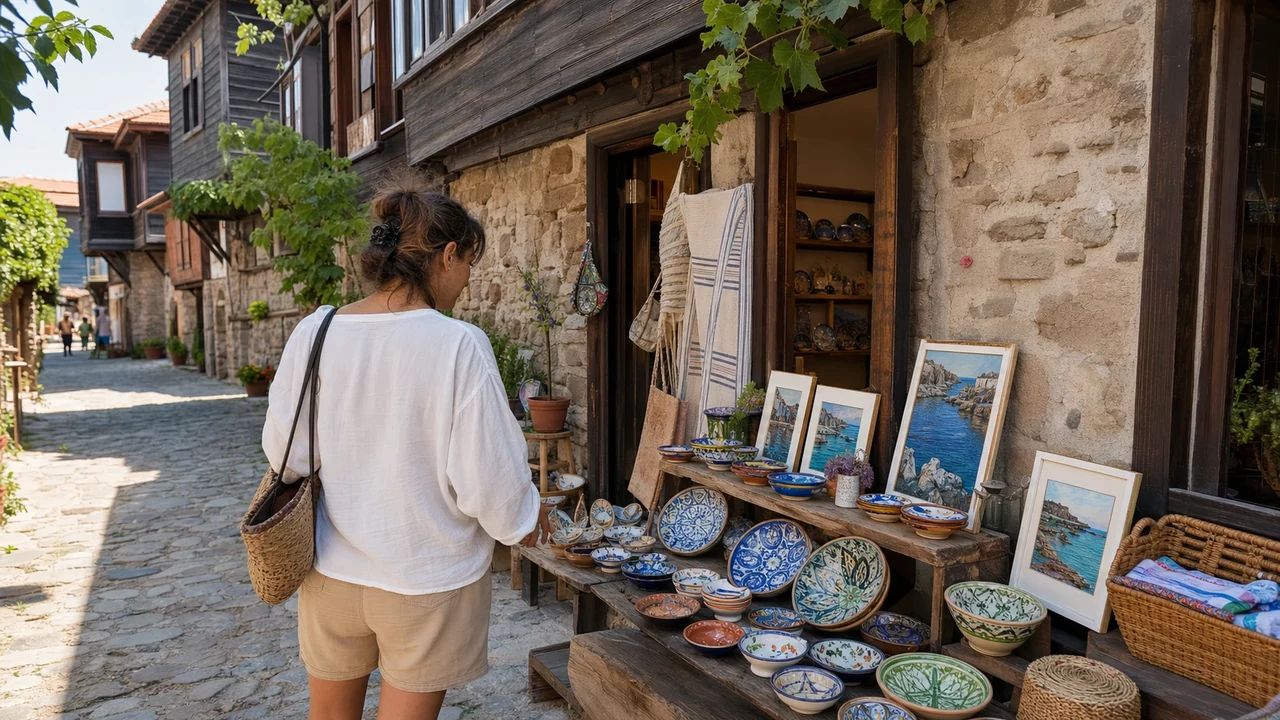
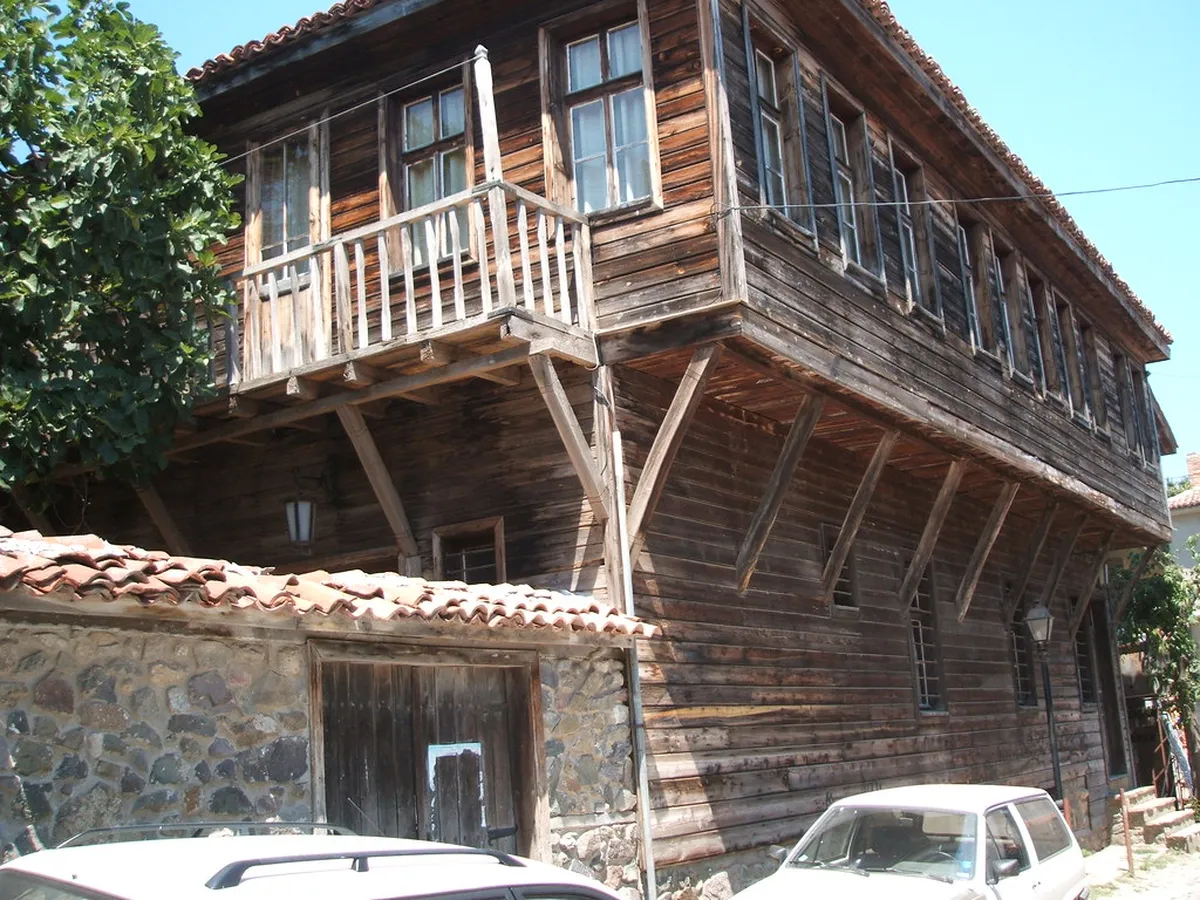
You can easily combine a reserve visit with other local attractions. The Sozopol Old Town Visitor Guide is just a short drive to the north. It offers beautiful wooden houses and ancient cobblestone streets to explore. This is a great place to enjoy dinner after a day in nature.
The mysterious Thracian sanctuary of Beglik Tash is located nearby. It features massive stones arranged for ancient religious rituals. Visiting both sites in one day gives you a mix of nature and history. The Ravadinovo Castle ('In Love With the Wind') Visitor Guide is another popular stop for families in the area.
If you have more time, consider a boat trip to St. Ivan Island (sveti Ivan) Visitor Guide. It is the largest island in Bulgarian waters and sits just off the coast. You can see the ruins of an old monastery and a lighthouse there. The southern coast is full of these small but fascinating landmarks.
Continue planning: Use Sozopol Attractions: 7 Top Things to Do in Sozopol Old Town to connect this guide with the rest of your Bulgaria itinerary.
Frequently Asked Questions
Where does the Ropotamo boat trip depart from?
Boats leave from the river-mouth boat station on the Ropotamo, reached off the main Burgas-Tsarevo road near where the river meets the sea, between Dyuni and Primorsko. There is parking near the entrance, and it is roughly a 20-minute drive south of Sozopol.
How long is the Ropotamo boat trip?
The standard trips last around 30 minutes to an hour. One route heads downstream to the point where the river meets the Black Sea, while a shorter route goes upstream through the flooded longoz forest.
Are the boat trips ticketed and roughly how much do they cost?
Yes, the boat trips are paid on site at the river station rather than free. Fares are commonly reported at around 25 leva (roughly 13 euro) per adult with reduced rates for children, but prices change seasonally, so confirm the current cost and whether cards are accepted at the ticket window.
What is the best season to visit Ropotamo?
Spring and early autumn are ideal, with mild temperatures, blooming vegetation and the most active birdlife; summer is also pleasant, especially in the early morning or late afternoon. Boat operations are mainly a warm-season activity, running roughly from spring through autumn.
How do I get to Ropotamo from Sozopol?
Drive or take a taxi about 20 to 25 minutes south along the main road toward Primorsko and Tsarevo, then follow the signs to the mouth of the Ropotamo River. Public transport is limited, so a car, taxi or an organised excursion is the easiest option.
What will I see on the Ropotamo boat trip?
Highlights include the 'Lion's Head' rock formation, carpets of European white water lilies (Nymphaea alba), the reed-fringed river mouth and abundant birdlife such as herons, kingfishers and occasionally white-tailed eagles. The wider reserve also shelters deer, wild boar and other wildlife.
Can you swim, camp or walk freely in the reserve?
Ropotamo is a strictly protected reserve, so visitor activity is limited to the boat trips and eight marked walking paths. Off-trail access, camping and anything that disturbs the wildlife are not permitted.
Do I need to book the Ropotamo boat trip in advance?
Independent boat trips are generally bought on the spot at the river station and set off once enough passengers have gathered. Alternatively, many visitors join organised day excursions from Sozopol, Primorsko or Sunny Beach that bundle transport with the cruise.
The Ropotamo Nature Reserve is a worth considering forone exploring the southern Bulgarian coast. It offers a peaceful escape into a unique landscape of rivers, forests, and dunes. Whether you choose a boat tour or a hike, the natural beauty will leave a lasting impression. Use this ropotamo nature reserve visitor guide to make the most of your next coastal adventure.
Remember to bring your camera and respect the local environmental rules. The reserve is a precious sanctuary that depends on responsible tourism. Enjoy the sights of the Lion's Head and the rare wildlife along the riverbanks. Safe travels as you discover one of the most beautiful corners of Bulgaria.
For authoritative information, refer to the Ropotamo Nature Reserve on Wikipedia, Ropotamo Nature Reserve official site and Ropotamo Nature Reserve official site.
For more Sozopol planning, read our 25 Best Things to Do in Sozopol, Bulgaria (2026) and Ropotamo River & Nature Reserve: Ultimate Visitor Guide guides.