Bansko Attractions: Top 8 Things to Do in Bansko (2026 Guide)
Bansko attractions for 2026: gondola and museum prices, free vs paid sights, area-by-area and seasonal itineraries, money-saving tips, and an FAQ for things to do in Bansko.
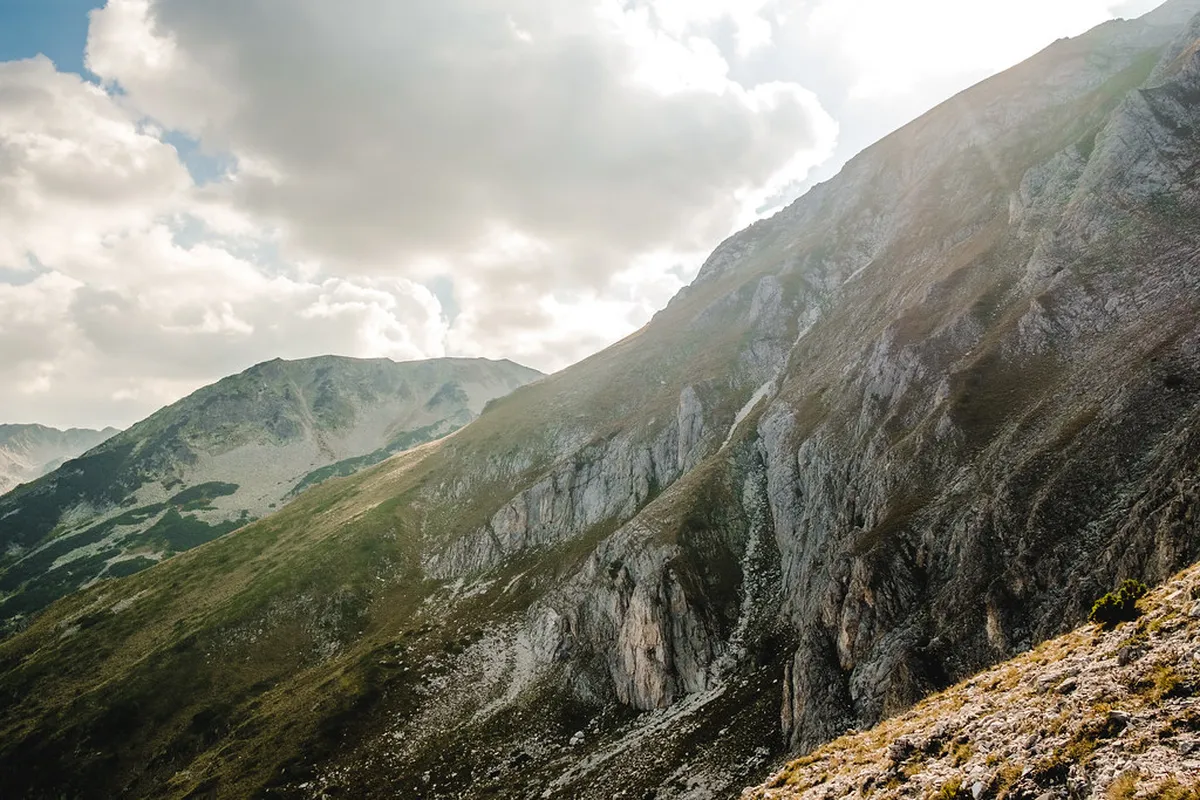
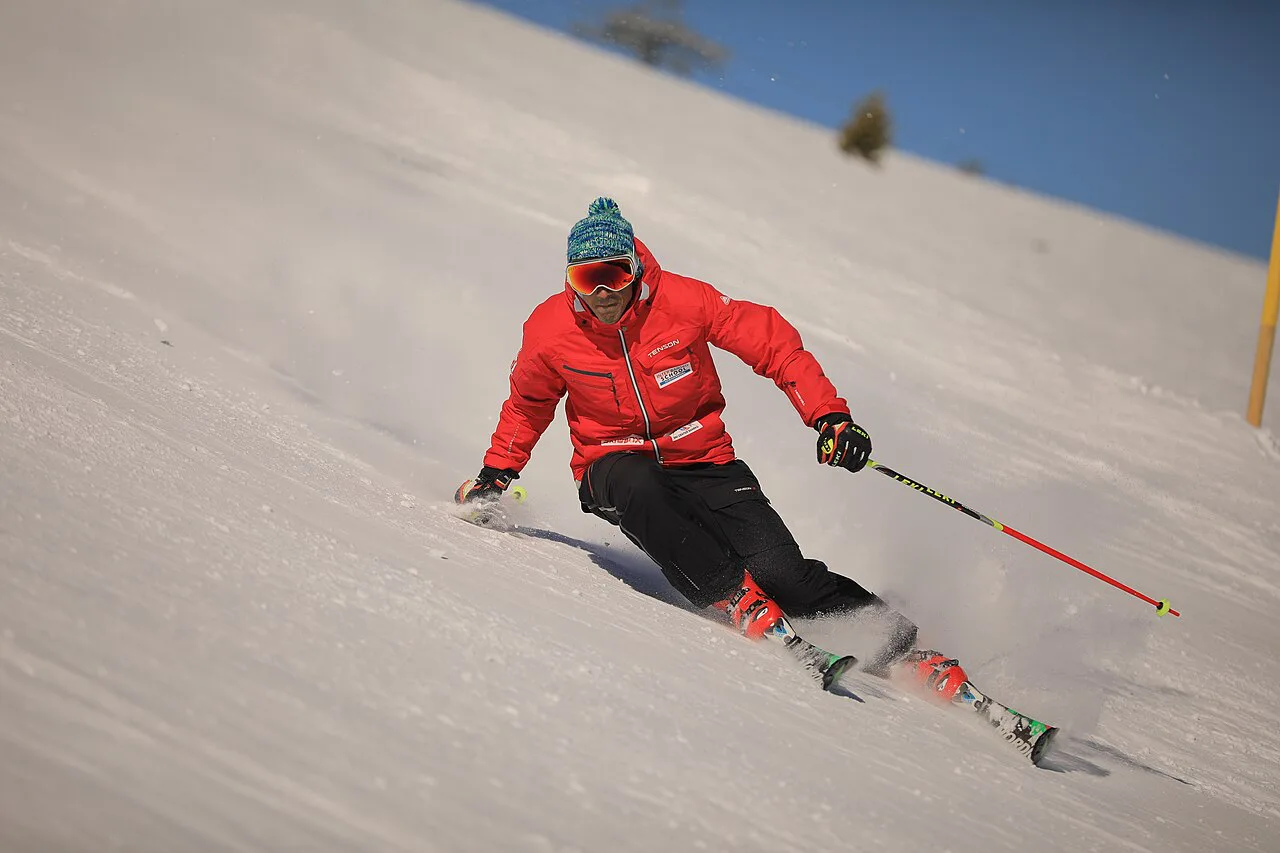
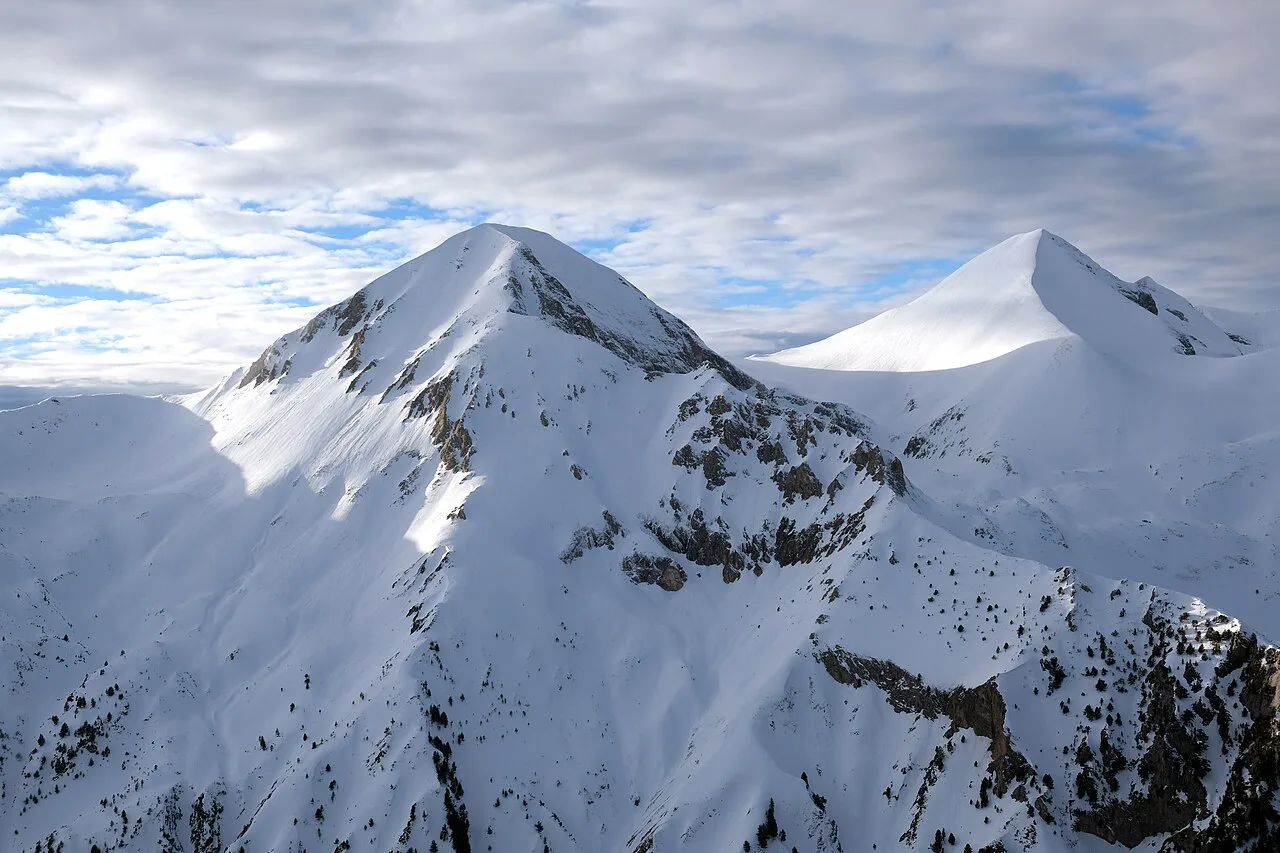
Bansko is Bulgaria's biggest and best-known ski resort, but treating it as a winter-only destination means missing half of what makes it worth the trip. From early December to April, the town's lift network and the gondola up to Banderishka Polyana pull skiers and snowboarders from across the Balkans. From late June to early September, the same gondola reopens for hikers, swapping snow queues for wildflower meadows and access to UNESCO-listed Pirin National Park — marble ridges, 118 glacial lakes and Vihren, Bulgaria's second-highest peak, all free to enter and roughly half an hour from the town centre.
To get a visual sense of Bansko's layout and atmosphere, here's a 4K walking tour of the town:
Guide focusTop 8 attractions in Bansko · Bansko by Area: Ski Zone, Old Town & Day Trips
Also coveredBansko Attractions by Category · Bansko Attraction Prices: Free vs Paid (2026)
Planning areaBulgaria
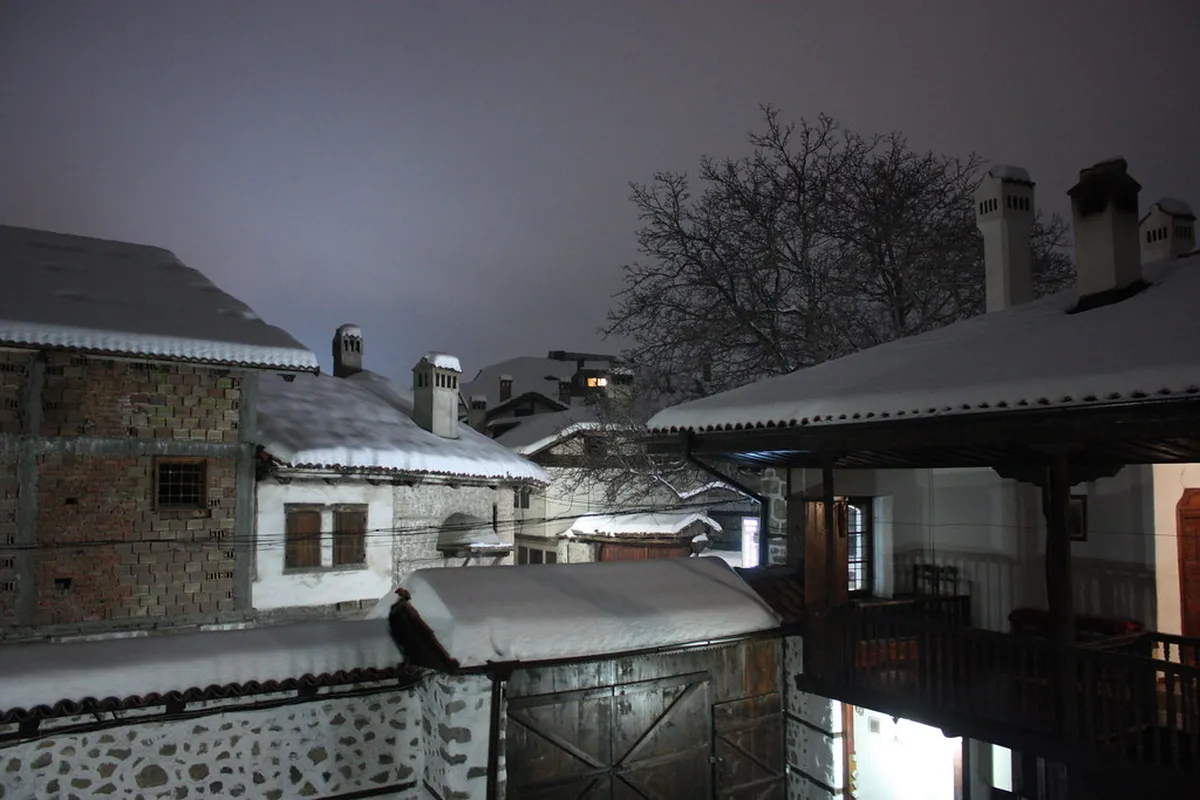
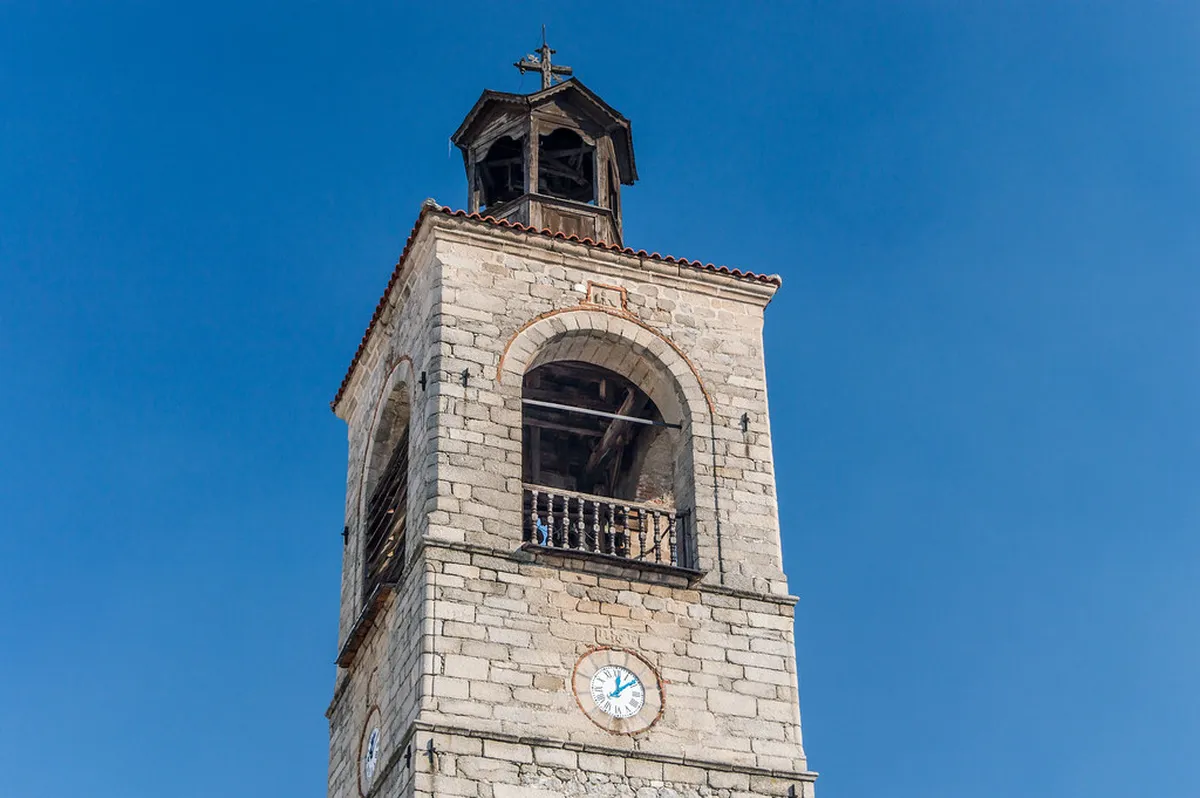
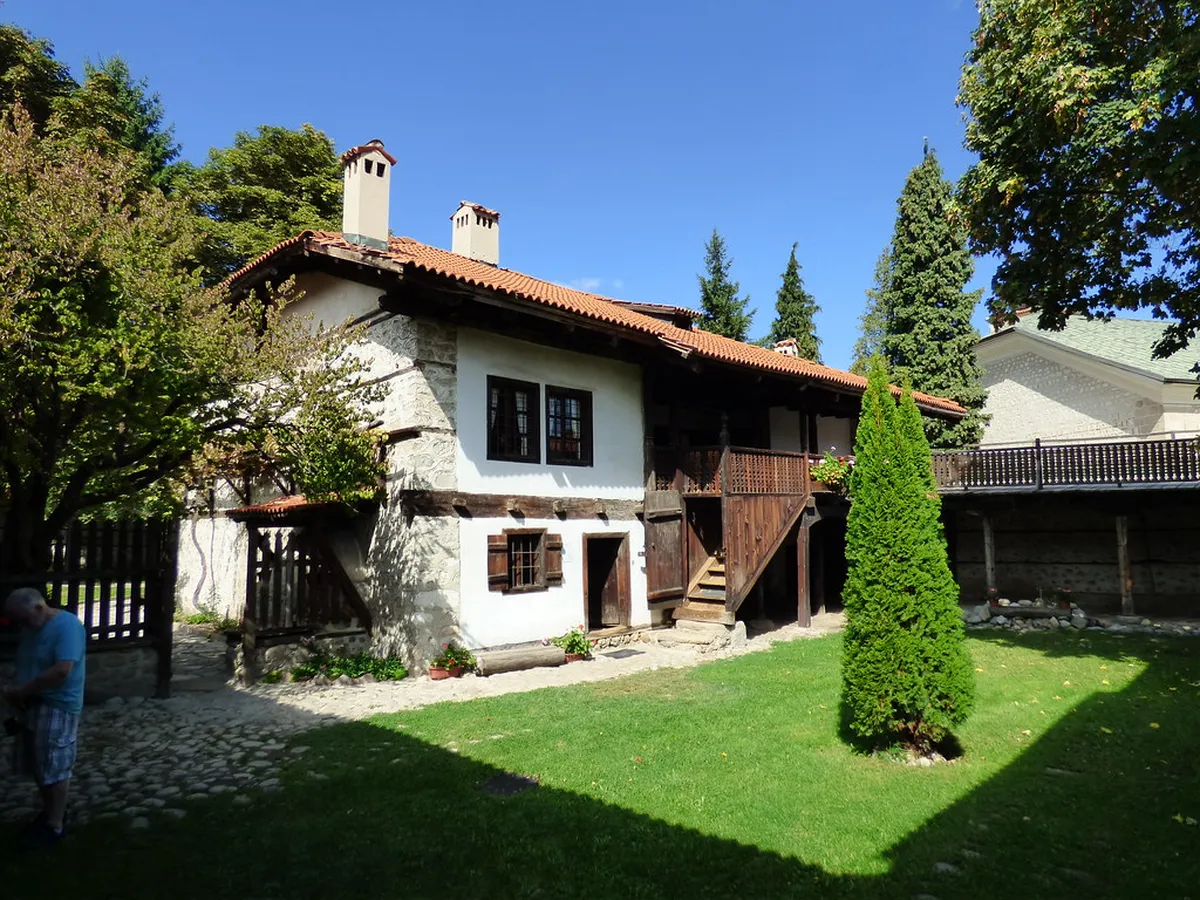
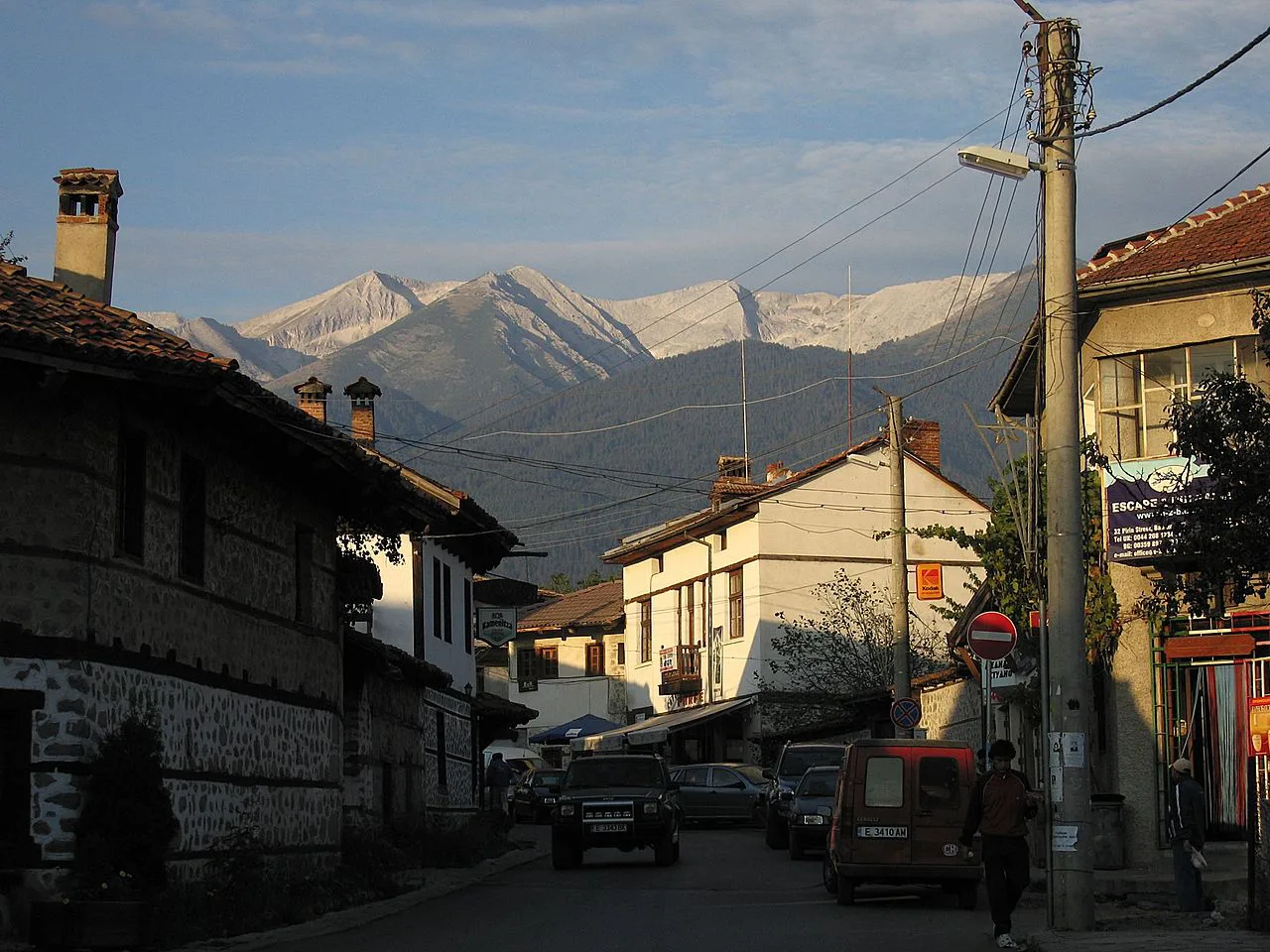
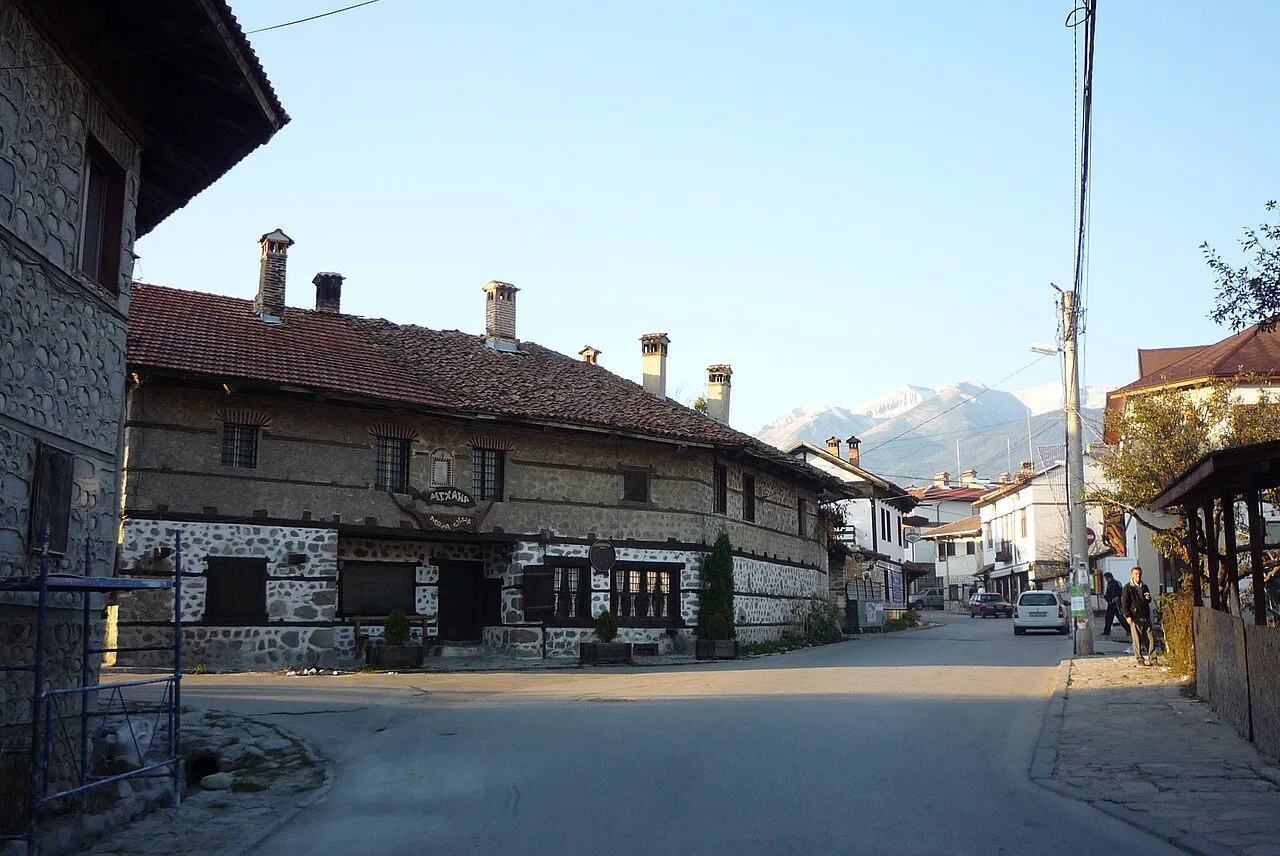
Below the lifts, a completely different Bansko waits in the old town: cobbled lanes, fortified 18th- and 19th-century merchant houses, and the frescoed interior of Velyanova House, all built during Bulgaria's National Revival and clustered within a 15-20 minute walk of the gondola station. Add the domed Holy Trinity Church, two poet-and-educator house museums, and a half-day trip to the Dancing Bears Park sanctuary in Belitsa, and Bansko's attraction list — short but genuinely varied — covers ski-town adventure, UNESCO nature and 19th-century Bulgarian history in one walkable town. The eight guides below cover tickets, hours and practical tips for each; the sections that follow group them by area, by category, by price, and into ready-made day plans for winter, summer, rainy days and the Belitsa side trip.
Bansko's attractions fall into three walkable-to-drivable clusters, which makes planning by area easier than jumping between sights at random.
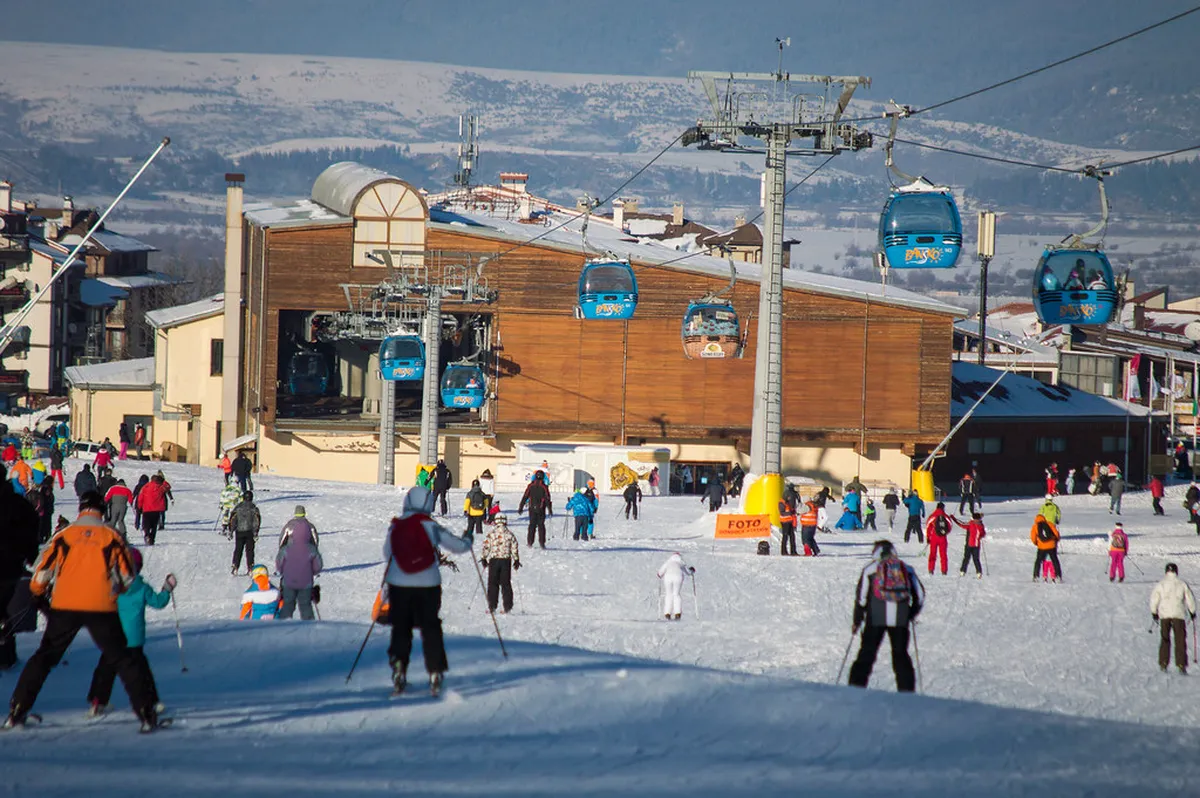
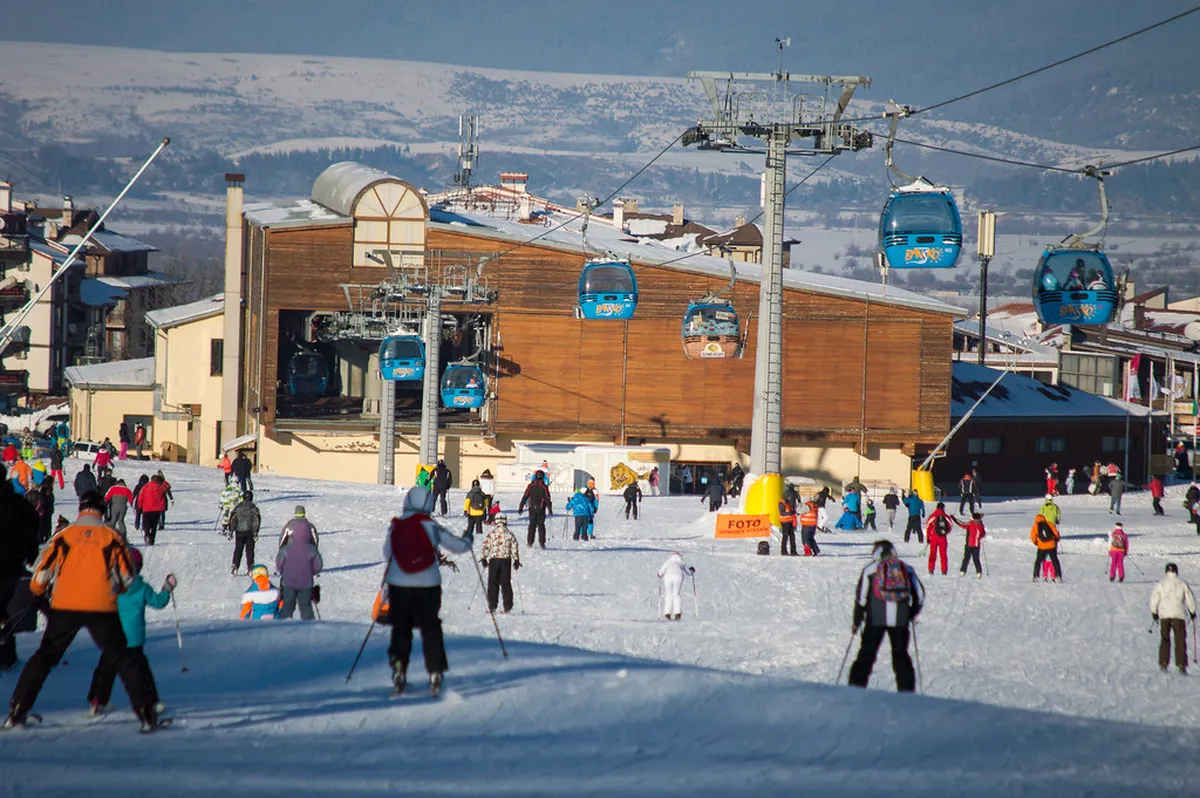
The ski zone, behind the Kempinski Hotel Grand Arena, is anchored by the Bansko Gondola Lift, the roughly 6.2 km cabin lift up to Banderishka Polyana. In winter it's the resort's main artery; in summer (27 June - 6 September 2026) it's the fastest way into Pirin National Park Visitor Guide, whose marked trails, glacial lakes and the 2,914 m summit of Vihren start right at the top station.
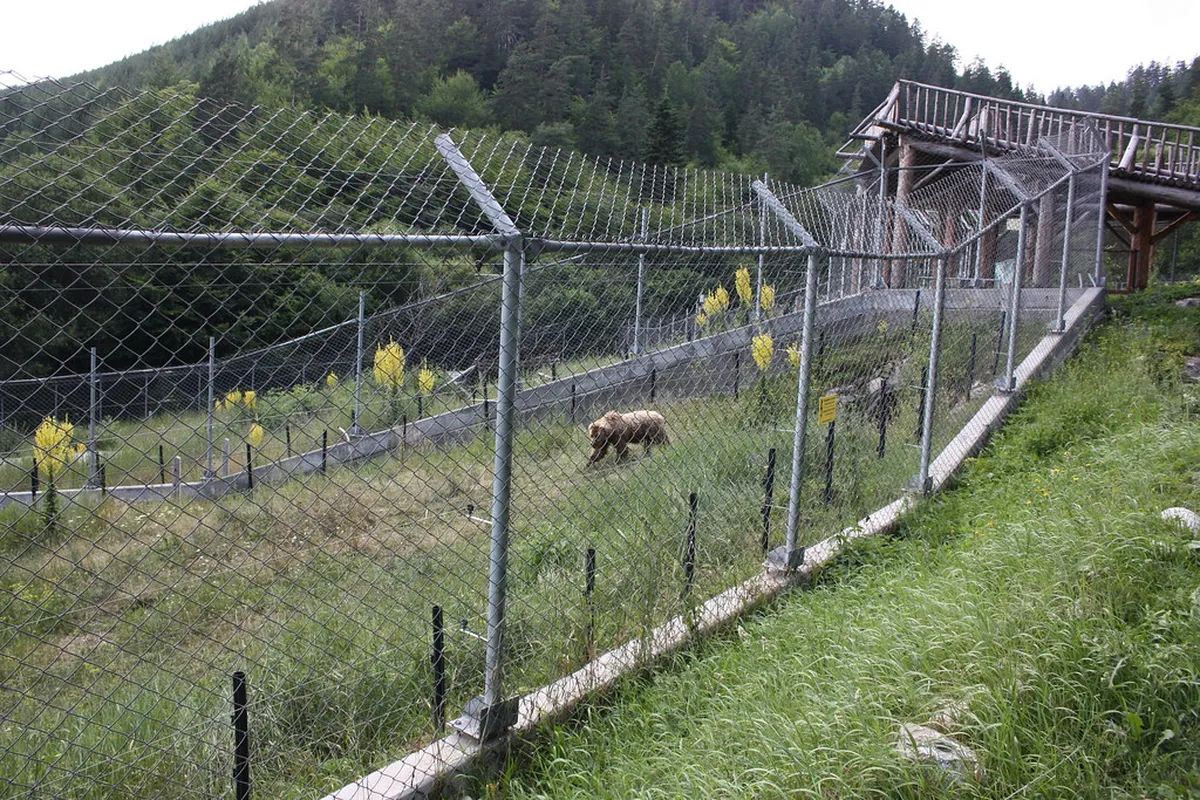
Day trips mean one destination: Dancing Bears Park Belitsa Visitor Guide, about 35 km and roughly 45-60 minutes' drive from Bansko, either self-driven or on a guided half-day tour.
Bansko Attractions by Category
Prefer to plan around interests rather than geography? The eight attractions split into four categories:
Three of Bansko's eight attractions are free; the rest charge modest, fixed entry fees. Prices below are in EUR, Bulgaria's currency since the January 2026 euro adoption, with the BGN equivalent (fixed rate 1.95583) in parentheses.
Visiting all three house museums plus the bear sanctuary as an adult costs EUR 17.00 total — modest for a full day of National Revival history plus a half-day wildlife trip.
Suggested Bansko Itineraries
Winter day: Ride the Bansko Gondola Lift Visitor Guide up to Banderishka Polyana on a 1-day lift pass for skiing, or a pedestrian round trip just for the view; the lift runs 08:30-17:00. Come back down by early-to-mid afternoon and spend the rest of the day in the old town, finishing at the Holy Trinity Church before dinner in a mehana.
Summer day: Take the gondola up (27 June - 6 September 2026) for a morning hike into Pirin National Park Visitor Guide, then ride back down and spend the afternoon in the old town, splitting time between Velyanova House Visitor Guide and one of the two poet house museums.
Belitsa half-day: Set aside a morning or afternoon (April-November, when the sanctuary is open) for the roughly 45-60 minute drive to Dancing Bears Park Belitsa Visitor Guide, either self-driven or on a guided tour that includes transport.
Getting Around Bansko's Attractions
Bansko's old-town attractions are close enough to walk between: Bansko Old Town Visitor Guide, Holy Trinity Church, Velyanova House Visitor Guide, and the Nikola Vaptsarov and Neofit Rilski house museums are all within a few streets of Nikola Vaptsarov Square. The gondola base station, behind the Kempinski Hotel Grand Arena, is a 15-20 minute walk from that same old-town cluster, or a short taxi ride if you're carrying ski gear. From the gondola's top station at Banderishka Polyana, marked trails lead straight into Pirin National Park Visitor Guide — no separate transport needed. Dancing Bears Park Belitsa Visitor Guide is the outlier: it's about 35 km away near Belitsa, and the final stretch of road is partly unpaved, so most visitors either self-drive carefully or book a guided half-day tour that includes transport.
Best Time to Visit Bansko's Attractions
Bansko runs on two main seasons. Ski season typically runs from early December to April, when the gondola and lift network are the main draw and the old-town museums make a good rest-day plan between days on the slopes. The gondola's summer season runs 27 June - 6 September 2026, opening Pirin National Park's high trails and glacial lakes for hiking; this is also when Dancing Bears Park Belitsa is open (the sanctuary welcomes visitors April to November, closing while the bears hibernate through winter). Between seasons — roughly April to late June, and again after early September — the gondola and some seasonal roads into the high park close, so plan around the old town, museums and church, all open year-round, or time your trip to one of the two main windows if the gondola and high trails matter to you.
Money-Saving Tips for Bansko Attractions
Start with the free sights. Bansko Old Town, Holy Trinity Church and Pirin National Park cost nothing to enter and can fill a full day on their own.
Use the family ticket at the house museums. Velyanova House, the Nikola Vaptsarov House Museum and the Neofit Rilski House Museum each charge EUR 5.00 for a family ticket instead of EUR 3.00 per person — worth it for any group of two or more.
Choose one-way over round trip on the gondola if you're not skiing. The summer one-way fare (EUR 24.00) costs less than the EUR 27.00 round trip if you plan to hike down instead of riding back.
Skip a rental car for Dancing Bears Park Belitsa if you're travelling solo or in a pair. A shared guided tour that bundles transport and the EUR 8.00 entry fee is often cheaper than a self-drive day once fuel and parking are factored in.
Bansko Attractions FAQ
What are the top attractions in Bansko?
The eight core sights are the Bansko Gondola Lift, Bansko Old Town, Holy Trinity Church, Velyanova House, the Nikola Vaptsarov and Neofit Rilski house museums, Pirin National Park, and the Dancing Bears Park Belitsa day trip — covering ski/hike access, National Revival history and one wildlife excursion.
Is Bansko worth visiting outside ski season?
Yes. The gondola reopens each summer (27 June - 6 September 2026) for hiking into Pirin National Park, and the old town, church and three house museums are open year-round regardless of season.
How much does the Bansko Gondola cost?
A pedestrian round trip is EUR 27.00 (52.81 BGN) for adults and EUR 19.00 (37.16 BGN) for children. Summer one-way tickets are EUR 24.00 (46.94 BGN), and a 1-day winter lift pass is EUR 59.00 (115.39 BGN).
Is Pirin National Park free to visit?
Yes. Entry is free year-round; the only costs are optional, such as the gondola ride up or a guided hike.
How many days do you need to see Bansko's attractions?
The old town, church and three house museums can be covered in one full day on foot. Add a second day for the gondola and Pirin National Park, and a half day if you're including Dancing Bears Park Belitsa.
Can I visit Dancing Bears Park Belitsa without a car?
Yes — guided half-day tours from Bansko include transport for the roughly 35 km drive. The sanctuary is open April to November and closed in winter while the bears hibernate.
Are Bansko's house museums within walking distance of each other?
Yes. Velyanova House, the Nikola Vaptsarov and Neofit Rilski house museums, and Holy Trinity Church all sit within a few streets of Nikola Vaptsarov Square in the old town.
Plan Your Bansko Trip
Once you've picked your attractions, a few more guides fill in the rest of the trip. For a broader roundup that goes beyond this hub's eight core sights, see 12 Best Things to Do in Bansko. If you're building a multi-day schedule around these attractions, our Bansko itinerary guide lays out a day-by-day plan. And if Bansko is one of two resorts you're weighing for a ski trip, 8 Key Differences: Borovets vs Bansko (2026 Guide) compares terrain, lift-pass costs and nightlife between Bulgaria's two biggest resorts.