Yagodina Cave Travel Guide
Deep within central the Rhodope Mountains lies a subterranean world of immense beauty and mystery. Yagodina Cave is the longest cave in this mountain range, stretching over 8,500 meters into the earth across three interconnected levels. Visitors flock here to see rare geological formations and traces of prehistoric life from thousands of years ago. This guide covers everything you need to know for a perfect trip to this Bulgarian natural wonder in 2026.
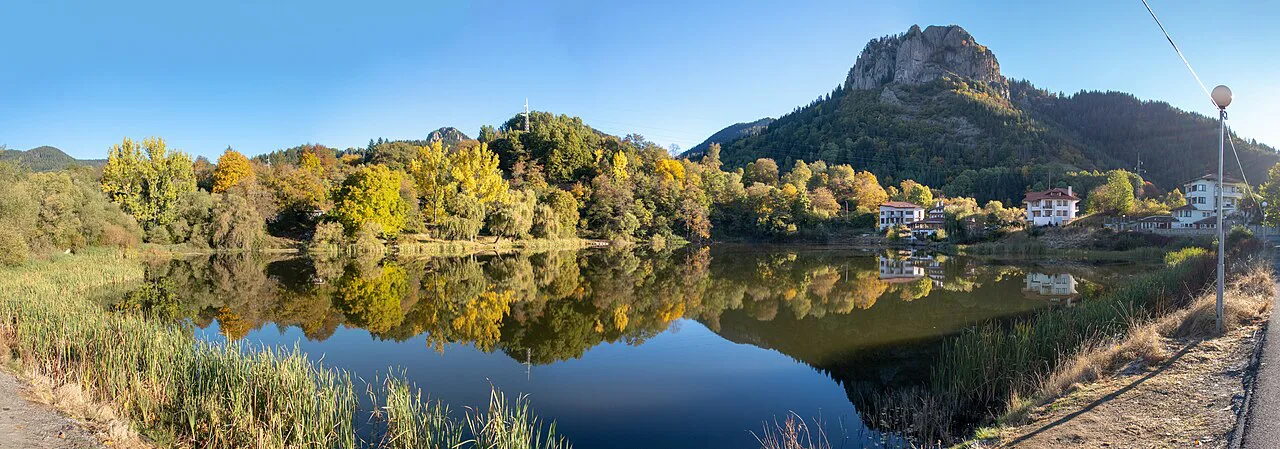
Reaching the cave requires a journey through one of the most dramatic landscapes in the country. The surrounding cliffs tower over narrow roads that wind through the lush green scenery of Southern Bulgaria. Exploring this area offers a mix of adrenaline-pumping heights and quiet, ancient history. Prepare yourself for a journey that balances deep underground halls with soaring mountain peaks.
The Geological Significance of Yagodina Cave
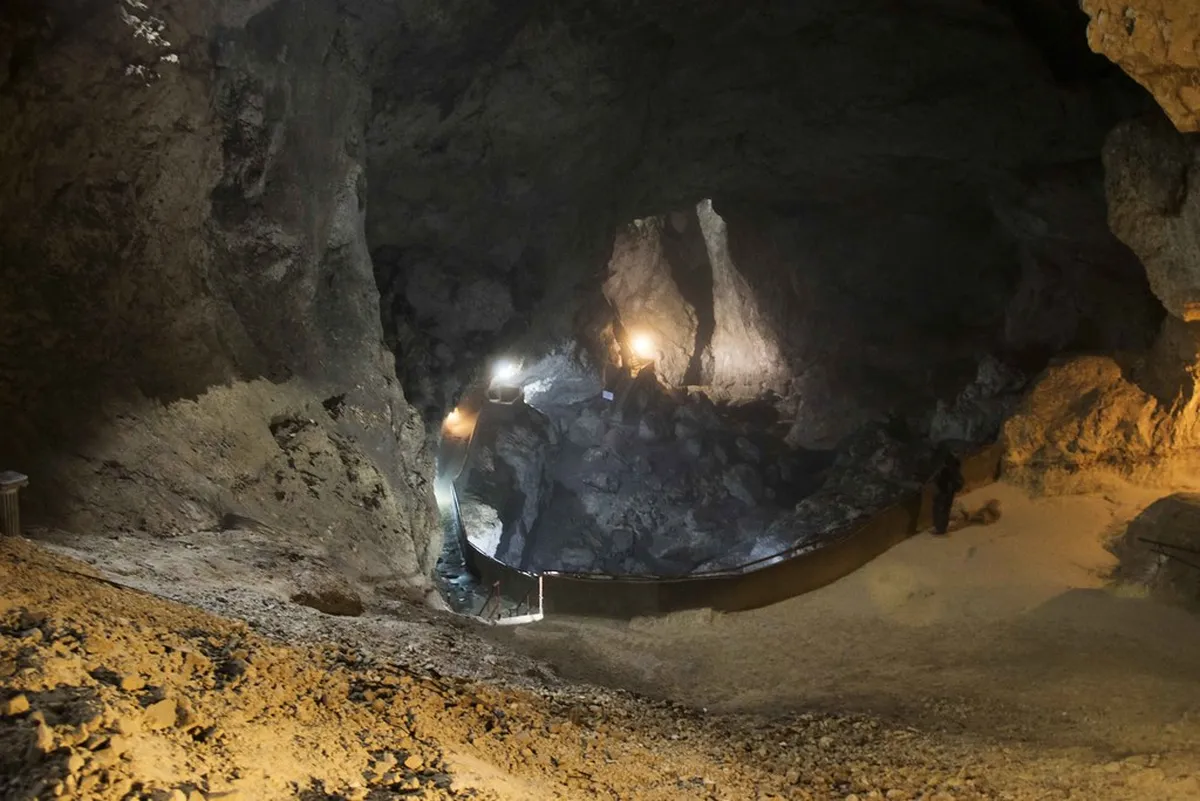
Yagodina Cave is a three-level system formed over millions of years by the Buynovo River cutting through marble. According to the Bulgarian Ministry of Tourism, the officially mapped length is 8,501 meters — fourth longest in Bulgaria and longest in the Rhodopes. Some explorers put the full system at 10,500 meters; the gap reflects mapped tourist passages versus partially surveyed wild galleries. The tourist path covers 1,100 metres on the lowest level.
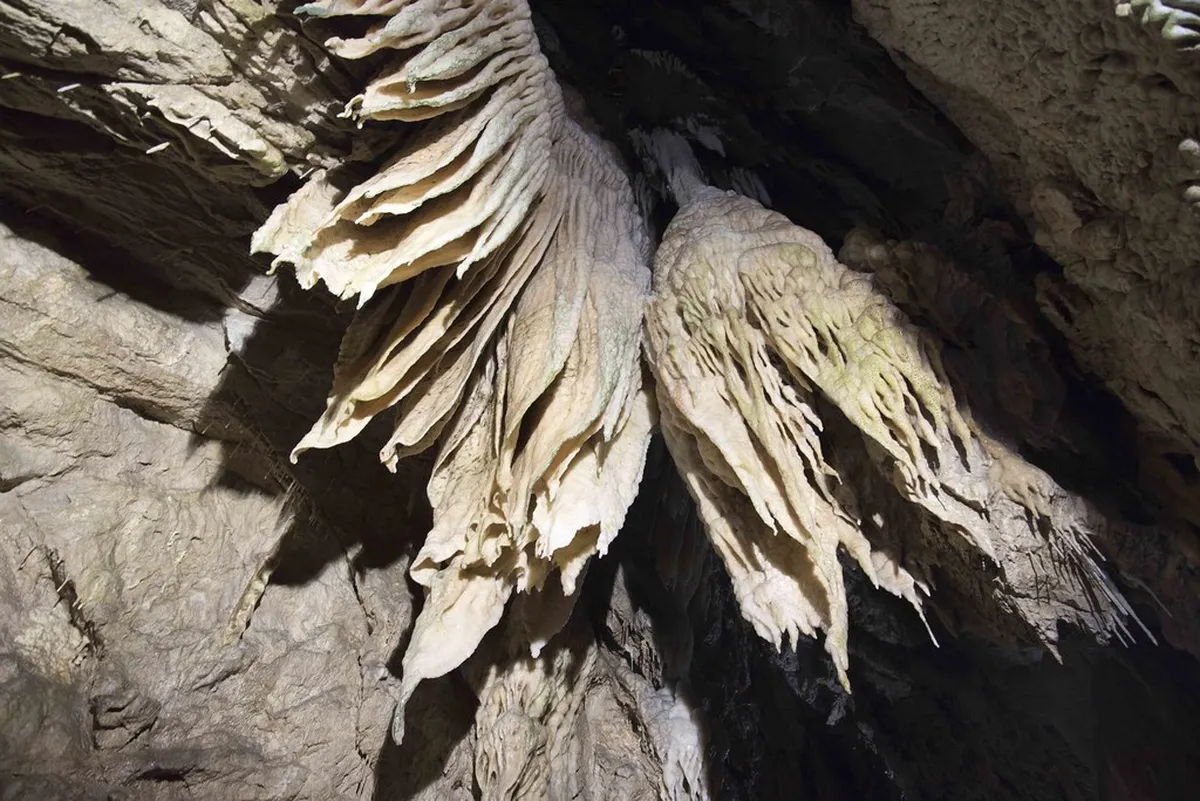
Temperatures inside hold between 6 and 8 degrees Celsius year-round with humidity above 90 percent. These stable conditions are ideal for stalactites, stalagmites, draperies, and the rare cave pearls that make this site stand out. Many visitors find the cool air a welcome relief during hot summers in the Rhodope Mountains.
A practical note before you book: Yagodina is sometimes confused with Prohodna Cave ("Eyes of God") near Lovech, roughly 300 kilometres north. Prohodna is a walk-through arch with two sky-facing openings in its roof. Yagodina is a deep, guided multi-level system — a completely different experience. Confirm you have the right cave before you drive.
Navigating the Scenic Buynovo River Gorge
The drive to the cave is just as impressive as the destination itself. Take the main road from Devin toward Dospat and turn left at the Teshel Reservoir dam — signs point the way from that junction. From there, the road enters the Buynovo River Gorge, the longest and narrowest canyon in Bulgaria. In places, the cliffs press so close that two vehicles cannot pass simultaneously.
The last few kilometres approaching the cave are the trickiest stretch. The road narrows to a single lane with two-way traffic, and overhanging cliff faces leave little room for error. Pull into bypass spots whenever you meet an oncoming car. On weekends and summer holidays the gorge gets busy with Bulgarian families, camper vans, and tour buses, so arriving before 10:00 gives you the smoothest run. Winter travel is possible but check for ice and rockfall closures before setting out.
You may be flagged down by drivers in 4x4s partway along the gorge. They are offering paid rides up to the Eagle's Eye viewpoint — not reporting a road issue. A private jeep holding several passengers costs 60 to 80 BGN. The approach feels pushy to first-timers but the drivers are a legitimate part of the local economy, and the track to Eagle's Eye is genuinely impassable in a standard car.
Essential Visitor Info: Hours, Fees, and Access
The cave is open every day of the year. Summer season (1 May – 31 October): 09:00–16:15. Winter season (1 November – 30 April): 10:00–16:15. Tours depart when a group assembles rather than on a fixed schedule. Arrive at least 30 minutes before the last entry time.
Standard tickets cost roughly 10–15 BGN for adults. A separate ticket covers the Neolithic museum at the natural entrance. Photography is not permitted inside the cave. Guide commentary is in Bulgarian only — English-speaking visitors should read the multilingual panels at the route entrance before following the guide.
- Standard tourist path: 1,100 metres, fully electrified, artificial entrance and exit — suitable for all fitness levels including older visitors and children. Duration roughly 45 to 60 minutes.
- Wild gallery excursions: run by the Rhodope Tourist Association (tel. +359 888 519 981). These cover unlit, undeveloped sections requiring helmets, lamps, and good physical fitness. Duration 3 to 5 hours. Book in advance — walk-in availability is unpredictable.
Facilities at the entrance include a small cafe, souvenir stalls, and toilets. Parking is available near the ticket office for a small fee. Bring a warm layer regardless of the outside temperature — the 6–8 degrees Celsius interior feels genuinely cold in shorts and a t-shirt. Sturdy, non-slip footwear is essential: the path is damp throughout and polished smooth in places by years of foot traffic.
The Unique Interior: Wedding Chapel and Cave Pearls
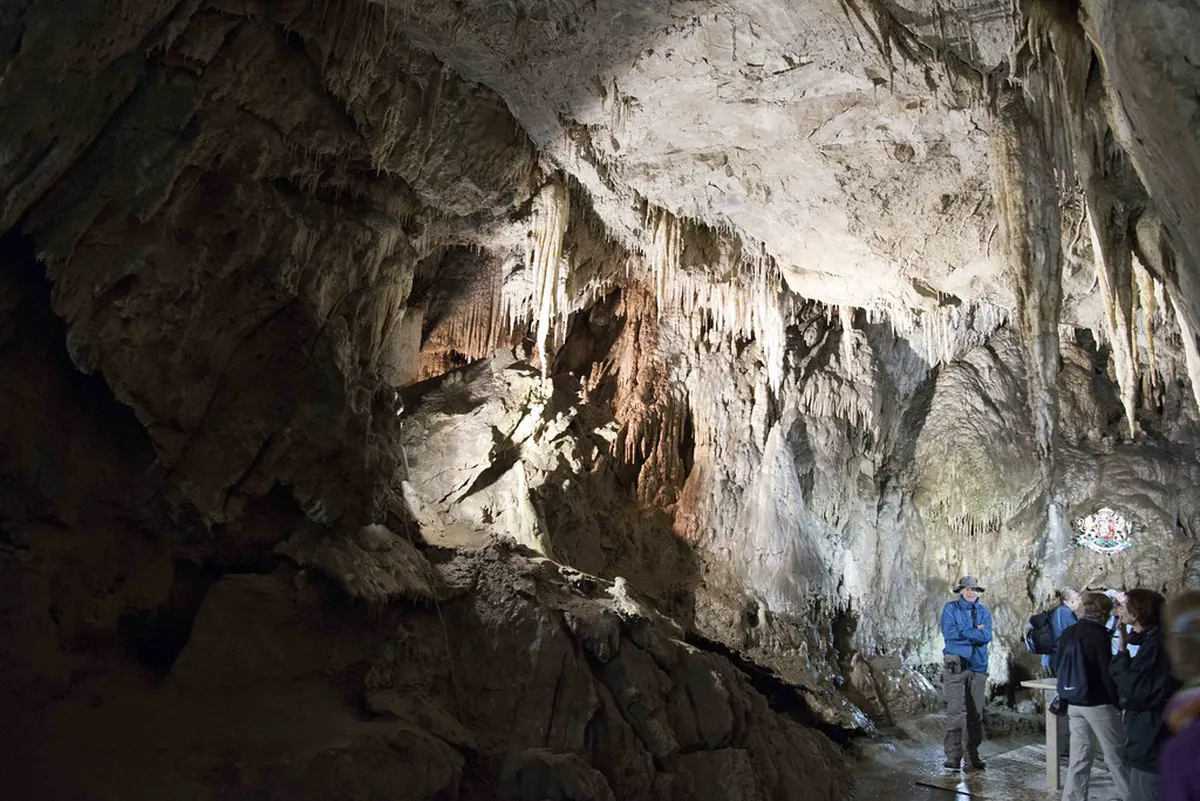
The tourist path begins in the New Year's Hall, where local speleologists gather on 31 December to see in the new year underground. They bring a real Christmas tree that the cold, dry air preserves with needles intact for many months. Beyond it lies the Wedding Chapel — fitted with an altar and wall decorations — where over 200 couples have formally exchanged vows, making it one of the more unusual wedding venues in Bulgaria.
Look for the "Wall of Sin" as the path continues deeper. Tradition holds that if you can press a coin flat against the damp limestone and it stays without falling, you are without sin. Thousands of small coins glint across the surface from visitors who have tried. Your guide will point it out, giving you a moment to take in the formations above.
The cave pearls are the geological highlight. They form exactly as real pearls do: a grain of sand settles in a pool, and calcite deposits coat it layer by layer over centuries until it becomes a near-perfect sphere. The cave contains almost every known type of speleothem — draperies, helictites, flowstone, and columns — but the pearls draw the most attention. Do not touch or remove them; skin oils can halt growth that took centuries to develop.
The Neolithic Dwellings: A Prehistoric Museum
While the tourist path uses artificial tunnels, the cave's natural mouth opens a kilometre farther down the Buynovo River. Archaeologists uncovered evidence of Neolithic and Bronze Age occupation here dating to around 4,000 B.C.: earthenware plates, stone tools, and a complete earthenware oven. Studies suggest that the potters collected clay directly from within the cave itself. A major seismic collapse is thought to have driven the community away.
After excavation, the natural entrance was converted into an open-air museum, reached by a short separate walk from the main ticket office and covered by its own admission ticket. The exhibits display original ceramic pieces alongside explanatory panels. Visiting both the underground path and the museum adds a humbling dimension to the trip — and provides context for the long history of human settlement in the Shiroka Laka region. Allow an extra 30 minutes on top of your cave tour if you plan to include it.
Nearby Adventures: Eagle's Eye and Devil's Throat
After the cave, head uphill to the Eagle's Eye platform (Orlovo Oko). The hike starts from behind Guesthouse Milka in the village, is marked on AllTrails, and is well-trodden by families at weekends. The ascent is steep in places but manageable for reasonably fit adults and older children — a small shelter with a fireplace sits partway up. At the summit a steel viewing structure extends over a 600-metre drop with views across the Rhodopes into Greece on clear days. The same 4x4 drivers from the gorge charge 60 to 80 BGN per vehicle to take you up if you prefer not to walk; the track is impassable in a standard car.
The nearby Devil's Throat Cave in the Trigrad Gorge Visitor Guide is almost always paired with Yagodina. The two caves are strikingly different. Yagodina is calm and geological — a lit path through silent chambers of delicate formations. Devil's Throat is loud and dramatic — a 42-metre underground waterfall, the second largest of its kind in the world, fills the galleries with roar and spray. Visiting both in one day is entirely feasible and gives a far richer picture of the Rhodopes' underground world than either cave alone.
Where to Stay: Best Accommodations in Yagodina
Staying overnight in Yagodina village makes the area's activities far more relaxed than a day trip allows. Guesthouse Milka is the most-recommended option in the village — it is a small family-run property with rooms at around 41 EUR per night including private bathroom and a balcony overlooking the valley and forest. The family serves breakfast and an evening meal for an additional charge. They also offer a private jacuzzi hire at 15 EUR per hour, which earns universal praise from guests after a day of hiking. As documented by Hopelessly Nomantic, one evening a family member performed traditional Bulgarian gaida (bagpipes) for the guests — that kind of spontaneous local moment is exactly why an overnight stay beats a rushed day trip.
Hotel Mursal offers more amenities — a spa and a restaurant serving Rhodopean dishes — from an elevated position above the village. Book ahead for July and August when domestic Bulgarian tourism peaks. The village itself is small and quiet after dark; bring snacks and supplies from Devin or Smolyan on your way in. The proximity to the city of Smolyan — roughly an hour's drive — makes Yagodina a viable base for several days in the southern Rhodopes.
Continue planning: Use 12 Best Things To Do In The Rhodope Mountains and 10 Best Things to Do in Pamporovo in Summer to connect this guide with the rest of your Bulgaria itinerary.
Frequently Asked Questions
What is the longest cave in the Rhodope Mountains?
Yagodina Cave is the longest cave in the Rhodope Mountains. Its officially mapped galleries extend to 8,501 meters spread across three interconnected levels. Visitors can explore a 1,100-metre electrified path on the lowest level to see various rock formations including the famous cave pearls. You can find more details on Rhodope activities here.
How do you get to the Eagle's Eye platform from Yagodina?
You can reach the Eagle's Eye platform by hiking a steep but manageable trail from behind Guesthouse Milka in the village, or by hiring a 4x4 jeep from local drivers near the cave entrance. The jeep ride takes about 30 minutes and costs between 60 and 80 BGN for a private vehicle. The trail is marked on AllTrails and takes most walkers 45 to 60 minutes to the summit.
Is Yagodina Cave open in the winter?
Yes, the cave is open every day of the year. Winter season hours (1 November to 30 April) run from 10:00 to 16:15. Summer season hours (1 May to 31 October) run from 09:00 to 16:15. The road through the Buynovo Gorge can be difficult after heavy snowfall, so check local road conditions before travelling in winter months.
What should I wear to visit Yagodina Cave?
Wear a warm jacket and sturdy, non-slip shoes regardless of the outside temperature. The cave interior stays at 6 to 8 degrees Celsius with humidity above 90 percent year-round. The walking path is damp and can be slippery in places. Note that photography is not permitted inside the cave, so leave camera equipment in the car.
Yagodina Cave is a must-visit destination for anyone travelling through Southern Bulgaria. It offers a rare look at both the geological power of nature and the ancient history of humanity. From the depths of the Wedding Chapel to the heights of Eagle's Eye, the area rewards visitors who slow down and stay overnight. Plan your trip for 2026 to experience one of the most beautiful and least overcrowded corners of the Rhodope Mountains.