Bulgaria Travel Tips: Your Essential Guide
Bulgaria is one of Europe's most underrated destinations — affordable, historically layered, and still genuinely uncrowded in most places. From Roman ruins in Plovdiv to ski runs in Bansko and pristine Black Sea coves south of Burgas, it covers a remarkable range in a compact country.
For a quick overview of what you should know before visiting Bulgaria, this guide covers the essentials:
This guide covers every practical angle a first-time visitor needs: when to go, how to get around, what to eat, where to stay, and what to watch out for. Whether you have five days or three weeks, these Bulgaria travel tips will help you plan a trip that actually matches your expectations.
Key Takeaways
- Bulgaria adopted the euro on 1 January 2026. Carry euros; most places outside Sofia still prefer cash over card.
- Bulgarians shake their head for "yes" and nod for "no" — the opposite of Western convention. Listen to the words, not the gesture.
- Book accommodation and transport in advance for July–August (coast) and December–March (ski resorts). Shoulder seasons are uncrowded and cheaper.
- Sofia Metro uses contactless payment — no ticket purchase needed. Buses between cities are faster and more comfortable than trains.
Is Bulgaria Worth Visiting? Pros & Cons for Travelers
Bulgaria makes a compelling case for travelers who value authenticity over polish. It hasn't been commercialized to the degree of many Western European destinations, which means you can stand at a fortress like Belogradchik or the Devetashka Cave and share it with a handful of other visitors rather than a thousand selfie sticks. Prices remain well below the EU average: a sit-down restaurant meal typically runs 10–15 EUR, a budget guesthouse 25–35 EUR per night, a half-liter of beer around 1–2 EUR.
The history is genuinely fascinating. The Second Bulgarian Empire stretched across modern Greece, Romania, Serbia, and Albania. Plovdiv is considered one of Europe's oldest continuously inhabited cities, possibly the oldest, with a history reaching back to the 6th millennium BC. Tsarevets Fortress Visitor Guide in Veliko Tarnovo gives a visceral sense of medieval scale — in the Middle Ages, the city's grandeur was compared to Rome and Constantinople.
The honest cons are worth naming. Infrastructure outside major cities is patchy — road quality varies significantly, English signage disappears in smaller towns, and the train network is slow and often dirty. Local hiking trails around villages are underdeveloped compared to countries like Portugal or Slovenia; the mountain ranges are excellent, but casual walks near cities are harder to find than you'd expect. If you need everything packaged and polished, some parts of Bulgaria will feel unfinished.
The sweet spot is adaptable travelers — backpackers, culture seekers, hikers, foodies, and anyone who enjoys discovering a place before it tips into mainstream tourism. If that sounds like you, Bulgaria is an easy recommendation in 2026.
Bulgaria Fast Facts: Essential Information at a Glance
Bulgaria adopted the euro as its official currency on 1 January 2026. The Bulgarian lev had been pegged at a fixed rate of 1.95583 lev per euro for over two decades, so the transition was smooth. In early 2026, dual lev-and-euro circulation was in effect in some areas, but you can now treat Bulgaria like any other eurozone country for budgeting purposes. Card acceptance is still uneven — outside Sofia and major resorts, carry cash. You can learn more in our Bulgarian currency guide.
Visa requirements: citizens of the US, Canada, Australia, New Zealand, and the UK can enter visa-free for up to 90 days within any 180-day period. Bulgaria joined the Schengen zone in 2024, so those 90 days now count against your broader Schengen allowance. Always check the latest Bulgaria visa and entry requirements before booking, as rules vary by nationality.
Bulgaria joined the Schengen zone in January 2024. Days spent here now count toward your 90-day Schengen allowance — this has ended Bulgaria's former advantage as a long-stay reset destination for non-EU travelers.
Bulgarian is the official language, written in Cyrillic. Most young people in cities speak English; older residents and rural areas less so. Google Translate handles Cyrillic well. A few phrases go a long way — even "blagodarya" (thank you) earns genuine warmth. Our Bulgarian language guide covers the most useful phrases.
Emergency numbers: ambulance 150, fire 160, police 166, general European emergency 112. The US Embassy is at 16 Kozyak St, Sofia (tel. 02/937-5100). UK Embassy at 9 Moskovska St (tel. 02/9343-9222). Hotels register guests with local police on arrival — keep the registration slip with your passport until you leave.
Planning Your Trip to Bulgaria: A Step-by-Step Guide
Start by deciding your travel style. Bulgaria works as a city-break (Sofia + Plovdiv, 4–5 days), a coastal holiday (Black Sea resorts, summer only), a mountain trip (Rila, Pirin, or Balkan Mountains, year-round), or a mixed road trip (7–14 days covering all three). Trying to do all of it in under a week leads to rushed drives on mountain roads — underestimating travel times between regions is the most common first-timer mistake. A Sofia-to-Varna drive is 4–5 hours on a good day.
Book flights early. Bulgaria has three international airports: Sofia (the main hub, served by 17+ airlines from across Europe and the Middle East), Varna (summer charter flights), and Bourgas (ski season charters to Plovdiv). Budget carriers like Wizz Air connect Sofia to most European cities. There are no direct flights from North America; the most common connections route through London or Frankfurt.
Pre-trip checklist: confirm passport validity (3 months beyond your stay for most nationalities), arrange travel insurance for Bulgaria that covers mountain activities if you plan to hike or ski, buy or organise a local SIM card or eSIM for data (Bulgarian roaming charges from EU SIMs are capped), and download the BusExpress app for intercity bus bookings. Check our What To Pack For Bulgaria: The Ultimate Packing Guide guide for season-specific packing.
A useful general rule: give each major destination a minimum of two full days. Sofia rewards slow exploration — the free walking tours that depart daily near the Palace of Justice are genuinely excellent and provide historical context that makes everything else land better.
The Best Time to Visit Bulgaria: Seasonal Breakdown
Spring (April–May) is arguably the best all-round window. Weather is mild (15–22°C), the markets fill with fresh produce, crowds are minimal, and prices are lower than summer. Ideal for city breaks, cultural tours, and hiking in the lower mountain ranges. The Rose Valley (kazanlak) Visitor Guide near Kazanlak peaks in late May to early June — the Festival of Roses in Kazanlak draws visitors specifically for this period.
Summer (June–August) is peak season along the Black Sea coast. Temperatures in Sofia and Plovdiv regularly exceed 35°C in July and August — locals flee to the coast or mountain villages. Sunny Beach and Golden Sands are packed and lively; southern resorts like Sozopol and Sinemorets are calmer and better for families. Book coastal accommodation months in advance for July–August. June, before the full heat, offers the best combination of good weather and manageable crowds.
Autumn (September–October) brings cooler temperatures, fall foliage in the mountains, and a quieter travel atmosphere. Wine harvest season runs through October — the Thracian Plain produces excellent reds, and wineries around Melnik welcome visitors. This is the best season for hiking the Rila and Pirin ranges before snow closes higher trails. More details in our Best Time To Visit Bulgaria: Seasonal Weather & Travel Guide guide.
Winter (December–March) is for skiers. Bansko is the flagship resort — well-developed slopes, an active après-ski scene, and prices significantly lower than comparable Alpine resorts. Borovets and Pamporovo are smaller, more family-oriented. Off the slopes, winter is a quiet time to visit Sofia and Plovdiv, with fewer tourists and a more local atmosphere. The Kukeri Festival (New Year to mid-January) sees villages in southwest Bulgaria host striking ritual processions with enormous masked costumes — one of the most visually arresting folk traditions in Europe.
Getting Around Bulgaria: Transportation Options & Tips
Buses are the backbone of intercity travel. Private companies like ETAP-Grup and Biomet run frequent, clean, reliable services between Sofia, Plovdiv, Varna, Bourgas, and Veliko Tarnovo. Sofia's Central Bus Station has English-speaking staff and a self-service booking terminal. For online bookings, use the Bulgarian site BusExpress — global booking apps like Omio or Trainline do not reliably list Bulgarian domestic routes. Tickets are inexpensive: Sofia to Plovdiv costs around 10–12 EUR.
Trains are not recommended for most routes. The network is old, trains run slow and often late, and carriages are poorly maintained. The one exception is scenic value — the Rhodopes narrow-gauge railway between Septemvri and Dobrinishte is a genuinely beautiful journey. For timetables, bdz.bg has an English interface. The Sofia Metro, however, is excellent: clean, frequent, and accepts contactless payment with any card or phone — no need to buy a separate ticket.
The Sofia Metro accepts contactless payment from any card or phone — no need to pre-purchase separate tickets. This same contactless system is being rolled out to bus networks in major cities, making urban transport seamless for international visitors.
Car rental unlocks rural Bulgaria. You'll need it for Rila Monastery, the Belogradchik Fortress, the Rhodopes villages, and the Thracian plain wineries. Speed limits are 50–60 km/h in built-up areas, 80 km/h on secondary roads, and 120 km/h on highways. A vignette (toll sticker) is compulsory on motorways — purchase at OMV or Shell petrol stations for around 15 EUR per week. Signage outside cities is in Cyrillic only, so download offline maps before leaving. For more detailed advice, check our guide on Getting Around Bulgaria: The Ultimate Transportation Guide.
Ride-sharing and taxis: Uber operates in Sofia and Plovdiv. For taxis, always agree a price before you get in or insist on the meter — overcharging of tourists is common, particularly at Sofia Airport. Bolt (the app) is generally more reliable and transparent than street hails.
Where to Stay: Accommodation in Bulgaria for Every Budget
Bulgaria offers genuine value at every budget level. Dorm beds in hostels run around 10 EUR per night in most cities — explore options on Hostelworld.com. Budget guesthouses and private rooms typically run 25–35 EUR per night outside Sofia. In the capital, expect to pay 45–60 EUR for a well-rated budget hotel — Sofia is pricier than the rest of the country.
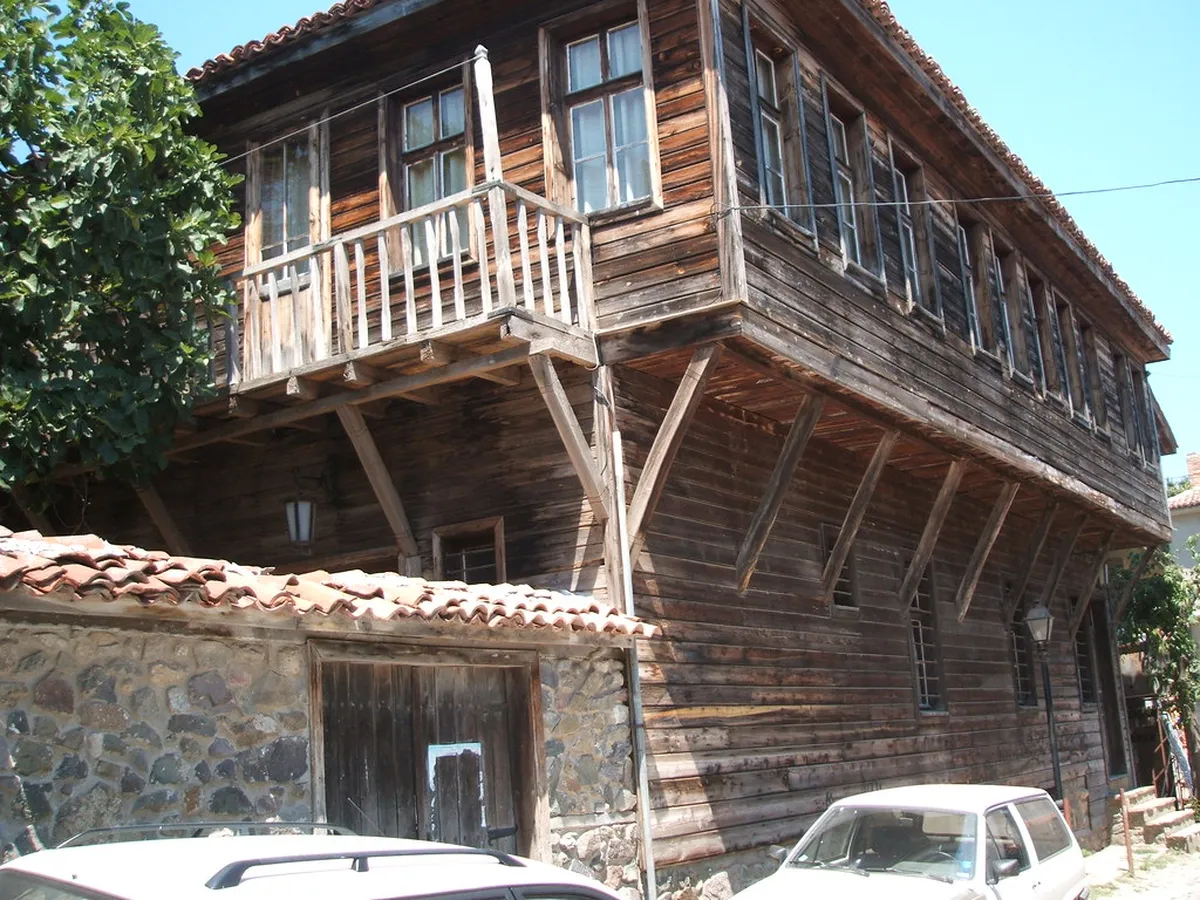
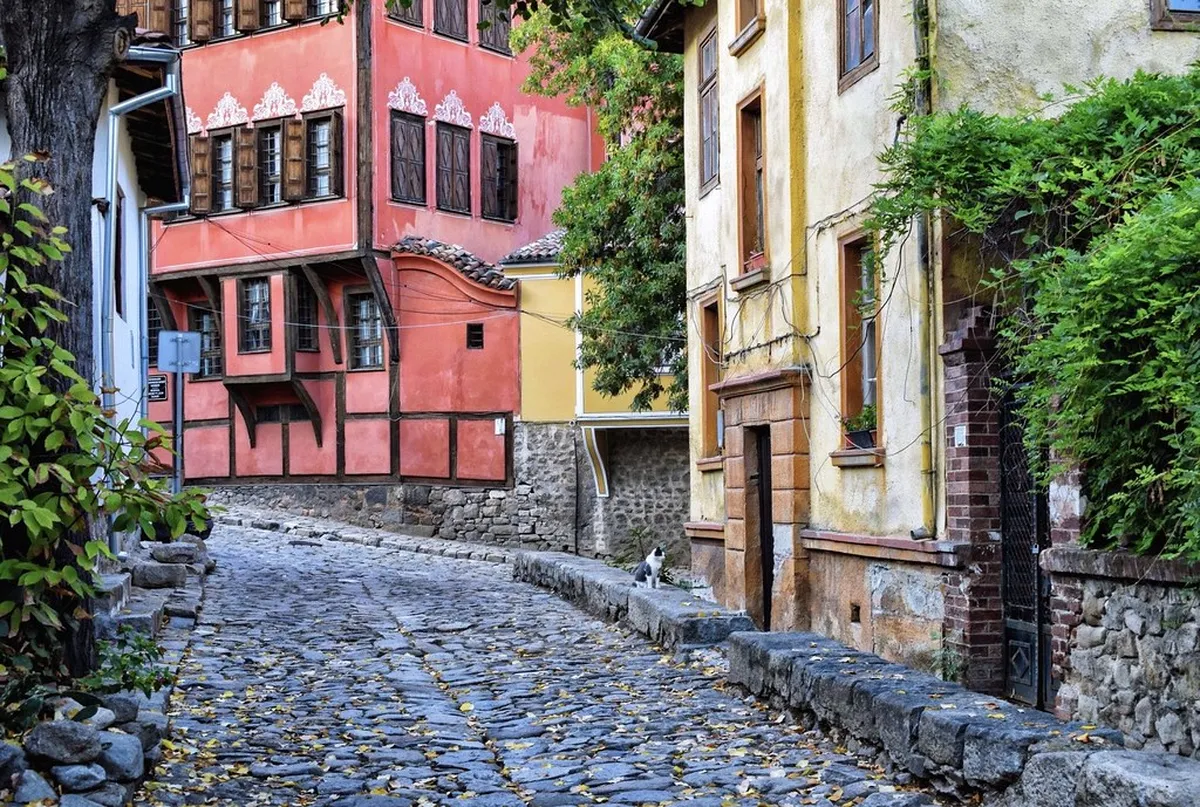
Mid-range travelers will find excellent boutique hotels, particularly in Plovdiv's Old Town and Veliko Tarnovo's historic center. These often occupy renovated 19th-century houses and charge 60–100 EUR per night. Booking.com is the most useful platform for finding smaller local hotels that don't appear on international sites. For a distinctive stay, agritourism guesthouses in the Rhodope or Balkan Mountains villages offer home-cooked meals, farm activities, and genuine immersion in rural Bulgarian life.
Luxury resorts cluster around the Black Sea coast (Albena, Golden Sands) and ski resorts (Bansko). These are well-priced by Western European standards — a four-star ski hotel in Bansko during the winter season typically costs 80–130 EUR per night including breakfast, compared to double that in the Alps for equivalent quality. Booking in advance of the Christmas–New Year peak and the February school holiday rush is essential.
A practical note on payment: outside Sofia and large resort areas, many guesthouses and smaller hotels are cash-only, even when Booking.com lets you reserve by card. Confirm payment method when booking, and carry euros to cover the stay.
Discovering Bulgaria's Vibrant Cities & Historical Sites
Sofia rewards visitors who look past the surface. The city blends layers of Roman, Byzantine, Ottoman, and Soviet history within walking distance of each other. The Serdica archaeological complex sits directly beneath the city center, visible through glass floors in the metro. Alexander Nevsky Cathedral Visitor Guide is the most photographed landmark, but the Rotunda of St. George — a 4th-century Roman church tucked in a courtyard behind the Presidency — is older and more atmospheric. Take a free walking tour on arrival; the historical context it provides makes everything else land better.
Plovdiv deserves at least two full days. The Old Town's 19th-century revival-architecture houses, the Ancient Roman Theatre (still used for live performances), and the Kapana creative quarter together make it one of the most enjoyable cities in the Balkans. Plovdiv was European Capital of Culture in 2019. The Roman Stadium in the city center — partially exposed beneath a pedestrian street — is a genuinely striking sight that most visitors walk over without realising what's beneath their feet.
Veliko Tarnovo, the medieval capital, is built dramatically across a river gorge. Tsarevets Fortress occupies a hilltop above the city — the Sound and Light Show projected onto its walls on summer evenings is theatrical and worth timing your visit around. The city also serves as a useful base for Arbanasi (a preserved village with extraordinary frescoed churches, 10 minutes away) and Koprivshtitsa (a National Revival village, 2 hours away).
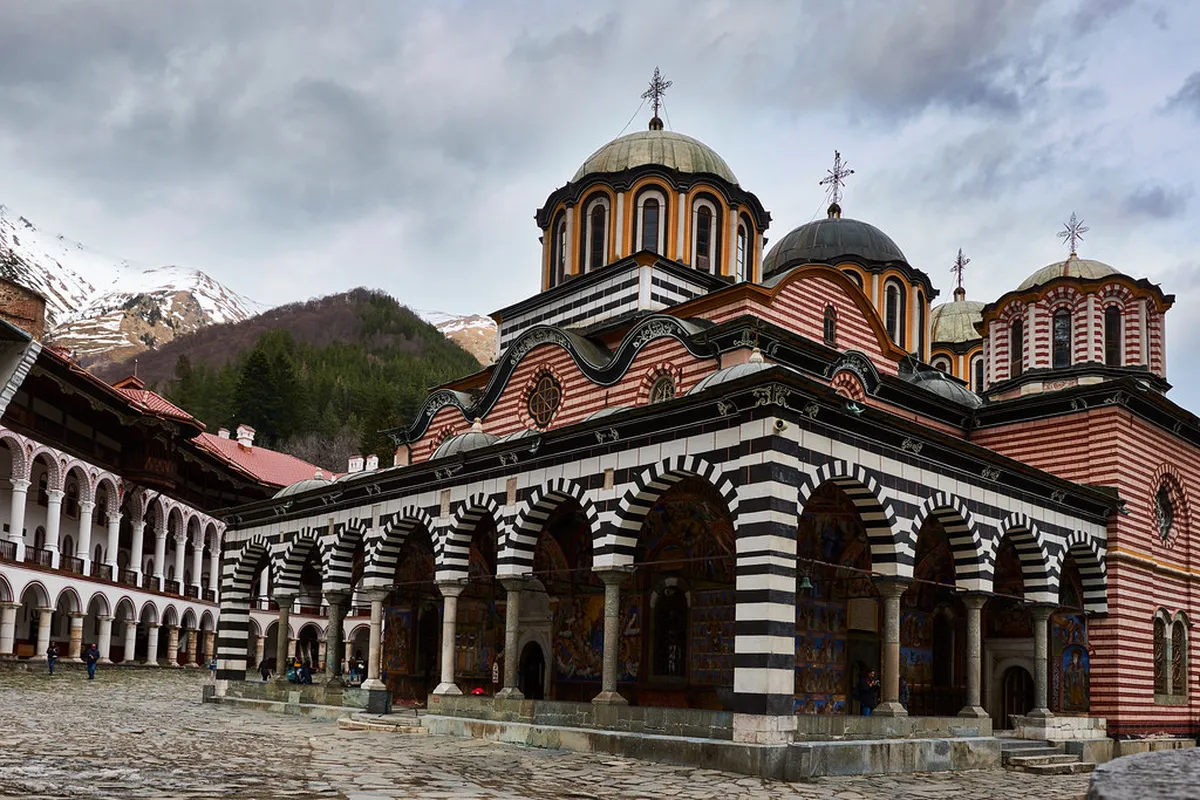
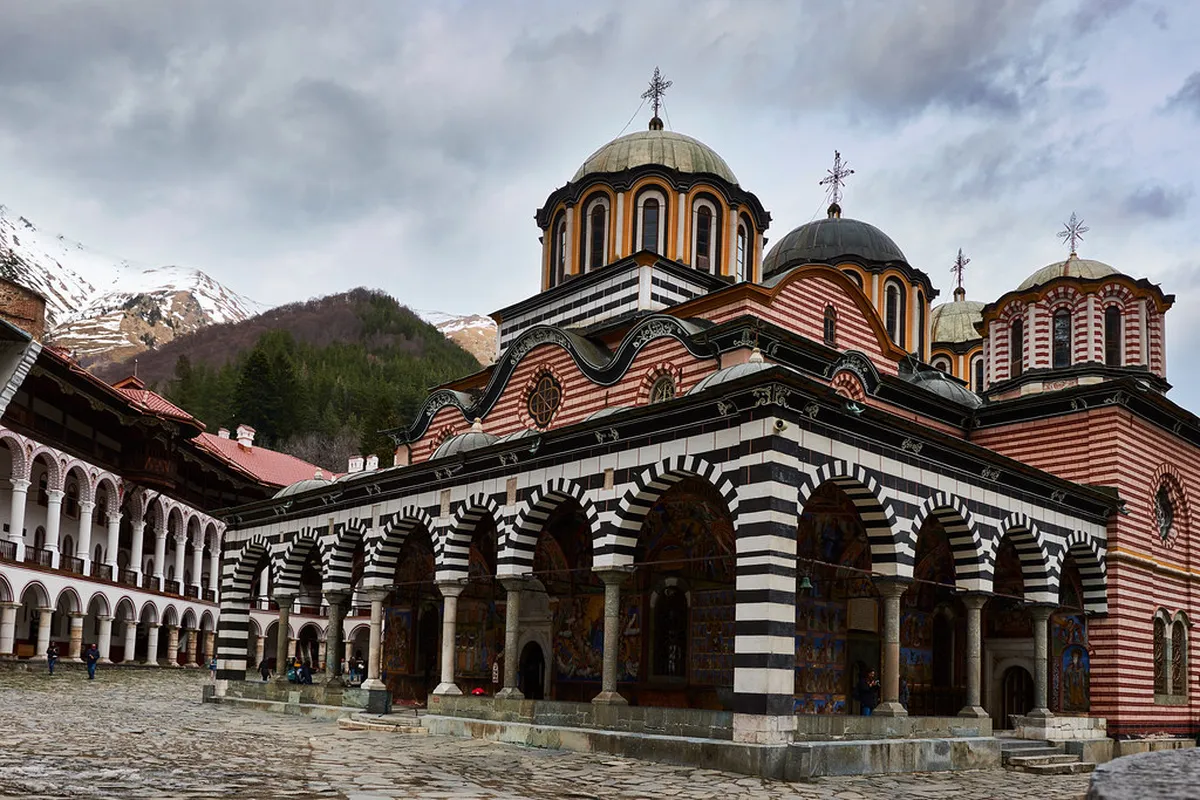
Beyond the major cities, the Rila Monastery Visitor Guide — a UNESCO World Heritage site with vivid exterior frescoes and a mountain setting — is one of Bulgaria's most visited attractions for good reason. Belogradchik Fortress (Kaleto) Visitor Guide, built into extraordinary sandstone rock formations in northwest Bulgaria, is one of the most unique castles in Europe and draws only a fraction of the visitors it deserves.
Bulgaria's Wonderful Coastline & Beaches: Sun, Sand & Sea
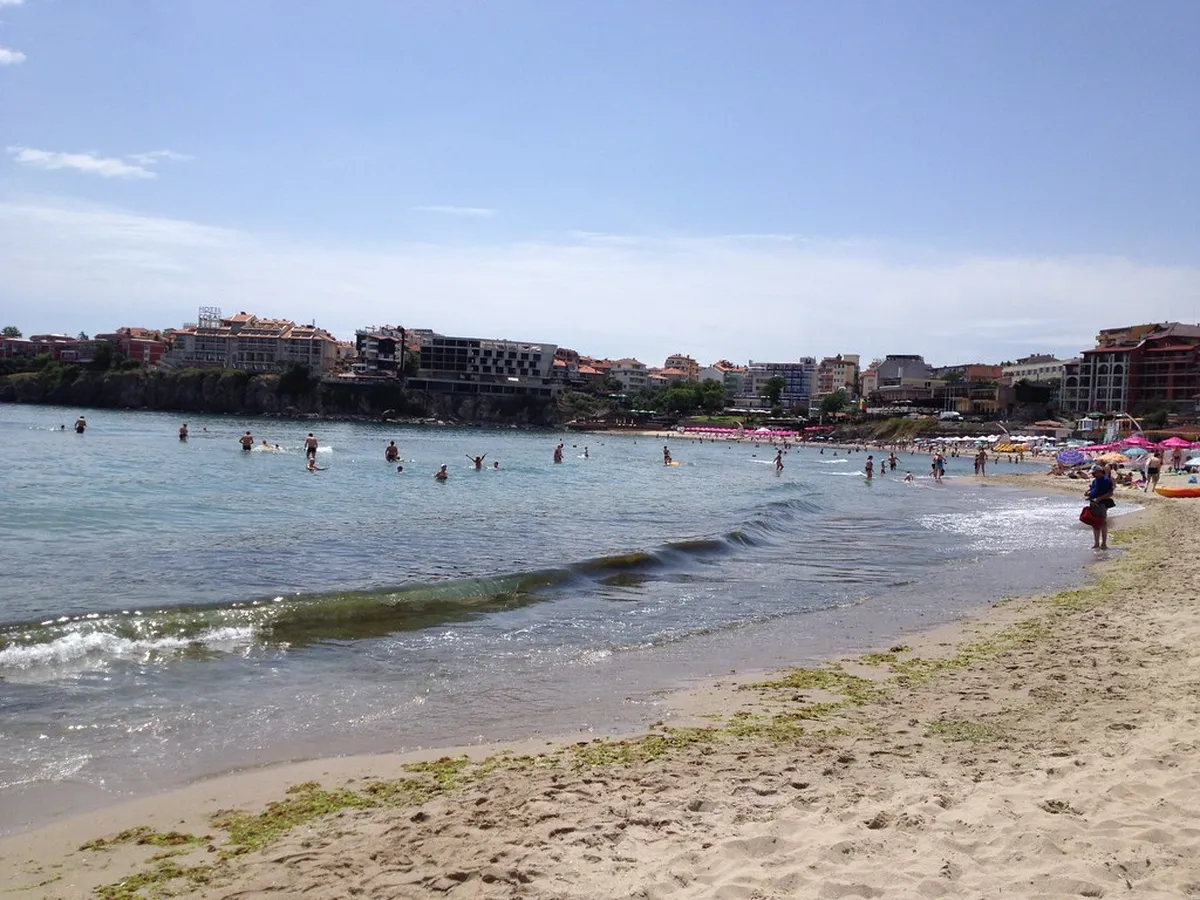
Bulgaria's Black Sea coast runs for 378 km and covers a wide spectrum of experiences. The northern stretch — Golden Sands, Albena, and the area around Varna — offers large resort infrastructure, water parks, and an active nightlife scene. Sunny Beach, south of Varna, is Bulgaria's biggest and most international resort: extremely lively in peak season, but also the area with the highest reported petty crime. It's a matter of what you're after.
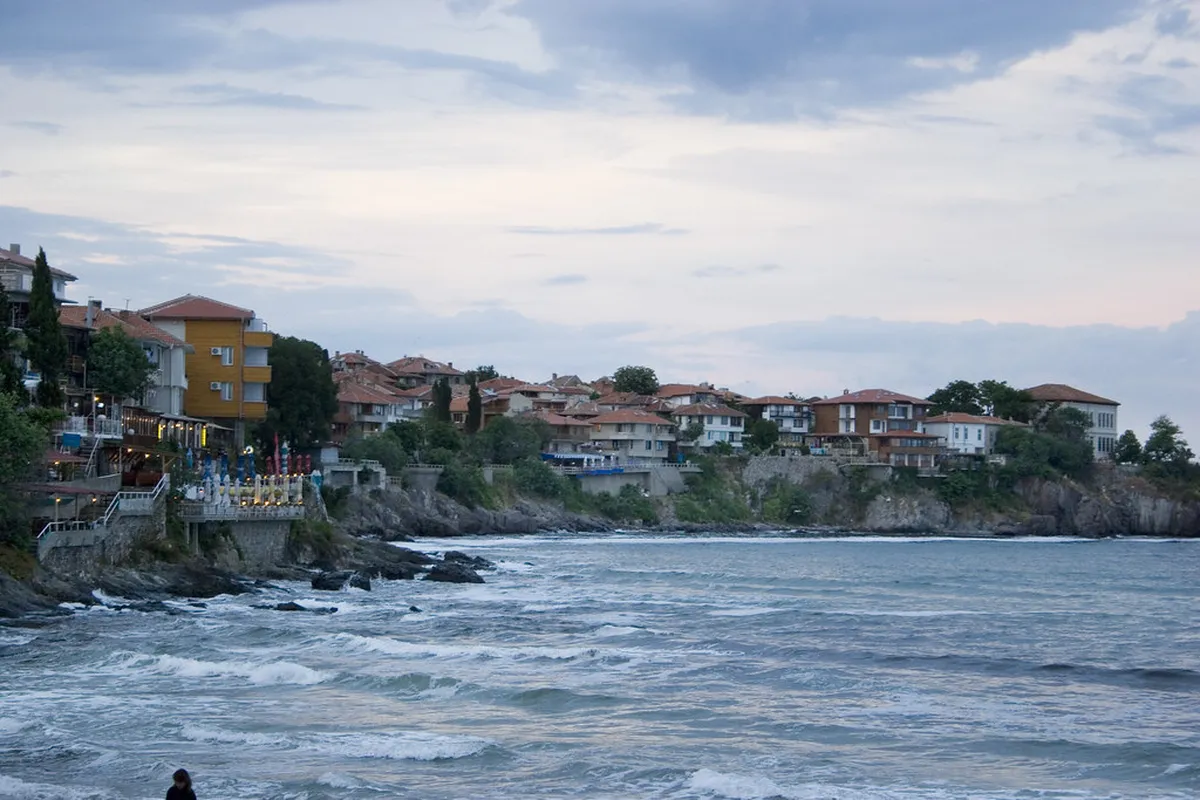
Families tend to fare better in the middle and southern stretches. Nessebar, a UNESCO-listed Old Town on a peninsula, combines archaeology with a pleasant beach town atmosphere. Sozopol — another ancient town with a well-preserved old quarter — sits south of Burgas and draws a more relaxed crowd. Further south, Sinemorets and the area near the Strandzha Nature Park offer near-empty beaches backed by forest, some of the least developed coastline in the EU.
For those not focused on the coast, Lake Varna and the Srebarna Nature Reserve (a UNESCO biosphere reserve near the Danube) offer freshwater and wetland alternatives. The interior mountain lakes — including the famous Seven Rila Lakes Visitor Guide — are a destination in themselves rather than beach substitutes, but spectacular for day hiking.
A practical note: the Black Sea can be rough in August due to winds. The southern beaches (Sinemorets, Veleka) tend to be calmer. Water temperatures peak in July–August at around 25–27°C, which is genuinely warm for swimming.
Bulgarian Cuisine: A Food Lover's Paradise & Dining Tips
15 Must-Try Bulgarian Foods sits at the intersection of Slavic, Ottoman, and Greek culinary traditions — hearty, dairy-rich, and built around fresh seasonal produce. The quality-to-price ratio is one of the best in Europe. A full meal with wine at a mehana (traditional tavern) rarely exceeds 15–20 EUR per person. The worst meals are typically found in upscale restaurants with fusion menus; the best are in busy, unpretentious places clearly patronised by locals.
Essential dishes to try: Shopska salata (chopped tomatoes, cucumber, pepper, and onion topped with grated white sirene cheese — sharper and saltier than feta); tarator (cold soup of yogurt, cucumber, garlic, walnuts, and dill — refreshing in summer heat); kebapche and kyufte (spiced minced meat grilled over coals, often cumin-forward); banitsa (flaky cheese-filled pastry, eaten as breakfast or a street snack); kavarma (slow-cooked meat casserole in earthenware with garlic, peppers, and mushrooms); mish-mash (a scrambled egg, cheese, and red pepper skillet that sounds simple and tastes excellent).
Dining logistics: restaurants open around 11:00 and serve continuously until late — there is no set lunch or dinner window. Dishes arrive as they're ready, not as courses. Menus in tourist areas have English translations; in rural areas you may need Google Translate. A 10% tip is standard if you're happy with the service, though a service charge is sometimes added automatically — check the bill. Many mehanas do not accept cards.
Vegetarians and vegans will find options, particularly lentil soup, grilled vegetables, salads, and bean dishes (bob chorba, a hearty white bean soup, is excellent). However, many sauces and fillings contain meat, so it's worth asking specifically. The word to know is "bez meso" (without meat).
Local Customs & Etiquette: What to Know Before You Go
The head gesture reversal is the most important cultural fact to internalize before arriving. Bulgarians shake their head sideways for "yes" and nod for "no" — the opposite of most Western conventions. Even experienced travelers who know this intellectually still find themselves confused mid-conversation. When in doubt, pay attention to verbal confirmation rather than the gesture.
Greetings: "Zdraveite" (formal hello), "Zdrasti" (informal), "Blagodarya" (thank you). Bulgarians are generally warm and curious, particularly outside of formal service settings — a Slavic reserve in shops and restaurants can give a first impression of unfriendliness that quickly dissolves in actual conversation. Don't mistake efficiency for coldness. When visiting someone's home, remove your shoes at the door and bring a small gift — wine, chocolates, or flowers (odd numbers only; even numbers are for funerals).
Religious sites require modest dress — covered shoulders and knees for both men and women in Orthodox churches and monasteries. Photography inside many churches is restricted or forbidden; look for signs or ask before shooting. For a deeper look at Bulgarian Traditions and Customs: A 2026 Guide — from folk festivals to home-visit etiquette — and more specific guidance on social norms, consult our Bulgaria etiquette and customs guide.
Two customs that catch visitors off guard: business hours on Sundays (most shops closed, many museums closed on Mondays), and the midday break in smaller towns (12:30–14:00 many places close, including banks and some sites). Plan accordingly if you have a tight schedule in rural areas.
Health & Safety in Bulgaria: Essential Advice for Travelers
Bulgaria is a safe country by European standards. Petty theft — pickpocketing in crowded markets and tourist areas, particularly around Sunny Beach — is the main concern. Keep valuables in a money belt or front pocket. Solo female travelers generally report feeling comfortable throughout the country; exercise standard city-at-night awareness in Sofia and larger resort areas.
Common scams: taxi overcharging at Sofia Airport and central Sofia (use Bolt or agree a price before entering), and unlicensed exchange offices offering inflated rates. Exchange money at banks or official exchange bureaus. Never change money with individuals on the street. Check the bill carefully in restaurants — accidental or deliberate overcharging occasionally occurs in heavy tourist areas.
Emergency numbers: 112 (general European emergency), 150 (ambulance), 166 (police). If involved in an accident in Sofia, the recommended private hospital is Hospital Vita at 9 Dragovitza St (tel. 02/943-4398). IMC Medical Centre at 28 Gogol St offers 24-hour care for non-surgical issues. For detailed safety information, check out Is Bulgaria Safe?.
Health insurance is essential. Ensure your policy covers mountain activities if you plan to hike above 2,000m or ski. Tap water is drinkable in cities and most towns but can taste heavily chlorinated — bottled water is cheap and widely available. No vaccinations are specifically required for Bulgaria, but standard European travel health precautions apply. Tick-borne encephalitis vaccination is worth considering if you plan extensive hiking in forested areas from spring through autumn.
Digital Nomads and Long Stays: What Schengen Membership Changes
Bulgaria joined the Schengen zone in January 2024, which has significant implications for non-EU travelers planning extended stays. Before Schengen accession, Bulgaria was a popular destination for long-term backpackers and digital nomads from outside the EU precisely because time spent there did not count against the 90-day Schengen allowance. That advantage no longer exists — days in Bulgaria now count toward your 90 days in 180.
Hostel owners and nomad communities in Bansko reported noticeably fewer long-stay visitors in 2024 and 2025 as a result. For non-EU travelers accustomed to using Bulgaria as an affordable Schengen-reset base, a new option now exists: Bulgaria introduced a 1-year digital nomad visa aimed specifically at remote workers. It requires proof of income (typically 2,000–3,000 EUR/month) and health insurance. Full eligibility details and the application process are covered at sofiaexpats.com.
For EU travelers and short-stay visitors from countries with visa-free access, Schengen membership makes border crossings smoother and removes previous complications around the registration requirement. The practical day-to-day experience of visiting Bulgaria is unchanged. The key point is for non-EU long-stayers to plan their Schengen calendar accordingly — Bulgaria is no longer a legal workaround.
Shopping for Souvenirs & Local Goods in Bulgaria
Bulgaria is a major producer of rose oil — the Kazanlak Rose Valley supplies a significant portion of the world's rose absolute — and rose-derived products make genuinely distinctive souvenirs. Rose water, rose jam, rose cosmetics, and perfumes are all widely available, but quality varies. Buy from specialist shops or producers rather than generic tourist stalls, where the rose content can be minimal.
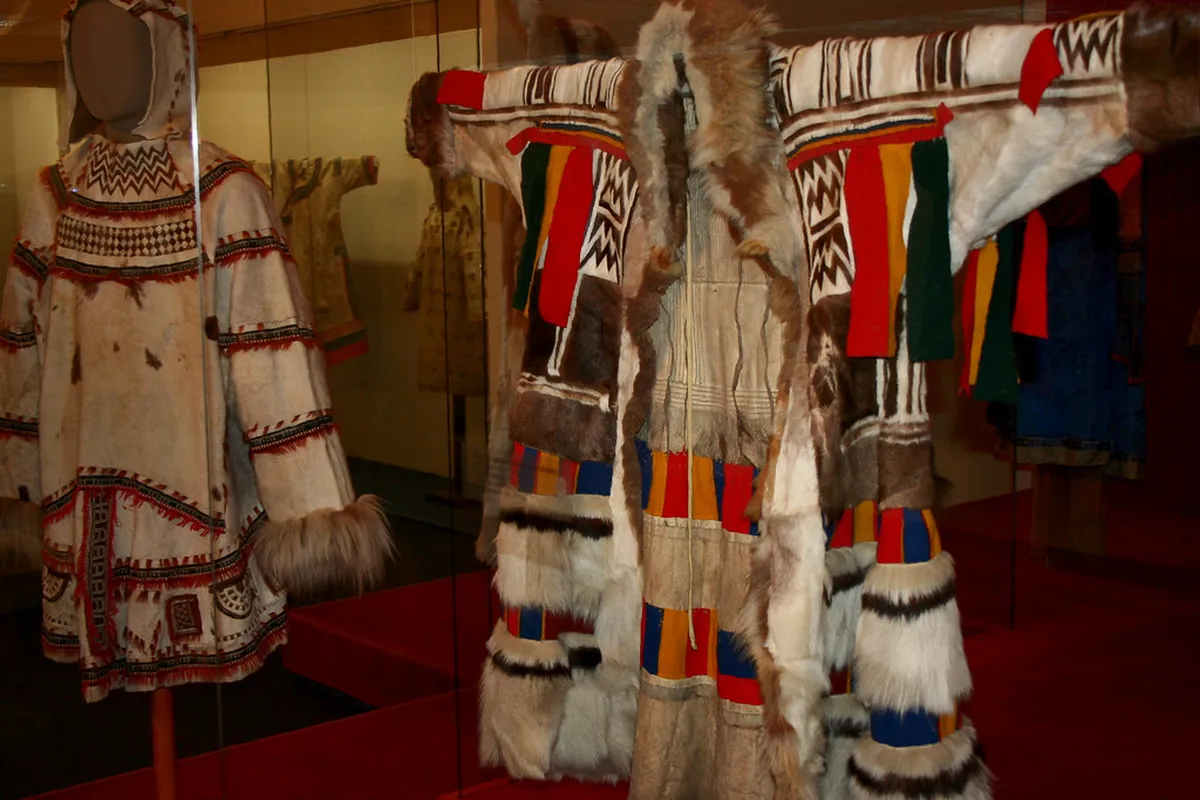
Other worthwhile finds: hand-painted earthenware (distinctive and practical); wooden carvings; embroidered tablecloths and clothing (the traditional red tablecloths found in most mehanas are available to buy); rakia (the grape or plum brandy that is Bulgaria's national spirit — quality ranges widely, so buy from a reputable producer or a well-reviewed wine-and-spirits shop); Bulgarian wine (particularly reds from Melnik and the Thracian Plain — look for Damianitza Red Ark); and locally produced honey and spices (chubritsa, the Bulgarian savory herb, is hard to find abroad).
For authentic shopping in Sofia, the Women's Market (Zhenski Pazar) is a large, lively market selling produce, clothing, and crafts. The central covered Halite market near the city center sells food and has a more tourist-friendly atmosphere. In Plovdiv, Kapana's independent shops are better for crafts than the Old Town souvenir stands, which trend toward generic. Most shops close on Sunday afternoons. Outside Sofia, expect cash-only transactions in markets and smaller shops.
Essential Bulgaria Travel Advice: Final Tips for a Smooth Trip
Bulgaria rewards travelers who arrive prepared for a few practical realities. Always carry euros in cash — even with the eurozone transition in 2026, card acceptance outside major cities and resorts remains inconsistent. A combination of a travel card for ATM withdrawals and a cash float covers almost every situation. ATMs are widely available in city centers and on main roads; they become sparse in mountain villages.
Download offline maps and the BusExpress app before leaving home. Mobile data is affordable in Bulgaria on a local SIM — most international airports and shopping malls sell them at reasonable rates. Google Translate's camera function handles Cyrillic menus and signs well enough to get by in non-English-speaking areas.
Embrace a slower pace than you might plan for. Bulgarian roads, particularly in the mountains, reward patience. A route that looks short on a map can take twice as long as expected. Build in buffer time between destinations, especially if you're trying to combine coast, city, and mountain in a single trip. The unexpected stops — a roadside mehana, a monastery you didn't plan for, a village market on a Tuesday morning — are often the highlight of the trip.
You can find additional Bulgaria travel advice and itineraries on our blog, covering specific regions, seasonal events, and activity-focused guides. Bulgaria in 2026 is still genuinely undiscovered by mainstream European tourism — that window won't stay open indefinitely.
Explore more: Bulgaria Travel Tips: Your Essential Guide to Planning a Trip
Use these focused guides to plan the details, compare options, and build an itinerary that fits your trip.
- Backpacking Bulgaria: A Complete 2026 Budget Travel Guide
- Bulgaria All Inclusive Resorts guide
- Bulgaria Budget Travel Guide: Under $40/Day
- Bulgaria D Visa: Digital Nomad Visa Guide 2026
- Legal Drinking Age in Bulgaria: Laws & Tips for Travelers
- Bulgaria Lev to USD: Current Rates & Travel Cash Guide
- Bulgaria Souvenirs: 15+ Authentic Gifts & Shopping Guide
- Bulgaria Travel Advisory 2026: Safety, Visa & Entry Rules
- Camping in Bulgaria: Best Sites & Wild Camping Laws
- Is Bulgaria in the Balkans? Quick Answer
- Is Bulgaria LGBT Friendly? Laws, Safety, and Travel Tips
- Is Bulgaria Part of the EU? 2026 Schengen & Travel Rules
- Retiring in Bulgaria: A Guide to Residency, Costs & Best Places
Explore more: Bulgaria Travel Tips: Your Essential Guide to Planning a Trip
Use these focused guides to plan the details, compare options, and build an itinerary that fits your trip.
- Bulgaria Currency: Lev, Euro Adoption, & Exchange Guide
- 9 Best eSIM for Bulgaria: Plans, Providers & How to Choose
- Tipping in Bulgaria: A Complete Guide to Customs & Etiquette
- What Language Do They Speak in Bulgaria? A Comprehensive Guide
- Travel Insurance for Bulgaria: Requirements, Coverage & Best Plans
- Bulgaria Entry Requirements: Visa, Passport & Schengen Rules
- Is Bulgaria Expensive Travel Guide
- Is Bulgaria Safe? Your Essential Travel Safety Guide
- What To Pack For Bulgaria: The Ultimate Packing Guide
Frequently Asked Questions
Which Bulgaria travel tips options fit first-time visitors?
First-time visitors should focus on basic safety, currency exchange, and essential phrases. Prioritize booking accommodations and transport in advance. Research local customs like tipping and greetings to avoid misunderstandings. Consider a guided tour for initial city explorations.
How much time should you plan for Bulgaria travel tips?
A minimum of 7-10 days is ideal to experience Bulgaria's highlights. This allows time for Sofia, Plovdiv, and a coastal or mountain region. A two-week trip offers a more relaxed pace, letting you explore lesser-known places. It accommodates both city and nature adventures.
What should travelers avoid when planning Bulgaria travel tips?
Avoid relying solely on credit cards; always carry some cash, especially in rural areas. Do not exchange money with street vendors due to potential scams. Also, avoid discussing sensitive political topics with strangers. Always confirm taxi fares before starting your journey.
Is Bulgaria travel tips worth including on a short itinerary?
Yes, even a short itinerary can benefit from key Bulgaria travel tips. For 3-5 days, focus on one or two regions like Sofia and Plovdiv. Efficient planning with essential tips maximizes your experience. Prioritize must-see attractions and streamline transport. Consider an expats guide for longer stays.
Bulgaria truly offers a captivating blend of history, culture, and natural beauty. From ancient ruins to vibrant cities and stunning coastlines, there's something for every traveler. These essential Bulgaria travel tips will help you plan an unforgettable journey.
Embrace the unique customs, savor the delicious cuisine, and explore the diverse landscapes. With careful planning and an open mind, your Bulgarian adventure will be truly rewarding. Prepare to be charmed by its authenticity and hospitality.
Whether you seek adventure in the mountains or relaxation by the sea, Bulgaria awaits. Use this guide to navigate your trip with confidence. Enjoy every moment of discovering this incredible Balkan gem.
Explore More Bulgaria Travel Guides
Plan every part of your Bulgaria trip with our practical, first-timer guides — from money and safety to language, getting around, and what to pack.
Money, Costs & Insurance
- Bulgaria Currency Guide (Lev & Euro)
- Is Bulgaria Expensive? Travel Costs
- Travel Insurance for Bulgaria
Safety & Entry Requirements
Language & Culture
Getting Around & When to Go
- Getting Around Bulgaria: The Ultimate Transportation Guide
- Best Time To Visit Bulgaria: Seasonal Weather & Travel Guide
Stay Connected & Pack Smart
Related planning guides
Use these focused guides to continue planning: