Boyana Church Visitor Guide
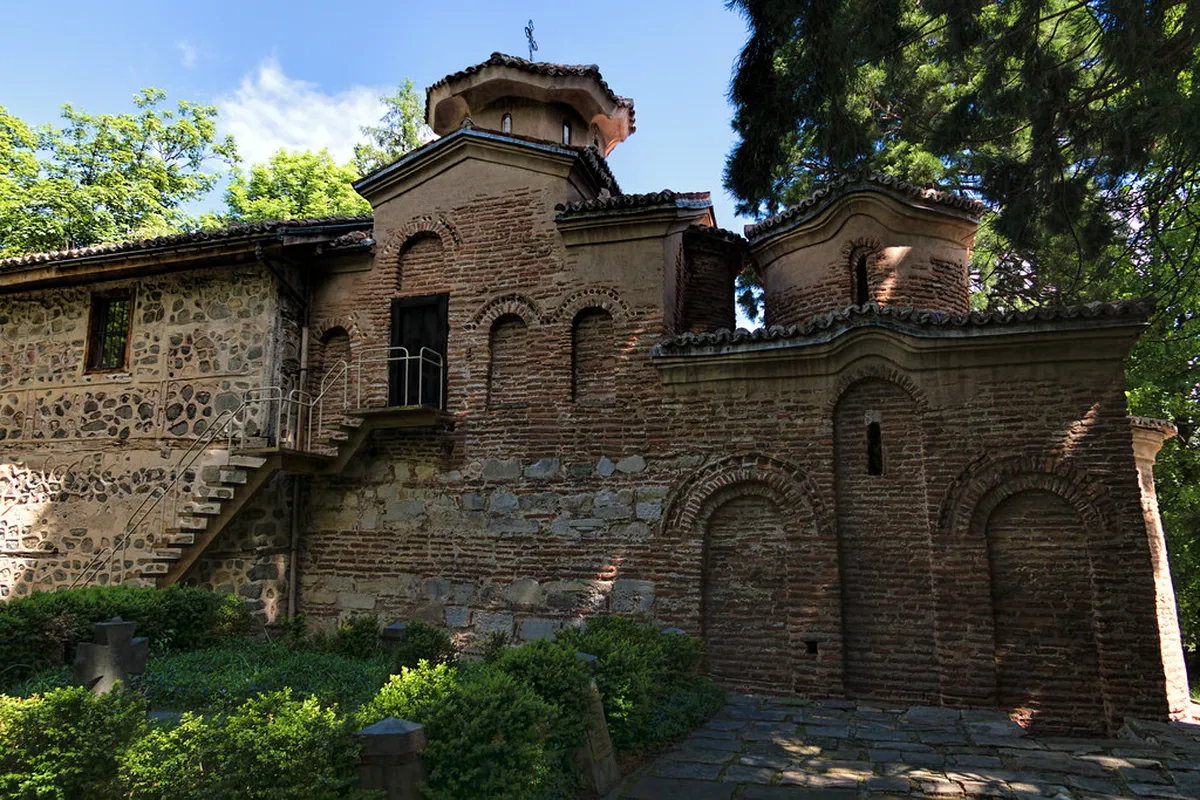
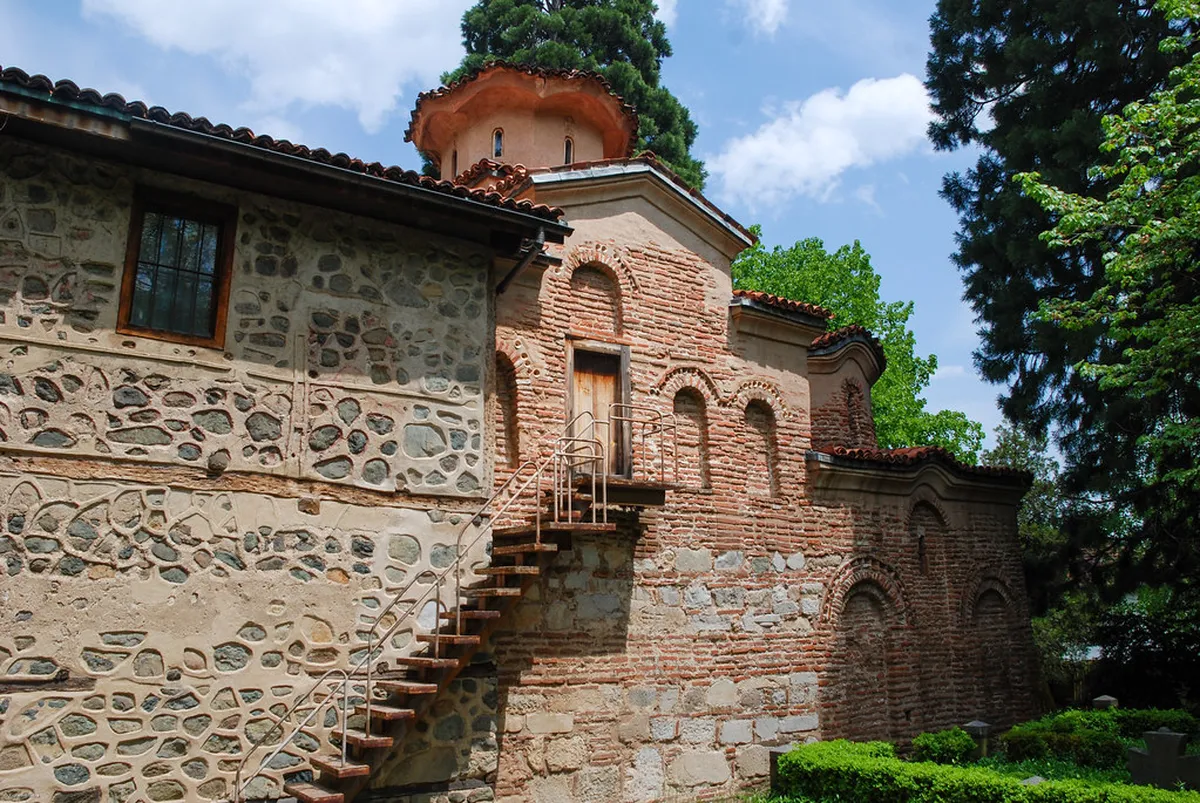
Visiting the Boyana Church offers a rare look at medieval art that changed the course of European history. This small Orthodox church sits quietly in a lush garden at the base of Vitosha Mountain, about 8 kilometers from central Sofia.
Travelers often visit this site as a primary stop on any Sofia itinerary due to its world-class frescoes. The interior contains some of the most complete and perfectly preserved examples of Eastern European medieval painting anywhere in the Balkans.
This boyana church visitor guide provides the 2026 logistics you need to navigate strict entry rules, current ticket prices, and transport options. Understanding the viewing constraints before you arrive will ensure you do not miss the finest artistic details during your short time inside.
For a detailed preview of the church's remarkable medieval frescoes before your visit, watch this video guide:
Why Visit Boyana Church? (UNESCO Significance)
The church earned its place on the UNESCO World Heritage Centre - Boyana Church list in 1979 for its exceptional artistic value. Most visitors come specifically to see the second layer of frescoes, painted in 1259 over an earlier 11th-century layer.
These paintings represent a significant shift from the rigid styles of the Middle Ages toward a more humanistic approach. Artists captured emotional depth and realistic facial expressions across more than 240 figures, long before the Italian Renaissance began to flourish.
The building itself consists of three distinct parts constructed between the 11th and 19th centuries, each reflecting a different era of Bulgarian history and religious devotion. Conservation work in 2026 continues to protect these works from humidity and temperature swings, which is why the interior is climate-controlled and your time inside is limited.
Essential Visitor Rules (The 10-Minute Limit)
Strict rules protect the fragile environment inside the medieval section of the building. Air quality, humidity, and temperature are monitored constantly to prevent the frescoes from fading, which is also why the interior is kept at a cool 17-18°C.
Visitors must follow a **strict 10-minute viewing limit** once they step inside the main chapel area. This short window ensures that the carbon dioxide and moisture from visitors' breath does not damage the centuries-old pigments.
A **maximum of 9 visitors** is allowed inside at any single time to maintain the necessary climate control. You should expect to wait in the garden if a tour group is already inside, especially between 11:00 and 14:00 when cruise-excursion buses tend to arrive.
Photography is strictly forbidden inside the church to prevent light damage from flashes and long exposures, but you are welcome to photograph the exterior and the surrounding garden as much as you like.
- Inside viewing time is capped at 10 minutes per group, enforced by the accompanying guide.
- No more than 9 people are permitted in the medieval section at once; larger groups split up and wait.
- Photography and video are prohibited indoors but freely allowed in the garden and courtyard.
How to Get to Boyana Church from Sofia
The church sits in the Boyana suburb, about 8 kilometers from the city center at the foot of Vitosha Mountain Visitor Guide. Most travelers find public transport the most affordable way to reach the site, though a taxi is faster if your schedule is tight.
Bus 64 and Bus 107 both stop close to the church entrance and run every 15-20 minutes from the city center, with the full journey taking about 50 minutes door to door. Board Bus 64 near the Hladilnika stop or Bus 107 from the Ovcha Kupel area; both routes are marked on Google Maps.
A taxi from the center costs roughly 15-20 EUR (30-40 BGN) one way and takes about 25 minutes, depending on traffic. Use a metered app like Yellow or TaxiMe rather than hailing a car on the street.
| Option | Cost | Travel Time | Good to Know |
|---|---|---|---|
| Bus 64 or 107 | 1.60 BGN (0.82 EUR) | ~50 minutes | Runs every 15-20 minutes; cheapest option, but requires a short walk from the stop |
| Taxi | 30-40 BGN (15-20 EUR) | ~25 minutes | Fastest door-to-door option; use a metered ride-hailing app |
| Guided half-day tour | Varies by operator | 4-5 hours round trip | Bundles transport, a guide, and usually a Sofia city-center walking segment |
Ticket Prices and Booking Reservations
An individual adult ticket costs 6.14 EUR (12 BGN), while students and children pay a discounted 1.53 EUR (3 BGN) with valid ID. Since Bulgaria adopted the euro in January 2026, ticket windows now display both currencies side by side, so don't be alarmed to see two price tags on the same board.
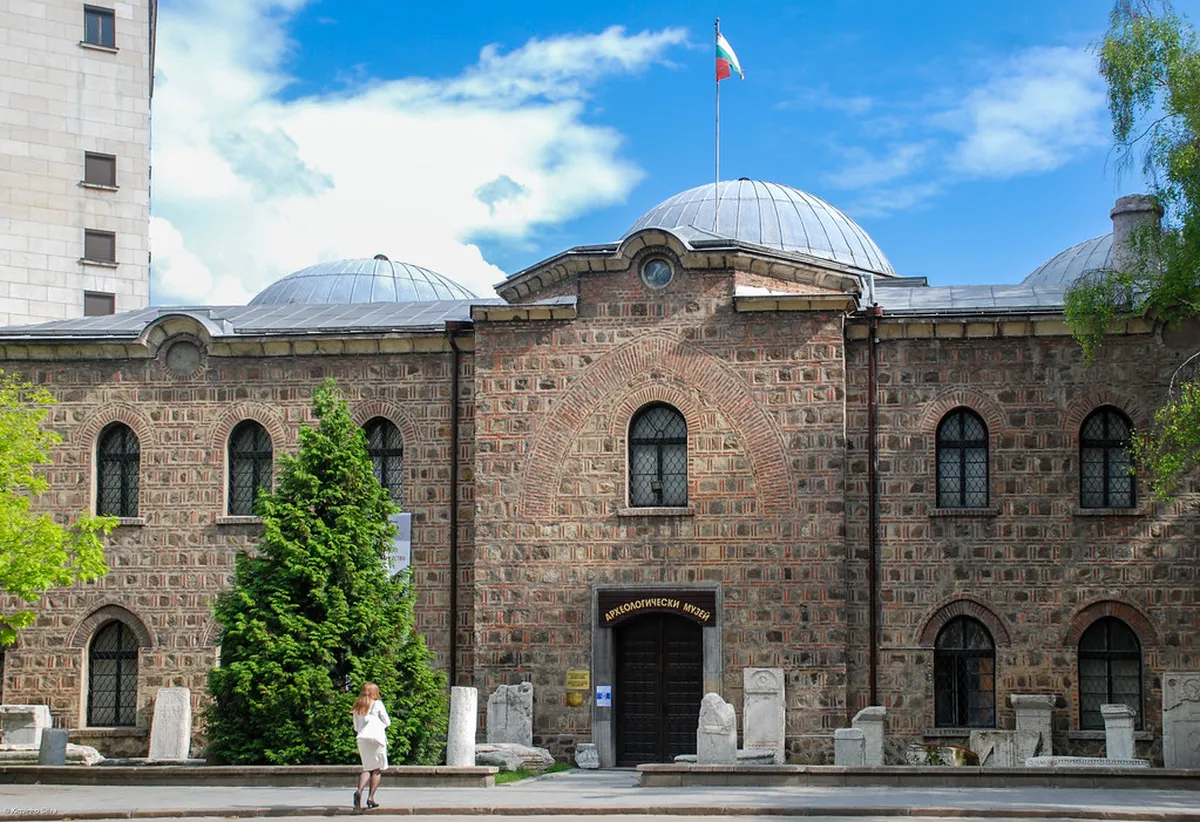
Groups of 10 or more receive a reduced rate of 4.09 EUR (8 BGN) per person, and a guide-led tour in a foreign language costs a flat 6.14 EUR (12 BGN) on top of admission. If you also want to see artifacts recovered from the church, the nearby National History Museum, Sofia Visitor Guide branch occasionally runs a combined pass with Boyana Church — ask at either ticket window, since availability and pricing can change by season.
Organized tour groups must reserve a slot in advance, and unreserved walk-in groups are capped at just 5 people, so a coach without a booking can be turned away or told to wait. Independent travelers rarely need to reserve: buy your ticket on arrival and expect a short wait if the 9-person interior limit is full.
Check the Boyana Church Official Site for current group-booking contact details, especially if you're arriving with a school group, cruise excursion, or party larger than a handful of people.
Best Time to Visit and Opening Hours
The church runs on a seasonal schedule. From April 1 through September 30 it's open daily from 09:30 to 18:00, with last entry at 17:50; from October 1 through March 31, hours shift to 09:00-17:30, with last entry at 17:20. It's closed on January 1, Orthodox Easter Sunday, and December 24-25, so check the calendar if you're planning a 2026 winter trip.
Arriving right at opening is the best way to beat the queues that build by midday. Most large tour buses and cruise-excursion groups arrive between 11:00 and 14:00, which is when the garden gets crowded and the wait for a 10-minute slot grows longest.
Free admission is available on the last Monday of every month after 15:00, a popular slot with local visitors, so expect a longer wait than usual if you time a visit around it.
Early autumn is a particularly rewarding season to visit: the garden's trees turn color, the walk from the bus stop is pleasant in the cooler air, and the summer's cruise-ship crowds have thinned out considerably.
What to See: The 13th-Century Frescoes
The highlight of the interior is the donor portrait of Sebastocrator Kaloyan and his wife Desislava. Their clothing and jewelry are painted with incredible detail, showing the high fashion of 13th-century Bulgarian nobility.
Look for the depiction of the Last Supper, which features local Bulgarian food items like radishes and garlic on the table. These small touches of realism were revolutionary for the time and remain fascinating to modern viewers.
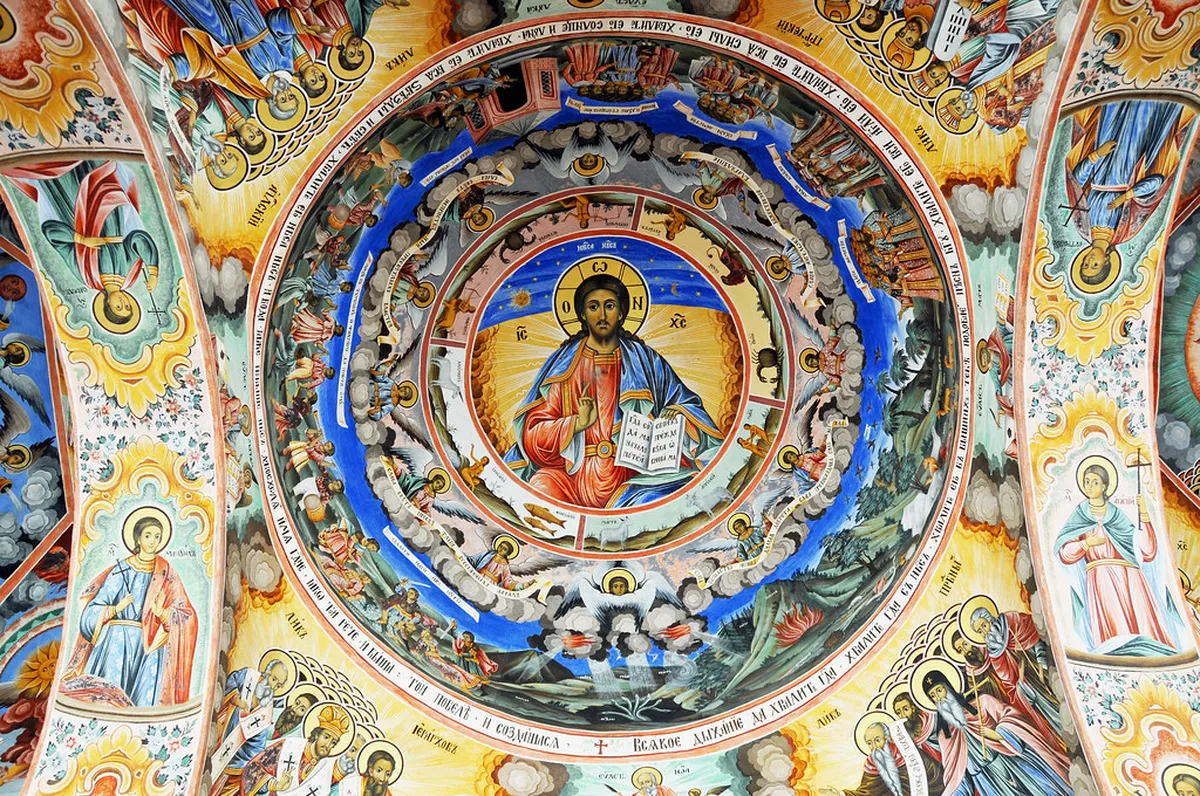
The dome features a powerful image of Christ Pantocrator surrounded by angels and biblical prophets. The colors remain surprisingly vivid because the church was never damaged by major fires or heavy industrial pollution.
Because your visit is capped at 10 minutes, it helps to know where to look before the guide starts the clock rather than trying to see everything at once.
- Start at the west wall near the entrance, where the Kaloyan and Desislava donor portraits are — this is the single most-photographed spot, so spend your first minute here before the crowd behind you catches up.
- Move into the naos (central chamber) for the Last Supper scene and the surrounding narrative panels; this is where most of the detail work rewards a slower look.
- Finish under the dome with Christ Pantocrator — guides typically call time here, so it's the natural place to end rather than backtrack toward the door.
Most first-time visitors skip the narthex's 18 scenes from the life of Saint Nicholas entirely on a rushed visit, and that's a reasonable trade-off if your group is being timed closely.
Combining Your Visit with a Vitosha Mountain Hike
Since the church sits at the foot of Vitosha, it works well as one end of a hiking day rather than a quick bolt-on stop. The most popular option runs downhill: take a bus toward Zlatni Mostove (Golden Bridges), the boulder river near the mountain's upper slopes, then follow the marked trail down past Kamen Del peak toward Boyana Waterfall.
The descent from Golden Bridges takes roughly 2 to 2.5 hours at an easy pace, passing the waterfall about an hour in before the path rejoins a paved lane that ends a 10-minute walk from the church gates. Hiking downhill into Boyana is considerably easier than climbing up from the church, and it lets you time your finish comfortably before closing.
If you'd rather stay closer to town, a shorter there-and-back walk to Boyana Waterfall alone takes about an hour each way from a trailhead near the church. Either way, wear proper footwear — the lower trail sections get muddy after rain, even in summer.
Round off the day at one of the family-run mehanas in the Boyana quarter, where grilled kebapche and shopska salad cost noticeably less than the same dishes near Vitosha Boulevard Visitor Guide downtown. Between the church, the waterfall, and lunch, Boyana fills a half-day without a car.
Continue planning: Use Sofia Attractions: 12 Top Sights, Tickets & Tips to connect this guide with the rest of your Bulgaria itinerary.
Frequently Asked Questions
Do I need to book Boyana Church tickets in advance?
While walk-ins are possible, booking in advance is highly recommended for groups or during the busy summer season. The 9-person limit means that tour groups can easily block access for individual travelers for several hours. You can call the museum or check the official site to secure a specific entry time.
How long is the 10-minute viewing rule enforced?
The 10-minute rule is strictly enforced by the museum guides who accompany every group inside the medieval section. This time limit is necessary to protect the frescoes from humidity and carbon dioxide damage. Once your time is up, you must exit to allow the next small group to enter.
Can I take photos of the frescoes inside Boyana Church?
No, photography and video recording are strictly prohibited inside the church to protect the ancient pigments from light damage. You are allowed to take photos of the church exterior and the surrounding garden. Many visitors find the garden to be a peaceful place for photography after their interior tour.
Is Boyana Church worth visiting if I have limited time?
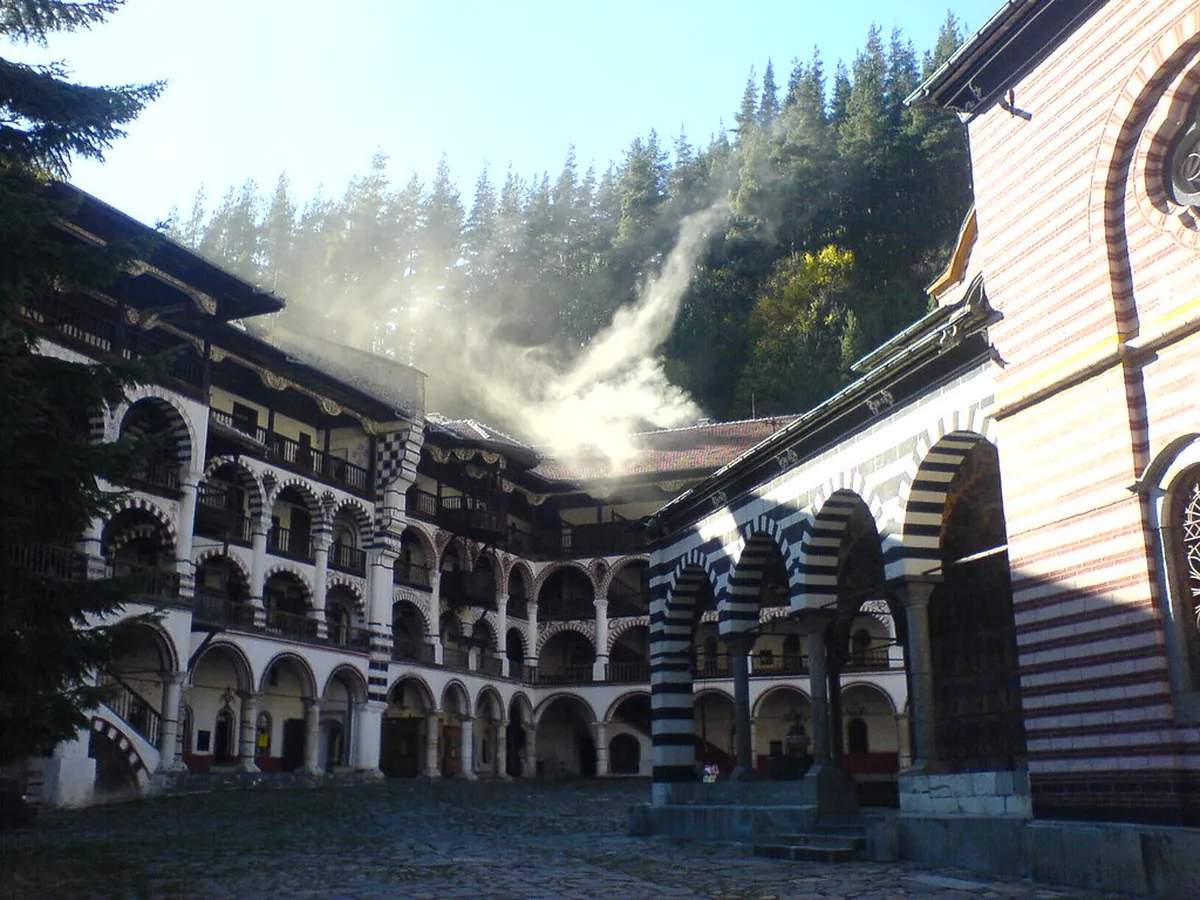
Yes, it is worth the trip because it is one of the few UNESCO sites near the capital. You can easily combine it with a trip to the Rila Monastery Visitor Guide or the National History Museum. The artistic quality of the frescoes is unmatched in the region.
A visit to Boyana Church is a highlight for any traveler looking to understand the deep artistic roots of Bulgaria. While the 10-minute limit is short, the impact of the frescoes lasts much longer than the tour itself.
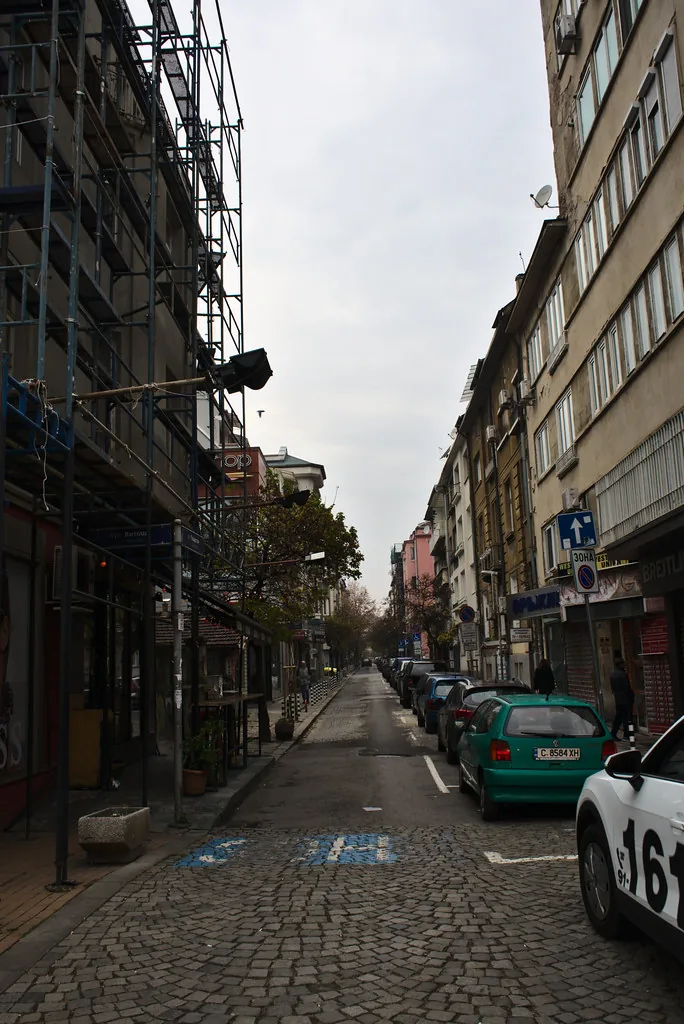
Planning your transport and booking your tickets early will help you avoid the common pitfalls of peak-season travel in 2026. You can easily spend a full morning exploring the church and the nearby Ancient Serdica Archaeological Complex Visitor Guide back in the city.
Whether you are an art historian or a casual tourist, this site provides a unique window into the medieval world. Make sure to respect the preservation rules so that future generations can also enjoy these incredible masterpieces.
For official details, visit the Boyana Church on Wikipedia.
For more Sofia planning, read our Things To Do in Sofia, Bulgaria (2026 Guide), or check out the Boyana Church Day Trip From Sofia: The Complete Visitor's Guide.