25 Unforgettable Things to Do in Sozopol, Bulgaria (2026)
After several visits to Bulgaria's Black Sea coast, we've come to appreciate Sozopol as a true gem. This ancient town, perched dramatically on a peninsula, offers a captivating blend of history and coastal charm. Originally founded as Apollonia Pontica by Greek colonists in the 7th century BC, Sozopol boasts a rich heritage evident in its well-preserved Old Town. It provides a more intimate and authentic experience compared to some of the larger, more developed resorts. This guide, last updated in June 2026, details the very best things to do in Sozopol, ensuring you make the most of your visit.
Experience Sozopol's ancient streets and stunning sea views in this 4K walking tour:
Key Takeaways
- Quick Pick: Sozopol Old Town for history and charm; allow at least 2-3 hours.
- Best for Families: Harmanite Beach offers space and water sports, plus nearby amenities.
- Best Rainy-Day Activity: Explore the Archaeological and Ethnographic Museums for cultural insights.
- Best Free Activity: Wander the Southern Fortress Wall for stunning panoramic views.
- Pro Tip: Visit in shoulder season (May/June or September) to avoid peak crowds and get better prices.
Introduction to Sozopol: History and Charm
Sozopol stands as one of Bulgaria's oldest towns, a living museum with roots stretching back millennia. Its strategic location on the Black Sea made it a vital trading port and cultural hub throughout antiquity. Walking its cobbled streets feels like stepping back in time, surrounded by traditional wooden houses and ancient stone foundations. The town's unique character draws visitors seeking both relaxation and a deep dive into history.
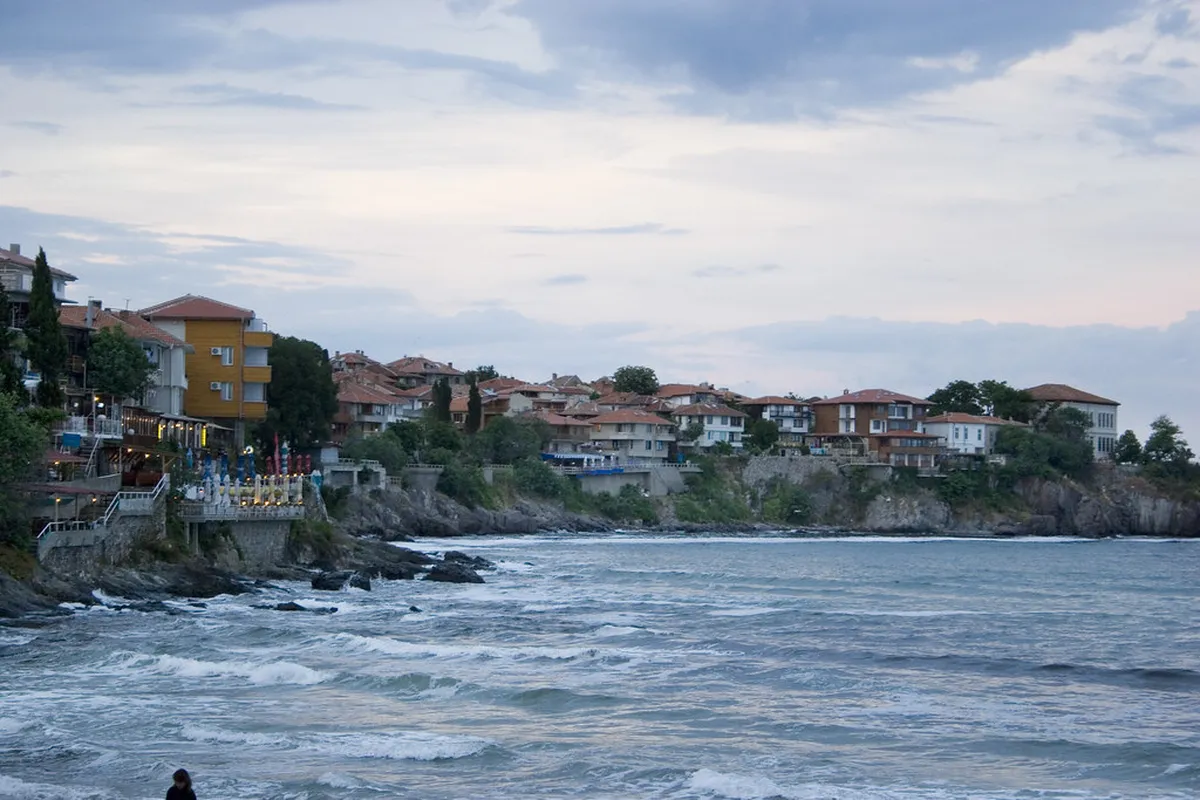
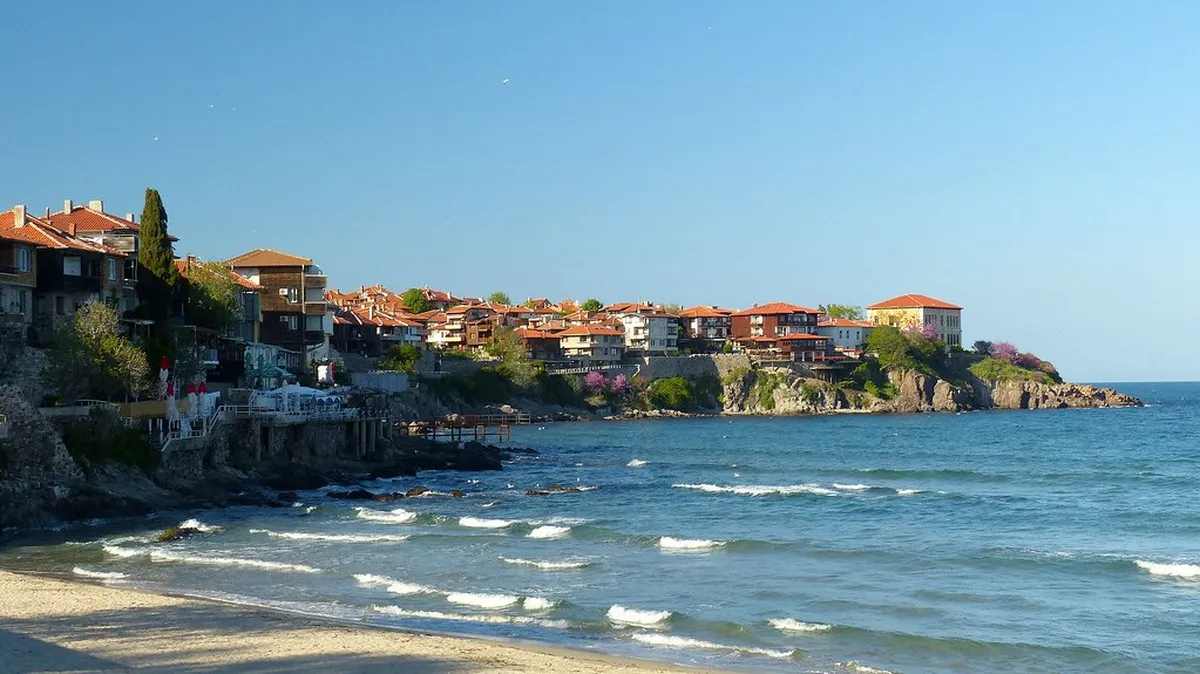
The town is naturally divided into two distinct parts: the Old Town and the New Town (Harmanite). The Old Town, a UNESCO World Heritage Tentative Site, occupies a small peninsula, offering panoramic sea views and a maze of historic alleys. The New Town, connected by a narrow strip of land, provides more modern amenities, hotels, and vibrant beaches. This duality allows for a diverse vacation experience, catering to different preferences.
Sozopol truly shines during the warmer months, typically from May to September, when its beaches are bustling and cultural events are in full swing. The town's relaxed pace, combined with its historical significance, makes it a compelling destination for a Black Sea getaway. Whether you're exploring ancient ruins or simply enjoying the sea breeze, Sozopol offers a memorable escape.
Top Attractions in Sozopol Old Town
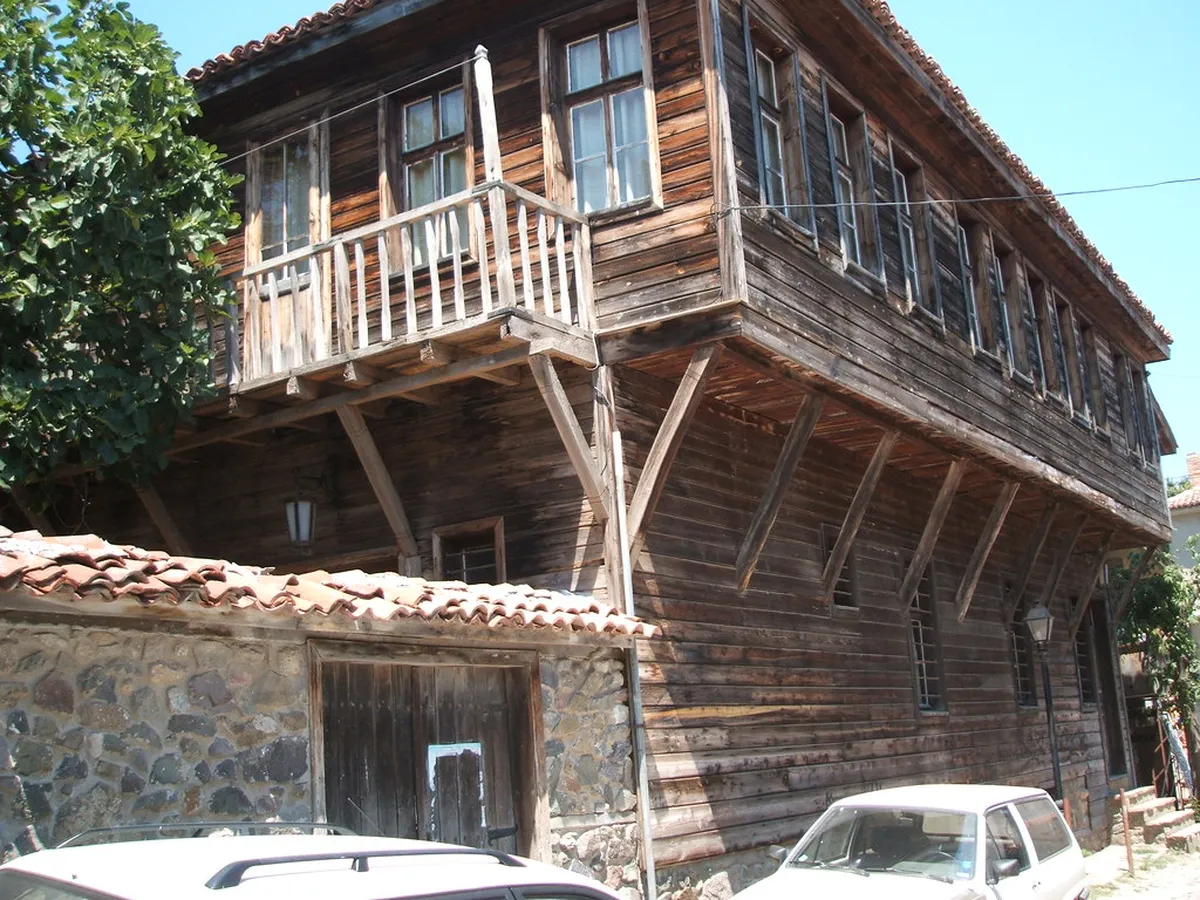
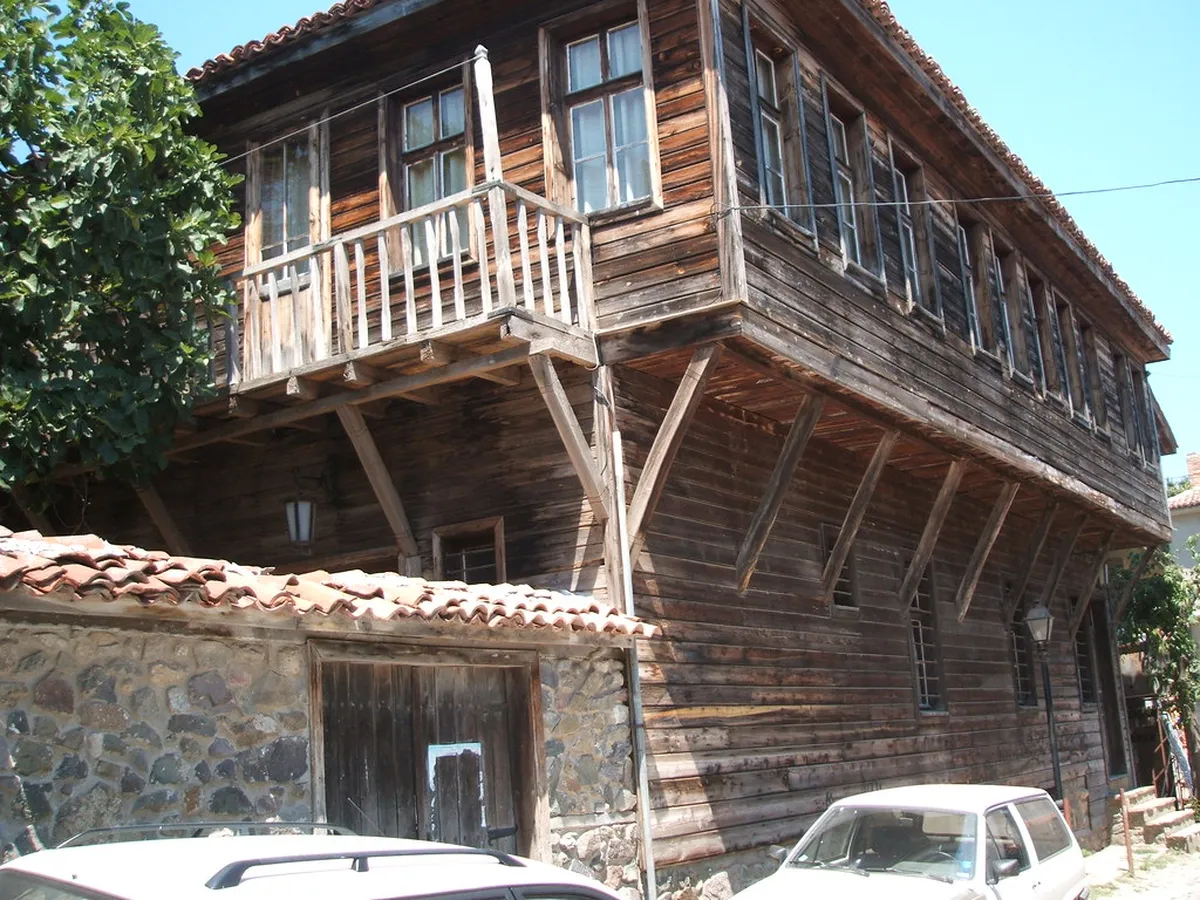
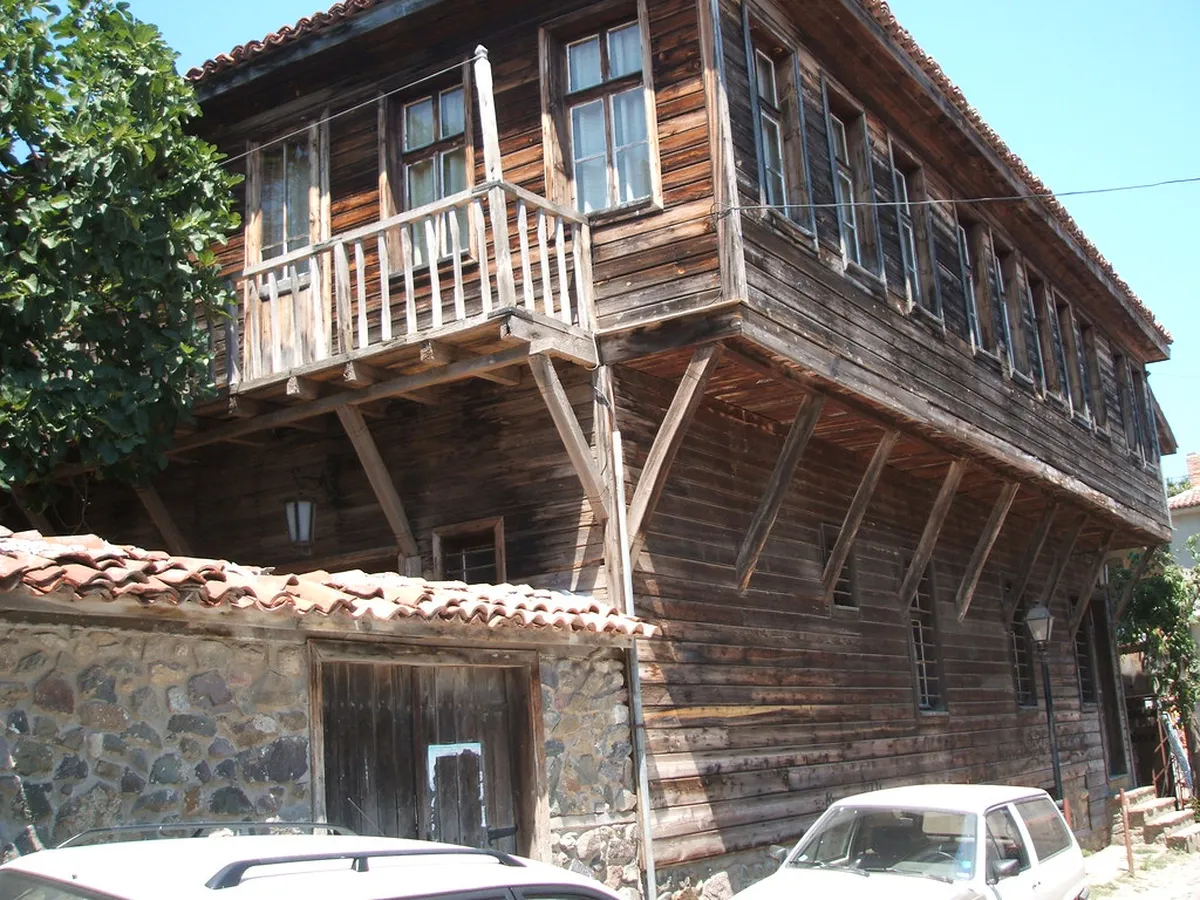
The Old Town is where Sozopol earns its reputation. Built on a rocky peninsula, its narrow cobblestone streets are lined with 19th-century Revival-style wooden houses — two or three storeys tall, with overhanging upper floors and cool stone ground floors. Many of these houses have small courtyards and function today as guesthouses, galleries, or restaurants. Allow at least two to three hours to wander without a plan; the best moments happen down the side streets away from the main square.
The Southern Fortress Wall and Tower Visitor Guide runs along the sea-facing edge of the peninsula and is one of the most photogenic spots in Sozopol. Sections of the ancient fortification survive to heights of up to four metres, and the restored promenade beside them is particularly atmospheric after dark. Entry is free, and the viewpoint at the southern tip — Cape Skamni — gives you a wide panorama of St. Ivan Island and the open Black Sea.
The churches of the Old Town add further layers of history. The Church of St. Zosim, built in 1857 and named after Sozopol's patron saint, is open most evenings from 17:00 to 21:00 (closed Saturdays and Sundays). The Church of St. George on the main square houses a remarkable triple collection: relics of St. Andrew, a particle of the Crucifix, and — since 2010 — the relics of St. John the Baptist, discovered on nearby St. Ivan Island and verified by DNA and radiocarbon testing. Entry to all churches is free; a small candle donation is customary.
Also worth noting: the open-air theater at the entrance to the Old Town hosts summer concerts, cultural events, and occasional movie nights. Check the local programme when you arrive — performances often run for free or a nominal fee.
Cultural and Historical Experiences: Museums and Ancient Sites
The Sozopol Archaeological Museum is housed partly in the St. Cyril and St. Methodius Temple, near the harbour. Its collection spans the end of the 6th millennium BC through to the 17th century AD: painted Greek vases, stone and lead anchors, ancient amphorae, and Thracian gold. Most striking is the display of the alabaster casket and small stone box bearing a Greek inscription — the container in which the relics of St. John the Baptist were transported to the island. Opening hours run 09:00–18:00 from 1 June to 15 October, with reduced winter hours (08:00–12:45 and 13:30–17:15) and weekend closures out of season. Admission is 7 BGN (around €3.50) per adult.
The Ethnographic Museum sits at 34 Cyril and Methodius Street in the restored "Kurtidi House," a 19th-century architectural monument. The ground floor covers traditional local crafts — fishing, agriculture, wine-making, and weaving — illustrated with early 20th-century photographs. The upper floor displays traditional costumes, rugs, and Revival-period jewelry, including ornate belt buckles (pafta), bracelets, and earrings typical of the coastal Strandzha region. Open 09:00–18:00 in summer; winter hours are reduced with Monday and Sunday closures. Admission is 4 BGN (around €2).
Just outside town, the Akra Cape Byzantine Fortress north of the village of Chernomorets is largely overlooked by visitors. Dating to the 6th century AD, its walls once enclosed 16 decares of fortified ground at the narrowest point of the cape. Sections of the wall and towers survive, and a 2012 archaeological study found coins, ceramics, and glass fragments, as well as evidence of a submerged town extending into the sea. The views from Akra Cape across the bay are excellent. There is no formal entry fee; it is an open site accessible by car or a 15-minute taxi ride from Sozopol.
Sozopol's Beaches and Outdoor Activities
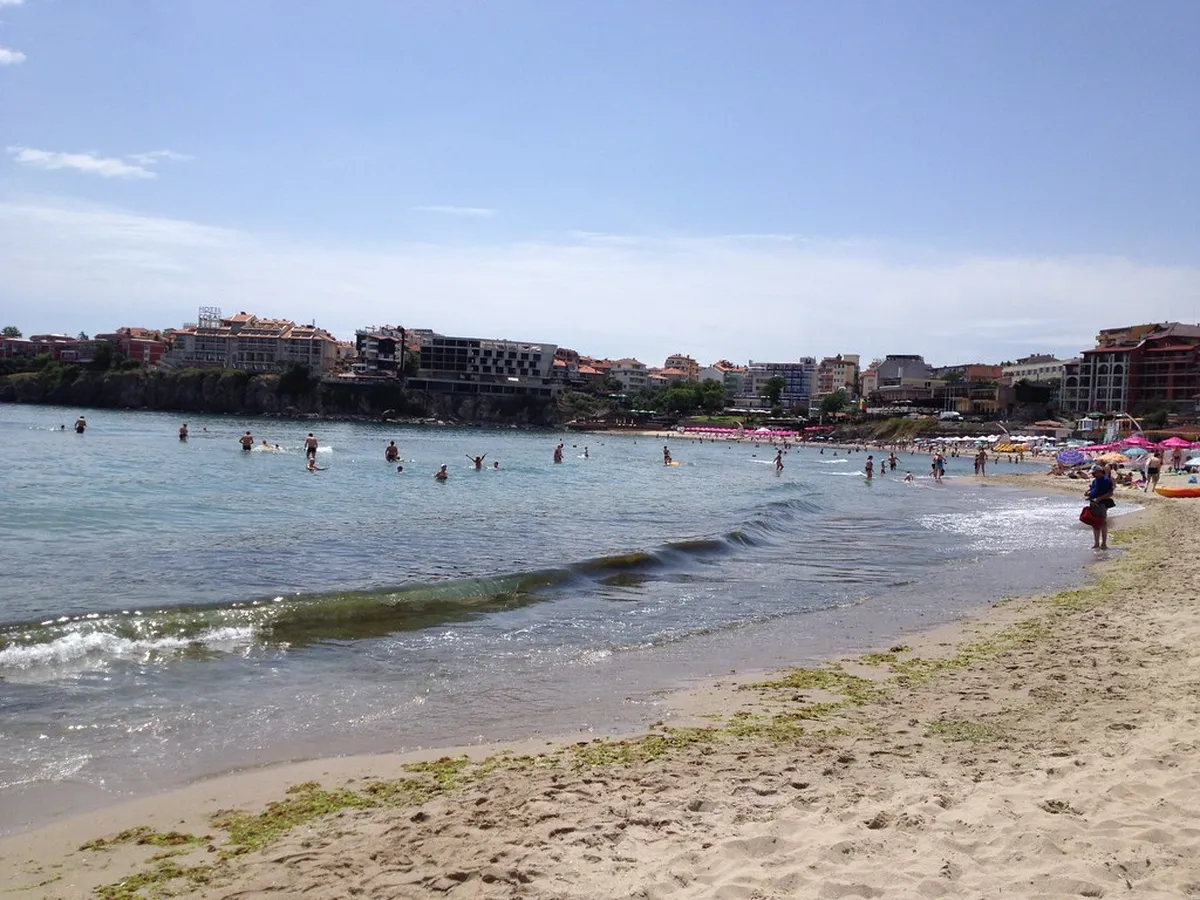
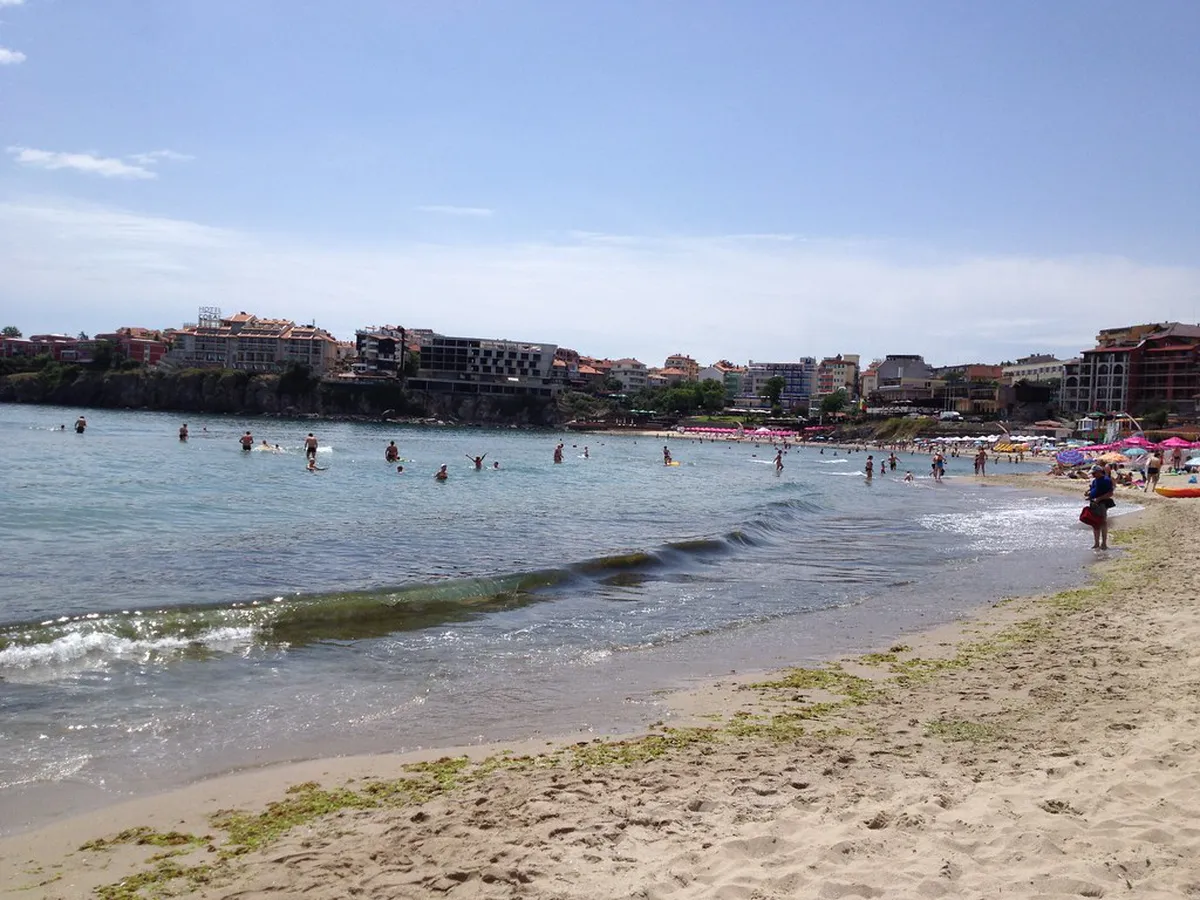
Sozopol has two town beaches: the small Central Beach beside the Old Town, and the wider Harmanite Beach (sometimes spelled Harmonite) in the New Town. Central Beach is convenient for families — shallow, calm, and within easy walking distance of the museums and restaurants. Sunbeds and umbrellas rent for 10–15 BGN (€5–€7.50) per item per day. Harmanite is the better option for water sports: jet skiing, banana boats, and parasailing are all available from stands on the beach, with parasailing priced at approximately €35 per person or €55 for two, for around an hour in the air.
For more natural settings, take a taxi to the neighbouring beaches. Kavatsi Beach to the south is longer and less developed, with beach bars and some camping spots nearby. Smokinya Beach is a short ride further — expect to pay around €5 for a taxi if there are five or six of you, taking about ten minutes. Gradina Beach is popular with kite surfers because of its reliable wind; you can hire a kite on-site or bring your own. All three are noticeably quieter than the town beaches, even in July and August.
A boat tour of the Sozopol coast is an enjoyable way to see the peninsula from the sea. Small boats leave the harbour throughout the day and take about an hour, passing St. Ivan Island and rounding the cape to Harmanite Beach. These informal tours cost 15–20 BGN (€7.50–€10) per person. If you want to land on St. Ivan Island itself — Bulgaria's largest Black Sea island, one kilometre offshore — approach the fishing boats directly at the harbour. A private trip with a local captain costs around €5 for a group of five or six and takes 20 minutes each way. The island hosts over 70 recorded bird species and the largest colony of European Herring Gull in Bulgaria, making it worthwhile for birdwatchers even beyond the monastery ruins.
The Ropotamo River Nature Reserve, 15 minutes south of Sozopol by car, is one of the finest short excursions in the region. Guided boat trips along the river cost 10–15 BGN (€5–€7.50) per person and last around 45 minutes, drifting past dense riverbank forest, water lilies, swamp turtles, and water snakes. The overhanging canopy in places feels closer to a jungle than the Bulgarian coast. See our full guide at Ropotamo River & Nature Reserve: Ultimate Visitor Guide for visiting details.
Cyclists can rent bikes in the New Town for 15–25 BGN (€7.50–€12.50) per day and follow the coastal paths south towards Kavatsi and beyond. Fishing trips with local fishermen are also available from the port — expect to pay 50–100 BGN (€25–€50) for a few hours, depending on the boat and duration; enquire at the marina directly.
Day Trips and Nearby Attractions
The most compelling day trip from Sozopol is Beglik Tash, a Thracian megalithic sanctuary near the town of Primorsko, about 20 minutes south by car. The site sits 128 metres above sea level on Cape Beglik Tash and was hidden inside the former hunting estate of communist leader Todor Zhivkov until 2003, which is why it remained unknown to science for so long. The central platform contains a ritual circle of shaped cave elements 56 metres in diameter, an astronomical clock made of 16 flat round stones, and a large dolmen known as the "holy cave." Artefacts indicate continuous use from the middle of the 2nd millennium BC to the early 4th century AD. Entry costs around 5 BGN (€2.50) and the site is open daily from 09:00 to 17:00.
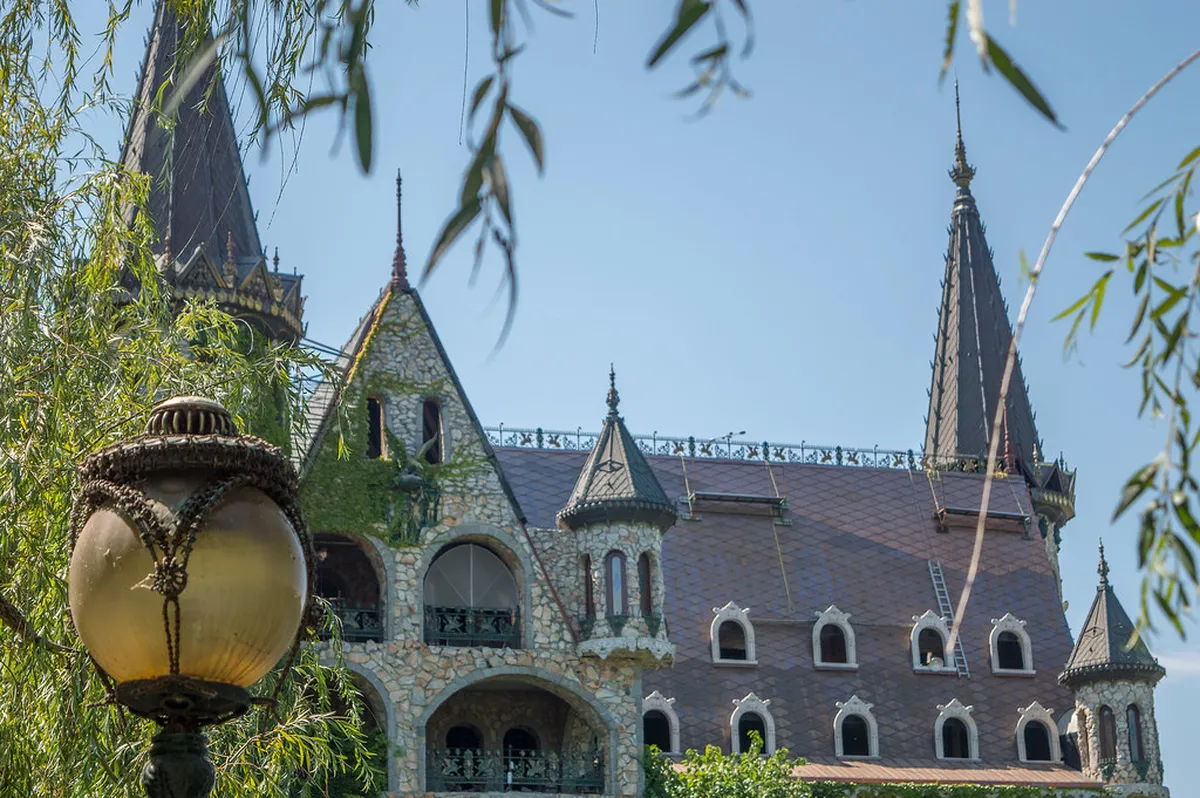
The Castle "In Love with the Wind" in the village of Ravadinovo, just north of Sozopol, is Bulgaria's only active privately built castle, constructed by its owner from 1996 onwards. The entry fee is €10, which covers the gardens and a small zoo; wine cellar tastings cost extra. It is a family-friendly option and an unusual detour for those who have already covered the historical sites. A water park next to the castle provides an alternative to the beach for a day.
The small village of Yasna Polyana, in the forested hills above the Black Sea, is one of the lesser-visited spots in the region. Founded in 1906 as a Tolstoyan community — inspired by the Russian author Leo Tolstoy's pacifist teachings — the village now has a Leo Tolstoy Museum and holds occasional cultural events. It is about a 30-minute drive from Sozopol and pairs well with a visit to the inland hills away from the coast.
For links to more excursion ideas, see our dedicated 10 Best Day Trips from Sozopol: Explore Bulgaria's Black Sea Coast guide.
Food and Dining in Sozopol: What to Eat and Where
Sozopol's food scene is anchored in fresh Black Sea fish and simple Bulgarian cooking. When ordering fish, ask the waiter specifically what came in that day. The Black Sea has its own distinct fish stocks — there is no sea bass in the Bulgarian part — so if a restaurant claims to serve fresh sea bass, it is almost certainly imported from Greece. The fish to seek out are vatos (a type of catfish, pronounced "vah-tos") and midjit (a small local flatfish); few menus translate these into English, so point or ask. A meal with drinks at a waterfront restaurant typically runs 20–40 BGN (€10–€20) per person.
One of the most distinctively Sozopol street foods is katma — a large savoury or sweet pancake sold from stands throughout the Old Town. It is eaten at any time of day, costs around €1.50–€2, and comes with fillings ranging from salami and pickles to honey and nuts. The most popular spot is "Работилница на веселите палачинки" in the Old Town, which offers combinations you will not find on any standard menu. It is a quick, cheap, and genuinely local breakfast before a morning at the museums.
The small wine shop at 57 Apollonia Street in the Old Town is worth a stop for its unusual fig wine — made from the green figs that still grow across the Sozopol peninsula. The owner also pours raspberry, strawberry, and blueberry variants; all are on the sweeter side. Green fig jam is another Sozopol specialty worth taking home: look for home-labelled jars at street stalls in the Old Town. Try yogurt with green fig jam as a dessert — it appears on almost every restaurant menu. Prices for a jar start at around 5–8 BGN (€2.50–€4).
For a more formal dinner, the restaurants along the Southern Fortress Wall charge a modest premium for their sea views but deliver on atmosphere. Arrive early for a table with a bit of privacy from the promenade foot traffic. The main street behind Harmanite Beach — known locally as "Veselata Ulichka" or "Joyful Street" — has a dense concentration of bars, restaurants, and food stalls and gets very crowded on summer evenings; it is more of an atmosphere experience than a destination for serious eating.
For restaurant recommendations with verified addresses and hours, see our dedicated guide to 10 Best Sozopol Restaurants for Every Taste & Occasion.
The Apollonia Arts Festival and Cultural Events
The Apollonia Arts Festival takes place each year in early September and is Bulgaria's largest arts festival. It celebrates the ancient name of the city — Apollonia Pontica — with performances spanning classical music, jazz, contemporary dance, theatre, and literature. Events are staged across the Old Town's open squares and the sea-facing amphitheatre, giving the entire peninsula a different energy from the beach-holiday crowds of July and August. Some performances are free; ticketed events vary in price and sell out early. Check the festival's official programme in advance at Apollonia Festival Sozopol travel guide.
The festival also coincides with the start of the off-season transition. By early September the town clears of summer visitors, the weather cools noticeably in the evenings, and locals reappear on the streets. Fishermen return to the port to mend nets. It is, by most accounts, the most atmospheric time to be in Sozopol — the summer infrastructure is still running but the crowds are gone.
Sozopol Nightlife and Evening Activities
Sozopol's evenings split into two distinct zones. The Old Town after dark offers atmospheric bars and small restaurants inside the historic lanes; cocktails run 8–15 BGN (€4–€7.50) and many venues have live acoustic music from around 21:00. The pace is relaxed and the crowds are mixed in age. This is also when the fortress wall promenade is at its most photogenic — the ancient stone lit against the night sky with the sea below.
The New Town's Harmanite beachfront and the "Joyful Street" behind it are louder and more densely packed through July and August, with beach bars running DJ sets until the early hours. For a quieter evening drink with a view, the harbour area is a good alternative: the old fishing boats in silhouette against the sunset make for compelling photography, and the western-facing sections of the port catch the last of the evening light — relatively rare on this east-facing coast. See our Sozopol nightlife guide for current venue recommendations.
Getting to Sozopol: From Burgas and Beyond
Sozopol lies 35 km south of Burgas, which has the nearest international airport (BOJ). The bus is the standard option: services run between the Burgas Bus Station and Sozopol from 06:30 to 21:30 during the main season, with departures roughly every 30–60 minutes. The journey takes 40–50 minutes and costs 5–7 BGN (€2.50–€3.50). Buses arrive at the Sozopol Bus Station at the northern edge of the New Town; the Old Town is a 10-minute walk from there.
A taxi from Burgas Airport to Sozopol costs approximately 35–40 BGN (€17.50–€20) and takes around 30 minutes without traffic — useful if you are arriving with heavy luggage or travelling with a group. Always agree the fare before departure, as this is standard practice; metered taxis are less common on this route. For travel from Sofia, direct buses run in summer from Sofia Central Bus Station, taking approximately 4–4.5 hours; seat reservation is recommended in July and August.
Within Sozopol, everything in the Old Town is walkable. Taxis are the practical link between the Old Town, the New Town, and the outlying beaches. The ride to Kavatsi Beach costs around €5 for a group; to Smokinya, around €7.50. There is no local bus network covering the beaches south of town.
Best Time to Visit Sozopol
The shoulder seasons — May to mid-June and September — offer the best combination of weather, value, and atmosphere. Temperatures reach 22–26°C, the sea is warm enough to swim in by June, and accommodation prices are 20–30% lower than peak season. The town functions at a relaxed pace, with restaurants and attractions all open but not overrun.
July and August are peak months. The Apollonia Festival draws visitors in early September, making the first week of September particularly lively while retaining some of the post-summer calm. Winter (November to March) is quiet to the point of being largely closed — most Old Town restaurants and guesthouses shut, and some museums reduce to skeleton hours or close entirely. Spring (April to May) has pleasant temperatures for walking but the sea is still cold. For a detailed month-by-month breakdown, see our Best Time to Visit Sozopol: A Seasonal Travel Guide guide.
Where to Stay in Sozopol
Staying in the Old Town means waking up surrounded by history — traditional guesthouses in restored Revival-era houses offer a genuinely atmospheric base, often with sea views. The trade-off is narrow streets (arriving by car requires patience), fewer modern amenities, and limited parking. Rates in peak season run roughly 80–150 BGN (€40–€75) per room per night in a guesthouse, more in boutique hotels. Book ahead for July and August: Old Town accommodation is limited.
The New Town has the larger hotels and resort complexes, most with pools and proximity to Harmanite Beach. This is the better option for families with young children, given the beach access and wider streets. It is also where most of the bike rental shops and water sports operators are based. Budget travellers will find the best value in small pension-style rooms in the residential streets between the Old and New Town. For couples, a guesthouse on the south-facing slopes of the Old Town peninsula — where you can watch the sunset from a window or terrace — is hard to beat.
Sozopol Itinerary Suggestions
One day in Sozopol: Start at the Archaeological Museum (09:00–10:30), then walk the Old Town lanes towards Cape Skamni for the sea views. Eat katma from a street stall for a mid-morning snack. Continue along the Fortress Wall promenade, stop at St. George's Church to see the relics, and browse the art galleries before lunch at a wall-side restaurant (13:00). Take a boat tour of the coast in the afternoon (14:30–15:30), then walk Harmanite Beach and catch the sunset from the harbour. Full guide at one-day itinerary in Sozopol.
Two to three days: Day one as above. On day two, take a taxi to Kavatsi or Smokinya Beach for a half-day, then visit the Ethnographic Museum in the afternoon and have dinner at a wall restaurant in the evening. On day three, make the day trip to Beglik Tash (morning, 09:00–12:00) and continue to the Ropotamo River boat trip on the way back (afternoon). This covers the main historical, beach, and nature angles without feeling rushed.
Is Sozopol Worth Visiting? (FAQs)
Sozopol's blend of ancient history, beautiful beaches, and vibrant culture makes it a highly appealing destination. Its unique charm often leaves visitors with lasting memories. Many travelers consider it one of the most picturesque towns on the Bulgarian Black Sea coast. This section answers common questions to help you finalize your travel plans.
Plan More of Your Sozopol Trip
Use these water, family, itinerary, and practical guides to plan beyond Sozopol Old Town.
- Sozopol attractions hub: tickets, hours & maps
- Apollonia Festival Sozopol Travel Guide
- Best Time to Visit Sozopol
- 10 Best Day Trips from Sozopol
- Is Sozopol Worth Visiting? An Honest Travel Guide for 2026
- One Day in Sozopol Itinerary
- Ropotamo River & Nature Reserve
- Shopping in Sozopol
- Sozopol 2 Day Itinerary
- 10 Best Sozopol Beaches (2026)
- Sozopol Boat Trips 2026
- Sozopol Nightlife
- 10 Best Things to Do in Sozopol Old Town
- Sozopol Parking Guide
- Sozopol With Kids
- Sveti Ivan Island
- 10 Best Sozopol Restaurants for Every Taste & Occasion
Explore things to do in other cities
- Primorsko's things to do
- Byala's things to do
- Hisarya's things to do
- Velingrad's things to do
- Lovech's things to do
- Sandanski's things to do
- Burgas's things to do
- Kranevo's things to do
- Tsarevo's things to do
- Dobrich's things to do
- Gabrovo's things to do
- Sveti Vlas's things to do
- Vratsa's things to do
- Blagoevgrad's things to do
- Shumen's things to do
- Stara Zagora's things to do
- Sliven's things to do
- Sapareva Banya's things to do
- Elenite's things to do
- Tryavna's things to do
- Ravda's things to do
- Pomorie's things to do
- Albena's things to do
- Troyan's things to do
- Vidin's things to do
- Smolyan's things to do
- Obzor's things to do
- Koprivshtitsa's things to do
- Melnik's things to do
- Belogradchik's things to do
- Pleven's things to do
- Kazanlak's things to do
- Veliko Tarnovo's things to do
- Balchik's things to do
- Bansko's things to do
- Koprivshtitsa's things to do
- Ruse's things to do
- Varna's things to do
- Golden Sands's things to do
- Sunny Beach's things to do
- Pamporovo's things to do
- Borovets's things to do
- Plovdiv's things to do
- Smolyan's things to do
Explore more: Best Things to Do in Sozopol, Bulgaria
Use these focused guides to plan the details, compare options, and build an itinerary that fits your trip.
- Apollonia Festival Sozopol Travel Guide
- Best Time to Visit Sozopol: A Seasonal Travel Guide
- 10 Best Day Trips from Sozopol: Explore Bulgaria's Black Sea Coast
- Is Sozopol Worth Visiting? An Honest Travel Guide for 2026
- One Day in Sozopol Itinerary: Top Things to Do & See
- Ropotamo River & Nature Reserve: Ultimate Visitor Guide
- 10 Best Sozopol Beaches: Your Ultimate Guide to Sun & Sand
- Sozopol Nightlife: 9 Top Bars, Clubs & Tips for 2026
- 10 Best Things to Do in Sozopol Old Town
- Sveti Ivan Island: History, How to Visit & What to See in Sozopol
- 10 Best Sozopol Restaurants for Every Taste & Occasion
Frequently Asked Questions
Is Sozopol worth visiting for a vacation?
Yes, Sozopol is definitely worth visiting for its captivating Old Town, beautiful beaches, and rich history. It offers a more authentic and charming experience compared to larger, more commercialized Black Sea resorts. The town provides a perfect mix of cultural exploration and relaxation.
What is Sozopol famous for?
Sozopol is famous for its remarkably preserved Old Town with traditional wooden houses, ancient ruins, and stunning sea views. It's also known for its beautiful beaches, the Apollonia Art Festival, and its historical significance as an ancient Greek colony, Apollonia Pontica.
How many days do you need to visit Sozopol?
We recommend spending at least 2-3 days in Sozopol to fully appreciate its charm. This allows enough time to explore the Old Town, relax on the beaches, and take a day trip to nearby attractions like St. Ivan Island or the Ropotamo River. A single day might feel rushed.
How far is Sozopol from Burgas?
Sozopol is approximately 35 kilometers (22 miles) south of Burgas. The journey by bus typically takes 40-50 minutes, while a taxi ride is usually around 30 minutes, depending on traffic. Public transport is frequent and affordable.
What are the best beaches in Sozopol?
Sozopol offers several excellent beaches. Sozopol Central Beach is convenient and family-friendly, while Harmanite Beach in the New Town is wider and popular for water sports. For a more natural setting, Kavatsi Beach and Smokinya Beach (south of town) are highly recommended.
Can you walk around Sozopol Old Town?
Yes, Sozopol Old Town is best explored on foot. Its narrow, cobblestone streets, traditional architecture, and numerous viewpoints are perfect for leisurely strolls. The entire peninsula is easily walkable, making it a delightful area to wander and discover at your own pace.
Sozopol truly offers a multifaceted travel experience, blending ancient history with the relaxed charm of a Black Sea resort. Its well-preserved Old Town, diverse beaches, and rich cultural scene provide something for every type of traveler. From exploring archaeological wonders to indulging in fresh seafood, the town leaves a lasting impression. We encourage you to embrace its unique atmosphere and discover your own favorite spots.
Whether you're planning a quick weekend getaway or a longer vacation, Sozopol stands as a compelling choice on the Bulgarian coast. Its blend of historical depth and modern amenities ensures a comfortable and enriching visit. We hope this guide helps you plan an unforgettable trip to this captivating destination. Enjoy the magic of Sozopol!
For a wider orientation, see our complete Sozopol travel guide, and if you are torn between coastal towns, compare Nessebar and Sozopol before you book.