Dancing Bears Park Belitsa Visitor Guide
The BEAR SANCTUARY Belitsa offers a peaceful home for rescued brown bears in central the Rila Mountains. This facility was once known as the Dancing Bears Park before the cruel practice was banned in Bulgaria. Visitors can explore this 12-hectare sanctuary while learning about the rehabilitation of these majestic animals. Our dancing bears park belitsa visitor guide provides everything you need for a meaningful trip from nearby Top 8 Things to Do in Bansko.
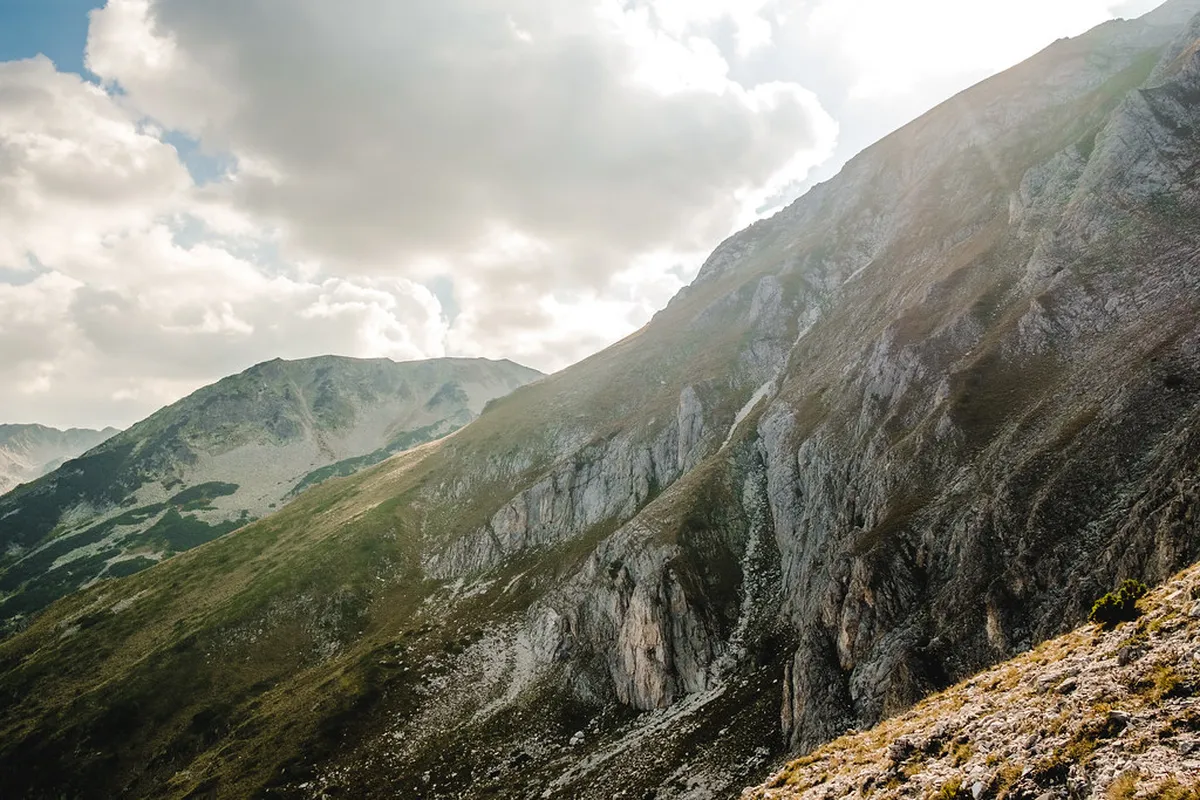
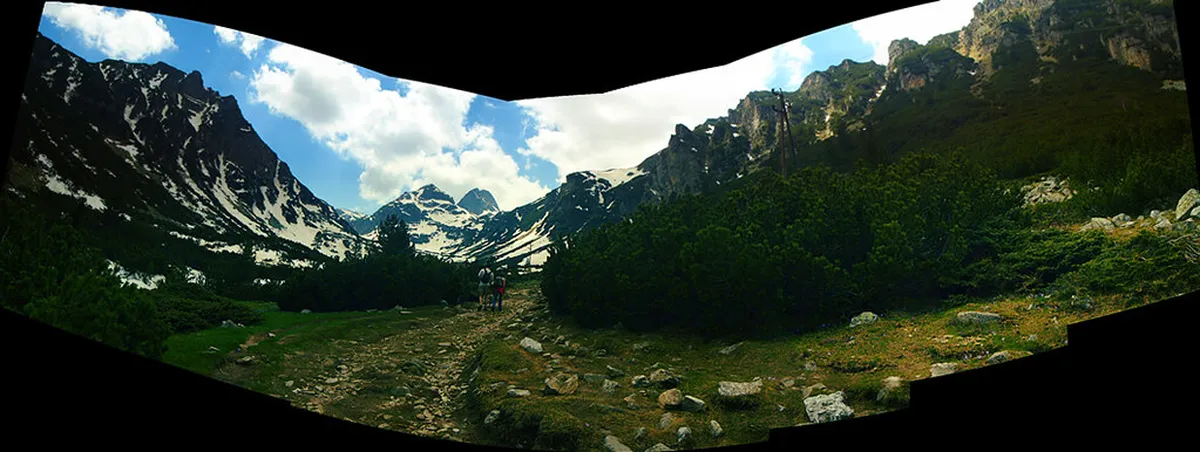
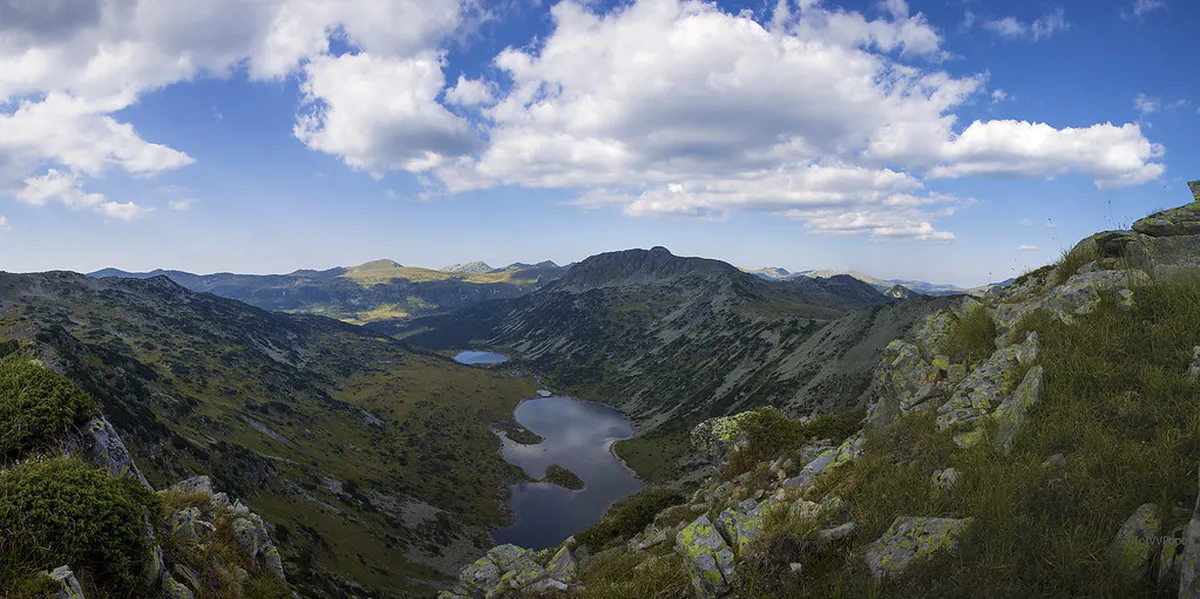
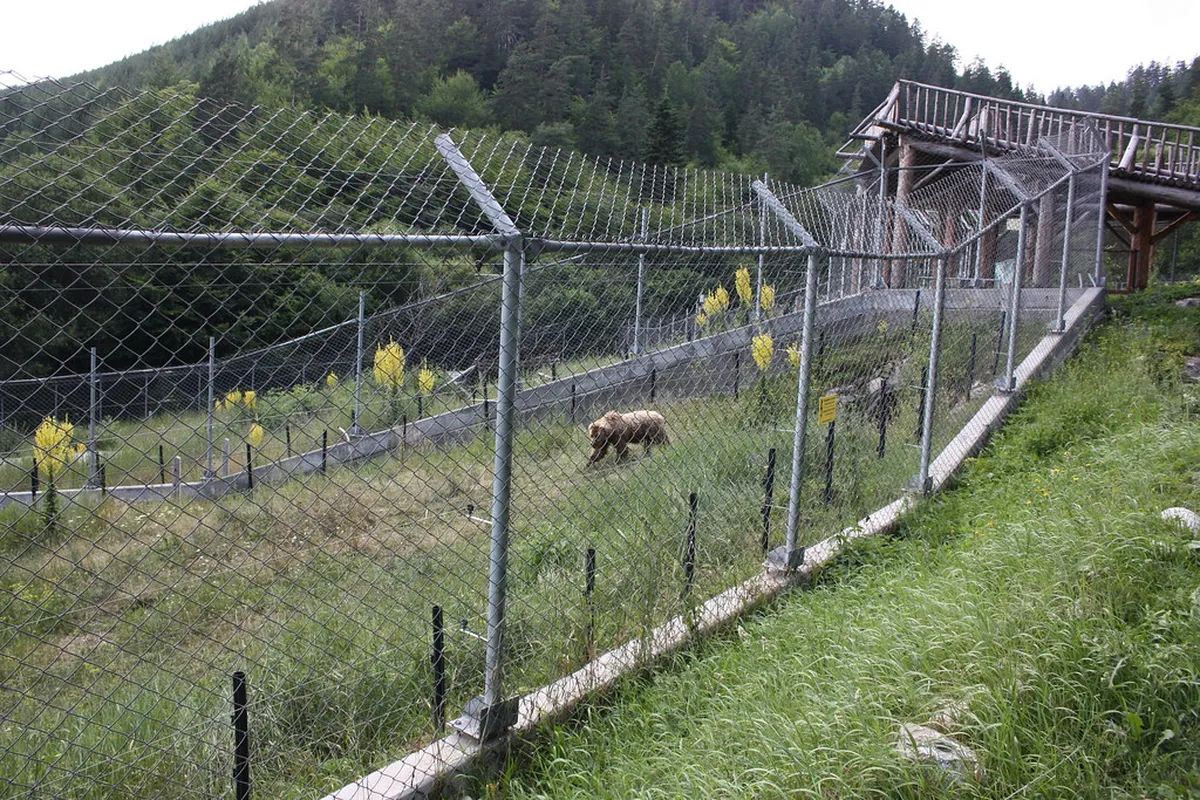
Here's a preview of the forest paths and bears you'll encounter on the tour:
The park sits high above sea level and provides a natural habitat for bears that cannot survive in the wild. Managed by the FOUR PAWS organization, the site focuses on animal welfare and educational outreach. You will find the location both moving and beautiful as you walk through the pine forests. Planning ahead is essential because the park follows strict rules to protect the resident bears.
Know Before You Go: Quick Facts
Here is the essential information for a 2026 visit before you dig into the full details below.
- Location: Andrianov Chark, Rila Mountains, about 35 km from Bansko (22 km to Belitsa, then 12.4 km up the mountain road)
- Season: open April through November; closed December to March for bear hibernation, with no winter access
- Hours: 12:00-18:00 (Apr-Jun); 10:00-12:00 and 13:00-18:00 (Jul-Aug); 13:00-18:00 (Sep-Nov); last guided tour departs 17:30
- Entry: EUR 8.00 adults, EUR 2.50 ages 7-18, free under 6 and for visitors with disabilities, cash only
- Access: guided tours only, departing roughly every 30 minutes - no self-guided walking
- Road: mostly paved, with a rougher final stretch near the park; ordinary cars manage it at a careful pace
The History and Mission of BEAR SANCTUARY Belitsa
The practice of using bears for entertainment has a long and difficult history of dancing bears in Europe, stretching back to medieval street performers. In Bulgaria, traditional trainers known as Mechkadari took cubs from their mothers and controlled them with a metal ring through the nose, forcing a shifting-weight "dance" that had nothing to do with music and everything to do with pain. Bulgaria formally banned the practice in 1993, but strays from the old system kept surfacing for years afterward. The FOUR PAWS Sanctuary Page documents how the organisation, with the Brigitte Bardot Foundation, tracked down and rehomed Bulgaria's last dancing bears between 2000 and 2007, closing the final chapter on the trade.
One case shows why the rescue work mattered even after the ban. A bear later named Monti was found in 2012 confined to roughly 9 square metres of concrete room inside a hotel in Ruse, kept as a novelty for guests rather than as a street performer in the old sense - proof the trade kept resurfacing well after 1993.
The sanctuary opened in November 2000 in the Adrianov Chark area, chosen for its altitude of 1,200 to 1,345 metres and its mix of old-growth forest and open meadow - close to a brown bear's natural range. Three enclosures for the first rescued bears grew to seven sectors across 12 hectares as more arrived, including transfers from Serbia and from Bulgarian zoos and private owners. The site was renamed BEAR SANCTUARY Belitsa in 2022, reflecting its current purpose: rehabilitation, not a show built around the old trade.
How to Get to the Dancing Bears Park from Bansko and Sofia
The usual route starts in Bansko. Drive to Belitsa first, about 22 km on a well-paved road, then follow the signed mountain road for a further 12.4 km up to Andrianov Chark. That final stretch used to be unpaved for its entire length; today only the last couple of kilometres remain unsurfaced, with the rest asphalted. An ordinary rental car handles it fine at a careful pace, but low-clearance cars should go slower still or switch to a taxi at Belitsa.
From Sofia, budget roughly two and a half to three hours of driving each way. If you would rather not drive, the narrow-gauge railway between Septemvri and Dobrinishte stops at Belitsa station; from there you will need a taxi for the final 12.4 km. Agree the fare before you set off - it is a private trip, not a metered ride.
Weigh the three main options against how much time and flexibility you want.
- Self-drive
- Time: 45-60 minutes from Bansko
- Cost: fuel only
- Road: mostly paved, short rough final stretch
- Flexibility: highest - add Stankov Waterfall or Belitsa town at your own pace
- Guided tour from Bansko
- Time: 4-5 hours door to door
- Cost: roughly EUR 31-51 (60-100 BGN) per person
- Includes: transport and entrance
- Effort: lowest - no navigating required
- Train plus taxi
- Time: variable, plan for a half day
- Cost: train fare plus a private taxi fare for the final 12.4 km
- Best for: travellers without a rental car who don't mind arranging transfers
Guided Tours and Information Centre Logistics
You cannot walk the enclosure paths unaccompanied - every visit is a guided tour, departing roughly every 30 minutes from the main gate (stretching to 60 minutes in quieter shoulder months). The tour is included in your entrance fee, though larger groups planning a private slot should contact the sanctuary in advance. Guides work in Bulgarian and English and share the individual rescue story of each bear you pass, not just general facts.
The Information Centre, built to resemble an ark, is where every visit starts and ends. Before setting out you will usually watch a short documentary on how dancing bears were historically trained - candid rather than graphic, and it explains why guides handle each bear's backstory with care. The centre also holds a small gift shop, restrooms, and a viewing deck over the forest and surrounding peaks.
Arrive at least 15 minutes before your tour slot. Parking sits close to the Information Centre, generally within 500 metres, but coaches must park further out and walk roughly 30 minutes to the gate, since the access road narrows near the entrance.
What to Expect: A Walk Through the Park
The guided route covers about 1 km through the sanctuary's forested sectors, secured behind more than 3,300 metres of perimeter fence and over 26,000 metres of electric wire keeping bears and visitors safely apart. The path starts downhill between enclosures - loose gravel and a handrail in places, easy underfoot but worth watching your step - before climbing the final 500 metres back to the Information Centre. If anyone in your group has limited mobility, mention it to staff before you start: the sanctuary keeps a small off-road vehicle on hand to ferry visitors who cannot manage the uphill return.
Among the roughly two dozen bears living at the sanctuary, some have stories guides return to often - Monti, the Ruse hotel bear; an older matriarch whose fur and features still show the marks of her years as a dancing bear; and younger arrivals who show almost none of the pacing and swaying that marks long-term trauma in older residents. None of it is staged - the bears choose whether to come near the fence, forage, or stay deep in the trees, so no two visits look the same.
Keepers scatter each day's food through the sectors rather than placing it in bowls, so bears spend real time foraging - digging, flipping logs, working at feeders - much as they would in the wild. Look for shaded tree lines in early afternoon, when bears nap through the hottest hours, and check the ponds, which see regular use on warm days.
Visitor Rules and Park Restrictions
Flash photography is banned throughout the sanctuary, and it helps to understand why rather than just follow the rule: bears have far more light-sensitive eyes than humans, and a sudden flash at close range can startle an animal whose baseline stress response was shaped by years of abuse. The same logic covers loud voices or banging on the fence - all of it reads as a threat rather than curiosity. Shoot in natural light, keep your voice down, and let the bear decide whether to approach.
Feeding is never permitted, even fruit or vegetables that seem harmless - keepers manage each bear's diet individually, and outside food can undo months of nutritional rehabilitation. Keep snacks zipped away rather than in a visible pocket. Littering, smoking outside the designated area near the entrance, and bringing pets into the sanctuary are prohibited for the same reason: the site exists for the bears' recovery first.
Stay on the marked path for the whole tour - it protects both the vegetation and the electric fence line, and guides will ask a group to move on if it lingers too long at one viewpoint. None of this feels restrictive once you understand why the rules exist.
Best Time to Visit and Opening Hours
BEAR SANCTUARY Belitsa is open to visitors from April through November only. From December to March the park closes completely so the bears can hibernate undisturbed - there is no winter viewing option, a detail some older guides gloss over. Hours shift by season: 12:00-18:00 in April, May and June; a split schedule of 10:00-12:00 and 13:00-18:00 in July and August, when the midday closure lets bears rest through the heat; and 13:00-18:00 from September through November. The last guided tour always departs at 17:30.
Late spring (May-June) and early autumn (September) tend to bring the most active bears and the most comfortable walking conditions. In July and August, aim for the 10:00 slot or the later afternoon after 15:00, since many bears nap through early afternoon - exactly when the sanctuary closes for its midday break.
Whenever you go, pack for mountain weather: at 1,345 metres, mornings and evenings can be noticeably cooler than Bansko even in July. Weekdays are quieter than weekends, and September pairs good bear activity with thinner crowds.
Entrance Fees and Supporting the Bears
Entry costs EUR 8.00 for adults and EUR 2.50 for children and teens aged 7 to 18; children six and under, along with visitors with disabilities, get in free. Groups of nine or more pay a reduced EUR 5.00 per adult and EUR 2.00 per child - useful for an extended family or a Bansko-based operator booking. Tickets are sold only at the kiosk by the Information Centre and only for cash - there is no card reader at the gate.
The euro pricing is a recent change worth flagging, since older write-ups still quote fees purely in leva. Bulgaria completed its transition to the euro at the start of 2026, and admission prices now list in EUR first, with the BGN-equivalent shown at the fixed conversion rate the country used throughout its currency-board years - 1.95583 BGN per euro - which is why the figures above line up so precisely (EUR 8.00 is 15.65 BGN; EUR 2.50 is 4.89 BGN). Leftover BGN cash from an earlier trip is still accepted at that same rate.
Every euro at the gate goes toward real running costs: bear nutrition, veterinary care, and upkeep of more than 3,300 metres of perimeter fence. Beyond the ticket price, FOUR PAWS accepts donations through its Donation Link, including symbolic bear "adoptions" with periodic updates on that bear's progress. The sanctuary also employs local staff from Belitsa, so a visit supports the town economy too.
Nearby Attractions: Stankov Waterfall and Belitsa Town
Stankov Waterfall makes an easy add-on once your tour finishes. It is a roughly 400-metre walk from the BBQ restaurant near the car park, along the Stankova River, to an 8-metre drop in dense forest - a good spot for a packed lunch before the drive back. Bring proper shoes; the path is unpaved and can be muddy after rain even in summer.
For visitors who want to walk further, the wider Belitsa area sits on several marked eco-trails of easy-to-moderate difficulty, popular with families extending their day beyond the sanctuary tour. None adds serious elevation, and each loops back near the car park, so you can pick one based on how much time is left.
The town of Belitsa itself is a quieter alternative to touristy Bansko Old Town Visitor Guide - a small central square, a local history museum, and taverns serving unhurried mountain food. Combine the sanctuary with a short hike in nearby Pirin National Park Visitor Guide for a fuller day out, and budget extra driving time back since the mountain road has no lighting after dark.
Continue planning: Use Bansko Attractions: Top 8 Things to Do in Bansko to connect this guide with the rest of your Bulgaria itinerary.
Frequently Asked Questions
How do I get to Dancing Bears Park from Bansko?
The sanctuary sits about 35 km from Bansko — roughly a 45-60 minute drive. Head to the town of Belitsa, then follow the signed 12.4 km mountain road up to the Andrianov Chark area (mostly asphalt, with a rougher final stretch). There is no public transport to the gate, so drive, take a taxi, or join an organised excursion from Bansko.
How much does entry to the bear sanctuary cost?
Adults pay EUR 8.00 (15.65 BGN), children and teens aged 7-18 pay EUR 2.50 (4.89 BGN), and children 6 and under plus visitors with disabilities enter free. Groups of nine or more get reduced rates of EUR 5.00 per adult and EUR 2.00 per child. Bring cash — tickets are paid at the sanctuary entrance.
When is Bear Sanctuary Belitsa open?
The visitor season runs April to November. Hours are 12:00-18:00 in April-June, 10:00-12:00 and 13:00-18:00 in July-August, and 13:00-18:00 in September-November, with the last tour starting at 17:30. From December to March the park closes to visitors while the bears hibernate.
What is the best season to visit the bear park?
Late spring through early autumn is ideal. In May, June, and September the bears are active for long stretches of the day; in high summer they often retreat into shade at midday, so the morning window (July-August, from 10:00) or late afternoon gives better sightings. Winter visits are not possible as the sanctuary closes during hibernation.
Are visits guided?
Yes. Visitors walk the viewing paths on guided tours that leave roughly every 30 minutes and last 30-40 minutes, run in Bulgarian and English. Guides explain each bear's rescue story and the history of the dancing-bear practice that the sanctuary ended.
How much time should I plan for the visit?
Plan about 1.5 hours on site — the guided walk plus time at the information centre and viewpoints. With the drive from Bansko it makes a comfortable half-day trip, easy to pair with an afternoon in Bansko's old town or a stop in Belitsa.
Will I definitely see bears?
The bears roam seven large forested enclosures across 12 hectares, so sightings are very likely near the feeding zones and ponds but never guaranteed — this is a sanctuary, not a zoo, and the animals choose where to be. Cooler hours improve your odds, and binoculars help spot bears resting between the pines.
Are there still dancing bears in Bulgaria?
No. FOUR PAWS and the Fondation Brigitte Bardot rescued Bulgaria's last dancing bears in 2007, ending the practice, and the sanctuary later took in the last dancing bears in the wider Balkans. Because no dancing bears remain, the park was renamed Bear Sanctuary Belitsa in 2022, though many visitors still know it by its original name.
A visit to the BEAR SANCTUARY Belitsa is a highlight for any traveler in Bulgaria. It combines stunning mountain scenery with a powerful message about animal rescue. By following this dancing bears park belitsa visitor guide, you can ensure a smooth and ethical trip. Take the time to appreciate the work being done to give these bears a second chance.
The sanctuary stands as a symbol of hope and progress for wildlife in the Balkans. Whether you are staying in Bansko or Sofia, the journey is well worth the effort. Your support helps maintain this vital refuge for years to come. We hope you enjoy your peaceful walk through the Rila Mountains with the bears.
To verify current details, consult the Dancing Bears Park Belitsa on Wikipedia.
For more Bansko planning, read our Bansko Itinerary: 10 Essential Sections for Your Trip guide.