Despot Slav Fortress (St. Nicholas Fortress) Visitor Guide: 6 Essential Tips
The Despot Slav Fortress stands as a silent guardian over the smallest town in Bulgaria. Visitors often climb the St. Nicholas plateau to witness these medieval ruins and the surrounding landscape. This historic site offers a glimpse into the 13th-century Melnik Despotate and its powerful ruler. Exploring these ruins is a highlight of any Melnik travel guide for history lovers.
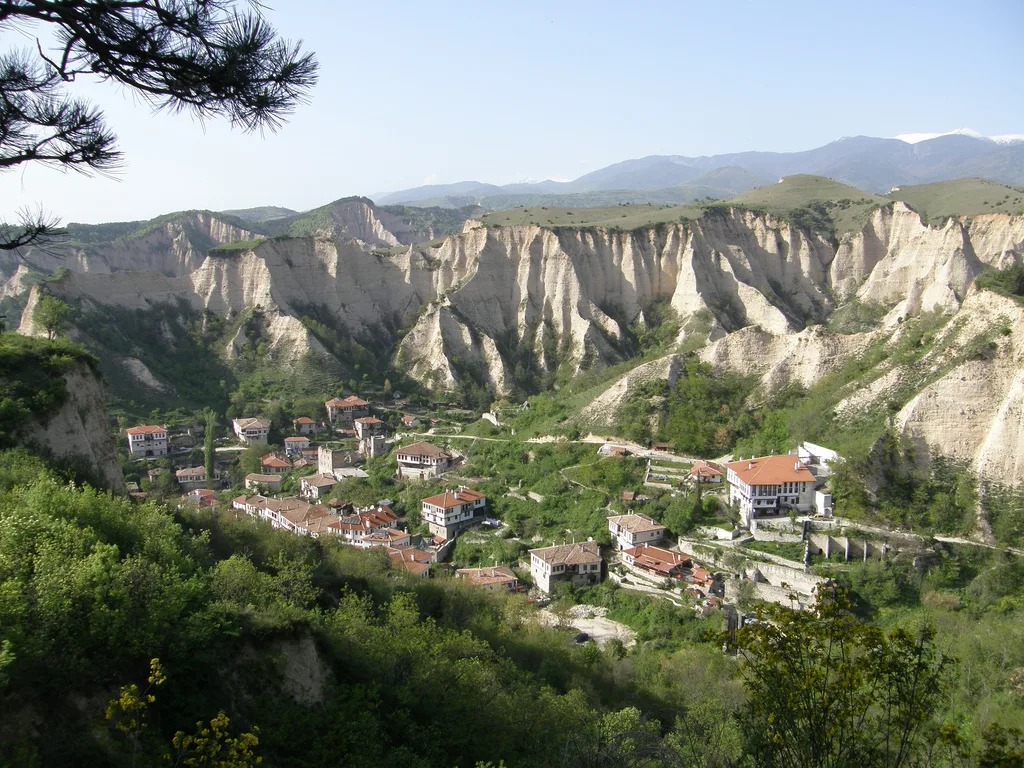
The fortress remains are perched high above the town on a dramatic sandstone cliff. Reaching the top requires a short but steep hike through the iconic Melnik scenery. You will find ancient walls, ruined churches, and some of the best views in the country. This guide provides everything you need to know for a successful visit in 2026.
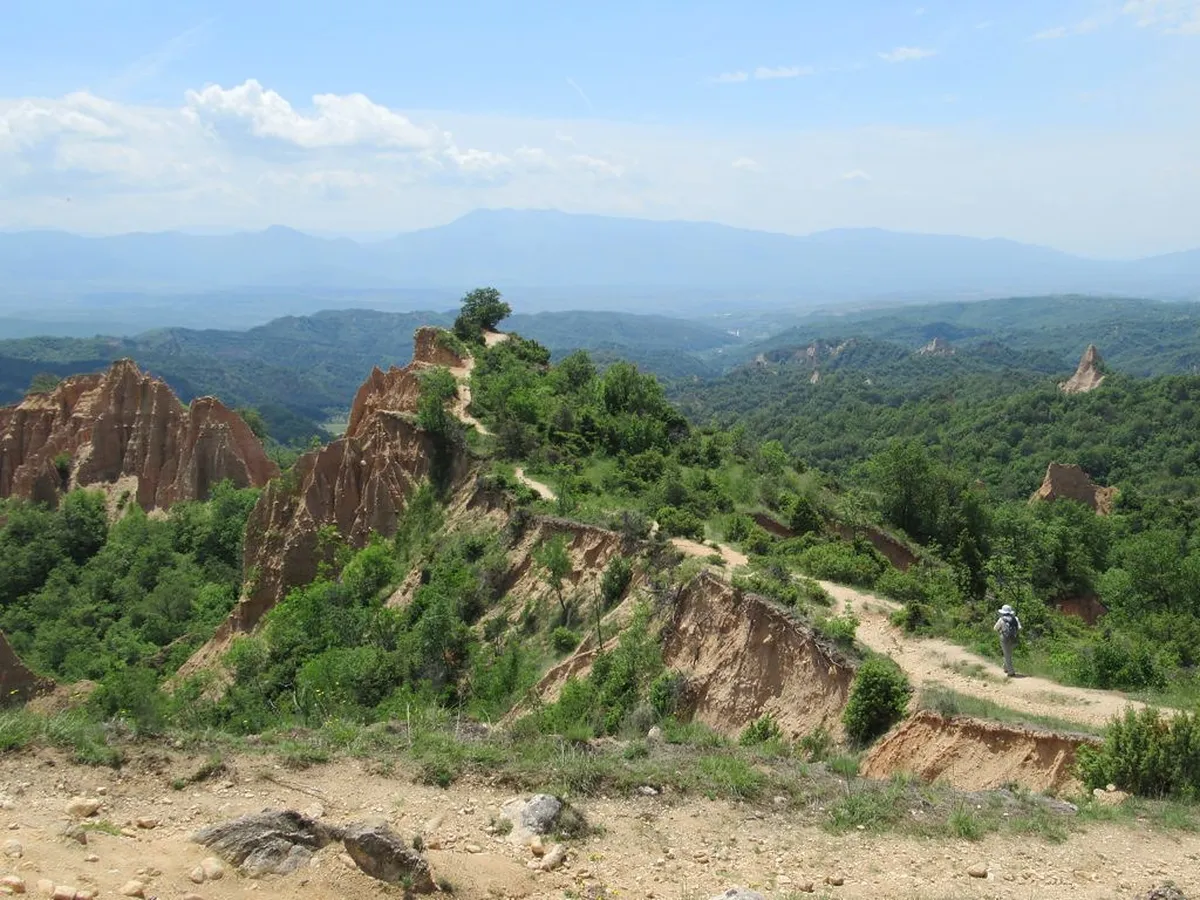
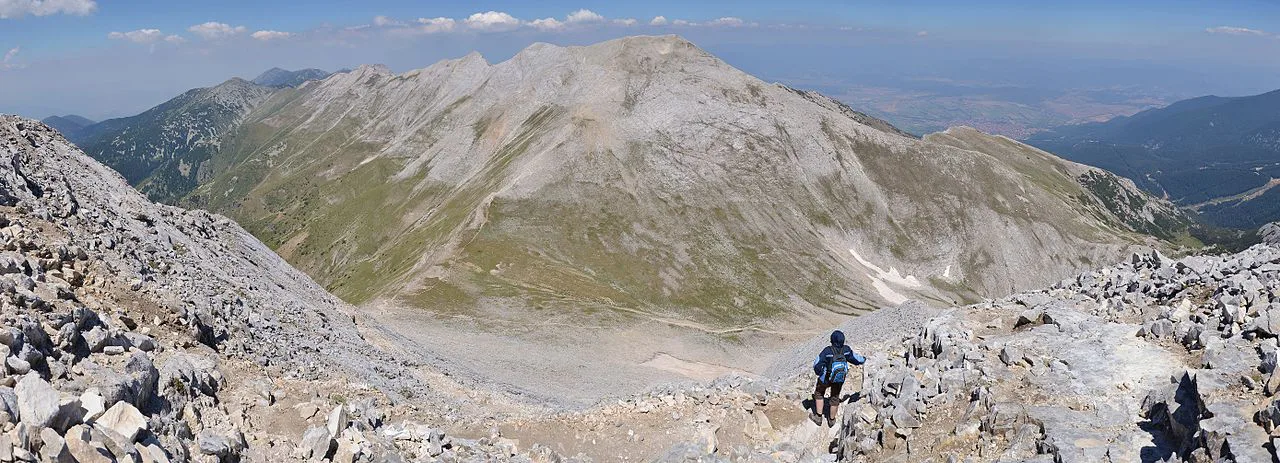
Here's a visual tour of the fortress ruins and the surrounding plateau to preview the site:
History of the Despot Slav Fortress and Melnik
The history of the St. Nicholas plateau begins long before its medieval walls were built. Thracian communities in the region treated the exposed sandstone ridge as a holy place, drawn to its commanding position above the Struma valley. By the 5th and 6th centuries, Byzantine builders had converted the plateau into a working fortification, relying on the near-vertical cliffs to make full stone walls unnecessary on three sides. That natural defense is a large part of why the site later mattered so much to a ruler looking to break away from Constantinople.
Despot Alexius Slav was a prominent noble during the Second Bulgarian Empire era. Around 1209 he broke from the central government and made Melnik the capital of his own feudal principality. Between roughly 1215 and 1218 he had the St. Nicholas fortress fully reconstructed and expanded, adding new gates, residential quarters, and churches to match his growing power. The ruins visible today date largely from this rebuilding, the peak of the Despotate's wealth and independence.
At its height the fortress covered an estimated 3,000 square meters, packed with homes, water cisterns, and several richly decorated churches serving the hilltop garrison and nobility. Much of that upper structure did not survive into the modern era: a major earthquake in the early 20th century brought down large sections of the walls, and only fragments up to about 10 meters tall still stand. Knowing the scale of that collapse helps set expectations before the climb — this is a genuine archaeological ruin, not a restored castle, though the surviving stonework is still impressively thick up close.
Key Features: The St. Nicholas Plateau and Ruins
The architectural layout of the fortress is unique due to the narrow shape of the plateau. Builders followed a navicular plan, meaning the walls trace the hull-like curve of the ridge rather than a regular polygon. This design maximized the usable space on the uneven sandstone surface and made the fortification difficult for attackers to scale or surround from more than one side.
The most distinctive defensive feature is the trigonal, or triangular, forehead built into the main approach, backed by a moat that once ran along the front of the site. Two gated entrances controlled access: the main southwest gate near the base of the climb, and a second gate to the southeast in an area locals still call "Klyuch," meaning "the key." Each gate was flanked by a pair of towers, letting defenders cover the approach from multiple angles at once — a detail that explains why the Despotate could hold this position for as long as it did.
The ruins of the St. Nicholas church are another major highlight for modern visitors, and are considered the oldest and largest Christian church associated with Melnik. It once held vibrant frescoes and floor mosaics, though little of the roof or decoration has survived. The foundations still show the building's original scale clearly enough to picture the daily life of the medieval nobility who worshipped there.
How to Get There: Hiking from Melnik Center
Reaching the ruins requires a hike that starts near the center of Melnik town. The most popular trail begins close to the cluster of old wine cellars in the upper village, where small signs point toward the St. Nicholas plateau and the fortress. The path is well-worn but narrows in places as it climbs.
Budget 20 to 30 minutes depending on your pace, and treat it as a moderate climb rather than a casual stroll — it is a single, mostly unbroken ascent on soft, loose sandstone with almost no shade along the way. Take it slowly on the steepest stretches and use the wooden benches placed along the route for breaks. If you are navigating by GPS, the ruins sit at roughly 41.519°N, 23.391°E, directly on the ridge above the town center.
As you climb higher, views of the town below begin to open up. You will pass smaller ruins and old stone steps carved into the hillside before the trail levels out onto the wide plateau, which leads directly to the fortress entrance.
Practical Visitor Information (Hours & Accessibility)
One of the best things about visiting this site is that access is completely free, with no gates or ticket booths, so you can visit at any time. It is safest to explore during daylight hours given the unprotected cliff edges. Check the Municipality of Sandanski (Official Tourism Portal) for any local travel updates before you go.
Parking is not available at the fortress itself, since the site is pedestrian-only and reached solely on foot. Leave your vehicle in one of the public parking lots in Melnik and walk from there; keep some Bulgarian leva on hand for parking fees in town.
There are no restrooms, refreshment stands, or drinking water anywhere on the plateau, so plan accordingly before you start climbing. The site is not accessible for people with limited mobility or wheelchairs — the trail is natural, uneven, and requires climbing several steep, rocky sections. Sturdy hiking shoes are essential, and parents should keep children close, since the plateau has many unprotected drops.
Best Time to Visit for Views and Photography
The St. Nicholas plateau is the single best vantage point for the Melnik Sandstone Pyramids (Melnik Earth Pyramids) Visitor Guide, since it looks straight down over the formations rather than up at them from the valley floor. Photographers should aim for the summit during golden hour before sunset, when the low sun casts long shadows and turns the sandstone a deep orange-gold.
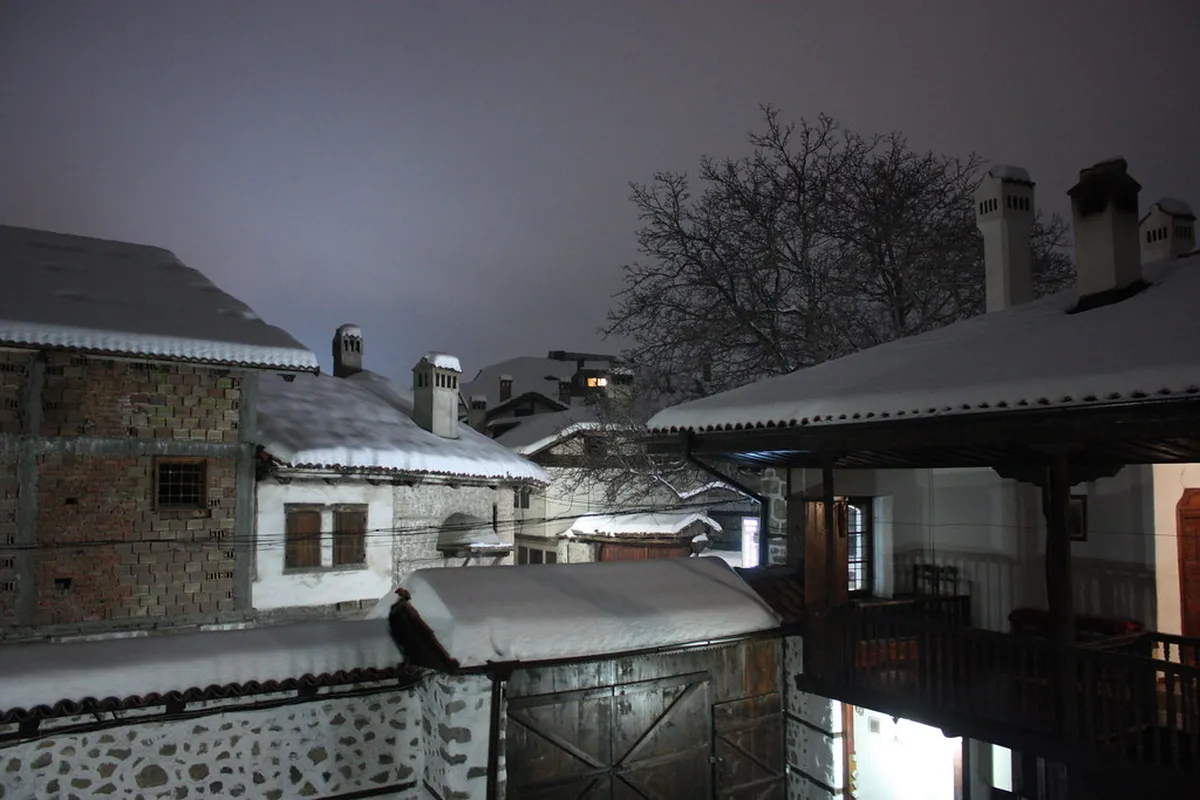
Spring and autumn are the most comfortable seasons for the climb. Summer temperatures here can pass 35°C by midday, so if you visit in July or August in 2026, start the hike before 08:00. Winter can be striking, but the sandstone paths turn muddy and dangerous after rain, so check conditions before you go.
If sunset crowds put you off, an early sunrise visit is a good alternative: the trail is cooler, quieter, and the eastern light picks out a different set of ridges on the pyramids than the evening shots most visitors bring home. Bring a wide-angle lens for the full panorama of the Pirin Mountains behind the ruins, and set aside at least an hour on the plateau — most travelers end up staying far longer than planned just to take in the silence.
Essential Tips for Exploring the Melnik Region
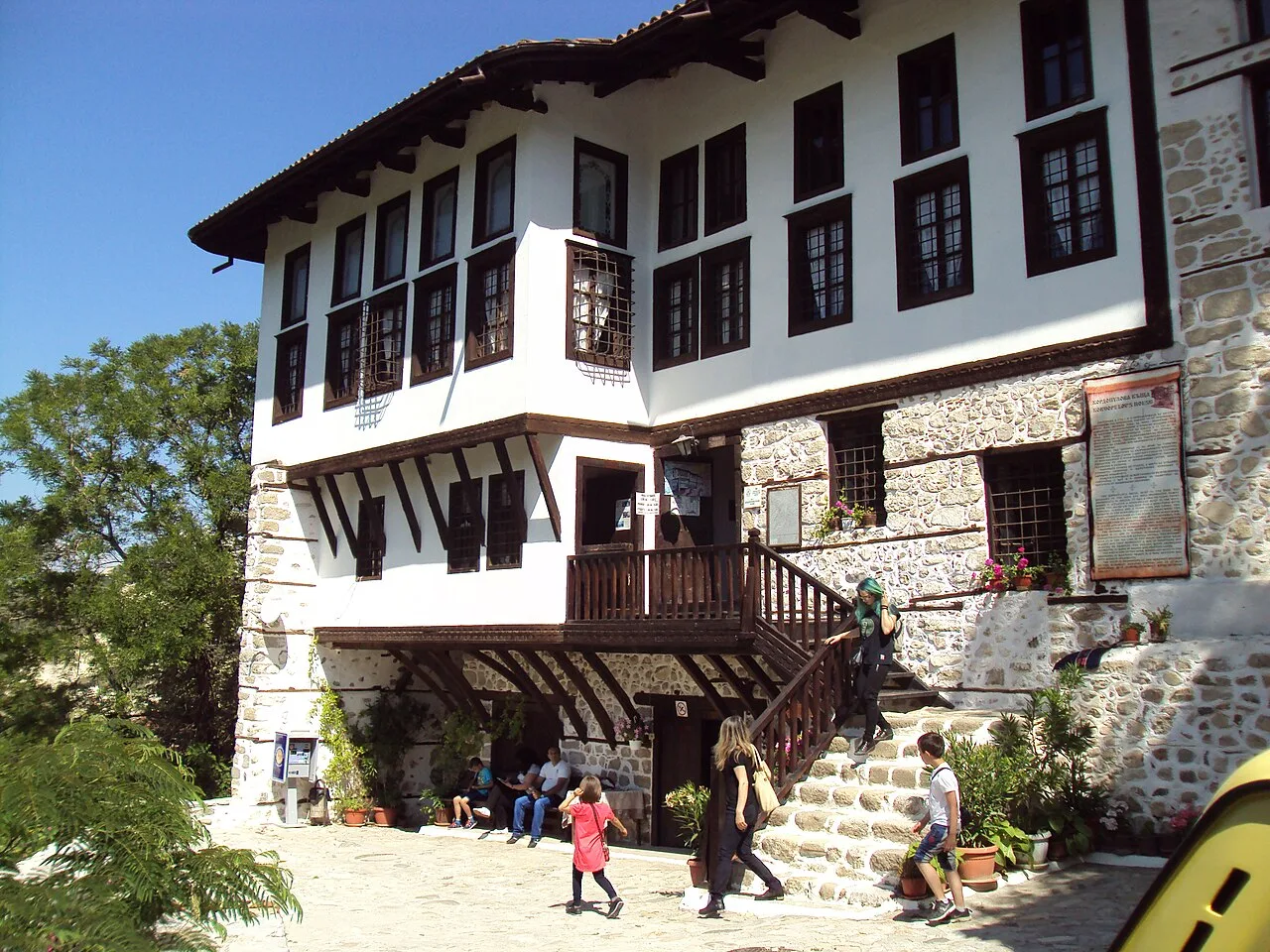
Exploring the fortress is just one part of a great trip to this corner of Bulgaria. The surrounding area is filled with cultural landmarks that are easy to reach on foot or by a short drive. You can combine your hike with a visit to the Kordopulov House Visitor Guide, an 18th-century mansion that showcases the wealth of Melnik's historic wine merchants, or continue on to the peaceful Rozhen Monastery (Nativity of the Mother of God) Visitor Guide, one of the few medieval monasteries in Bulgaria to keep its original look.
Each of the three sites offers a different view, which is worth knowing before you plan your day. The fortress ridge gives the widest, highest panorama — pyramids, valley, and the whole town in one sweep — but it costs you the steep climb. Kordopulov House's wooden veranda looks over the vineyards and the edge of the pyramids at a fraction of the effort, with no hike required. Rozhen Monastery's courtyard trades the pyramid view for a framed outlook onto the Pirin foothills, and is the easiest of the three for visitors with limited mobility to reach.
Following these six essential tips will help you have a safe and memorable visit in 2026.
- Wear sturdy hiking boots — the sandstone path is loose and slippery in places, and solid ankle support makes the descent much safer.
- Carry at least one liter of water per person, especially in summer, since nothing is sold once you leave the town center.
- Time your visit for golden hour before sunset for the best light on the sandstone pyramids, or go at sunrise for a quieter, cooler climb.
- Follow the marked trail from the upper village and watch for the red or white markers, staying well back from the unprotected cliff edges.
- Respect the ruins: stay on the paths, do not climb on the walls, and pack out anything you bring with you.
- Combine the fortress with the Kordopulov House and Rozhen Monastery for a full day exploring Melnik's medieval heritage.
Continue planning: Use Melnik Attractions: Things to Do in Bulgaria's Smallest Wine Town to connect this guide with the rest of your Bulgaria itinerary.
Frequently Asked Questions
Is the Despot Slav Fortress free to visit?
Yes. The fortress is an open-air ruin on the hill above Melnik with no ticket office, gate or admission fee, so you can walk up and explore it freely at any time.
How do I hike up to the fortress?
A footpath leads from Melnik up the St Nicholas hill to the ruins. It is a short but steep walk of roughly 15-20 minutes on uneven ground, so sturdy shoes are recommended and it is not suitable for visitors with restricted mobility.
What can you see from the Despot Slav Fortress?
From the ridge you get a wide panorama over the town, the surrounding Melnik sandstone pyramids and the valley of the Struma river, which makes it one of the best viewpoints in the area, especially at sunset.
Who was Despot Alexius Slav?
Alexius Slav was a medieval Bulgarian ruler and a descendant of the Asen dynasty. In 1209 he made Melnik the capital of an independent feudal principality, and during his reign (roughly 1208-1230) the hilltop fortress was fully reconstructed and expanded.
What remains of the fortress today?
Once covering about 3,000 square metres, the fortress is now largely ruined; a few wall sections up to around 10 metres high survive. Much of the structure collapsed during a major earthquake in the early 20th century.
Are there opening hours or an entrance fee?
No. As an unfenced archaeological ruin the site has no set hours and no charge. It is best explored in daylight for safety and for the views over the pyramids and valley.
Is it a difficult climb?
It is a moderate uphill walk on a rocky, uneven trail. The climb is manageable for most reasonably fit visitors but can be slippery after rain, so take water and proper footwear.
What else is on the St Nicholas hill?
Alongside the fortress walls you can see the remains of the medieval Church of St Nicholas and the ruins of small monasteries and chapels that once formed part of Melnik's religious and administrative heart.
The Despot Slav Fortress is a must-see destination for anyone visiting the Sandanski region. It combines fascinating medieval history with some of the most dramatic natural views in Bulgaria. The hike is steep and the site is a genuine ruin rather than a restored monument, but the reward at the top, and the view over the sandstone pyramids, is well worth the effort.
Bring your camera and plenty of water, since there is none to buy on the way up. Respecting the historical site, staying on marked paths, and packing out your trash help ensure these ancient walls remain for future generations. Enjoy exploring Melnik's medieval heritage on your 2026 trip — this small town holds a genuinely big adventure for those willing to climb its historic heights.
For more Melnik planning, read our Melnik Wine: Guide to Bulgarian Varietals & Wine Country guide.
Pair your visit with the Melnik Museum of Wine to go deeper on the town's winemaking tradition.
For authoritative information, refer to the Despot Slav Fortress (St. Nicholas Fortress / Melnik Fortress ruins) official site and Despot Slav Fortress (St. Nicholas Fortress / Melnik Fortress ruins) on Wikipedia.