Monument to the Asen Dynasty (Asenevtsi) Visitor Guide
The Monument to the Asen Dynasty stands as a powerful symbol of Bulgarian pride in central Veliko Tarnovo. Located on a scenic peninsula surrounded by the Yantra River, this massive memorial honors the kings who built the Second Bulgarian Empire. Travelers visiting Veliko Tarnovo often find this site to be the most striking landmark in the city skyline. This comprehensive guide will help you navigate the history and practical details of visiting this iconic attraction.
For a tour of the monument plaza and its setting, watch this video:
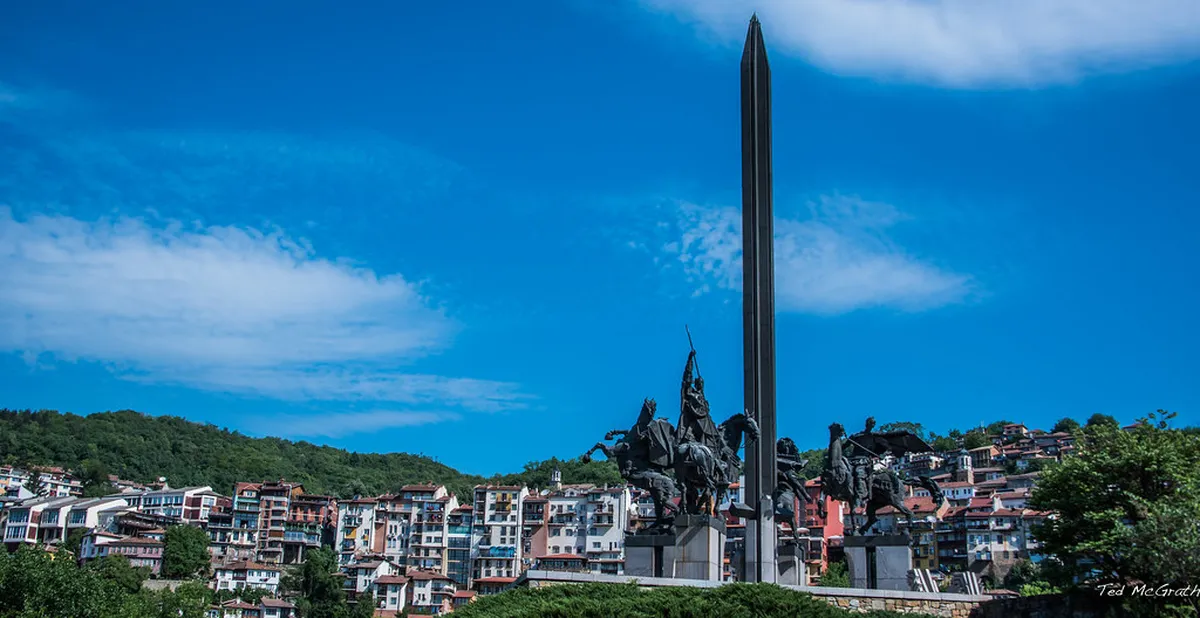
Known locally as Asenevtsi, the monument was built to celebrate the 800th anniversary of the uprising against Byzantine rule. It features four legendary tsars surrounding a giant sword that pierces the sky. Whether you are a history buff or a photography enthusiast, the site offers some of the best views in the region. Planning a visit here is easy and rewarding for any traveler exploring Northern Bulgaria.
History and Significance of the Asenevtsi Memorial
The monument commemorates the 1185 uprising led by the brothers Peter and Asen. This rebellion successfully ended nearly two centuries of Byzantine dominance and restored the Bulgarian state. The city of Veliko Tarnovo served as the glorious capital for this new empire for many years. Official records at Velikoturnovo.info note that the memorial was inaugurated in 1985.
Construction was completed in just one year to meet the deadline for the 800th anniversary celebrations. The project required a massive team of architects and sculptors to realize the ambitious design. It remains one of the most significant modern monuments dedicated to medieval Bulgarian history. Today, it serves as a central gathering point for national celebrations and cultural events.
The historical weight of the site resonates with locals who see it as a symbol of freedom. Every element of the design reflects the strength and resilience of the Asen dynasty. Visitors can feel the grandeur of the medieval era while standing at the base of these towering figures. It provides a necessary context for understanding the nearby Tsarevets Fortress Visitor Guide and the city's royal past.
The Four Kings: Architecture and Symbolism
The memorial features four distinct statues representing the most influential rulers of the Asen line. Each king is depicted with specific items that highlight their unique contributions to the empire. Sculptor Krum Damyanov led the creative team to ensure each figure felt dynamic and powerful. You can see more detailed views of these statues in travel videos on Youtube.com to prepare for your trip.
Tsar Peter and Tsar Asen are shown as the primary catalysts of the great rebellion. Tsar Kaloyan is often recognized by his fierce military stance and battle axe. Finally, Tsar Ivan Asen II represents the golden age of Bulgarian diplomacy and territorial expansion. The statues are mounted on granite pedestals that stand seven meters high above the ground.
The total height of the bronze compositions reaches an impressive 15 meters. This scale ensures the kings remain visible from almost every high point in the Old Town. Their placement around the central sword suggests a unified defense of the Bulgarian crown. Studying these figures closely reveals the intricate details of medieval weaponry and royal attire.
- Tsar Peter (The Elder Brother)
- Iconography: Sword and royal cape
- Significance: Co-leader of 1185 uprising
- Rule: 1185 to 1197
- Vibe: Wise and determined leader
- Tsar Asen (The Bold Strategist)
- Iconography: Sword and powerful horse
- Significance: Primary military commander
- Rule: 1185 to 1196
- Vibe: Energetic and brave warrior
- Tsar Kaloyan (The Empire Builder)
- Iconography: Large battle axe
- Significance: Defeated the Latin Empire
- Rule: 1197 to 1207
- Vibe: Formidable and stern conqueror
- Tsar Ivan Asen II (The Diplomat)
- Iconography: Cross and long spear
- Significance: Reached three seas
- Rule: 1218 to 1241
- Vibe: Sophisticated and successful ruler
Why the Asenevtsi Monument is a Must-Visit
Visiting this site offers a different perspective than the traditional stone ruins of Tsarevets. The monument provides a modern artistic interpretation of the city's medieval soul. It is one of the few places where you can stand eye-to-eye with the legends of the Second Bulgarian Kingdom. The open space around the statues allows for a peaceful break from the narrow cobblestone streets.
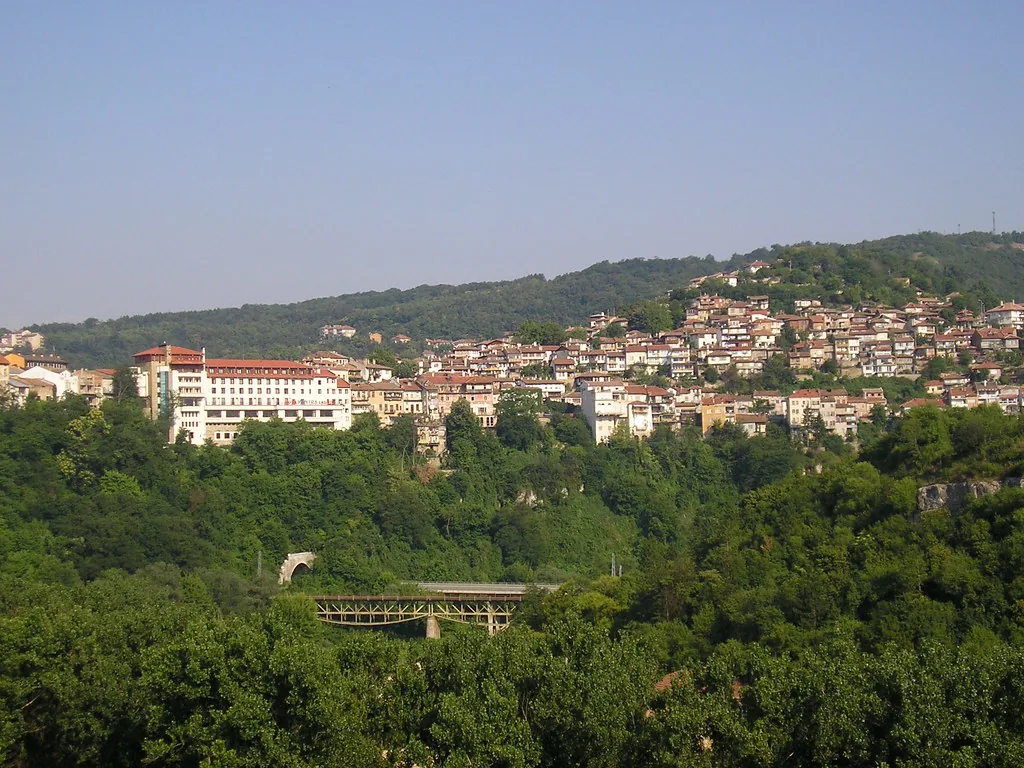
Photographers consider this the best spot to capture the famous "amphitheater" layout of the city. The houses of Veliko Tarnovo appear to stack on top of each other from this low river vantage point. It is also an excellent location to watch the Sound and Light show for free in the evenings. The surrounding park offers shade and benches for travelers who need a moment to rest.
The site is listed on Atlasobscura.com for its unique Brutalist aesthetic and historical depth. It bridges the gap between the ancient past and the modern identity of the Bulgarian people. Many visitors find the sheer scale of the 33-meter sword to be quite humbling. It remains a top-rated attraction for anyone exploring the cultural heart of the Balkans.
How to Get There: Crossing the Stambolov Bridge
Reaching the monument is an experience in itself thanks to the Stambolov Bridge. This historic steel bridge connects the main town to the isolated peninsula. As you walk across, the monument slowly "grows" in size against the backdrop of the cliffs. The bridge is pedestrian-only, making it a safe and scenic route for all ages.
Most visitors start their walk from the Samovodska Charshia Visitor Guide market area. Follow the signs leading down toward the Yantra River from the main shopping street. The descent involves some stairs, so wear comfortable walking shoes for the journey. You will pass several small cafes and craft shops on your way to the bridge entrance.
If stairs are a problem, skip the market descent and take the paved riverside road that loops down from the Asenova quarter instead. It reaches the plaza at bridge level without a single step, which matters for wheelchair users, strollers, and anyone visiting after rain, when the Charshia cobblestones get slick. Local taxis use this same route and can drop passengers close to the monument gate, so it doubles as a low-cost option for travelers who would rather not manage the stairs at all.
One point worth clearing up before you go: the monument stands on open public land outside the ticketed Tsarevets Fortress complex, even though the two sites are only a short walk apart. You do not need a fortress ticket, a guide, or any kind of booking to reach the plaza in 2026 - it stays open access, day or night, in every season.
- Start at Samovodska Charshia
- Location: Old Town market
- Time: 10-minute walk
- Terrain: Cobblestones and stairs
- Tip: Grab water here
- Cross Stambolov Bridge
- Feature: Historic steel structure
- View: River and monument
- Access: Pedestrian only
- Cost: Completely free
- Enter the Monument Plaza
- Area: Wide open space
- Accessibility: Flat once across
- Facility: Boris Denev Gallery nearby
- Wait time: None
Best Photo Spots and Panoramic Views
For the best lighting, visit the monument during the "Golden Hour" before sunset. The low sun casts a warm glow on the bronze statues and the white houses behind them. Position yourself near the river bank to catch the reflection of the 33-meter sword in the water. This angle provides a sense of the monument's height relative to the surrounding nature.
Another great shot can be taken from the center of the Stambolov Bridge. From here, you can frame the four kings with the dramatic cliffs of the Yantra gorge. Wide-angle lenses are helpful for capturing the entire composition and the sky. Wait for a clear day to see the contrast between the dark bronze and the blue horizon.
If you climb back up to the town, look for the terraces near General Gurko Street. These high vantage points allow you to see the monument from above. You can see how the Yantra River creates a perfect horseshoe shape around the site. It is a favorite spot for professional landscape photographers visiting Bulgaria.
Nearby Attractions: Art Gallery “Boris Denev”
The Boris Denev State Art Gallery shares the same peninsula as the Asenevtsi Monument. This impressive building was originally designed to be a community center before becoming a gallery. It houses a vast collection of Bulgarian art, including works by local masters. Combining a visit to the gallery with the monument makes for a perfect cultural afternoon.
The gallery offers a cool interior escape during the hot summer months in Veliko Tarnovo. You can find more information about local landmarks in our Veliko Tarnovo attraction guide. The park surrounding the gallery is well-maintained and features several smaller sculptures. It provides a quiet atmosphere away from the busier tourist zones near the fortress.
The peninsula also features walking paths that lead down to the very edge of the river. Fishermen and local families often frequent these lower trails on weekends. Exploring these paths gives you a closer look at the unique rock formations of the gorge. It is a lesser-known place for those who want to see the natural side of the city.
Unique Experiences: Scavenger Hunts in Veliko Tarnovo
Gamified tours are becoming a popular way to explore the history of the Asen dynasty. Several local companies offer scavenger hunts that lead you through the Old Town to the monument. Participants must solve riddles about the four kings to unlock the next location. This interactive approach is especially engaging for families traveling with children.
The monument plaza serves as a major checkpoint in these city-wide games. You will need to look for specific details on the granite pedestals to find clues. It turns a standard sightseeing trip into a fun and educational adventure. Many groups find that they learn more about the tsars through play than through reading alone.
Booking a scavenger hunt is easy to do online before you arrive in the city. Most games are self-guided and can be played using a smartphone app. This allows you to move at your own pace and stop for photos whenever you like. It is a budget-friendly way to get a guided experience without a traditional tour group.
Family-Friendly and Budget-Friendly Visiting Tips
One of the best things about the Asenevtsi Monument is that it is free to visit. As of 2026, there are no entry fees or tickets required to access the plaza. This makes it a perfect stop for budget-conscious travelers and large families. You can spend as much time as you want exploring the statues and the views.
The plaza is wide and flat, which is great for kids who need to run around. Parents should be mindful of the river edges, as some areas do not have high railings. The walk across the bridge is safe, but it can be windy during the winter months. Pack a light snack and some water, as there are no shops on the peninsula itself.
Visit in the early morning to avoid the larger tour groups that arrive by bus. The area is much quieter before 10:00 AM, allowing for better photos. If you visit in the evening, bring a light jacket as the temperature drops near the water. The monument is well-lit at night, creating a dramatic and slightly mysterious atmosphere.
The Symbolism of the 33-Meter Sword
The central sword is the most striking feature of the entire memorial complex. It towers 33 meters into the sky, symbolizing the power and unity of the Bulgarian state. The blade points upward to represent the eternal nature of the nation's spirit. It acts as a vertical axis that anchors the four equestrian statues around it.
The use of granite and bronze ensures the monument will last for generations. Architects chose these materials to reflect the permanence of the medieval empire. The sharp, geometric lines of the sword contrast with the more fluid shapes of the kings. This design choice creates a sense of tension and energy within the composition.
Ivan Asen II holds a cross and a spear, which are key symbols of his reign. The cross signifies the religious legitimacy of the crown during the 13th century. Meanwhile, the spear represents the military strength needed to protect the borders. Together, these items tell the story of a balanced and successful medieval monarchy.
Planning Your Visit: Best Time and Duration
Most travelers find that 30 to 45 minutes is enough to see the monument thoroughly. If you plan to visit the Boris Denev Art Gallery, allow for an additional hour. Spring and autumn offer the most comfortable temperatures for walking the Stambolov Bridge. Summer can be very hot, so try to visit before noon or after 5:00 PM.
The monument is accessible 24 hours a day, seven days a week. It is a popular spot for locals to gather during the evening hours. Checking the weather forecast is important, as the bridge can be slippery during rain. Plan your route to include a walk through the nearby Gurko Street for the best overall experience.
Continue planning: Use Veliko Tarnovo Attractions: 10 Top Things to Do to connect this guide with the rest of your Bulgaria itinerary.
Frequently Asked Questions
What does the Asenevtsi Monument depict?
The monument shows four mounted figures of the Asen dynasty tsars - Asen, Petar, Kaloyan and Ivan Asen II - arranged around a colossal upright sword. The sword symbolizes the power and the rise of medieval Bulgaria under their rule.
Is the Asenevtsi Monument free to visit in 2026?
Yes. It is an open-air public monument with free access around the clock, every day of the year. There are no tickets, gates or opening hours.
When was the Monument to the Asen Dynasty built?
It was erected in 1985, marking 800 years since the 1185 uprising of the brothers Asen and Petar against Byzantine rule - the rebellion that restored the Bulgarian state and made Tarnovo the capital of the Second Bulgarian Empire.
Where exactly is the Asenevtsi Monument?
It stands on the peninsula formed by a sharp bend of the Yantra River, next to the Boris Denev State Art Gallery and directly opposite Veliko Tarnovo's old town, whose houses rise in an amphitheater above the river.
Who were the Asen dynasty rulers honored by the monument?
Tsars Asen, Petar, Kaloyan and Ivan Asen II, who ruled Bulgaria after its liberation from Byzantine control in the late 12th and early 13th centuries, when Tarnovo was the capital of the Second Bulgarian Empire.
When is the best time to see the Asenevtsi Monument?
Because access is open 24/7, you can time your visit freely. The riverbend plaza offers wide views of the old town stacked above the Yantra, making it a popular sunset and evening photo spot.
The Monument to the Asen Dynasty is more than just a collection of bronze statues. It is a testament to the resilience and glory of the Bulgarian people throughout history. Walking across the Stambolov Bridge to see these kings is a highlight for any visitor to the city. The site perfectly blends art, history, and natural beauty into one unforgettable experience.
Whether you come for the history or the views, the Asenevtsi memorial will leave a lasting impression. Make sure to bring your camera and plenty of time to soak in the atmosphere of the Yantra gorge. It remains a vital part of any Veliko Tarnovo itinerary for 2026 and beyond. Enjoy your journey into the heart of the Second Bulgarian Empire.
For more Veliko Tarnovo planning, read our Veliko Târnovo: Gems guide.
To verify current details, consult the Monument to the Asen Dynasty (Asenevtsi) on Wikipedia.