12 Best Things to Do in Bansko
Last updated June 2026. After spending several seasons exploring the Pirin Mountains, our team has refined this guide to the most rewarding experiences in town. Bansko serves as more than just a budget-friendly ski hub; it is a living museum of Bulgarian history and mountain culture. Whether you arrive for the winter powder or the summer wildflowers, the variety of activities often surprises first-time visitors.
This 4K walking tour showcases Bansko's main streets and architectural highlights:
Planning your trip requires understanding the distinct split between the modern ski area and the traditional cobbled streets below. We recommend balancing your time between high-altitude adventures and the quiet charm of the historical center. Choosing when to plan your trip depends entirely on your preference for snow sports or alpine trekking. This guide covers everything from thermal spring escapes to the most authentic local eateries.
Key Takeaways
- Best overall: A day trip to the UNESCO-listed Rila Monastery Visitor Guide.
- Best for families: Riding the alpine coaster at Rila Fun Park.
- Best rainy-day: Relaxing in the thermal waters at Hot Mineral Pool Izgreva.
- Best free activity: Exploring the historic architecture of the Holy Trinity Church and Old Town.
Is Bansko Worth Visiting?
Bansko offers a unique value proposition that few European mountain towns can match. The cost of lift passes and dining remains significantly lower than in the French or Swiss Alps. Families often find the resort more accessible, while digital nomads enjoy the thriving coworking community. The presence of a UNESCO World Heritage site right on the doorstep adds a layer of depth to any visit.
The town transforms completely between the seasons, offering two very different vacations. Winter brings a bustling energy centered around the gondola and the après-ski bars. Visiting Things to Do in Bansko in Summer reveals a peaceful atmosphere perfect for long hikes and mountain biking. Both seasons provide ample opportunities for relaxation in the nearby mineral springs.
One major draw is the authentic Bulgarian hospitality found in the traditional Mehanas. These stone-and-wood taverns serve hearty regional dishes that have remained unchanged for generations. While the modern resort area can feel commercial, the historical heart maintains its rugged, frontier-town soul. This contrast makes the town a compelling destination for travelers who crave both comfort and character.
Skiing, Snowboarding, and the Gondola
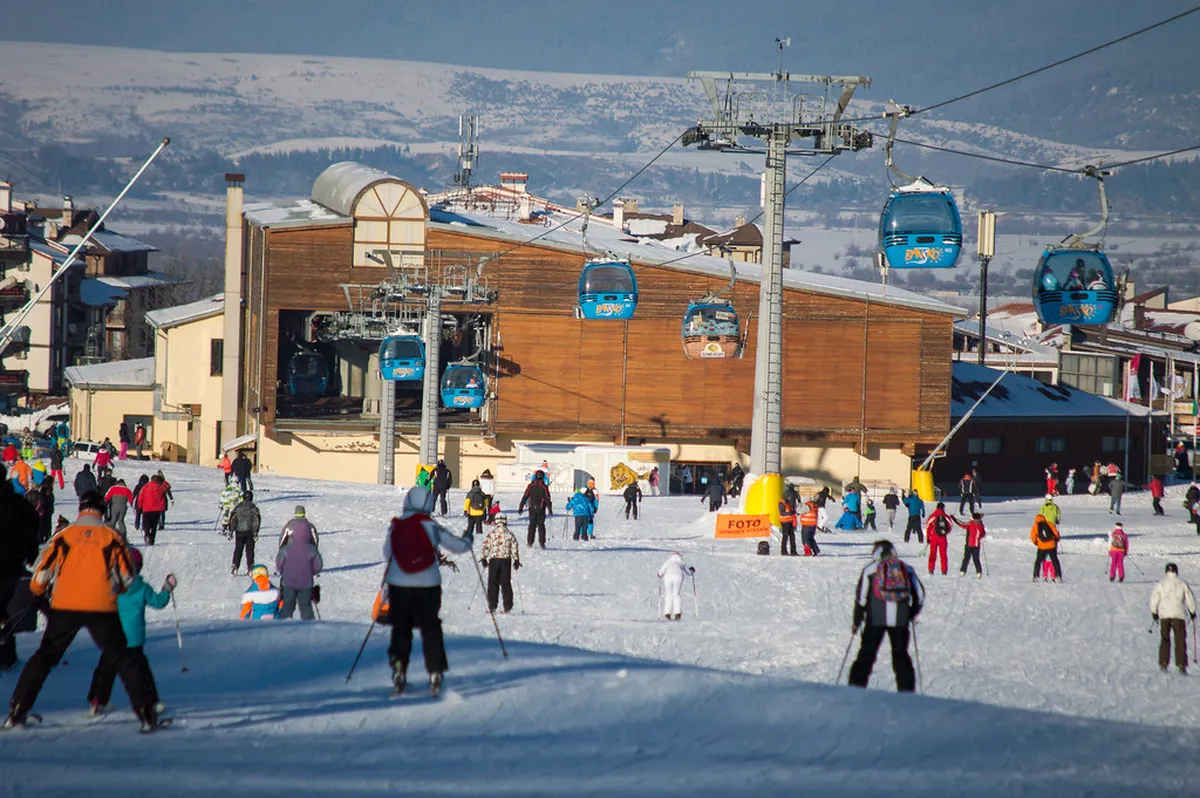
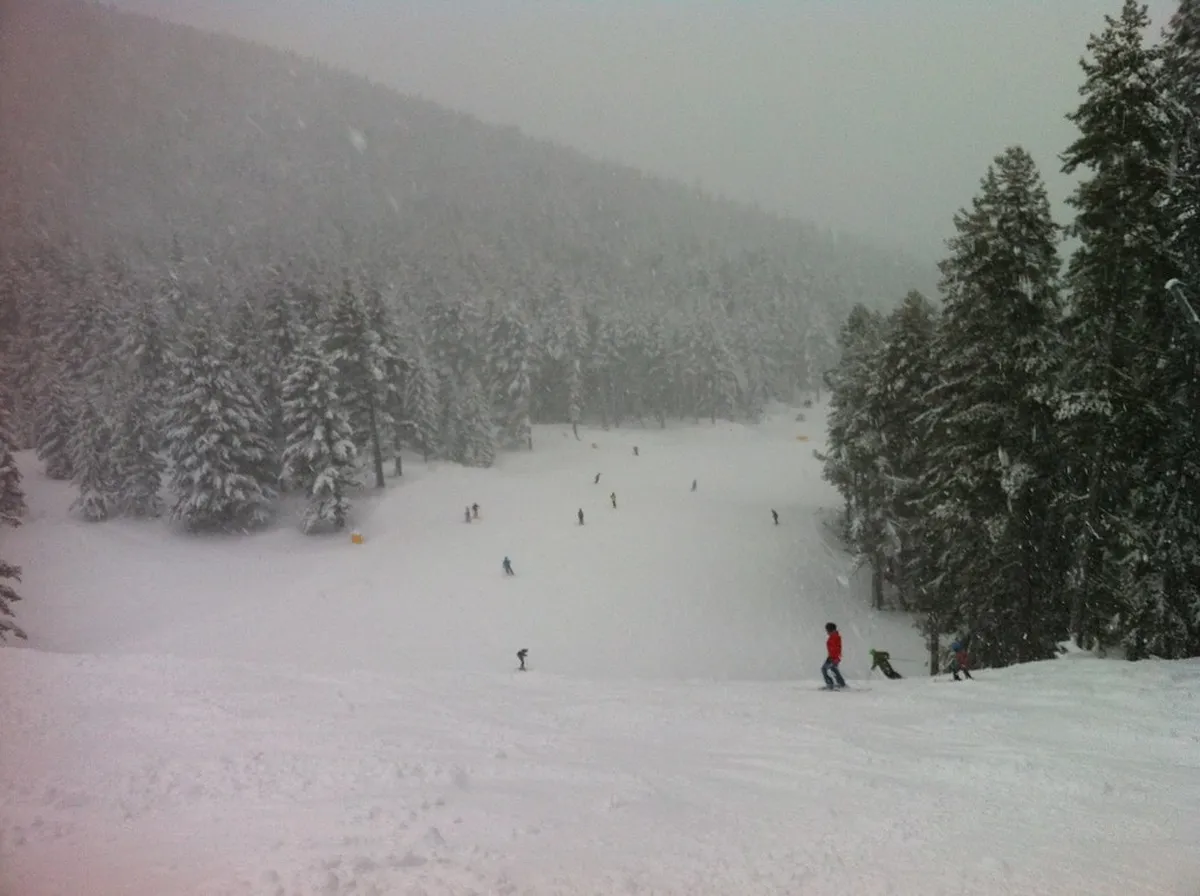
The Bansko Gondola is the town's main artery in winter. This eight-person cable car runs daily from 08:30 to 16:30 and serves as the gateway to over 75 kilometres of runs across the Pirin ski area. A round-trip gondola ticket costs roughly 40–45 BGN, while a full adult day lift pass for the 2026 season runs 90–100 BGN. Arriving before 08:00 during peak weeks in February avoids the notorious two-hour morning queue.
The resort is rated especially well for intermediate skiers, with the majority of runs falling in the red category. Beginners have dedicated nursery slopes near the Shili chair, and there are several ski schools operating in English. For après-ski, the bars along the lower gondola station stay busy from 16:00 onward. Check our Skiing In Bansko Bulgaria guide for a full breakdown of the best runs and seasonal snow conditions.
Lift passes for the Bansko Gondola cost roughly 40-45 BGN for a round trip, and the station operates daily from 8:30 to 16:30. Arriving before 08:00 during peak winter weeks helps you avoid the two-hour morning queues.
In summer the gondola carries hikers and mountain bikers up to the high alpine zone. You can rent bikes in town, ride the gondola up, and descend on the trails — a popular half-day circuit. The upper station also has a restaurant and a tubing track (children over 1.30 m, approximately 25 BGN for five runs). The cable car operates through the summer season on weekends and school holidays.
Explore Bansko Old Town
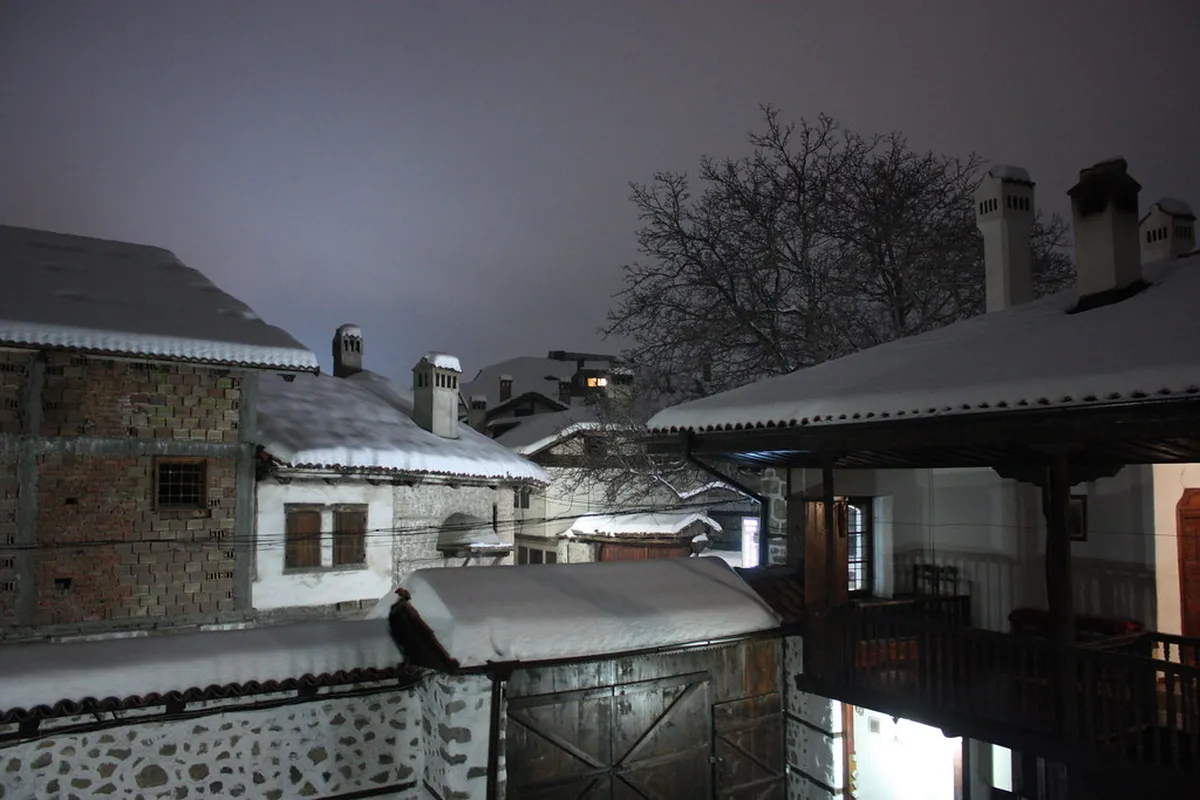
The historical center of Bansko is a compact maze of cobbled lanes, stone walls, and 19th-century merchant houses. Most visitors spend two to three hours here and still feel they have only scratched the surface. The main landmarks — Holy Trinity Church, Neofit Rilski House Museum, and Velyanova House — all sit within a ten-minute walk of each other. Entry to each museum is around 6 BGN per adult, and the church grounds are free.
The Holy Trinity Church is the heart of the Old Town. This 19th-century Orthodox church features a massive clock tower and hand-painted murals across its interior walls. Look for the carved Christian and Ottoman symbols on the exterior — they represent a fascinating era of cautious religious coexistence. Visiting early in the morning gives you the building almost to yourself before tour groups arrive.
The Neofit Rilski House Museum is dedicated to a key figure in the Bulgarian National Revival and offers insight into 19th-century education and literacy. Tickets cost roughly 6 BGN and the museum is open daily with a short lunch break. It sits right next to the Holy Trinity Church. The Velyanova House next door showcases intricate wood carvings and frescoes inside a well-preserved 18th-century merchant home; check the official Velyanova House page for seasonal closures before visiting.
Pirin Street is the main pedestrian artery linking the Old Town to the gondola station. Walk it at dusk when the sun drops behind the Pirin ridge — the light turns amber over the stone facades and the mountains glow behind the clock tower. This is one of the most photographed moments in town and costs nothing.
Take the Free Walking Tour
The Bansko free walking tour is one of the best introductions to the town's history and hidden corners. Tours run every Saturday and Sunday, both in summer (June to end of September) and winter (December to end of March), starting from the main square. The format is tip-what-you-want at the end, so the cost is whatever feels fair for two hours of knowledgeable local commentary.
Guides cover the National Revival architecture, the story behind the clock tower, and a few tucked-away spots that even repeat visitors often miss. If it is your first time in Bansko, joining a walking tour on your first full day gives you a strong mental map of the town before you set off on your own. Groups are small enough to ask questions freely. Look up the current schedule at banskofreetour.com before you arrive.
Attend the Sunday Market
Every Sunday from 08:00 to 13:00, local farmers and villagers set up stalls in the town centre. The market sells fresh fruit and vegetables, mountain honey, pine-cone jam, homemade peanut butter, dried herbs, handmade woolens, and artisan cheeses. Prices are low and the quality is high — this is where locals actually shop, so the atmosphere is refreshingly non-touristy. The market is cash only, so bring small BGN notes.
Near the market stalls you will find a row of cafes and food stands. Paid children's rides — including a small carousel and space-themed ride — operate alongside the produce area, making it a natural family stop. If you arrive by car, parking is usually available on the nearby streets without a fee on Sundays. The whole visit takes about an hour at a relaxed pace.
Look specifically for smoked sheep's cheese and pine honey from the Pirin region. Both are regional specialties you will not find in supermarkets. A jar of pine honey makes a far better souvenir than anything sold in the tourist shops on Pirin Street.
Soak in the Thermal Baths
The Bansko area sits above significant geothermal activity, and several mineral pool facilities are within easy reach. The most popular is Hot Mineral Pool Izgreva, located in the village of Banya about ten minutes by taxi from town. Entry costs around 15–20 BGN for a full day of access to the outdoor pools. The water temperature stays around 39–40°C year-round, making it a popular recovery stop after skiing or a long day of hiking.
Villa Victoria in Banya is another option, priced at roughly 20 BGN per person. Izgrava is slightly cheaper at around 15 BGN per person. Both facilities have outdoor pools and basic changing rooms. The smaller pools at Villa Victoria tend to be quieter during the week. For the most scenic experience, arrive at dusk when the mountain air cools and steam rises from the water surface.
The mineral pools in Banya are typically open from around 13:00 until 22:00. Some facilities close on Mondays for maintenance. Call ahead or check Google Maps hours before making a taxi trip out from Bansko.
Go Ice Skating
The outdoor ice rink near the Kempinski Hotel on Pirin Street is one of the largest in Bulgaria and runs throughout the ski season, usually from December until late February. Expect to pay around 30 BGN for a two-hour session including skate rental. The rink is open into the late evening, typically until 22:00, and the experience after dark — with the holiday lights on and the Pirin ridge silhouetted behind — is genuinely memorable.
The rink suits all abilities. Complete beginners can take slow laps near the edge, while more confident skaters have room to move freely in the center. Families with younger children find it one of the easier evening activities to organize spontaneously, since there is no advance booking required. Arrive by 20:00 if you want the best light and atmosphere before the rink closes down for the night.
Hike the Pirin National Park
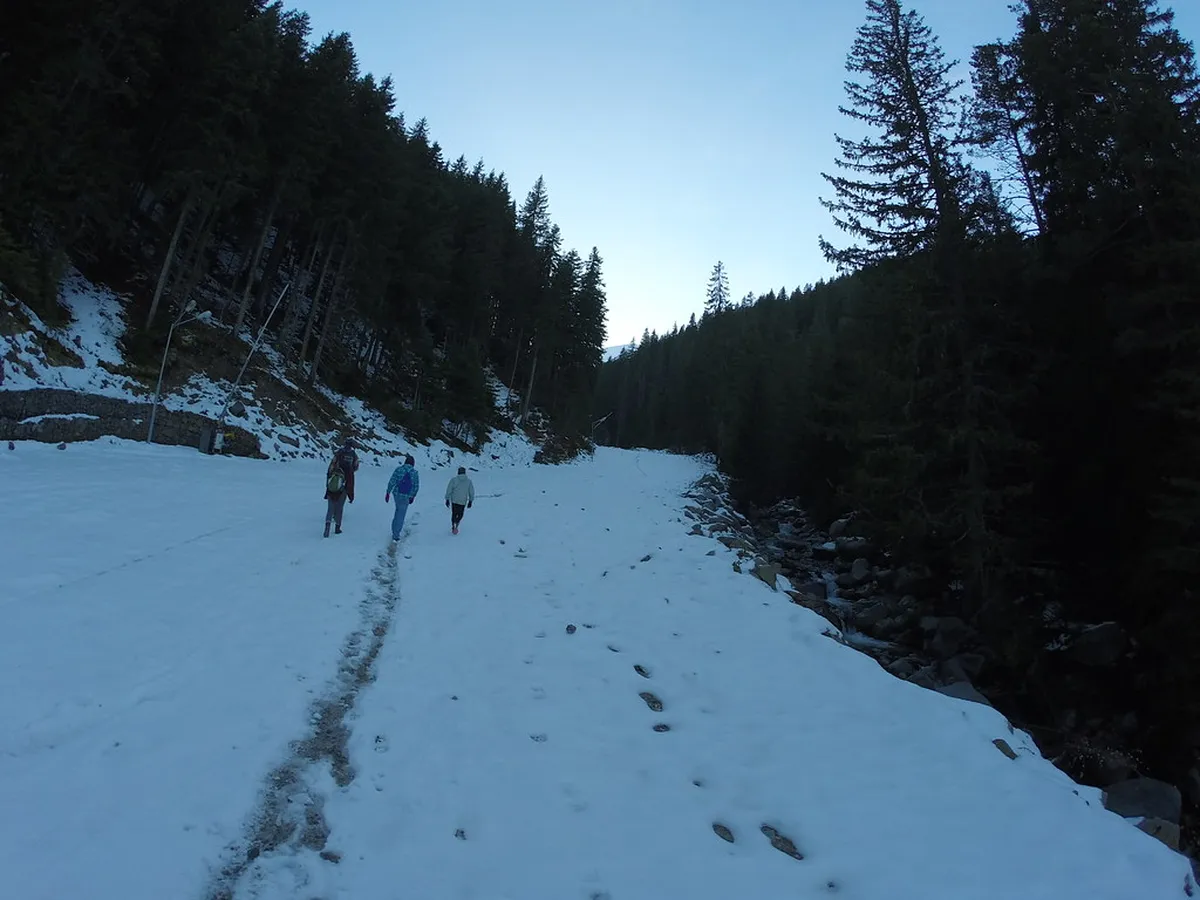
Pirin National Park is a UNESCO World Heritage Site that begins at the edge of town and stretches south across a high-alpine landscape of limestone peaks, glacial lakes, and ancient forests. The park's highest summit, Vihren Peak at 2,914 m, is the second tallest mountain in Bulgaria and draws serious hikers from across the country. Every year on 1 July, a Bulgarian tradition sees hundreds of people hiking Vihren for sunrise — a memorable spectacle if your timing aligns.
The most popular starting point is Vihren Hut, reachable by taxi, seasonal shuttle, or a two-hour uphill walk from town. From the hut you can reach several glacial lakes in as little as 20 minutes on well-marked trails. The Banderishko Ezero lakes are the easiest circuit and take about 90 minutes round trip. Even if you have no interest in summiting Vihren, the lake trails alone justify the journey up.
Access to the park is free. Pack a windbreaker regardless of the season — temperatures above 2,000 m can drop sharply within minutes even in August. Mountain biking is also popular on the lower trails: several rental shops in town, including Single Track, hire out proper trail bikes by the day.
Rila Monastery Day Trip
Bulgaria's most famous spiritual site sits about 90 minutes from Bansko by car. The monastery of Saint Ivan of Rila features striking striped black-and-white arched frescoes in its main courtyard, a tall defensive tower dating from the 14th century, and a small museum holding medieval manuscripts and royal artifacts. The main courtyard and church are free to enter; the museum charges around 8 BGN per adult.
Public transport connections are awkward, involving multiple bus changes through Blagoevgrad. We recommend booking a day trip from Bansko with an organized tour operator to simplify logistics. Guided tours typically last five to six hours including transport, and English-language tours run for around 48 EUR per person excluding the museum entrance fee. Dress modestly: shoulders and knees must be covered inside the church complex.
If you have a car, consider combining the monastery with a stop at the Rila Seven Lakes — a higher-altitude circuit about 45 minutes further into the Rila Mountains. The combination makes for a full but rewarding day out from Bansko.
Rila Fun Park and the Bear Sanctuary
Located about 45 minutes from Bansko by car, Rila Fun Park centers on an alpine coaster where riders control their own speed using hand brakes. Tickets cost 15 BGN for adults and 10 BGN for children; parking and park entry are free. The coaster is suitable for children aged three and up, and the track runs through a forested ridge with wide views of the mountains. The park also has trampolines, a zip line, and a small café — enough to fill two to three hours.
The Bear Sanctuary sits directly behind the park and is one of the more unusual attractions in the region. It rescues brown bears that were previously kept in poor conditions across Bulgaria. Tours run from 10:00 to 12:00 and from 14:00 to 16:00; adult tickets cost around 10 BGN, children aged 7–18 pay 3 BGN, and under-sixes enter free. If you arrive between tours, a free observation point at the entrance lets you spot the bears without joining the guided walk.
The two attractions combine well into a single day trip. Combine with the Rila Fish restaurant nearby — a scenic spot where you can catch your own trout from the ponds, and the kitchen will prepare it for you. The restaurant is about 35 minutes from Bansko and 10 minutes from the Fun Park.
Dine in the Best Bansko Restaurants
The culinary scene in town is dominated by Mehanas, which are traditional Bulgarian taverns. We recommend heading away from the main tourist drag to find the most authentic flavors. Look for places where the menu is short and the fire is roaring in the corner. Many of the best Bansko restaurants are located in the winding alleys of the Old Town.
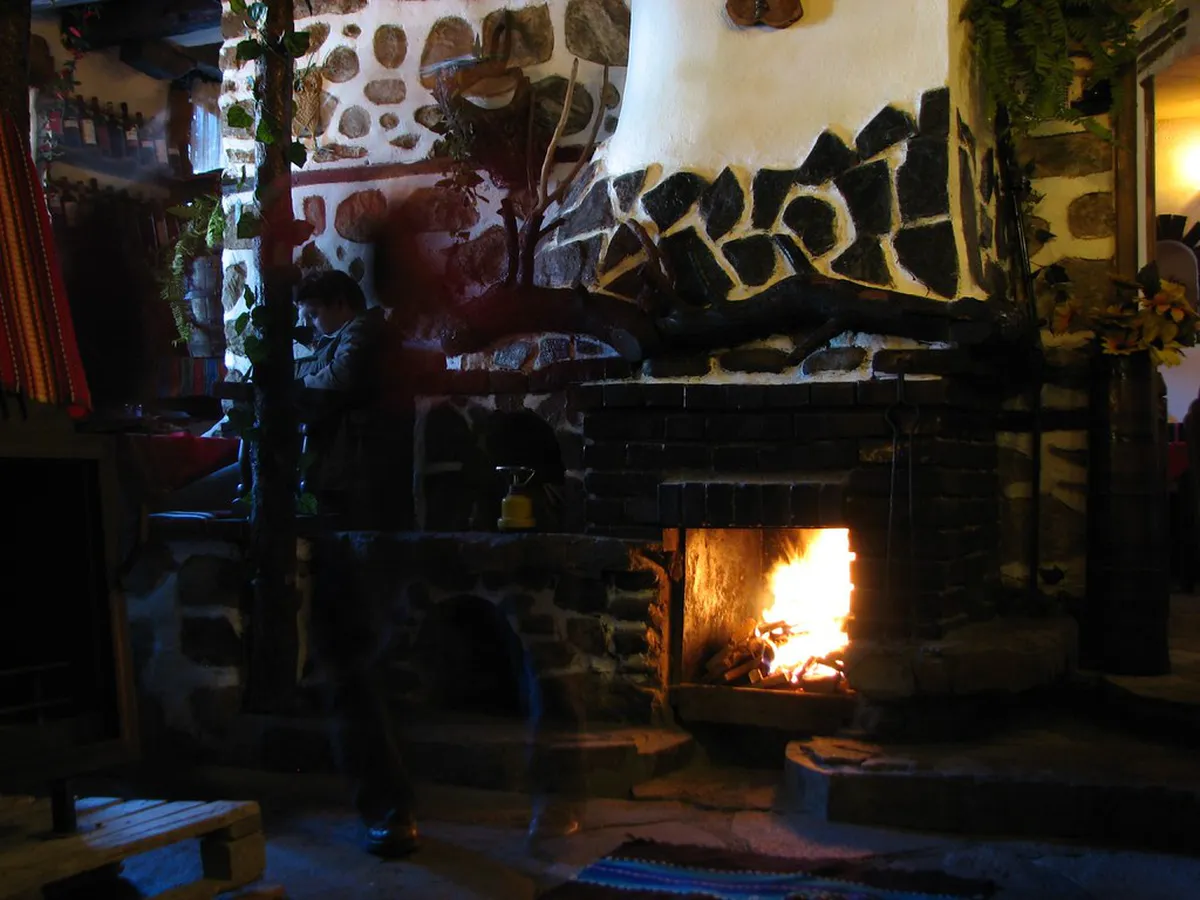
Traditional dishes like Kapama — a slow-cooked meat and cabbage stew — are must-try items. Prices for a main course usually range from 15 to 30 BGN depending on the venue. Be aware that some Mehanas include live folk music, which can be loud during dinner hours. We suggest making a reservation during the busy winter months as the popular spots fill up fast.
For a more international option, The House restaurant in town serves everything from burgers to risotto and has a loyal following among long-term expats. For Italian, Casa di Papi is slightly pricier by local standards but still very affordable, and works well for a date night or a dinner with friends. If you prefer modern international cuisine, several high-end hotels offer fine dining with views. Always check if a service charge is included; tipping around 10 percent is customary.
Avoid the "Happy Hour" bars located directly on Pirin Street, as they often serve watered-down drinks and use aggressive touts to lure people inside. You'll find much better quality and value just two streets away from the main pedestrian zone.
Bansko for Digital Nomads and Long-Stay Visitors
Bansko has an outsized reputation in the remote-work world. It is consistently cited as one of the densest coworking destinations globally, and that community shapes much of what makes the town distinctive outside the ski season. Coworking Bansko is the main hub — it hosts regular events, social hikes, and skill-share evenings that make it easy to meet people within days of arriving. Monthly coworking memberships in 2026 cost around 60–80 BGN, comparable to a couple of restaurant meals.
FitBox Fitness Club, perched on an upper floor downtown, offers a full gym with a panoramic view of the Pirin range. A monthly pass costs 60 BGN with no startup fee, and daily passes are available for short-stay visitors. Aerial yoga and traditional yoga classes run at Lotus Vibe, which also offers massages at prices well below Western European equivalents. A Salsa dance class runs most Wednesday evenings at the Municipality building downtown — 10 BGN a session — with follow-on Salsa nights at a local café on Tuesday and Friday evenings.
The combination of mountain access, very low cost of living, strong internet, and an English-speaking expat community keeps people here far longer than planned. If you arrive for a ski week and find yourself extending the stay, you are in good company.
What to Skip in Bansko
While the town is full of charm, some areas are definitely designed as tourist traps. We suggest being cautious with the "Happy Hour" bars located directly on Pirin Street. These often serve watered-down drinks or use aggressive touts to lure people inside. You will find much better quality and value just two streets away from the main pedestrian zone.
The generic souvenir shops selling mass-produced magnets and plastic toys are also worth skipping. Instead, look for local pottery or textiles at the Sunday market for a more meaningful memento. Authentic rose oil products are widely available and make for much better gifts than cheap trinkets. Supporting local artisans ensures your money stays within the mountain community.
Lastly, skip the main gondola during the 09:00 to 10:30 rush in mid-February. The wait times can be frustrating and take a significant chunk out of your skiing day. Consider taking a private shuttle or taxi to the higher stations if you want to maximize your time on the slopes. Planning your mountain access for earlier or later in the day will save you a lot of stress.
Explore More Bansko Guides
Plan every part of your Bansko trip — from the old town and mountain trails to where to eat, ski, and unwind.
Town & Culture
- Bansko attractions hub: tickets, hours & maps
- Wander the cobbled old quarter
- Where to eat: traditional mehanas
- After-dark bars and clubs
- Thermal spas and wellness
Mountains & Outdoors
- Pirin National Park and Vihren
- The best hiking trails
- Riding the Bansko gondola
- What to do in the summer months
Skiing
- The complete ski resort guide
- When the ski season runs
- Après-ski bars and spas
- How it compares to Borovets
- Bulgaria’s best ski resorts
Plan Your Trip
Explore more: Best Things to Do in Bansko
Use these focused guides to plan the details, compare options, and build an itinerary that fits your trip.
- 4-Day Bansko Itinerary for First-Time Visitors
- 10 Essential Tips for the Bansko Gondola
- 13 Essential Tips and Trails for Hiking in Bansko
- 10 Best Things to Do in Bansko in Summer
- Ultimate Bansko Nightlife Travel Guide 2026
- 10 Must-See Gems in Bansko Old Town – A Local Guide
- 10 Essential Tips and Places for Eating in Bansko
- 10 Best Bansko Spa and Wellness Experiences
- Best Time To Visit Bansko: 7 Essential Seasonal Insights
- 10 Best Day Trips From Bansko: Destinations & Guide
- 10 Essential Things to Know About Pirin National Park
Explore things to do in other cities
- Primorsko's things to do
- Byala's things to do
- Hisarya's things to do
- Velingrad's things to do
- Lovech's things to do
- Sandanski's things to do
- Burgas's things to do
- Kranevo's things to do
- Tsarevo's things to do
- Dobrich's things to do
- Gabrovo's things to do
- Sveti Vlas's things to do
- Vratsa's things to do
- Blagoevgrad's things to do
- Shumen's things to do
- Stara Zagora's things to do
- Sliven's things to do
- Sapareva Banya's things to do
- Elenite's things to do
- Tryavna's things to do
- Ravda's things to do
- Pomorie's things to do
- Albena's things to do
- Troyan's things to do
- Vidin's things to do
- Smolyan's things to do
- Obzor's things to do
- Koprivshtitsa's things to do
- Melnik's things to do
- Belogradchik's things to do
- Pleven's things to do
- Kazanlak's things to do
- Veliko Tarnovo's things to do
- Balchik's things to do
- Sozopol's things to do
- Ruse's things to do
- Varna's things to do
- Golden Sands's things to do
- Sunny Beach's things to do
- Pamporovo's things to do
- Borovets's things to do
- Plovdiv's things to do
- Nessebar's things to do
- Sofia's things to do
- Veliko Tarnovo This Weekend's things to do
- Plovdiv's things to do
- Ruse In Fall's things to do
- Smolyan's things to do
- Ruse In Spring's things to do
- Sofia In Spring's things to do
Frequently Asked Questions
What to do in Bansko if not skiing?
Non-skiers can enjoy the thermal baths in Banya, explore the Old Town museums, or take a day trip from Bansko to Rila Monastery. The town also offers ice skating and a variety of traditional Mehanas for long, cozy lunches.
Is Bansko worth visiting in summer?
Yes, Things to Do in Bansko in Summer is excellent for hiking in 10 Essential Things to Know About Pirin National Park and mountain biking. The town is much quieter and more affordable than in winter, making it ideal for nature lovers.
How expensive is Bansko compared to other resorts?
Bansko remains one of the most affordable mountain destinations in Europe. While prices have risen recently, a meal at a local Mehana or a daily lift pass is still significantly cheaper than in the Alps.
Bansko is a destination that rewards those who look beyond the modern ski resort facade. By balancing mountain sports with cultural exploration, you can experience the true spirit of the Pirin region. We hope this guide helps you navigate the best things to do in Bansko for your next trip.
Whether you are soaking in a thermal pool or hiking to a high-altitude lake, the scenery is consistently breathtaking. Remember to book your activities and dining in advance during the peak winter weeks to ensure a smooth experience. Safe travels and enjoy the incredible hospitality of Bulgaria.
Related planning guides
Use these focused guides to continue planning: