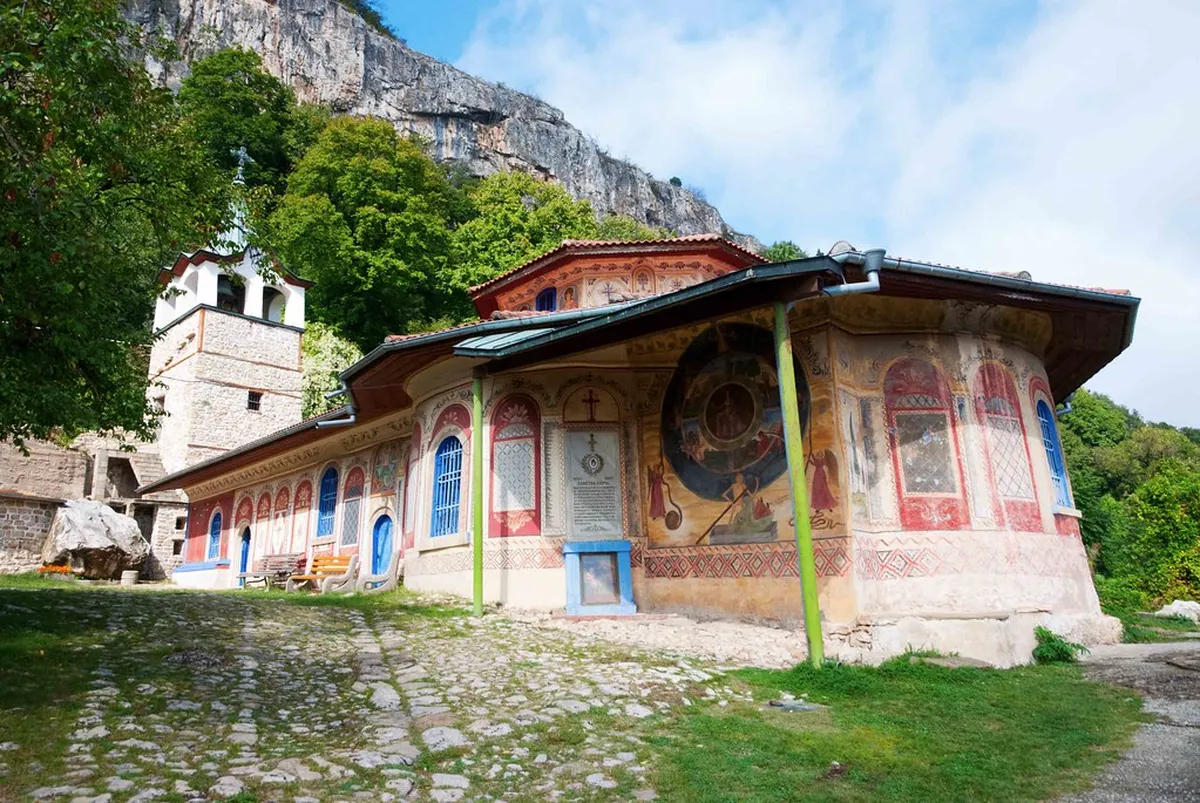
Holy Forty Martyrs Church Visitor Guide: 7 Essential Tips
The Holy Forty Martyrs Church stands at the foot of Tsarevets hill in Veliko Tarnovo as one of the most complete surviving monuments of the Second Bulgarian Empire. Built in 1230, it now works as a royal necropolis, an open-air epigraphy museum, and the site where Bulgaria's 1908 independence was proclaimed. This 2026 guide covers verified hours and ticket prices, what the three inscribed columns actually record, and how to fit the church into a single afternoon alongside the fortress above it.
For a preview of the church grounds and the royal necropolis before your visit, watch this walk-through:
Walking through the entrance feels like stepping into the thirteenth century, when Tsar Ivan Asen II ruled these lands from the citadel overhead. The church is not a working parish today; it operates as a museum site, though it still hosts an annual feast-day service every March 9. You can easily pair a visit here with a walk up to nearby Tsarevets Fortress Visitor Guide to see the full arc of the medieval capital in one trip.
Historical Significance: The Legacy of Tsar Ivan Asen II
Tsar Ivan Asen II commissioned the church to commemorate his decisive victory over Theodore Komnenos, ruler of Epirus, at the Battle of Klokotnitsa in the early spring of 1230. The battle fell on the feast day of the Holy Forty Martyrs of Sebaste, and Bulgarians of the time read the timing as a sign of divine protection, which is why the new church took that name. The win pushed Bulgaria's borders to three seas and opened the wealthiest stretch of the Second Bulgarian Empire. A monastery, the Great Lavra, grew up around the church soon after and became the leading religious house of the medieval capital.
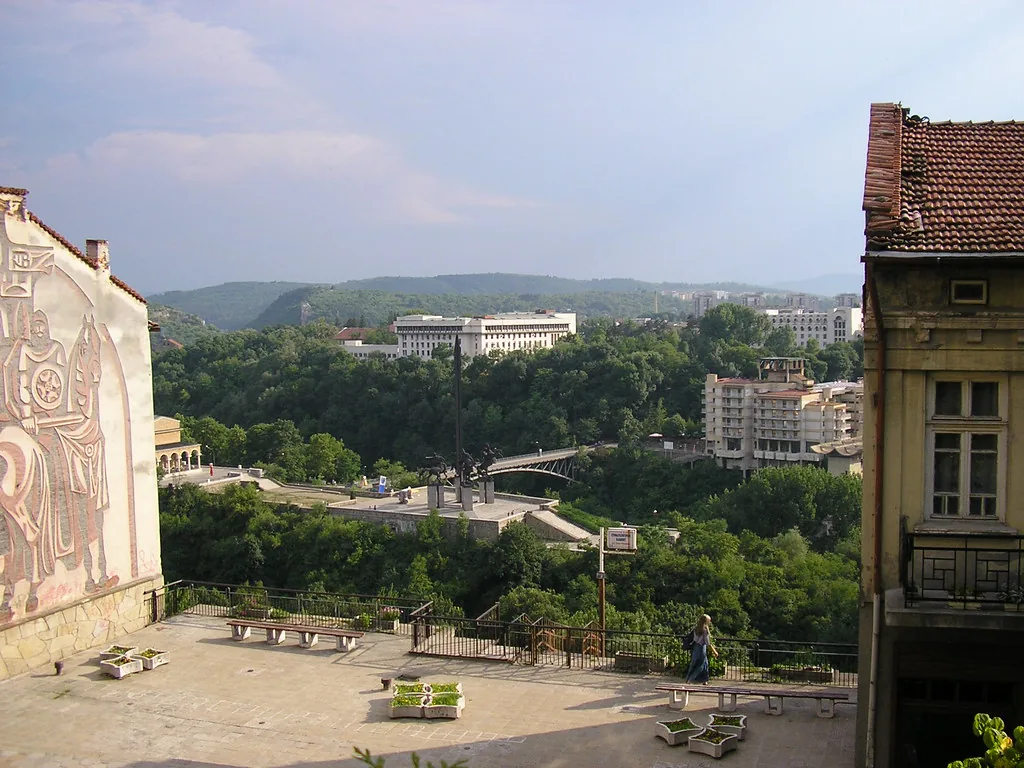
The building carries just as much modern weight. On September 22, 1908, at exactly noon, Prince Ferdinand read Bulgaria's declaration of full independence from Ottoman suzerainty inside these walls. Three decades earlier, in February 1879, the church had already hosted the opening session of the Constituent Assembly that drafted Bulgaria's first constitution, with Prince Alexander Battenberg proclaimed the country's first modern ruler around the same period. Few single buildings in Bulgaria connect a medieval military triumph and a modern sovereignty declaration this directly.
Excavations since the 1878 Liberation, including the country's first formal archaeological society founded on this site, have uncovered older foundations beneath the current floor and confirmed the scale of the surrounding Great Lavra complex. Ottoman authorities converted the church into a mosque for part of its history, and it reverted to Christian use only after Liberation, when services resumed on March 9. Today the building is a protected cultural monument rather than a functioning parish, which is why the story is told through museum panels rather than regular liturgy.
One detail worth sorting out before you travel: "Church of the Forty Martyrs" is not a unique name. The dedication commemorates forty Roman soldiers martyred at Sebaste, in what is now central Turkey, around 320 AD, and Orthodox communities across the Balkans reused the name for their own churches. The Albanian coastal town of Saranda is literally named after its own Church of the Forty Saints, and Bitola in North Macedonia has a Holy Forty Martyrs church of its own. If you are mapping a Balkans trip, confirm your pin lands in Veliko Tarnovo's Asenov Quarter, Bulgaria, not one of the same-named sites elsewhere in the region.
Must-See Holy Attractions: The Royal Necropolis and Murals
The interior houses the Royal Necropolis, where several Bulgarian rulers were laid to rest. Tsar Kaloyan's tomb was identified through a massive gold signet ring recovered during excavations, and his remains were solemnly reburied inside the church on April 19, 2007, exactly 800 years after his death. Tsar Ivan Asen II himself is buried here alongside his wife, Queen Anna-Maria, and the graves of other members of the Asen dynasty, including Queen Irina, sit in the annex.
A less-expected grave belongs to Saint Sava of Serbia, whose relics once rested inside the church before later being moved. That connection still draws a steady stream of Serbian pilgrims and history travelers alongside the Bulgarian visitors who come for the royal tombs, and it is worth pointing out to anyone assuming this is a purely Bulgarian-interest site.
Fragmented murals from the thirteenth and fourteenth centuries, attributed to the Tarnovo Artistic School, still cover sections of the walls. Light filters through narrow windows onto the faded portraits of royals and religious figures, and the low, uneven lighting is part of what gives the interior its somber, reflective feel rather than a flaw to work around.
Museums, Art, and Culture: The Three Columns and Epigraphs
The single most important reason historians visit is a set of three stone columns, among the oldest surviving Bulgarian epigraphic monuments anywhere. Each was carved in a different century and moved here from a different location, so together they read as a three-hundred-year timeline of the early Bulgarian state rather than a single artifact.
The Omurtag Column, brought from the old capital of Pliska, carries a Greek-language inscription from Khan Omurtag's reign in the early ninth century that reflects on the fleeting nature of power and human life, a strikingly philosophical text for its era. The column of Tsar Ivan Asen II, carved locally in Old Bulgarian around 1230, records the Klokotnitsa victory and lists the extent of his conquests, stretching roughly from Adrianople to Durrës and from Belgrade to the Aegean coast. The Krum Column, a fragment from the early ninth century and the oldest of the three, is inscribed in Greek and marks a frontier line Khan Krum secured with Byzantium after his campaigns.
Reading the three in sequence, Krum to Omurtag to Asen, gives a rare direct line from the ninth-century pagan Bulgar state to the thirteenth-century Christian empire, in the rulers' own recorded words rather than a later historian's summary.
Parks, Gardens, and Outdoor Spaces Around the Church
Outside the main church building, the Great Lavra monastery grounds spread out as an open-air archaeological park. Low stone foundations mark the former monks' cells, a refectory that once had vaulted frescoed ceilings, and workshop buildings along the fortress wall, giving a sense of scale that the church interior alone doesn't convey.
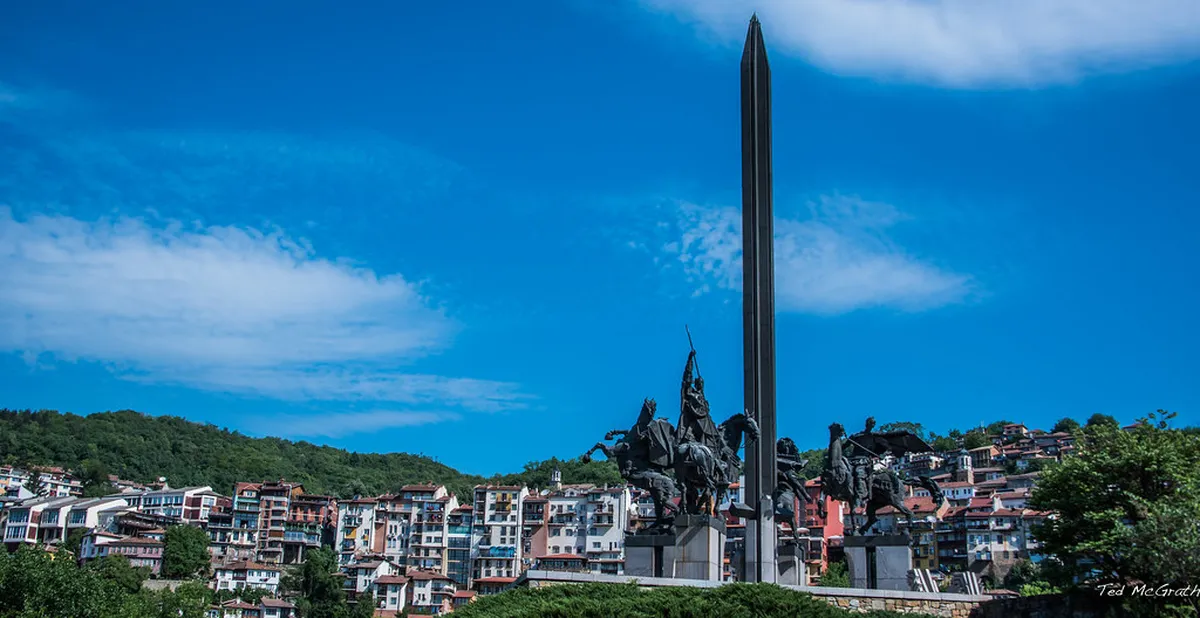
The site sits directly on the Yantra River, and the riverside path here is genuinely pleasant rather than just a walkway between attractions. It leads on toward the Monument to the Asen Dynasty (Asenevtsi) Visitor Guide, a good spot for photos of the river bend beneath Tsarevets and Trapezitsa hills, and it gives families a flat, open stretch of ground to let kids run after the cobbled approach to the church itself.
Even outside ticketed museum hours, the riverside path and the approach toward the monument stay open for an evening walk, which makes this a good area to build a short loop into whenever your schedule allows, not just during the church's own opening window.
Practical Visitor Info: 2026 Hours and Ticket Prices
The church operates on a seasonal schedule. From April through October, it is open daily 09:00 to 18:00; from November through March, hours shorten to 09:00-17:00. Last entry is 30 minutes before the posted closing time each day, so plan to arrive with more than a few minutes to spare.
A standard adult ticket costs 5.11 EUR (10.00 BGN). A family ticket covering two parents plus up to three children aged 7-18 costs 7.67 EUR (15.00 BGN). Bulgaria adopted the euro in 2026, so on-site pricing now lists the euro figure first with the fixed lev equivalent alongside it. The regional museum also bundles combined tickets covering other Veliko Tarnovo sites, including nearby Trapezitsa Fortress Visitor Guide; check current bundle pricing at the ticket kiosk since it can change seasonally.
Most visitors spend 30 to 60 minutes inside, longer if you stop to read every column inscription and museum panel closely. Photography is generally permitted inside, but skip the flash near the murals and watch for occasional signage restricting tripods in tighter sections. Modest, respectful dress is a good idea throughout, since this remains a protected historical and sacred space that still hosts its own feast-day service each March 9.
Family-Friendly and Budget-Friendly Tips for Visitors
Visiting with children takes a little planning around the terrain. The approach and courtyard are cobbled, uneven in places, and can get slick after rain, which makes strollers awkward and sturdy flat shoes worth packing for everyone in the group. The open riverside ground just outside the ticketed area, covered above, is the easiest spot to let younger kids stretch their legs between the church and the next stop on your itinerary.
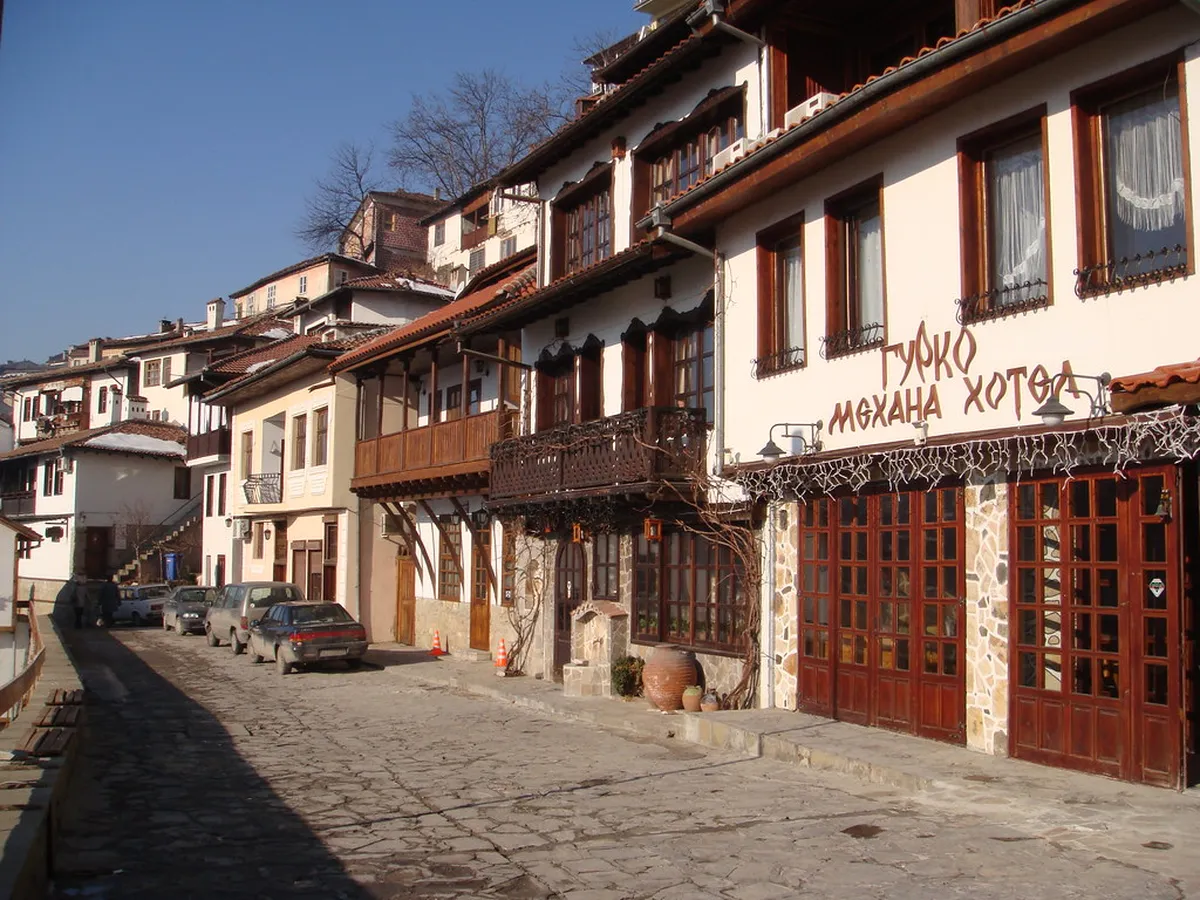
For budget-conscious travelers, the walk down from the city center via Gurko Street Visitor Guide saves the cost of a taxi and takes in some of the best house-front views in Veliko Tarnovo along the way. Afterward, the Samovodska Charshia Visitor Guide market nearby has affordable snacks and local crafts if you want a low-cost stop before or after. Onsite English signage is genuinely sparse, so a free translation app, or a few minutes spent on the museum's own online notes before you go, will do more for your visit than a paid guided tour in most cases.
- Wear sturdy, flat-soled shoes for the cobbled approach and courtyard, especially after rain.
- Download translation notes or photos of the column inscriptions in advance, since onsite English text is limited.
- Carry a refillable water bottle; there are public fountains nearby but no café inside the grounds.
- Aim for shortly after the 09:00 opening for softer light on the murals and smaller tour groups.
How to Plan a Smooth Holy Attractions Day: Location and Access
The church sits in the Asenov Quarter at the foot of Tsarevets hill. The most direct route down is the road leading from the main fortress gate toward the Yantra River, and most visitors prefer walking it, since the narrow streets pass some of the city's best-preserved traditional houses along the way.
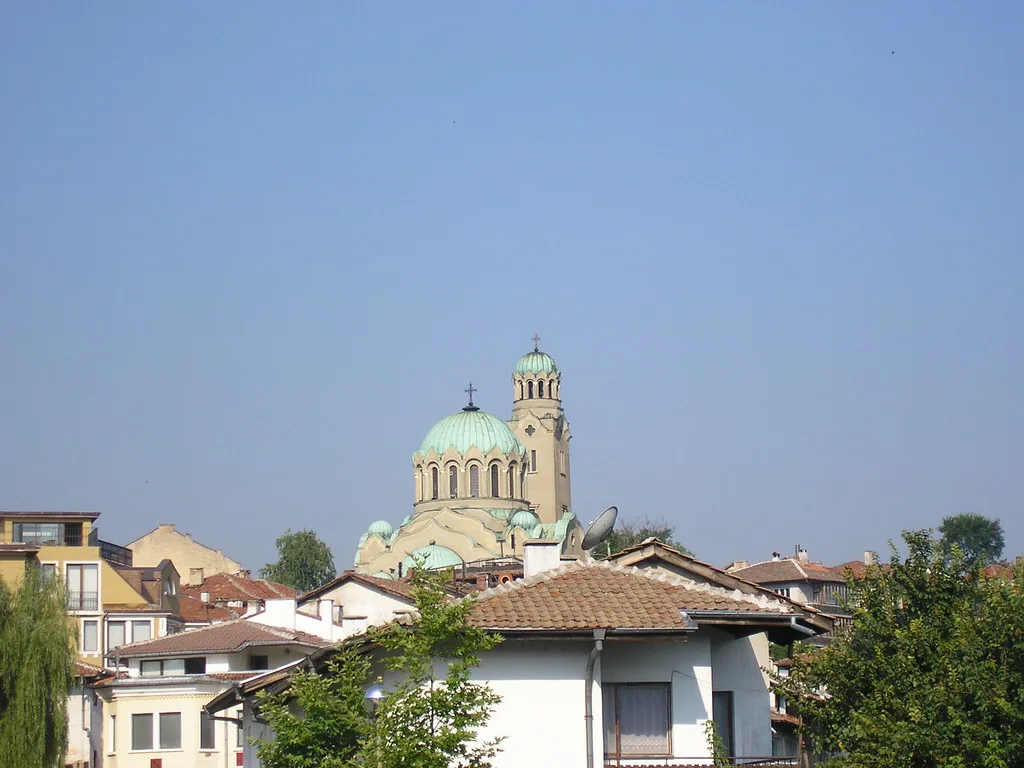
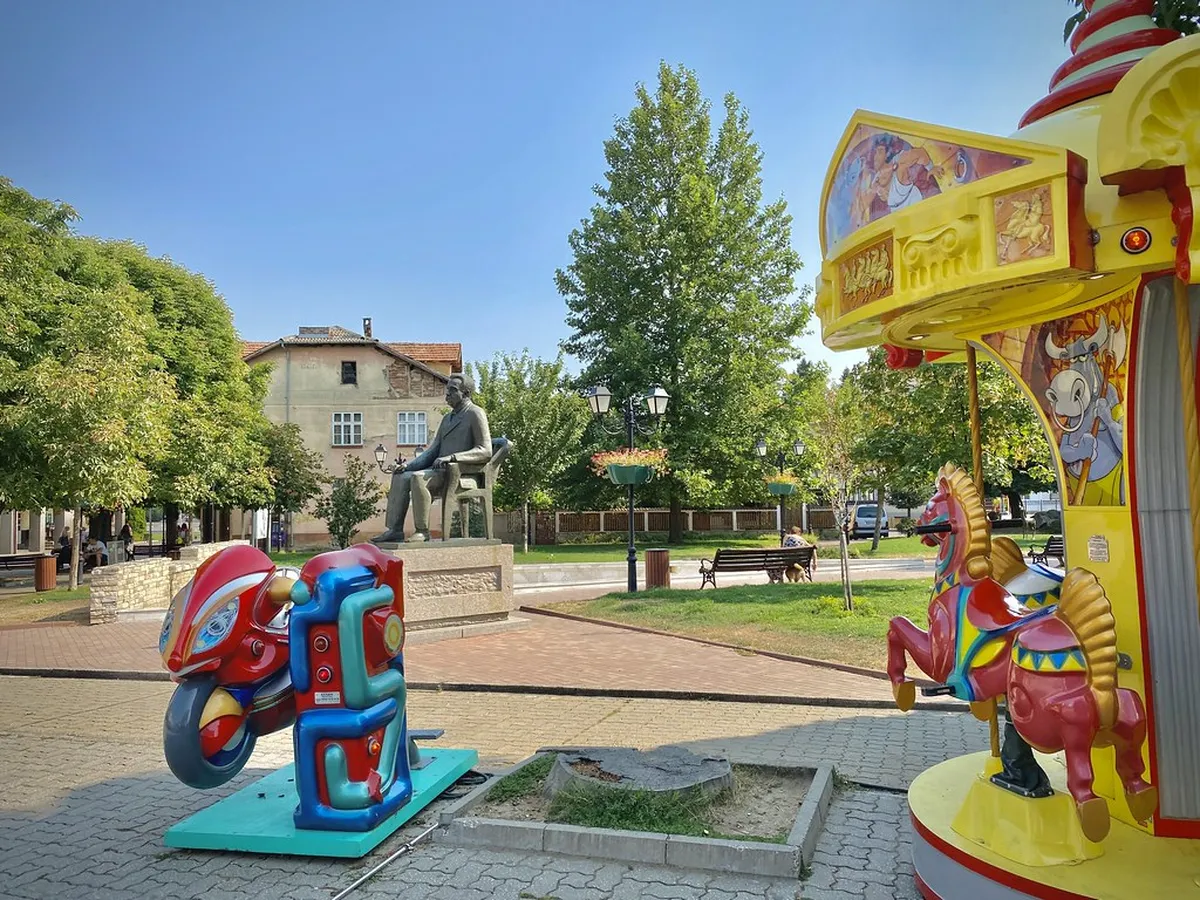
From the modern part of town, several local bus lines stop near the riverside bridge, and parking can be tight during peak summer months, so leaving the car at a central hotel is usually simpler than hunting for a spot nearby. For a different, more playful stop on the same walk, the Mini Bulgaria Park Visitor Guide is within easy walking distance of the church.
Keep your phone charged if you're relying on a translation app for the inscriptions, since staff at the ticket counter can help with basic directions but not detailed historical explanations. Search specifically for the Asenov Quarter or "Holy Forty Martyrs Church, Veliko Tarnovo" rather than a generic "Forty Martyrs church" query, which can pull in results for the same-named sites elsewhere in the Balkans covered above.
Continue planning: Use Veliko Tarnovo Attractions: 10 Top Things to Do to connect this guide with the rest of your Bulgaria itinerary.
Frequently Asked Questions
How much does it cost to visit the Holy Forty Martyrs Church in 2026?
A standard adult ticket costs 5.11 EUR (10.00 BGN), and a family ticket covering two parents plus up to three children aged 7-18 costs 7.67 EUR (15.00 BGN). Since Bulgaria adopted the euro in 2026, the museum lists prices in euro first with the fixed lev equivalent alongside.
What are the opening hours of the Holy Forty Martyrs Church?
The church is open daily: from April to October 09:00-18:00 and from November to March 09:00-17:00. The last visitors are admitted about 30 minutes before closing.
Why was the Holy Forty Martyrs Church built?
Tsar Ivan Asen II built the church in 1230 to commemorate his decisive victory at Klokotnitsa that year, won on the feast day of the Forty Martyrs of Sebaste. The royal monastery of the Great Laurel then grew around it in the 13th century.
Who is buried in the Holy Forty Martyrs Church?
Archaeological excavations uncovered the tombs of medieval Bulgarian rulers, most notably Tsar Kaloyan and Tsar Ivan Asen II, who was buried alongside his wife Anna-Maria. The church also once held the relics of Saint Sava of Serbia.
Is the Holy Forty Martyrs Church a working church or a museum?
It is managed as a museum site by the Regional Museum of History - Veliko Tarnovo, together with the surrounding Great Laurel monastic complex. Tickets are sold on site and online, and guided tours are offered.
What historic inscriptions can you see inside the church?
The church preserves some of Bulgaria's most important stone inscriptions: the columns of Khan Omurtag (815-831) and Khan Krum (803-814), and the column of Tsar Ivan Asen II recording his 1230 victory.
What happened at the Holy Forty Martyrs Church in 1908?
Bulgaria's independence from the Ottoman Empire was proclaimed at the church in 1908, making it one of the country's most symbolically important national sites as well as a medieval royal church.
Where is the Holy Forty Martyrs Church located?
It stands in the Asenov Quarter of Veliko Tarnovo, the old district on the Yantra River below Tsarevets hill. It is an easy downhill walk from the Tsarevets fortress, and the two sites combine well into one visit.
The Holy Forty Martyrs Church is far more than a single religious building in Veliko Tarnovo. It is a stone chronicle of the nation's greatest military triumphs, its most significant political milestones, and the royal family that shaped both, all inside one compact site below Tsarevets. Confirm the 2026 hours and prices above, budget 30 to 60 minutes, and pair the visit with the fortress climb for a full picture of the Second Bulgarian Empire's capital.
For more Veliko Tarnovo planning, read our Things To Do in Veliko Târnovo guide.
To verify current details, consult the Holy Forty Martyrs Church official site and Holy Forty Martyrs Church on Wikipedia.