Nessebar Old Town Visitor Guide
Welcome to the "Pearl of the Black Sea," a stunning peninsula where history meets the waves. This guide covers the cobblestone streets and ancient ruins of this UNESCO World Heritage site, with practical advice on transport, dining and the best sights for your 2026 visit.
Nessebar is one of the oldest towns in Europe, a blend of Thracian, Greek, Roman and Bulgarian layers. Walking through the main gate feels like stepping back thousands of years. Our comprehensive nessebar old town visitor guide ensures you do not miss any lesser-known places.
For a visual overview of the old town's layout and main sites, watch this guided tour:
Nessebar Old Town at a Glance
Nessebar Old Town sits on a small rocky peninsula on Bulgaria's Black Sea coast, about 35 km north of Burgas and roughly 3 km south of Sunny Beach. It has been on the UNESCO World Heritage List since 1983 as the "Ancient City of Nessebar," recognized for more than 3,000 years of continuous settlement.
- Peninsula, streets and church exteriors: free, open around the clock.
- Museum sites (Archaeological Museum, individual churches): EUR 2.56-4.60 (5-9 lv) each, or EUR 17.90 (35 lv) for all seven.
- Bus from Sunny Beach or Ravda: EUR 1.50-2 (3-4 lv), about 10 minutes.
- Best months for open museums with fewer crowds: May, June and September.
- Nearest airport: Burgas, roughly 30-40 minutes by road.
The History and UNESCO Heritage of Old Nessebar
The town began as a Thracian settlement before Greek colonists refounded it as Mesembria around the 6th century BC, becoming one of the first places in the ancient world to mint its own coins. Romans, Byzantines and medieval Bulgarians each ruled it in turn, and that layered 3,000-year history is why the UNESCO World Heritage Centre lists the "Ancient City of Nessebar" as a site of outstanding universal value.
![Nessebar -Hagia Sophia Church [5th century] in Nessebar, Bulgaria](https://toursbulgaria.com/images/nessebar-old-town-the-history-and-unesco-heritage-of-o.webp)
UNESCO inscribed the peninsula in 1983, protecting the medieval church ensemble and the 19th-century National Revival houses built with stone ground floors and wooden upper storeys — the Black Sea style lining almost every lane. The listing covers the whole peninsula, not a single monument; the fortification walls near the entrance, largely Byzantine, still guard the approach, and long stretches remain free to walk beside before any ticketed site.
Top Must-See Attractions in the Old Town
The wooden Nessebar Windmill Visitor Guide marks the start of the isthmus and is the most photographed spot in town, sitting right where the causeway narrows — almost every visitor passes within a few metres of it. Past it, the Gate of Mesembria and a surviving stretch of the Western Wall form the formal entrance, opening onto a maze of craft shops, small squares and flower-filled courtyards.
Look for the low stone footings of the old Roman baths and forum near the harbour side, marked with information plaques. These ruins draw far fewer visitors than the churches, making them a good stop for a quiet few minutes away from the midday crowds.
Archaeological Museum and Cultural Sites
The Archaeological Museum stands by the main entrance and holds Nessebar's best collection of Thracian gold jewellery, Greek pottery and Roman-era finds; a single adult ticket costs EUR 4.60 (9 lv), the same rate charged at the larger churches. If you plan to see more than two sites, the combined ticket is the better deal: museum plus one church runs EUR 6.14 (12 lv) for adults, while the full pass covering all seven museum-run sites is EUR 17.90 (35 lv) adult / EUR 8.69 (17 lv) child — buy it at the museum desk to avoid queuing twice.
Displays run chronologically, from Thracian burial goods to Christian-era icons, so the museum doubles as an introduction to everything you will see outside afterward. Budget about an hour, longer with kids who linger over the gold room.
Ancient Churches of the Peninsula
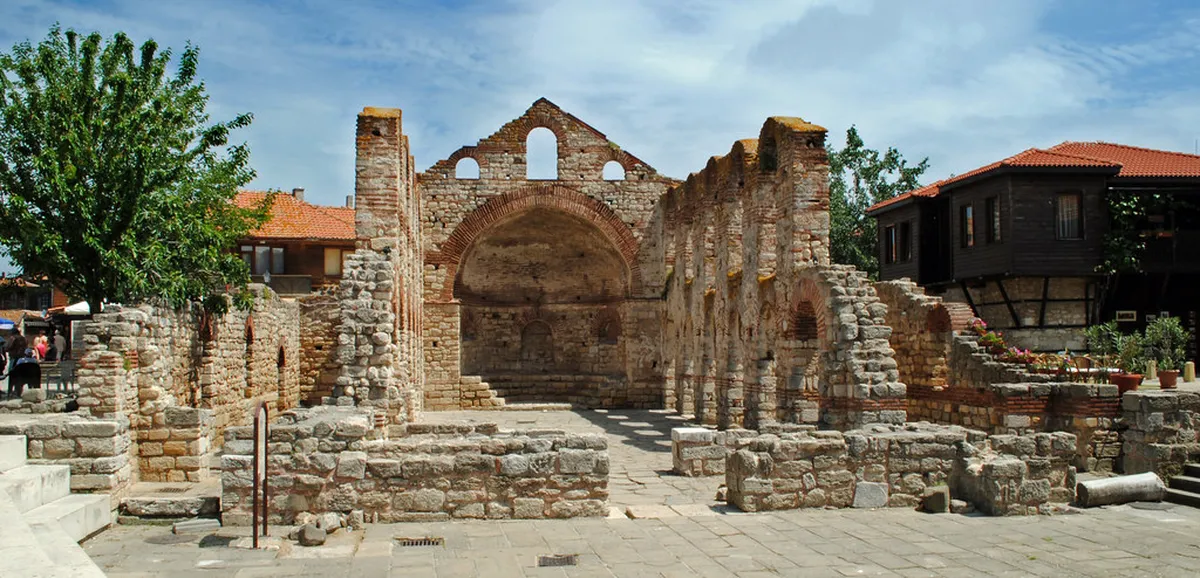
Nessebar was once known for around 40 churches packed into its small footprint, and roughly that many survive in some form today — though only seven operate as ticketed museum sites; the rest are free, unroofed ruins viewed from outside. The Church of Saint Sophia (Old Metropolitan Church), a 5th-6th century basilica, is the most striking of the free ruins, its open-air arches now hosting summer concerts.
The Church of Saint Stephen, one of the paid sites, holds the peninsula's finest frescoes — over 1,000 painted figures across 258 scenes dating to 1599. The Church of Christ Pantocrator Visitor Guide, a 13th-14th century cross-domed church, is admired for its decorative brick-and-stone banding and sits in a central square where local musicians often play.
Do not skip the Church of Saint John Aliturgetos on the southern shore — a 14th-century church never formally consecrated (hence the name), partly toppled by an earthquake before restoration. Its ornate façade and sea-edge setting make it one of the best photo spots in town, and unlike Sophia and Pantocrator it is easy to miss if you do not already know where to look.
How to Get to Nessebar: Transport Options and Costs
Burgas Airport is the main gateway, about 30-40 minutes from Nessebar by road. From nearby Sunny Beach and Ravda, three options cover almost every visitor, each trading off cost, speed and scenery.
The public bus is cheapest and most frequent, running roughly every 15 minutes for EUR 1.50-2 (3-4 lv) and taking about 10 minutes from the Sunny Beach strip. Taxis cost more, at EUR 10-13 (20-25 lv) one-way, but go door to door — useful late at night or with kids; always agree the fare first.
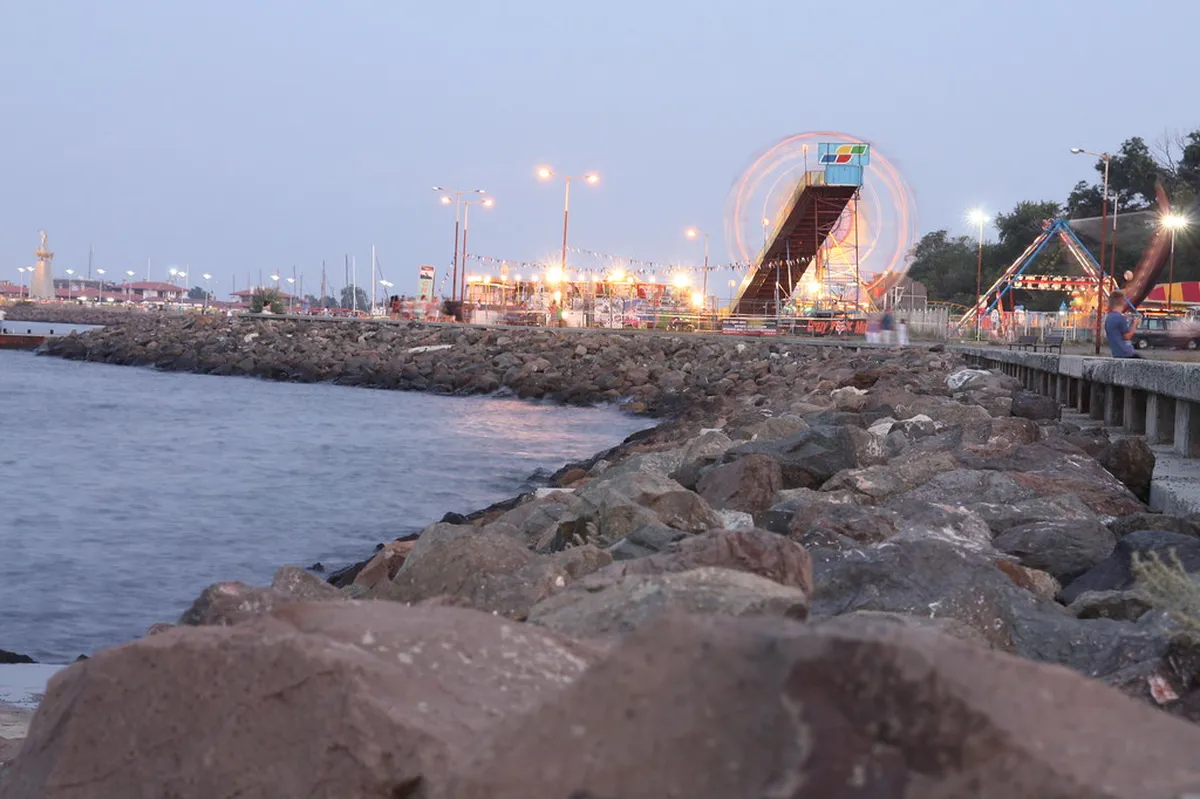
The water taxi is the scenic option: small boats depart from piers along the Sunny Beach hotel beaches and the Nessebar harbour, running mainly June-September for EUR 7.70-10.20 (15-20 lv) and taking about 15 minutes. It is worth choosing if you want your first view of the peninsula to be from the sea, windmill and church domes rising over the walls as you approach. Find more arrival details in our Nessebar area guide.
Where to Eat: Seafood and Local Specialties
The signature dish is kefal plakia, a slow-stewed panful of grey mullet with seasonal vegetables, tomato and olive oil — worth seeking out over generic grilled fish, since not every kitchen makes it. Pair it with the Captain's appetizer, a Nessebar-style salad of marinated fish, or a plate of marinated mussels for something lighter.
Other staples worth ordering: fried sprats as a bar snack, fish soup on cooler evenings, and grilled bream or turbot as the reliable catch-of-the-day almost every terrace offers. Local honey shops, tucked into side streets away from the main strip, make a better souvenir than most of what is sold near the entrance.
Restaurants directly on the water charge the most, so a table one or two streets back is usually noticeably cheaper for the same quality. Early risers can watch boats unload the day's catch at the fishing harbour around 10:00.
Where to Stay: Best Hotels and Guest Houses
Staying inside the old town means the peninsula is largely yours once the day-trip buses leave — the lanes noticeably empty out by early evening. Rooms here are mostly in restored 18th- and 19th-century Black Sea houses run as small guesthouses, stone ground floors under wooden upper storeys, so expect character over space.
Larger resort hotels, including the Sol Nessebar Palace, sit just outside the old town on the modern side of Nessebar, geared toward families with pools, all-inclusive dining and kids' clubs — a practical base for day visits rather than an overnight stay.
Budget travellers often base themselves in the new part of Nessebar or in Ravda, a short bus ride south, where apartment rates run noticeably lower. If driving, book somewhere with private parking, since spaces near the causeway fill early in July and August.
Essential Tips for Navigating the Ancient City
The cobblestones are original and uneven through most of the old town, so closed walking shoes matter more here than at almost any other Bulgarian coastal stop; sandals grow uncomfortable within minutes once you are off the flat entrance stretch.
Mobility is worth planning around if you are pushing a stroller or travelling with a wheelchair user: the paved causeway up to the windmill and the Gate of Mesembria is smooth, but the historic core beyond is original cobblestone with no ramps at the churches, and several smaller museum sites have a step at the door. The main street running from the gate past St Stephen and Christ Pantocrator gives the flattest route to the biggest sights.
UK families on package holidays often stay on home time rather than adjusting to the two-hour difference — kids wake around 9:00 as they would at home, and the old town's cooler evening hours stay free for a late dinner without anyone overtired.
Parking inside the walls is reserved for residents, so visitors use the lots at the peninsula's edge: the Yacht Port lot just before the causeway, the north lot just after crossing, and the smaller Morska Gara lot near the fishing harbour. Rates run EUR 1.50-2.60 (3-5 lv) per hour in season and lots fill by mid-morning in July and August; outside summer, parking is often free.
Day Trips: Exploring Places Around Nessebar
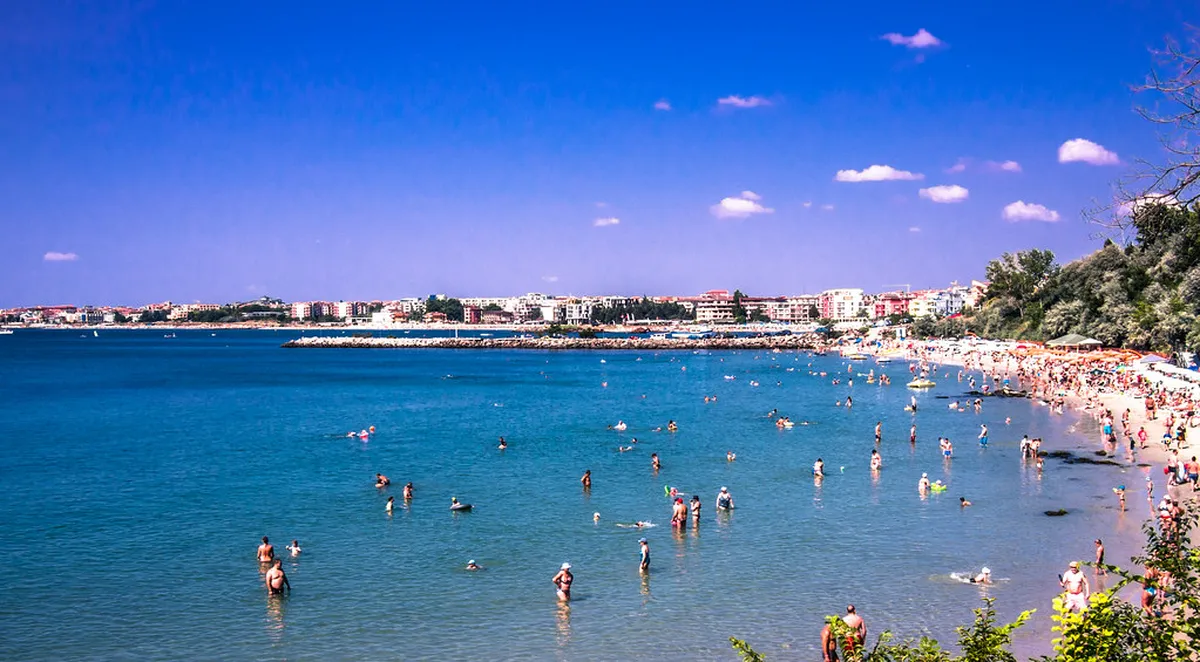
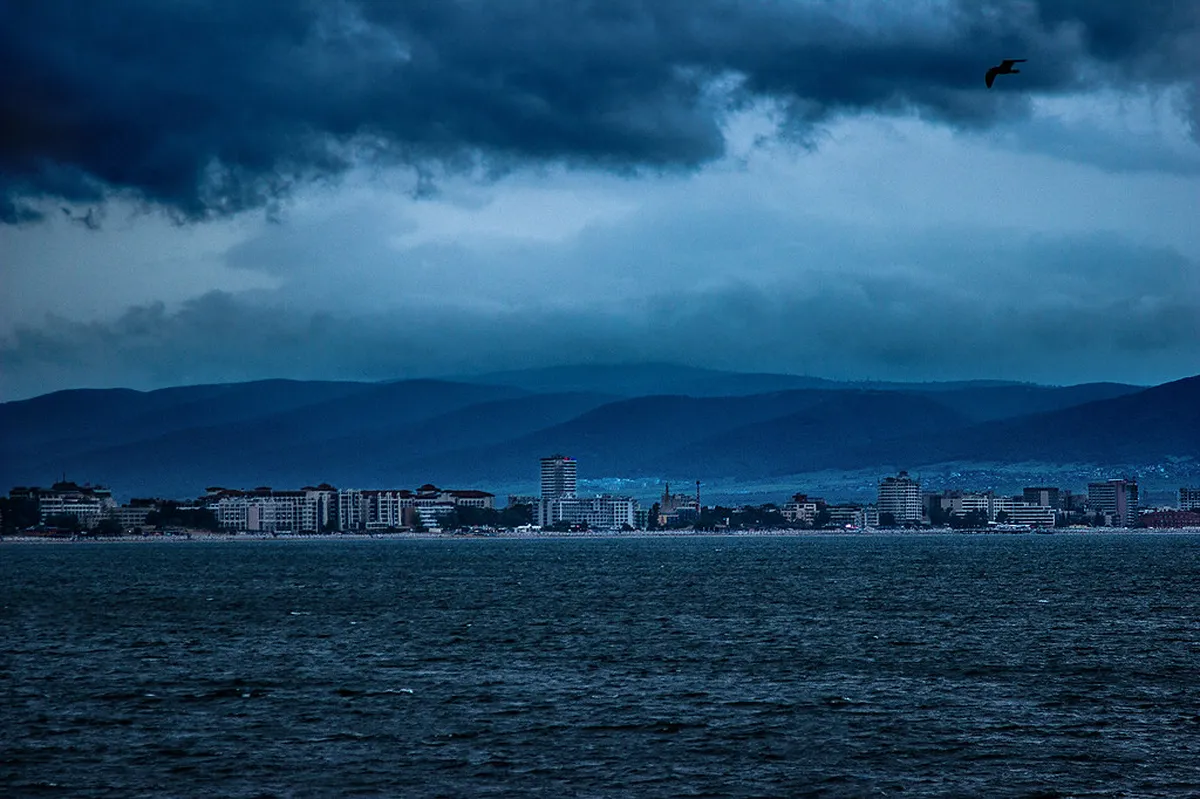
Sunny Beach is a 10-minute bus ride north — wide sand, beach bars and nightlife rather than ruins. Combine both in a day: old town in the morning, Sunny Beach for the afternoon.
Sveti Vlas, a smaller harbour town just past Sunny Beach, makes a calmer alternative with a marina, boutique shops and fewer crowds. Ravda, immediately south, has quieter beaches and lower prices, and the coastal path between Ravda and Nessebar is an easy, scenic walk if you would rather skip the bus.
Burgas, the regional capital, is 30-40 minutes away by bus or car and worth a rainy-day trip for its sea garden, shopping streets and its own archaeological museum — and it is where the airport is, so it doubles as a reasonable stop on an arrival or departure day.
Continue planning: Use Nessebar Attractions: 8 Best Things to Do in the Old Town to connect this guide with the rest of your Bulgaria itinerary.
Frequently Asked Questions
Is Nessebar Old Town free to visit?
Yes. Walking the peninsula's cobbled lanes, fortification walls and church exteriors costs nothing, at any hour. You only pay to enter individual sites: the Archaeological Museum and St Stephen Church are EUR 4.60 each, the smaller museum churches EUR 2.56, and a combined ticket to all seven museum-run sites is EUR 17.90 for adults (2026 tariff).
Why is Nessebar Old Town a UNESCO World Heritage Site?
The Ancient City of Nessebar was inscribed on the UNESCO World Heritage List in 1983 for over 3,000 years of layered history — Thracian, Greek, Roman, Byzantine, Bulgarian and Ottoman — and for its outstanding ensemble of medieval churches and 19th-century National Revival wooden houses packed onto one small peninsula.
How long do you need in Nessebar Old Town?
Half a day comfortably covers the highlights: the fortification walls at the entrance, the Archaeological Museum, and a loop past the major churches from Christ Pantocrator to the seafront ruin of St John Aliturgetos. Stay into the evening if you can — the lanes empty out once the day-trip crowds leave.
How many churches are in Nessebar Old Town?
Around 40 churches survive in various states, spanning the whole evolution of Orthodox architecture — from the 5th-6th-century basilica of St Sophia to 13th-14th-century cross-domed churches like Christ Pantocrator and St John Aliturgetos. Several operate as museum sites with small entry fees.
How do I get to Nessebar Old Town from Sunny Beach?
Nessebar sits about 3 km south of Sunny Beach. Frequent public buses link the two in roughly 10-15 minutes in season, or it is a flat walk of around 40 minutes along the coast. The old town itself is reached on foot across the narrow man-made isthmus with its landmark wooden windmill.
Can you drive into Nessebar Old Town?
Vehicle access inside the walls is heavily restricted, so plan to park before the peninsula. Paid parking lots sit at the old town entrance and along the causeway; from there everything is within a few minutes' walk.
When is the best time to visit Nessebar Old Town?
Early morning or evening in July and August, when day-trippers from Sunny Beach thin out. May-June and September offer open museum sites with milder crowds. From mid-October to March the town is quiet and atmospheric, but the smaller museum churches open only on request.
Is there a combined ticket for Nessebar's museums and churches?
Yes. Museum 'Ancient Nessebar' sells combination tickets on its official 2026 tariff: the Archaeological Museum plus one church costs EUR 6.14 (12.00 lv) for adults and EUR 3.07 (6.00 lv) for children, while a pass to all seven museum sites is EUR 17.90 (35.00 lv) adults / EUR 8.69 (17.00 lv) children.
Nessebar Old Town rewards travellers who slow down: the free-to-walk peninsula packs UNESCO-listed churches, Black Sea timber houses and harbour-front seafood into a loop you can cover in half a day, then linger into the evening once the crowds thin. Plan your 2026 visit around the shoulder months for open museum sites without July crowds, or embrace peak summer and simply start early.
For more Nessebar planning, read our 12 Best Things to Do in Nessebar (2026), The Best 3-Day Nessebar Itinerary: A UNESCO Journey, and Best Time to Visit Nessebar: 10 Seasonal Tips & Insights guides.
For official details, visit the Nessebar Old Town on Wikipedia and Nessebar Old Town official site.