10 Best Things to See: Archaeological Museum Sozopol Visitor Guide
Welcome to the ancient heart of the sunny Bulgarian Black Sea coast in beautiful Sozopol.
This charming seaside town holds thousands of years of history within its narrow cobblestone streets.
Our archaeological museum sozopol visitor guide helps you explore the treasures of the former Apollonia Pontica.
You will discover fascinating relics and ancient artifacts that tell a story of maritime power.
This 2026 guide keeps every price in euros, since Bulgaria completed its switch from the lev to the euro at the start of the year.
This video walk-through shows the museum's layout and some of the standout pieces you'll encounter:
Essential Visitor Information: Hours, Tickets, and Location
The museum sits on Han Krum Square at the entrance to the historic district, a short walk from the bus station and the main harbor.
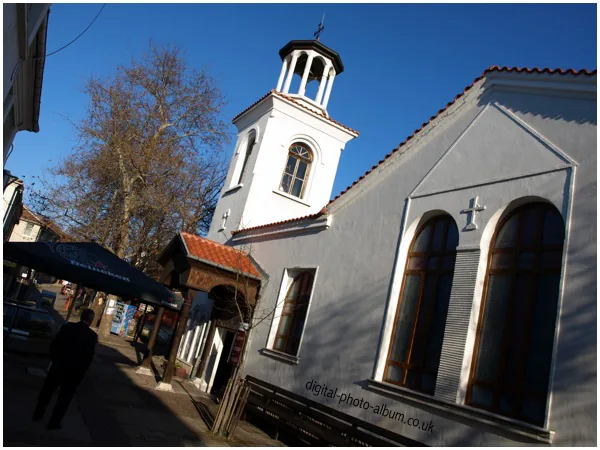
You can start your 7 Top Things to Do in Sozopol Old Town visit here before heading into the cobbled streets, since most day-trippers arrive by bus and the museum works well as a first or last stop.
Budget one to two hours to see both exhibition halls properly; a quick pass through the highlights takes about 45 minutes.
Every price below is quoted in euros first, with the lev figure in parentheses, following Bulgaria's 2026 currency changeover.
- Museum Operating Hours
- Summer (1 June to 15 October): daily 09:00-18:00
- Winter (16 October to 31 May): Monday-Friday 08:30-12:45 and 13:30-17:15, closed weekends
- Source: Sozopol-Museums.bg
- Ticket Prices
- Adults: EUR 3.58 (7 BGN)
- Students and pensioners: EUR 1.53 (3 BGN)
- Groups of six or more: EUR 3.07 (6 BGN) per person
- Family ticket, two adults with children: EUR 5.11 (10 BGN)
The History and Significance of Sozopol’s Archaeological Museum
The museum building itself has a rich history as a former religious temple.
It occupies part of the former St. Cyril and Methodius Temple, along with additional halls provided by the Sozopol Cultural Centre.
This arrangement helped preserve the architectural beauty of the old temple while housing precious historical finds.
The collection covers a massive timeline from the 6th millennium BC to the 17th century AD, split between an archaeology section and a Christian art section.
The museum ranks among Bulgaria's officially recognized 100 National Tourist Sites, a status that reflects how central the Apollonia Pontica story is to the country's ancient heritage.
- Historical Timeline Highlights
- Prehistory: 6th millennium BC
- Antiquity: Apollonia Pontica era
- Medieval: Byzantine influence
- Modern: Museum established in 1961
Top Exhibits: From Ancient Greek Vases to Stone Anchors
The museum is famous for its extensive collection of maritime artifacts from the Black Sea.
You will see numerous stone and lead anchors that date back to the early shipping days, among the largest such groupings found anywhere on the Bulgarian coast.
These items prove that Sozopol was a vital port for ancient Mediterranean traders.
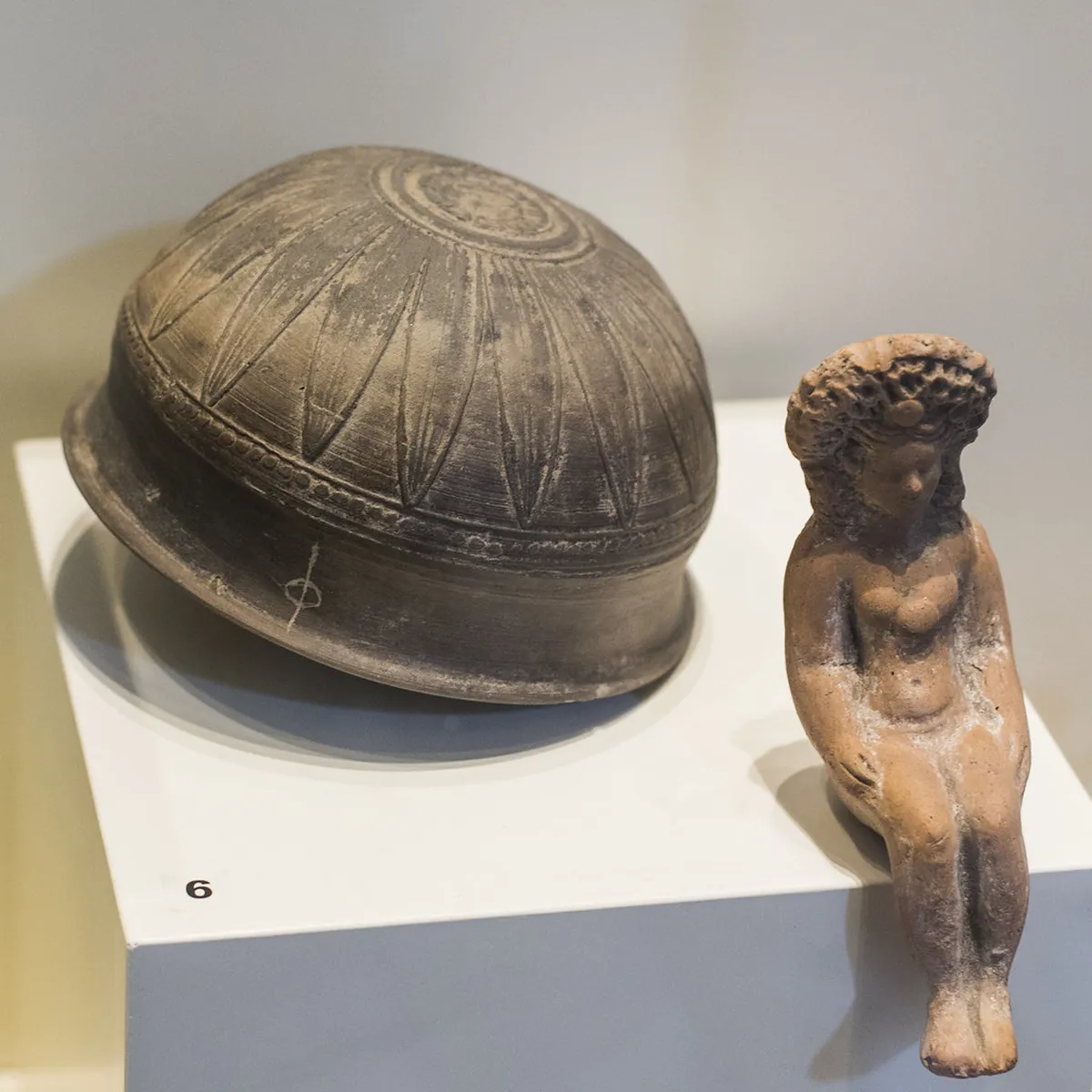
The exhibition also features stunning red-figure vases imported from Classical Athens, part of what is considered one of Bulgaria's richest collections of ancient Greek painted pottery, alongside antique and medieval amphorae, coins, and inscriptions.
- Must-See Ancient Artifacts
- Item: Stone and lead anchors
- Item: Red-figure Greek pottery
- Item: Antique and medieval amphorae
- Item: Ancient coins and inscriptions
Viewing the Relics of Saint John the Baptist
One of the most significant finds in recent history happened on nearby St. Ivan Island.
Archaeologists discovered the saint’s relics in the summer of 2010, hidden inside a small alabaster casket within the ruins of a medieval monastery wall.
The museum displays that reliquary and the small inscribed box that once held it year-round, along with the story of the excavation.
The relics themselves travel seasonally between two nearby churches: from 6 May to the end of October they rest in the Church of Saints Cyril and Methodius next to the museum, and from November to early May they move to the Church of Saint George the Victorious.
Exploring the Archaeological Museum “Prof. Bozhidar Dimitrov”
The museum is named after the late Bulgarian historian Professor Bozhidar Dimitrov, who did more than anyone to promote Sozopol's ancient story to the world.
His research shaped how the exhibitions are organized today, moving visitors chronologically from prehistoric finds through the Apollonia Pontica period into the medieval Christian collection.
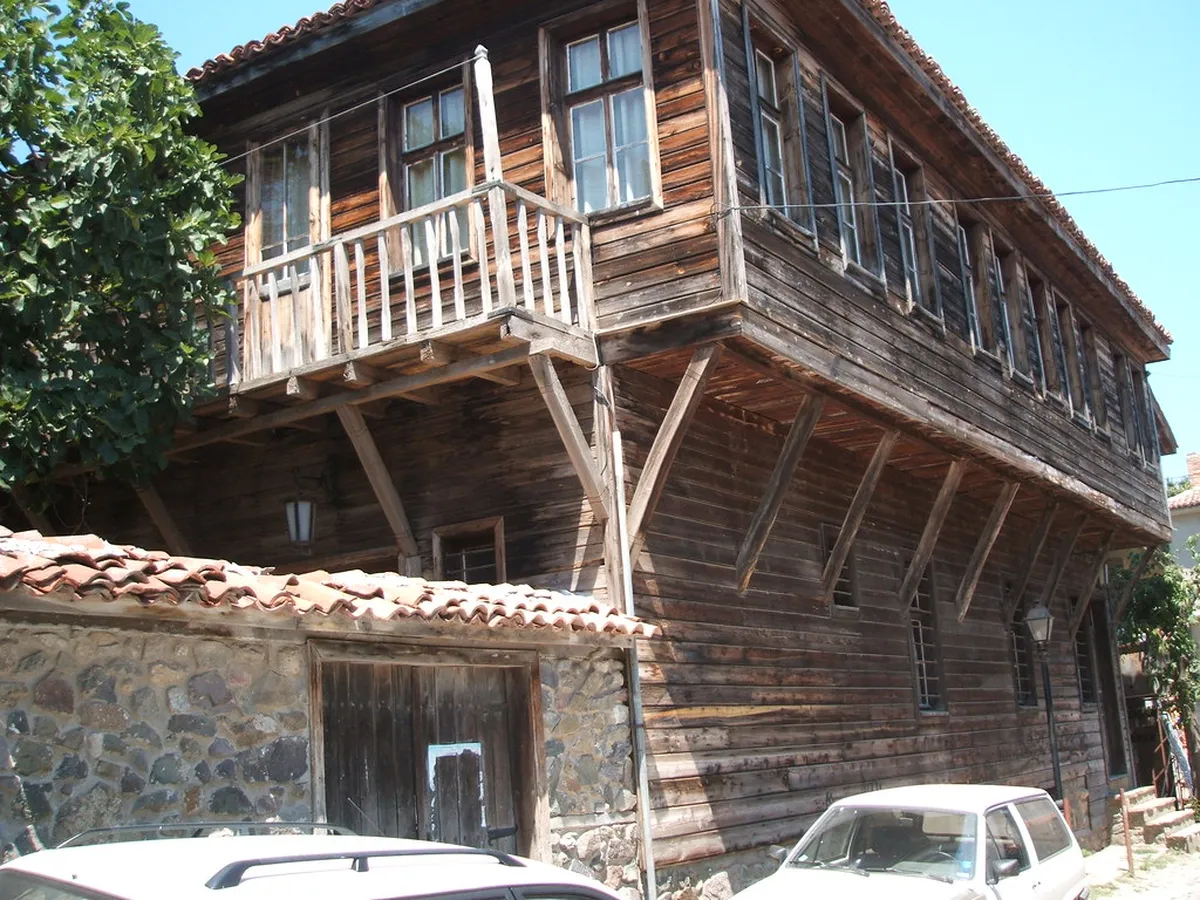
A short walk away, the Exhibition “Old Sozopol” occupies the second floor of Dukov House, a restored Revival-era building recognized as a local architectural monument.
Its displays focus on recent archaeological finds from around Sozopol Municipality alongside older icons and artwork, giving a smaller, more personal counterpoint to the main museum.
Visiting the Apollonia Summer Theatre (Sozopol Amphitheatre)
The Apollonia Summer Theatre sits right at the entrance to the Sozopol Old Town Visitor Guide, so most visitors pass it before even reaching the museum.
This open-air venue is known for its natural acoustics and its seaside setting, where even unamplified music carries clearly to the back rows.
Through the summer it hosts concerts, theatre, folklore performances, and film screenings, building up to the Apollonia Festival of Arts in early September, one of Bulgaria's longer-running cultural festivals.
Check the festival program before you go. Evening shows here regularly sell out in high season, and ticket lines form well before curtain time.
Discovering the Archaeological Site “The Old Metropolis”
Walking through the Skamni Peninsula reveals the ruins of the Old Metropolis, the largest medieval church complex in Sozopol.
The site was once the seat of the Sozopol bishopric, centered on a three-aisled basilica whose restored arches are still visible today.
Around the basilica, excavations uncovered a monastery, a baptistery, water cisterns, and a necropolis with more than 500 graves, plus older Hellenistic remains beneath the medieval layers.
It is one of the clearest places in town to see ancient Apollonia, the medieval bishopric, and modern Sozopol stacked on top of each other in the same small footprint.
Cape Skamni and the Monastery of the Holy Apostles
Cape Skamni offers a peaceful atmosphere for a slow evening walk along the rocks, the kind of unhurried stroll locals have kept up for generations.
You can find the ruins of the Monastery of the Holy Apostles at the very edge, with weathered foundations set directly into the cliff.
This spot gives one of the clearest sightlines to St. Ivan Island on the whole peninsula, which makes it a better photography stop than the busier harbor viewpoints.
Photographers favor the hour before sunset, when the light lines up behind the island and silhouettes the old town skyline.
The Church of Saint George the Victorious
The Church of Saint George the Victorious is a key stop for cultural travelers and one of the main active churches in the old town.
Ancient Sozopol and the relics of Saint John the Baptist together topped the 2011 "Wonders of Bulgaria" public ranking, and the church shares in that recognition as the relics' winter home.
From November through early May, while the Church of Saints Cyril and Methodius is closed for the season, the relics are kept here instead.
Visitors often admire the intricate wood carvings, the 19th-century icons, and the peaceful courtyard inside.
Family-Friendly and Budget Tips for Your Visit
Exploring the Southern Fortress Wall and Tower Visitor Guide is great for families.
Children enjoy walking along the battlements while parents take in the coastal views, and the open-air setting means nobody has to stay quiet in a gallery.
For a fixed, predictable spend, a museum guide runs EUR 5.11 (10 BGN), or EUR 15.34 (30 BGN) combined with an Old Town walking tour; the family ticket for two adults with children stays at EUR 5.11 (10 BGN).
Many of the best archaeological views in Sozopol cost nothing at all: the fortress walls, Cape Skamni, and the exterior of the Old Metropolis are all free to see from public walking paths.
- Top Budget-Friendly Stops
- Site: Fortress Walls
- Site: Cape Skamni
- Site: Old Town Streets
- Cost: Mostly free
- Church Comparison Guide
- St. George: Relics focus, winter season
- Ss. Cyril and Methodius: Relics focus, summer season
- Archaeological Museum: History and artifacts focus
- Access: Easy walking, all within the old town
Planning a Smooth Day at Sozopol's Archaeological Sites
Most day-trippers arrive by bus from Burgas. Services run frequently in high season from the South Bus Station and drop you close to the old town gate, an easy walk from the museum entrance.
Because the museum sits right where the buses arrive, it works well as a first stop while your room isn't ready yet, or as a last stop to fill the hour before a return bus, rather than a special trip of its own.
Arrive before 10:00 or after 16:00 if you can. Mid-morning to early afternoon is when day cruises and coach groups from Burgas and Sunny Beach cluster at the ticket desk, and the two exhibition halls are narrow enough that a large group changes the pace of a visit.
The building began life as a temple, so step-free access is limited between sections; if you use a wheelchair or a pushchair, call +359 550 22226 ahead of your visit to confirm the easiest route through the halls.
A sensible order for a half-day: the museum first, then the Church of Saints Cyril and Methodius in summer or Saint George in winter for the relics, then Cape Skamni or the Old Metropolis on the walk back toward the harbor, saving the free fortress-wall views for last since they stay open longest.
Continue planning: Use Sozopol Attractions: 7 Top Things to Do in Sozopol Old Town to connect this guide with the rest of your Bulgaria itinerary.
Frequently Asked Questions
Where is the Archaeological Museum of Sozopol located?
It sits on Han Krum Square in central Sozopol's old town, near the port, at 3 Han Krum Square, 8130 Sozopol, Bulgaria.
How much does a ticket cost?
The official prices are 7 BGN (about EUR 3.58) for adults and 3 BGN (about EUR 1.53) for students under 26 and pensioners. Groups of six or more pay 6 BGN (EUR 3.07) per person, a family ticket for two adults with children is 10 BGN (EUR 5.11), and a guided tour is 10 BGN (EUR 5.11), or 30 BGN (EUR 15.34) combined with an Old Town walking tour. Euro figures are converted from the official lev prices at Bulgaria's fixed rate of 1.95583.
What are the opening hours?
In summer (June 1 to October 15) the museum is open daily 09:00-18:00. In winter (October 16 to May 31) it opens Monday to Friday 08:30-12:45 and 13:30-17:15 and is closed on weekends.
What can you see inside the museum?
The exhibition traces the region from the late 6th millennium BC to the 17th century AD, with ancient Greek painted vases, stone and lead anchors, antique and medieval amphorae, coins, inscriptions, religious icons, and finds from the ancient colony of Apollonia Pontica.
What is Apollonia Pontica?
Apollonia Pontica was the ancient Greek colony that stood where Sozopol is today. Founded by settlers from Miletus in the 7th century BC, it grew into one of the largest and wealthiest Greek colonies on the Black Sea before being sacked by Rome in 72 BC.
Is the museum connected to the relics of St John the Baptist?
Yes. The museum holds the marble/alabaster reliquary linked to relics attributed to St John the Baptist that were discovered during excavations on nearby St Ivan (St John) island off Sozopol.
When was the Archaeological Museum of Sozopol founded?
The museum was established in 1961 and is today part of the Museum Center Sozopol cultural institute.
How do I contact the museum?
You can reach the Archaeological Museum by phone at +359 550 22226 or by email at am_sozopol@abv.bg.
Sozopol offers a unique blend of ancient history and relaxing seaside charm for every traveler.
The Archaeological Museum serves as the perfect gateway to understanding this complex past.
We hope this archaeological museum sozopol visitor guide helps you plan an unforgettable trip.
Take your time exploring the ruins and enjoy the timeless beauty of the Black Sea.
For more Sozopol planning, read our 25 Best Things to Do in Sozopol, Bulgaria (2026) and Is Sozopol Worth Visiting? An Honest Travel Guide for 2026 guides.
To verify current details, consult the Archaeological Museum Sozopol official site, Archaeological Museum Sozopol on Wikipedia and Archaeological Museum Sozopol on Wikipedia.