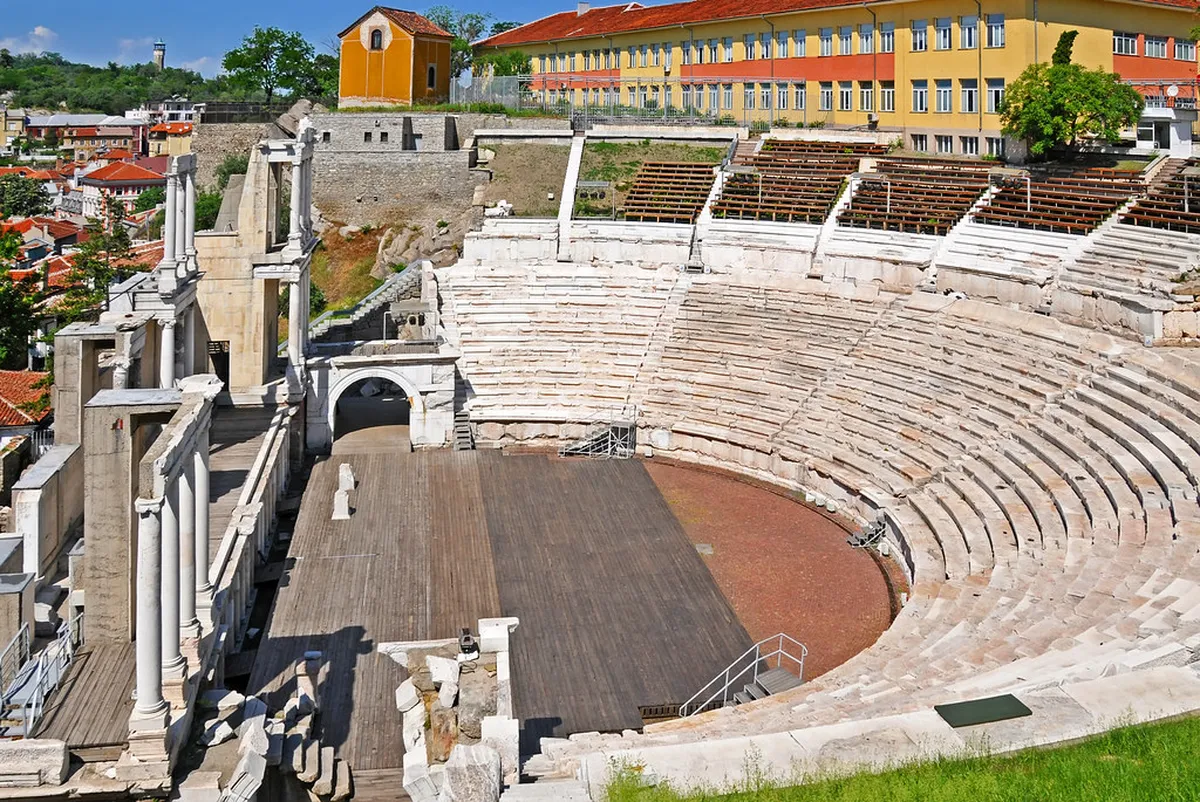
Ancient Theatre of Plovdiv
A remarkably preserved 1st-century AD Roman theatre in Plovdiv's Old Town that originally seated up to 7,000 spectators and still stages plays and concerts every summer.
Visitor guide →Independent Bulgaria travel guide
Plan Plovdiv attractions by neighborhood with verified 2026 prices, opening hours, free picks, and practical one-, two-, and three-day itineraries.
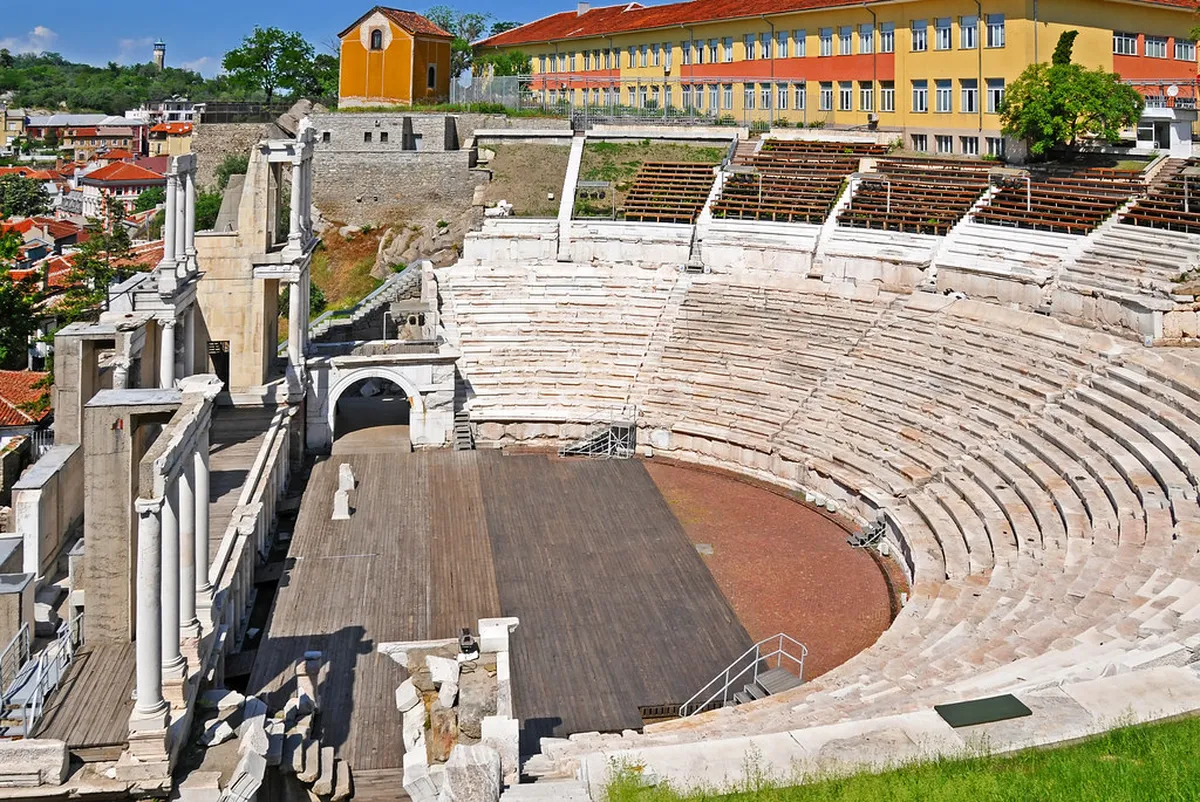
Plovdiv attractions carry a claim few cities can match: continuous settlement on Nebet Tepe hill since roughly 4000 BC makes Plovdiv Europe's oldest continuously inhabited city, ahead of Rome, Athens, and Constantinople on the list travelers love to compare. What makes sightseeing here different from a typical ancient-ruins trip is how little distance separates the past from daily life — the restored curve of the 2nd-century Roman Stadium of Philippopolis sits directly beneath the pedestrianized main street where locals shop and drink coffee, and the 1st-century Ancient Theatre still hosts concerts and open-air plays each summer rather than standing behind rope as a museum piece.
Layered on top of that Roman core is a Bulgarian Revival Old Town of timber-framed 19th-century merchant houses, several now house-museums, alongside a 15th-century Ottoman mosque still in active use. At the Old Town's edge, the Kapana Creative District — a centuries-old craftsmen's quarter — reinvented itself as Plovdiv's nightlife and arts hub after the city's turn as European Capital of Culture in 2019, and its galleries and craft-beer bars have only grown busier since. A free climb up Bunardzhik Hill to the Alyosha Monument adds the best skyline view in the city, and Bachkovo Monastery, a Byzantine complex about 30 km south, rounds out the list with Bulgaria's second-largest monastery and a working community of monks that dates back nearly a thousand years.
One practical detail is worth knowing before you land: Bulgaria adopted the euro in 2026, so every price on this page is quoted in EUR rather than the lev figures still floating around older guides. Below, Plovdiv's 12 essential attractions are grouped by neighborhood and by category, broken down by free versus paid, and sequenced into ready-made one-, two-, and three-day itineraries — plus the transport, timing, and money-saving details that turn a list of names into an actual plan.
For a visual orientation to Plovdiv's layout and main sights, this walking tour covers the Roman Stadium, Tsar Simeon Garden, Kapana district, and the city center:
A remarkably preserved 1st-century AD Roman theatre in Plovdiv's Old Town that originally seated up to 7,000 spectators and still stages plays and concerts every summer.
Visitor guide →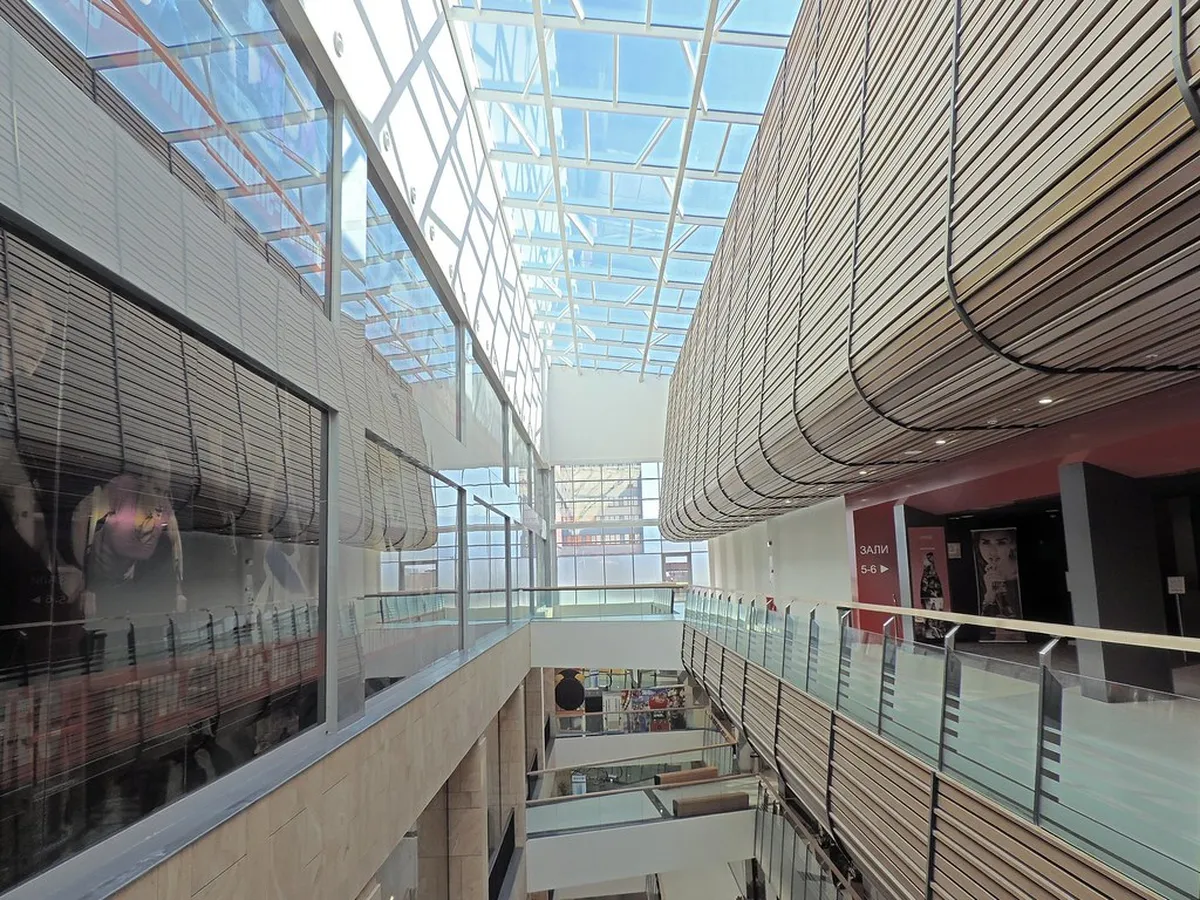
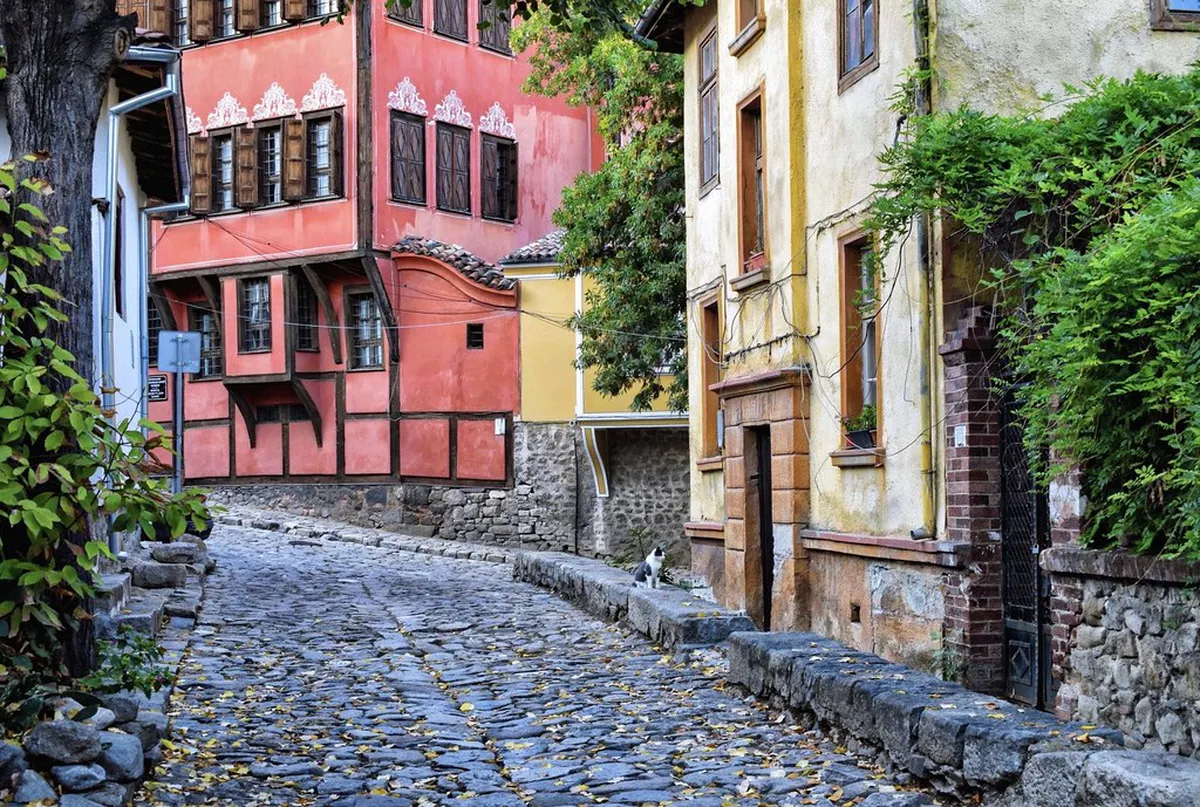
The Old Town of Plovdiv (Ancient Plovdiv) is a 35-hectare architectural reserve of Bulgarian Revival mansions layered over Thracian, Roman and medieval remains on the city's Three Hills. The streets are free to explore, while its house-museums are run by the municipal Ancient Plovdiv institute.
Visitor guide →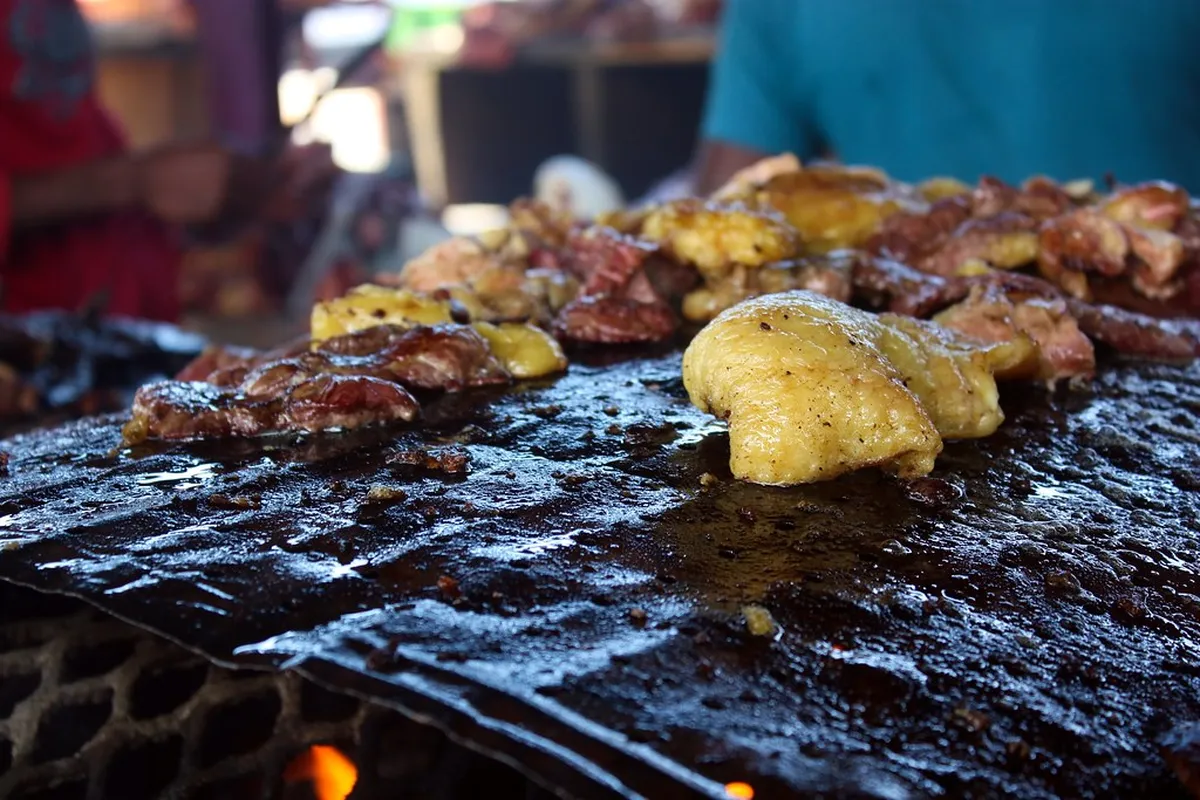
Plovdiv's 'Trap' quarter — a centuries-old craftsmen's neighborhood turned creative district, its narrow streets between Dzhumaya Square and the Maritsa River packed with galleries, studios, craft beer bars, and restaurants.
Visitor guide →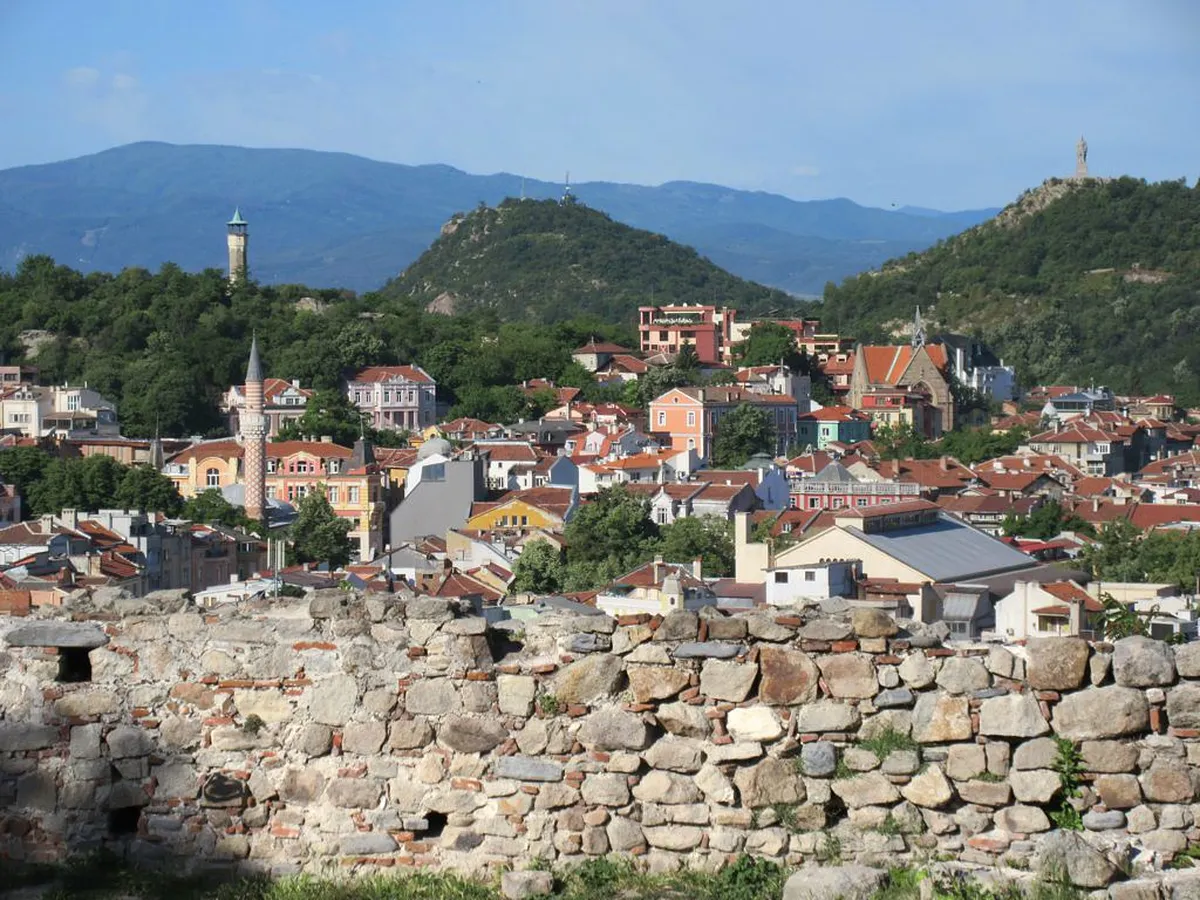
A free, open-air hilltop archaeological complex above Plovdiv's Old Town, preserving Thracian-to-medieval fortress remains from the city's earliest settlement, reopened in 2025 after restoration.
Visitor guide →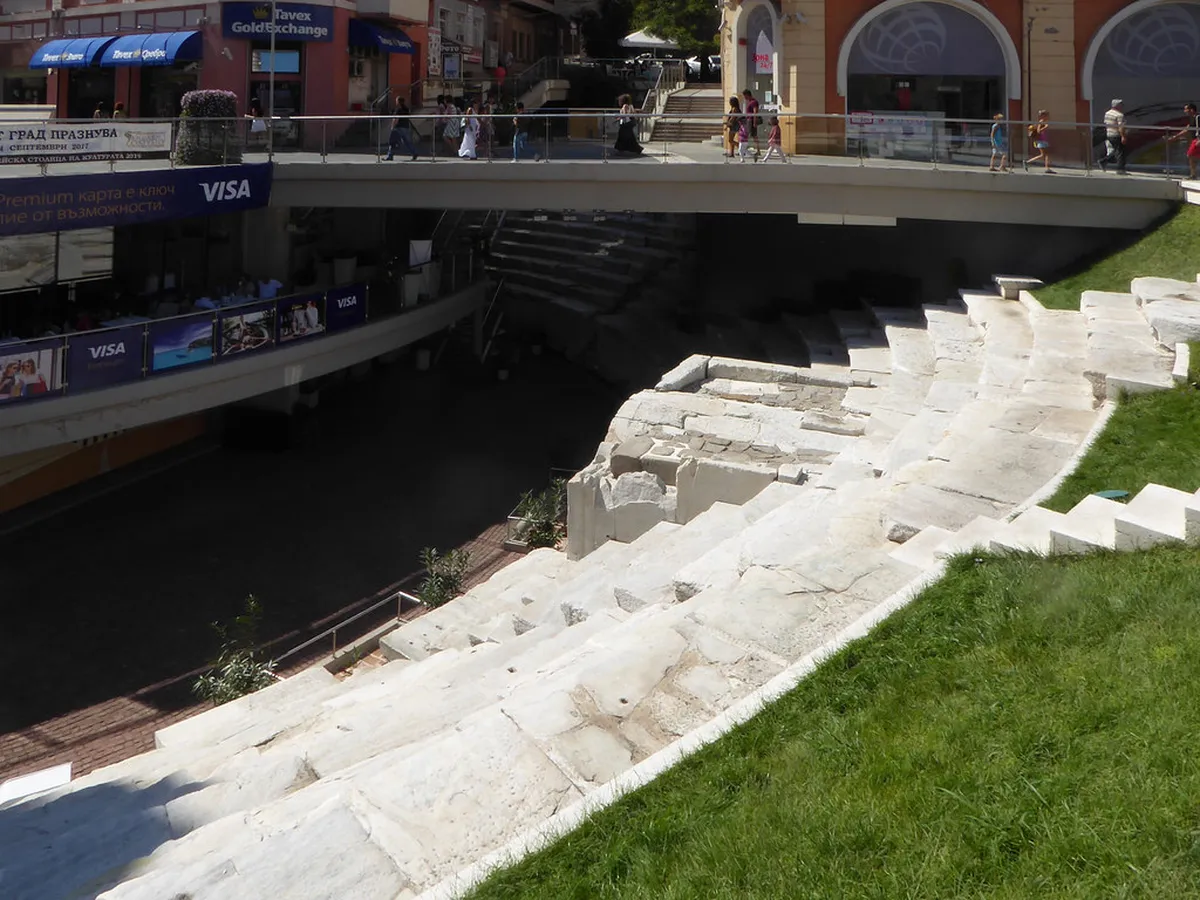
A 2nd-century Roman stadium that once seated 30,000 spectators, now lying beneath Plovdiv's main pedestrian street, with its restored northern curve free to visit at Dzhumaya Square.
Visitor guide →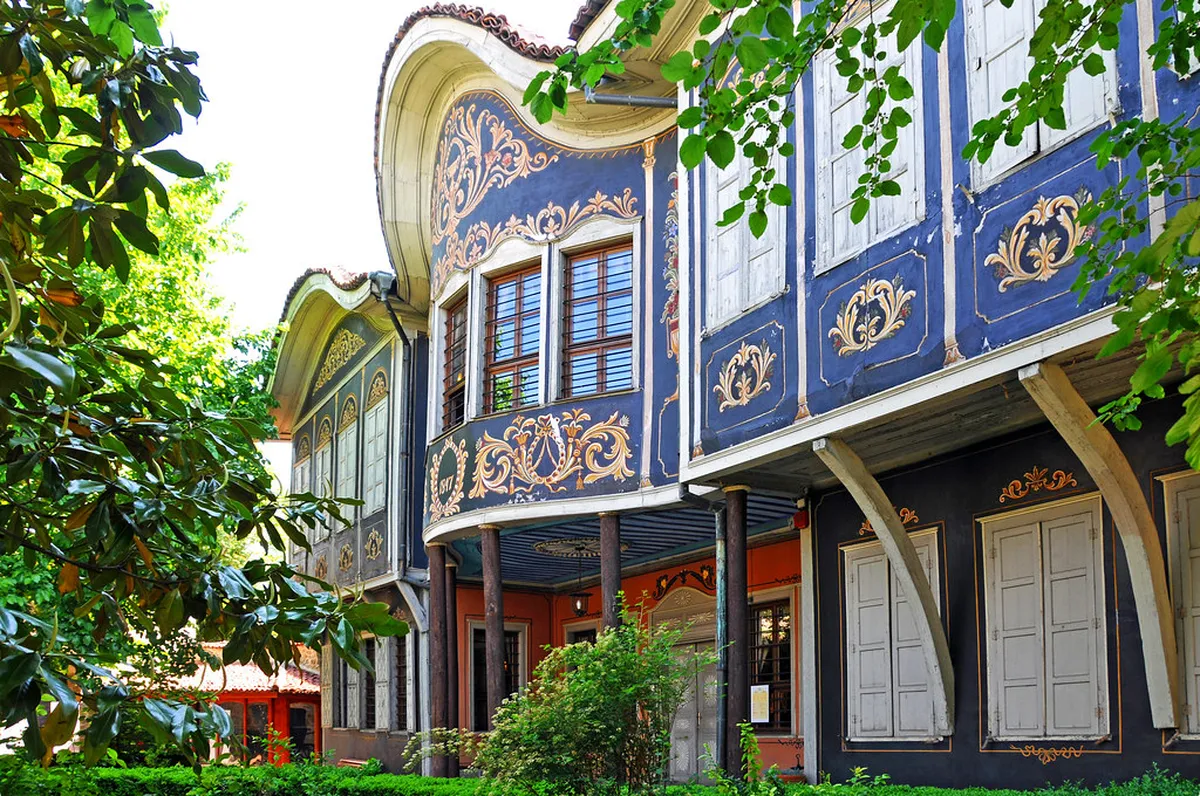
Plovdiv's Regional Ethnographic Museum fills the ornate 1847 Kuyumdzhioglu House in the Old Town with over 40,000 exhibits of Bulgarian folk culture, from crafts and costumes to musical instruments. It is one of the city's signature Bulgarian Revival landmarks.
Visitor guide →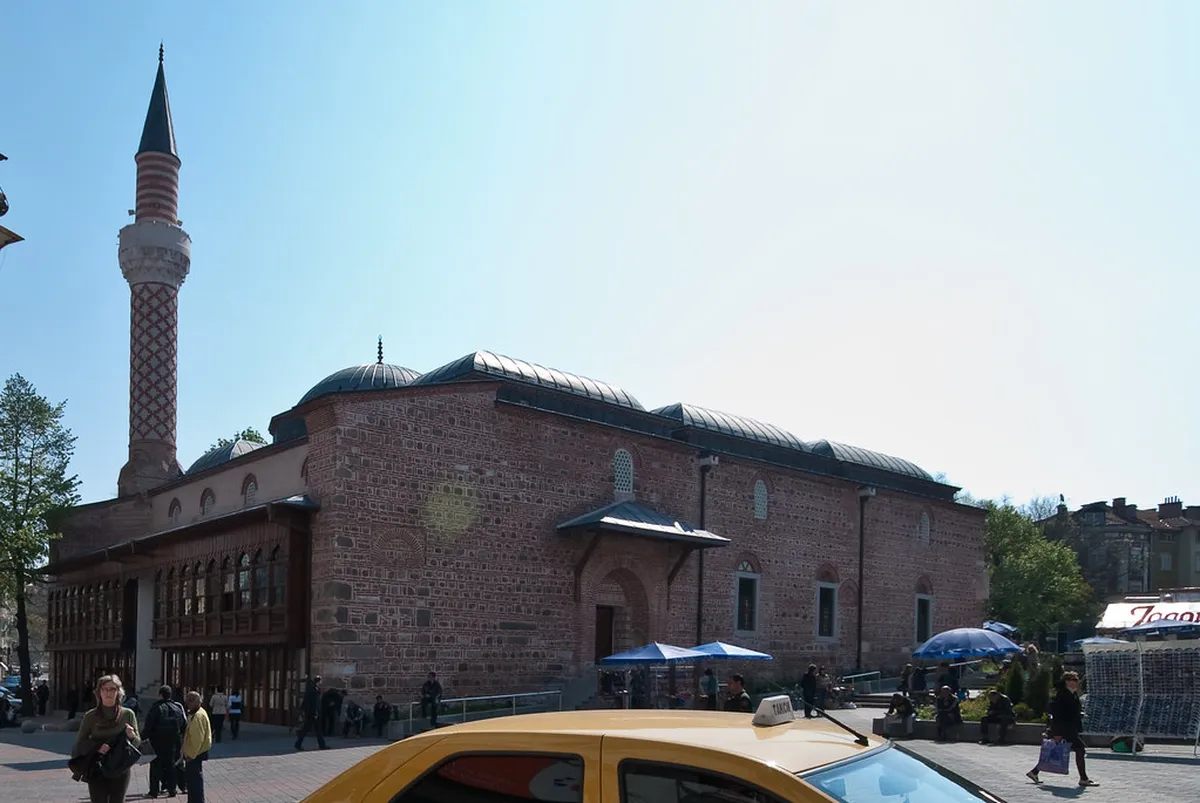
Working 15th-century Ottoman mosque on Dzhumaya Square in central Plovdiv, among the oldest Ottoman religious buildings in the Balkans, with nine lead-covered domes and a brick-latticed minaret; entry is free outside prayer times.
Visitor guide →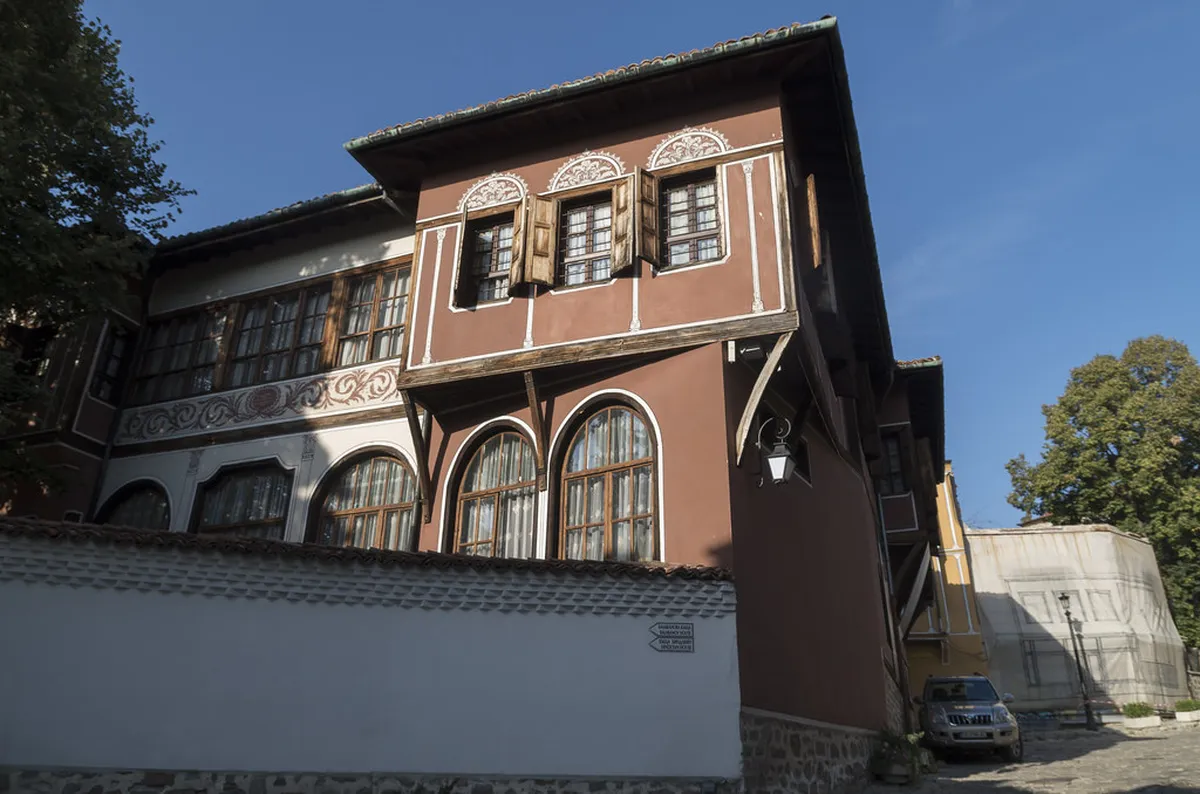
A grand symmetrical Bulgarian Revival mansion in Plovdiv's Old Town, built in the early 19th century for merchant Hadji Panayot Lampsha and named after later owner Luka Balabanov. Now a house-museum and cultural venue with wood-carved ceilings and period furnishings, run by the Ancient Plovdiv institute.
Visitor guide →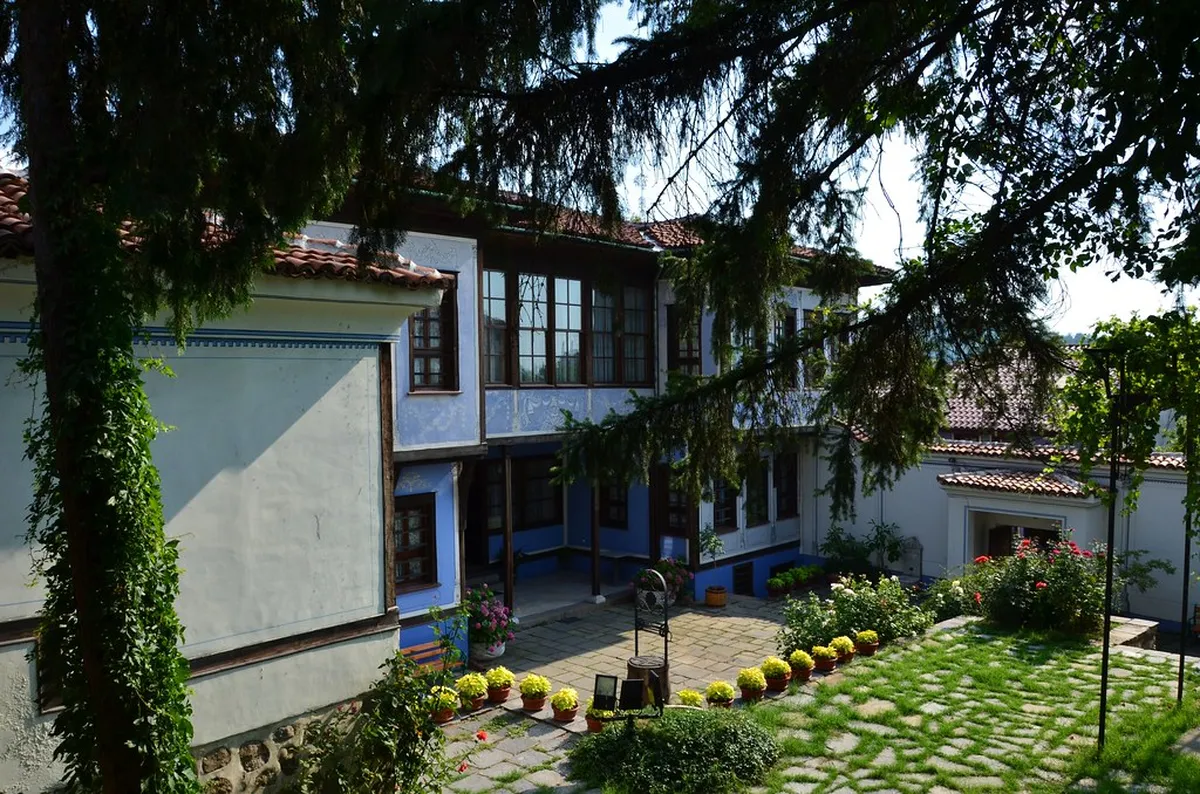
An 1830s Bulgarian Revival house-museum in Plovdiv's Old Town, built for the Armenian merchant Stepan Hindliyan and celebrated for wall paintings of European cities made with paper-stencil techniques and a fountain that once flowed with rosewater. Managed by the municipal Ancient Plovdiv institute.
Visitor guide →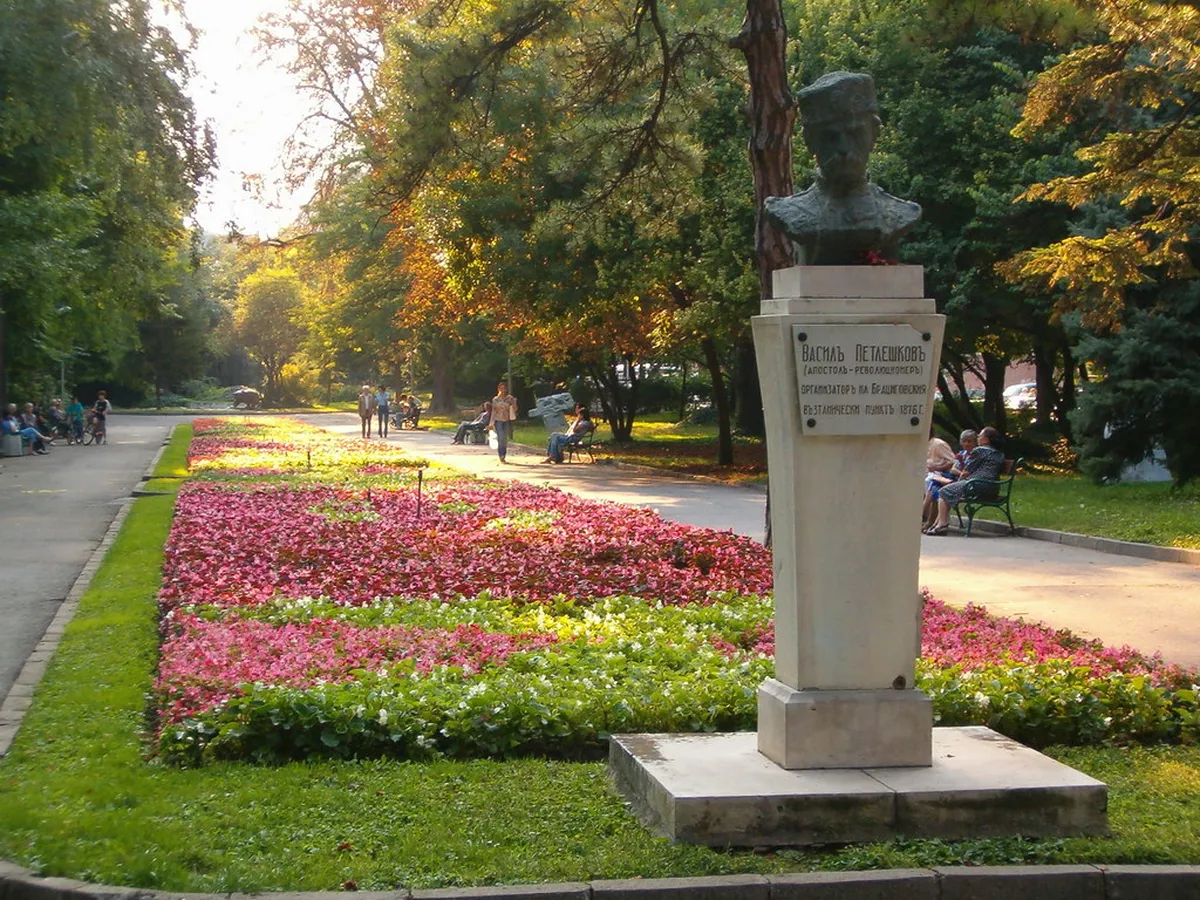
Plovdiv's central city park, created in 1892 by Lucien Chevalas for the First Bulgarian Agricultural-Industrial Exhibition, best known today for its lake with the seasonal evening Singing Fountains shows; free and open 24/7.
Visitor guide →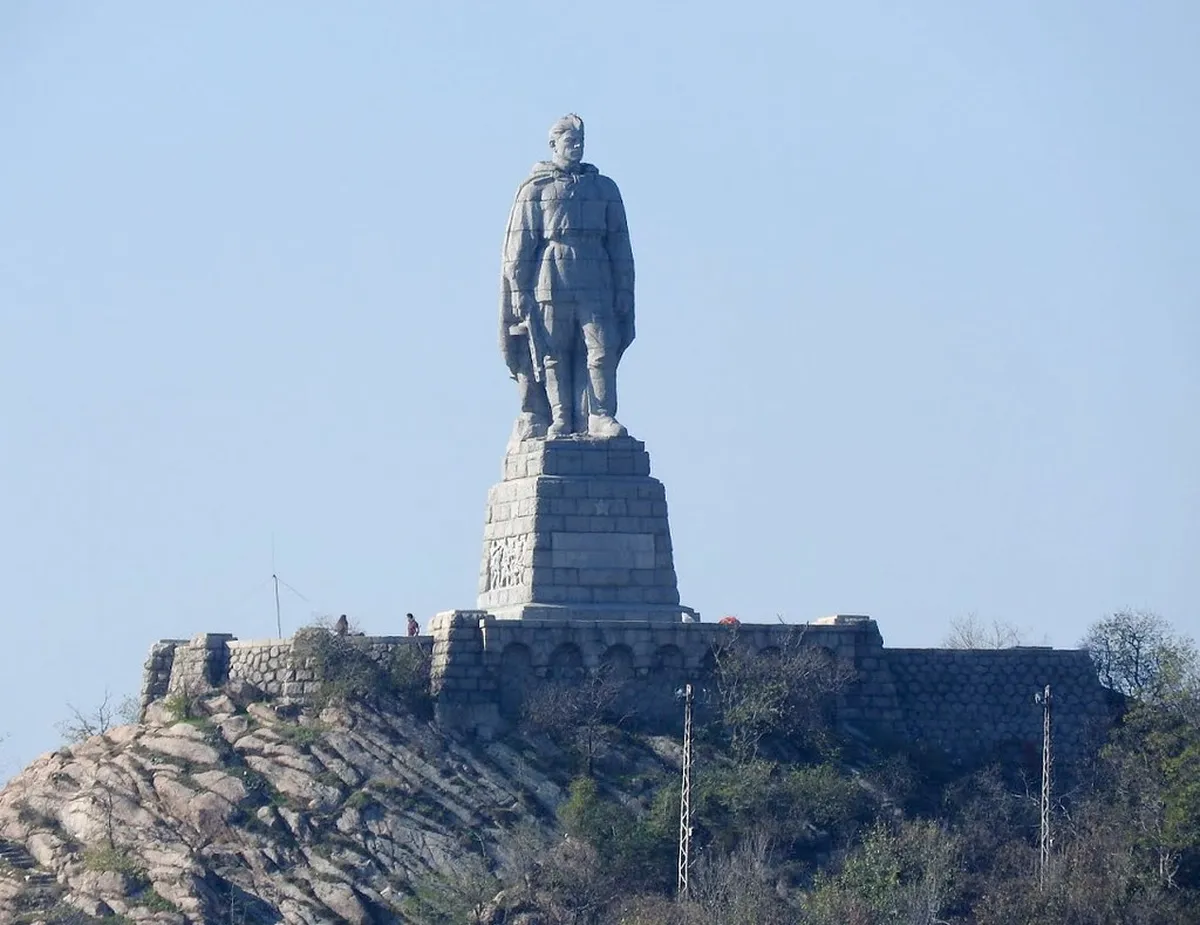
Alyosha is an 11-metre Soviet Army memorial statue crowning Bunardzhik Hill (the Hill of the Liberators) in central Plovdiv, opened in 1957. The free, always-open hilltop is reached on foot and rewards the climb with panoramic views over the city.
Visitor guide →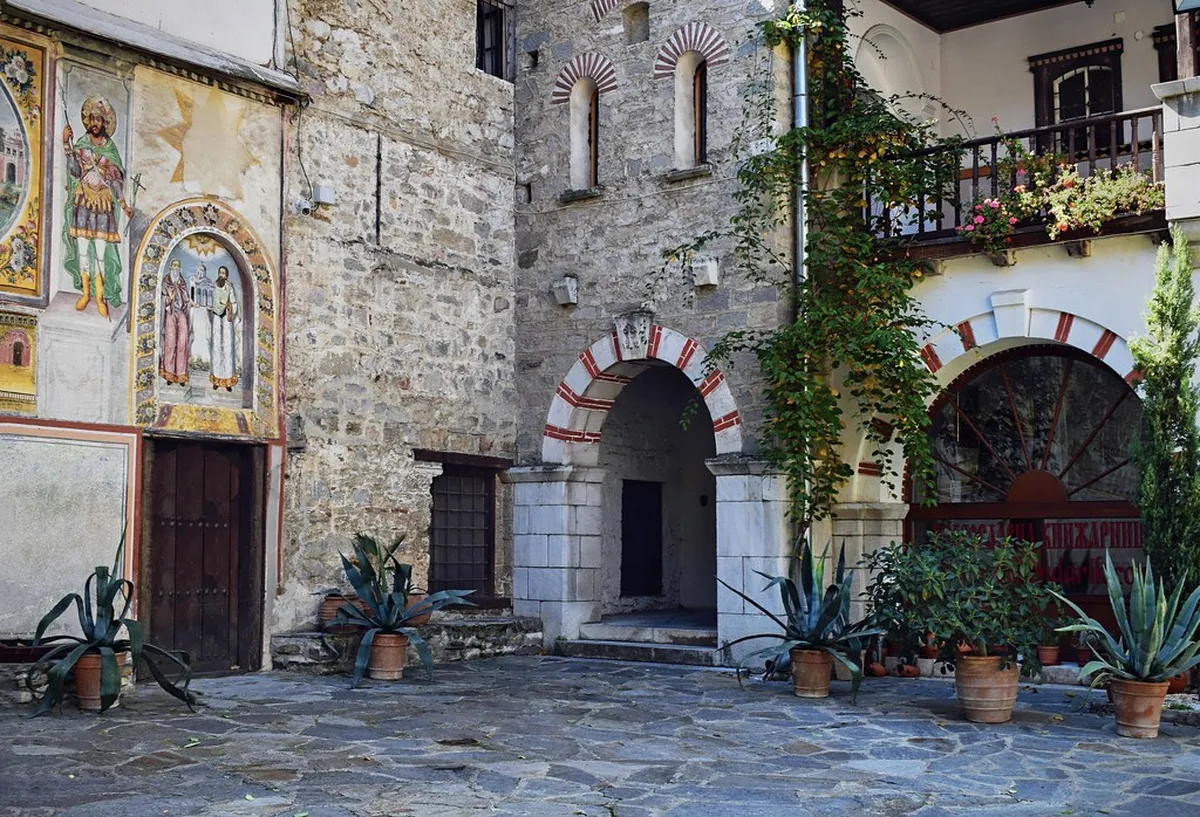
Bachkovo Monastery, founded in 1083 and Bulgaria's second-largest monastery, sits above the Chepelarska River about 30 km south of Plovdiv. The grounds are free to visit daily from 7:00, with a small paid museum and a frescoed medieval ossuary as optional extras.
Visitor guide →Plovdiv's sights cluster into five walkable zones — pick a home base each morning and work outward.
Six of the twelve sit inside Plovdiv's Old Town, the hilltop reserve of Revival-era mansions layered over Thracian, Roman, and medieval remains. Start at the free hilltop ruins of Nebet Tepe Visitor Guide, walk down past the Ancient Theatre, and take in two of the house-museums — Ultimate Balabanov House Visitor Guide and Hindliyan House Visitor Guide — plus the Regional Ethnographic Museum Plovdiv in its own Revival mansion. The whole district is compact enough to cover on foot in half a day, even with stops inside each museum.
Downhill from the Old Town, around Dzhumaya Square, the restored curve of the Roman Stadium of Philippopolis sits beneath the pedestrianized main street (Knyaz Alexander I), alongside the working Dzhumaya Mosque Visitor Guide and the calmer green space of Tsar Simeon Garden Visitor Guide. This is Plovdiv's most heavily trafficked stretch, lined with cafes and shops, and functions as the natural link between the Old Town and Kapana.
Wedged between Dzhumaya Square and the Maritsa River, the Kapana Creative District Visitor Guide is Plovdiv's craft-beer, gallery, and street-art quarter — best visited in the evening when its bars and studios come alive, though the murals and independent shops are worth a daytime pass-through too.
The Alyosha Monument Visitor Guide crowns Bunardzhik Hill just west of the centre, a free climb rewarded with Plovdiv's best panoramic view — worth timing for sunset if you can. Further out, Bachkovo Monastery Visitor Guide, about 30 km south near Asenovgrad, is the cluster's one genuine day trip, and the only stop on this list that needs a bus or car to reach.
If you're planning around interest rather than geography, here's how the 12 split by type.
The Ancient Theatre and the Roman Stadium of Philippopolis are Plovdiv's two headline Roman sites, with Nebet Tepe Visitor Guide's earliest fortifications predating both by millennia.
Ultimate Balabanov House Visitor Guide and Hindliyan House Visitor Guide are Plovdiv's two signature 19th-century merchant mansions turned museums, while the Regional Ethnographic Museum Plovdiv occupies a third — the 1847 Kuyumdzhioglu House.
The Old Town's cobbled lanes and the Kapana Creative District Visitor Guide are Plovdiv's two essential no-single-ticket wandering zones — one for architecture and history, the other for galleries, street art, and nightlife.
Tsar Simeon Garden Visitor Guide and Bunardzhik Hill's Alyosha Monument Visitor Guide are Plovdiv's outdoor, no-ticket spaces — one for a lakeside stroll, one for a hilltop view.
Bachkovo Monastery Visitor Guide, Bulgaria's second-largest, is the cluster's sole out-of-town excursion.
Plovdiv is generous to budget travelers — most of its signature sights cost nothing to see.
The combined ticket is the better deal for anyone planning to see three or more Old Town sites in a single visit — see the savings section below for how it compares.
Pair these attractions into a route rather than visiting in list order — here's how to sequence one, two, and three days.
Start at Nebet Tepe Visitor Guide before the heat sets in — the hilltop ruins are at their most atmospheric in early morning light and largely empty of other visitors. Walk down through the Old Town to the Ancient Theatre and one house-museum — Ultimate Balabanov House Visitor Guide or Hindliyan House Visitor Guide — then cross to Dzhumaya Square for the mosque and the Roman Stadium. Finish in Kapana for dinner, when the district's restaurant terraces and bars are busiest.
Keep day one as above, then use day two for Tsar Simeon Garden Visitor Guide and the main street in the morning, the Regional Ethnographic Museum Plovdiv and your second house-museum in the early afternoon, and the climb to the Alyosha Monument Visitor Guide for sunset over the city. This pacing spreads the paid sites across two mornings rather than rushing all of them into one day, which matters most for the house-museums since each rewards a slower, unhurried visit.
Use day three for Bachkovo Monastery Visitor Guide, about 30 km south — pair it with nearby Asenovgrad's medieval fortress or a stop in the Thracian Valley wine region on the way back for a fuller day out of the city. This sequencing — two days in Plovdiv itself, one day beyond it — is the most efficient way to see all 12 attractions on this list without doubling back across the city.
Plovdiv's core is genuinely walkable — the Old Town, the Center, and Kapana form a continuous pedestrian zone, and most visitors cover all three on foot in a single day without needing a taxi or bus between stops. The Old Town's cobbled lanes are steep and uneven in places, so pack real shoes rather than sandals; the pedestrianized main street ties the Center to Kapana and is closed to traffic along its full length, which makes it the easiest orientation point if you get turned around among the Old Town's winding side streets.
Bachkovo Monastery is the one attraction that needs transport: regular buses run from Plovdiv's Rodopi bus station via Asenovgrad, or you can combine the trip with a taxi or private transfer if you're short on time. Plovdiv itself is reached from Sofia by train or bus in roughly 2 to 2.5 hours, making it an easy addition to a wider Bulgaria itinerary. A rental car isn't necessary for the city centre — parking is limited and most streets near the Old Town are pedestrian-only — but it does give more flexibility for the Bachkovo trip if you'd rather set your own schedule than follow a bus timetable.
Spring (April–May) and September are the sweet spot — mild temperatures for the Old Town's hills and thinner crowds than midsummer, plus comfortable conditions for the climb up Bunardzhik Hill. Summer (June–August) brings the Ancient Theatre's outdoor concert and opera season and lively evenings in Kapana, but midday heat can make the Old Town's uphill stretches uncomfortable; plan sightseeing for morning or early evening instead and save the afternoon for shaded cafes.
Winter shortens opening hours at the house-museums and the Ethnographic Museum, and Bunardzhik Hill and Nebet Tepe are less rewarding under grey skies — but the Old Town's streets and Kapana's indoor bars and galleries work fine year-round, and the lack of crowds makes it an underrated season for photographing the Roman sites without other tourists in frame.
The single best money-saver is the combined Old Town ticket at €10.74, which covers admission to up to five sites — including both house-museums — for less than buying three individually. If you're visiting the Ancient Theatre, both house-museums, and the Regional Ethnographic Museum on the same trip, the combined ticket pays for itself. Municipal sites (the house-museums and the Regional Ethnographic Museum) also run free-entry days for students and retirees on the first Thursday of the month; check current dates locally, as they shift.
Beyond that, several of Plovdiv's best-known sights cost nothing at all: the Old Town's streets, Kapana, Nebet Tepe, Tsar Simeon Garden, the Alyosha Monument climb, and Dzhumaya Mosque outside prayer times. A full day of sightseeing can be built around free attractions alone, with just one or two paid stops layered in — a genuinely budget-friendly way to experience most of what makes Plovdiv worth visiting.
Two full days covers the Old Town, the Center, and Kapana comfortably. Add a third day if you want to include the Bachkovo Monastery day trip without rushing.
Plovdiv is widely cited as Europe's oldest continuously inhabited city, with settlement evidence on Nebet Tepe dating to around 4000 BC — older than Rome, Athens, and Constantinople.
Many are. The Old Town's streets, Kapana, Nebet Tepe, Tsar Simeon Garden, the Alyosha Monument climb, and Dzhumaya Mosque outside prayer times all cost nothing. The Ancient Theatre, both house-museums, and the Regional Ethnographic Museum charge modest entry fees.
Yes for most visitors. At €10.74 for up to five sites, it costs less than paying separately for the Ancient Theatre, both house-museums, and the Regional Ethnographic Museum.
You can cover the highlights — Nebet Tepe, the Ancient Theatre, one house-museum, Dzhumaya Mosque, and the Roman Stadium — in a single busy day, but two days lets you add Kapana and Bunardzhik Hill without rushing.
Yes. It's Bulgaria's second-largest monastery, founded in 1083, with free grounds access and a short bus ride from Plovdiv via Asenovgrad — an easy half-day addition to any Plovdiv itinerary.
Spring and September offer the best combination of mild weather and manageable crowds. Summer adds the Ancient Theatre's performance season but brings heat, and winter shortens house-museum hours.
They complement each other rather than compete. Sofia has more large-scale national museums and a bigger capital-city footprint, while Plovdiv's draw is its walkable layering of Roman, Ottoman, and Revival-era sights inside a smaller historic core.
These 12 attractions are the foundation of a Plovdiv visit, but they're only the starting point. For a fuller day-by-day breakdown, see our complete guide to things to do in Plovdiv, or jump straight to a ready-made 3-day Plovdiv itinerary that sequences the sights above with meals and transport built in. If the Old Town is the focus of your trip, our Plovdiv Old Town Guide: Architecture, History, and Travel Tips goes deeper on its house-museums, streets, and hidden corners.
Filed under
Continue your journey
25 Jul 2026
25 Jul 2026
25 Jul 2026
25 Jul 2026

16 Jul 2026

16 Jul 2026