Ultimate Velyanova House Visitor Guide for 2026
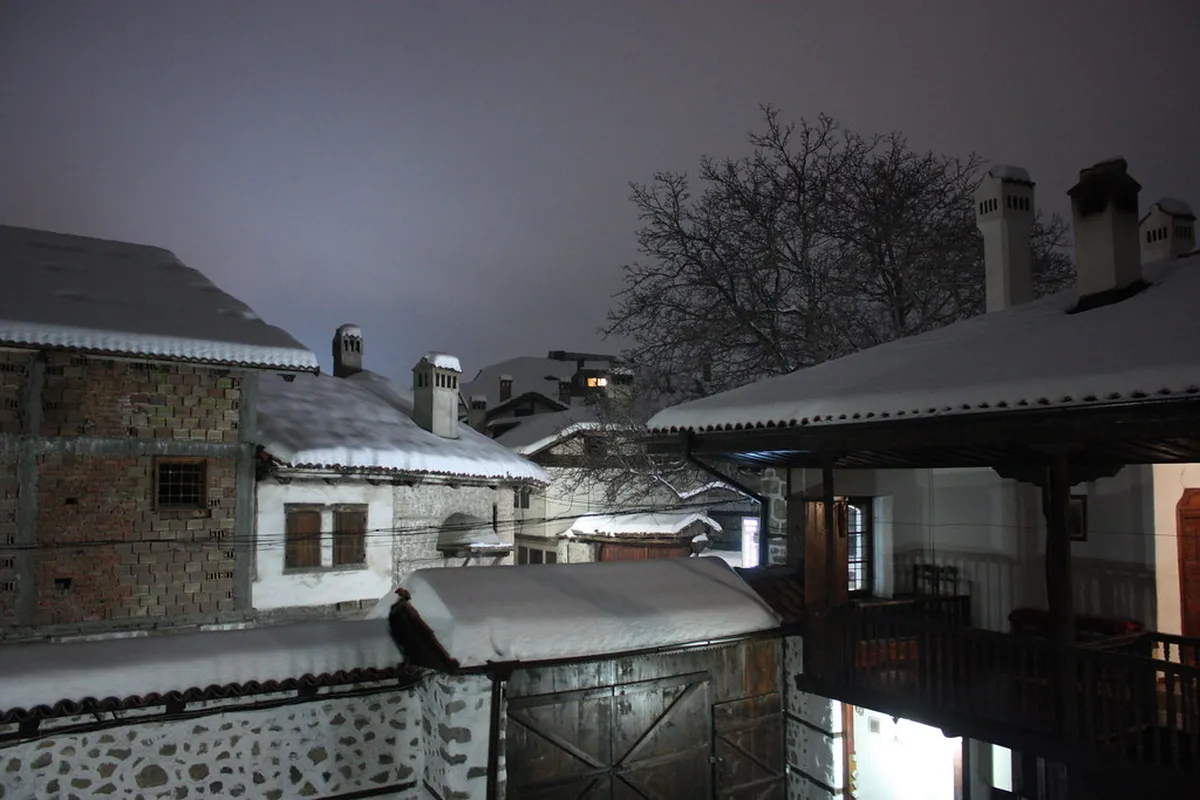
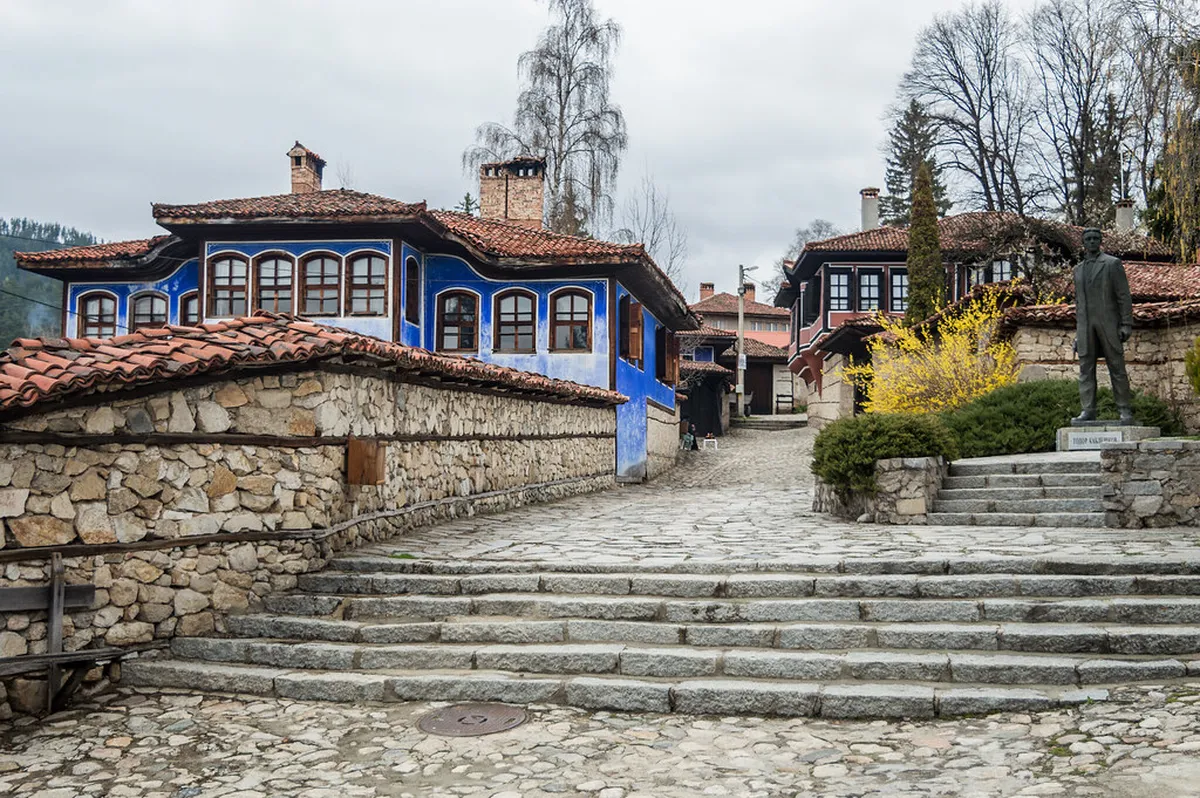
Stepping into the cobblestone streets of the historic district reveals a hidden world of Bulgarian heritage. The Velyanova House stands as a premier example of 18th-century architecture within the Bansko Old Town Visitor Guide area. Visitors often feel transported back to the National Revival period as they admire the intricate facade.
This video walk-through offers a visual introduction to the decorated rooms and architectural details you'll encounter on your visit:
This preserved monument showcases the wealth and artistic spirit of local mountain families from centuries ago. Planning a visit requires understanding the unique history of the master artist who once lived here. Our comprehensive guide ensures you capture every detail of this stunning cultural landmark.
The Artistic Legacy of Velyan Ognev
Bansko's grateful townspeople gave this house to master painter and woodcarver Velyan Ognev after he finished decorating the interior of the nearby Holy Trinity Church, Bansko Visitor Guide. Ognev belonged to the Debar Art School, a guild of itinerant painters and woodcarvers active across the Macedonian-Bulgarian lands, and during his 1830s renovation he turned a plain fortified house into the most decorated private interior in the old town. The street outside still carries his name.
His murals cover the residential floor with cityscapes of Venice and other European centers, alongside celestial motifs, botanical patterns and scenes of everyday rural life, signaling the wealth and worldliness Bansko's merchant class had built through trade reaching Vienna, Istanbul and the Aegean ports. Look closely at the carved ceiling rosettes for hidden protective symbols worked into the woodwork.
A guided tour adds real context to these details and costs €5 (9.78 BGN) on top of the entry ticket. English-speaking guides are usually on hand, though it is worth calling ahead in low season to confirm one is scheduled that day. Without a guide, the printed room labels cover only the basics of what you are looking at.
The house earned national cultural monument status in 1967, a decade before it opened to the public as a museum in 1977. Restorers have kept Ognev's colors close to their original brightness, and the murals remain among the best-preserved examples of National Revival wall painting in the Pirin region.
Architectural Marvels of the National Revival
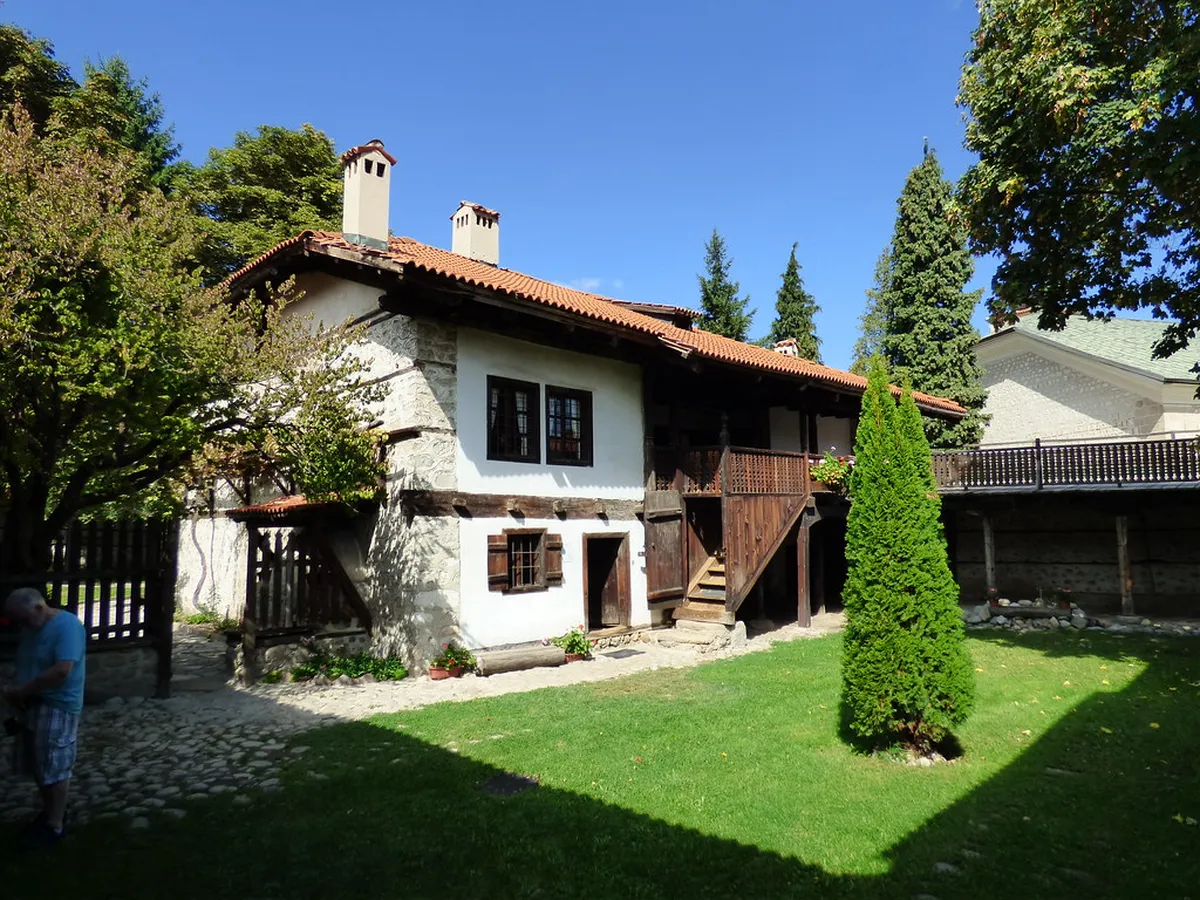
The ground floor is built for defense, not comfort. Thick stone walls, small iron-grilled windows and narrow loopholes protected the household during the kardzhalii raids common across the Pirin foothills in the 18th century. Wine, food stores and livestock once filled this level, and a vaulted two-part hideout is built into the stonework, a reminder that safety, not style, shaped the original design.
The residential floor above tells a different story. The guest room, living room, women's room and study open off a spacious wooden chardak (veranda) crowned with a carved rosette, and Ognev's painted cityscapes and ornament cover nearly every wall in the guest room. The small, high windows on this floor still echo the defensive logic below, but they let in enough light to show off the murals once you are inside.
The chardak was the real living space in warmer months, sheltered from the street yet open to the courtyard. Architecture researchers still treat Velyanova House as the textbook case for how Bansko's fortified houses evolved from pure defense toward a decorated, family home without losing their protective shell.
Morning light gives the truest colors on the murals, since the small windows mean the upstairs rooms stay dim by early afternoon in winter. Budget 40 to 45 minutes to see both floors properly, more if you take the guided tour.
Practical Velyanova House Visitor Guide Tips
Velyanova House stands at 5 Velyan Ognev Street, a short walk from Nikola Vaptsarov Square and close to the Holy Trinity Church. From the main square it is under ten minutes on foot along cobbled lanes leading to Bansko's other house museums.
The museum keeps a fixed schedule year-round: Tuesday to Saturday, 09:00-12:00 and 13:00-17:00, with no entry during the midday closure and no visits at all on Sunday or Monday. There is no seasonal extension for ski season, so plan around the Tuesday-Saturday window whatever time of year you visit.
Admission is €3 (5.87 BGN) for adults, €2 for students and retirees, and €1 for visitors with disabilities; a family ticket covers €5. Add €5 (9.78 BGN) for the guided tour. Velyanova House is part of the wider Bansko Museum Complex along with the Nikola Vaptsarov House Museum Visitor Guide and the Neofit Rilski House Museum, but each sells its own €3 adult ticket rather than a combined pass, so budget separately for all three.
The building itself is not step-free: a narrow wooden staircase and low doorways connect the fortified ground floor to the painted rooms above, with no lift. The €1 disability ticket covers entry, but wheelchair users or anyone with limited mobility should expect to view the ground-floor hideout and courtyard rather than the upstairs murals; call ahead to check current access.
- Ticket Prices and Entry Fees
- Adult: €3 (5.87 BGN)
- Student / Retiree: €2
- Visitor with Disabilities: €1
- Family Ticket: €5
- Guided Tour: €5 (9.78 BGN)
- Opening Hours
- Tuesday-Saturday: 09:00-12:00
- Tuesday-Saturday: 13:00-17:00
- Closed: Sunday and Monday
- Visitor Facilities and Access
- Restrooms: Available on site
- Parking: Limited street parking nearby
- Accessibility: Ground floor only; stairs to upper rooms
- Gift Shop: Small selection at the admission desk
Exploring Nearby Bansko Cultural Sites
The old town holds two more house museums within a few minutes' walk, forming the Bansko Museum Complex with Velyanova House. The Nikola Vaptsarov House Museum sits right on the central square and covers the life of Bulgaria's best-known worker-poet, while the Neofit Rilski House Museum Visitor Guide on Pirin Street traces the story of the scholar who wrote an early Bulgarian grammar book.
If you only have time for one, make it Velyanova House: it is the most architecturally complete of the three fortified houses, and the only one built primarily to showcase a master painter's murals rather than a resident's belongings. Add Vaptsarov's house next for literary history, and save Neofit Rilski for last since its exhibits lean more academic than visual.
Traditional mehanas line the surrounding streets, and a bowl of Bansko kapama, slow-cooked meats and cabbage in a clay pot, makes a good midday break between museum stops. Many of these taverns occupy buildings nearly as old as the house museums themselves.
The exterior photographs best in late afternoon light, when the white plaster and dark timber framing stand out against the cobblestones. Interior photography stays off-limits everywhere in the complex, so save the camera for courtyards and facades rather than the murals.
Common Mistakes to Avoid While Visiting
Photography indoors is prohibited across the museum to protect Ognev's original pigments from flash damage, a rule that catches out visitors who assume it only applies to flash use. Save the camera for the courtyard and the street-facing facade instead.
Arriving during the 12:00-13:00 closure is the most common scheduling mistake; the museum does not admit visitors during this midday break even if staff are on site. Aim for a morning visit shortly after 09:00 or an afternoon slot after 13:00, and remember the site is closed entirely on Sunday and Monday.
The wooden stairs to the upper floor are steep and narrow, so smooth-soled shoes or heels are a genuine hazard, not just a comfort issue. Several doorways on the residential floor are also low enough that taller visitors should duck instinctively rather than risk a bump.
Skipping the €5 guided tour means missing the stories behind specific murals and carved symbols the printed labels don't explain. Book a guide a few hours ahead in shoulder season, when fewer English-speaking staff are on duty.
Continue planning: Use Bansko Attractions: Top 8 Things to Do in Bansko to connect this guide with the rest of your Bulgaria itinerary.
Frequently Asked Questions
What is Velyanova House in Bansko?
Velyanova House is the best-preserved fortified house from the Bulgarian National Revival period in Bansko. Built in the 18th century as a two-story stone house with a hideout, iron-grilled windows and loopholes, it opened as a museum in 1977 and is a cultural monument of national significance.
How much are tickets to Velyanova House?
Adult admission is €3 (5.87 BGN). Students and retirees pay €2, visitors with disabilities €1, and a family ticket costs €5. A guided tour can be added for €5.
What are Velyanova House's opening hours?
The museum is open Tuesday to Saturday from 9:00 to 12:00 and 13:00 to 17:00. It is closed on Sunday and Monday.
Who was Velyan Ognev and what did he paint here?
Velyan Ognev was a 19th-century master painter and woodcarver of the Debar Art School. During an 1830s renovation he covered the house's interior with murals and carved wooden ceilings, painting cityscapes of Venice and other European centers, celestial bodies and everyday scenes; the street the house stands on now bears his name.
Where is Velyanova House located?
It stands at 5 Velyan Ognev Street in Bansko's old town, a short walk from Nikola Vaptsarov Square and close to the Holy Trinity Church, at postal code 2770.
Why is Velyanova House architecturally important?
It is the most authentic surviving example of the fortified Bansko house type: a defensive stone ground floor with a vaulted two-part hideout contrasts with a richly decorated residential floor holding the guest room, living room, women's room and study, plus a spacious chardak with a carved wooden rosette.
Are guided tours available at Velyanova House?
Yes. The Bansko Museum Complex offers guided tours of Velyanova House for €5 (9.78 BGN) on top of the entry ticket.
What else can I visit near Velyanova House?
The house is part of the Bansko Museum Complex, so the Nikola Vaptsarov House Museum on the central square and the Neofit Rilski House Museum at 17 Pirin Street are both within a few minutes' walk, each with its own €3 adult ticket.
Visiting this historic gem provides a deep connection to the artistic soul of the Bulgarian National Revival. The murals and woodcarvings offer a unique perspective that differs from the modern ski resort atmosphere. Include this stop in your Bansko itinerary for a well-rounded cultural experience.
Preserving these traditions ensures that future generations can appreciate the skill of masters like Velyan Ognev. Take your time walking through the quiet halls and absorbing the mountain history. The Velyanova House remains a must-see destination for anyone seeking the true heart of Bulgaria.
For more Bansko planning, read our Bansko Itinerary: 10 Essential Sections for Your Trip guide.
To verify current details, consult the Velyanova House on Wikipedia and Velyanova House guide on Tripadvisor.
Browse all Bansko attractions in our Bansko attractions hub.