Belogradchik Fortress Kaleto: Complete Visitor Guide
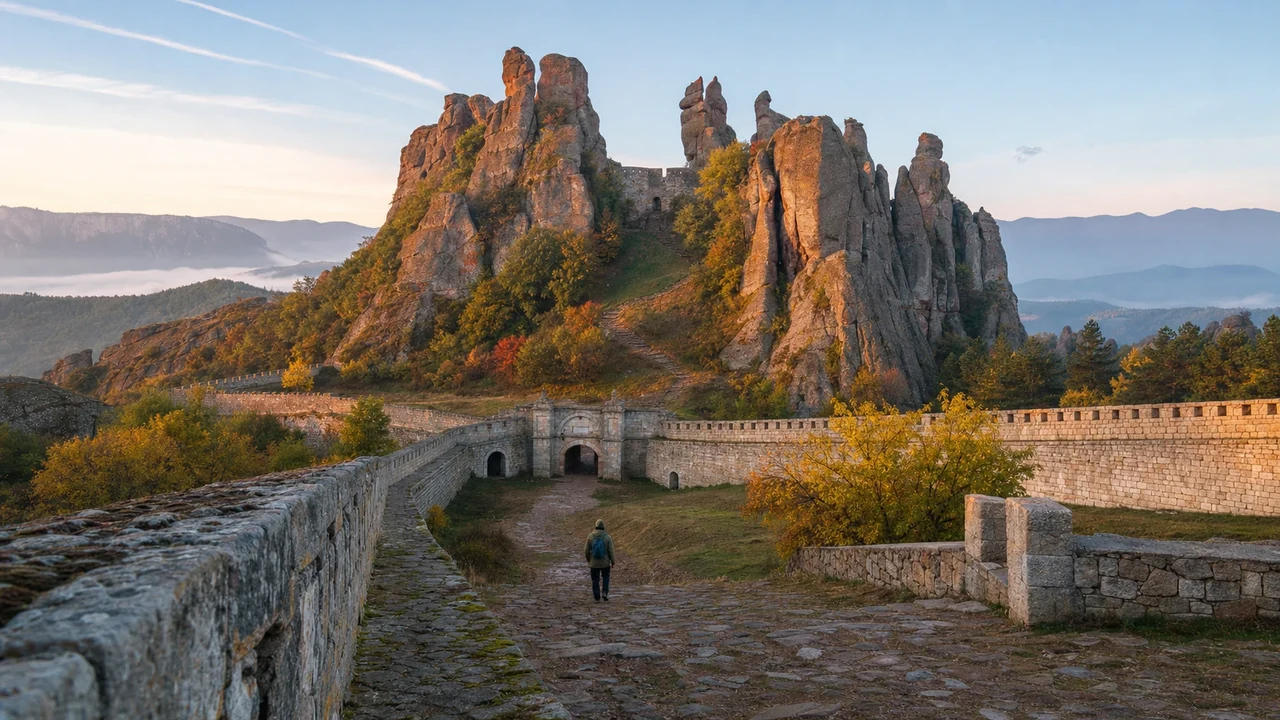
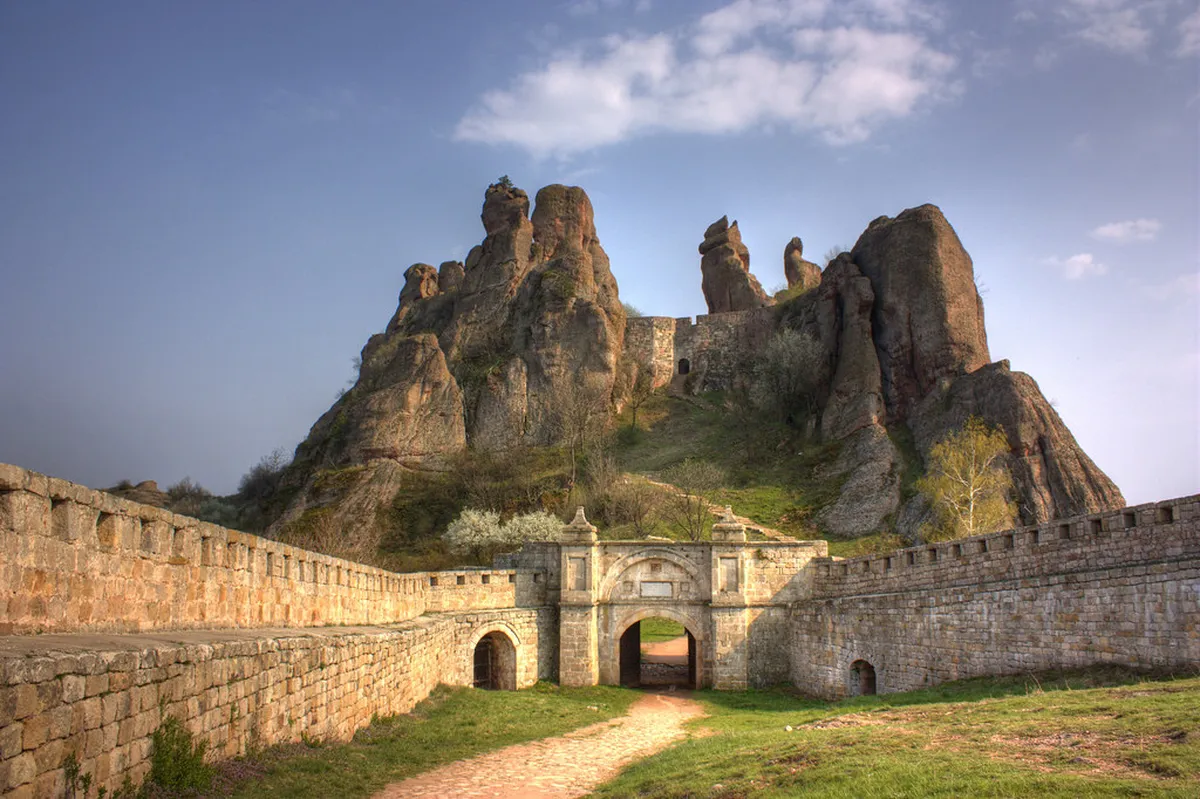
Belogradchik Fortress (Kaleto) Visitor Guide Kaleto is one of the most dramatic and undervisited historical sites in Bulgaria. Built on the northern slopes of the Balkan Mountains, the fortress is wedged between towering sandstone rock formations that reach up to 200 metres in height. The combination of human-built walls and natural rock barriers creates a setting unlike anything else in the country.
Visitors come here for the history, but many leave talking about the rocks. The fortress sits at the highest point of Belogradchik, offering panoramic views over the entire town and the surrounding rock massif. Whether you have a few hours or a full day, this guide covers everything you need to plan a smooth visit.
Short History of Kaleto Fortress
The fortress at Belogradchik has its roots in Roman times, when the empire needed to control roads across the Balkan Peninsula. Between the 1st and 3rd centuries AD, Roman engineers built the Citadel at the highest point of the rock massif. They used the natural rock faces as three of the four walls, adding fortified stonework only on the northwest and southeast sides. This design made the position remarkably difficult to attack from the ground.
In the 14th century, Bulgarian tsar Ivan Stratsimir of Vidin significantly expanded the old Roman structure. He added fortified garrisons in front of the existing rock massifs, strengthening Kaleto as a key defensive stronghold in the region. The fortress became one of the most strategically important positions in northwestern Bulgaria during this period.
Ottoman forces captured Belogradchik Fortress at the end of the 14th century and expanded it further for their own military purposes. The fort played a particularly grim role in 1850, when it was used during the suppression of the Belogradchik uprising. Its last active military use came during the Serbo-Bulgarian War of 1885. Today, the site is managed by the local History Museum and ranks among the best-preserved medieval fortresses in Bulgaria.
The Legend of the Belogradchik Rocks
Long before the Ottomans arrived, a nunnery stood hidden among the rocks of Belogradchik. The youngest nun, Vitinya — sometimes called Vita — was said to be so beautiful that even her habit could not conceal her grace. Rumours of her beauty spread across the region and eventually reached distant parts of the Roman Empire.
On the feast day of St. Peter, when outsiders were permitted to enter the monastery, Vita met a man named Antonio. Their love was kept secret for months, but when Vita gave birth to their child, there was no longer any hiding it. The other nuns gathered and decided to cast her out, along with her baby and Antonio who begged at the gates for mercy. As they turned away the young family, the sky darkened, a single thunderbolt struck, and the entire scene was turned to stone.
The legend holds that God's punishment fell not on the lovers but on those who refused them compassion. Today, visitors can spot rock formations said to resemble Antonio on horseback, the stern elder nuns, and Vita holding her child. The rocks directly behind the fortress walls — some standing 70 metres tall — are the most dramatic remnants of this petrified scene. You can read the full legend with local photographs at Followthesisters.com for a vivid companion to the site visit.
What to See at Belogradchik Fortress Kaleto
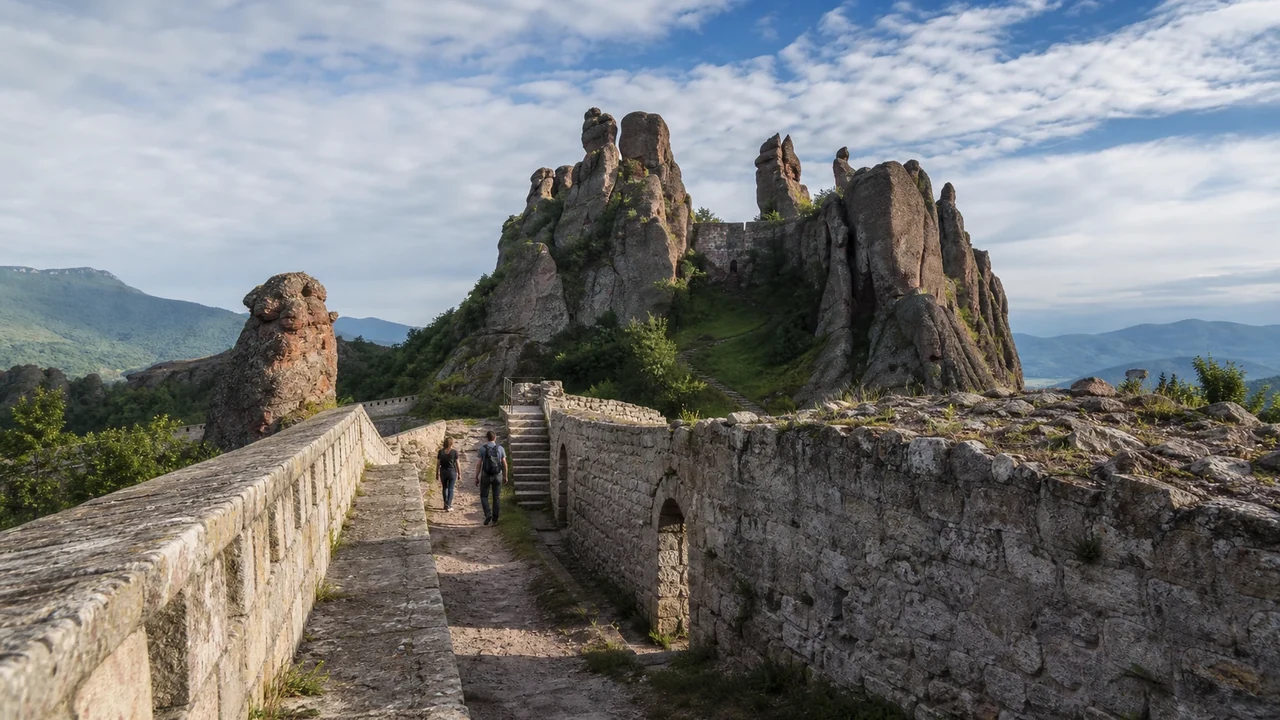
The fortress complex is divided into three main courtyards, each at a different elevation. The lower courtyard near the entrance holds the ticket booth and leads to a series of stairways cut between the rocks. As you climb, the walls narrow and the rock faces close in, giving a genuine sense of how the garrison felt from inside. The highest courtyard opens onto the Citadel and the best panoramic viewpoints over the town.
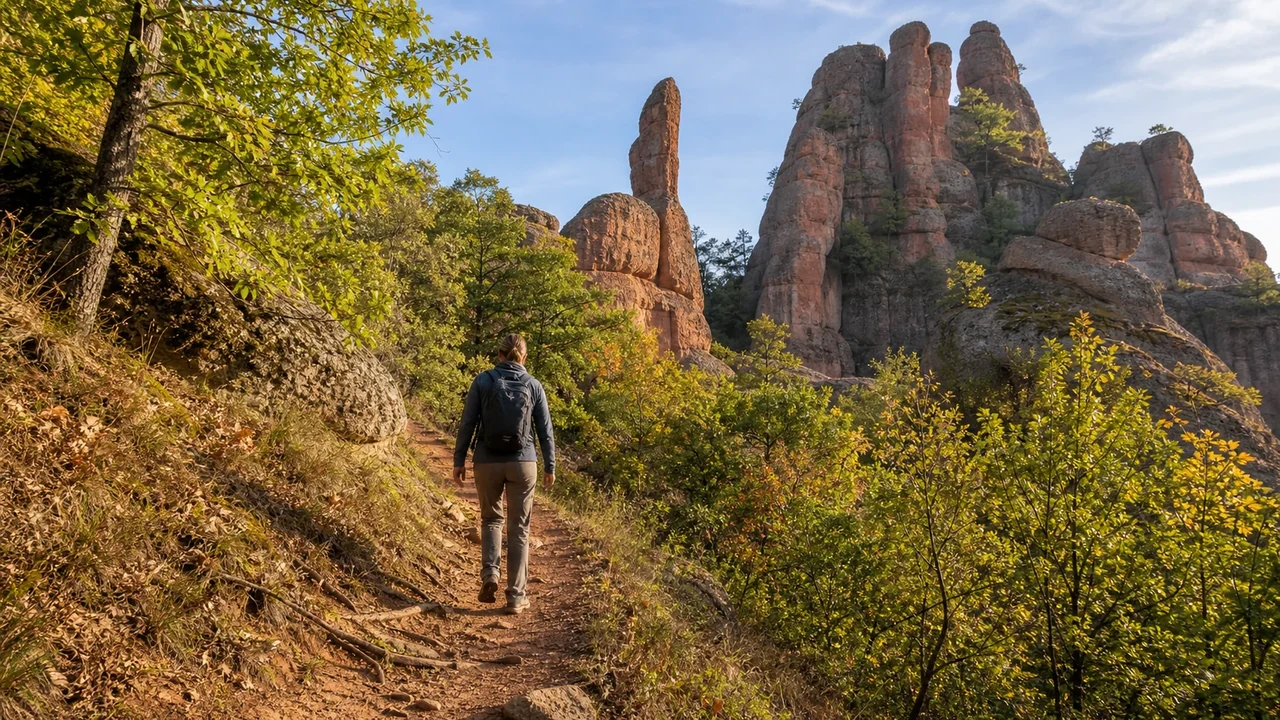
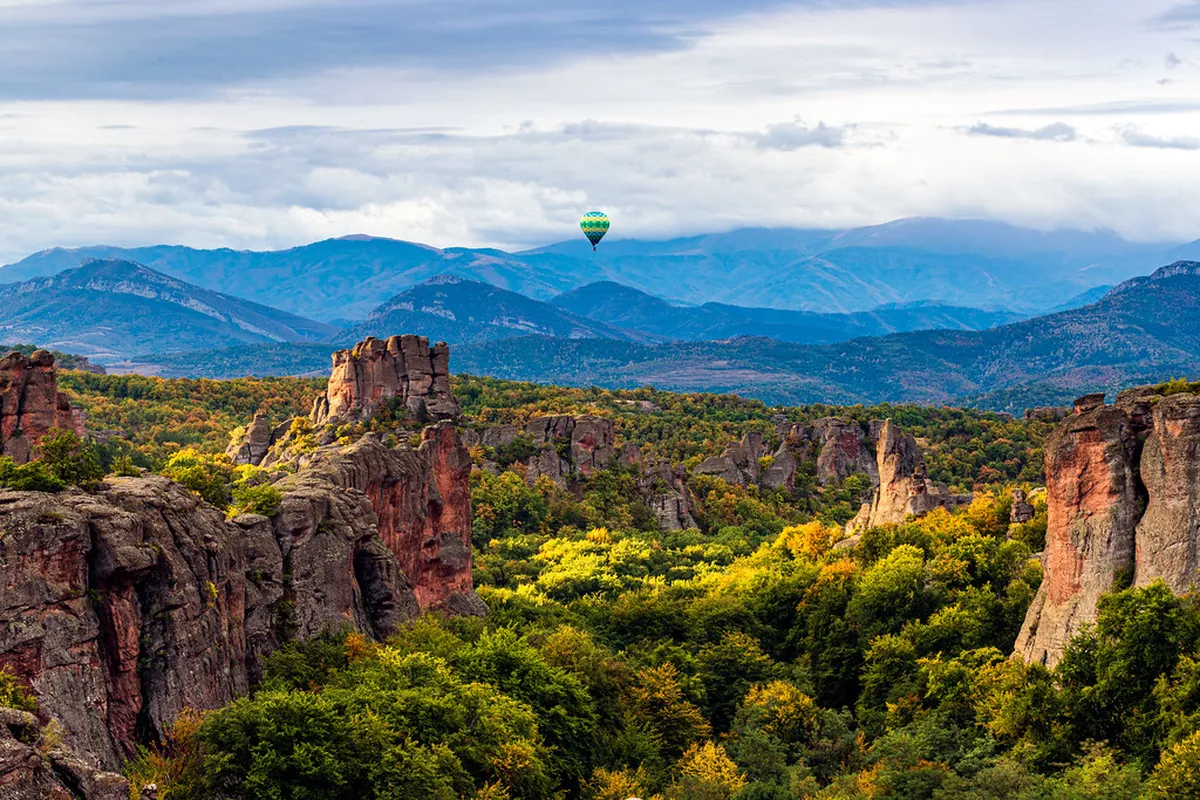
The rock formations immediately behind the fortress walls are the visual centrepiece of the visit. These particular rocks stand around 70 metres tall and are fused into the fortress structure so tightly that it is hard to tell where the stone walls end and the natural cliff begins. Bring a wide-angle lens if you photograph with a camera, as the scale is difficult to capture at close range.
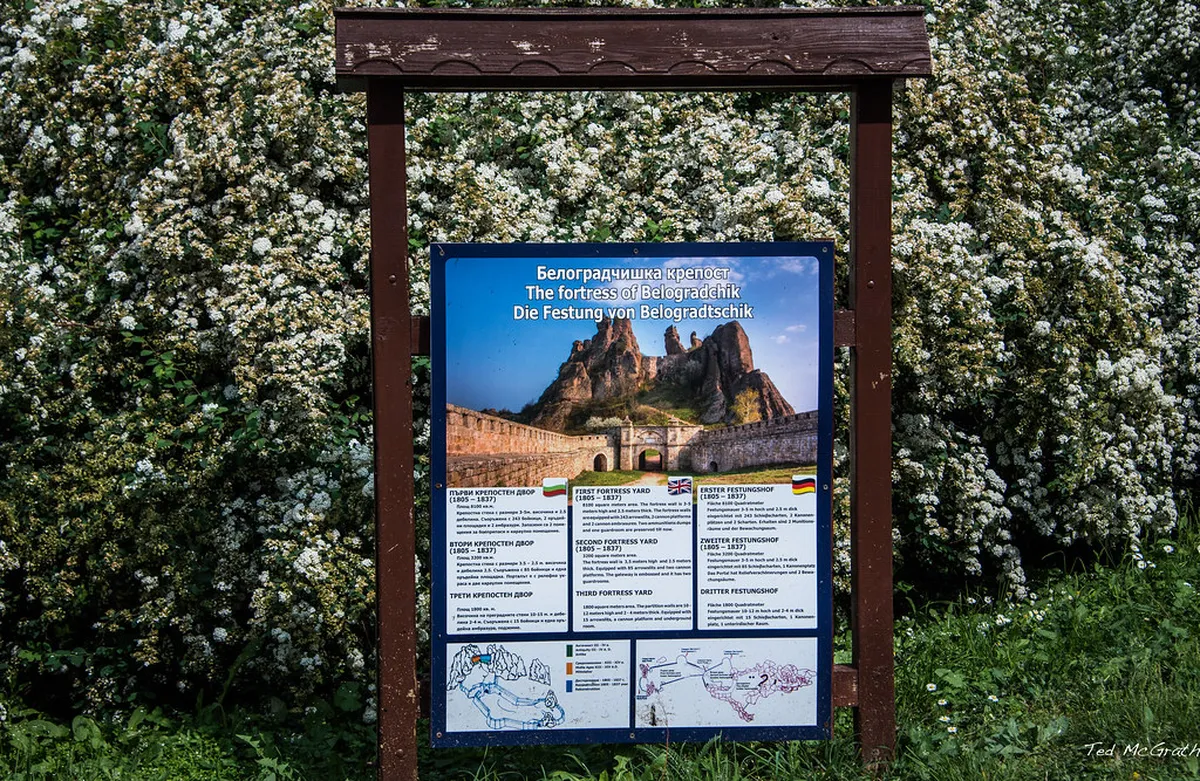
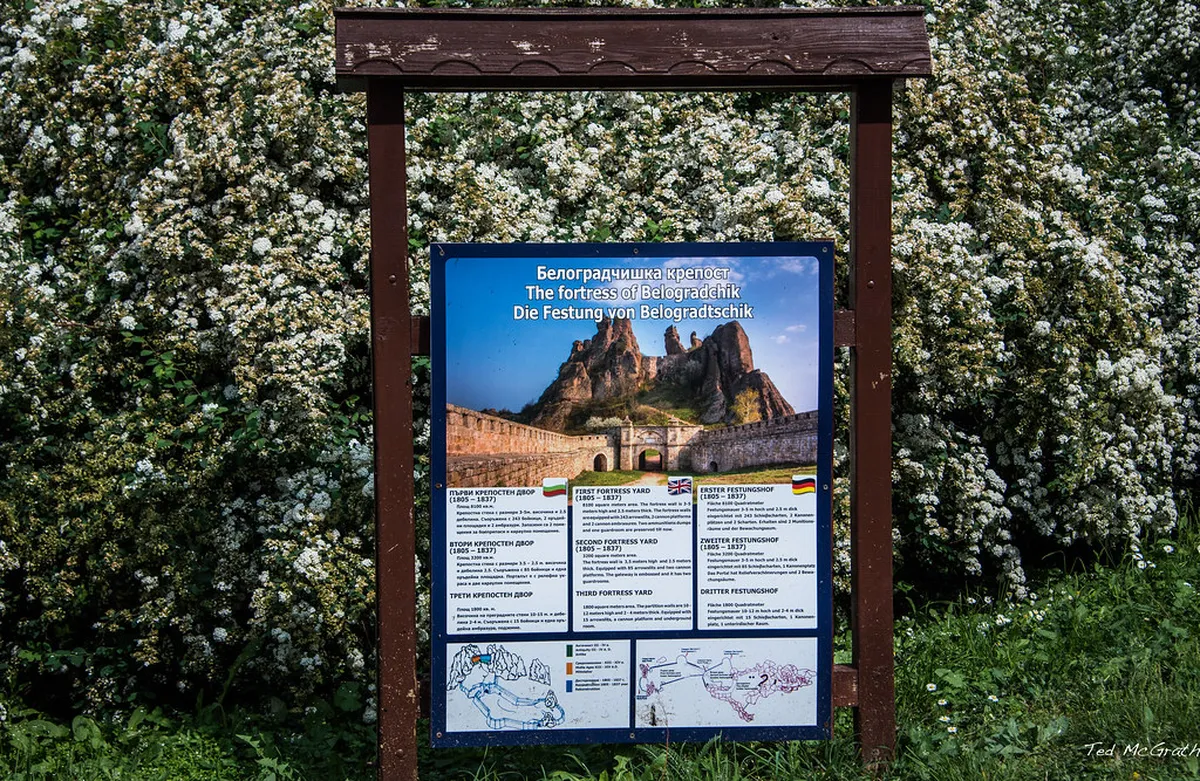
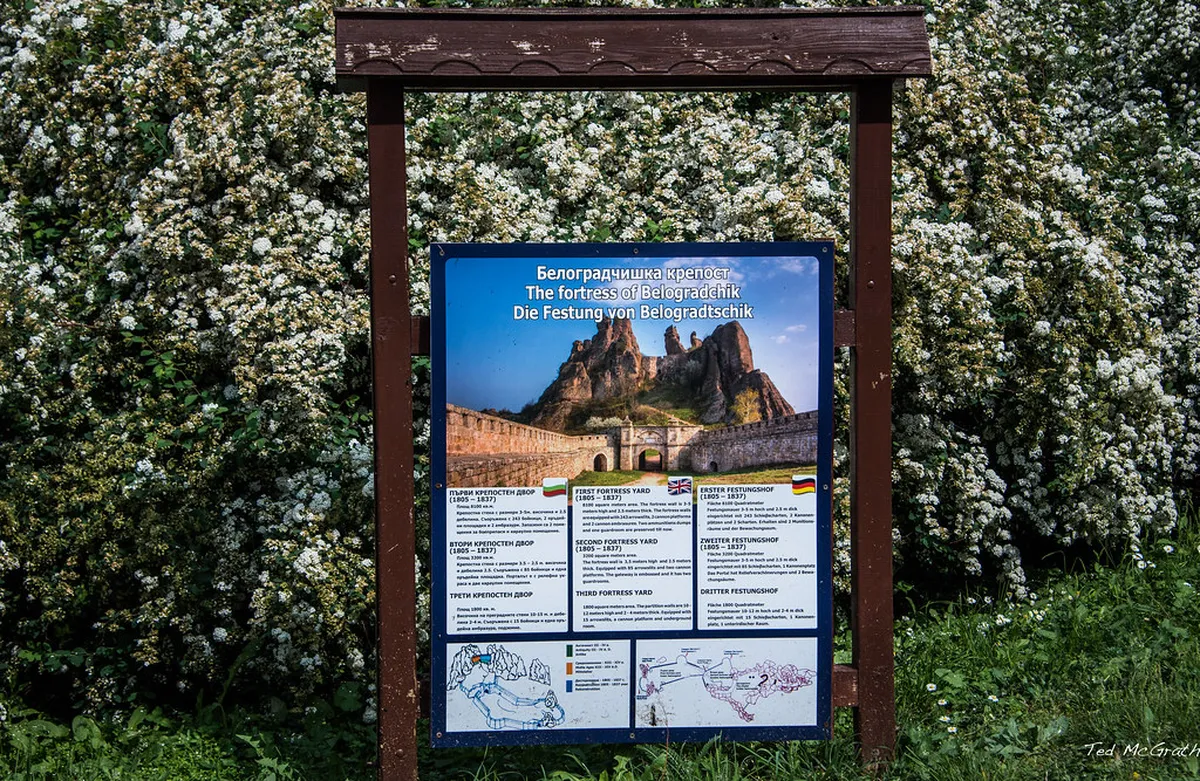
Interpretive signs around the site explain the construction phases and military history in both Bulgarian and English. The signage is not exhaustive, so reading up on the history before you arrive makes the visit considerably more meaningful. Allow at least 90 minutes to walk the full circuit at a comfortable pace.
- Three fortress courtyards
- The lowest courtyard holds the entrance and ticket booth for all visitors.
- The middle courtyard connects the main stairways between the natural rock faces.
- The upper courtyard and Citadel offer the widest panoramic views of the town and rocks.
- Integrated rock walls
- Natural sandstone cliffs form three sides of the Citadel's defensive perimeter.
- Only the northwest and southeast sides required additional constructed fortifications by the Romans.
- This design meant attackers had almost no viable approach route on foot.
- On-site interpretive panels
- Bilingual signage in Bulgarian and English explains each construction phase clearly.
- Labels on the rock formations help visitors identify named shapes from the legend.
- Photography is permitted throughout the complex without restriction.
Tickets, Hours, and Practical Tips
The entrance fee for Belogradchik Fortress Kaleto is 5 leva per adult, payable at the cashier booth near the main gate. The booth is easy to miss on the way in — look for it immediately to the right as you pass through the entrance archway. Visitors who walk past without paying will be stopped and asked to return, so it saves everyone time to pay on the way in.
Opening hours follow a seasonal pattern, with the site generally accessible from morning until early evening between April and October. Winter hours are reduced and the site may close during severe weather, so checking locally before a winter visit is advisable. Admission for children is typically lower than the adult rate, and EU student cards may qualify for a discount.
The terrain inside the fortress is uneven rock and stone stairways throughout. Comfortable, closed-toe shoes with good grip are essential — sandals and dress shoes will make the upper sections genuinely difficult. Visitors with limited mobility will find the lower courtyard accessible, but the upper Citadel requires navigating steep steps.
Morning visits before 10 AM offer better light for photography and fewer crowds. The sun moves to the west in the afternoon, which can create harsh shadows on the main rock faces. If you have flexibility, arriving at opening time gives the cleanest conditions for capturing the fortress and the rock formations together.
Getting to Belogradchik from Sofia
Belogradchik sits in the far northwest of Bulgaria, roughly 200 kilometres from Sofia by road. There is no direct train service to the town, which makes a private car or hired vehicle the most practical option. The drive takes approximately 2.5 to 3 hours depending on route and traffic.
Two main road routes connect Sofia to Belogradchik. The mountain route is shorter in kilometres but winds through demanding terrain, and some stretches attract aggressive local drivers. The northern route via Montana adds roughly 30 minutes but runs on better-maintained roads and is considerably more relaxed to drive. Most visitors travelling from Sofia for the first time find the Montana route the more comfortable choice.
Belogradchik works well as a day trip from Montana or Vidin, both of which have train connections from Sofia. If you prefer not to drive at all, transport options from Sofia to Belogradchik include occasional bus services that run through Montana. Combining the fortress visit with Magura Cave — roughly 35 kilometres to the northeast — fills a full day without backtracking.
Parks, Viewpoints, and Outdoor Spots Nearby
The Belogradchik Rocks Visitor Guide Natural Park surrounds the town on all sides, and the fortress is just one access point into this larger landscape. Stopping at a viewpoint before entering the town gives a wider perspective on the rock massif that the fortress alone cannot provide. Some of the sandstone columns in the park reach 200 metres, dwarfing the fortress walls below them.
Several marked walking routes connect the named rock groups around Belogradchik, ranging from short 30-minute loops to longer half-day hikes. The routes are well-signed but can be muddy after rain, so the same footwear advice for the fortress applies here. Combining a morning at the fortress with an afternoon walk through the rock formations makes for a well-rounded day in the area.
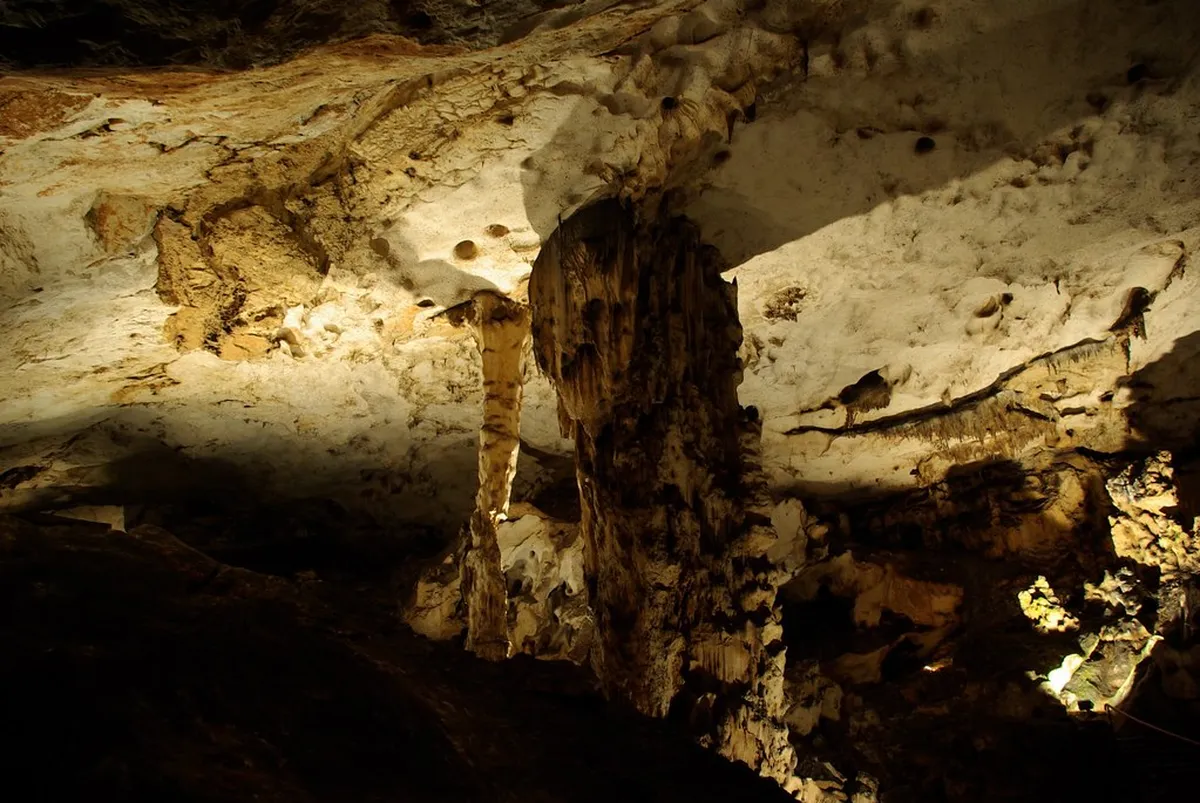
Magura Cave Visitor Guide, one of Bulgaria's largest decorated prehistoric caves, lies about 35 kilometres northeast of Belogradchik. The cave contains cave paintings dating back thousands of years and makes a strong second destination on a northwestern Bulgaria road trip. Both sites are manageable in a single day if you plan the order of visits and keep the driving efficient.
The fortress ramparts offer one of the best sunset vantage points in the region during summer months. The western light picks out the warm red and orange tones of the sandstone in a way that midday light does not. If you visit in June or July, the sun sets late enough that you can complete the full fortress tour and still catch the last light from the upper Citadel.
Continue planning: Use 10 Best Things To Do in Belogradchik and Belogradchik Rocks Travel Guide to connect this guide with the rest of your Bulgaria itinerary.
Frequently Asked Questions
Why is Belogradchik Fortress famous?
Belogradchik Fortress Kaleto is famous for its unusual design, which incorporates massive natural sandstone rock formations as part of its defensive walls. Built originally by the Romans and later expanded by Bulgarian and Ottoman rulers, the fortress is also closely linked to the local legend of the Belogradchik Rocks and the petrified nuns.
How old is the Belogradchik Fortress?
The fortress dates to the Roman period, with the earliest construction believed to have taken place between the 1st and 3rd centuries AD. Bulgarian rulers expanded it significantly in the 14th century, and the Ottomans added further fortifications after their conquest. The site has been in use in some form for nearly two thousand years.
Can you hike around Belogradchik Fortress?
The fortress itself requires climbing steep stone stairways between the rock courtyards, which gives a moderate workout. Beyond the fortress, the Belogradchik Rocks Natural Park has several marked walking trails connecting named rock formations. Trails range from easy 30-minute loops to longer half-day routes, and all require closed-toe shoes with good grip.
What is the best time of year to visit Belogradchik?
Late spring and early autumn offer the most comfortable temperatures and the best light for photography at Belogradchik Rocks and the fortress. June and September are generally dry, warm, and much less crowded than July and August. Winter visits are possible but the site reduces hours and some trails become slippery.
What is the entrance fee for Belogradchik Fortress Kaleto?
The adult entrance fee is 5 leva, payable at the cashier booth just inside the main gate. Children and students with valid ID typically pay a reduced rate. The booth is positioned to the right of the entrance archway — it is easy to walk past, so look for it before ascending into the first courtyard.
Belogradchik Fortress Kaleto rewards visitors who arrive with a little background knowledge and comfortable shoes. The history spans nearly two thousand years, the rock formations are genuinely spectacular, and the legend of the nun gives the landscape a storytelling dimension that pure history cannot. Few places in Bulgaria combine all three in the same view.
Plan at least half a day for the fortress and the surrounding rock park, and consider pairing the visit with Magura Cave for a full day in northwestern Bulgaria. If you are planning what to do in Belogradchik, the fortress should be your first stop before exploring the wider rock formations on foot. Arriving early, paying attention to the cashier booth, and bringing solid footwear will make the difference between a smooth visit and a frustrating one.