Ultimate Rusenski Lom Nature Park Visitor Guide
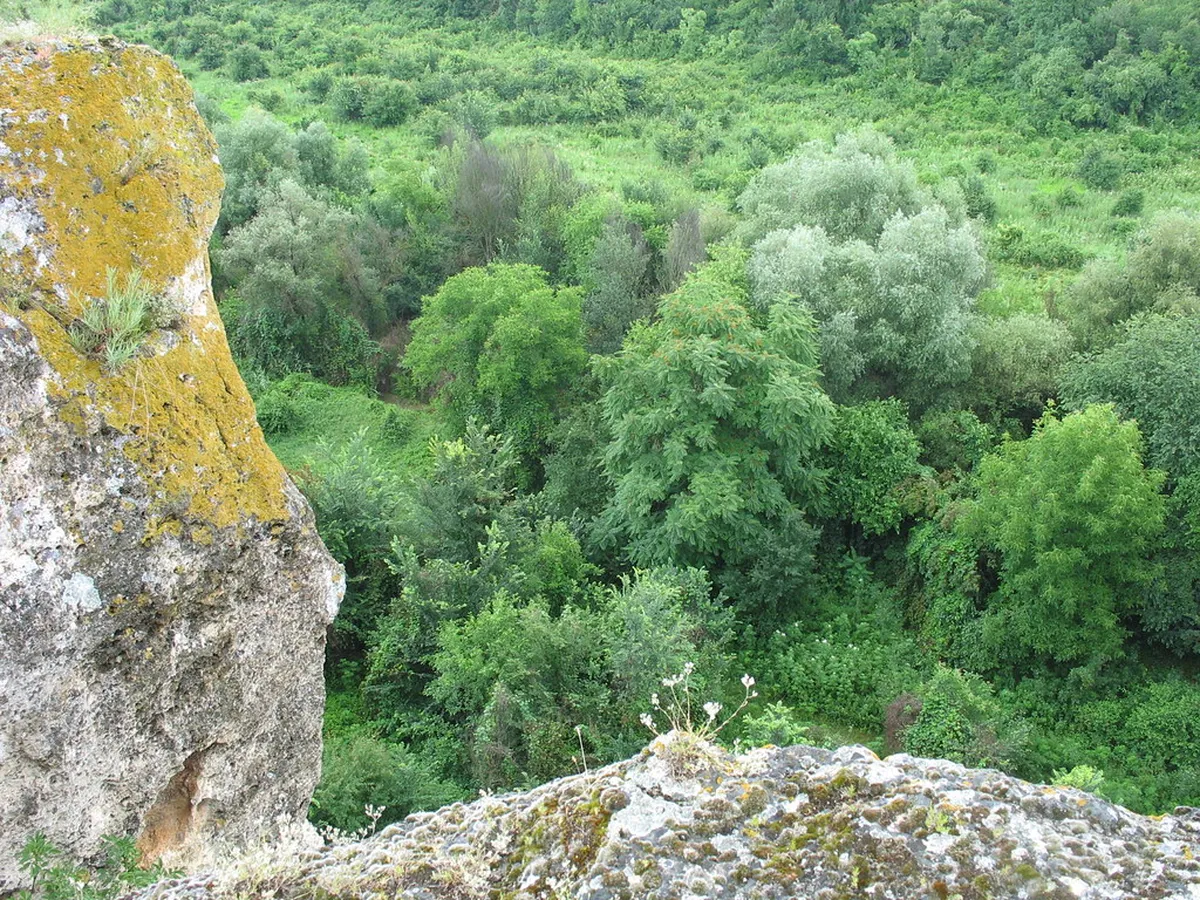
Rusenski Lom Nature Park protects a limestone canyon carved by the Rusenski Lom River, the Danube's last major right-bank tributary, about 20 km south of Ruse. Established in 1970 and covering 3,408 hectares, it combines river meanders and rock formations with UNESCO-listed rock churches, a cliffside monastery, and a ruined fortress town. Entry to the park itself is free and open year-round, with no gates, ticket booth, or set hours. This guide covers what to see, how to reach each site, and where visitors most often go wrong.
This video guides you through the rock churches and canyon landscape that define the park:
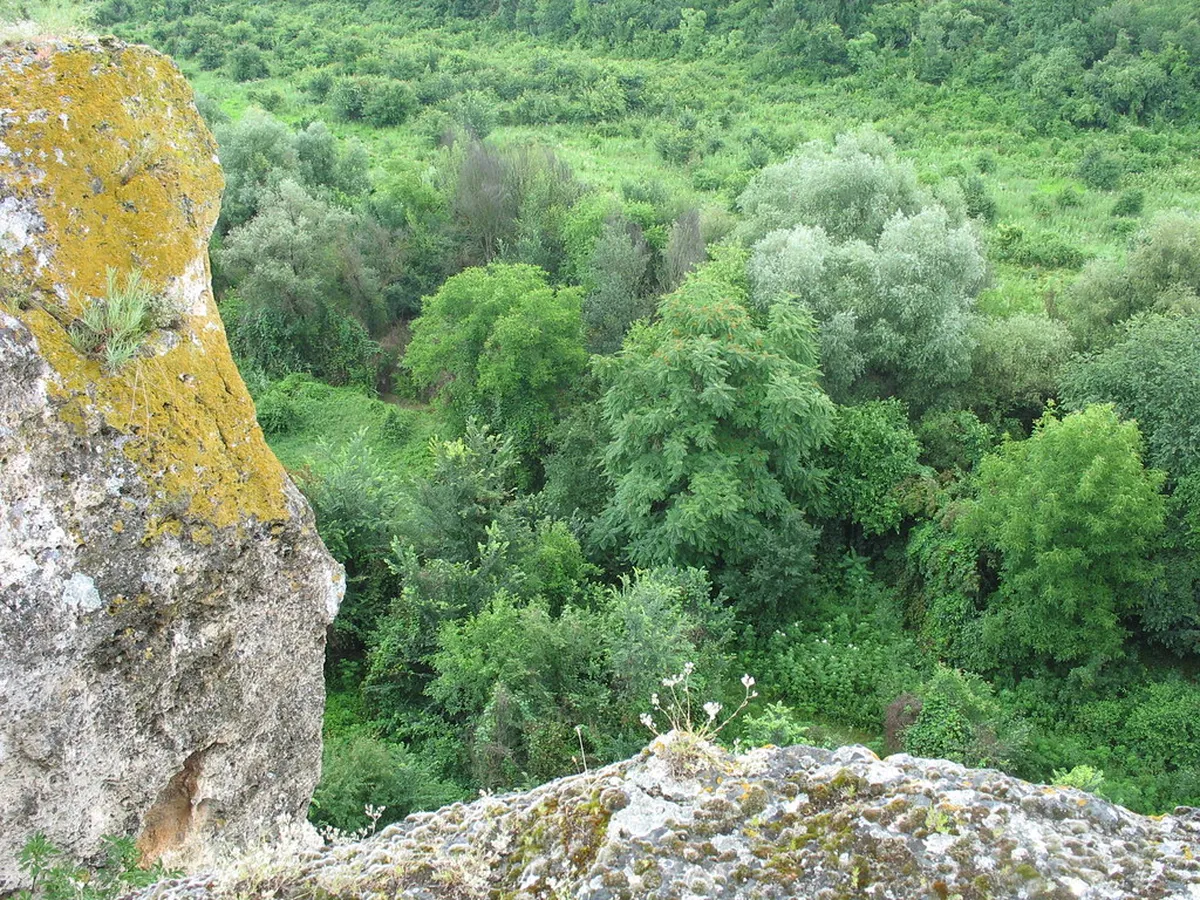
The canyon's isolated microclimate blends Mediterranean and Central European habitats, supporting over 190 recorded bird species and 22 bat species alongside red deer, wild boar, and a dense population of reptiles. Its symbol is the black stork, and the cliffs are prime nesting ground for Egyptian vultures and golden eagles. Most visitors base themselves in Ruse, the "Little Vienna" of the Danube, and treat the park as a half- or full-day excursion.
Top Attractions in the Nature Park
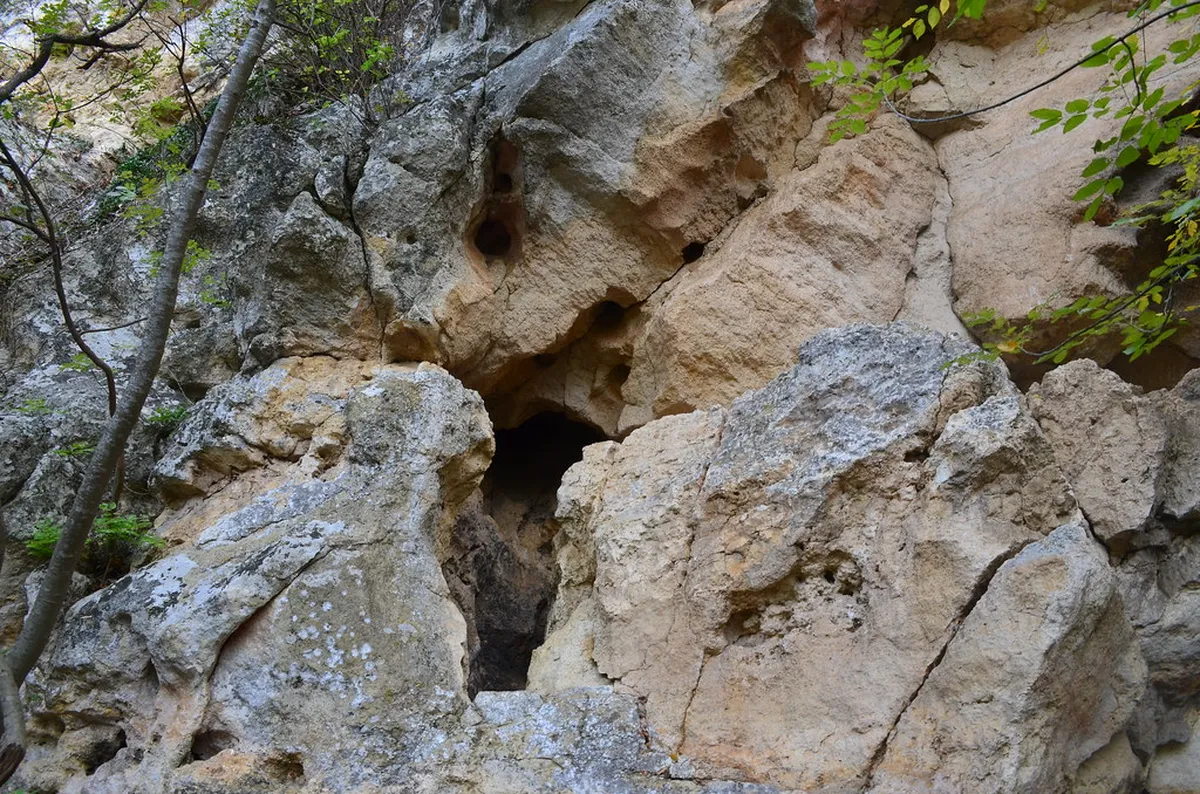
The Rock-Hewn Churches of Ivanovo are the park's UNESCO World Heritage highlight, carved into the cliffs with frescoes dating to the 13th and 14th centuries. Of the complex's several chapels, only the Church of the Holy Virgin is open for regular viewing; the rest stay closed to protect the pigments, so what you see on a visit is smaller than the site's reputation suggests. A short, steep path leads from the car park to the entrance, staffed in season by a museum guide who sells tickets and manages visitor flow. Combine the stop with the Rock-Hewn Churches of Ivanovo Visitor Guide page for current opening times before you go.
Cherven, the ruined medieval town upstream, was one of the most important administrative and military centers of the Second Bulgarian Empire before the Ottoman conquest. Its stone walls, the surviving five-story tower, and the excavated street grid sit on a rocky spur with the canyon wrapping around three sides. The site charges a small separate entrance fee, unrelated to the free park territory around it. Give yourself at least an hour to walk the ruins and climb toward the tower for the canyon view.
Basarbovo Rock Monastery, the only active rock monastery in Bulgaria, sits carved into the cliffs a short drive from Ruse, just off the road toward the park. It centers on the relics of Saint Dimitriy of Basarbovo and keeps a small working chapel and courtyard rather than a formal museum. Entry is free, though a donation box supports the resident monk's upkeep. Most visitors pair it with the Basarbovo Rock Monastery (St. Dimitar Basarbowski) Visitor Guide page and the drive to Ivanovo on the same day.
- Rock-Hewn Churches of Ivanovo, UNESCO World Heritage Site, a steep path from the car park and a separate museum ticket.
- Cherven medieval fortress ruins, an uphill walk to the tower and a small separate entrance fee.
- Basarbovo Rock Monastery, level access, free entry, donations welcomed.
Hiking Trails and Outdoor Activities
Two marked routes anchor most hikes in the park. The first runs about 9 km from Ivanovo railway station along the valley to the rock churches, flat and well-marked. The second continues about 12 km from the rock churches through dense forest to where the Beli Lom and Cherni Lom rivers meet and become the Rusenski Lom itself; this stretch climbs in and out of side ravines and takes most of a day round trip. A separate historical loop circles Cherven Fortress from Cherven village.
Birdwatchers come for the Egyptian vultures and black storks nesting on the cliff faces, best spotted with binoculars from the marked overlooks rather than by approaching the nests. Late April through June is peak breeding season and the best window for sightings. Limestone paths turn slick fast after rain, so sturdy shoes with real grip matter more here than on most Bulgarian trails. Water sources are scarce along the higher ridge sections, so carry more than you think you need.
Cyclists can link several of the historical sites on shared-use paths, though the elevation changes make it a workout rather than a casual ride. Ruse has a handful of bike rental shops if you're travelling without your own equipment. Check conditions before you go: the Ivanovo Tourist Information Centre at 75 Olimpiyska St (Mon-Fri 08:30-16:50, closed weekends) posts current trail status and local advice.
Getting There and Visitor Information
Ruse is the natural base, with the park entrance and Ivanovo village about 20 km to the south. Driving is the most flexible option and takes 20-30 minutes; renting a car in Ruse runs from roughly EUR 25-30 a day in 2026. If you're not driving, a regional train runs from Ruse to Ivanovo station, where the 9 km trail begins on foot - but check the timetable first: this line runs only a few trains a day, and missing the return can strand you until the next one.
Public buses reach nearby villages but leave a longer walk to the trailheads than the train does. For questions before you travel, the Park Directorate's information office is in Ruse itself at 7 General Skobelev Blvd, open weekdays with a midday break.
April to June and September-October bring the mildest hiking weather and the greenest canyon scenery; summer can push past 30 degrees Celsius on exposed cliff-top sections, and some winter paths close with snow or ice. Bring a light jacket regardless of season, since the rock churches and cave interiors stay noticeably cooler than the trail outside. After a day in the canyon, many visitors unwind at the Ruse Danube Riverside Park: 2026 Visitor Guide back in the city for a breath of river air.
Choosing the Best Route for Your Visit
With only half a day, prioritize the Ivanovo Rock Churches; they deliver the most cultural payoff for the least walking and pair naturally with the drive from Ruse. A full day lets you add Cherven Fortress or the Basarbovo monastery, or trade the museum stop for the longer 12 km forest hike toward the river confluence.

Families with young children do best sticking to the Ivanovo area, where paths are shorter and better marked; the longer ridge routes near Koshov suit hikers looking for solitude and a harder climb. Driving between Ivanovo and Cherven takes about 30 minutes, so combining both sites in one day is realistic if you start early.
Photographers should time visits for the "golden hour" near sunrise or sunset, when low light picks out the red and ochre tones in the limestone. The overlooks above Pepelina village are reliable for sunset; early morning light works better for the fresco details, since midday sun washes out both.
Continue planning: Use Ruse Attractions: 10 Top Things to Do in Ruse, Bulgaria to connect this guide with the rest of your Bulgaria itinerary.
Frequently Asked Questions
Is there an entrance fee for Rusenski Lom Nature Park?
No - the park territory is an open protected landscape with free access (EUR 0 / 0 BGN). Only specific sites inside it charge admission: the UNESCO-listed Rock-Hewn Churches of Ivanovo are run as a museum site by the Ruse Regional Museum of History with a separate ticket, so check current prices before you go.
How do I get to the park from Ruse?
The canyon lies about 20 km south of Ruse city. By car it is a 20-30 minute drive toward Ivanovo village; there is also a train from Ruse to Ivanovo station, where a marked 9 km walking route into the park begins. The Park Directorate and its information office are in Ruse itself, at 7 General Skobelev Blvd (open weekdays 08:30-12:00 and 12:30-17:00).
What are the main hiking routes?
Two marked routes anchor most visits: a roughly 9 km trail starting at Ivanovo railway station that follows the Rusenski Lom valley toward the rock churches, and a roughly 12 km trail from the Ivanovo rock churches through dense forest to the confluence where the Beli Lom and Cherni Lom rivers merge to form the Rusenski Lom. A historical route also circles Cherven Fortress from Cherven village.
Are the Ivanovo Rock Churches and Basarbovo Monastery part of the park?
The Rock-Hewn Churches of Ivanovo, a UNESCO World Heritage Site with world-famous medieval frescoes, sit inside the park about 20 km from Ruse; a museum guide is stationed at the car park in season. Basarbovo Rock Monastery - the only active rock monastery in the area, carved into a cliff above the Rusenski Lom - is about 10-11 km from Ruse on the way to the park, and the two combine naturally into one day trip.
Are there boat trips in the park?
The canyon itself is explored on foot or by bike along marked trails - organized boat trips are not a standard offering inside the park. Boat rides in the region run on the Danube from Ruse's riverfront instead; contact the Park Directorate (+359 82 872 397) for current activity options within the park.
When is the best season to visit?
Spring (April-June) and early autumn (September-October) are best for hiking, when the canyon is green and temperatures are comfortable; late spring is also peak season for the park's birdlife, including rock-nesting species such as Egyptian vultures. Summers can be hot on exposed cliff-top sections, and winter visits depend on trail conditions.
How much time should I plan?
Plan at least half a day from Ruse: the drive plus the Ivanovo rock churches takes 3-4 hours, while adding a canyon hike (9-12 km) or Cherven Fortress and Basarbovo Monastery fills a full day.
What wildlife can I see?
The park records over 190 bird species - its symbol is the black stork, and rock-nesting raptors include Egyptian vultures and golden eagles - along with 22 bat species, red deer, wild boar, and a rich mix of reptiles and amphibians. The isolated canyon microclimate blends Mediterranean and Central European flora, with 902 recorded plant species.
Rusenski Lom Nature Park pairs free, open-access nature with a cluster of paid heritage sites that reward planning rather than improvising. Whether you come for the birdlife, the hiking, or the medieval history, budget enough time to see the canyon on foot rather than just from a viewpoint. Confirm the Ivanovo Rock Churches' visitor arrangements if you're travelling in peak season, and check the Park Directorate or Ivanovo Tourist Information Centre for current conditions before you set out. The frescoes, fortress ruins, and cliffside monastery all stay open through 2026, though hours and access can shift with conservation work.
For official details, visit the Rusenski Lom Nature Park on Wikipedia, Rusenski Lom Nature Park official site, Rusenski Lom Nature Park official site, Rusenski Lom Nature Park official site and Rusenski Lom Nature Park guide on Tripadvisor.