Rila National Park Visitor Guide
Rila National Park is the largest protected area in Bulgaria, covering over 81,000 hectares of rugged terrain.
This wilderness protects rare plant species and diverse wildlife in central the Balkan Peninsula.
Visitors often start in the gateway town of Sapareva Banya or the famous Borovets resort area.
Exploring these high-altitude landscapes requires careful planning and a reliable rila national park visitor guide.
To see what the Seven Rila Lakes cirque looks like on the ground, here's a video of the high-mountain trek:
Essential Rila National Park Overview
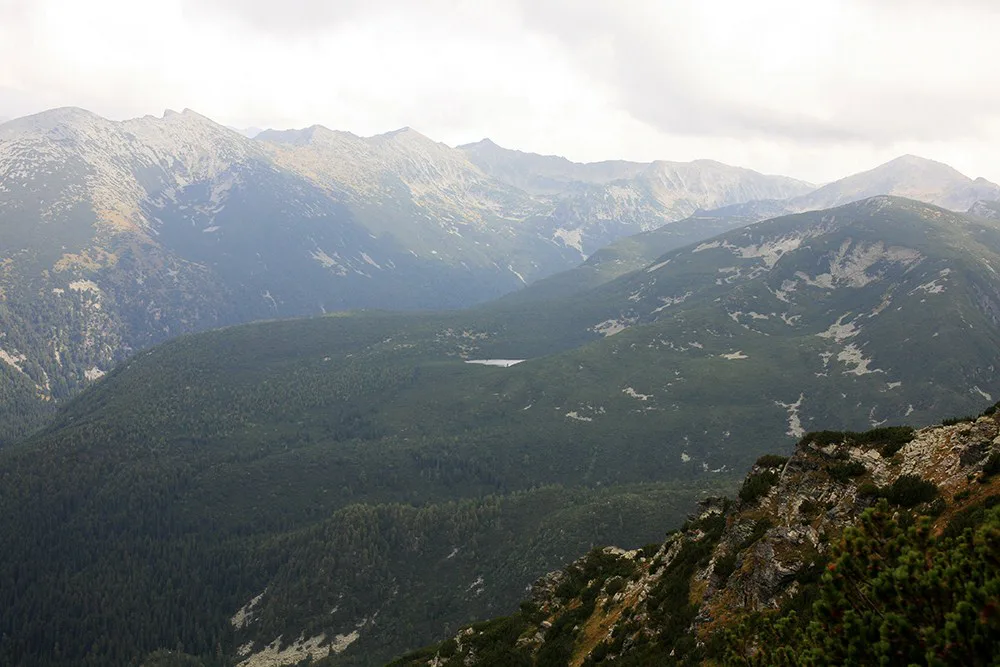
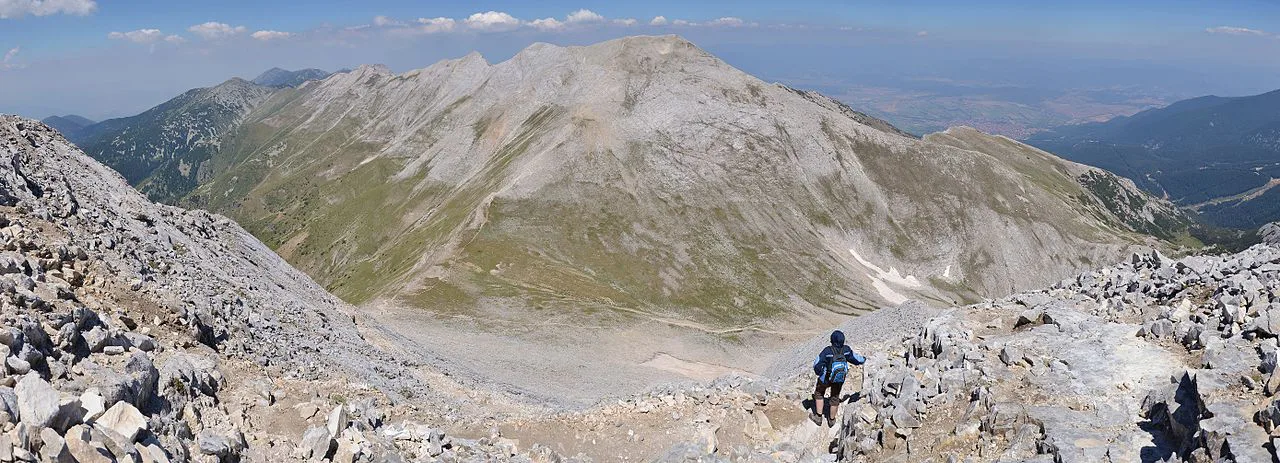
The Rila Mountains are the highest range in Bulgaria and the Balkan Peninsula; the park covers roughly 810 km2 of granite ridges, alpine meadows, and spruce forest.
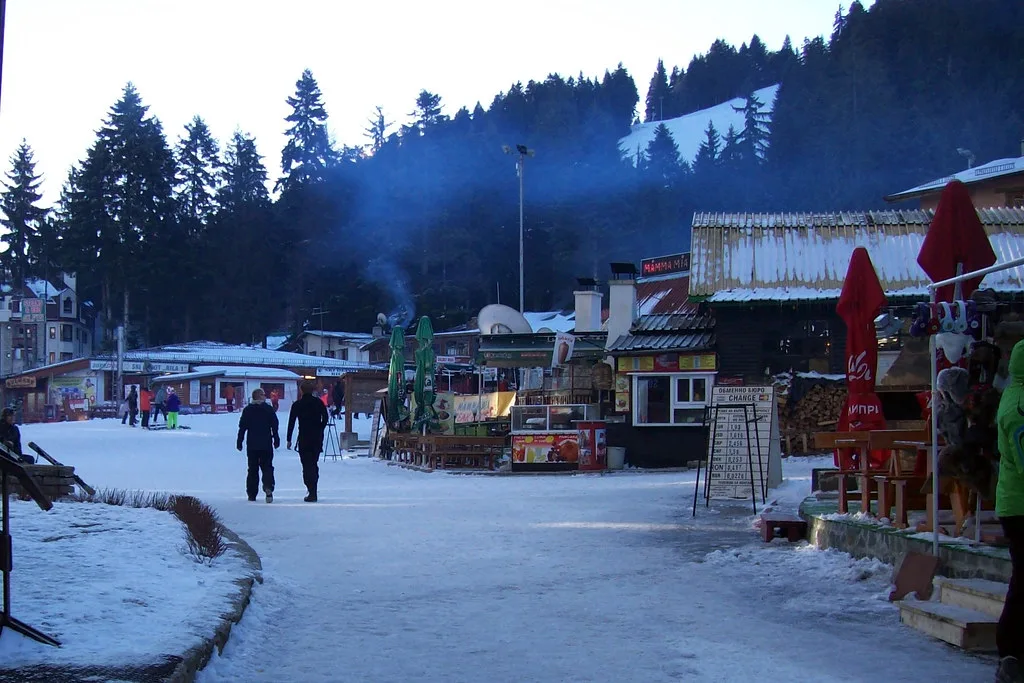
Musala Peak tops out at 2,925 meters, the highest summit in the Balkans and the point most hikers use to orient themselves inside the park.
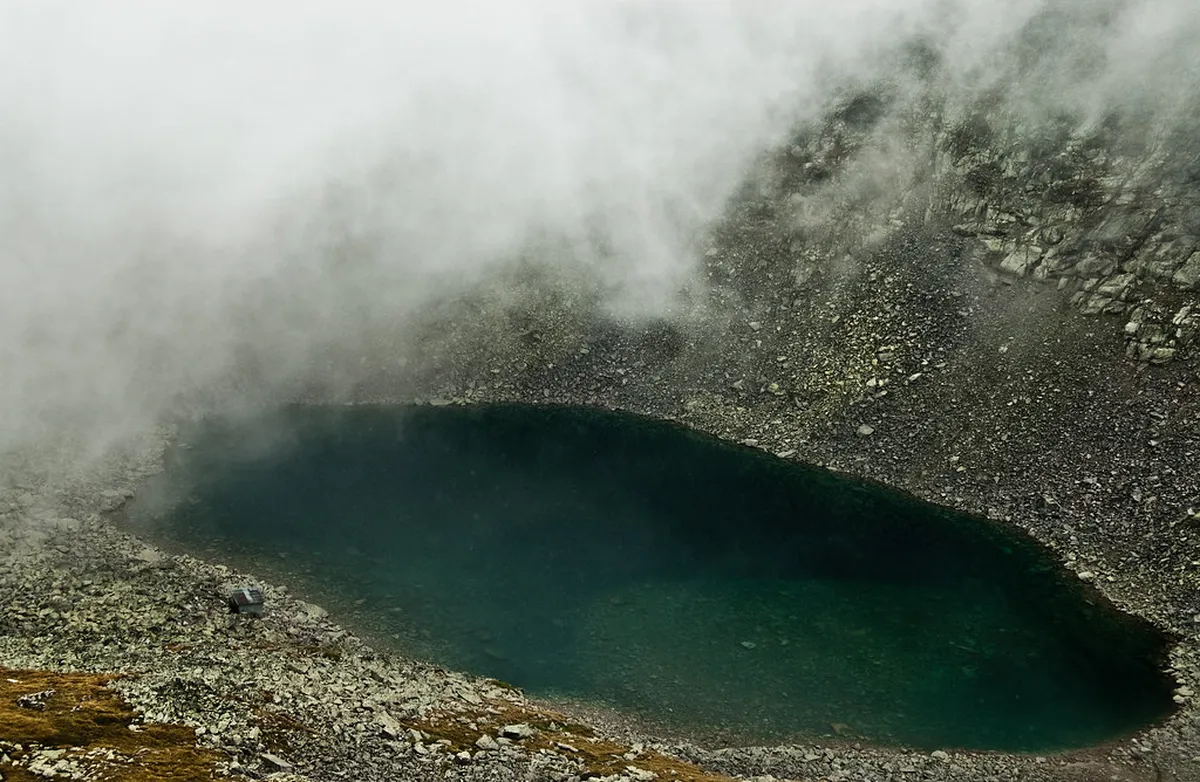
Ice-age glaciers carved the cirques that now hold around 120 glacial lakes, plus the headwaters of the Iskar and Maritsa rivers.
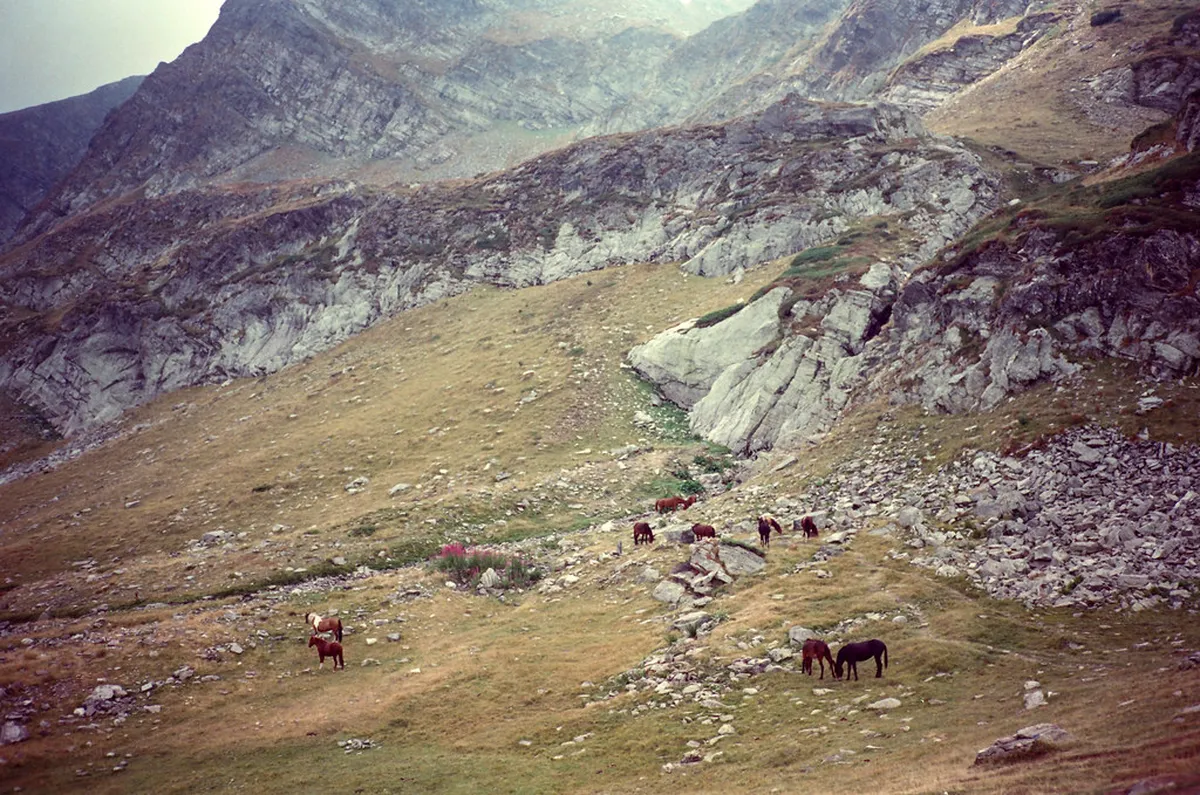
Brown bears, chamois, and golden eagles share this country with rare alpine plants; the Directorate's visitor office in Blagoevgrad (09:00-17:30 weekdays) is the official source for trail conditions.
Inside the Park: Seven Rila Lakes, Musala Peak, and Rila Monastery
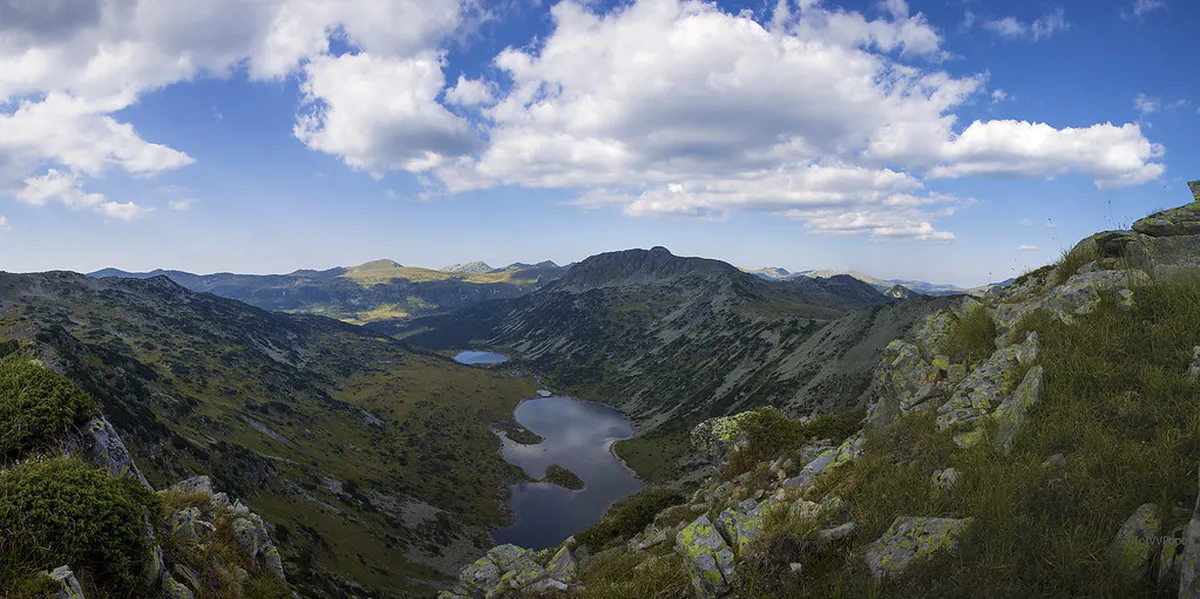
The Seven Rila Lakes cirque, reached from Panichishte, is the most photographed corner of Rila; the full loop and trail choices live in a dedicated Seven Rila Lakes guide. Here it's enough to know the loop runs 4-5 hours, from The Tear at 2,535 meters down to the shallow Fish Lake at 2.5 meters.
On the opposite side, Musala Peak Visitor Guide is a long-day climb from the top of the Borovets gondola — roughly 5 hours round trip on a non-technical path once June snowmelt clears it.
The western flank holds the Rila Monastery, a 19th-century UNESCO complex with an active monastic community — see our Rila Monastery guide for hours and how to pair a visit.
🥾 Trails: Where to Hike in Rila for Every Level
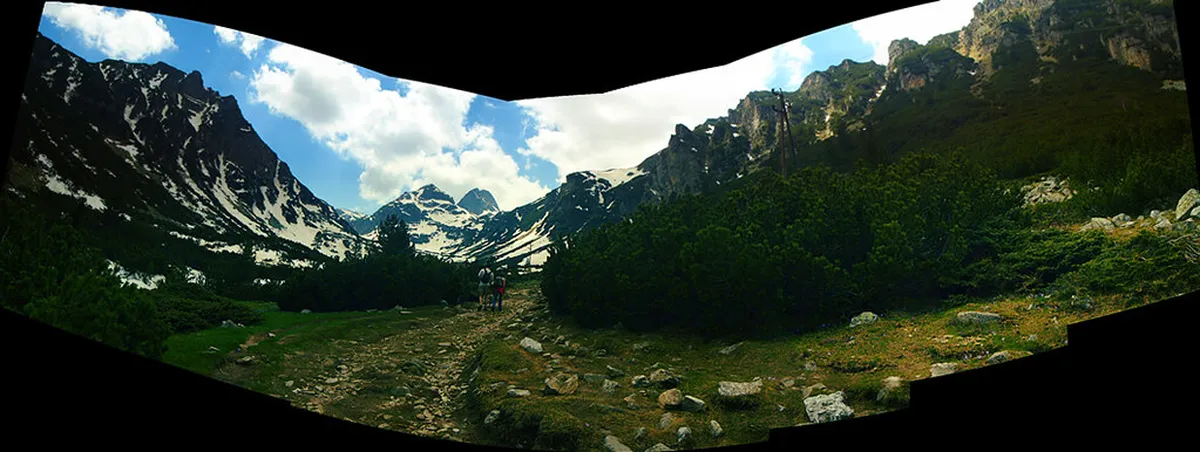
Experienced hikers gravitate to the Malyovitsa Valley, where granite walls and a 2,729-meter summit make for the most technical day hikes in the range.
Families or anyone short on time can manage the walk to Skakavitsa Waterfall, the tallest cascade in the range at around 70 meters, on a shaded, hour-long trail.
Skakavitsa rewards a winter return too: freezing spray turns it into an ice cathedral, though the icy approach needs crampons, not summer trainers.
For route planning beyond Rila, our Bulgaria hiking guide ranks the country's ten best trails.
Logistics: Getting from Sofia and Borovets to the Rila Mountains
Driving from Sofia to the Panichishte trailhead takes about 90 minutes over 70-100 km, via Dupnitsa or Sapareva Banya.
Without a car, check the Bulgarian State Railways (BDZ) for Kostenec/Sofia trains, then pick up a local bus or taxi for the final stretch.
Staying in Borovets already? Skip Panichishte: the Yastrebets gondola lifts you to about 2,369 meters in 20 minutes, onto the ridge toward Musala instead.
Stacking Rila into a wider trip, our day trips from Sofia guide compares transport and pricing across every major excursion from the capital.
The Cable Car: 2026 Prices, Hours, and Strategy
From Panichishte, the chairlift to Rila Lakes Hut is the fastest way into the Seven Lakes cirque: about 18 BGN (roughly 9.20 EUR at Bulgaria's fixed conversion rate) return, in the 2026 season.
Parking at the Pionerska Hut lot fills by mid-morning in July and August; arrive before 08:30 for a space and to beat the tour buses.
Pro tip: the lift stops strictly at 16:30, so be at the upper station by 15:30 in peak season — miss that window and it's a two-hour walk down.
If the lift is closed for maintenance or the queue runs past two hours, that same two-hour walk from the base station to Rila Lakes Hut is a steady, manageable alternative.
🌤️ When to Go: Weather, Crowds, and Seasonal Trade-offs
Late June through early September is the reliable hiking window, when high trails clear and seasonal lifts run.
Snow can linger into mid-June, so early-season visitors sometimes find the higher lakes still rimmed with ice on a sunny day.
August is warmest but busiest; September trades a little warmth for thinner crowds and clearer views.
Because the lakes sit between 2,100 and 2,500 meters, arrivals from sea level often feel short of breath or a mild headache on the first climb; pacing the ascent and taking a low-key first day in Sofia or Borovets helps most people adjust within 24 hours.
🛏️ Where to Stay: Best Areas and Accommodation Options
Sapareva Banya sits about 20 minutes from the Panichishte lift, doubling as a base for the Seven Lakes and for soaking in the Balkans' only geyser.
Borovets works better if Musala or the gondola side is your priority, putting the trailhead minutes from your hotel rather than a drive away.
Mountain huts such as Rila Lakes Hut, Malyovitsa, and Musala hut offer basic bunk beds for hikers chasing sunrise over the ridge; book ahead for July and August, since beds run out fast.
👛 Costs and Budgeting: What to Expect in 2026
Plan on 80-120 BGN (about 41-61 EUR) per person a day for local transport, the lift ticket, and hut meals such as bean soup or grilled meat.
Bulgaria adopted the euro as its official currency in January 2026, so lift counters and huts now typically post prices in EUR, converting at the fixed rate of 1.95583 BGN per euro; expect both figures on older signage during the changeover.
Guided day tours from Sofia bundling transport, lift tickets, and a guide run 45-110 EUR, depending on the operator and whether the monastery is included.
Budget hikers can trim costs further by carrying their own water and snacks, since prices at altitude run noticeably higher than in town.
🛡️ Safety: Wildlife, Weather, and Traveler Security
Mountain weather here can flip from clear sky to a lightning storm in under 20 minutes, especially on summer afternoons above the tree line.
Save the Mountain Rescue Service of Bulgaria (PSS) number before setting out, and tell someone your route and return time.
Sturdy boots with ankle support matter more here than elsewhere in Bulgaria, since glacial paths mix loose scree with wet rock.
If dark clouds build over the ridge, turn back below the tree line rather than push for a summit.
Map of Rila National Park
The park forms a rough triangle between Borovets and the Yastrebets ridge in the northeast, Sapareva Banya and Panichishte in the south, and the Malyovitsa refuge in the west, with Musala near its high point around 42.179°N, 23.585°E.
The Official Rila National Park Directorate publishes the trail map and GPX tracks; a downloaded offline copy is worth carrying, since mobile signal disappears above most huts.
Think of the park as three access points, not one entrance: Panichishte for the Seven Lakes, the Borovets gondola for Musala, and the Malyovitsa road for the technical west side.
Rila vs. Pirin: Which Mountain Range Fits Your Trip
Rila and Pirin are the two ranges every serious hiker in Bulgaria compares, and the answer depends on time and fitness more than preference.
- Pick Rila for the highest point in the Balkans, gentler lake trails for families and first-time high-altitude hikers, and a 90-minute drive from Sofia.
- Pick Pirin, centred on Bansko 2.5 hours from Sofia, for sharper marble ridgelines and scrambling near Vihren at 2,914 meters.
A single weekend is better spent going deep on one range than rushing both; Rila's proximity to Sofia makes it the easier pick for a one-day trip.
Continue planning: Use Borovets Attractions: Top 5 Things to Do in Borovets & the Rila Mountains to connect this guide with the rest of your Bulgaria itinerary.
Frequently Asked Questions
Is Rila National Park free to enter?
Yes. There is no entrance fee for Rila National Park itself, and the mountain trails are open year-round. You only pay for optional extras such as the Borovets or Sapareva Banya cable cars, mountain-hut beds, guides, or organised tours.
How do you reach Rila National Park from Borovets?
Borovets, at about 1,300 m, sits right on the park's northeastern edge. From the resort the Yastrebets gondola climbs to roughly 2,369 m in about 20 minutes (a seasonal, operator-priced ticket), putting you on the ridge that leads toward Musala, the highest peak in the Balkans.
How do you get to Rila National Park from Sofia?
Sofia is roughly 70-90 km away depending on your entry point. The usual public route is a bus from Sofia to Samokov, then an onward bus or taxi to Borovets (for the Musala side) or to Sapareva Banya (for the Seven Rila Lakes side). Many visitors join an organised day hike from Sofia that includes transport.
How hard is the hike up Musala?
In summer the Musala route is non-technical and popular with fit day-hikers: from the top of the Borovets gondola it is roughly a 5-hour round trip on a well-marked path, with no scrambling required. Snow, ice, and storms make it a serious winter mountaineering objective outside the summer season.
When is the best time to visit Rila National Park?
Mid-June to mid-September is the prime hiking window, when the snow has cleared from the high routes and the seasonal lifts are running. Winter turns the park into a ski and snowshoe destination centred on Borovets, but the high peaks then demand alpine experience and gear.
What is Rila National Park known for?
It is famous for Musala (2,925 m), the Seven Rila Lakes, around 120 glacial lakes, the headwaters of rivers such as the Maritsa and Iskar, and rich alpine flora and fauna. Note that the Seven Rila Lakes and the Rila Monastery are covered as their own destinations; this page focuses on the park as a whole.
Are there mountain huts in Rila National Park?
Yes. A network of mountain huts (hizha) such as Musala, Zavlarite, Malyovitsa, and the Seven Lakes hut lets hikers link multi-day traverses. Beds are paid and it is wise to book ahead in the July-August peak; the surrounding trails remain free.
Rila National Park delivers some of the most dramatic high-mountain scenery in the Balkans, from the glacial lakes above Panichishte to the granite walls of Malyovitsa.
Whether you come for a day on the Seven Lakes loop, a push to Musala, or a quiet walk to Skakavitsa Waterfall, plan around the 16:30 lift cutoff and allow a day to acclimatize first.
Use this 2026 rila national park visitor guide to build your itinerary, and pair it with the Seven Rila Lakes and Rila Monastery guides for the full detail on either stop.
Respect the alpine environment: stay on marked trails and carry out everything you bring in.
To verify current details, consult the Rila National Park on Wikipedia and Rila National Park on Wikipedia.
For more Borovets planning, read our 12 Best Things To Do In Borovets, Bulgaria (2026) Travel Guide and Hiking Musala from Borovets 2026: The Balkans' Highest Peak Trail Guide guides.