Balabanov House Visitor Guide: Plovdiv's Architectural Gem
Balabanov House stands as a grand symbol of the Bulgarian National Revival period in central the Old Town. This architectural masterpiece showcases the wealth and artistic taste of 19th-century merchants who shaped the region. Exploring this site offers a deep dive into the cultural soul of the historic city of Plovdiv today.
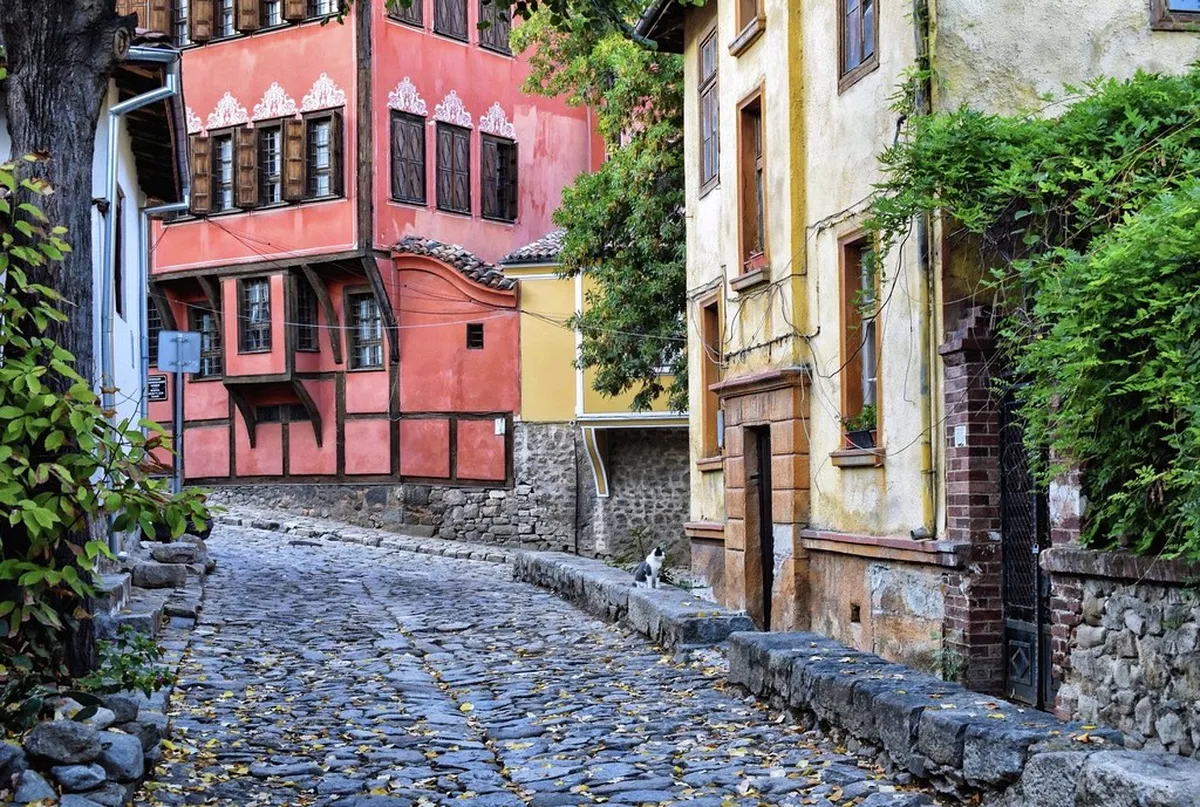
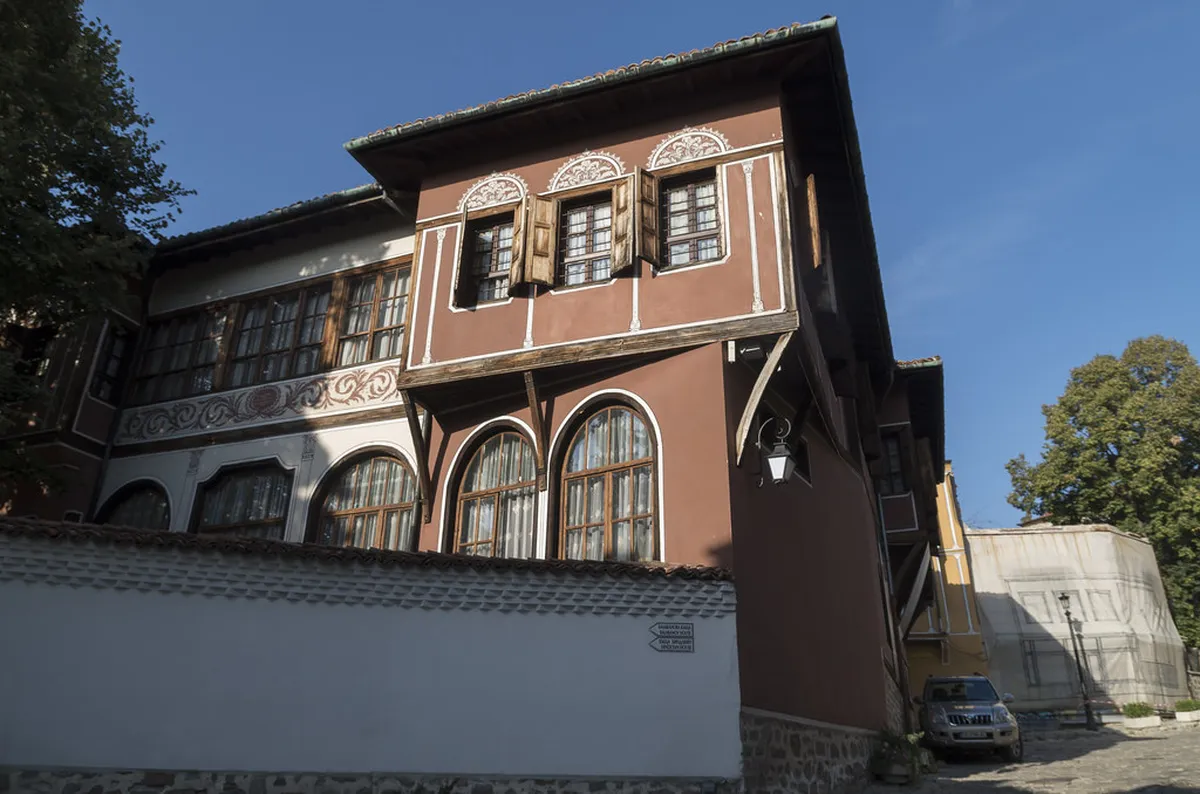
Visitors often feel transported back in time as they walk through the massive wooden gates into the courtyard. The house represents the peak of symmetrical architecture found within the narrow cobblestone streets of the district. You will find intricate wood carvings and period furniture that define the local heritage of this ancient settlement.
The building serves as more than just a museum; it is a living monument to Bulgarian craftsmanship and social history. Many travelers consider it the most impressive of the preserved houses in the historic reserve. Planning your visit carefully ensures you see every decorative detail and hidden corner of this massive estate.
This guide provides everything you need to know for a successful trip to one of Bulgaria's most photographed landmarks. From ticket prices to architectural secrets, we cover the essential facts for your 2026 itinerary. Prepare to discover the elegance of a bygone era in the center of modern Plovdiv.
To see the elegant architecture and courtyard layout before your visit, here's a visual walk-through:
History and Architecture of Balabanov House
Built in the early 19th century, the house originally belonged to a wealthy merchant named Hadzhi Panayot Lampsha. It later took the name of its final owner, Luka Balabanov, a prominent timber trader in the region. The perfectly symmetrical design follows the Revival house model that spread along the Bosphorus coast, and the structure spans roughly 500 square meters.
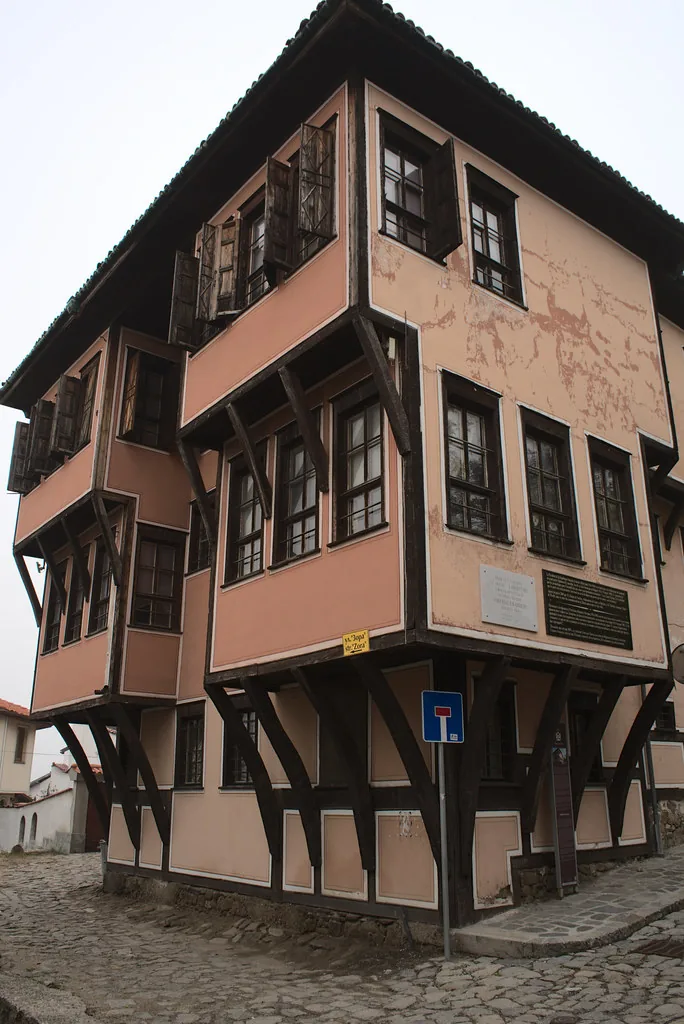
The house fell into disrepair over the decades and underwent a major restoration in the 1970s, when architects used original sketches and historical records to rebuild it to its 1800s proportions. Today it is managed by the municipal institute Ancient Plovdiv, which also runs several of the neighboring Old Town house-museums, including Hindliyan House.
The ground floor served as storage space and a place for business transactions during the merchant era, when high ceilings and thick stone walls kept goods cool through the Bulgarian summer. This level now hosts rotating art exhibitions and cultural events that connect the merchant past with contemporary creativity.
Upper floors show the residential luxury that defined the Bulgarian National Revival style. Massive wooden beams support the structure while large windows flood the living spaces with light, a layout that reflects the European influences local merchants picked up on their trading trips abroad.
What to See Inside the Grand Rooms
The upper floor reveals the merchant class's taste for luxury through richly decorated guest rooms. Each ceiling carries unique wood carvings that once signaled the status of the household, and the "alafranga" niches - decorative wall recesses built for displaying imported porcelain - are worth a slow look.
Antique furniture from the 1800s fills the living quarters, much of it imported from Vienna and Paris and reflecting the global reach of Plovdiv's merchant families. The effect is a stark contrast to the more rustic Regional Ethnographic Museum Plovdiv, a short walk away.
The largest room, the central "salon," was built for hosting formal receptions, and its wooden floors and ornate carvings still feel warm rather than museum-stiff. Look closely at the doors and window frames - the detailing there is where the craftsmanship really shows.
The ground-floor gallery rotates through exhibitions by contemporary Bulgarian artists, so repeat visitors usually find something new even if the historic rooms upstairs stay the same. It's a useful reminder that the building still functions as a working cultural venue, not just a preserved shell.
Essential Visitor Details for Your Trip
Most visits take 45 to 60 minutes, enough time for the ground-floor gallery and the ornate upper rooms without rushing. The house opens Tuesday through Sunday - 09:30 to 18:00 from April through October and 09:00 to 17:30 from November through March - with a short midday closure from 13:00 to 13:30. It is closed every Monday, which is worth checking against the rest of your Old Town day before you commit to the climb.
Entry for 2026 costs 3.58 EUR (7 BGN) for adults, 1.53 EUR (3 BGN) for students, and 7.16 EUR (14 BGN) for a family ticket. Bulgaria adopted the euro in January 2026, so expect the ticket desk to post and accept both currencies for the time being; carrying either is fine.
The entrance is at 57 Konstantin Stoilov Street, inside the pedestrian-only Old Town reserve, on a steep hill with uneven cobblestones - wear shoes with real grip rather than sandals. A handful of small cafes along the approach are useful for a break before or after the climb.
Photography is allowed inside, though staff sometimes ask for a small camera fee before you start shooting the exhibitions; flash is usually restricted to protect the wood carvings and antique fabric.
- Adults pay 3.58 EUR (7 BGN); students and seniors pay 1.53 EUR (3 BGN); a family ticket is 7.16 EUR (14 BGN).
- Hours run Tuesday to Sunday: 09:30-18:00 from April to October, 09:00-17:30 from November to March, with a 13:00-13:30 midday break.
- The house is closed on Mondays year-round.
- The entrance sits at 57 Konstantin Stoilov Street, reachable only on foot through the Old Town's pedestrian lanes.
Pairing Balabanov House With Hindliyan House and the Old Town Ticket
The 10.74 EUR (21 BGN) combined adult ticket sold by Ancient Plovdiv covers up to five Old Town house-museums and sites, including Balabanov House, and pays for itself the moment your list runs past two stops. Only the two basilica sites in the Old Town are excluded and sell separate entry. You can buy the combined ticket at any participating site's desk, including at Balabanov House itself, so there's no need to plan your route around where you buy it first.
Hindliyan House on Artin Gidikov Street is barely a five-minute walk away and the natural pairing. Where Balabanov is defined by its severe, symmetrical Revival facade and now doubles as a concert and exhibition venue, Hindliyan is known for the opposite - richly painted wall murals of Venice, Constantinople and other trading ports that its merchant owner commissioned to show off his travels. If you only have time for one house-museum in the Old Town, pick Hindliyan for the murals and Balabanov for the architecture and current art program; with the combined ticket already covering both, most visitors end up doing them back-to-back rather than choosing.
Budget close to two hours for both houses together - the 45 to 60 minutes each takes on its own, plus the short uphill walk between them. Starting at whichever house is open when you arrive avoids backtracking, since both keep the same Tuesday-to-Sunday schedule and the same midday break.
Hidden Details and Cultural Events
Beyond its role as a museum, the house is a working cultural venue for the local community. The second-floor hall hosts classical music concerts and literary readings through the year, taking advantage of the acoustics that come from an all-wood interior and high ceilings.
The courtyard is a quiet break from the busier tourist paths lower in the city center and a good spot to photograph the exterior facade and neighboring houses from an angle most visitors miss. From here it's an easy walk to the Dzhumaya Mosque Visitor Guide in the main pedestrian zone.
Notice how the windows are oriented to catch maximum winter light - a practical detail that saved 19th-century residents money on oil lamps and candles, and one of several small engineering choices the master builders made throughout the house.
The servant quarters and kitchen area, plainer than the rest of the house, give a more honest look at how a large merchant household actually ran day to day. Reading that logistical layer alongside the grand rooms upstairs adds real depth to the visit.
How to Reach the House in the Old Town
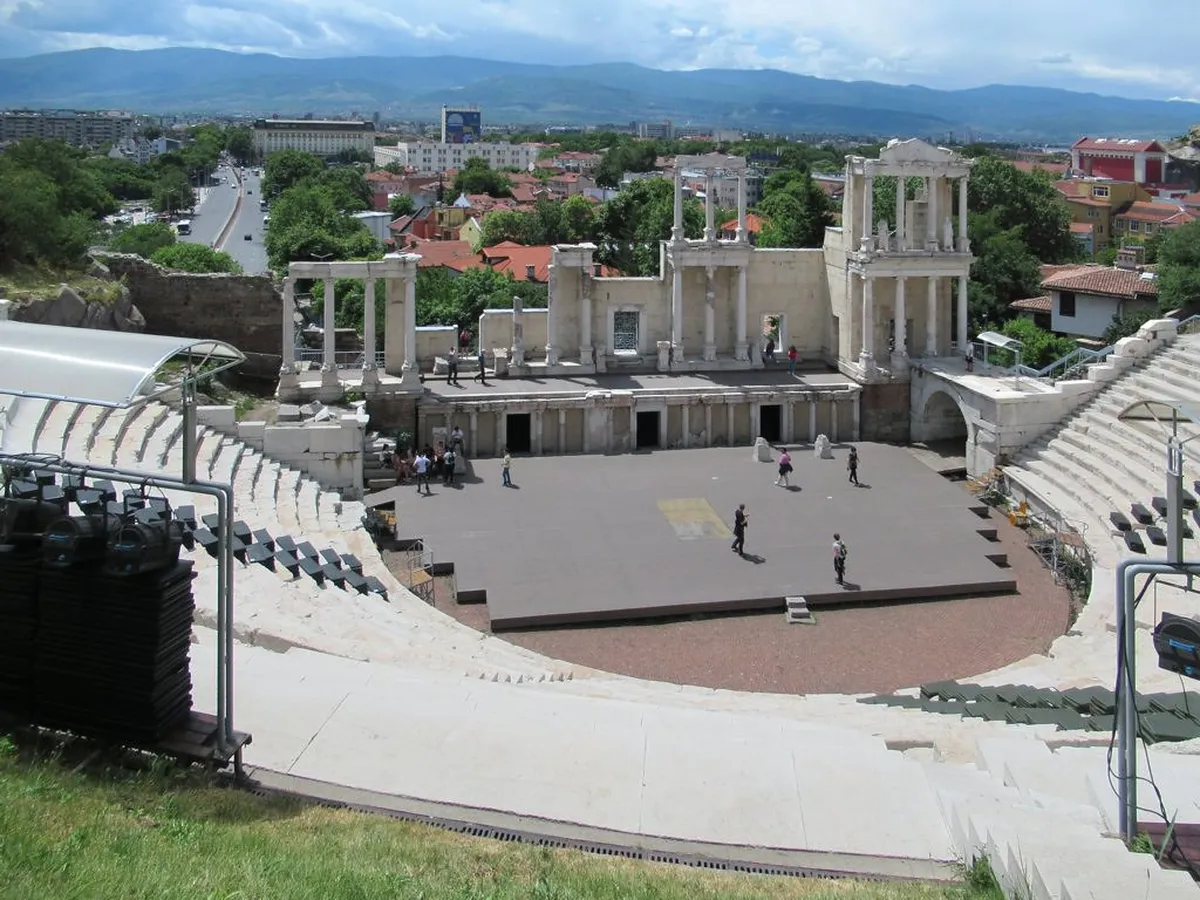
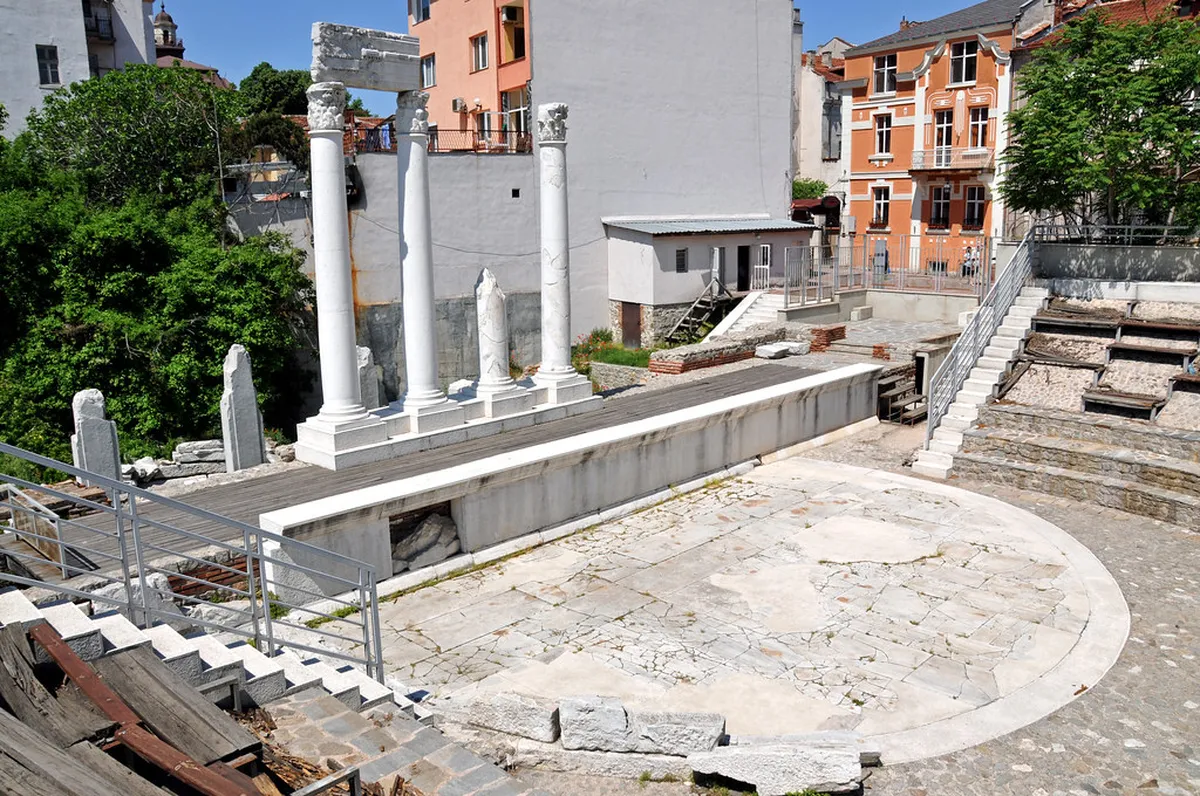
Reaching Balabanov House means a scenic climb through the Plovdiv Old Town reserve. Starting at the Roman Stadium and heading uphill toward the old fortress gates is the most straightforward route, and signage along the way points to the main museum houses.
Cars are restricted through most of the Old Town, so plan to arrive on foot from the city center - the walk takes roughly 15 to 20 minutes from the modern downtown. The incline is steady rather than steep at any one point, so there's time to take in the colorful facades along the way.
Public transport stops near the base of the hill for those coming from further out; look for bus lines stopping near the central post office or the Nebet Tepe archaeological site, then walk the short, steep final stretch up the cobblestones.
Taxis can drop passengers near the edge of the Old Town, but the last stretch to the house has to be done on foot because of the narrow streets. Most visitors end up counting that walk among the highlights of the trip rather than a chore.
Common Mistakes to Avoid When Visiting
The most common mistake is showing up on a Monday - the house, like most Old Town house-museums, is closed that day with no posted exception for holidays or festival weekends. Check the day of the week before you commit to the uphill walk, especially if Balabanov House is the one fixed point in your itinerary.
A close second is arriving right at the 13:00-13:30 midday break and finding the door shut with nowhere shaded to wait. Time your visit for just after opening - 09:30 in the Apr-Oct season, 09:00 from November to March - or for the couple of hours before closing, when both the crowds and the light are better anyway.
Travelers planning more than one Old Town house-museum often buy separate tickets at each door instead of the 10.74 EUR (21 BGN) combined ticket, which covers up to five sites and pays for itself after the second stop. Carry both euro and lev in small denominations too, since 2026 is still a dual-currency year at most ticket desks.
Inside, the mistake is rushing straight to the upper floor and skipping the ground-floor gallery, which usually holds a current exhibition included in the same ticket. Bring water for the hill either way - there are few shops once you're inside the reserve, and the climb is more draining than it looks in the summer heat.
Continue planning: Use Plovdiv Attractions: 12 Top Sights, Tickets & Tips to connect this guide with the rest of your Bulgaria itinerary.
Frequently Asked Questions
How much time do I need for a Balabanov House visitor guide tour?
Most visitors find that 45 to 60 minutes is sufficient to see the entire house and courtyard. This allows enough time to view the art gallery on the ground floor and the ornate residential rooms upstairs. If you attend a concert, plan for an additional two hours in Plovdiv Attractions.
Is Balabanov House accessible for visitors with disabilities?
The house is located on a steep cobblestone hill and features several flights of stairs inside. This makes full access difficult for those with significant mobility issues or wheelchairs. The ground floor gallery is more accessible than the upper residential floors which require climbing wooden stairs.
Can I buy tickets online for Balabanov House?
Currently, most visitors purchase tickets directly at the entrance or at tourist information centers in the Old Town. Combined tickets for multiple sites are highly recommended for the best value during your stay. Check the official Plovdiv tourism website for any updates regarding digital booking options for 2026.
Balabanov House remains a cornerstone of any Old Town itinerary in Plovdiv, and pairing it with Hindliyan House and the 10.74 EUR (21 BGN) combined ticket is the most efficient way to see both in 2026. Its blend of merchant history and Revival architecture gives a clear window into 19th-century Bulgaria without needing more than an hour or two of your day.
The 1970s restoration means what you see today closely matches the original 1800s proportions, a rare thing for a private house of this size. Walking through its halls, having already checked the Tuesday-to-Sunday hours and the midday break, is enough to make the visit worthwhile.
From the wood-carved ceilings to the quiet courtyard, the house captures a specific slice of Plovdiv's merchant era well. Build it into your Old Town day alongside its neighbors rather than as a stand-alone stop, and the combined ticket makes that easy to do.
For authoritative information, refer to the Balabanov House official site and Balabanov House on Wikipedia.
For more Plovdiv planning, read our Plovdiv Old Town Guide: Architecture, History, and Travel Tips guide.