Belogradchik Fortress (Kaleto) Visitor Guide: Planning Your 2026 Trip
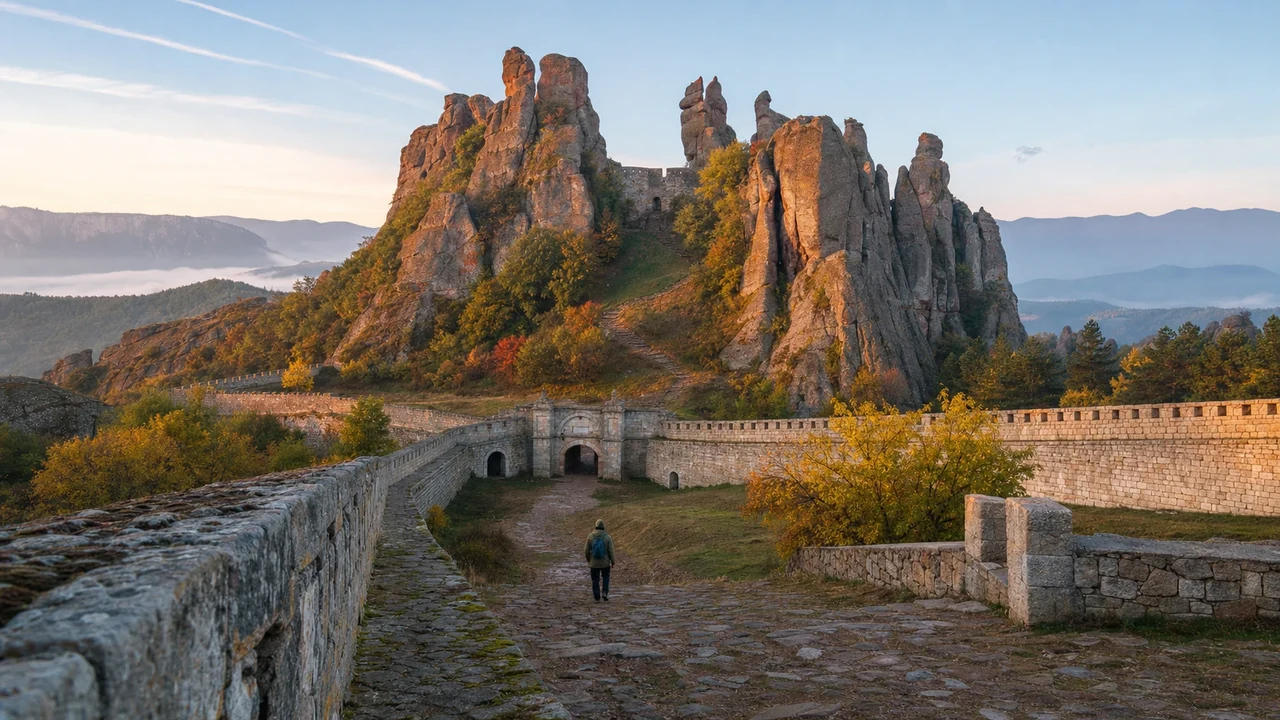
Last updated July 2026. The Belogradchik Fortress, known locally as Kaleto, is a citadel built directly into the red sandstone pillars of the Belogradchik Rocks, about 1.5 km above the town centre. Visitors travel from across Bulgaria to see how Roman and Ottoman masonry merges with rock walls up to 70 metres tall.
For a preview of what awaits at the site, this video captures the interplay of fortress walls and the towering Belogradchik Rocks:
Planning a trip to this remote corner of Northwest Bulgaria takes more coordination than a Sofia city break. This guide covers 2026 ticket prices, the two driving routes from Sofia, what to expect inside the three fortress courtyards, and the mistakes that catch out most first-time visitors.
Before you go, give Belogradchik Attractions at least one full day. The fortress is only one part of a landscape that also includes the wider Rocks Natural Park and, a short drive away, Magura Cave.
Why is Belogradchik Fortress (Kaleto) Famous?
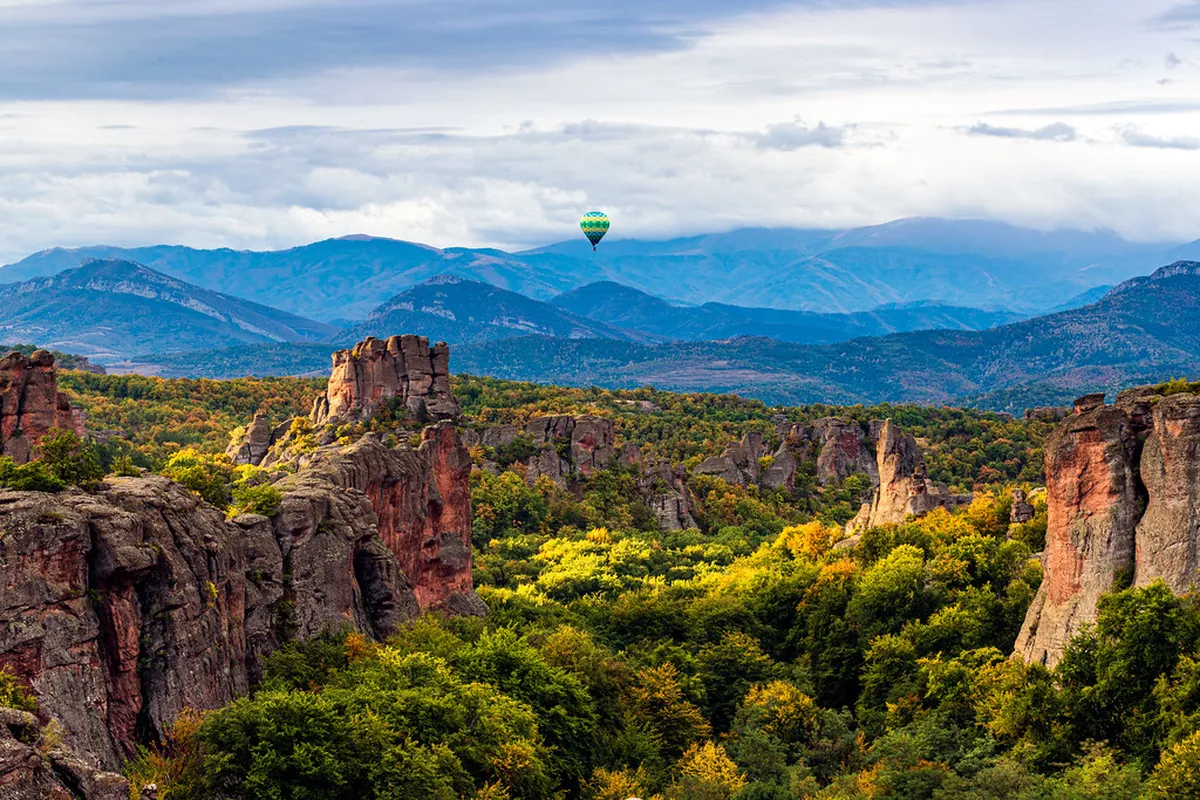
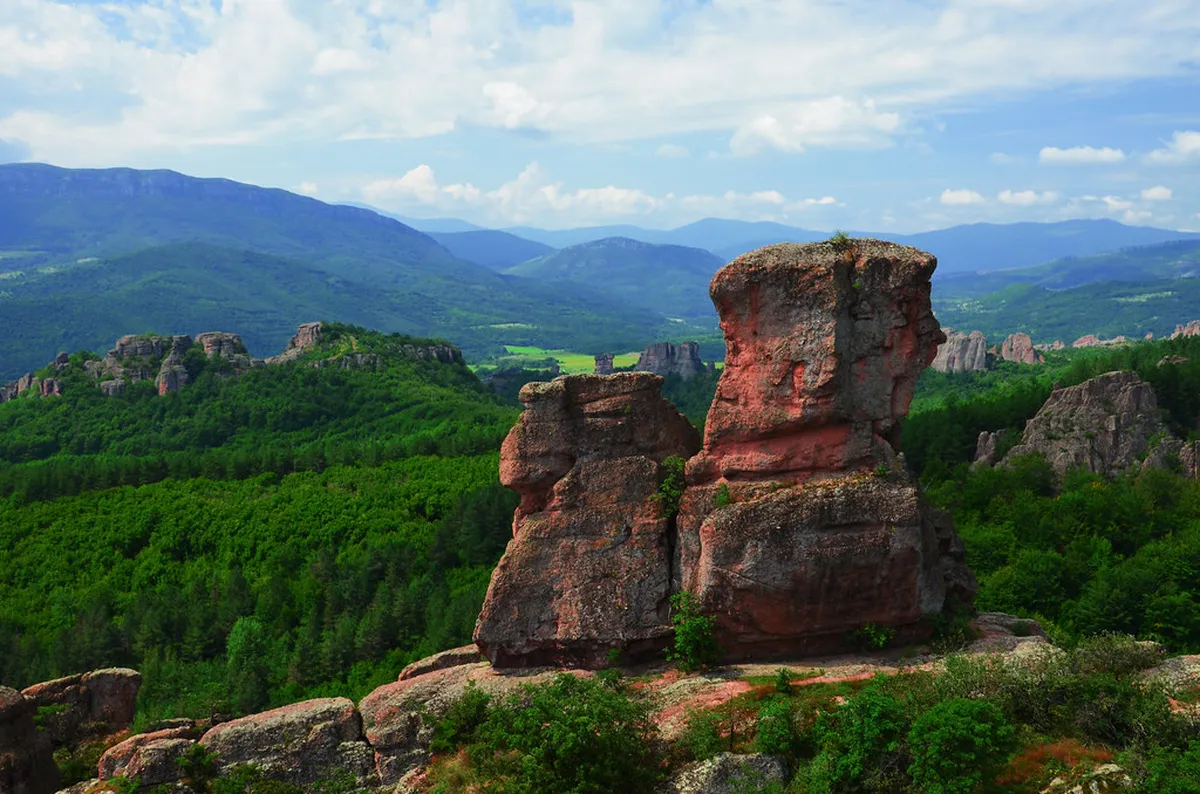
Belogradchik Fortress is famous because it barely needed to be built. Roman engineers recognised that natural rock pinnacles rising up to 70 metres already formed the best defensive wall in the region, so they fortified only the gaps between the boulders instead of building a full perimeter. The result looks less like a conventional castle and more like a stone gate wedged into a canyon.
That fusion of architecture and geology draws photographers and history enthusiasts from across the Balkan Peninsula. The rocks behind the walls belong to the same 200-million-year-old sandstone massif as the wider park, where some columns reach 200 metres and the tallest named formation, Adam, stands roughly 100 metres near the entrance. Kaleto is the rare site where Roman, medieval Bulgarian, and Ottoman stonework sit fused into a single rock face.
A Short History: How Old Is the Fortress?
The oldest parts of Kaleto date to the Roman occupation of the 1st to 3rd centuries AD, when engineers fortified the natural rock passes guarding routes toward Vidin. That makes the site close to two thousand years old in some form, though little survives from that first phase beyond the layout of the approach.
Bulgarian Tsar Ivan Stratsimir, ruler of the breakaway Vidin Tsardom, expanded the stronghold in the 14th century to defend the region against both the Ottoman Empire and rival Bulgarian lords. After the Ottoman conquest of 1396, the fortress was rebuilt on a much larger scale between 1805 and 1837, with French and Italian engineers brought in to modernise the walls and add the artillery positions still visible in the upper courtyard.
Its last active military role came during the Serbo-Bulgarian War of 1885, after which it was retired from service and later declared a cultural monument, which is why the stairways are in better condition than their age suggests.
The Legend of the Belogradchik Rocks
Local folklore says a nunnery once stood hidden among these rocks. The youngest nun, remembered as Vitinya or Vita, was said to be so striking that word of her beauty reached a young man named Antonio. Their romance stayed secret until Vita had a child, at which point the other nuns cast her, the baby, and Antonio out together.
A single thunderbolt is said to have struck the moment the family was turned away, freezing the whole scene into stone. Visitors today are shown formations said to resemble Antonio on horseback and the nuns who condemned them, with the tallest columns behind the fortress walls counted among the "petrified" figures. It is folklore rather than history, but the names stick, and pointing them out makes the climb more memorable.
You can read a longer version of the legend of the beautiful nun, with photographs of the individual rock shapes, before you go.
Getting to Belogradchik in 2026: Transport Options
Belogradchik sits roughly 170 to 215 km north-west of Sofia depending on the road, and there is no rail line into town. In 2026 a rental car remains the most flexible option, at around 36 EUR (70 BGN) round trip; private tours run closer to 102 EUR (200 BGN) per person, and the bus is cheapest at about 15 EUR (30 BGN) round trip but takes nearer five hours each way via Montana.
| Route | Distance | Drive time | Road quality |
|---|---|---|---|
| Northern, via Montana | ~215 km | ~3 hours | Well-maintained, gentler curves |
| Direct, via Petrohan Pass | ~170-180 km | ~2.5 hours on paper | Shorter but narrow, tighter mountain curves |
The northern route adds about 30 minutes but is the more relaxed drive, and the one we recommend if you don't know Bulgarian mountain roads. The direct route looks faster on paper, but tight curves and a rougher surface often cancel out the time saved, and it's a poor choice if you get carsick.
- Pick up a rental car in Sofia with a valid Bulgarian motorway vignette, then follow the A2 toward Montana for the northern route or via Vratsa and the Petrohan Pass for the direct one.
- Park near the fortress entrance, about 1.5 km uphill from town, for around 1.33 EUR (2.60 BGN); arrive before 10:00 on summer weekends for space.
- Buy your ticket at the stone kiosk by the first gate, with a mix of cash and card since the terminal occasionally loses signal, then climb through the three courtyards to the highest viewpoint, about 20 minutes at a moderate pace.
Tickets, Hours, and Practical Entry Tips
Kaleto is open daily on seasonal hours: roughly 09:00 to 18:00 from April to October, and 09:00 to 17:00 the rest of the year. Gates sometimes stay open later in high summer, but check the official Belogradchik Fortress visitor page for the current season before you drive out.
Entry costs about 4.09 EUR (8 BGN) for adults, roughly 2.05 EUR (4 BGN) for students, and around 2.56 EUR (5 BGN) for seniors, paid at the kiosk by the first gate. Because Bulgaria adopted the euro in January 2026, some signage still quotes lev-only prices, so treat these figures as approximate and confirm the exact amount at the ticket office. Allow 90 to 120 minutes for a full circuit, and pair the visit with Magura Cave Visitor Guide for a fuller day; the two sites sell separate tickets but sit close enough together to combine easily.
There is no cafe inside the walls and little shade past the lower courtyard, so bring water. The Belogradchik Rocks Visitor Guide stay sun-baked through the afternoon, and mornings give the softest light for photographing the interior sandstone. For regional advisories, the official Bulgaria Tourism Portal is worth a check before a summer or winter visit.
- What to bring for your visit
- Comfortable hiking shoes with sturdy rubber soles for climbing steep rocks.
- At least one liter of water per person, plus sunscreen and a hat for the exposed upper courtyards.
- Small denominations in euro or lev for parking and souvenirs, and a light jacket even in summer.
- Offline maps downloaded to your phone in case of poor mobile reception.
A Floor-by-Floor Guide: What to See Inside
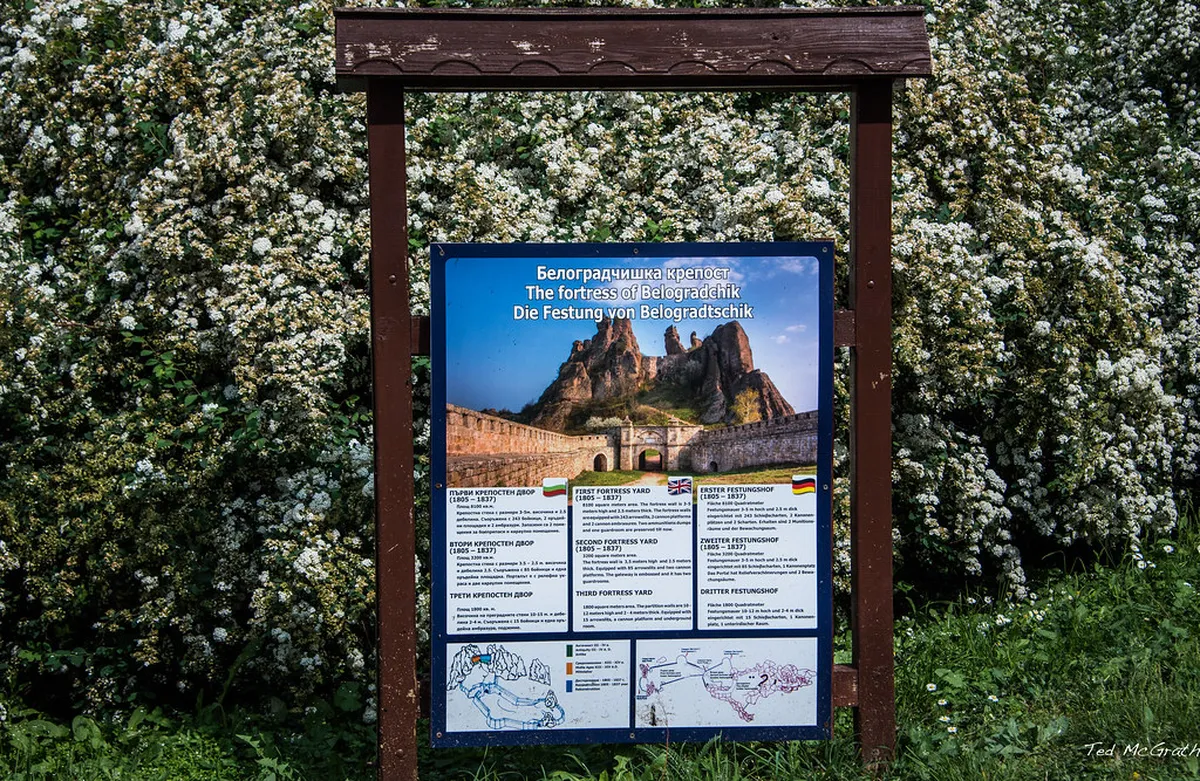
Kaleto is built as three connected courtyards, each higher and narrower than the last, and knowing what each one holds helps you decide how far up to climb.
- The first courtyard, through the entrance gate, is the widest and flattest part of the site, built mostly from constructed Ottoman-era stonework; this is as far as anyone using a wheelchair, stroller, or walking aid should plan to go.
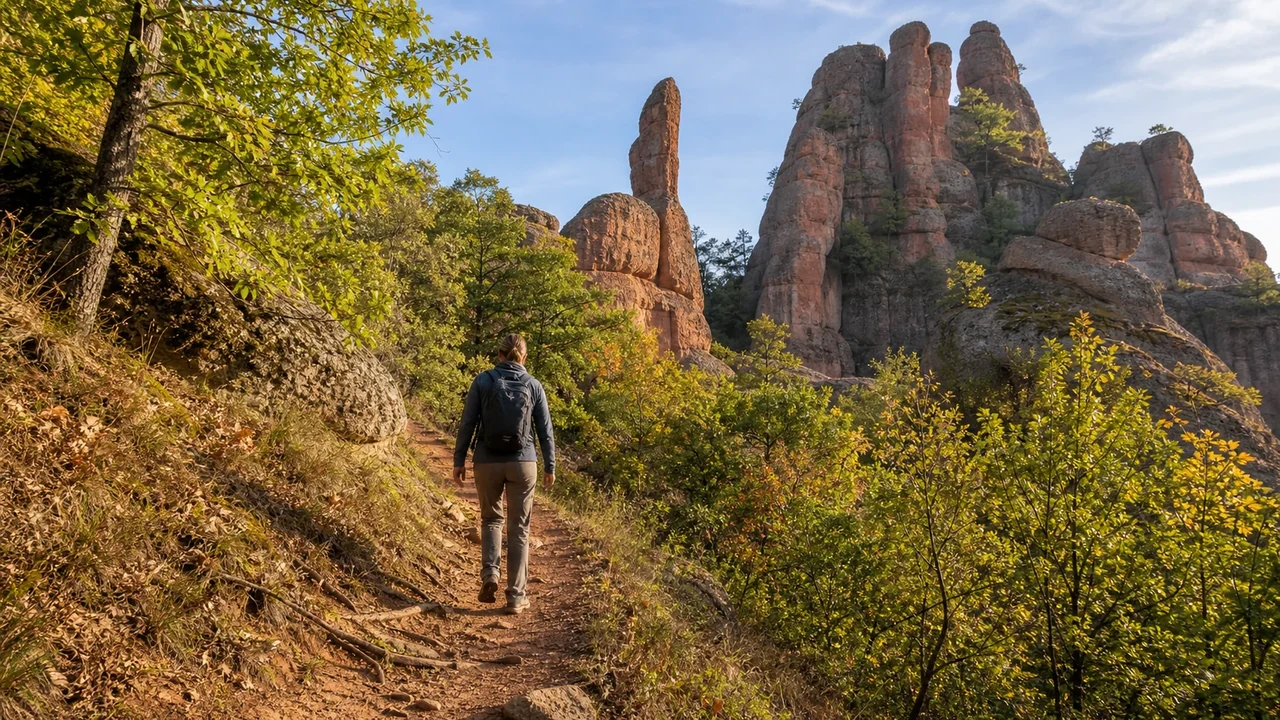
- The second courtyard is where the fortress stops looking like a building and starts looking like a canyon: the path narrows between natural rock faces up to 70 metres tall, and the stairways above are steep and uneven.
- The third and highest courtyard is the payoff, a small platform among the rock pinnacles with panoramic views over the town, the Belogradchik Rocks, and the Balkan foothills, though footing is narrow and exposed.
The climb from the first to the third courtyard takes 15 to 20 minutes at a careful pace. Treat the second courtyard's entrance as the real decision point: everyone can reach the first courtyard, but the stairways beyond suit no one with limited mobility, vertigo, or unsupervised young children.
Day Trip or Overnight? Making the Right Call
A day trip from Sofia adds up to nearly six hours of driving on top of whatever time you spend at the fortress. Most travellers who try it describe the pace as exhausting rather than relaxing, with almost no room for a delayed start or a long lunch in town.
Staying overnight changes the visit rather than just extending it. Morning light gives the softest detail on the interior sandstone walls, while the last hour before sunset is when the rock formations outside the fortress take on their deepest red colour; a single day trip usually only catches one of those two windows, not both. If you only have one day, focus entirely on the fortress and the town rather than adding Vidin or Magura Cave, which tends to make the itinerary too rushed to enjoy either stop.
A private tour is the easiest way to handle the logistics without driving; most depart Sofia around 08:00 and return by 19:00. Whichever way you go, build in a buffer of at least two hours before closing, since the gate shuts on schedule regardless of how far you have left to walk down.
Budget Reality: What This Trip Actually Costs
Bulgaria's lev is fixed to the euro at exactly 1.95583 BGN per EUR, a rate that carried over unchanged when the country adopted the euro in January 2026, so every lev price here converts precisely: 8 BGN is exactly 4.09 EUR, not a rounded guess. That matters because plenty of older signage and blog posts around Belogradchik still quote only the lev figure.
For transport from Sofia, a rental car works out to roughly 36 EUR (70 BGN) in fuel and parking for the round trip and gives the most flexibility. A private tour costs closer to 102 EUR (200 BGN) per person but removes the driving entirely. The public bus is cheapest at about 15 EUR (30 BGN) round trip, though it takes nearer five hours each way, and a private transfer for a small group runs upward of 150 EUR (300 BGN) total.
On top of transport, budget around 4 to 6 EUR per person for fortress entry and parking, and 8 to 15 EUR for a sit-down lunch in town; a modest overnight stay in a Belogradchik guesthouse typically runs 25 to 45 EUR for a double room. A realistic overnight trip for two, transport included, lands somewhere around 150 to 220 EUR total, noticeably cheaper than an equivalent weekend on the Black Sea coast or in Bansko.
Common Mistakes First-Time Visitors Make
Many first-time visitors underestimate the upper courtyards. The stairs are steep, narrow, and occasionally slick, and anyone with severe vertigo or a mobility issue is better off treating the second courtyard's entrance as the natural turning-back point.
GPS errors catch out drivers in the Balkan foothills. Some apps suggest "shortcuts" onto unpaved forest tracks a standard rental car cannot handle; stick to the main roads through Vratsa and Montana, and keep an offline map as backup since mobile signal drops in the canyons.
Arriving too late is the other recurring problem. The gate closes on schedule and the sun disappears behind the rocks earlier than expected, so give yourself a two-hour buffer to walk the site safely in good light.
- If the card terminal is down at the ticket kiosk, the nearest ATM is in the town centre.
- Local festivals can fill the town's limited parking and guesthouses, so check the calendar before a weekend visit.
- Ask locals for "Kaleto" rather than "the fortress" if you cannot find signage.
- Fuel up in Montana or Vratsa; petrol stations thin out closer to the fortress.
Continue planning: Use Belogradchik Attractions: Rocks, Fortress & Magura Cave to connect this guide with the rest of your Bulgaria itinerary.
Frequently Asked Questions
How much does it cost to enter Belogradchik Fortress?
The most commonly reported adult ticket is around 8 BGN (about 4.09 EUR), with reduced rates for students and seniors. Because Bulgaria switched to the euro in January 2026, prices may have been restated, so confirm the current amount and pay at the on-site ticket office.
What are the fortress opening hours?
The fortress is open daily on seasonal hours, roughly 09:00 to 18:00 in summer and 09:00 to 17:00 in winter. Aim to arrive at least an hour before closing so you have time to climb to the upper platforms.
Is there a climb, and how hard is it?
Yes. Beyond the lower Ottoman walls, steep stone and rock-cut steps lead up through the natural rock gaps to the highest platforms. The climb is short but exposed and uneven, with handrails in places, so wear sturdy shoes and take care in wet weather; it is not suitable for visitors with limited mobility.
Are the views worth the climb?
Absolutely. The upper terraces give panoramic views over the red Belogradchik Rocks, the town below and the Balkan foothills, which is the main reason the fortress is the area's signature attraction.
Who built Belogradchik Fortress and when?
The Romans first fortified the site in the 1st-3rd century AD to guard strategic roads, using the rocks as natural walls. Bulgarian Tsar Ivan Stratsimir expanded it in the 14th century, and after the Ottoman conquest of 1396 it was extensively rebuilt between 1805 and 1837 with the help of French and Italian engineers.
How do I get to the fortress from Sofia?
Belogradchik is about 170 km (roughly 3 hours) north-west of Sofia by car. The fortress itself sits about 1.5 km above the town centre; there is a small paid car park at the entrance, and organised transport sometimes runs up from the town.
Can I combine the fortress with Magura Cave?
Yes. Magura Cave near Rabisha village is about 25 km away, making the fortress and the cave a classic pairing for a full day in the Belogradchik area.
Is parking available at the fortress?
Yes. There is a small car park by the entrance with a modest one-off fee (around 2.60 BGN / 1.33 EUR). Spaces are limited in peak summer, so arriving earlier in the day helps.
Belogradchik Fortress rewards the extra effort it takes to reach it. The combination of Roman engineering, later Bulgarian and Ottoman rebuilding, and rock formations that need no exaggeration is not something you find twice in Bulgaria, and entry remains modest by any regional standard even after the 2026 currency switch.
Whether you treat it as a long day trip or the anchor of an overnight stay, plan around the climb rather than around the drive: arrive with two hours of daylight in hand, wear shoes with real grip, and let the second courtyard be the point where you decide how much further to go. Kaleto is one of the few sights in Northwest Bulgaria that looks exactly as dramatic in person as it does in photographs.
For more Belogradchik planning, read our 10 Best Things To Do in Belogradchik (2026) guide and our Belogradchik Day Trip From Sofia: Complete 1-Day Itinerary.
For official details, visit the Belogradchik Fortress (Kaleto) on Wikipedia.