Renting A Car In Bulgaria: Complete Guide & Driving Tips
Exploring the Balkan mountains and the Black Sea coast becomes much easier when you have your own set of wheels. Travelers often find that renting a car in Bulgaria offers the ultimate freedom to visit remote monasteries and hidden beaches at their own pace. Having a vehicle lets you build a flexible Bulgaria Road Trip Route without depending on sparse rural bus connections. This guide covers everything you need — documentation, costs, insurance, driving laws, vignettes, and parking — so you can hit the road with confidence.
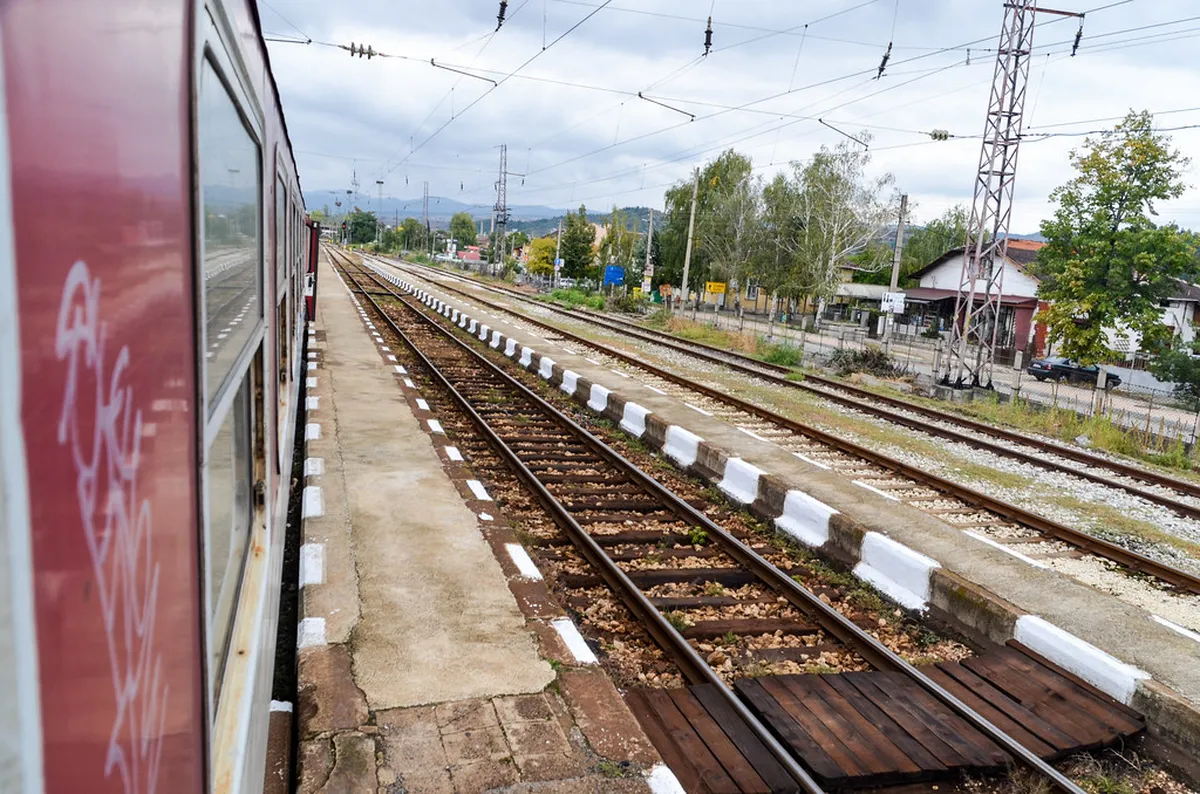
Bulgaria rewards drivers who stray from the tourist trail. Villages in the Rhodope, coastal headlands south of Sozopol, and hilltop fortresses near Veliko Tarnovo are genuinely difficult to reach any other way. Understanding the rules before you go means no unpleasant surprises at checkpoints or the rental desk. Read on for a complete walkthrough of Bulgaria Transport Options by car in 2026. For those preferring public transport, Trains In Bulgaria Travel Guide and Buses In Bulgaria Travel Guide provide affordable alternatives on major routes.
To see the essentials of Bulgarian car rental and road conditions in action, this video covers the key steps and driving scenarios:
Essential Requirements for Renting a Car in Bulgaria
Securing a vehicle requires specific documentation that you must present at the rental counter. Most agencies require a valid driver's license held for at least one year. Non-EU citizens must carry an International Driving Permit (IDP) alongside their original domestic license — rental companies and police checkpoints both ask for it. Check the Official site of the Bulgarian government for the latest legal updates regarding foreign drivers.
The standard minimum age for renting a car in Bulgaria is 21 years old. Drivers between 21 and 25 typically pay a daily young-driver surcharge, which varies by company and car category. Luxury or high-end vehicle categories may set the minimum age at 25 or 30. You will need a valid passport or national ID card for identity verification at the counter.
Rental companies always require a physical credit card in the lead driver's name for the security deposit. This deposit can range from 200 to 1,000 EUR depending on the car category and the insurance level you choose. Debit cards are rarely accepted for deposits unless you purchase the highest level of coverage. Always verify the deposit terms before you book so you know your card limit is sufficient.
Understanding Rental Costs and Insurance Options
Economy cars start from around 15 to 25 EUR per day during shoulder seasons (March–May and October–November). Summer prices rise sharply as tourists head for Varna and Burgas — the same compact that costs 20 EUR in April can reach 50 EUR in July. Booking two to three months in advance almost always secures lower rates. January is consistently the cheapest month if your schedule is flexible.
Standard rental packages include Collision Damage Waiver (CDW) and Third Party Liability, but both carry a high excess — sometimes 800 to 1,500 EUR. Purchasing Super CDW or Full Protection at the counter reduces that excess to zero. Third-party aggregators like Discover Cars Bulgaria often offer prepaid full-coverage insurance at a fraction of the counter price. Always inspect the vehicle for existing scratches before you leave and photograph or video every panel — disputes are common at return.
Fuel policies are almost always full-to-full: you collect a full tank and return a full tank. Returning with less than a full tank triggers a refueling service charge that is far above pump price. Confirm whether your agreement includes unlimited mileage — some budget deals cap daily kilometres, which adds up fast on a coast-to-coast drive. Local brands like Top Rent-a-Car often offer competitive all-in pricing with newer fleets than some international franchise locations.
Prepaid full-coverage insurance from third-party aggregators like Discover Cars Bulgaria is often 40–60% cheaper than counter prices and covers 0-excess damage claims. Always compare the excess amount and coverage scope between your booking site and the rental desk before driving away — you may save 100+ EUR by pre-purchasing.
Popular Car Rental Companies and Pick-up Locations
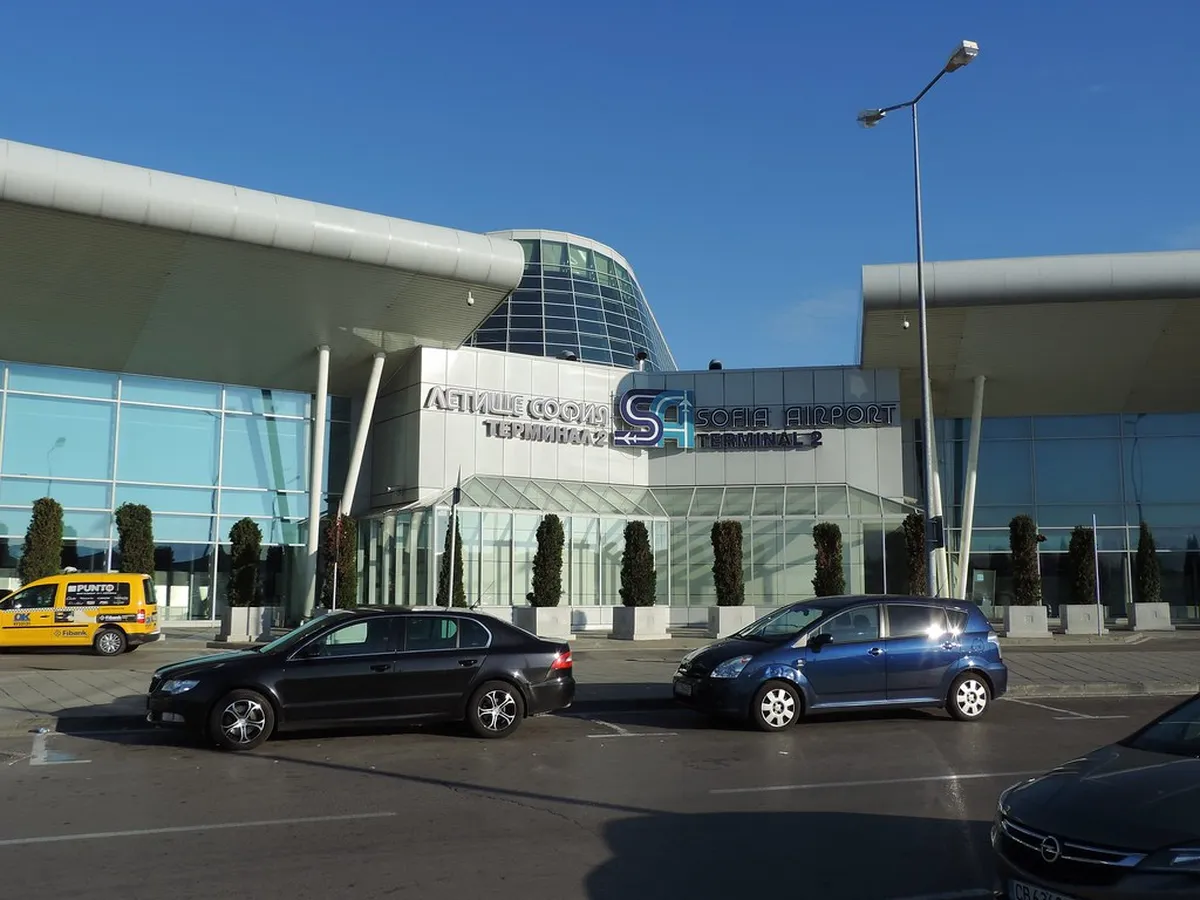
Sofia Airport is the main gateway for international arrivals, with rental desks in both Terminal 1 and Terminal 2. Varna International Airport and Burgas Airport are the best pick-up points for Black Sea holidays, with desks from most major operators. Plovdiv Airport handles seasonal traffic and has a smaller selection of companies, so book earlier there. Downtown city-centre offices exist in Sofia, Varna, and Plovdiv for travellers who only need a car for part of their stay.
International brands — Europcar, Hertz, Sixt, Avis, Budget — are represented at all major airports and provide the familiarity of a global loyalty programme. Local operators such as Top Rent-a-Car, Savoy Rent a Car, and Autorental Bulgaria often receive stronger reviews for transparent pricing and personal customer service. Comparing at least one local option against one international brand on an aggregator gives you the clearest picture of real market rates. Avoid booking with very small operators that have no verifiable track record online.
One-way rentals are possible but attract a drop-off fee when the collection and return cities differ significantly. Picking up in Sofia and dropping off in Varna — or the reverse — is the most popular cross-country route and usually carries a surcharge of 50 to 150 EUR. If you plan a linear itinerary as part of your Bulgaria Trip Planner, factor this fee into your budget from the start. Always confirm branch opening hours — smaller offices may close on Sundays and public holidays.
What Bulgarian Law Requires in Your Rental Car
Bulgarian traffic law mandates a specific set of safety items in every vehicle on the road. Most reputable rental companies pre-load their cars with all of them, but cheaper or smaller operators sometimes miss items. Check the following before you leave the rental lot — being caught without them at a police checkpoint results in an on-the-spot fine.
- Warning triangle — required if you break down and must alert oncoming traffic.
- Reflective safety vest — you must wear it whenever you exit a vehicle on a motorway or poorly lit road.
- Fire extinguisher — must be present and within the expiry date.
- First aid kit — also subject to expiry; check the date on the box.
- Headlight beam deflectors — these redirect left-hand-drive headlights so they don't dazzle oncoming traffic. Most Bulgarian rental cars are already fitted, but verify.
Missing or expired mandatory equipment is fined on-the-spot: 50–150 BGN per missing item. A vehicle without a valid fire extinguisher or first aid kit can be removed from the road. Check every item (triangle, vest, extinguisher, kit, beam deflectors) before leaving the rental desk. Take photos of the checklist and the full vehicle as evidence.
Traffic fines in Bulgaria are issued in Bulgarian Lev (BGN). Common penalties that catch foreign drivers off-guard include: speeding 10 km/h over the limit (20 BGN), speeding 30 km/h over (100 BGN), driving without a seatbelt (25 BGN), using a mobile phone while driving (50 BGN), and drunk driving (500–1,000 BGN plus licence confiscation). Parking illegally in a disabled space costs 200 BGN. Do not attempt to bribe a traffic officer — it is a separate offence and will significantly worsen your situation.
Children under three years old cannot travel in any vehicle that lacks a proper child restraint seat. Children over three but under 150 cm in height must sit in the rear of the vehicle. If you are renting with young children, request a child seat in advance — availability is not guaranteed at the counter and the daily charge is typically 5 to 8 EUR.
Driving Rules and Road Conditions in Bulgaria
Bulgarians drive on the right side of the road and overtake on the left. Speed limits are 50 km/h in urban areas, 90 km/h on open roads, and 130 km/h on motorways. Keep your headlights on at all times of the day — this is a mandatory year-round law and is strictly enforced. Trams have right of way in cities; yield to them even if you have a green light.
The blood alcohol limit is 0.05%, one of the lowest in Europe. In practice, a single beer can push an average adult close to that threshold depending on weight and food intake. Police run random breath-test checkpoints throughout the country at any hour. The safest approach is to avoid any alcohol if you plan to drive the same day.
Winter driving requires extra caution through the Balkan Mountains and the Rhodope. Bulgarian law mandates winter tyres with a minimum tread depth of 4 mm between 15 November and 1 March. Carry snow chains if you plan to visit ski resorts like Bansko or Borovets — mountain passes can become icy and narrow within hours of a weather change. Road signs are primarily in Cyrillic, though motorway signs increasingly include Latin-script equivalents. Motorway signs have a green background; regional road signs are blue.
Road quality ranges from smooth modern motorways (the A1 between Sofia and Burgas is the main trunk route) to village roads with frequent potholes and hairpin bends. Rural areas may also have livestock and slow agricultural vehicles crossing the road without warning. Stay alert and reduce speed when passing through villages, even if the posted limit seems high. Electric vehicle drivers will find a growing network of Fullcharger and Eldrive chargers in major cities, with Tesla Supercharger points operating in Sofia and Plovdiv.
The Bulgarian Vignette and Toll System Explained
Bulgaria operates a fully digital electronic vignette system — there are no physical toll booths on national roads or motorways. Every vehicle driving on Bulgarian highways and major intercity routes must have a valid e-vignette registered to its licence plate. Most rental cars already have one active for the rental period, but you must confirm this with the agent before driving away. Ask them to pull up the Bulgaria e-Vignette Portal (BGToll) and verify the plate on the spot.
If you are driving a private vehicle or a rental without a vignette, you can purchase one online at bgtoll.bg, at border crossings, at petrol stations, at DZI bank branches, and at post offices. Vignettes can be purchased up to 30 days in advance. Current 2026 prices for passenger cars are approximately: 10 BGN for a weekend (Friday noon to Sunday midnight), 15 BGN for one week, 30 BGN for one month, 54 BGN for three months, and 97 BGN for one year. The system is enforced by roadside cameras that scan every plate — fines for non-compliance are 300 BGN and issued automatically.
| Vignette Type | Validity Period | Price (BGN) | Best For |
|---|---|---|---|
| Weekend | Friday noon to Sunday midnight | 10 | Short coastal trips |
| One Week | 7 days from purchase | 15 | 1-city itineraries |
| One Month | 30 days from purchase | 30 | 2–3 city road trips |
| Three Months | 90 days from purchase | 54 | Extended multi-destination loops |
| Annual | 1 year from purchase | 97 | Frequent Bulgaria visits |
The e-vignette is entirely digital: nothing is attached to the windshield. In addition to the vignette, a small number of river bridges — including the Danube bridges between Bulgaria and Romania — charge separate toll fees payable at booths. These are not covered by the vignette and must be paid in cash or by card at the crossing. If your itinerary crosses into Romania, budget for the bridge toll on top of your vignette cost.
Parking in Bulgaria: Navigating Blue and Green Zones
Parking in Sofia, Plovdiv, and other major cities is regulated by a colour-coded zone system managed via SMS. The Blue Zone covers the city centre, allows a maximum of two hours, and costs roughly 2 BGN per hour. The Green Zone surrounds the centre, permits up to four hours, and charges a lower hourly rate. Both zones operate on weekdays during business hours — parking is typically free on weekends and public holidays, but always check the posted signs before assuming.
To pay by SMS in the Blue Zone, text your vehicle's licence plate number to the shortcode 1302. For the Green Zone, text the plate number to 1303. You will receive a confirmation message and a reminder five minutes before your time expires. This requires a Bulgarian SIM card — if you do not have one, download the URBO app instead, which accepts international credit cards and works across both zones.
Improperly parked cars in central Sofia are towed or clamped quickly and efficiently. If your car is clamped, you will find a sticker with a phone number to call; expect to pay at least 80 to 100 BGN to have it removed. If towed, the fine plus impound fees can exceed 200 BGN and require a trip to a pound on the city's outskirts. Using a paid underground car park is the safest and often cheapest option for overnight stays in large city centres.
Cross-Border Travel with a Bulgarian Rental Car
Many Bulgarian rental companies allow cross-border travel to neighbouring countries, but you must declare your intention at booking — not on the day of departure. The most commonly permitted destinations are Romania, Greece, and Turkey. North Macedonia and Serbia are allowed by some companies but not all, and usually carry an additional daily insurance fee. Driving into these countries without written permission from your rental company voids your insurance cover.
For any cross-border trip, your company must provide a Green Card — the international motor insurance certificate. Vehicles registered in EEA member countries including Andorra, Serbia, and Switzerland do not need to show this document for entry into Bulgaria, but your rental agreement still needs to authorise the travel. Allow two to three working days for the paperwork to be prepared; requesting it at the counter the morning of your departure is not reliable.
Note that Bulgaria's e-vignette is only valid within Bulgarian territory. If you cross into Romania, you will need a separate Romanian e-vignette (roviniete), which can be purchased at the border or online at roviniete.ro. Greece and Turkey have their own toll structures. Factor in these additional costs — and the bridge toll at the Romania crossing — when planning a multi-country road trip.
Frequently Asked Questions
Do I need an International Driving Permit to rent a car in Bulgaria?
If you hold a driver's license from an EU country, you do not need an International Driving Permit. However, travelers from the US, Canada, or Australia should carry an IDP alongside their domestic license. This document is often required by rental agencies and local police during routine checks.
Is it safe to drive a rental car in Bulgaria?
Driving in Bulgaria is generally safe, but you should remain cautious of aggressive local drivers and occasional potholes. Major highways are well-maintained, while rural roads may be narrow or poorly lit at night. Always follow the speed limits and keep your headlights on to stay safe.
Can I take a Bulgarian rental car to Greece or Romania?
Many rental companies allow cross-border travel to neighboring countries like Romania or Greece for an extra fee. You must inform the agency in advance so they can provide the necessary 'Green Card' insurance documents. Some restrictions may apply for taking cars into North Macedonia or Serbia: Why Bulgaria Is Worth Visiting
What is the minimum age to rent a car in Bulgaria?
The standard minimum age for renting a vehicle in Bulgaria is 21 years old. Drivers between the ages of 21 and 25 often have to pay a young driver surcharge. Some luxury car categories may require the driver to be at least 25 or even 30 years old.
Renting a car provides the best way to see the Bulgaria's Top Destinations without restrictions. By understanding the vignette system, confirming your mandatory equipment checklist, and knowing the parking zone rules, you can avoid the most common traveller mistakes. The freedom to reach mountain villages and hidden coastal coves makes the rental cost worth every penny. Prepare your documents and book early to ensure a smooth start to your Bulgarian adventure.
Bulgaria is a country that rewards those who venture off the beaten path. The local hospitality and stunning scenery are best experienced from the road, moving at your own pace between the coast, the mountains, and the old city centres. Take your time, drive safely, and enjoy the full diversity this country has to offer.