Kazanlak Rose Museum (Museum of Roses) Visitor Guide
The Kazanlak Rose Museum serves as the central hub for anyone exploring Bulgaria's famous Rose Valley. This unique institution celebrates the Rosa Damascena, a flower that defines the cultural identity of the entire region. Visitors flock here to understand why Bulgarian rose oil remains the most sought-after ingredient in global perfumery.
This video walkthrough captures the museum's galleries and its most treasured rose oil collections:
Planning your journey requires understanding the delicate balance between the agricultural harvest and the festive celebrations. While the museum is open year-round, the surrounding fields only come alive during a brief window in late spring. This guide provides everything you need to navigate the museum and its beautiful surroundings in 2026.
You will discover historical artifacts, sensory exhibits, and practical tips for maximizing your time in the city. From the scent of ancient oil vessels to the modern Rose Festival, the experience is truly immersive. Prepare to step into a world where history and fragrance intertwine seamlessly.
Must-See Kazanlak Attractions
Anyone starting a trip through Kazanlak should put the Rose Museum near the top of the list. It is the only museum in the world dedicated entirely to Bulgarian rose-oil production, and its collection runs past 15,000 items covering the full story of the industry. You will find it inside Rosarium Park, a short walk from the town center.
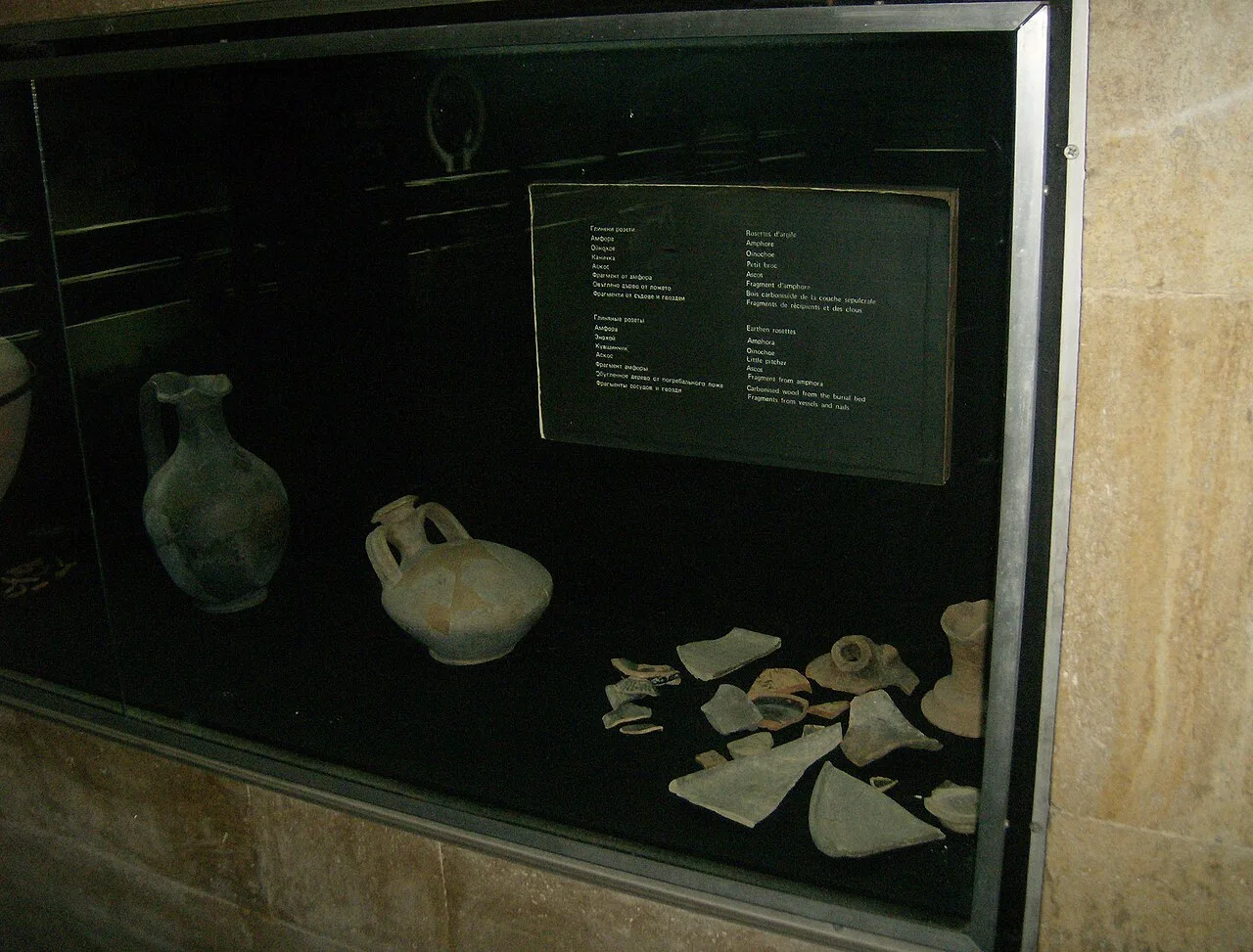
The facility traces roughly 300 years of rose cultivation in the Kazanlak Attractions region, from small household plots to a national export industry. It shows how hand-tended fields turned into a supply chain that still reaches perfume houses abroad. Walking through the halls, the pride locals take in their floral heritage shows in every case label.
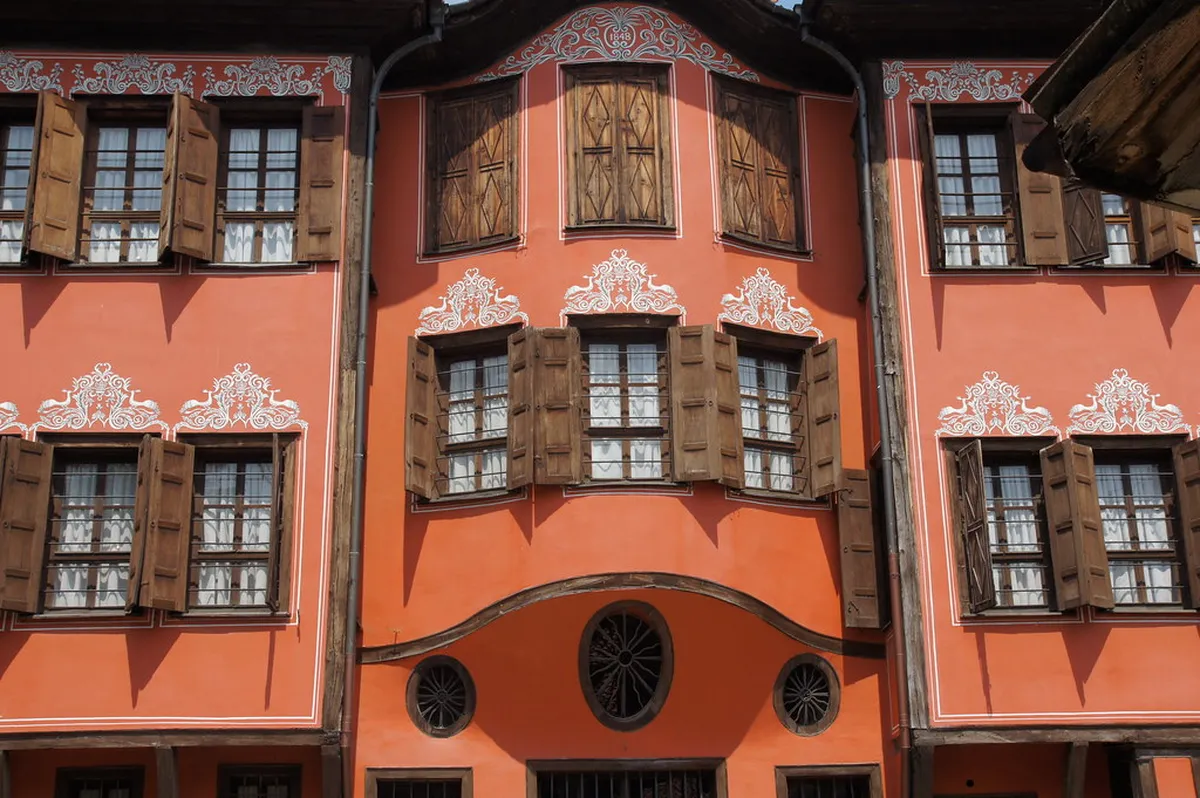
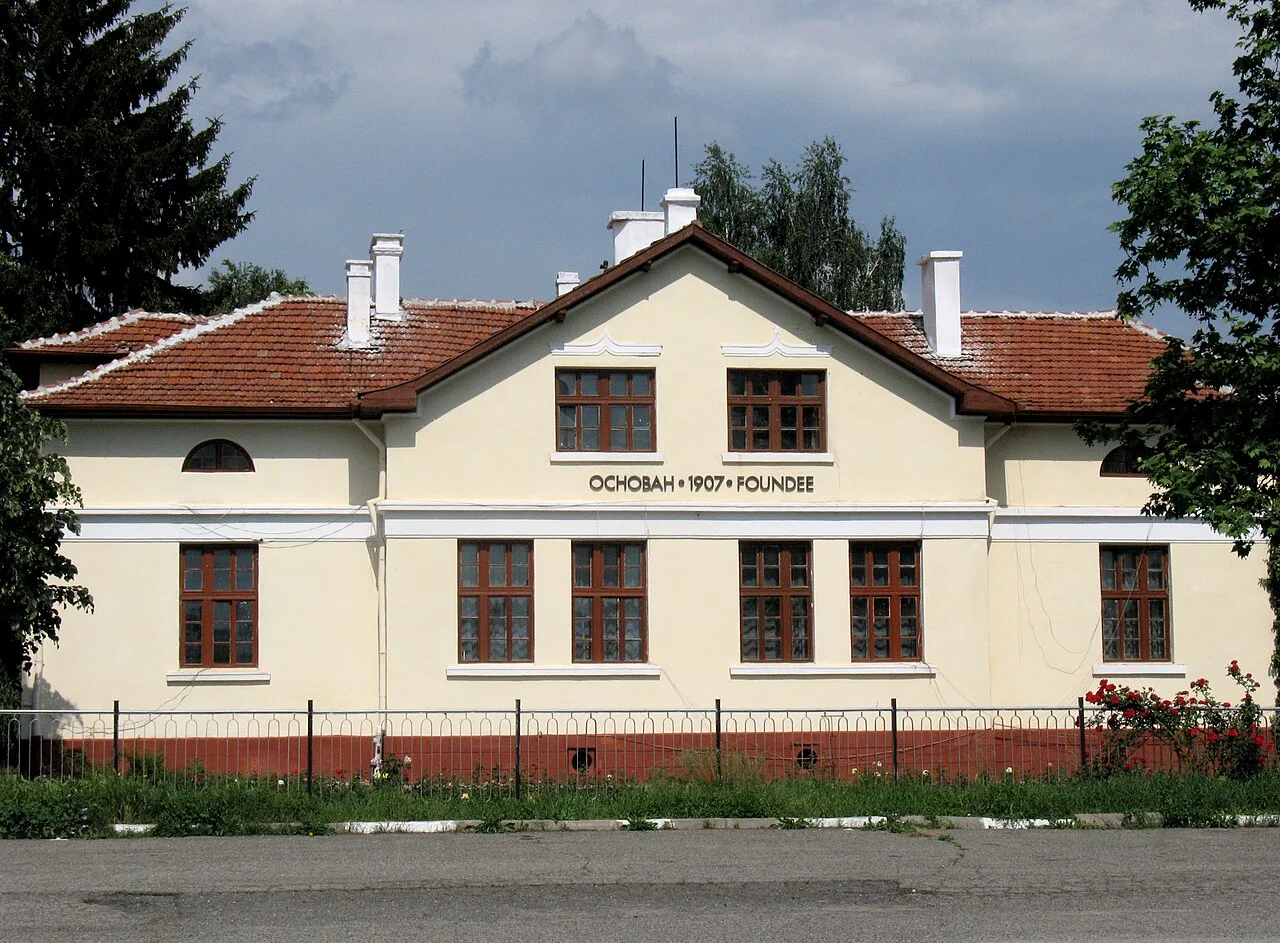
Modern display cases sit alongside century-old archives, giving the museum a mix of scholarly depth and visual polish. The building itself is a contemporary structure, a deliberate contrast to the antique stills and vessels inside. It works well as the first stop before heading into the surrounding valley.
- Museum Highlights and Logistics
- Location: Rosarium Park, Kazanlak
- Exhibits: 15,000+ items
- Hours: daily 09:00-17:30
- Adult ticket: 3.00 EUR (5.87 BGN); student 1.00 EUR
Museums, Art, and Culture in Kazanlak
The cultural heart of the city beats strongest within the walls of the Museum of Roses. One of the most captivating items on display is a rose oil vessel dating back to 1947. Remarkably, this container still retains a faint, musky scent of the original oil after more than seventy years.
Artistic tributes to the rose are scattered throughout the galleries, featuring intricate paintings and traditional costumes. You can view the original tools used for boiling and cooling the precious flower petals. For more detailed history, check the Rose Museum - Visit Bulgaria page for seasonal exhibit updates.
The museum also documents the evolution of the Rose Festival, which began in 1903. You can see vintage photographs of past Rose Queens and traditional harvest celebrations from different eras. These archives help visitors appreciate the social impact of the rose industry on local families.
Parks, Gardens, and Outdoor Spots in Kazanlak
Beyond the museum walls, the surrounding Rose Valley (kazanlak) Visitor Guide offers endless opportunities for outdoor exploration. Rosarium Park itself is a manicured landscape where dozens of rose varieties bloom in early summer. It provides a peaceful setting for a morning stroll before the midday heat arrives.
Travelers should note that climate shifts have recently altered the traditional blooming schedule significantly. In 2024, the flowers began to open nearly a month earlier than expected due to warmer spring temperatures. We recommend checking local bloom reports starting in late April to ensure you don't miss the peak.
Participating in a rose-picking ritual is an essential outdoor activity for any flower enthusiast. These events typically happen in the early morning hours when the oil concentration in the petals is highest. You will find the atmosphere in the fields energetic and filled with the sweet aroma of fresh blooms.
Family-Friendly and Budget-Friendly Options in Kazanlak
Traveling with a family does not have to be expensive in Kazanlak. Adult entry to the Rose Museum is 3.00 EUR (5.87 BGN) and students pay 1.00 EUR (1.96 BGN); children under 7 get in free, and a guided tour adds 5.00 EUR for Bulgarian or 10.00 EUR for English, Russian or French. Photography inside costs extra, 2.50 EUR for a still camera or 10.00 EUR for video, so budget-conscious families can simply skip the camera fee and look instead.
The one date worth building a trip around is the last Monday of each month, when admission is free. The museum is one of several sites run by the Iskra Historical Museum under a shared tariff, so the same pricing structure applies across Iskra's branches in town, which lets a family doing a walking loop of Kazanlak's museums budget per stop rather than guessing at each door.
The parks surrounding the museum, including Rosarium Park itself, are free to enter and give kids room to run. Pack a picnic and skip the restaurant bill, then pick up rose-flavored sweets from a local bakery for a few leva. Most of central Kazanlak's landmarks sit within easy walking distance of each other, so a family can cover the museum, the park, and the town center without paying for a taxi.
How to Plan a Smooth Kazanlak Attractions Day
Success in the Rose Valley depends heavily on timing and proper logistical planning. The museum opens daily at 09:00 and closes at 17:30, and arriving right at opening lets you see the main halls before the larger tour groups arrive by mid-morning. This allows you to explore the exhibits at a much more relaxed and contemplative pace.
For the most current information on opening hours and special events, visit the Official Kazanlak Tourism Portal before your trip. They provide updates on festival schedules and any temporary closures that might affect your visit. Staying informed helps prevent common travel frustrations during the busy peak season.
Consider booking your accommodation well in advance if you plan to visit during the first weekend of June. This is when the Rose Festival reaches its climax, and the city often reaches full capacity. Early planning ensures you stay close to the main events and the museum.
Beyond the Concrete Peak: The Dual Soul of the Stara Planina
The landscape near the city offers a striking contrast between delicate nature and brutalist architecture. Just a short drive away sits the Buzludzha Monument Visitor Guide, a massive concrete structure perched atop a mountain peak. This site represents a completely different era of Bulgarian history compared to the rose fields.
Visiting both locations in a single day provides a unique perspective on the nation's diverse heritage. You can spend your morning surrounded by the soft fragrance of roses and your afternoon exploring the rugged Balkan Mountains. This duality is what makes the Stara Planina region so fascinating for modern explorers.
The drive between the museum and the mountain peak offers breathtaking views of the entire valley. You will see the patchwork of rose plantations stretching toward the horizon from the high mountain roads. It is a visual experience that perfectly captures the "dual soul" of this geographic area.
A Flower Lover's Guide to Grasse, France
Many travelers often compare the Bulgarian Rose Valley to the famous fields of Grasse in France. While Grasse focuses heavily on the high-end industrial side of perfumery, Kazanlak maintains a more agricultural and authentic feel. The Bulgarian tradition is deeply rooted in small-scale farming and community-led harvests.
In France, the experience often feels more commercialized with luxury boutiques and large-scale factory tours. In contrast, the Bulgarian experience allows you to get closer to the soil and the farmers themselves. This raw authenticity is a major draw for those seeking a genuine cultural connection.
Both regions produce exceptional oils, but the Rosa Damascena grown here has a specific chemical profile. The unique climate and soil of the valley create a scent that is difficult to replicate elsewhere. Understanding these differences adds a layer of appreciation for the museum's historical displays.
The 48-Hour Valley Loop: An Itinerary
A two-day trip allows you to see the best of the region without feeling overwhelmed. Start Day 1 at the Rose Museum, then move on to the Kulata Ethnographic Complex Visitor Guide to watch a live demonstration of the antique copper kazans used for traditional distillation. Close the day at the Shipka Pass, whose golden domes are worth timing for the last hour of daylight.
On Day 2, pick your distillery based on what you want from the visit. The Damascena Ethnographic Complex & Rose Distillery is the polished option: reservations aren't strictly necessary, the gardens are landscaped for photos, and the tour is built for visitors. Lema Distillery, a smaller family-run operation, trades that polish for a rawer, more technical look at the same process, which suits travelers who want to see the machinery rather than a curated walkthrough.
End your loop by driving through the mountain passes to see the memorials dedicated to Bulgarian independence. This itinerary ensures you cover the floral, historical, and natural highlights of the valley in a single weekend, which is realistic even on a first visit to Bulgaria.
The Thracian Legacy: UNESCO Treasures
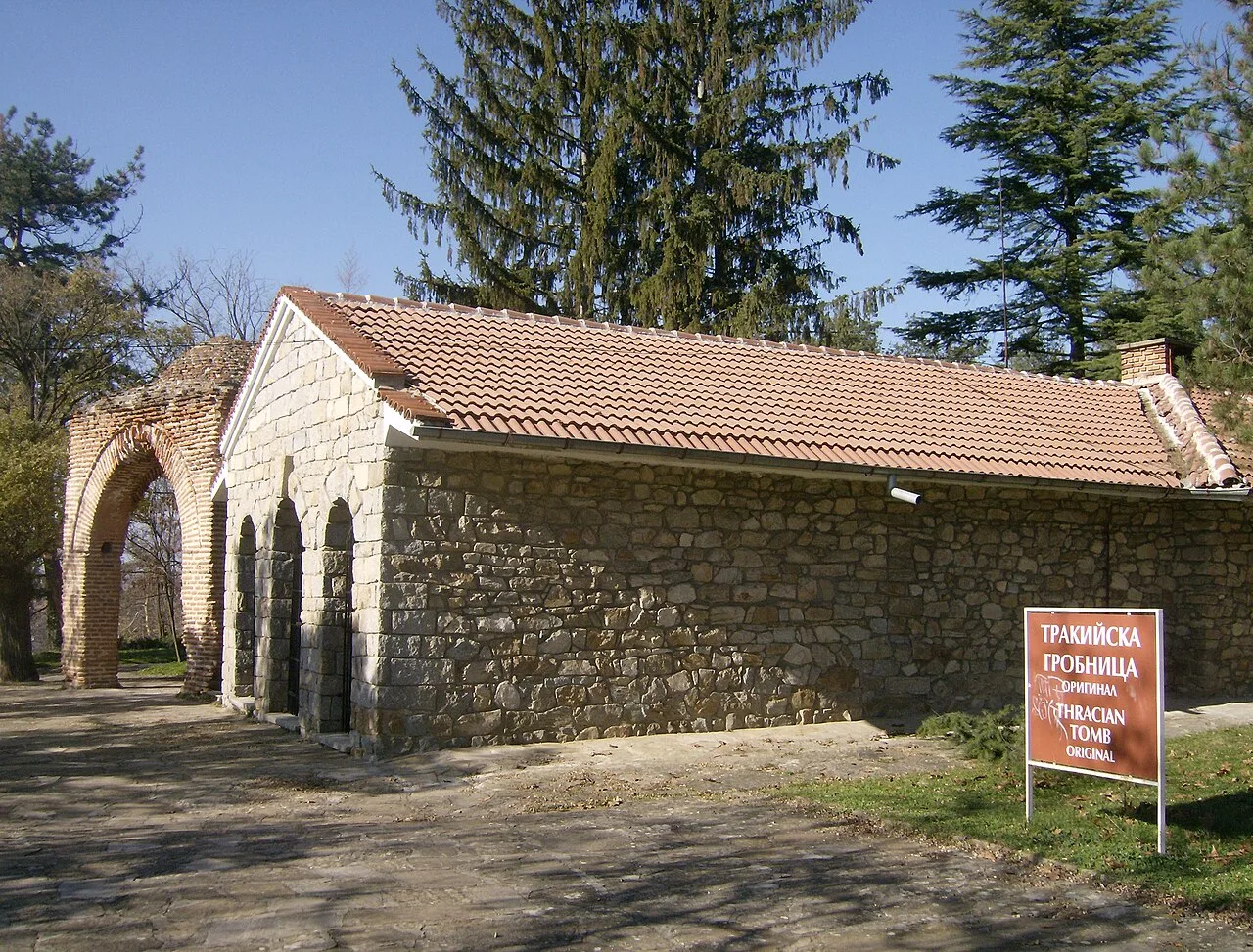
Kazanlak is not only the capital of roses but also a significant center for ancient Thracian culture. The Thracian Tomb Of Kazanlak Travel Guide is a UNESCO World Heritage site located just minutes from the Rose Museum. Combining these two sites makes for a very rich cultural morning for any visitor.
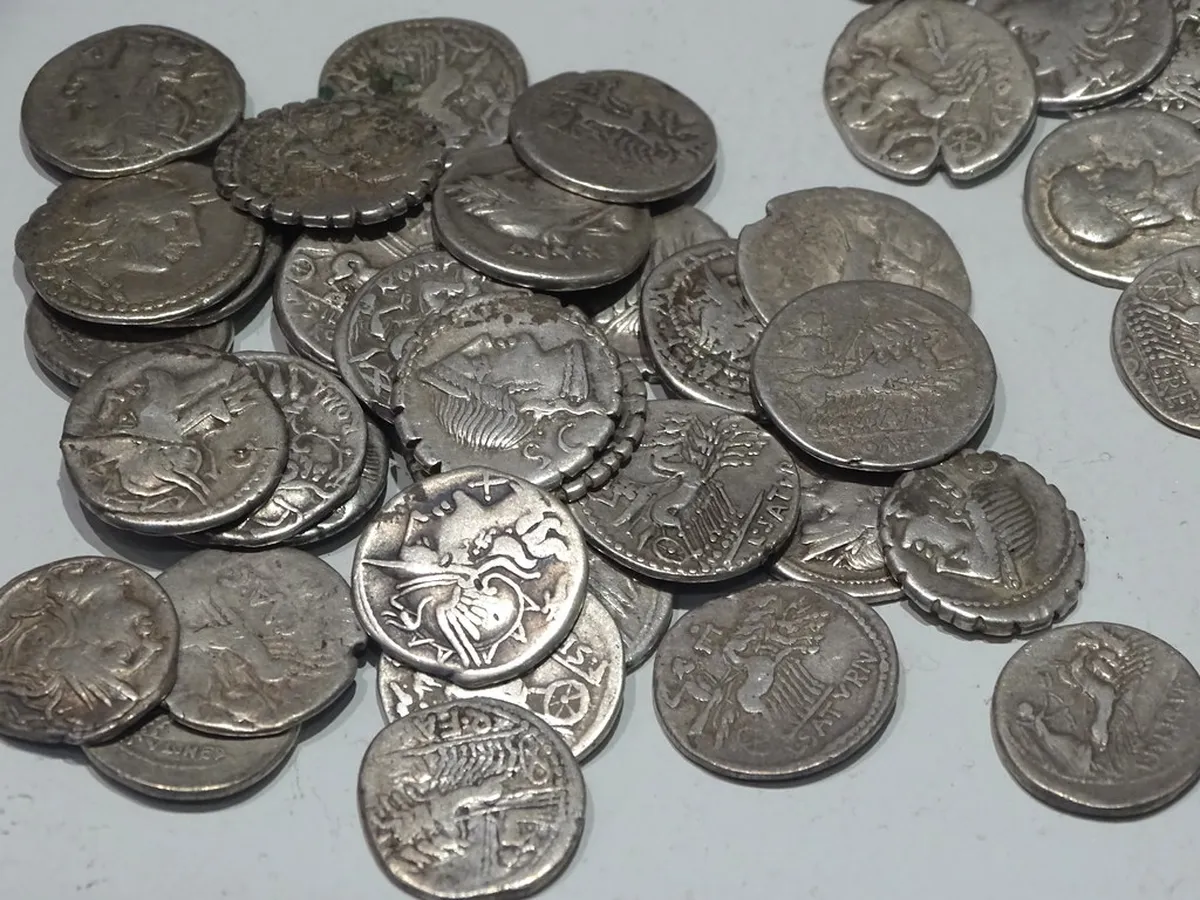
The tomb features incredible frescoes that have survived for over two thousand years. It offers a glimpse into the burial rituals and artistic skills of an ancient civilization that once ruled these lands. Many artifacts found in the surrounding valley are now housed in the local historical museum.
The proximity of these ancient treasures to the rose plantations creates a unique historical layer. You are walking on ground that has been considered sacred and productive for millennia. This deep history adds a sense of gravity to the beauty of the blooming flowers.
Continue planning: Use Kazanlak Attractions: Rose Valley, Thracian Tombs & Shipka to connect this guide with the rest of your Bulgaria itinerary.
Frequently Asked Questions
What is the Kazanlak Rose Museum about?
It is the only museum dedicated to Bulgarian rose-oil production and the Rose Valley, holding more than 15,000 items on rose-picking, distillation and export - including antique copper stills, oil vessels and the first rose-oil testing laboratory from 1912.
How much are tickets to the Museum of Roses?
Adult entry is 3.00 EUR (5.87 BGN) and students pay 1.00 EUR (1.96 BGN). Children under 7 enter free.
What are the opening hours?
The museum is open every day from 09:00 to 17:30.
Where is the Kazanlak Rose Museum located?
It is set in Rosarium Park in Kazanlak, central Bulgaria, with visitor parking on Voynishka Street.
Are guided tours available?
Yes. A guided tour in Bulgarian costs 5.00 EUR (9.78 BGN), and a guided tour in English, Russian or French costs 10.00 EUR (19.56 BGN).
Is there a fee for photography?
Yes. There is a photo-camera fee of 2.50 EUR (4.89 BGN) and a video-camera fee of 10.00 EUR (19.56 BGN).
Is there a free admission day?
Yes. Admission is free on the last Monday of each month.
How does the Rose Museum relate to the Iskra Historical Museum?
The Museum of Roses is one of the sites operated by the Iskra Historical Museum in Kazanlak, which sets a single ticketing tariff across its attractions.
A visit to the Kazanlak Rose Museum is more than just a simple stop on a tourist map. It is an invitation to witness a living tradition that has survived wars, political shifts, and economic changes. The scent of the Rosa Damascena continues to define the spirit of this resilient Bulgarian valley.
By following this guide, you can navigate the historical sites and natural wonders with total confidence. Whether you are exploring ancient Thracian tombs or modern distilleries, the region offers something for every type of traveler. The collision of eras here creates a travel experience that is both fragrant and deeply meaningful.
We hope your journey to the Rose Valley in 2026 is filled with discovery and wonder. Take the time to breathe in the floral air and appreciate the hard work behind every drop of oil. The memories of these blooming fields will likely stay with you long after you leave.
For more comprehensive planning, explore our 7 Best Things to Do in Kazanlak (2026) and 2-Day Kazanlak Itinerary guides.
For official details, visit the Kazanlak Rose Museum (Museum of Roses) official site and Kazanlak Rose Museum (Museum of Roses) on Wikipedia.