Musala Peak Visitor Guide
Musala, at 2,925 meters, is the highest point in Bulgaria and the entire Balkan Peninsula, rising directly above the ski slopes of Borovets inside Rila National Park. Reaching the summit costs nothing beyond your own effort and, optionally, a gondola ticket — the park itself charges no entry fee. Most visitors start from Borovets, the largest ski resort in Bulgaria, arriving either by rental car from Sofia or the daily bus and shuttle route through Samokov.
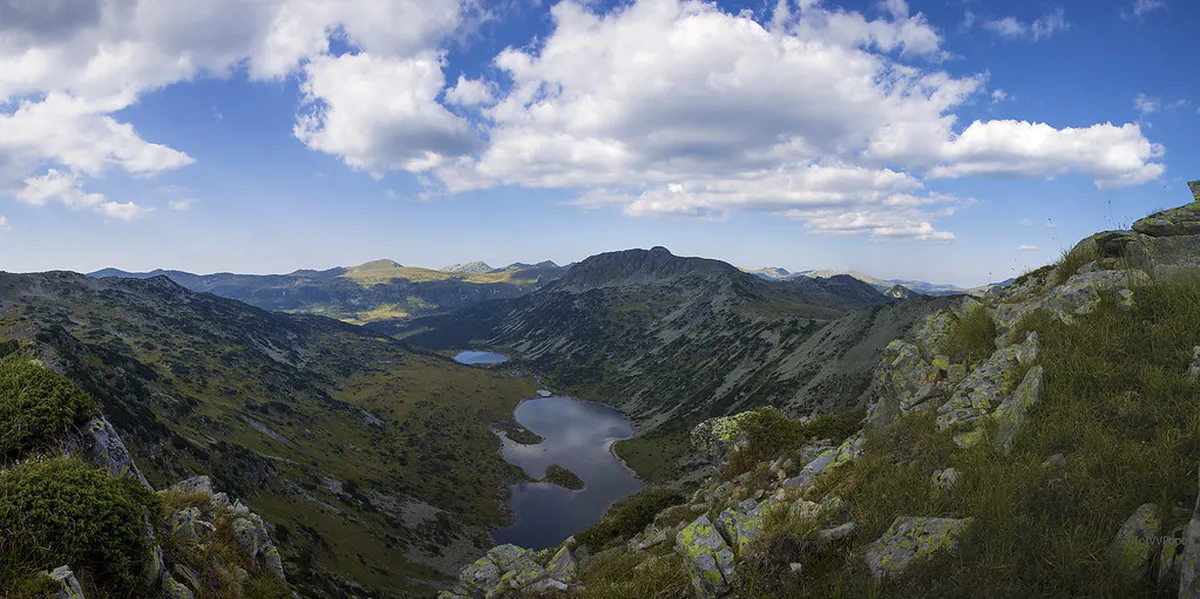
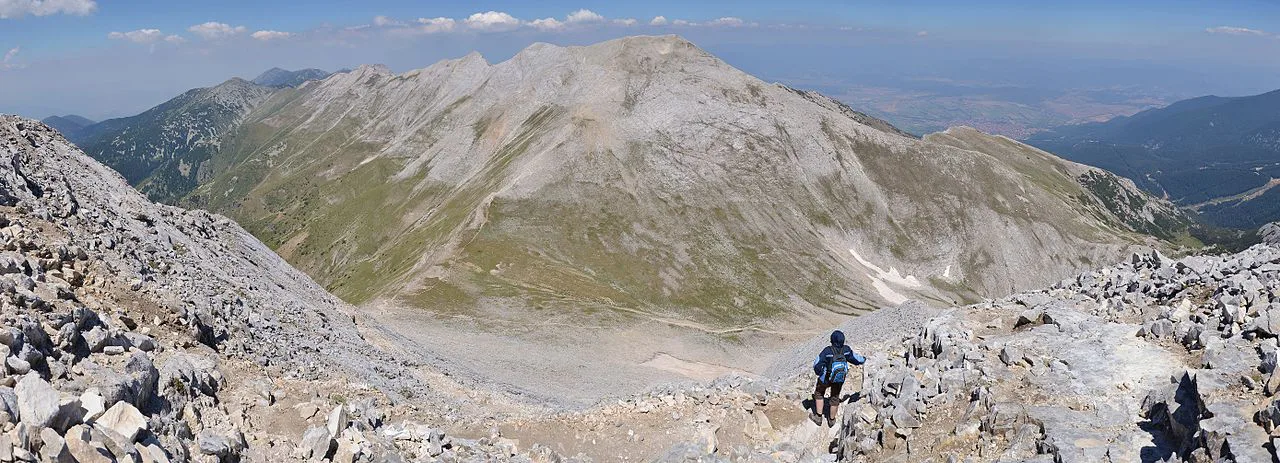
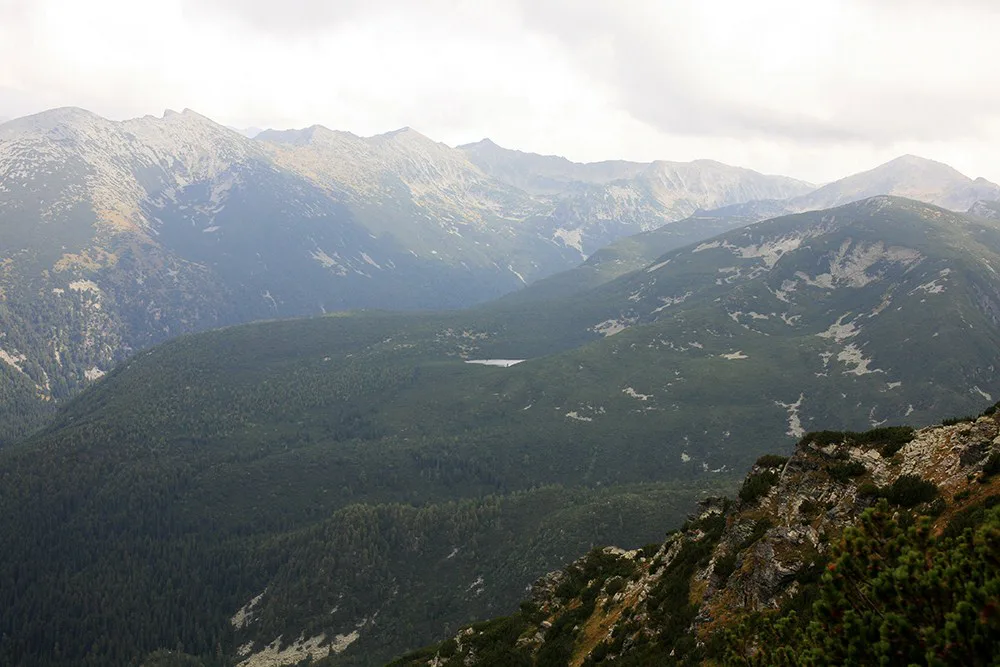
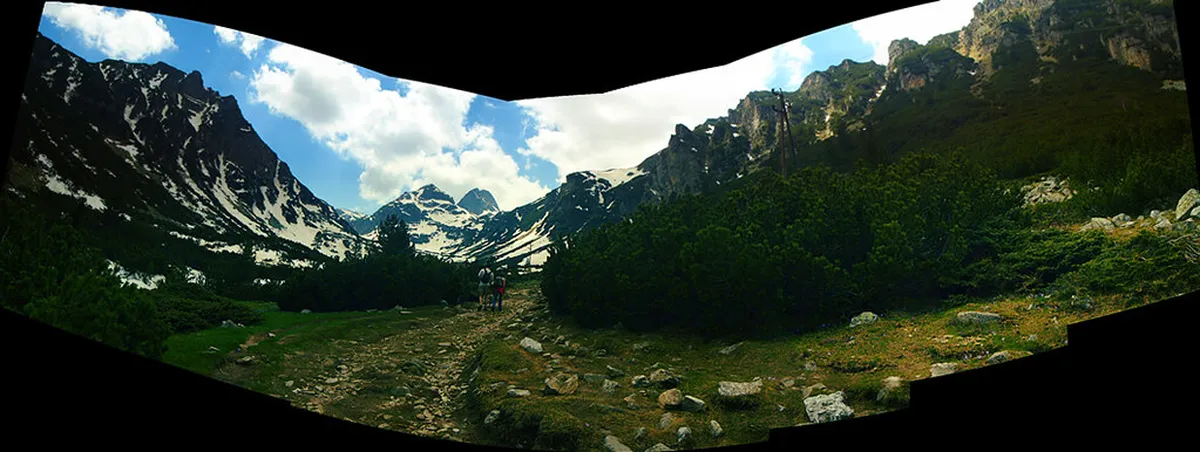
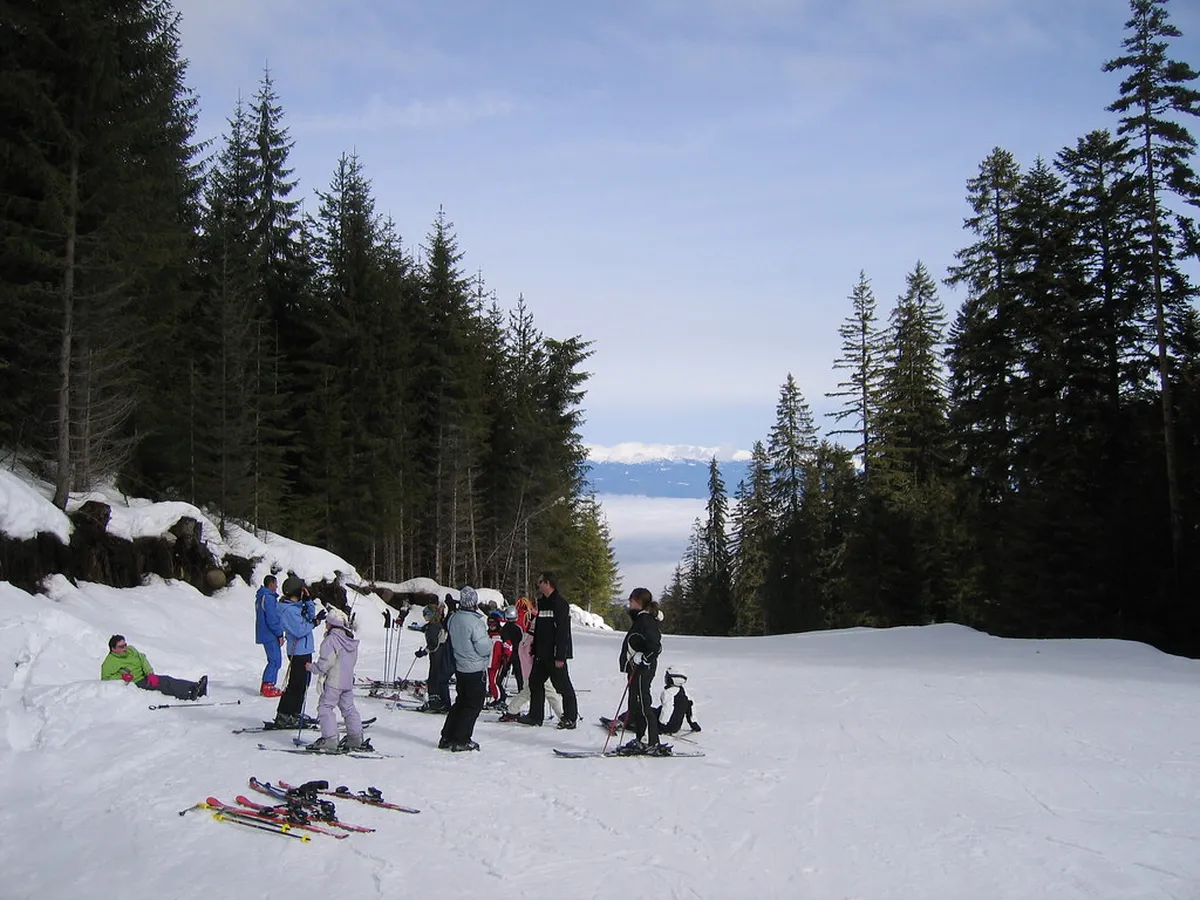
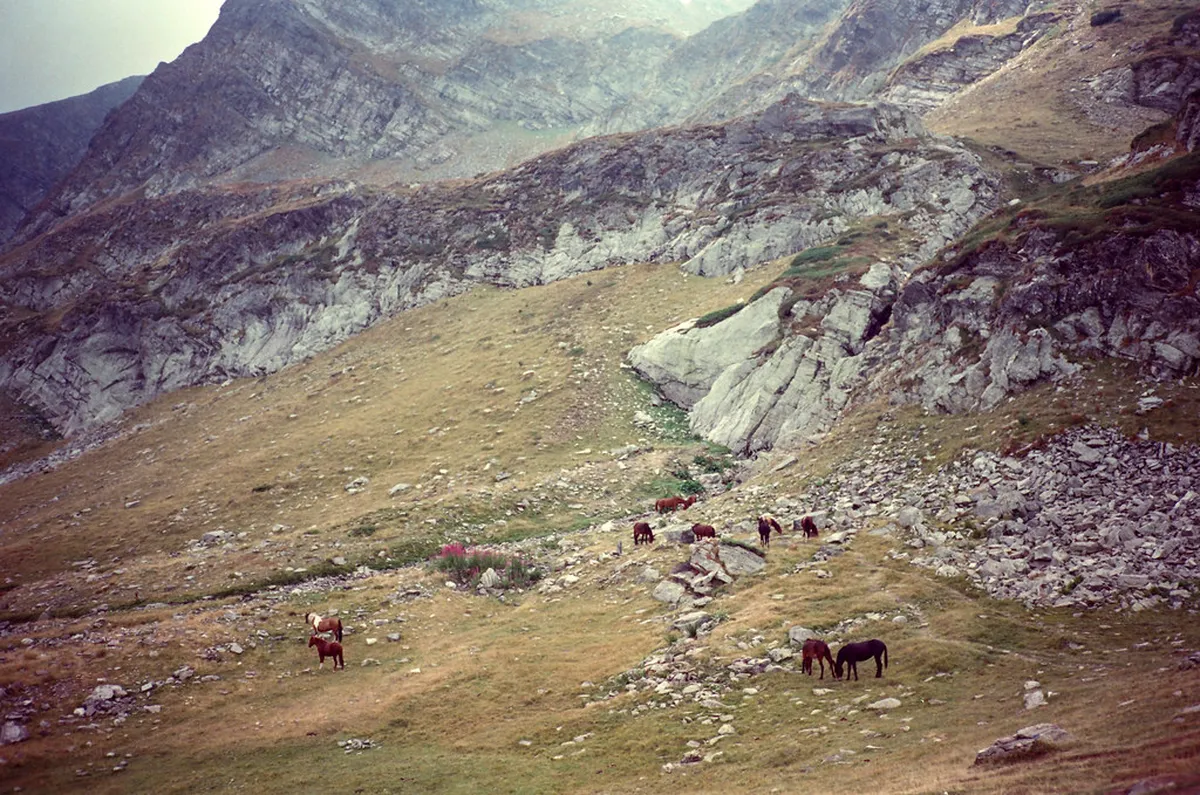
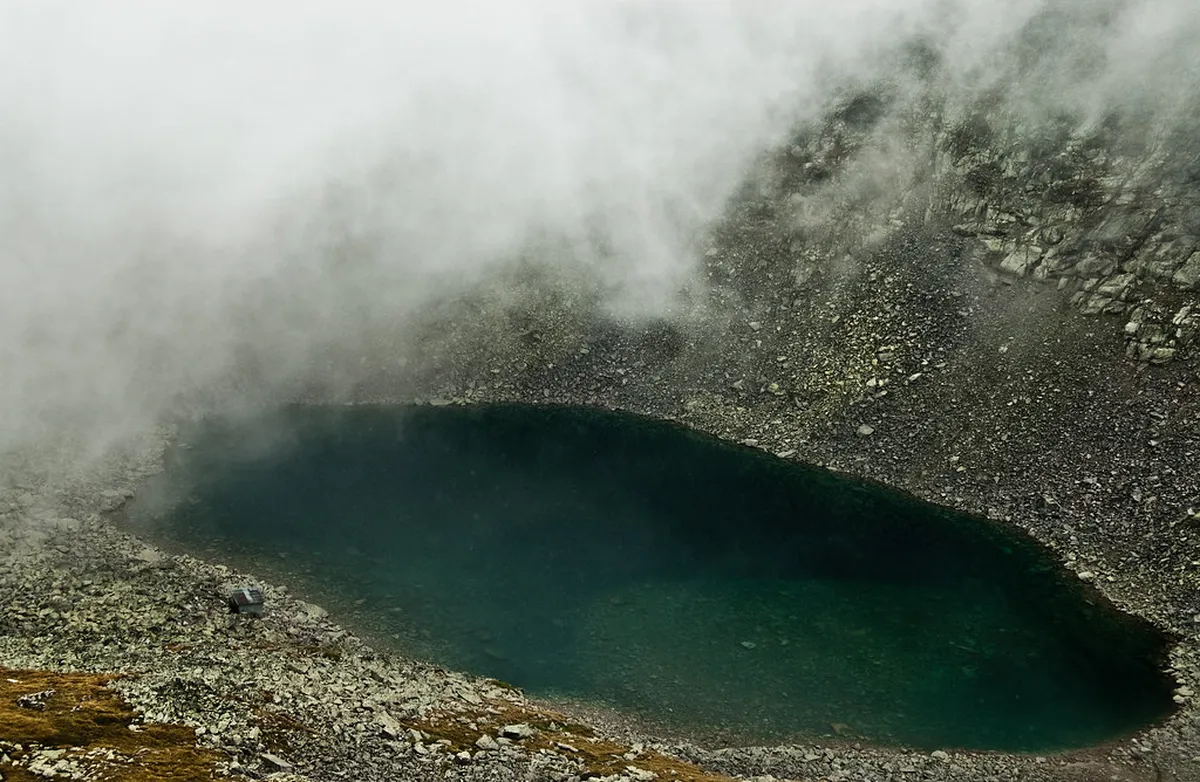
Here's a visual overview of Musala Mountain and the climbing routes you'll encounter on your ascent to the Balkans' highest peak:
This 2026 visitor guide covers the numbers you need to plan the climb: route options from Borovets, the Yastrebets gondola shortcut, where to sleep at Musala Hut or the higher Ledeno Ezero hut, and the seasonal window that keeps the trail safe. Whether you want a single power-hike day or a slower two- or three-day traverse toward Malyovitsa, the logistics below should cover it.
Essential Information for Climbing Musala Peak
Climbing Musala demands a reasonable level of fitness rather than technical climbing skill — there are no ropes or via ferrata sections, just a long day at altitude. The peak sits inside the protected boundary of Rila National Park Visitor Guide, Bulgaria's oldest national park, where trails are waymarked but fully exposed once you clear the tree line near 2,300 meters. Budget a full day regardless of whether you use the gondola or walk the whole route.
The terrain shifts three times on the way up: shaded pine and spruce forest for the first several kilometers, open alpine pasture once the trees thin out near Musala Hut, and bare granite and scree for the final 400 meters of ascent. A string of small glacial lakes lines the upper third of the route, offering rest stops and photo breaks before the rocky summit push. Trekking poles help on both the loose scree going up and the knee-jarring descent.
Weather at nearly 3,000 meters changes fast, even in July and August when afternoon thunderstorms are common. Check the forecast the morning of your hike rather than the night before, and turn back if you hear thunder — Musala's summit ridge has no shelter from lightning. Mountain rescue in Bulgaria is free, but response times above the tree line can run into hours, so plan your turnaround time conservatively.
- Quick Facts for Musala Peak Hikers
- Elevation: 2,925 meters
- Starting point: Borovets Resort (1,350 m)
- Distance: about 14 km with the gondola, up to 26 km round trip on foot
- Elevation gain: roughly 1,000 m with the lift, 1,570 m without it
- Hiking time: 5-6 hours from the gondola top station, 10-11 hours for the full route
- Difficulty: Moderate to strenuous
- Cost: Free to hike; gondola ticket optional
Detailed Route Description: Borovets to the Summit
The route from Borovets starts on a wide dirt track that follows the Bistritsa river through dense coniferous forest, gaining height gradually enough to warm up before the real climbing starts. Around the 8 km mark the trees give way to open pasture and the first lake comes into view, with Musala Hut sitting beside it at 2,389 meters. This hut is the natural halfway point on foot, and the first place to refill your water bottles.
Beyond the hut the trail steepens and turns rocky, threading past a short chain of small glacial lakes on its way toward Ledeno Ezero (Ice Lake) at roughly 2,700 meters — the coldest and highest of the group, and the namesake of the hut beside it. Expect to use your hands occasionally on this stretch; it's scrambling, not technical climbing, but footing matters more here than lower down the mountain.
The final 400 meters of ascent above Ledeno Ezero follow a narrow, cabled ridge to the old weather station and summit marker at 2,925 meters. On a clear day the view stretches across the Rila, Pirin and Vitosha ranges, and mobile signal is strong enough at the top to send a summit photo home immediately.
The Gondola Shortcut: Using the Yastrebets Lift
The Borovets Gondola (Yastrebets Gondola) Visitor Guide lifts hikers from the resort center to Yastrebets at 2,369 meters in about 25 minutes, cutting roughly 10 km and 1,000 meters of climbing from the round trip. For most visitors doing this as a single long day, the gondola is what makes a one-day summit realistic without a pre-dawn start.
Two gaps catch people out. First, the lift usually closes for maintenance on Mondays and Tuesdays, so check the Borovets Lift Status and Prices page the day before, not weeks in advance. Second, there's a seasonal break between the end of ski season (roughly mid-April) and the start of the summer hiking timetable, typically early-to-mid June, when the lift may not run at all — early-June visitors especially should confirm the current schedule rather than assume it matches ski-season hours. Missing the last downward lift means a long, tiring walk back to town.
From the top station, the trail toward the huts is nearly flat for the first hour, a good chance to save energy before the steeper ground beyond Musala Hut. It's the easiest way to bring less experienced hikers or families onto Bulgaria's highest terrain without the full 1,570-meter climb.
Mountain Huts: Musala Hut and Ledeno Ezero
Musala Hut, at 2,389 meters, earned an unfair "ghost town" reputation from older trip reports describing dark, half-abandoned stone buildings. That changed after a rebuild replaced most of the old structure with a modern shelter sleeping around 130 guests across two-, four- and multi-bed rooms; expect roughly 30-70 BGN per person depending on room size, plus snacks, tea and simple meals at the bar. It's now a legitimate overnight stop rather than a place to rush past.
Ledeno Ezero, nicknamed "Everest," sits about 400 meters below the summit at roughly 2,700 meters and is the highest staffed hut in Bulgaria. Recent visitors describe a warm welcome from the long-time hut keeper — hot tea and soup on arrival regardless of the weather outside — which is why hikers doing an overnight trip often choose it over Musala Hut despite the extra altitude needed to reach it.
Book ahead for summer weekends at either hut; both fill up with hikers using the same June-to-September window. Check the Official Musala Hut Website for current rates and availability before you commit to an overnight plan, and keep the two huts straight when booking — Musala Hut is the lower, larger, easier-access option, while Ledeno Ezero is smaller, higher, and closer to sunrise on the summit.
Planning Your Trek: 1, 2, or 3 Day Options
A one-day power hike works if you take the gondola up to Yastrebets and start walking by mid-morning; you'll summit and return to the lift before its last run, without needing to book a hut bed. It's the least gear-intensive option but leaves no buffer for bad weather or a slower-than-expected pace.
Two days trades a heavier pack for sunrise and sunset from altitude: hike up to Ledeno Ezero the first afternoon, sleep at 2,700 meters, then summit for sunrise before descending. Three days adds a detour toward Malyovitsa Visitor Guide or the wider Seven Rila Lakes network, turning Musala into one stop on a small traverse rather than an out-and-back.
- Choosing your itinerary
- 1 day (gondola): fastest and cheapest, no hut booking needed, but fully weather-dependent with no fallback night
- 2 days (Ledeno Ezero overnight): best sunrise and sunset light, more relaxed pace, requires a hut reservation
- 3 days (extended traverse): most scenery and fewest crowds, but needs multi-hut logistics and stronger fitness
Best Time to Visit and Seasonal Conditions
Mid-June through late September is the reliable window: trails are mostly clear of snow, both huts are staffed, and daylight is long enough for the full route without a headlamp. July and August are the most stable months overall, though afternoon thunderstorms build most days, so aim to be off the exposed summit ridge before early afternoon.
Early June still carries snow patches on the north-facing slopes above Ledeno Ezero; waterproof boots and poles help, and the gondola's summer schedule may not yet be running (see the gondola section above). September rewards patience with the clearest air of the year for long-distance views toward Pirin and Vitosha.
Outside this window, Musala becomes a winter mountaineering objective, not a hiking trip. Summer trail markers are supplemented by taller winter poles — part of the E4 European long-distance path markings that cross Rila — meant to stay visible above deep snow; if you can't see consecutive poles in whiteout conditions, that's your signal to turn back. Avalanche risk is real on the steeper slopes below the summit ridge, and only hikers carrying crampons, an ice axe and avalanche training should attempt the peak between October and May.
Getting to the Starting Point in Borovets
Reaching Top 5 Things to Do in Borovets & the Rila Mountains from Sofia takes about 1 hour 30 minutes by car, covering roughly 70 km through the Samokov region. Parking near the gondola station is limited in summer, so arrive early or use one of the overflow lots closer to town. Public transport works too: regular buses run from Sofia's South Bus Station to Samokov, with shuttle vans covering the last stretch to the resort roughly every 30 minutes.
Where you sleep matters more than it looks. Borovets puts you at the trailhead in minutes and lets you catch the first gondola up, but resort pricing runs higher year-round than a Sofia stay. Sofia is cheaper with more restaurant and transit options, but adds the 90-minute drive to your start time — an earlier alarm if you want to move by first light.
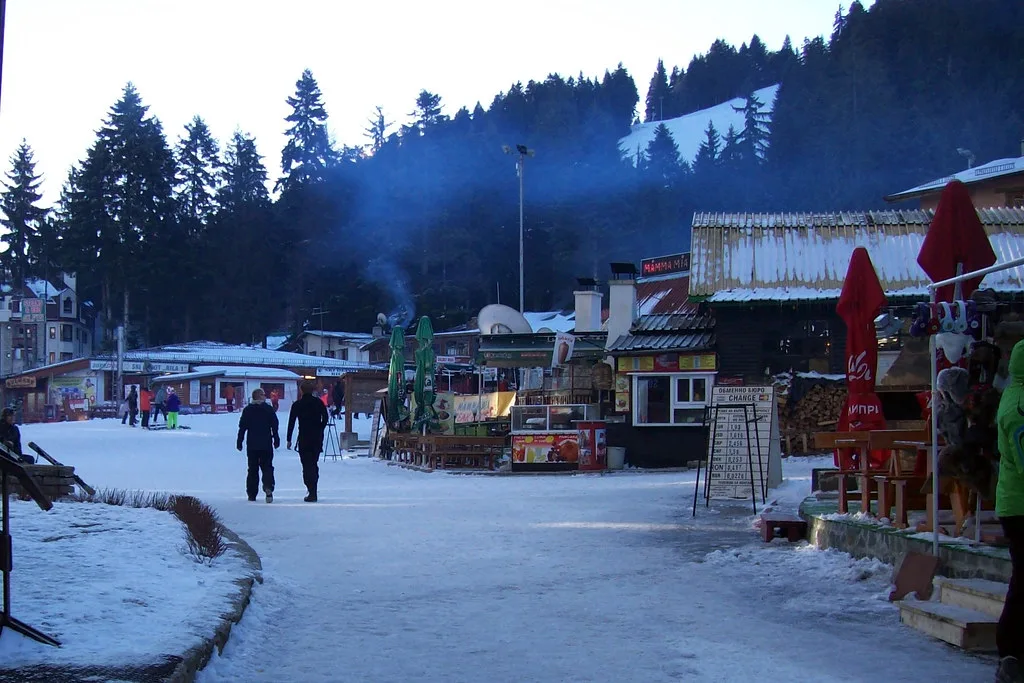
Most Borovets hotels sit within walking distance of the trailhead, so once you've arrived you don't need a car or taxi to reach the mountain. Some hikers add a stop at the nearby Tsarska Bistritsa (Royal Palace Borovets) Visitor Guide the afternoon before their hike, since it's a short detour from the same access road.
Unique Highlights: Milky Way Views and Local Legends
The altitude and distance from city lights make Musala one of the best stargazing spots in Bulgaria. On a clear, moonless night the Milky Way shows up in sharp detail above the dark ridgelines of Rila, which is why photographers sometimes book a night at Ledeno Ezero specifically to shoot the sky rather than to summit at dawn.
The long-serving keeper at Ledeno Ezero — known among regular visitors simply as the hut's "grandma" — has become part of the mountain's folklore, welcoming exhausted hikers with tea, soup and conversation regardless of language barriers. It's the kind of small, human detail that turns a stats-driven hike into a memorable trip.
Every August the peak also draws a wave of Bulgarian day-trippers around the Orthodox Transfiguration feast (Preobrazhenie, August 6), when a long-standing informal pilgrimage brings crowds to the summit. If you'd rather hike in relative solitude, avoid that date and the surrounding weekend; if you enjoy shared-trail atmosphere, it's worth timing your visit around it instead. Around the old weather station, the mix of scientific monitoring equipment and rugged wilderness adds one more layer of history to a summit that's as much a cultural landmark as a natural one.
Essential Gear and Water Availability
Water disappears fast above 2,300 meters, so plan refill points rather than carrying everything from Borovets. Musala Hut at 2,389 meters is a reliable tap, and Ledeno Ezero at 2,700 meters has water too, fed by the small lake beside it — but the final 400-meter push to the summit has no source at all, so top off at Ledeno Ezero before you leave it. Carrying at least 1.5-2 liters between refill points is a sensible minimum in summer heat.
Footwear with ankle support matters on the loose scree above Ledeno Ezero, and layered clothing is non-negotiable — summit temperatures run well below what you'll feel on the Borovets valley floor, even in August. Pack a windproof shell and a warm mid-layer regardless of how sunny it looks at the trailhead.
If you're hiking solo or in a small group above the tree line, sign the log at Musala Hut before continuing — it's standard practice on Bulgarian high routes and gives rescue teams a starting point if you don't check back in. Bulgaria's mountain rescue service (PSS) can be reached nationwide on 1470, a number worth saving in your phone before you leave Sofia or Borovets, since signal is patchy in the lake basin below Ledeno Ezero.
Consult the Rila National Park Official Site for any temporary trail closures or updated safety regulations before you go, and carry a physical map or offline GPS as backup navigation in fog. None of this replaces basic fitness and preparation, but it closes the gap between a good hike and a genuinely safe one.
Continue planning: Use Borovets Attractions: Top 5 Things to Do in Borovets & the Rila Mountains to connect this guide with the rest of your Bulgaria itinerary.
Frequently Asked Questions
How high is Musala peak?
Musala stands 2,925 m (9,598 ft) above sea level, making it the highest point in Bulgaria and in the entire Balkan Peninsula.
Is it free to hike Musala?
Yes. Rila National Park charges no entry fee, so hiking Musala is free. The only optional cost is the Borovets gondola if you use it to shorten the climb.
How do you get to Musala from Borovets?
Most hikers ride the Yastrebets gondola up from Borovets to about 2,363 m, then follow the marked trail past the Musala hut to the summit. You can also walk the whole way from the resort base at 1,350 m for a much longer day.
How long is the hike to Musala?
From the top of the gondola the summit is roughly a 5-6 hour round trip. Hiking the full route from Borovets without the lift is closer to 26 km out-and-back with around 1,570 m of ascent.
Is there a mountain hut on the Musala trail?
Yes. The Musala hut (hizha Musala) sits on the trail below the summit and, along with other Rila shelters such as the Everest hut, provides rest points and basic refuge on the ascent.
When is the best time to climb Musala?
Mid-June to mid-September offers the most reliable weather, snow-free trail and longest daylight. Outside that window the peak holds snow and ice and an ascent needs winter mountaineering skills.
Where is Musala located?
Musala is in the Rila Mountains within Rila National Park in southwestern Bulgaria, above the Borovets resort and about 70 km south of Sofia. Note it is distinct from other similarly named places - this is Musala in Rila.
Summiting Musala rewards the planning as much as the fitness: whether you ride the gondola for a single fast day or spend a night between Musala Hut and Ledeno Ezero, the route delivers glacial lakes, big skies and one of the best night-sky views in the Balkans. Getting the season, the gondola schedule and your hut booking right matters here as much as raw stamina.
Standing at 2,925 meters, on the roof of the Balkan Peninsula, is worth the early alarm and the extra layer in your pack. Plan around the mid-June to late-September window, respect the weather and the park's rules, and Rila National Park will do the rest.
For the latest official information, see the Musala Peak on Wikipedia and Musala Peak on Wikipedia.
For more Borovets planning, read our 12 Best Things To Do In Borovets, Bulgaria (2026) Travel Guide and Hiking Musala from Borovets 2026: The Balkans' Highest Peak Trail Guide guides.