Magura Cave Visitor Guide: 7 Essential Tips for Your Trip
Magura Cave stands as one of the most significant natural and historical landmarks in Northwest Bulgaria. Hidden inside the Rabisha Mound near Rabisha village, it combines a 15-million-year-old limestone system with some of the best-preserved prehistoric wall art in Europe. Visitors often find the combination of geological wonder and ancient history deeply moving. This magura cave visitor guide covers the logistics, the paintings, and the winery hidden inside one of its galleries, updated for 2026.
The cave sits about 25 km from the town of Belogradchik Attractions and roughly 180 km, a three-hour drive, from Sofia. Its galleries stretch for more than two kilometers through the Balkan foothills, with chambers big enough to swallow a cathedral. A single guided tour covers the highlights in under two hours, which makes it easy to pair with an afternoon among the Belogradchik rock formations.
- Distance from Sofia: about 180 km, roughly 3 hours by car
- Distance from Belogradchik: about 25 km, 30 minutes by car or taxi
- Tour duration: around 60-90 minutes, guided only
- Interior temperature: a constant 12 C year-round
- Adult ticket: about 2.56 EUR (5 BGN); reduced about 1.53 EUR
See the cave's dramatic limestone chambers, prehistoric paintings, and the stunning Belogradchik rock formations in this walkthrough:
How Magura Cave Formed: 15 Million Years in the Making
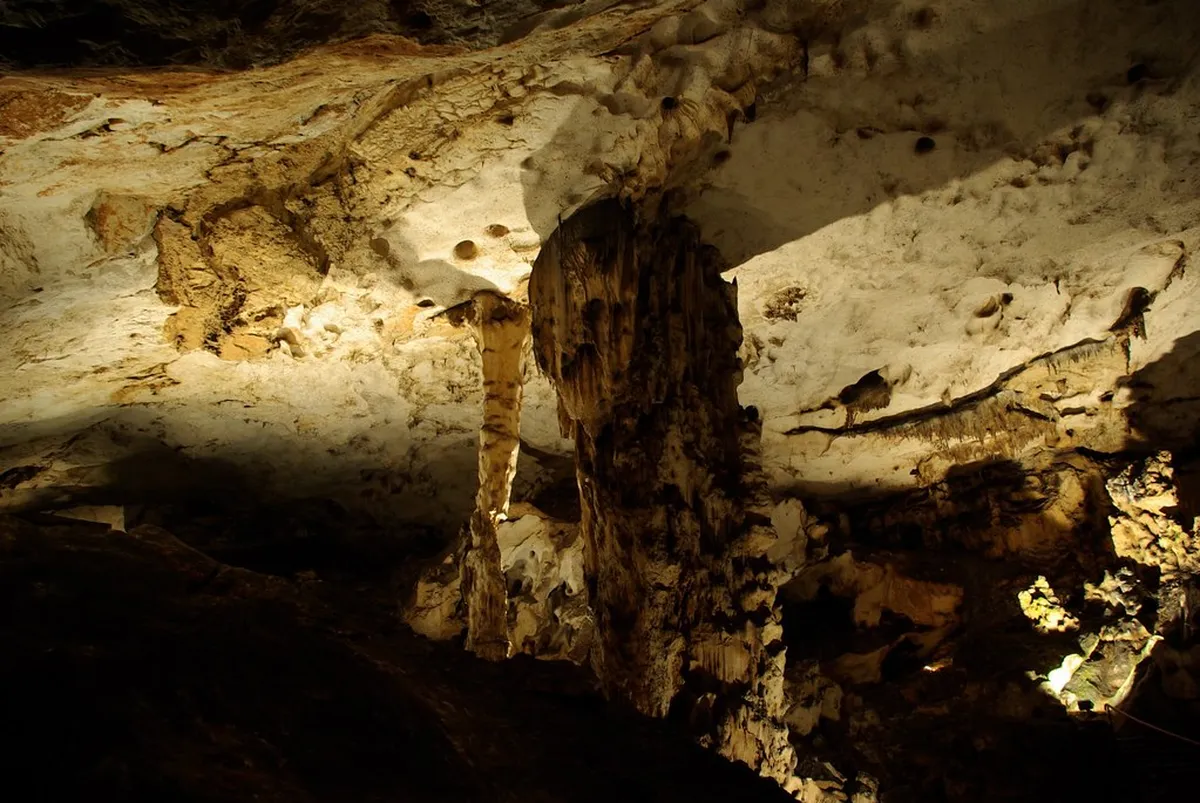
Magura Cave began as a network of hollows dissolved into thick Balkan limestone by an underground river roughly 15 million years ago. Tectonic uplift later drained much of that river, leaving behind the vast dry chambers, stalactite curtains, and a single column rising more than 20 meters that visitors walk past today. The cave sits inside the Rabisha Mound, a low limestone ridge that also gives its name to the nearby village and lake.
Bulgarian speleologists only rediscovered the entrance in 1901, though the chambers show evidence people used them far earlier. Archaeologists have found cave bear bones, stone hearths, and tools left by the prehistoric hunters who sheltered here between roughly 8,000 and 6,000 BC, the same era that produced the wall paintings. The cave opened to organized tourism in the mid-20th century, and Bulgaria has since proposed it, together with its art, for the UNESCO Tentative List.
Today the site also shelters one of Bulgaria's larger bat colonies, a detail the guided tours mention but rarely dwell on. Photography without flash is tolerated partly to protect the paintings and partly to avoid disturbing the roosts overhead.
Essential Logistics: Getting to Magura Cave from Sofia
Reaching the cave from the capital takes about three hours over roughly 180 km. Most drivers take the scenic route over the Petrohan Pass, which winds through the Balkan Mountains past small villages rather than the flatter route further south. Winter snow can slow the pass considerably, so budget extra time between November and March.
A worthwhile stop along the way is Gintsi village, where roadside stalls sell homemade sheep's yogurt made to recipes that have barely changed in generations. It is a five-minute break that costs a euro or two and gives a genuine taste of Northwest Bulgaria before the Montana leg of the drive.
From Belogradchik itself, Magura is a further 25 km and about 30 minutes by car or taxi. A private tour from Sofia for up to four people typically runs around 190 EUR including transport; splitting a rental car between three or four travelers usually works out cheaper if you are comfortable navigating the mountain roads yourself.
- Self-drive via Petrohan Pass: about 3 hours, 180 km, stop at Gintsi village
- Belogradchik to Magura: about 25 km, 30 minutes by car or taxi
- Private day tour from Sofia: around 190 EUR for up to 4 people, transport included
The Main Event: Prehistoric Paintings and Cave Formations
The wall paintings are the reason most people visit. Drawn in bat guano rather than mineral pigment, the images have survived roughly 8,000 to 10,000 years because the organic medium bonded chemically with the limestone instead of just sitting on the surface the way ochre would. The scenes show hunters, dancing figures, a solar calendar of checkered symbols, and animals including bears and snakes, giving researchers a rare window into prehistoric belief and daily life.
Because the paintings are so fragile, they sit in a dedicated Art Gallery chamber where guides light the walls carefully and keep visitors well back. The cave's six named chambers vary enormously in scale: the Arc Hall is the giant of the group at 128 meters long and 21 meters high, while smaller galleries like the Oriental City and the Cactus chamber pack dense fields of stalactites and stalagmites into a fraction of the space. The Poplar and the Pipe Organ formations get their names from their shape, and guides usually pause at both for photos.
None of this replaces seeing it in person. Even with a good phone camera, the scale of the Arc Hall and the detail on the calendar paintings are hard to appreciate from photos alone, and the cave remains on the UNESCO Tentative List - Magura Cave partly for that reason.
Practical Visitor Info: Tickets, Hours, and Temperature
The cave holds a constant 12 degrees Celsius year-round, which feels pleasant in summer and genuinely cold once the tour passes the one-hour mark. Humidity stays high throughout, so the air feels colder than the thermometer suggests and surfaces stay damp.
Entry is by guided tour only, in Bulgarian, with printed notes available in English and German; check the Magura Cave Official Info (Bulgarian Ministry of Tourism) before you go. Adult tickets run around 2.56 EUR (5 BGN), with a reduced rate near 1.53 EUR for students and seniors; confirm current euro pricing on-site, since Bulgaria only switched from the lev in January 2026. Hours run 10:00 to 17:00 from roughly April to October and 10:00 to 16:00 the rest of the year, with the last group admitted about an hour before closing.
Mobility is worth planning around. The path through the main chambers involves steps, uneven rock, and stretches that can be slick even with handrails, so it is not practical for wheelchairs or for visitors who struggle with stairs. The ticket office, gift counter, and the winery's tasting room near the entrance are all step-free, so companions who cannot manage the full walk still have somewhere comfortable to wait.
Beyond the Cave: The Magura Winery Experience
One of the cave's chambers, the Bat Gallery, doubles as a natural wine cellar. The same 12 C temperature and stable humidity that preserve the paintings also happen to be ideal for aging wine, so Magura Winery ages its sparkling wine here for about three years using the traditional method, the same process used in Champagne.
Beyond the sparkling wine, the winery is known locally for Gamza, an indigenous red grape rarely exported outside Bulgaria, alongside more familiar Cabernet Sauvignon and Merlot. Tastings run in the Bat Gallery most days of the week but are booked and priced separately from the cave entrance ticket, so budget extra time and cash if you want to sit down and taste rather than just glance at the barrels.
Buying a bottle on the way out is a straightforward souvenir, and staff can talk you through which vintage came from which aging batch. Few wineries anywhere combine a working cellar with cave art thousands of years old next door.
Combining Your Trip: The Belogradchik Rocks and Fortress
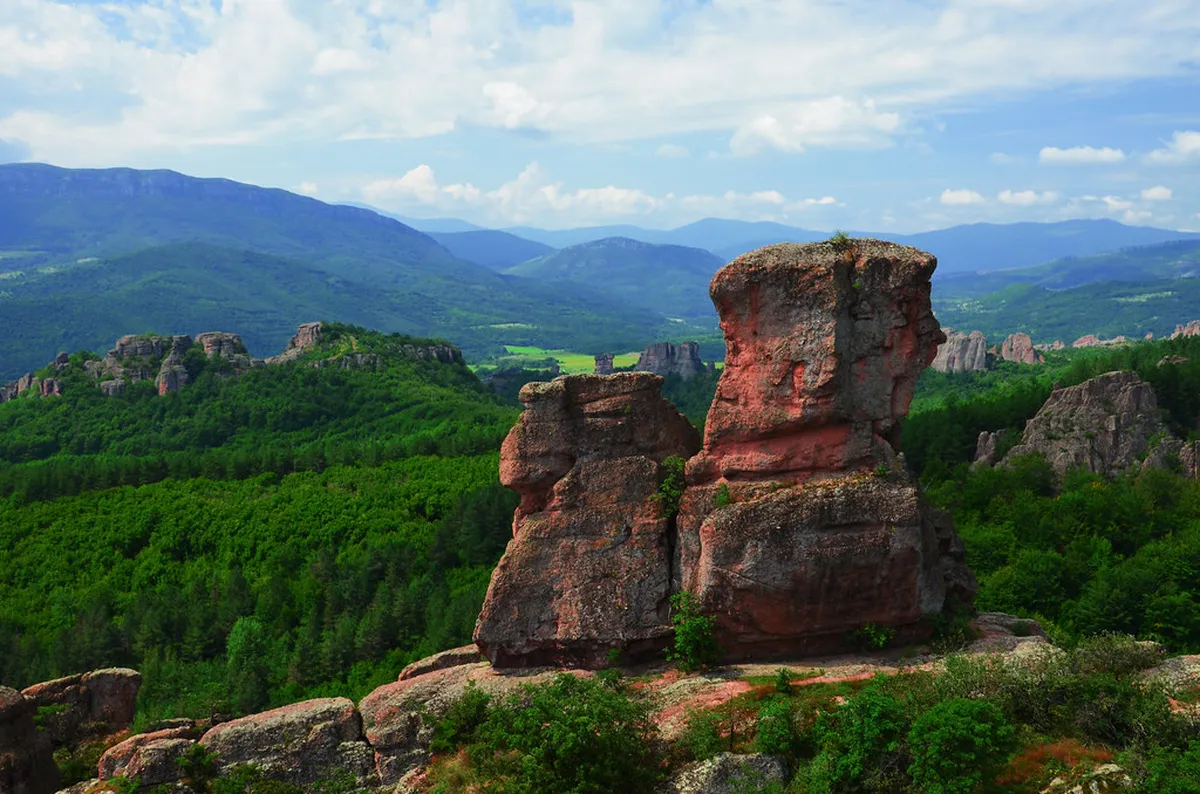
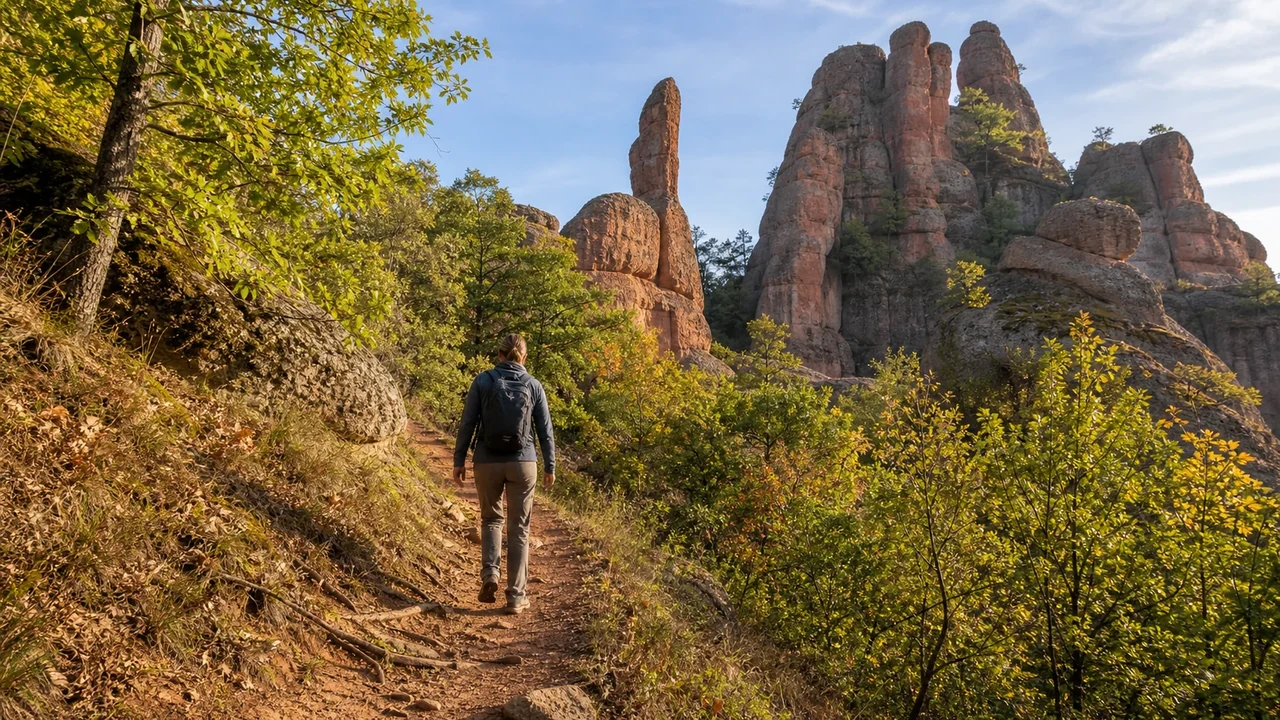
Pair Magura with an afternoon at the Belogradchik Rocks Visitor Guide, the red sandstone formations that made the region's shortlist for the New 7 Wonders of Nature. Most individual rocks carry a legend involving monks, shepherds, or star-crossed lovers, and the guides at the fortress will point several out.
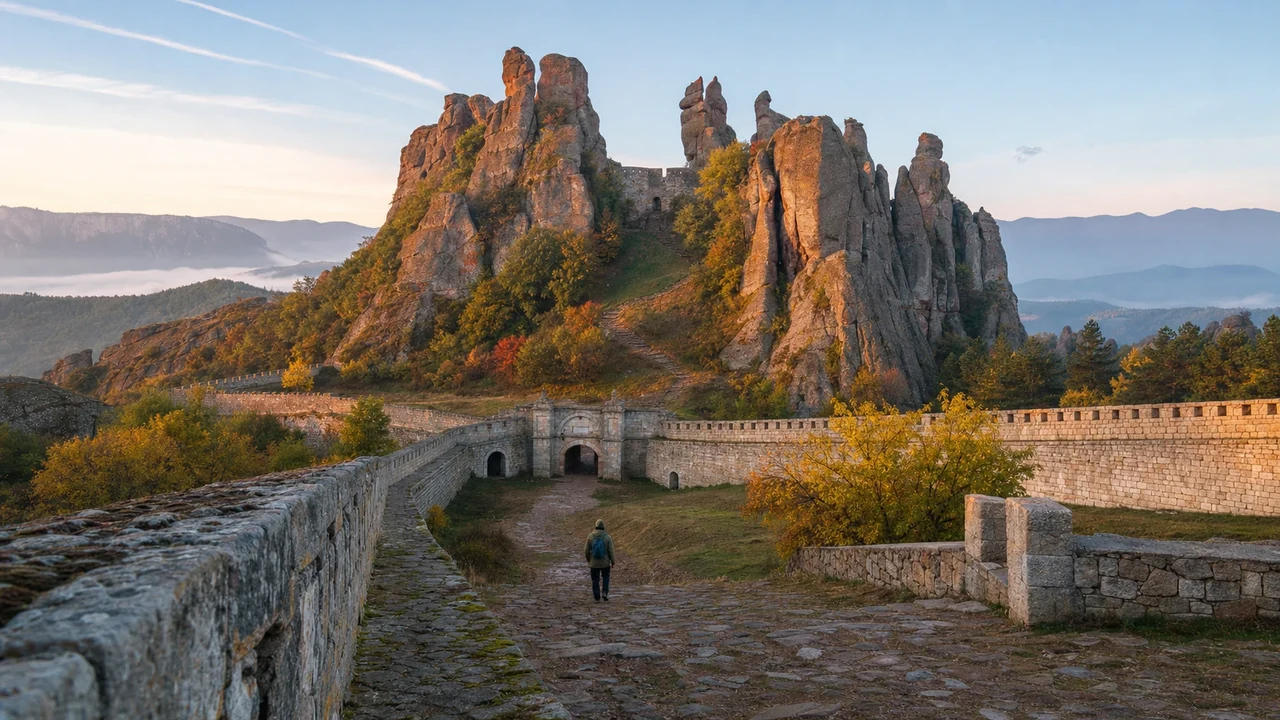
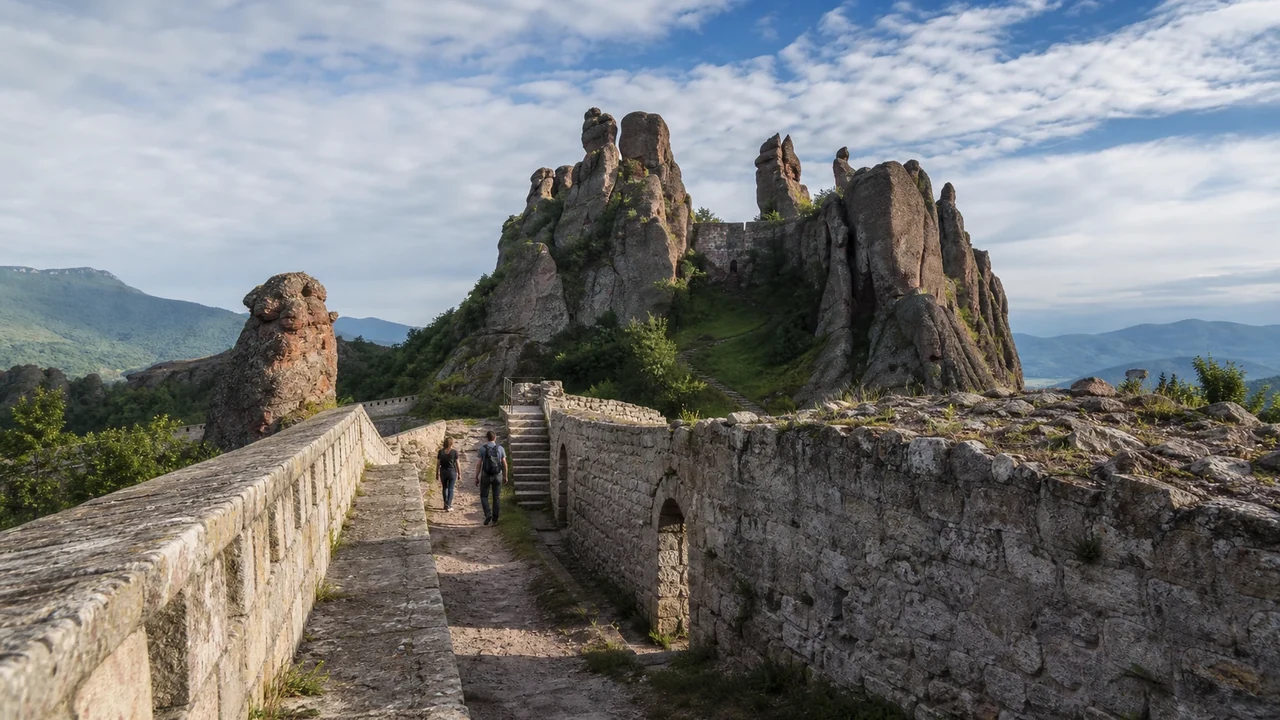
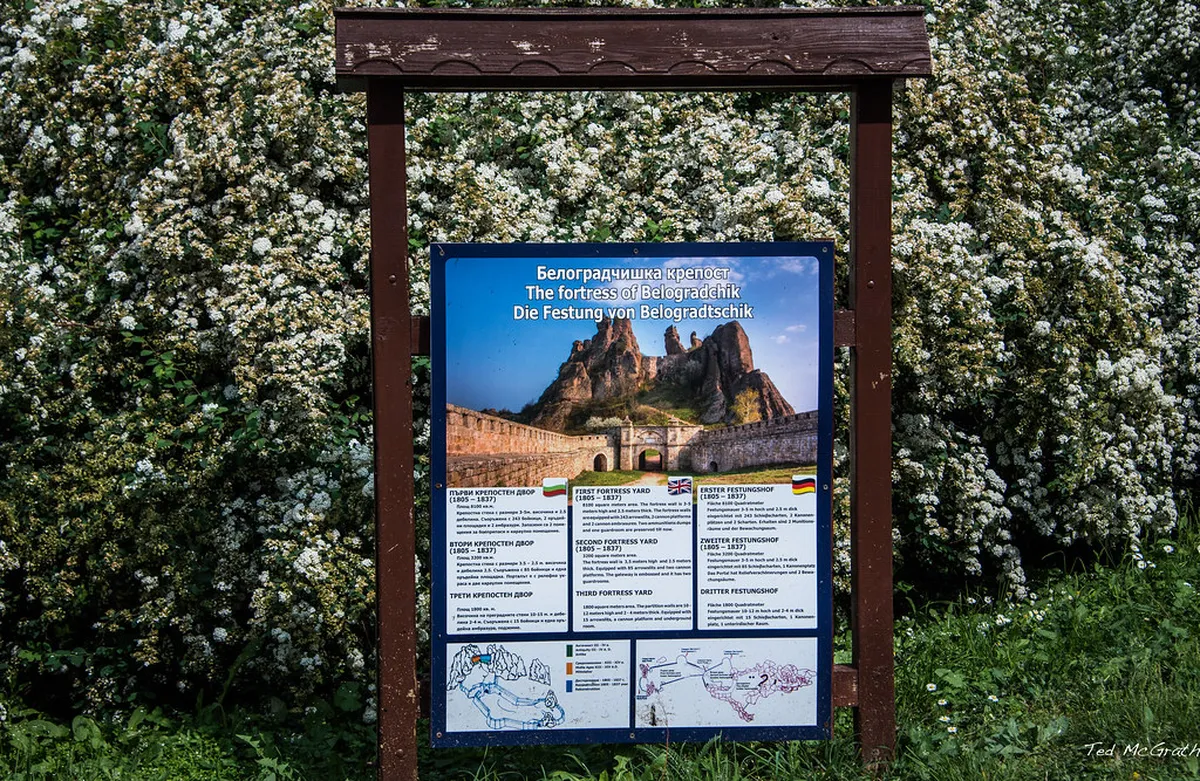
The Belogradchik Fortress (Kaleto) Visitor Guide is built directly into the rocks and was rebuilt in turn by Romans, medieval Bulgarian rulers, and Ottomans, so the walls read almost like a timeline of who controlled this stretch of the Balkans. Give it at least an hour to see all three defensive sections and the views from the highest walls.
Right at the cave's exit sits Rabisha Lake, one of Bulgaria's largest natural lakes and a free stop before or after your tour. If you still have energy, the smaller Venetsa Cave is about 30 minutes further and, unlike Magura, can be explored without a guide, which makes it a low-cost half-day add-on for travelers who want more caving without paying for a second tour.
A full day covering the cave, the rocks, and the fortress from Belogradchik Attractions town is realistic without rushing. Local restaurants in town serve kavarma and shopska salad if you need a lunch stop between sites.
Expert Travel Tips: What to Wear and When to Go
Pack for 12 C regardless of the forecast outside. A light jacket or fleece, long trousers, and closed shoes with real tread matter more here than anywhere else on a Belogradchik itinerary, since flip-flops and smooth soles struggle on wet stone.
- Bring: a warm layer, closed-toe shoes with grip, a phone or camera with a working low-light mode
- Best months: late spring and early autumn for comfortable hiking weather around the rocks
- Avoid: flip-flops, sandals, and anything you would mind getting damp
- Photography: no flash near the paintings; low-light settings work better than flash anyway
Late spring and early autumn give the most comfortable conditions for exploring the rocks above ground, though summer remains the busiest season for tour groups. Winter visits are possible, but check road conditions over the Petrohan Pass before setting out, since snow can add real time to the drive.
Continue planning: Use Belogradchik Attractions: Rocks, Fortress & Magura Cave to connect this guide with the rest of your Bulgaria itinerary.
Frequently Asked Questions
What is Magura Cave famous for?
Magura Cave near Rabisha is famous for its prehistoric wall paintings, drawn with bat guano some 8,000-10,000 years ago and depicting figures, hunting and ritual scenes. It is also a striking limestone cave with large chambers, a giant 20 m-plus column, and a section used as a natural cellar for ageing Magura sparkling wine.
Do you need a guided tour to visit Magura Cave?
Yes. Access to the cave, and especially the painted galleries, is only by guided tour led by staff from Belogradchik municipality, which manages the site to protect the fragile paintings. Tours are conducted in Bulgarian, though printed information is available in English and German.
How much does a Magura Cave tour cost?
The commonly reported adult entry is around 5 BGN (about 2.56 EUR), with roughly 3 BGN for students and seniors and a small guided-tour charge. Because Bulgaria adopted the euro in January 2026, confirm the current price and pay at the on-site ticket office.
What are Magura Cave's opening hours?
The cave is open year-round on seasonal hours: roughly 10:00-17:00 in the summer season (about 1 April to 30 October) and 10:00-16:00 in winter (about 1 November to 31 March). The last group is admitted about an hour before closing, and tours leave roughly every hour.
Can you taste the Magura sparkling wine at the cave?
Yes. Magura Winery ages its natural sparkling wine for about three years inside the cave, where the constant temperature and humidity are ideal, and runs tastings in the cave's Bat Gallery seven days a week. These tastings are booked and priced separately from the cave sightseeing tour.
How far is Magura Cave from Belogradchik and Vidin?
The cave lies near Rabisha village, about 25 km from Belogradchik (some sources cite around 17 km by the nearest route) and roughly 30 km south of Vidin. There is little public transport, so a car or an organised tour is the easiest way to reach it.
How do I get to Magura Cave from Sofia?
Magura Cave is about 180 km north-west of Sofia, close to a 3-hour drive, usually combined with Belogradchik. Without a car, most visitors join a day tour or reach Belogradchik or Vidin by bus and continue by taxi or arranged transport to Rabisha.
What should I wear inside Magura Cave?
The cave stays at a constant temperature of about 12 C year-round, so bring a warm layer even in summer. Paths can be damp and slippery, so sturdy, closed shoes with good grip are strongly recommended.
Magura Cave pairs a genuine prehistoric site with a working winery in a way few places in Europe can match, and the 15-million-year-old chambers around the paintings are as much the draw as the art itself. This magura cave visitor guide gives you the logistics, the pricing, and the practical caveats needed to plan the trip properly for 2026.
Whether you come for the archaeology, the wine, or the rock formations above ground, build in enough time to slow down. Combine your cave tour with a full day around Belogradchik, pack a jacket regardless of the season, and you will come away with one of Bulgaria's better day trips.
For more Belogradchik planning, read our 10 Best Things To Do in Belogradchik (2026) guide and our Magura Cave Travel Guide.
For the latest official information, see the Magura Cave on Wikipedia and Magura Cave on Wikipedia.