10 Best Things to Do and See in Smolyan
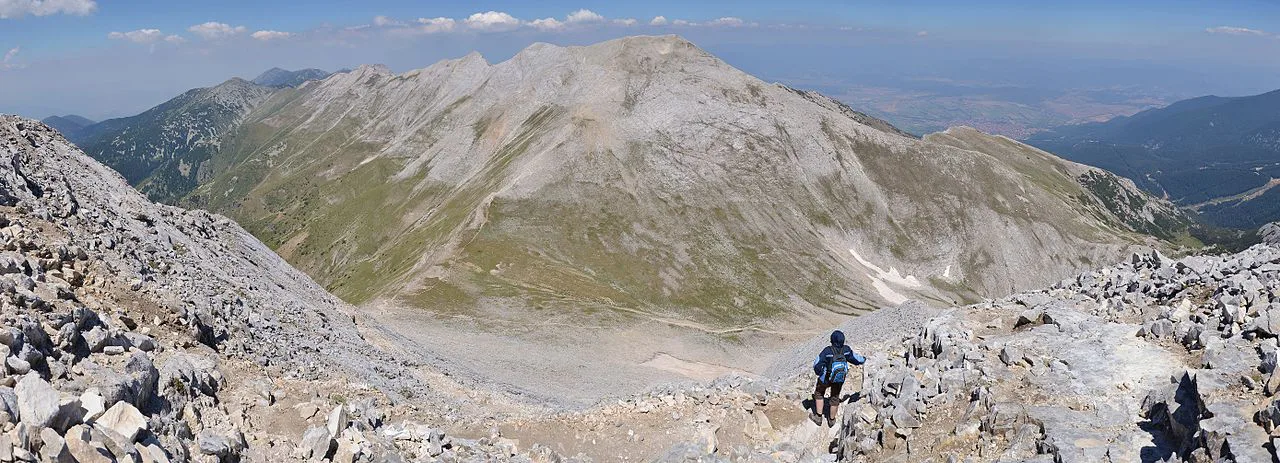
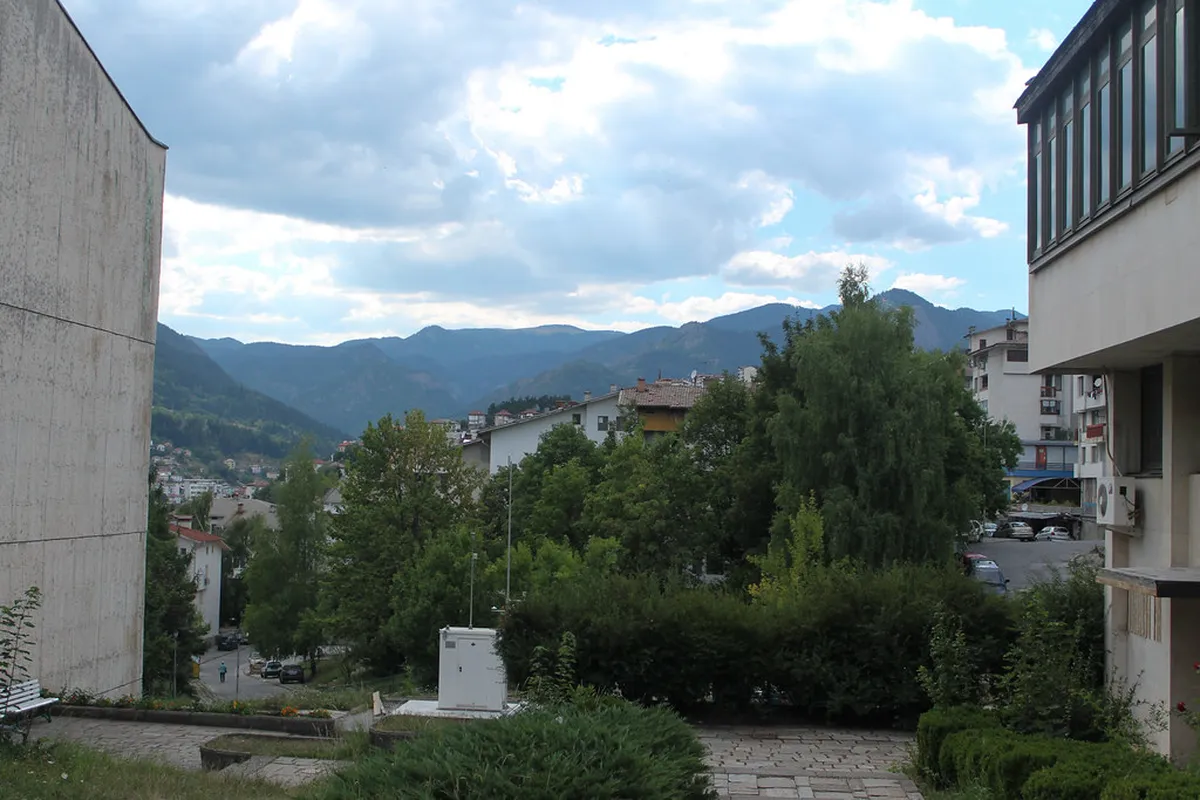
Smolyan lies deep in the Central Rhodope Mountains, ringed by some of the range's best-known peaks and trails. It sits as the highest city in Bulgaria and is also notable for being the longest — it stretches roughly 13 kilometres along a narrow valley, with distinct neighbourhoods that once were separate villages. The region is famous for its thick ozone layer and high negative air ionization, the result of dense pine forests and a complete absence of heavy industry. This guide was last updated in July 2026 to ensure all pricing and travel data remains current.
Visitors often notice the city maintains a distinct architectural harmony across its neighbourhoods. Local building codes cap new structures at seven metres in height to protect views of the surrounding ridges. We recommend spending at least three days here to fully experience the eco-trails, historic sites, and nearby attractions. The city is located 220 kilometres from Sofia and just 40 kilometres from the Greek border.
Must-See Smolyan Attractions: Canyon of Waterfalls and the Lakes
The Canyon of Waterfalls is the signature experience for first-time visitors and the most talked-about trail in the entire Rhodope range. The route begins at the entrance to the Soskovcheto Reserve, where a well-preserved Roman bridge and a small information centre mark the start. The path crosses the Elenska River on wooden bridges and passes 46 cascades, growing more dramatic the deeper you go. The largest is the Orpheus waterfall, plunging 68 metres straight down a limestone cliff face.
The trail forms a complete loop, so you return to the starting point without retracing steps. Expect four to five hours at a comfortable pace. Entry costs approximately 5 BGN per adult; sturdy boots are essential on the rocky, sometimes slippery terrain.
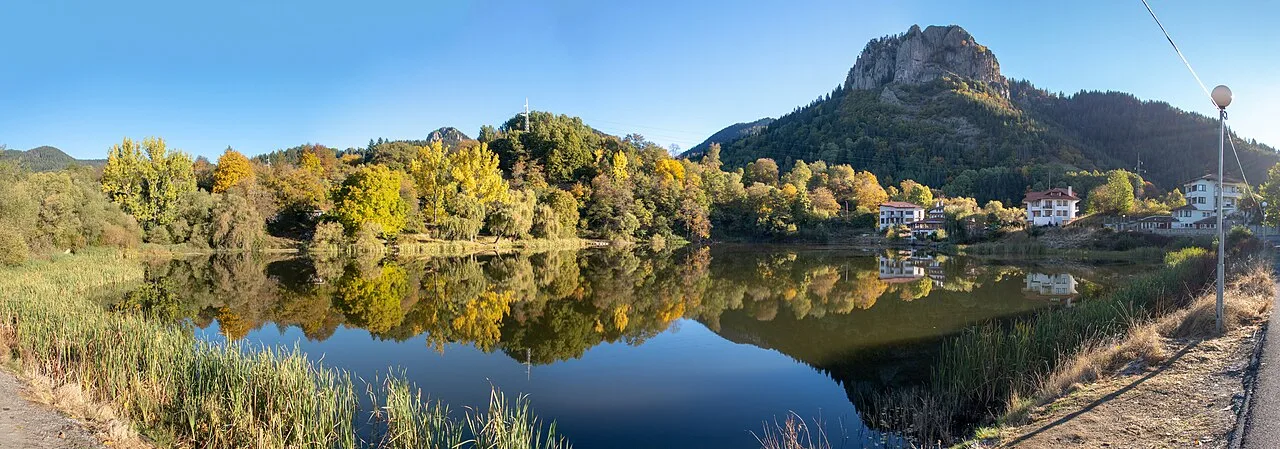
The Smolyan Lakes Guide 2026: the Emerald Eyes of the Rhodopes, often called the "Emerald Eyes of the Rhodopes," are a gentler counterpart. The eco-trail starts from a wide meadow with an information board and a small chapel, reached via the first signposted turnoff on the Smolyan–Devin road. Of the more than 20 lakes that once existed here, seven remain, and the marked trail covers the three largest in about one hour. Lift 4 — a two-seater chairlift spanning 1,550 metres — links the lakes area to Snezhanka Peak; verify its operating status before relying on it.
More Smolyan and Rhodope Guides
Keep planning your Rhodope mountains trip with these guides.
Nature & Villages
- Smolyan Lakes: the Emerald Eyes of the Rhodopes
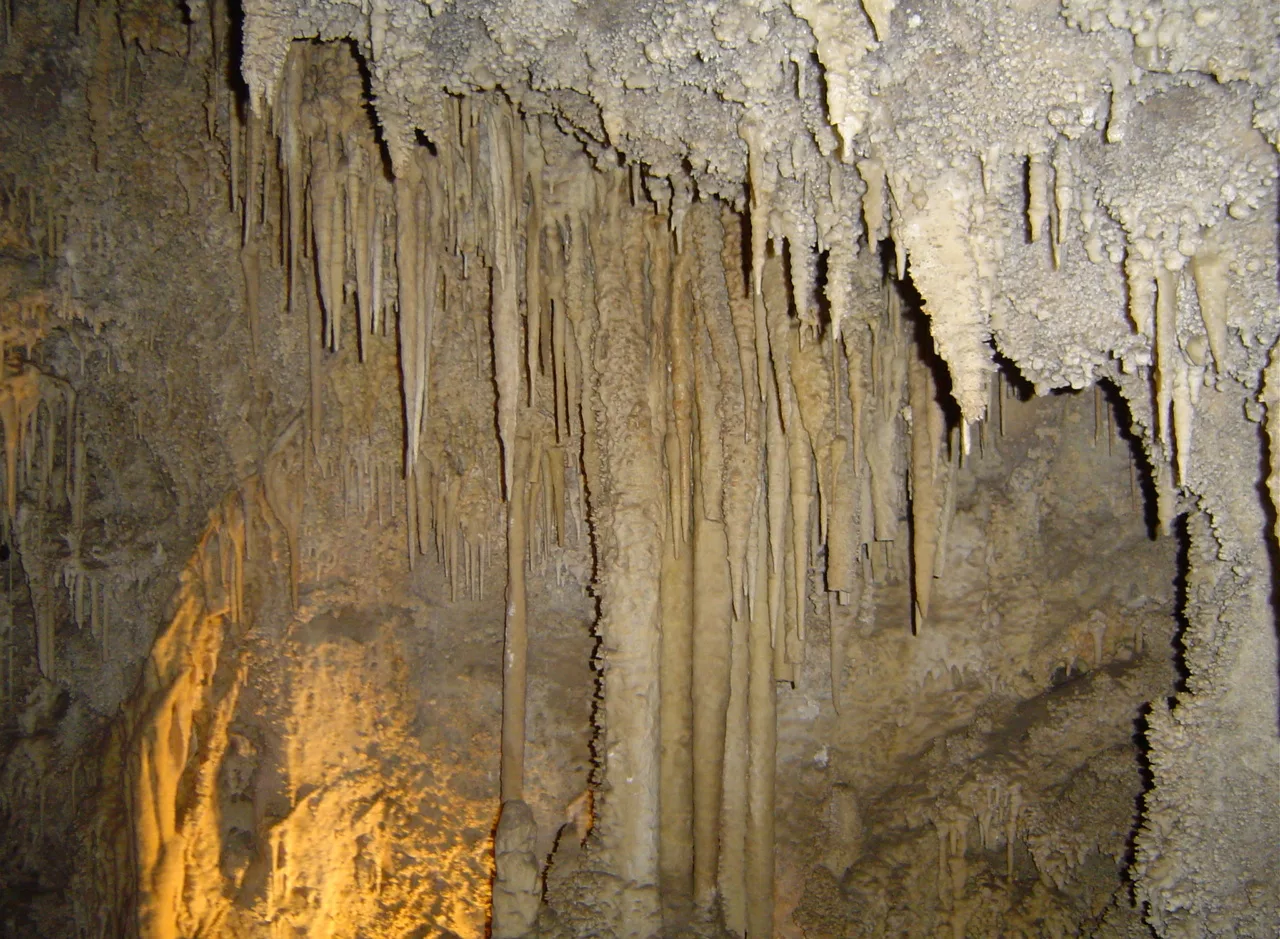
- Uhlovitsa Cave: the Rhodopes' underground Icefall
- Visiting Rozhen Observatory: A 2026 Guide to Bulgaria's Largest Telescope
- Shiroka Laka Village Travel Guide: Bulgaria's Architectural Reserve
Nearby
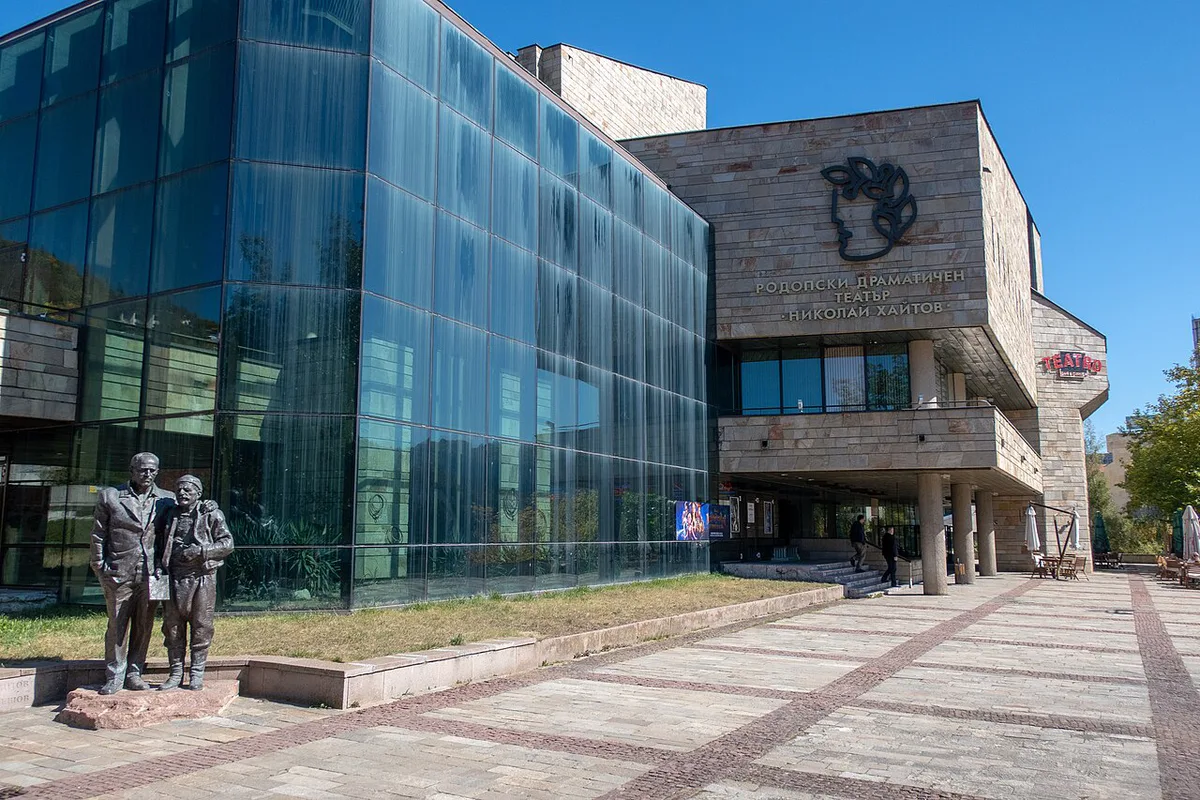
Museums, Art, and Culture in central Smolyan
The Regional Historical Museum Stoyu Shishkov is the largest museum in the Central Rhodopes, housing approximately 150,000 items. Exhibitions cover prehistoric settlements, Thracian gold finds, Rhodope bell-making, and embroidered folk costumes. Tickets cost around 5 BGN; the museum is closed on Mondays. The hall on Orphic mythology — rooted in the local claim that Orpheus was born in these mountains — is the most atmospheric room.
The Smolyan Planetarium is the largest in Bulgaria and pairs with an astronomical observatory. Shows rotate daily and are available in Bulgarian, English, and Russian. Tickets stay under 8 BGN, making it one of the most affordable star-gazing experiences in the Balkans. It sits in the city centre, a short walk from the main pedestrian boulevard. Stargazers can pair a planetarium show with a trip to the Rozhen Observatory: Visiting Bulgaria's Star Mountain in the mountains above town.
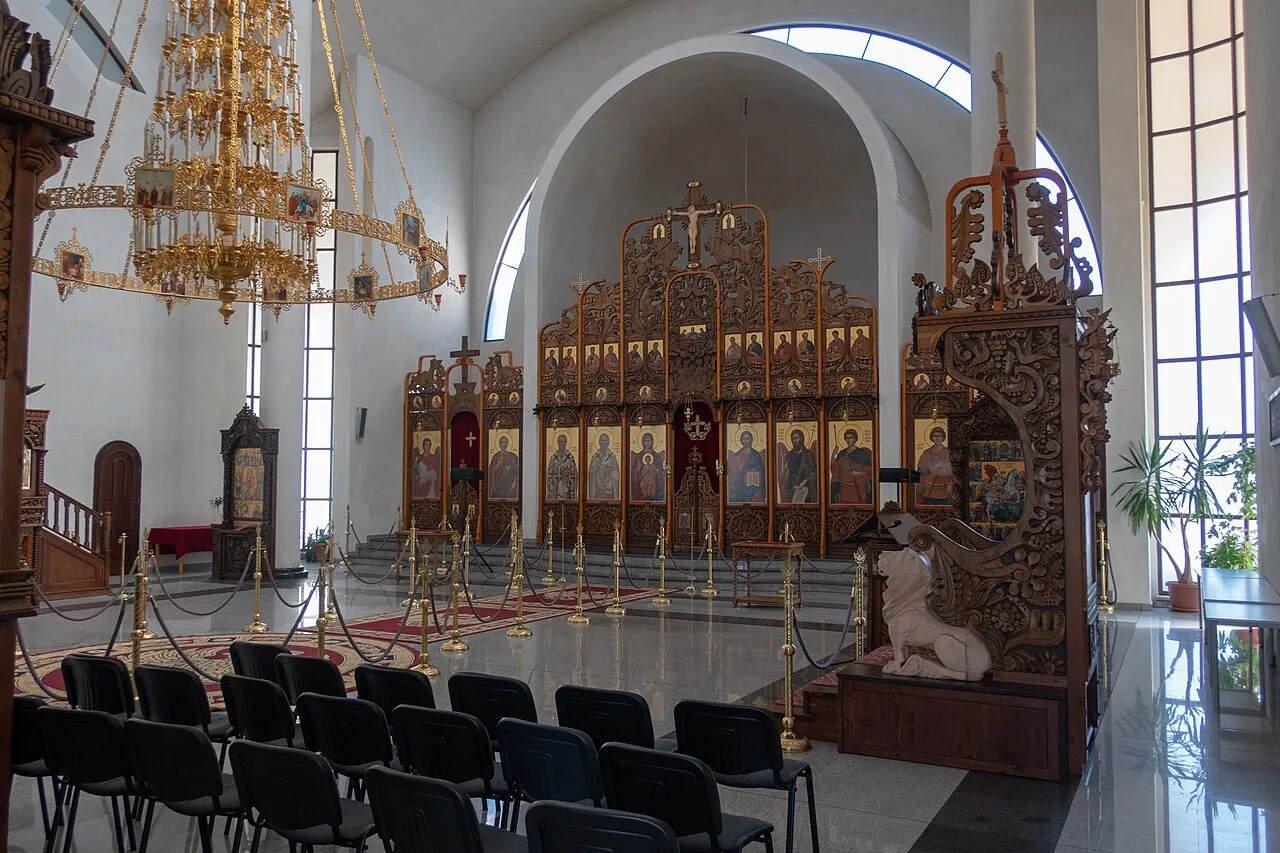
St. Vissarion of Smolyan Cathedral, consecrated in 2006, is one of the largest Orthodox churches in southern Bulgaria. Entry is free; the gold-leaf icons and dome acoustics are best experienced during a morning liturgy. One architectural detail few guides mention: the 18th-century Arch Bridge (Beiska Kapia) crosses the Cherna River in the old Raikovo quarter, alongside preserved National Revival houses including Pangalovata House from 1860. This 30-minute walk through Raikovo is a quiet counterpoint to the busier city centre.
Parks, Eco-Trails, and Outdoor Spots for Nature Lovers
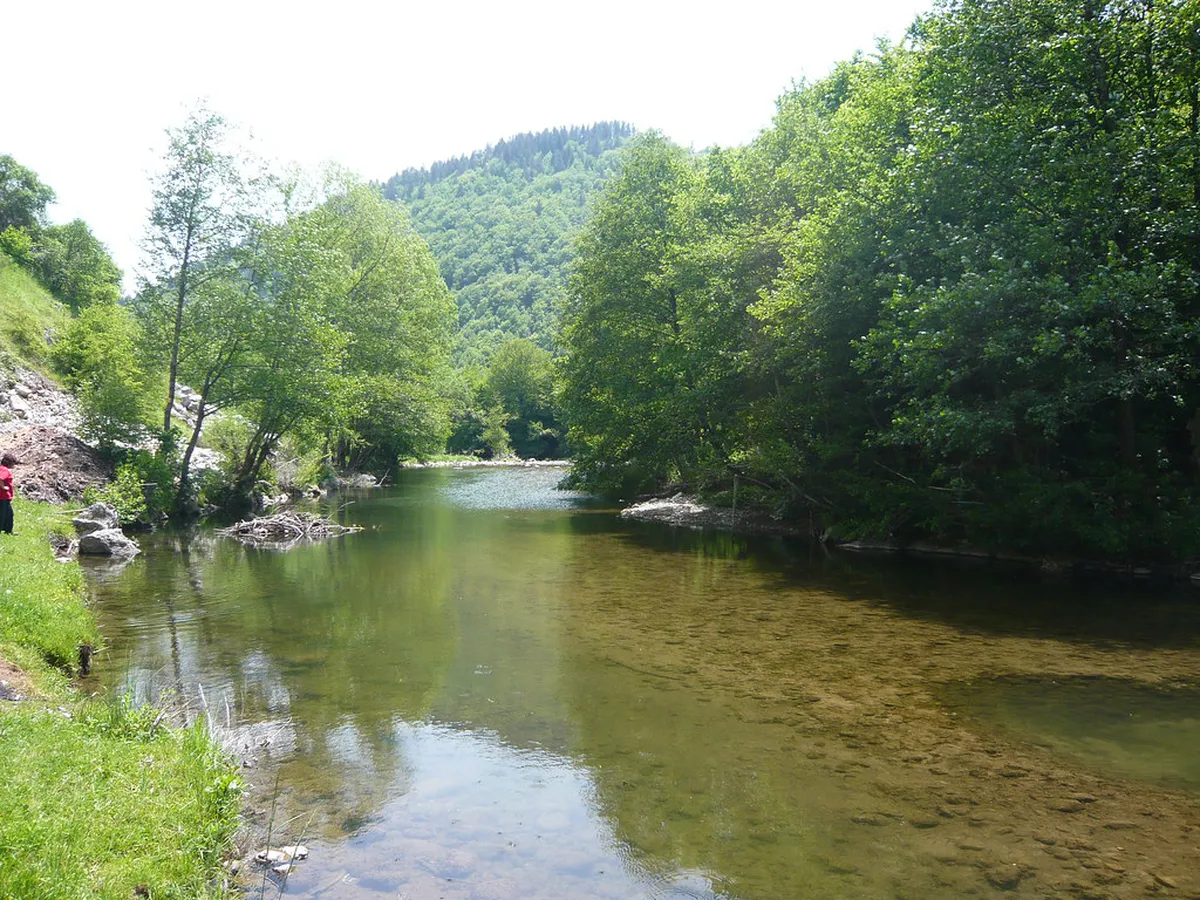
The three most accessible trails near the city centre each suit a different level of ambition. Here is a quick comparison to help you choose:
- Canyon of Waterfalls (Soskovcheto Reserve): moderate difficulty, 4–5 hours, 46 cascades including the 68-metre Orpheus drop, rocky terrain requiring boots, paid entry ~5 BGN.
- Nevyastata ("The Bride") Eco-Trail: easy to moderate, 40–60 minutes to the summit viewpoint, includes an optional climbing wall and alpine zipline at the top, free access, parking at the trailhead beside St. Panteleimon Monastery.
- Smolyan Lakes Eco-Trail: easy, approximately 1 hour, seven glacial lakes, flat terrain suitable for families and older visitors, free access.
The air quality in Smolyan is a genuine draw for wellness-focused visitors and it is not simply marketing copy. Dense pine forest generates high concentrations of negative air ions, and the absence of heavy industry means the ozone layer above the city is unusually thick by European standards. Local policy documents cite these factors as an official rationale for prioritising health and eco-tourism over industrial development — a commitment reinforced by the 7-metre building height cap.
Sokolitza Peak is a less-visited option starting along the Pamporovo–Smolyan road, just past the Nevyastata turnoff. The route is short but climbs steeply above 1,700 metres. At the summit, the view takes in Smolyan, Perelik, Pamporovo, and the Prespa and Svoboda peaks in a single sweep — far quieter than Snezhanka on a summer weekend.
Snezhanka Peak, the Tower Café, and Pamporovo
Snezhanka Peak stands at 1,926 metres and ranks among Bulgaria's 100 national tourist sites. A 156-metre television tower dominates the summit, and partway up the tower — at an altitude of 2,019 metres — a café offers a full 360-degree viewing gallery. On a clear day you can see the Aegean Sea to the south and the Rila, Pirin, and Balkan mountain ranges to the north. The café charges a small entry fee — typically 3–5 BGN — and is open year-round.
You can reach the peak by car along a well-maintained mountain road, on foot from Pamporovo, or via chairlift. During winter, four lifts operate: Studenets–Snezhanka, Smolyan Lakes–Snezhanka, Malina–Snezhanka, and Stoikite–Snezhanka. In summer only some of these run, so check current schedules before planning an ascent by lift. The peak is 17 kilometres from Smolyan, making it a straightforward half-day trip from the city.
Pamporovo at Snezhanka's base transforms into a mountain biking and hiking hub in July and August. You can read more about summer activities at the resort in our guide to 10 Best Things to Do in Pamporovo in Summer. Combining the resort with a visit to the tower café and then descending to Smolyan for dinner makes for a logical and satisfying full-day itinerary.
Fortresses and Historical Sites Around Smolyan
Momchil's Fortress sits at 1,215 metres on a high rocky peak offering visibility in all directions. It was first built under Emperor Justinian I (527–565) as part of a chain of Rhodope defensive works and was restored in the 11th century before falling to the Ottomans in the late 14th century. The fortress is named after Momchil, a local warrior granted the title of Sebastokrator by Emperor John VI Kantakouzenos. A guided tour costs around 6 BGN; wooden walkways provide safe access on the steep cliff.
The Kaleto fortress above Smolyan sits on the Turluka massif and formed part of the same Late Antiquity network. The trail starts at St. Panteleimon Monastery and pairs naturally with the Nevyastata eco-trail in a single morning. Check the Visit Smolyan Kaleto Fortress page for current access details. A separate day trip worth planning is Agoushev's Konak in Mogilitsa — a 19th-century manor with 221 windows and intricate woodcarving that ranks as one of the finest examples of Rhodope residential architecture. Uhlovitsa Cave Guide: the Rhodopes' Underground Icefall is in the same village, and the two sites pair naturally into a half-day excursion.
Family-Friendly and Budget-Friendly Options in Smolyan
Families will find that many of the best things to do in the Rhodope Mountains are very affordable or free. The Smolyan Lakes eco-trail costs nothing to walk and offers wooden picnic tables beside the shore of the Clear Lake. Children enjoy spotting frogs and waterfowl along the banks, and the flat terrain means pushchairs can manage the first section. Parking at the trailhead is free.
The Planetarium is the standout budget option for families with older children. Tickets stay under 8 BGN per person, and the star projection show using the domed screen tends to hold attention better than most museum exhibits. The central park beside the Cherna River features a large playground, a skate area, and several kiosks selling ice cream and local snacks. The Nevyastata trail also appeals to adventurous teenagers — the alpine zipline at the summit adds excitement beyond a standard viewpoint walk.
Caving enthusiasts should note that Uhlovitsa Cave near Mogilitsa is open Wednesday through Sunday and requires a guide for the 45-minute underground tour. Visitors must climb 180 steep steps to reach the entrance, so it is better suited to children aged 8 and above. For a broader overview of the region's caves open to the public, the Visit Bulgaria Smolyan caves page lists current access details and entry fees.
How to Plan a Smooth Visit to Smolyan
Getting to Smolyan from Sofia is a 220-kilometre drive, typically three hours via Plovdiv and the mountain passes above Asenovgrad. The road is well-maintained but twisting; rental-car drivers should allow extra time if they are unfamiliar with Bulgarian mountain driving. Public buses run daily from Sofia's Central Bus Station and from Plovdiv, with journey times of around four and two hours respectively. Buses are cheaper but significantly limit your access to trailheads and outlying fortresses.
Weather shapes everything in the Rhodopes. Summer temperatures in Smolyan rarely exceed 24°C, making July and August genuinely pleasant even by midday. Afternoon thunderstorms are common from June through August — start your hikes by 09:00 and aim to be off exposed ridges by 14:00. Winter visitors combine city sightseeing with skiing at Pamporovo. Spring (May) and early autumn (September) offer the clearest skies and the least crowded trails.
Most of Smolyan's cultural venues cluster within walking distance of the central pedestrian boulevard, so the city centre requires no transport. For the Canyon of Waterfalls, Snezhanka, Momchil's Fortress, and Mogilitsa, you will need a car or a taxi. A full-day private transfer covering the Canyon of Waterfalls and Snezhanka typically costs 80–120 BGN depending on your accommodation. The BulgariaSki Smolyan summer guide covers route logistics and accommodation options for multi-day stays.
Day Trips and Attractions in the Greater Smolyan Region
The folklore village of Shiroka Laka, 20 minutes west of Smolyan by car, is a protected architectural reserve famed for its National Revival stone houses and a bagpipe school keeping alive the Rhodope gaida tradition. Entry is free; a small ethnographic museum charges around 3 BGN. It pairs well with a morning at the Canyon of Waterfalls for a full-day loop.
Further afield, Trigrad Gorge Visitor Guide and the Devil's Throat Cave are around 45 kilometres from Smolyan. The cave takes its name from a thundering underground waterfall that vanishes into the rock. Our guide to Trigrad Gorge and Devil's Throat Cave covers the access route and what to expect on site. The Devin Gorge, closer to home, offers a flat family-friendly footbridge walk between limestone cliffs — a useful contrast to the more demanding canyon trails.
Most Popular Hiking and Cycling Routes in Smolyan
The Canyon of Waterfalls loop is the most popular hiking route for good reason: it combines waterfall drama with forest solitude and delivers a satisfying circuit. Cyclists avoid it due to rocky terrain, but the road toward Mogilitsa is a regular road-cycling favourite for its elevation and views. Mountain bikers head to Pamporovo in summer, where the resort's lifts access ridge trails that would otherwise require a full-day climb.
The Wonderful Bridges (chudnite Mostove) Visitor Guide — massive limestone arches formed from a collapsed cave — sit around 60 kilometres from Smolyan. Our guide to the Wonderful Bridges in the Rhodopes covers the access route and site details. For trail conditions, the Komoot platform has strong coverage of smaller forest paths here. Download offline maps before entering any gorge; mobile coverage drops quickly below the ridgeline.
Explore things to do in other cities
- Primorsko's things to do
- Byala's things to do
- Hisarya's things to do
- Velingrad's things to do
- Lovech's things to do
- Sandanski's things to do
- Burgas's things to do
- Kranevo's things to do
- Tsarevo's things to do
- Dobrich's things to do
- Gabrovo's things to do
- Sveti Vlas's things to do
- Vratsa's things to do
- Blagoevgrad's things to do
- Shumen's things to do
- Stara Zagora's things to do
- Sliven's things to do
- Sapareva Banya's things to do
- Elenite's things to do
- Tryavna's things to do
- Ravda's things to do
- Pomorie's things to do
- Albena's things to do
- Troyan's things to do
- Vidin's things to do
- Obzor's things to do
- Koprivshtitsa's things to do
- Melnik's things to do
- Belogradchik's things to do
- Pleven's things to do
- Kazanlak's things to do
- Veliko Tarnovo's things to do
- Balchik's things to do
- Sozopol's things to do
- Ruse's things to do
- Varna's things to do
- Golden Sands's things to do
- Sunny Beach's things to do
- Pamporovo's things to do
- Borovets's things to do
- Plovdiv's things to do
- Nessebar's things to do
- Sofia's things to do
- Bansko's things to do
- Ruse In Spring's things to do
- Veliko Tarnovo At Night's things to do
- Sozopol's things to do
- Pomorie's things to do
- Melnik's things to do
- Ruse At Night's things to do
Explore more: Best Things to Do in Smolyan
Use these focused guides to plan the details, compare options, and build an itinerary that fits your trip.
Frequently Asked Questions
What is Smolyan known for?
Smolyan is famous for being the highest city in Bulgaria and its proximity to the Canyon of Waterfalls. It is also known for its clean air, negative ionization, and the Smolyan Lakes.
What is the best time to visit Smolyan?
The best time for hiking is from June to September when the weather is mild. Winter is ideal for skiing at the nearby Pamporovo resort, just 17 kilometers away.
How far is Smolyan from Sofia?
Smolyan is approximately 220 kilometers from Sofia, which takes about three hours to drive. The route passes through Plovdiv and the scenic Rhodope mountain passes.
Smolyan offers a refreshing escape into the heart of the Rhodope Mountains. Whether you are hiking the Canyon of Waterfalls, star-gazing at the Planetarium, or tracing Ottoman-era history at Momchil's Fortress, the city delivers a quiet intensity that is rare on the Bulgarian tourist trail. Plan your visit for 2026 and experience the unique combination of health benefits, archaeological depth, and mountain scenery that makes Smolyan unlike anywhere else in the country.