Neolithic Dwellings Museum, Stara Zagora (2026) Guide
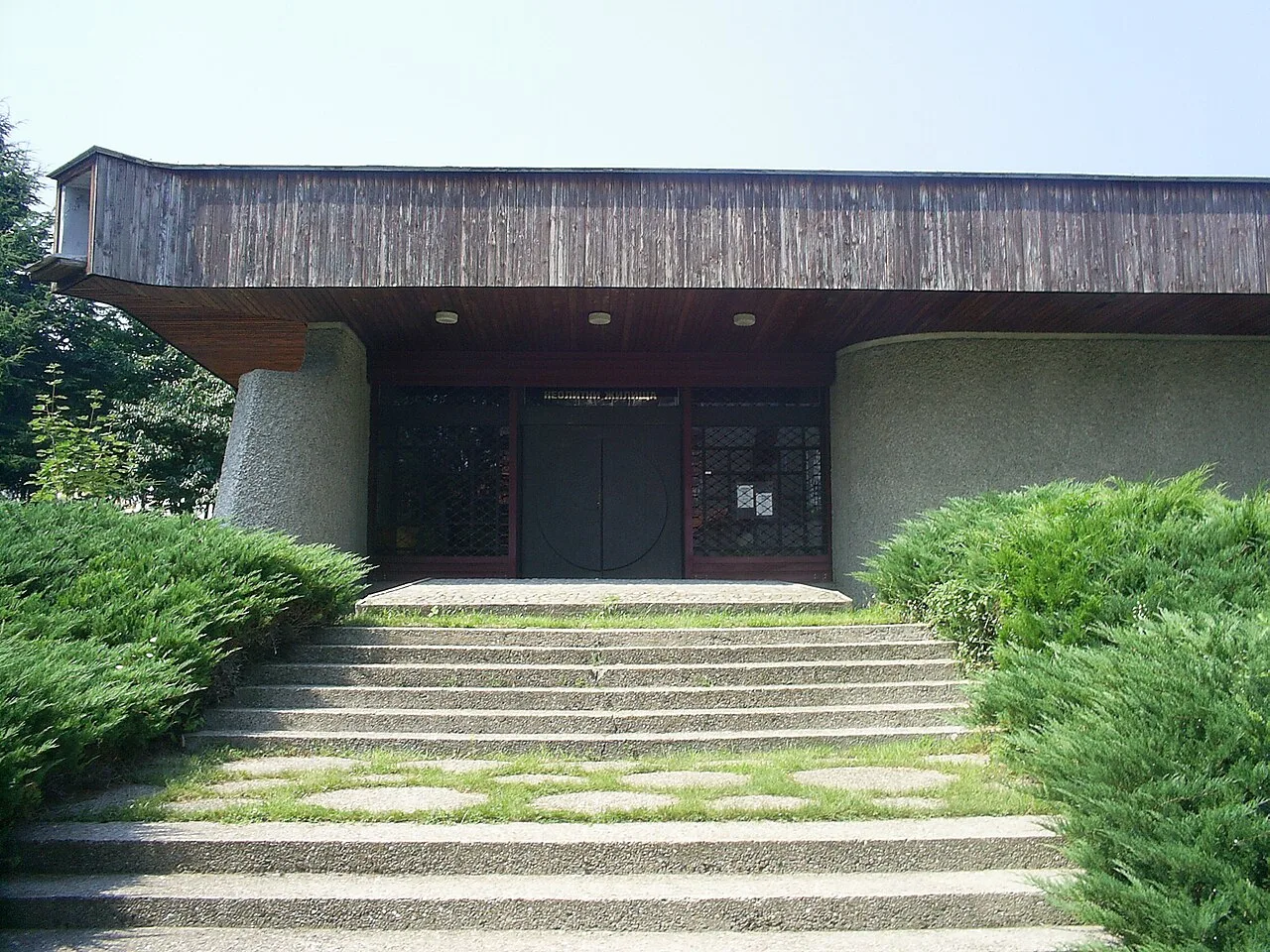
I've lost count of how many travellers I've watched walk straight past one of the most extraordinary archaeological sites in Europe simply because nobody told them it was there. The Neolithic Dwellings Museum (Музей „Неолитни жилища") in Stara Zagora is exactly that kind of place — small, specialist, quietly tucked beside the Regional Hospital — yet it shelters two prehistoric houses that are roughly 8,000 years old and counted among the best-preserved Neolithic dwellings anywhere on the continent. I've sent friends here on a hunch and watched them come out genuinely shaken by how old, and how human, it all feels. This guide is my honest, on-the-ground take for 2026.
Below I'll walk you through what you're actually looking at, the strange piece of luck that preserved it, how long to allow, and the practical stuff — 2026 prices, opening days, and how to reach it. Stara Zagora is one of the oldest inhabited places in Europe, and this museum is the single best way to feel that depth of time. If you're sketching out a wider day in the city, my round-up of 10 Best Things To Do In Stara Zagora, Bulgaria slots neatly around a visit here.
To see the preserved dwellings and museum setting before your visit, this walkthrough offers a clear overview:
The Museum at a Glance
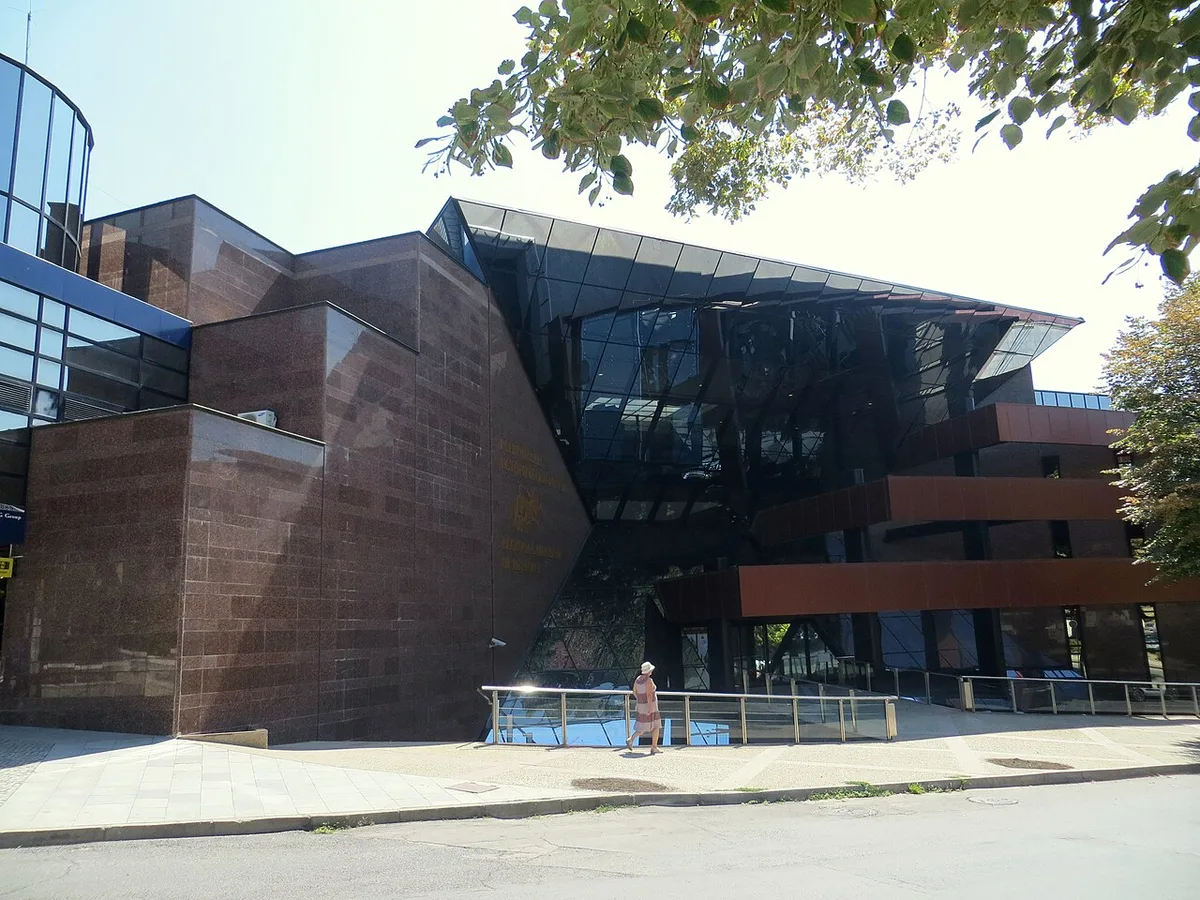
The Neolithic Dwellings Museum is a purpose-built shelter raised directly over a prehistoric settlement mound — a tell, the layered hill that forms when generations build, burn and rebuild on the same spot. In the western part of Stara Zagora, that mound rises to about 8.5 metres and spreads to roughly 90 metres in diameter, which helps explain why archaeologists treated it as such a serious prehistoric locality. Inside, protected from weather and time, sit two two-storey houses of mud and timber dating to roughly 5,500–6,000 BC (the 6th millennium BC), give or take, which makes them about 8,000 years old. That isn't a reconstruction or a model. You are standing in front of the real walls, the real hearths, the real floors where a farming family lived eight millennia ago.
What makes the site genuinely world-class is the level of preservation. Most Neolithic dwellings survive only as post-holes and scatters of pottery; here you can read the architecture — the layout of the rooms, the ovens, the grinding stations — almost as if the occupants had only just stepped out. It is a small, focused museum, not a sprawling collection, and that is part of its charm. You come for one astonishing thing, see it properly, and leave with a vivid sense of deep time that no bigger museum quite delivers.
The Two 8,000-Year-Old Houses
The two dwellings were excavated from the prehistoric tell and are displayed in situ, which is the whole point — nothing was moved, so the spatial story stays intact. These were substantial homes: two storeys of timber framing packed with clay, with living and working space arranged around hearths and ovens. Inside and around them you'll see the everyday infrastructure of Neolithic life still in place: hearths and ovens, grinding stones for processing grain, storage vessels, and the heavy fired-clay loom weights that tell us these people wove cloth.
Walking the platform around the houses, what struck me most wasn't the age in the abstract — it was the ordinariness made visible. Someone ground flour here. Someone kept a fire going there. The pottery, the tools, the sheer domestic clutter of a working household survive in arrangements that archaeologists rarely get to see. It is one thing to read "the Neolithic"; it is another to stand over a kitchen used 8,000 years ago and recognise exactly what it was for.
Tip: This is a museum that rewards context. The displays are remarkable but the labelling is modest, so an English-speaking guide or an audio commentary turns 20 puzzled minutes into an hour of genuine wonder. Arrange a guide ahead of your visit if you can — it is the difference between "old house" and understanding what you're looking at.
How an Ancient Fire Saved Everything
Here's the paradox at the heart of the site. Around 8,000 years ago, the houses were destroyed by fire. That should have been the end of the story — and for the family living there, it surely was a disaster. But fire does something curious to mud-and-timber architecture: it bakes the clay. The intense heat that brought the houses down also fired their walls, hearths and contents into a hard, ceramic-like state, sealing the whole household in place and protecting it from the slow decay that erases almost every other Neolithic settlement.
So the very catastrophe that ended these homes is the reason we can visit them today. The baked walls held their shape; the grinding stones, pottery and loom weights stayed where they fell. It's a humbling thing to stand in front of — a domestic tragedy frozen and gifted to us across eight thousand years. Once you understand that, the slightly scorched, hardened look of the structures stops being a curiosity and becomes the most important thing in the room.
Finds and Europe's Earliest Cult Objects
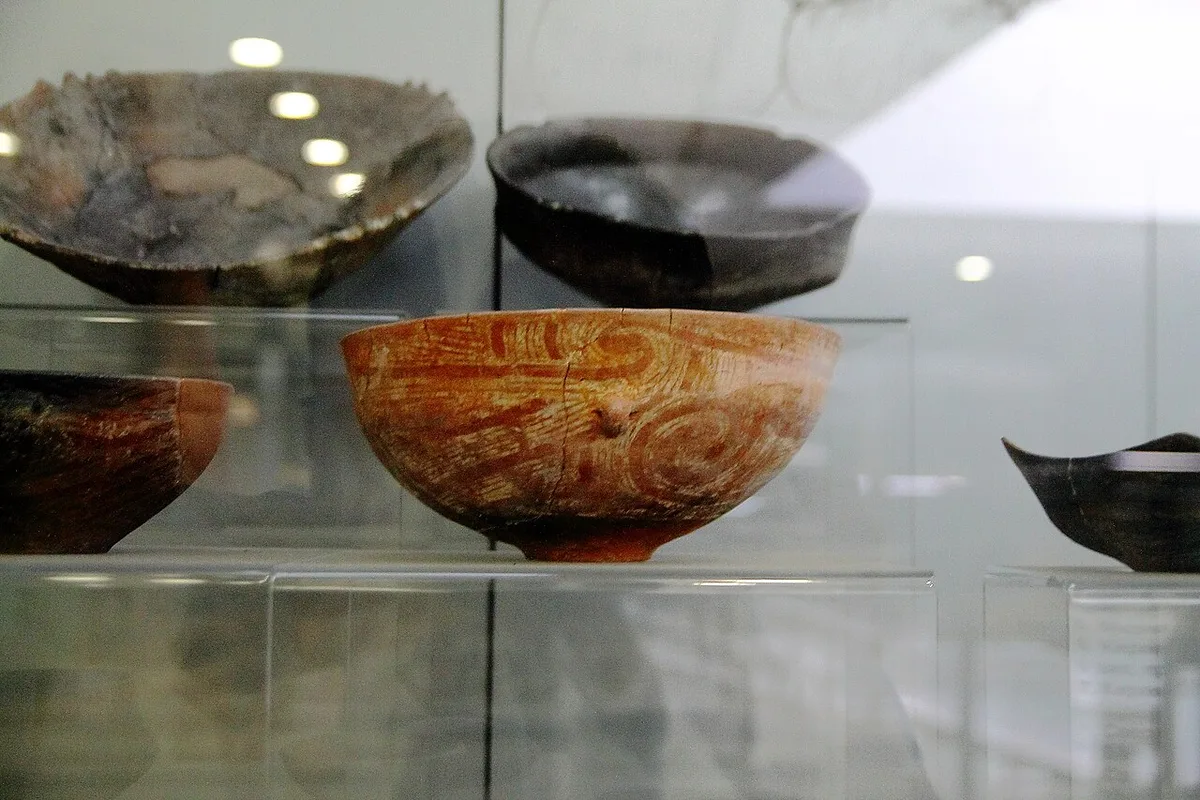
Alongside the dwellings themselves, the museum displays the finds recovered from the settlement — and these are not just household tools. Among the pottery, figurines and implements are some of the earliest known religious and cult objects in Europe, the kind of artefacts that hint at how these early farmers understood the world, marked fertility, and ordered their beliefs. For a community this old, that is rare and significant evidence; we are talking about the spiritual life of people who lived before writing, before metal, before almost everything we associate with "civilisation."
This is why I'd argue the museum punches so far above its size. It isn't only a snapshot of Neolithic domestic life; it's a window onto early European thought. Stara Zagora and its surroundings have been continuously settled for an astonishing span of time, and this collection is where that depth becomes tangible. If prehistory grabs you here, the wider region rewards it — the Thracian heritage around the Rose Valley and Kazanlak and the ancient layers of Plovdiv extend the same story across millennia.
Tickets, Hours and How Long to Allow
This is a compact, specialist museum, so allow roughly 45–60 minutes — longer if you take a guided or audio tour, which I genuinely recommend. As of 2026, entry is inexpensive: expect somewhere in the region of 6–10 BGN (about €3–€5), with reduced rates for students and children. Bulgaria adopted the euro on 1 January 2026, and the old lev is still quoted alongside it at the fixed rate of about 1.96 BGN to €1, so you'll see both prices displayed. Treat these figures as indicative and confirm the live 2026 price before you go.
Opening days are the thing most likely to catch you out. The museum typically runs Tuesday to Saturday, with reduced or closed days early in the week, and shorter or further-reduced hours in winter. It's small and staffing is limited, so a midweek arrival is safest. Always verify the current 2026 hours before travelling — a wasted trip across town to a locked door is exactly the disappointment a quick check avoids. If you want a guide or audio commentary, calling ahead also lets staff have it ready.
Plan around the week: Don't bank on a Sunday or Monday visit. Build your Stara Zagora day around a Tuesday-to-Saturday window for this museum, and confirm both the opening hours and the entry price for 2026 the day before — small museums change their schedules more often than the big ones.
Getting There and Where to Base Yourself
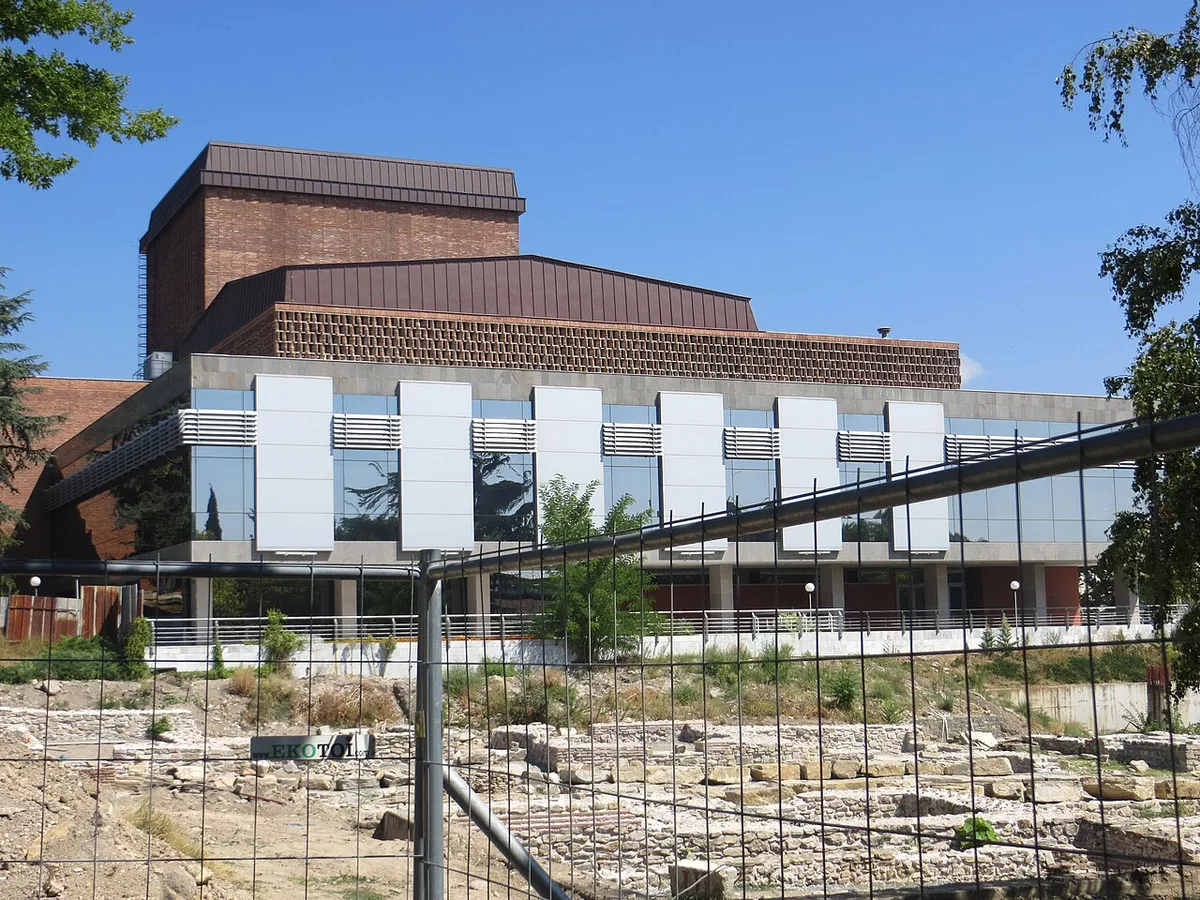
The museum sits beside the Regional Hospital, a little out from the very centre of Stara Zagora but easy to reach. From the city centre it's about a 25-minute walk, or a short hop by city bus or taxi if you'd rather save your legs for the houses themselves. Taxis in Stara Zagora are cheap and plentiful, and it's worth noting the museum's distance from the main pedestrian streets so you build it sensibly into your route rather than backtracking.
Stara Zagora makes a comfortable, under-touristed base in central Bulgaria, well-connected by road and rail and within easy reach of Plovdiv, Kazanlak and the Rose Valley. For where to bed down near the centre and the museum, see my guide to Where to Stay in Stara Zagora 2026. And if you're piecing together how to move between the city and the rest of the country — buses, trains and the practicalities of getting around in 2026 — my overview of Getting Around Bulgaria: The Ultimate Transportation Guide covers the connections you'll actually use.
Discovery and Museum History
One detail I always mention because it anchors the place in the modern city: the dwellings were uncovered in 1969 during construction works in the hospital area, not on some remote dig in open countryside. That matters, because it reminds you how densely layered Stara Zagora is — modern streets and one of Europe's most important prehistoric household sites occupying the same ground. The protective museum built over the remains opened in 1979, and it operates as a branch of the Stara Zagora Regional Historical Museum.
Those dates come up again and again in the strongest SERP results, and for good reason. They explain why the site feels so unusually intact: the houses were found where they stood, then enclosed rather than relocated. UNESCO also highlights the pair as a uniquely important cultural monument from the early Neolithic in Europe and western Asia, which is exactly the scale of significance you should have in mind before writing it off as "just a small local museum."
Continue planning: Use 10 Best Things To Do In Stara Zagora, Bulgaria and Stara Zagora Roman Heritage Day Trip: 2026 Walking Route to connect this guide with the rest of your Bulgaria itinerary.
Frequently Asked Questions
How old are the Neolithic dwellings in Stara Zagora?
The two houses date to roughly 5,500–6,000 BC — the 6th millennium BC — which makes them about 8,000 years old. They are counted among the best-preserved Neolithic dwellings in Europe, displayed in situ over the prehistoric settlement mound they were excavated from.
Why are the dwellings so well preserved?
A fire destroyed the two-storey mud-and-timber houses about 8,000 years ago, but the intense heat baked the clay walls and contents into a hard, ceramic-like state. That sealed the hearths, grinding stones, pottery and loom weights in place, protecting them from the decay that erases almost every other Neolithic settlement.
How much is entry and how long should I allow in 2026?
As of 2026, entry is inexpensive — roughly 6–10 BGN (about €3–€5), with reduced rates for students and children — though you should confirm the current price before visiting. It's a small, specialist museum, so allow about 45–60 minutes, or longer with a guide or audio commentary, which is well worth arranging.
When is the Neolithic Dwellings Museum open?
The museum typically opens Tuesday to Saturday, with reduced or closed days early in the week and shorter hours in winter. Because it's small and staffing is limited, schedules can change, so always verify the current 2026 opening hours before you travel rather than relying on a Sunday or Monday visit.
How do I get to the museum from Stara Zagora centre?
The museum sits beside the Regional Hospital, a little out from the very centre. It's about a 25-minute walk from the city centre, or a short, cheap ride by city bus or taxi. Build it into your route deliberately, as it's set apart from the main pedestrian streets.
The Neolithic Dwellings Museum is, to my mind, the most quietly astonishing thing to see in Stara Zagora — two genuine 8,000-year-old houses, saved by the same fire that destroyed them, complete with the hearths, tools and even the early cult objects of the people who lived in them. It is small, easily missed, and overshadowed by Bulgaria's louder attractions, which is precisely why it feels like a discovery. Give it 45–60 minutes, take a guide if you possibly can, and let the depth of time do its work.
For 2026, my practical advice is simple: confirm the opening days (think Tuesday to Saturday) and the entry price before you set off, factor in the short trip out to the Regional Hospital area, and pair it with the rest of the city. Get there once and you'll understand why I keep sending people to a museum most travellers have never heard of — it is world-class history, hiding in plain sight.