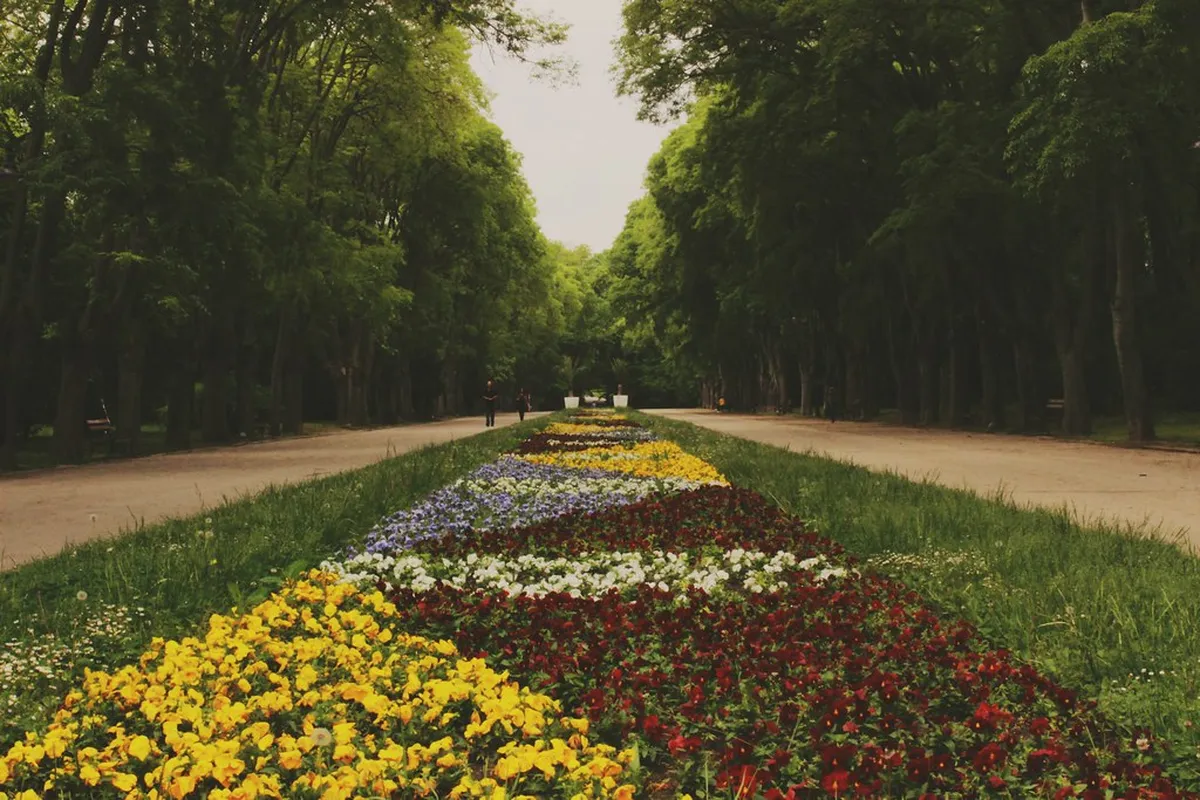
Sea Garden Varna
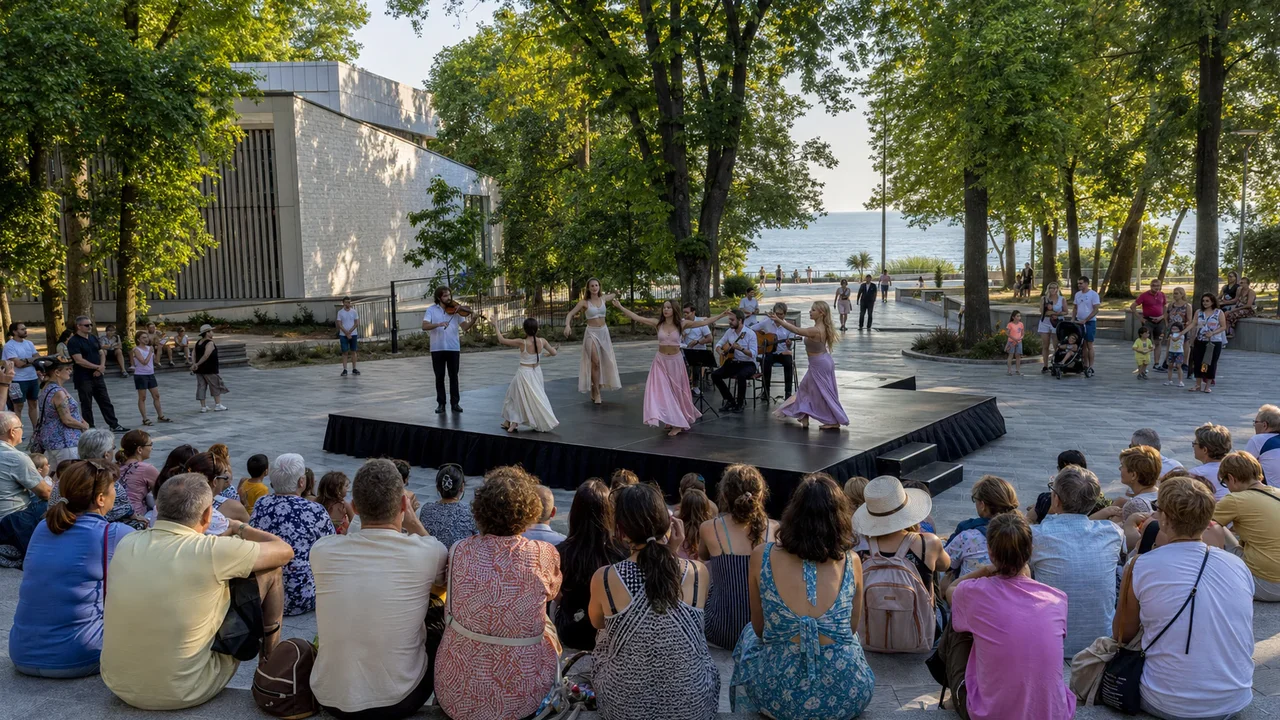
Varna's vast seafront park along the Black Sea coast - said to be the largest landscaped park in the Balkans - free and open 24/7, with an aquarium, zoo, planetarium and monument-lined alleys.
Visitor guide →Independent Bulgaria travel guide
Varna attractions for 2026: the Gold of Varna, Roman Thermae ruins, Sea Garden and 7 more sights, with verified EUR prices, hours and visiting tips.
Varna pairs 7,000 years of history with a Black Sea coastline, and few cities on this stretch of coast pack both into one walkable centre. The Varna Archaeological Museum holds the Gold of Varna — pieces from the Varna Necropolis dated to roughly 4600-4200 BC, making it the oldest worked gold treasure yet discovered anywhere in the world. A few streets over, the Roman Thermae ruins are the fourth-largest surviving Roman bath complex in Europe, a 2nd-century public bathing hall built on a scale that still reads as civic ambition rather than provincial outpost. Neither requires a day trip - both sit inside the historic core, a short walk from Varna Cathedral's gilded domes.
For a visual introduction to Varna's essential sights, this guide covers the must-know details before visiting:
The coast does the rest of the work. The Sea Garden runs along the seafront for several kilometres and is generally reckoned the largest landscaped park in the Balkans, threading a naval museum and the Festa Dolphinarium into one green corridor between the old town and the beach. It's free to walk, which matters when you're pricing a multi-day visit against 2026 euro rates.
Beyond the centre, Varna earns its reputation as a base for short excursions: Aladzha Monastery, a cave monastery cut into a limestone cliff in Golden Sands Nature Park, and Pobiti Kamani, a stone forest of natural rock columns west of the city, both make easy half-day trips without needing a rental car for more than an afternoon. This guide covers all 10 of Varna's most-visited sights - organized by neighborhood, by category, and by ticket price - plus verified 2026 opening hours and the practical logistics that decide whether a plan actually works.
Varna's vast seafront park along the Black Sea coast - said to be the largest landscaped park in the Balkans - free and open 24/7, with an aquarium, zoo, planetarium and monument-lined alleys.
Visitor guide →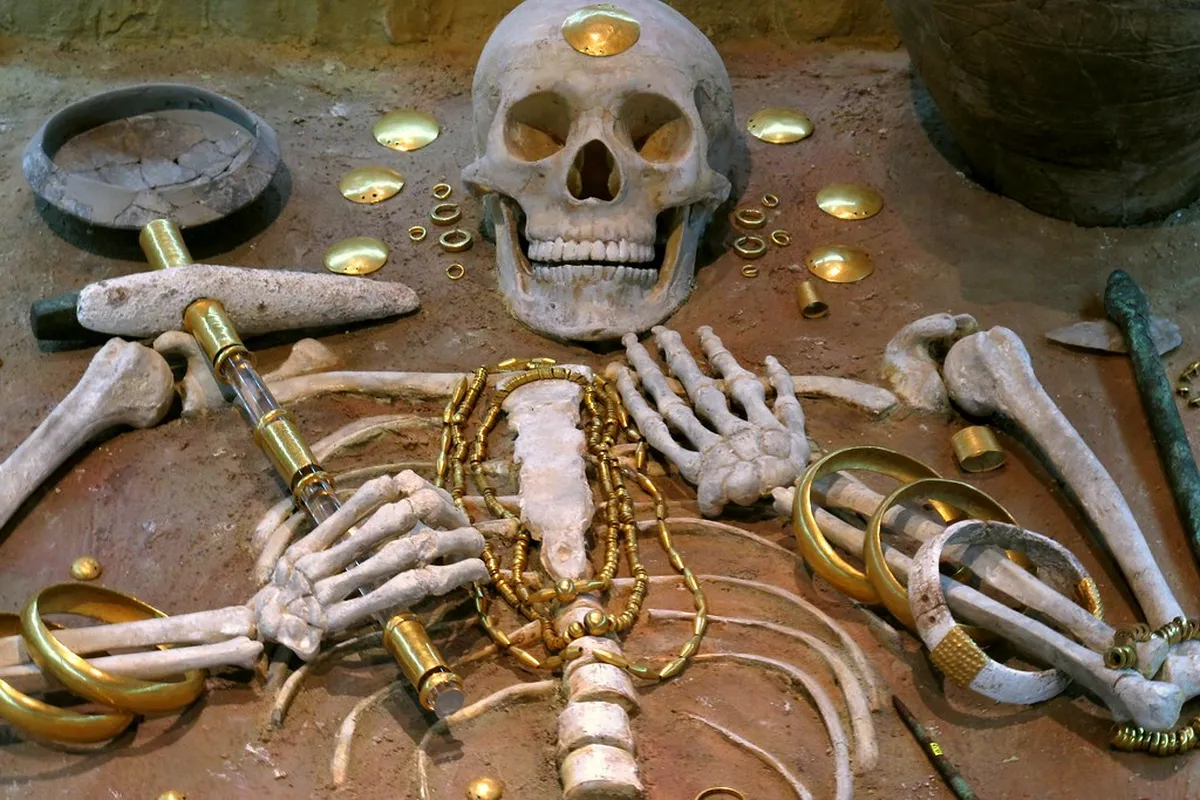
Varna's flagship museum on Maria Luiza Blvd, home of the Gold of Varna - the world's oldest gold treasure, excavated from the Varna Necropolis in 1972 and dating to 4600-4200 BC - displayed across three exhibition halls.
Visitor guide →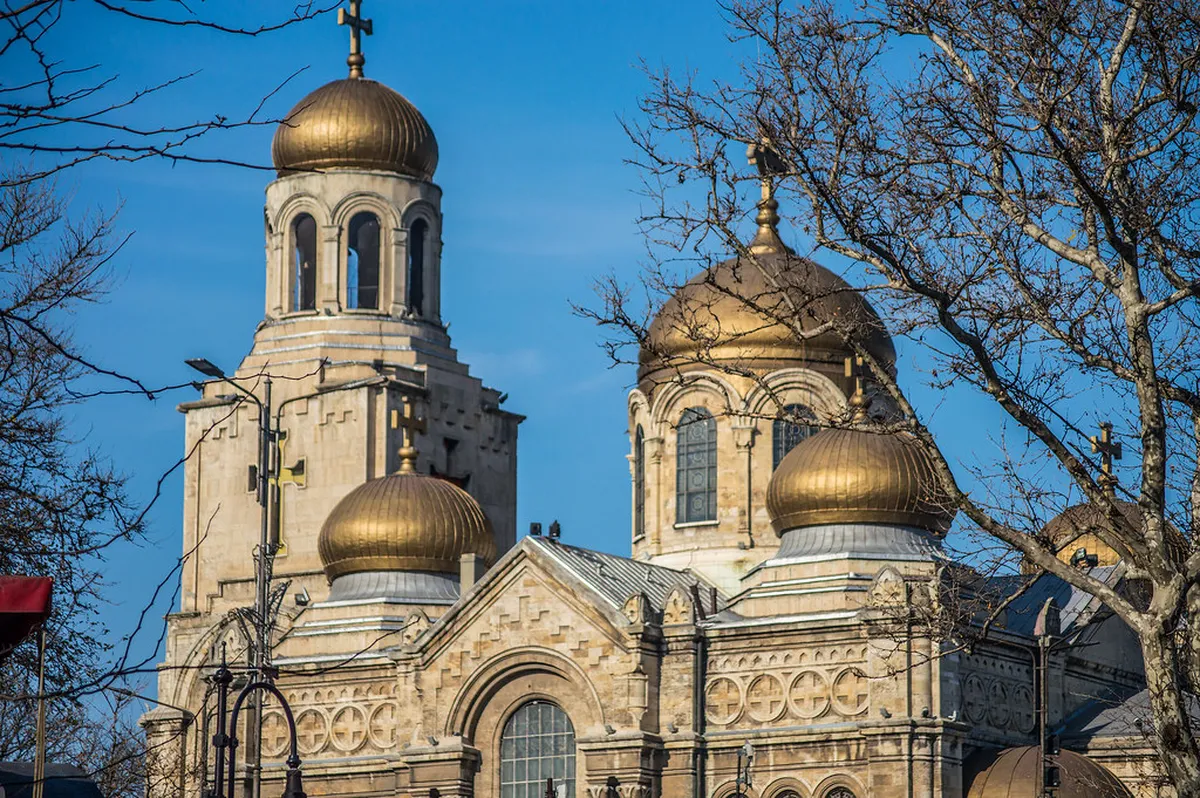
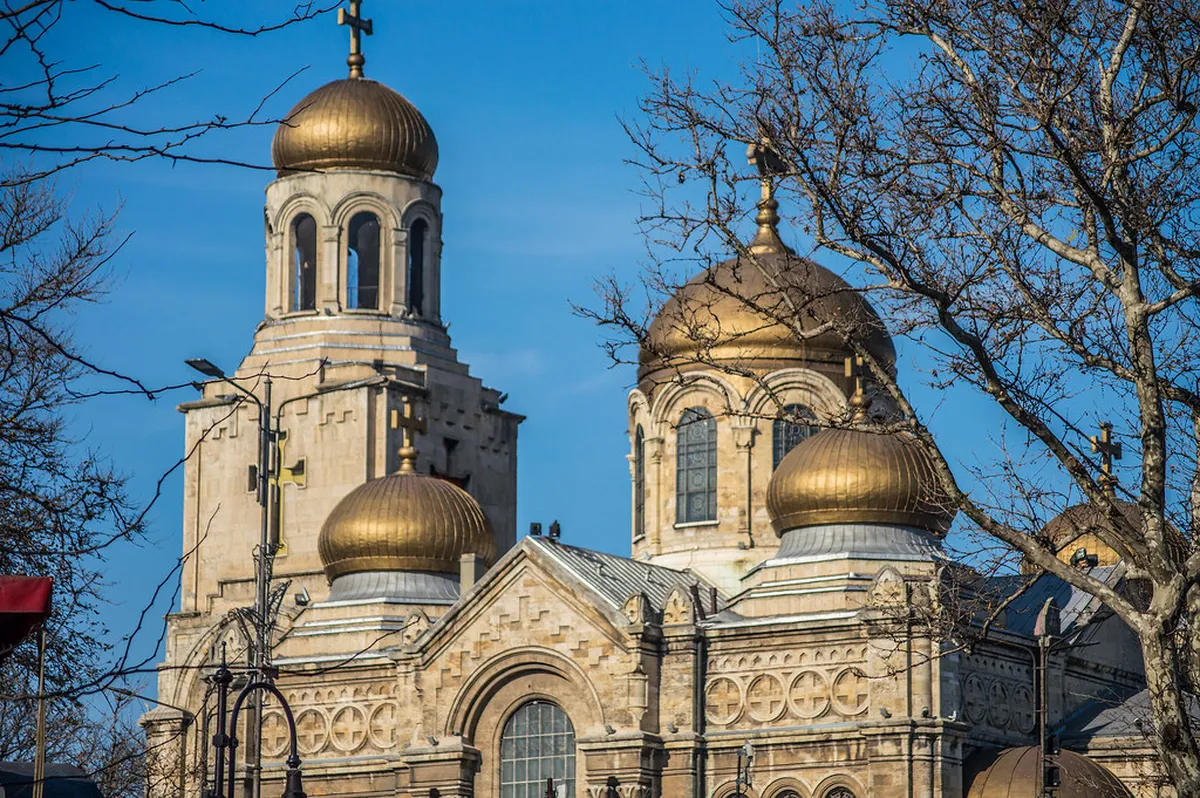
Varna's landmark Orthodox cathedral, opened in 1886 and the third-largest in Bulgaria, with gilded copper domes and a 38-metre belfry on St. Cyril and St. Methodius Square - free to enter daily.
Visitor guide →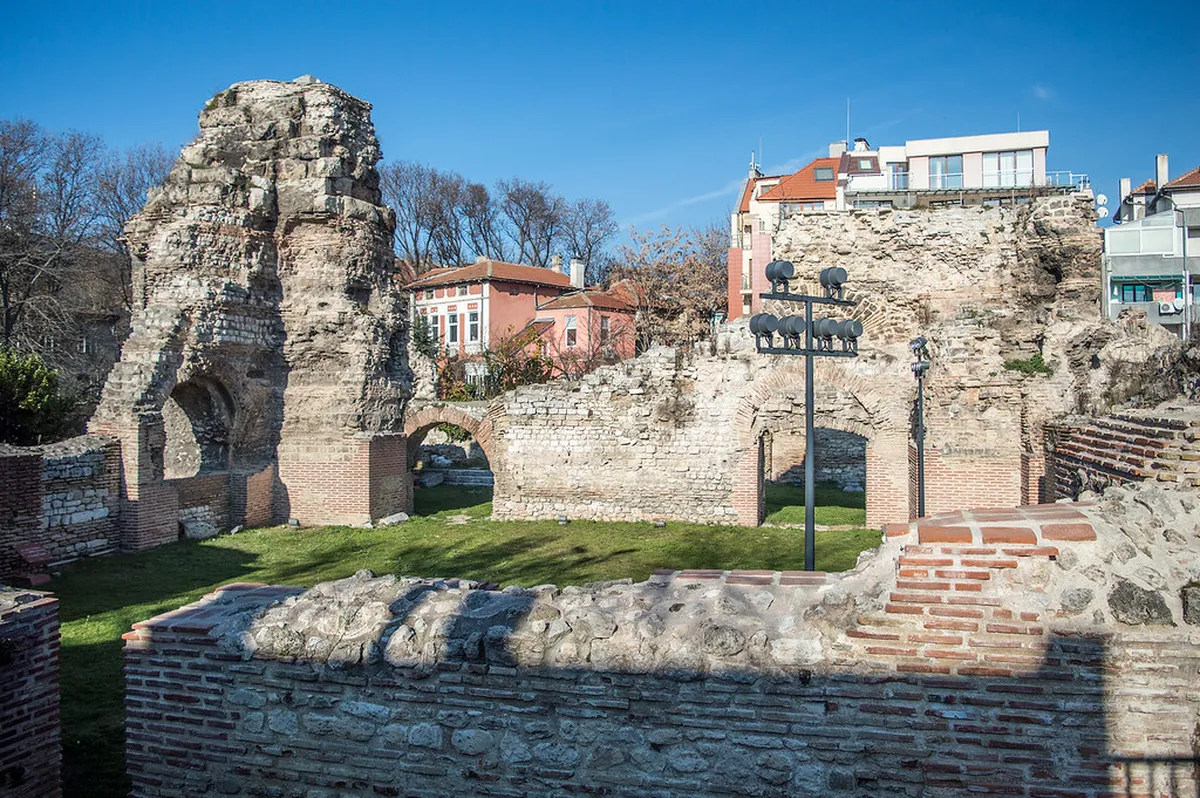
The ruins of Varna's late 2nd-century Roman baths - the fourth-largest preserved thermae in Europe - managed by the Varna Regional History Museum, with adult entry at 4.00 EUR in 2026.
Visitor guide →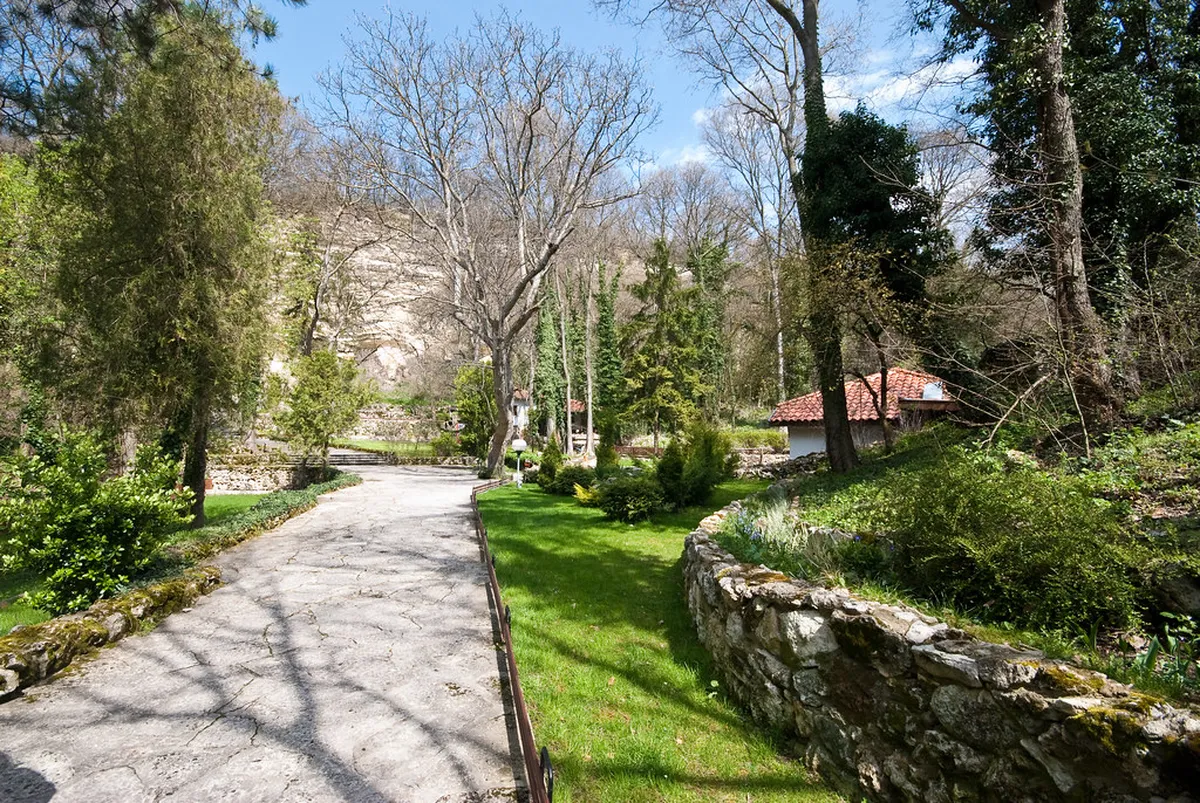
A medieval Orthodox cave monastery hewn on two levels into a limestone cliff in Golden Sands Nature Park, about 17 km north of Varna, inhabited by hermit monks in the 13th-14th centuries and managed today by the Varna Regional Museum of History.
Visitor guide →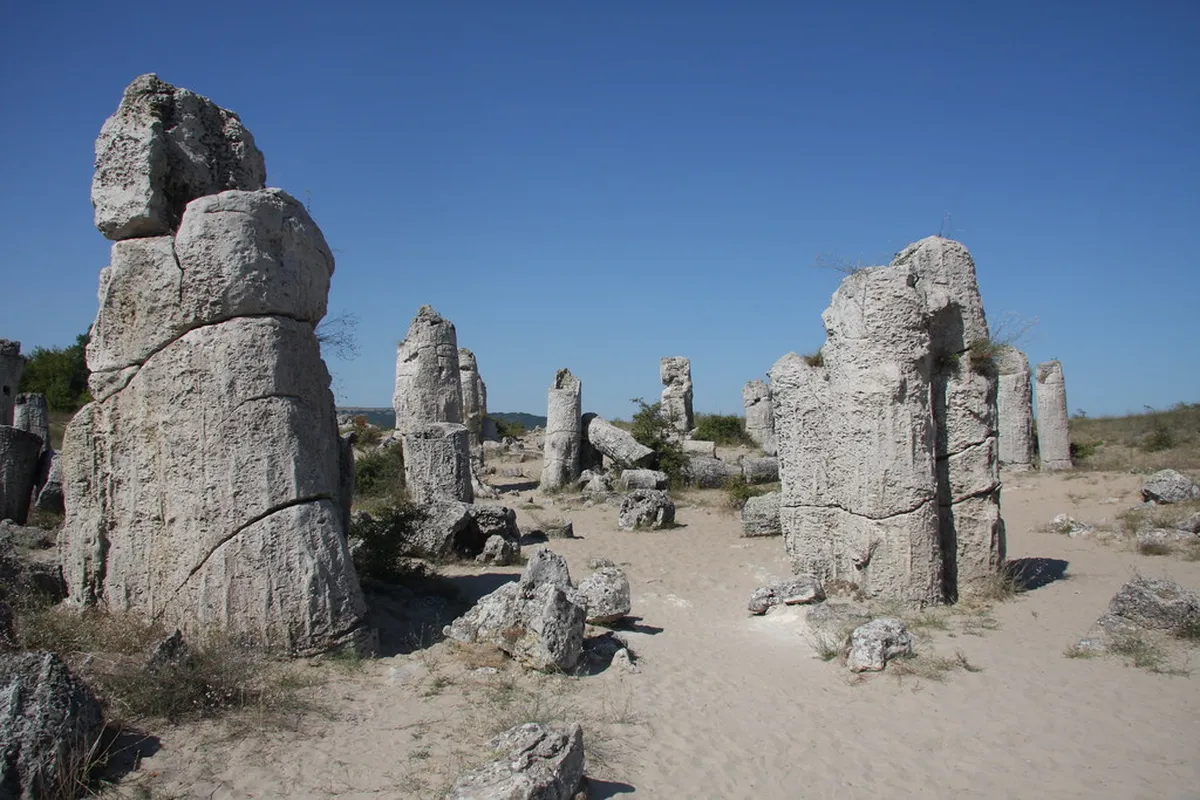
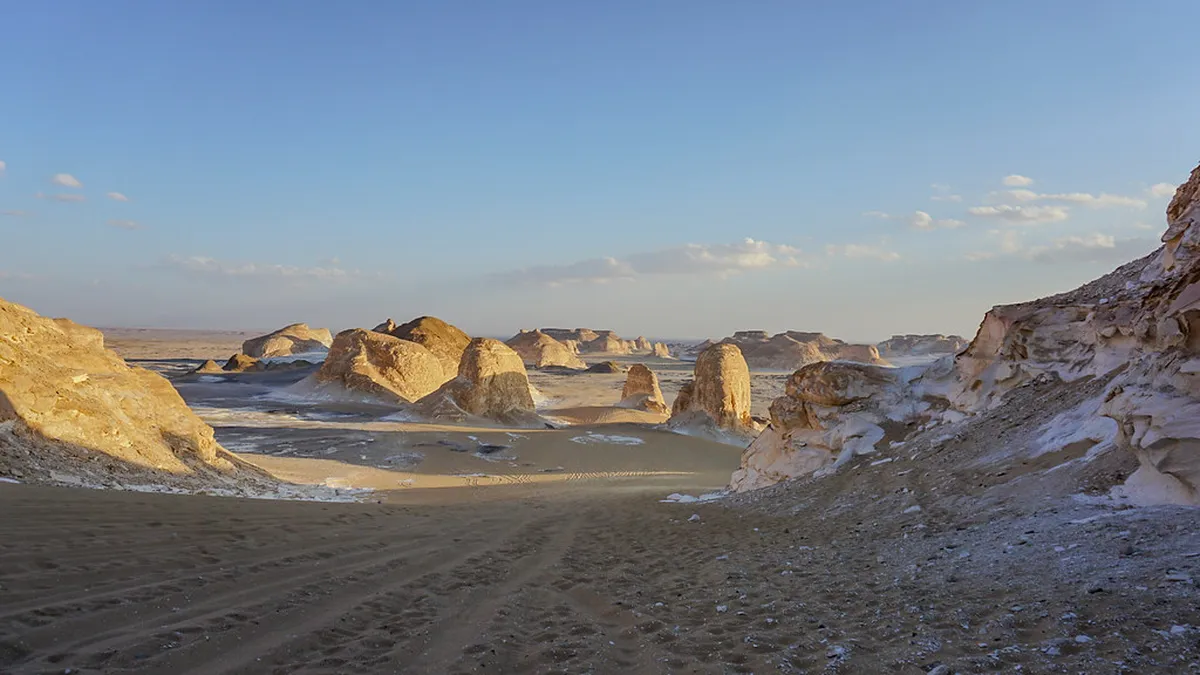
A protected stone forest of about 300 natural tubular columns up to 6 m tall, formed around methane seeps in Eocene sands some 50 million years ago, scattered across desert-like terrain 18 km west of Varna.
Visitor guide →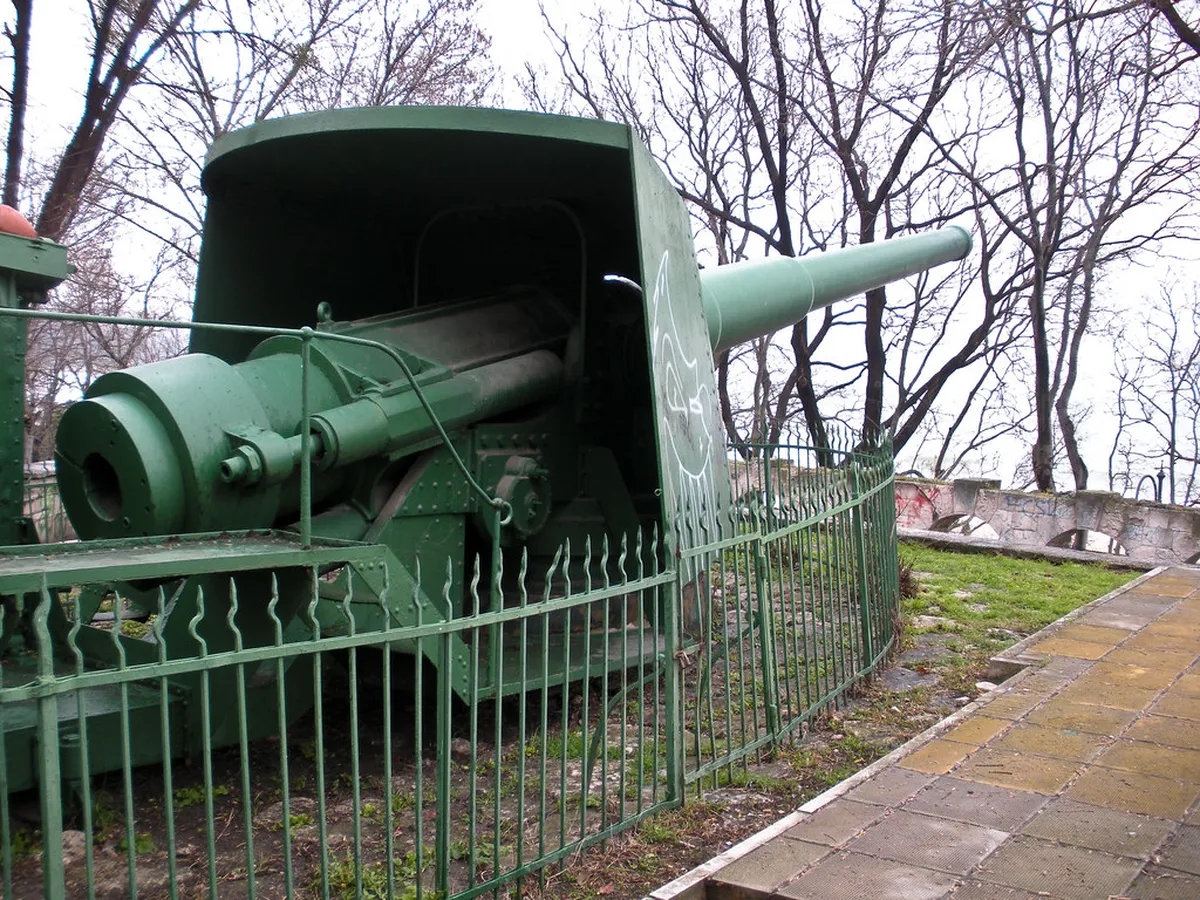
Bulgaria's national maritime museum, a branch of the National Museum of Military History, stands at the seafront edge of Varna's Sea Garden and traces the country's naval history, with the museum ship Drazki torpedo boat as its star exhibit.
Visitor guide →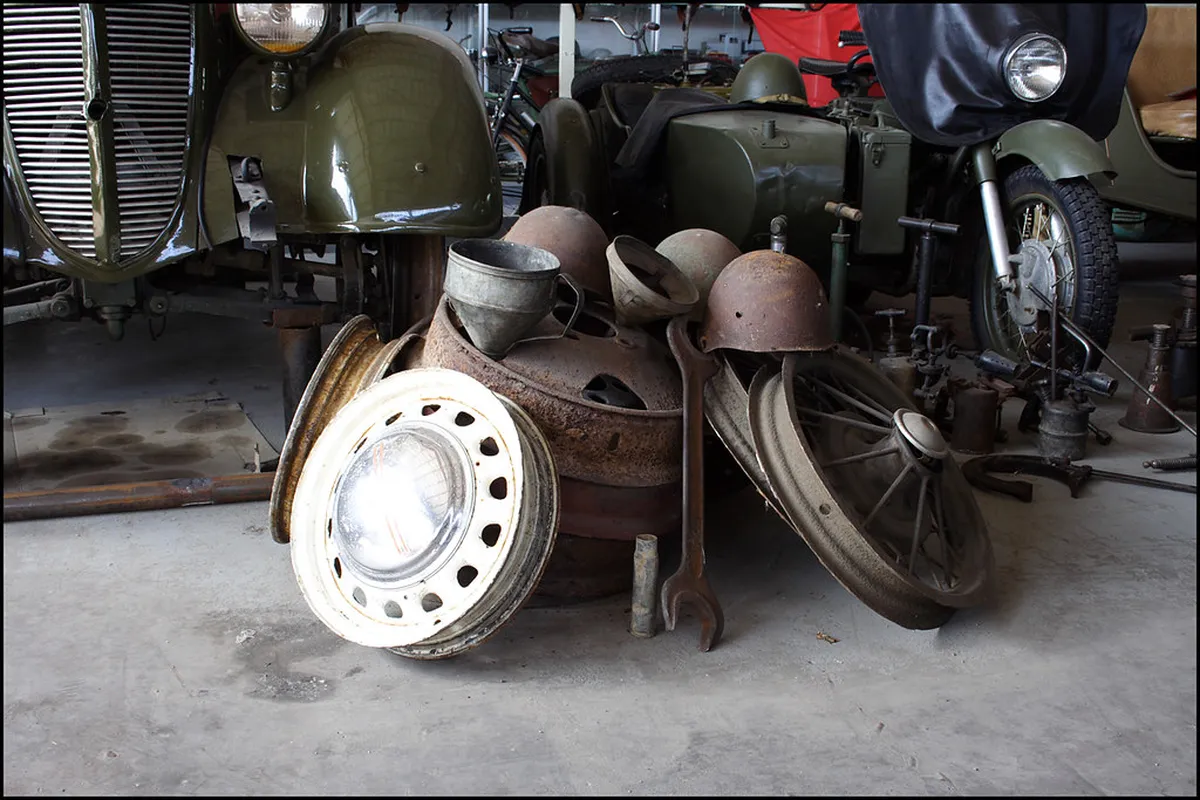
A socialist-era lifestyle museum inside Grand Mall Varna, displaying more than 50 restored communist-period cars, wax figures and everyday household objects from Bulgaria's 1944-1989 era across roughly 4,000 square meters.
Visitor guide →
Festa Dolphinarium Varna has staged Black Sea dolphin shows in the northern part of Varna's Sea Garden since August 1984, in a 1,200-seat arena that was only the second dolphinarium on the Black Sea coast. Shows run Tuesday to Sunday year-round with seasonal EUR pricing.
Visitor guide →
Euxinograd Palace is a former royal summer palace and seaside park 8 km north of Varna, built in the late 19th century for Bulgaria's monarchs and now a working government residence. Seasonal guided visits covering the palace, gardens, chapel, and wine cellar are bookable in advance, with prices varying by tour.
Visitor guide →Varna's sights cluster into five walkable-to-drivable groups, which makes route-planning straightforward even on a first visit.
City centre. 9 Essential Tips for Visiting the Dormition of the Mother of God Cathedral, the Varna Archaeological Museum Visitor Guide and the Roman Thermae ruins sit within a 15-minute walk of each other in the historic core, all reachable on foot from Nezavisimost Square. This is the highest-density stretch on this list - most visitors cover all three in a single morning.
The Sea Garden strip. East of the centre, the Sea Garden runs along the coastline and holds the Naval Museum near its southern edge and the Festa Dolphinarium further north. Plan for a full afternoon if you want the park plus one of the two attractions inside it.
North of the city. 10 Essential Tips for Your Aladzha Monastery Visitor Guide and Euxinograd Palace Visitor Guide both sit north of Varna, and pair naturally with a stop at Golden Sands' beachfront park if you're already heading that direction.
West of the city. Pobiti Kamani (Stone Forest) Visitor Guide stands alone geographically - the stone forest is about 18 km west, off the road toward Devnya, and works best as a dedicated half-day trip rather than a stop bundled with anything else.
The mall district. The Retro Museum is inside Grand Mall Varna, on the city's southern edge - a practical rainy-day or transit-layover option rather than a walking-tour stop.
If you're planning around interests rather than geography, here's how the 10 sights sort.
Ancient & Roman. The Roman Thermae ruins and the Archaeological Museum's Gold of Varna collection cover the city's classical and prehistoric layers respectively - the thermae for engineering, the museum for necropolis finds that predate Roman Varna by thousands of years.
Museums. Beyond the Archaeological Museum, the Naval Museum tracks Bulgaria's maritime history through the Drazki torpedo boat, and the Retro Museum covers the country's 1944-1989 socialist period through restored cars and household objects.
Churches & monasteries. Varna Cathedral anchors the city centre; Aladzha Monastery, cut into a cliff face outside the city, is the region's only rock monastery open to visitors.
Parks & family. The Sea Garden is the anchor green space, with the Festa Dolphinarium as the marquee family attraction inside it.
Palaces. Euxinograd Palace is the outlier - a working government residence with seasonal guided access rather than a standard ticketed museum.
Two of Varna's most-visited sights cost nothing to enter; the rest are ticketed, and 2026 prices vary more than you'd expect.
Free:
Paid (verified 2026 EUR):
The spread is wide enough that ticket costs alone should factor into how many paid sights you stack into one day - the Dolphinarium and the Retro Museum are the two biggest line items on this list.
One day. Cover the city-centre cluster in the morning - Varna Cathedral, the Archaeological Museum, the Roman Thermae - then walk the Sea Garden in the afternoon with a stop at either the Naval Museum or the Dolphinarium. Most visitors skip doing both on the same afternoon, since the dolphin shows run on a fixed schedule that can eat the rest of your day.
Two days. Add a north-of-city half-day: Aladzha Monastery in the morning, then Euxinograd Palace or a stretch of Golden Sands beach in the afternoon, depending on whether you booked a Euxinograd tour slot in advance.
Three days. Use the third day for Pobiti Kamani as a dedicated half-day trip, and slot the Retro Museum in on a transit day or as a rainy-day backup - it's inside Grand Mall Varna, so it doesn't compete for good weather. If you're continuing along the coast, this is also the natural day to route toward Balchik.
The city-centre sights and the Sea Garden strip are walkable from most central hotels - nothing in that cluster requires transit. Outside the centre:
Varna runs on two overlapping seasons. Summer (June-September) is beach season - the Sea Garden, the Dolphinarium and the waterfront are at their busiest and most atmospheric, but midday heat makes the exposed museum queues at the Archaeological Museum and Roman Thermae more tolerable early or late in the day. Shoulder season (May, late September-October) trades beach weather for shorter lines at the indoor sights and cooler walking conditions for Aladzha and Pobiti Kamani.
Two closures worth planning around: Aladzha Monastery closes for the winter, December through February, and the Festa Dolphinarium is closed on Mondays year-round.
The Sea Garden, the Varna Archaeological Museum (home to the Gold of Varna), Varna Cathedral, the Roman Thermae ruins, Aladzha Monastery and the Festa Dolphinarium are the six most-visited sights, with the Naval Museum, Pobiti Kamani, Retro Museum and Euxinograd Palace rounding out the top 10.
Yes - Varna combines a Black Sea beach city with archaeological finds, including the world's oldest worked gold, and Roman-era ruins that are rarely found together in one compact, walkable centre.
Two to three days covers this list comfortably: one day for the city centre and Sea Garden, a second for Aladzha Monastery and Euxinograd Palace or Golden Sands, and a third for Pobiti Kamani or a rainy-day museum stop.
Yes, the Sea Garden has no entry fee and is open at all hours; only attractions inside it, such as the Dolphinarium, charge separately.
The Gold of Varna is a collection of gold objects excavated from the Varna Necropolis in 1972, dated to roughly 4600-4200 BC, and considered the oldest processed gold discovered anywhere. It's on permanent display at the Varna Archaeological Museum.
Bus 29 runs from central Varna to Aladzha Monastery, and it's also a common stop on tours heading to Golden Sands.
For anyone interested in unusual geology, yes - it's a genuinely unique stone-forest landscape about 18 km west of the city, though it requires a car or taxi since no direct bus serves the site.
The Dolphinarium is closed every Monday, and prices and schedules shift seasonally, so check current show times before planning a visit around it.
For a broader day-by-day plan, see our Varna 3-day itinerary, the full things to do in Varna guide covering beaches, food and nightlife, or our roundup of the 10 Best Beaches Near Varna (2026) for pairing a beach afternoon with the sights above.
Filed under
Continue your journey
29 Jul 2026
29 Jul 2026
29 Jul 2026
29 Jul 2026
29 Jul 2026
18 Jul 2026