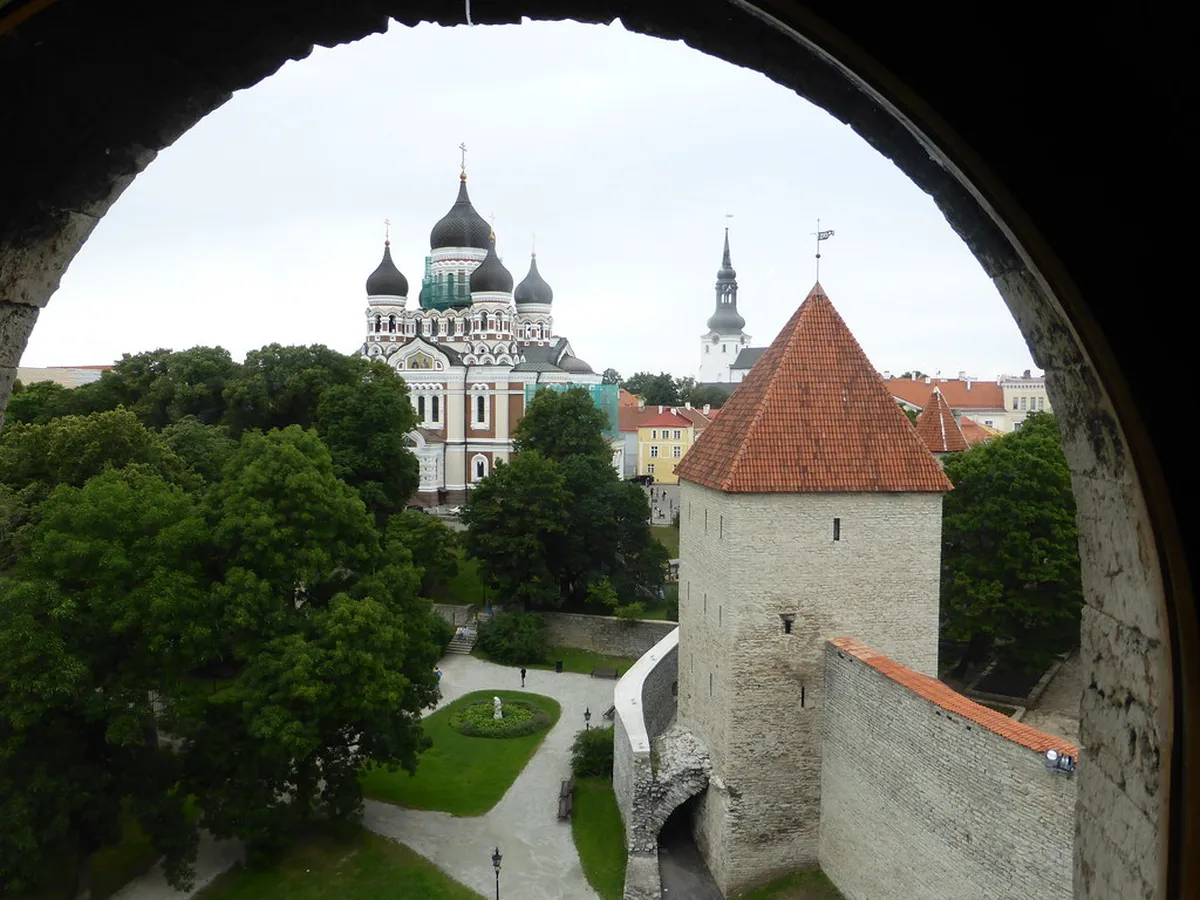
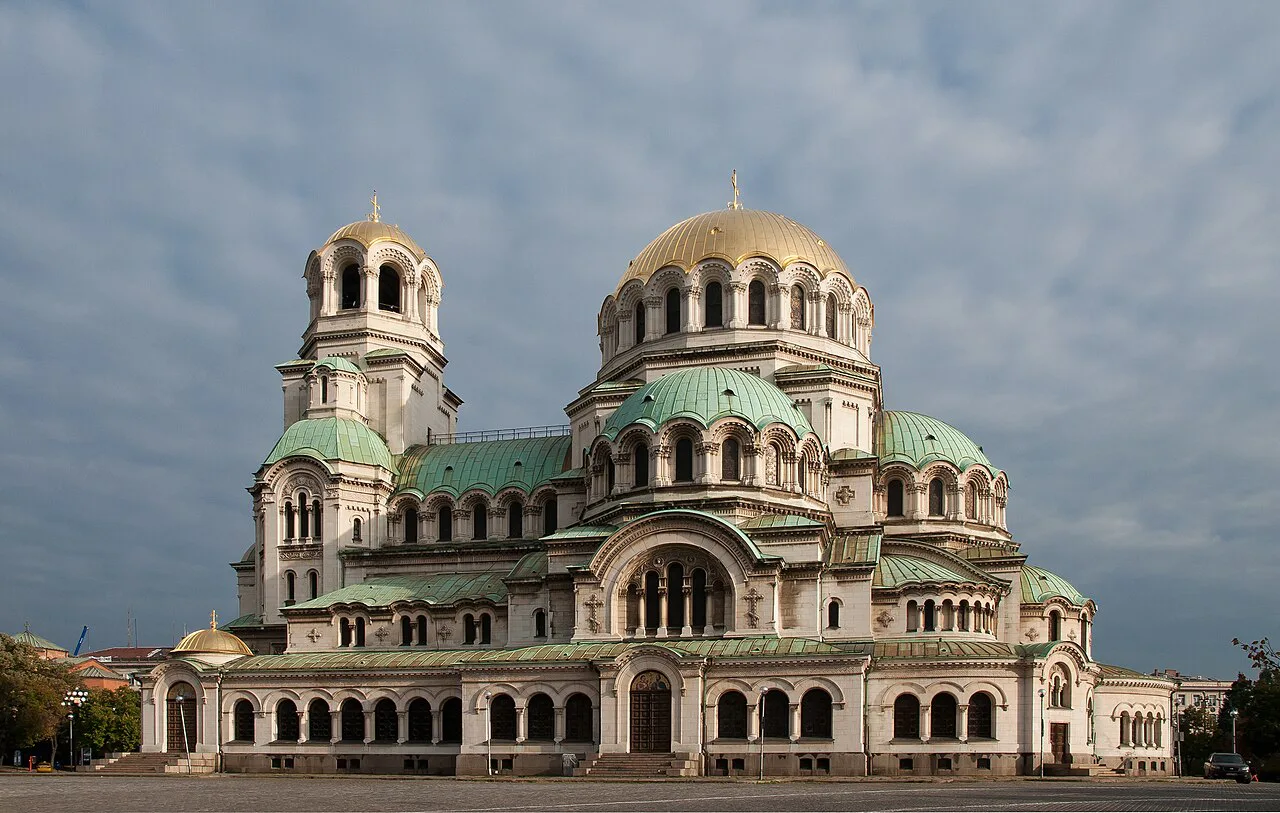
Alexander Nevsky Cathedral
Sofia's landmark Neo-Byzantine patriarchal cathedral (1904-1912), one of the world's largest Orthodox churches — free to enter daily 7:00-19:00, with a paid icon museum in its crypt.
Visitor guide →Independent Bulgaria travel guide
Plan Sofia attractions by neighborhood with verified 2026 prices, opening hours, free picks, and practical one-, two-, and three-day itineraries.
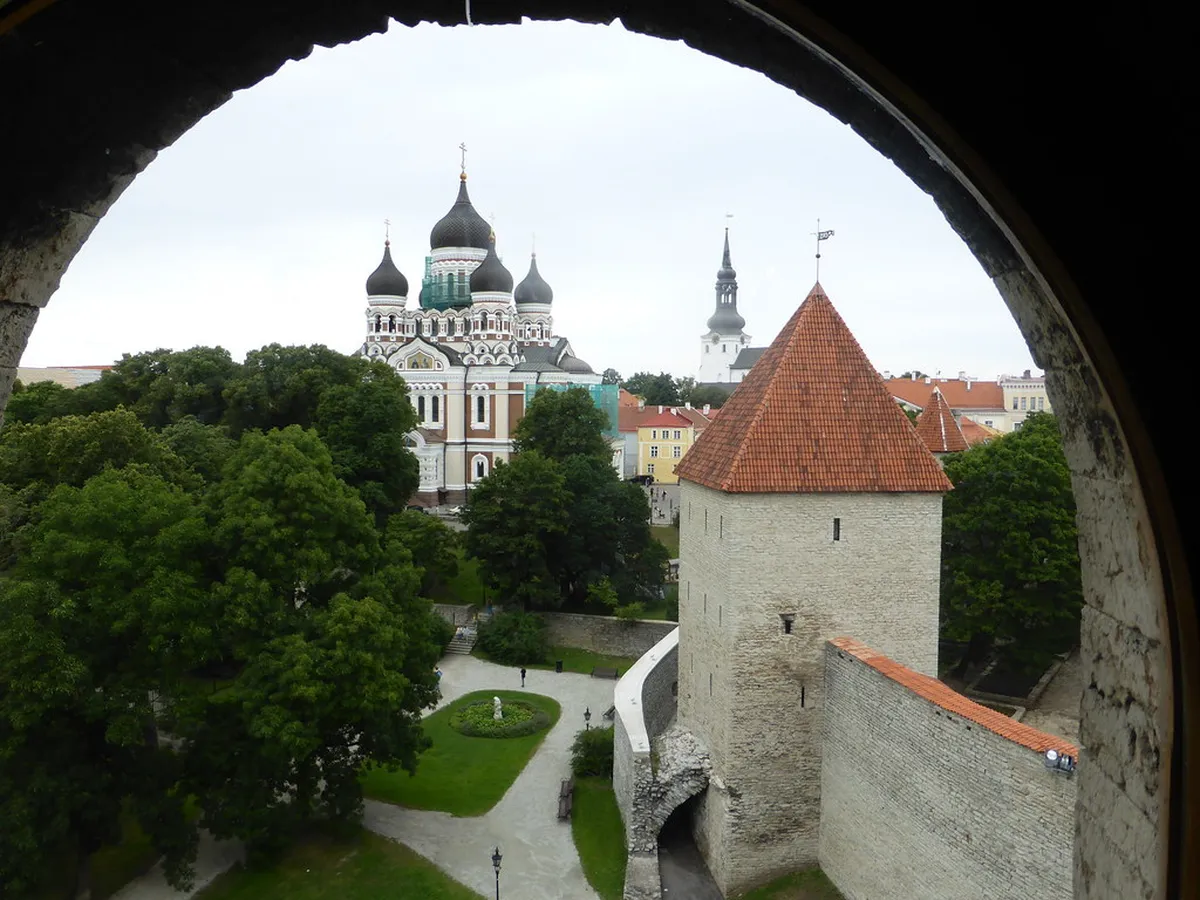
Sofia attractions carry two thousand years of layered history within a five-minute walk of each other: a functioning 4th-century Roman rotunda shares a courtyard with the modern Presidency, and the excavated streets of ancient Serdica sit directly beneath a working metro station. Few European capitals compress this much verified age into so small a footprint, and even fewer let you see most of it for free — the golden-domed Alexander Nevsky Cathedral, the open-air Serdica ruins, and the pedestrian spine of Vitosha Boulevard all cost nothing to visit.
For a quick visual overview of Sofia's top attractions, this guide walks through the essential highlights:
That density is only half the story. Sofia sits at the foot of Vitosha Mountain, a 2,292 m nature-park massif that residents commute to for weekend hikes and winter skiing without leaving the city limits. Two of Bulgaria's UNESCO World Heritage Sites — Rila Monastery and Boyana Church — are close enough for a half-day or full-day trip, giving visitors a genuine mix of Roman ruins, Orthodox churches, city parks, and alpine lakes inside a single itinerary.
2026 changes one practical detail worth knowing before you land: Bulgaria has adopted the euro, so every ticket price on this page is quoted in EUR rather than the old lev figures still floating around older guides. Below, Sofia's 12 essential attractions are grouped by neighborhood and by category, broken down by free versus paid, and sequenced into ready-made one-, two-, and three-day itineraries — plus the transport, timing, and money-saving details that turn a list of names into an actual plan.
Sofia's landmark Neo-Byzantine patriarchal cathedral (1904-1912), one of the world's largest Orthodox churches — free to enter daily 7:00-19:00, with a paid icon museum in its crypt.
Visitor guide →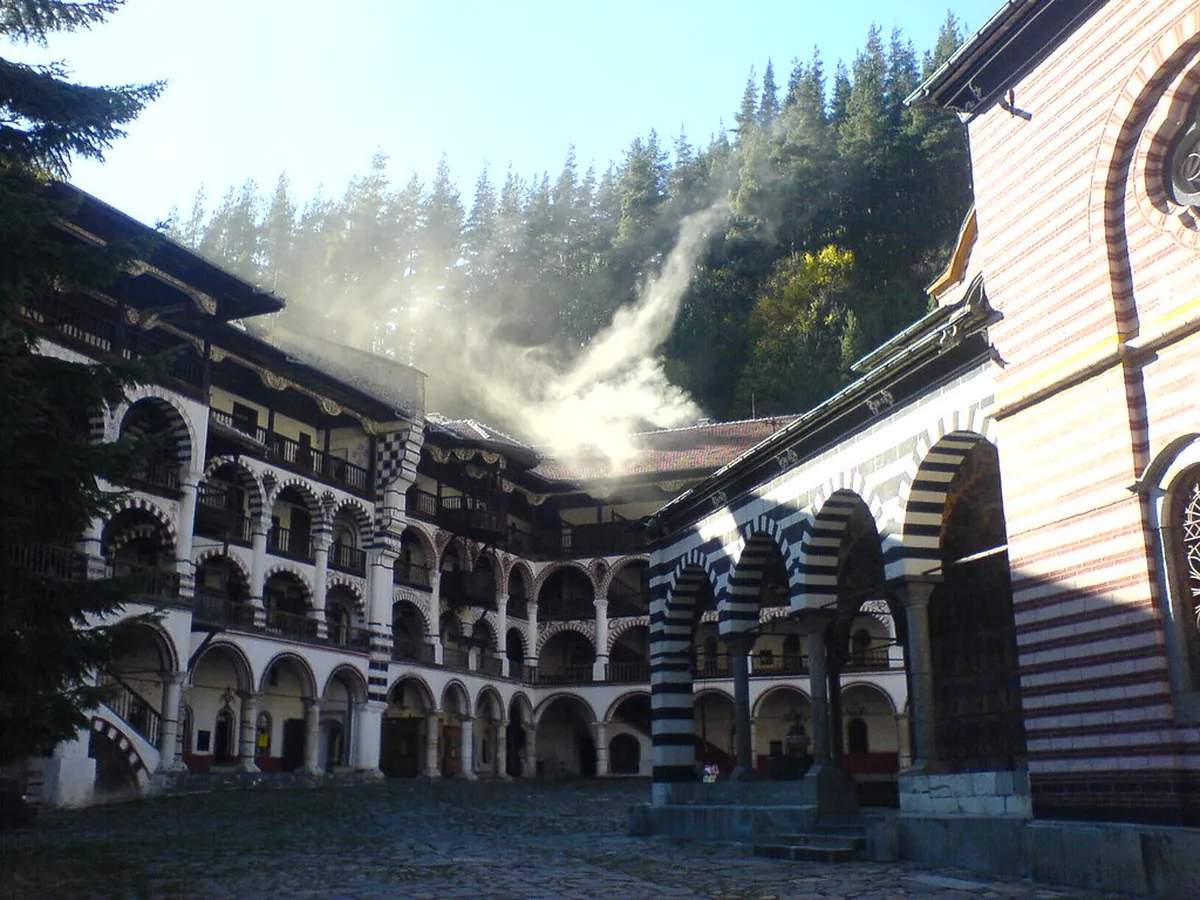
Bulgaria's largest Eastern Orthodox monastery and a UNESCO World Heritage Site since 1983, founded in 927 in the Rila Mountains about 117 km south of Sofia. Entry to the frescoed complex is free; its museums charge a combined 12 EUR ticket.
Visitor guide →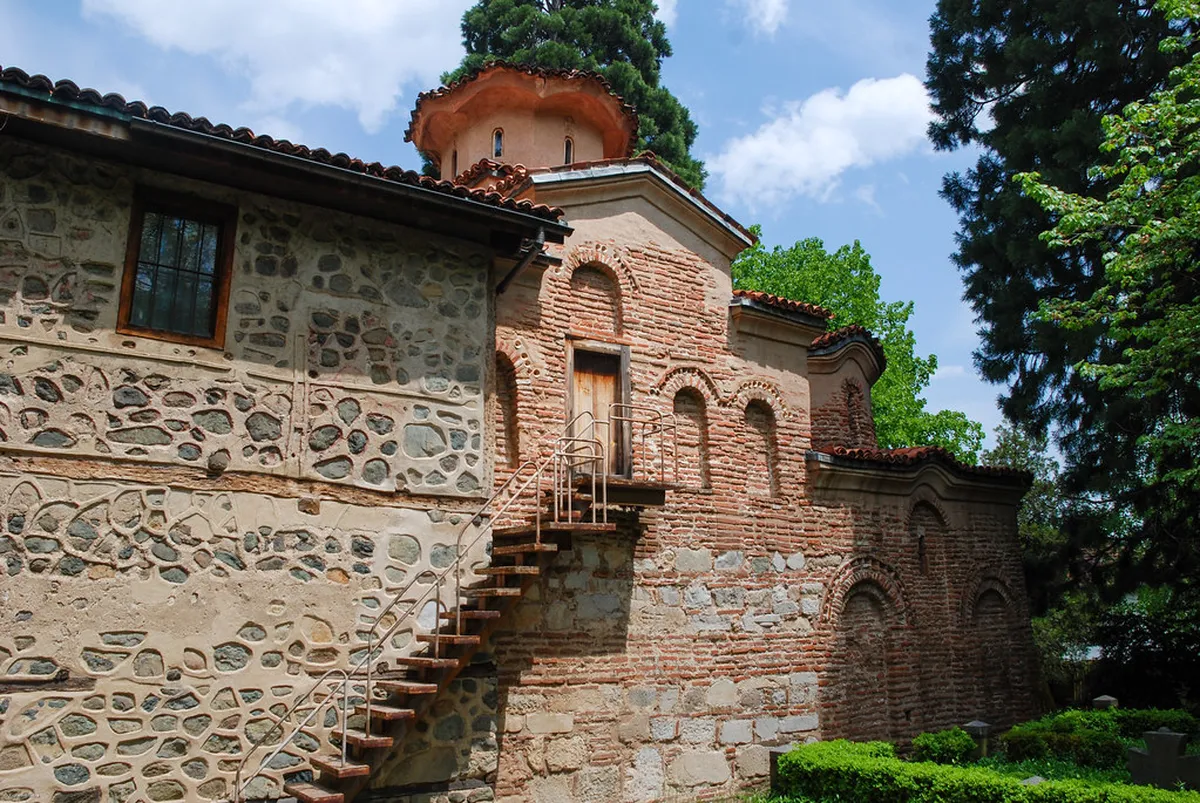
A medieval Orthodox church in Sofia's Boyana quarter, UNESCO-listed since 1979 for its remarkable 1259 frescoes. Entry is by paid ticket (6.14 EUR adult in 2026) with timed 10-minute visits limited to 9 people inside at once.
Visitor guide →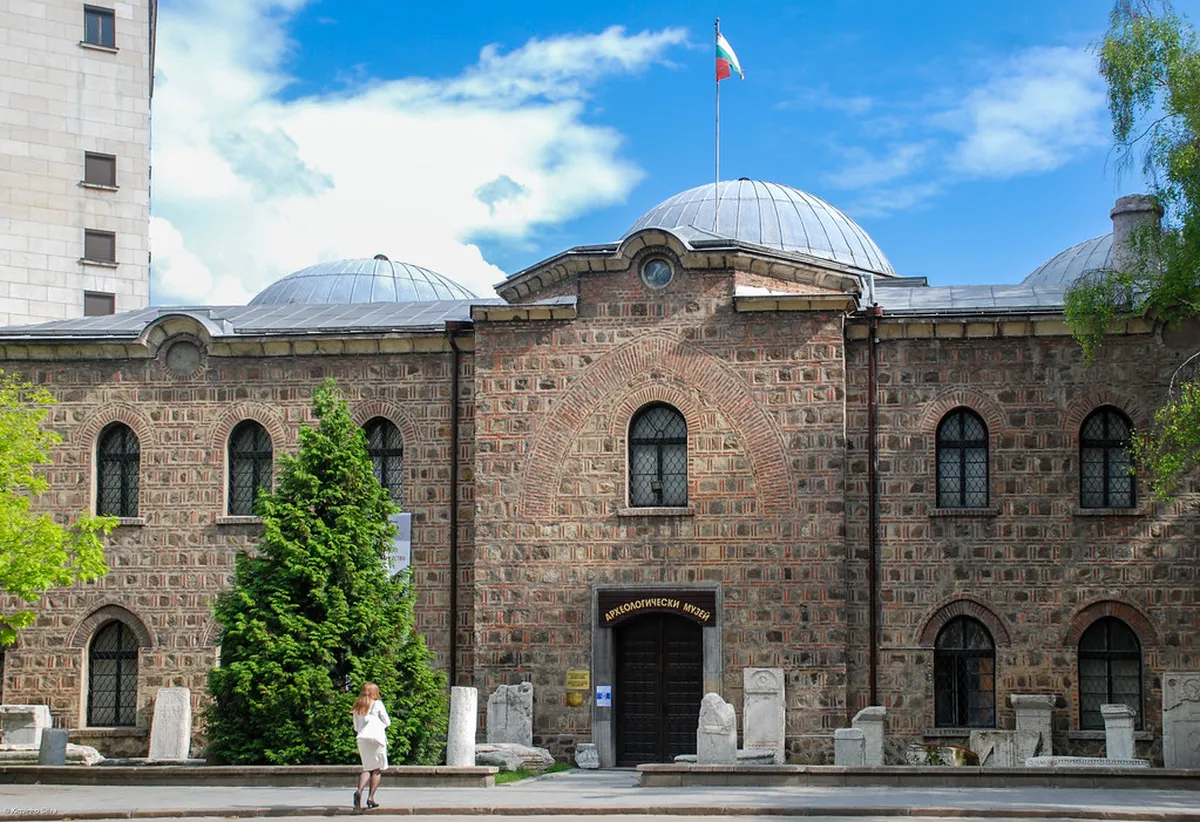
Vitosha is the 2,292 m mountain massif and nature park — the Balkans' first, established 1934 — that rises directly from Sofia's southern edge, offering free year-round access for hiking and skiing.
Visitor guide →
A 4th-century Roman rotunda in the Presidency courtyard — Sofia's oldest building, with medieval frescoes under its dome and free entry as an active Orthodox church.
Visitor guide →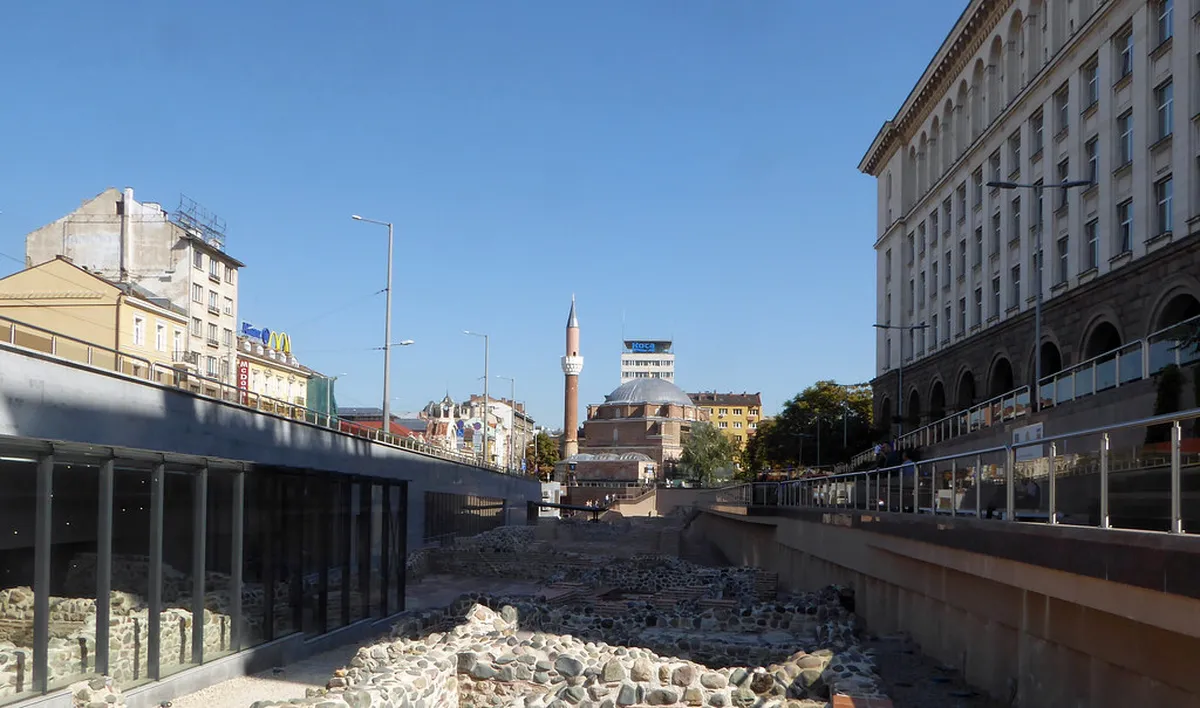
Open-air Roman ruins of ancient Serdica around Serdika metro station — free access daily 7:00-22:00 to excavated streets, basilicas and baths beneath central Sofia, with a small paid indoor exhibition.
Visitor guide →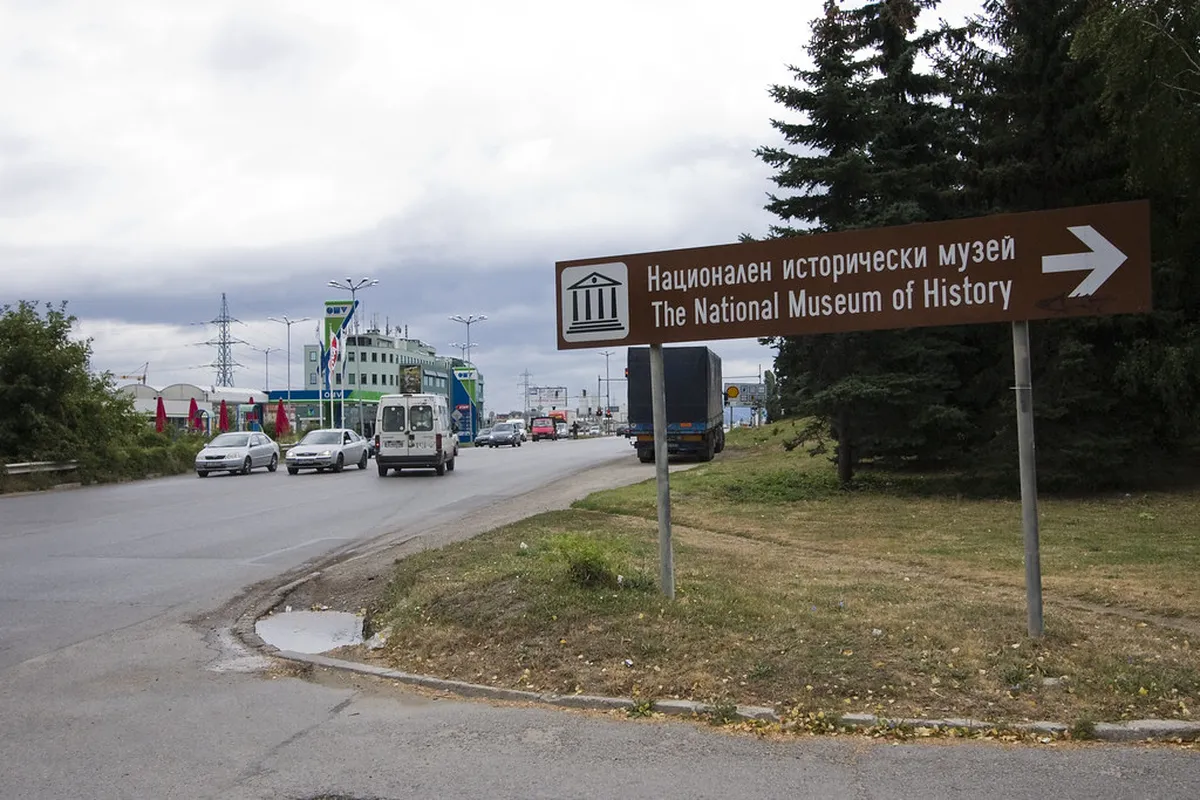
Bulgaria's largest museum, located in Sofia's Boyana district, with a collection of more than 650,000 objects tracing the country's story from prehistory to the present day. Open daily year-round, it is easily combined with a visit to nearby Boyana Church.
Visitor guide →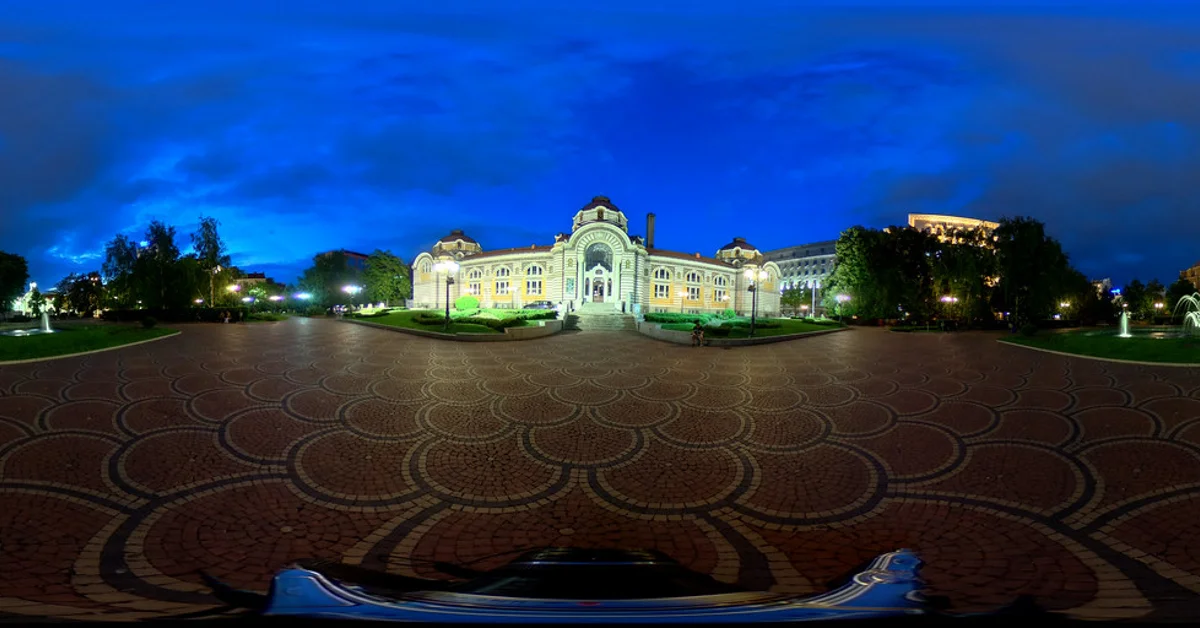
A landmark early-20th-century bathhouse on Banski Square in central Sofia that served as the city's public mineral baths until 1986. Today it houses the Sofia History Museum, whose permanent exhibition tells the story of the Bulgarian capital.
Visitor guide →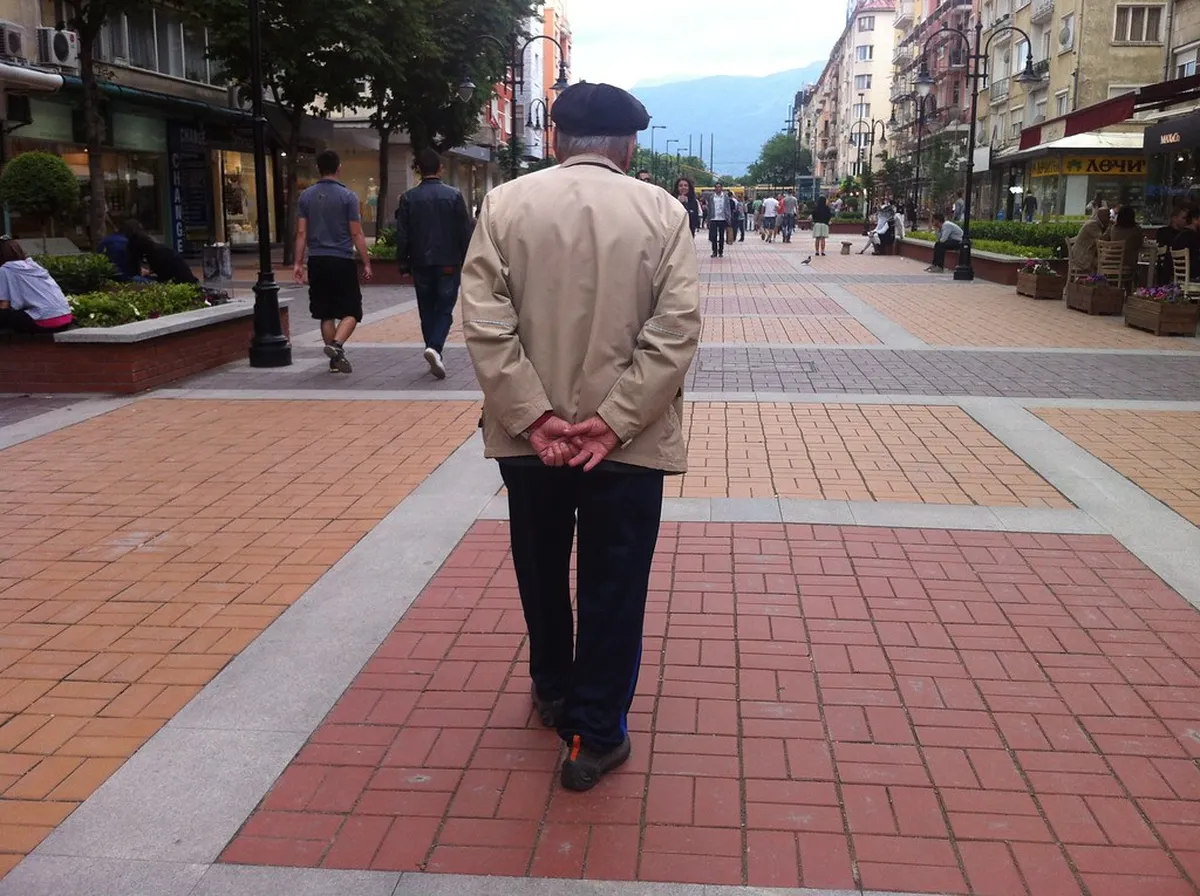
Vitosha Boulevard is Sofia's main shopping and promenade street — a 2.7 km axis from St Nedelya Square to Southern Park whose central section is a fully pedestrian zone of stores, restaurants, and cafes.
Visitor guide →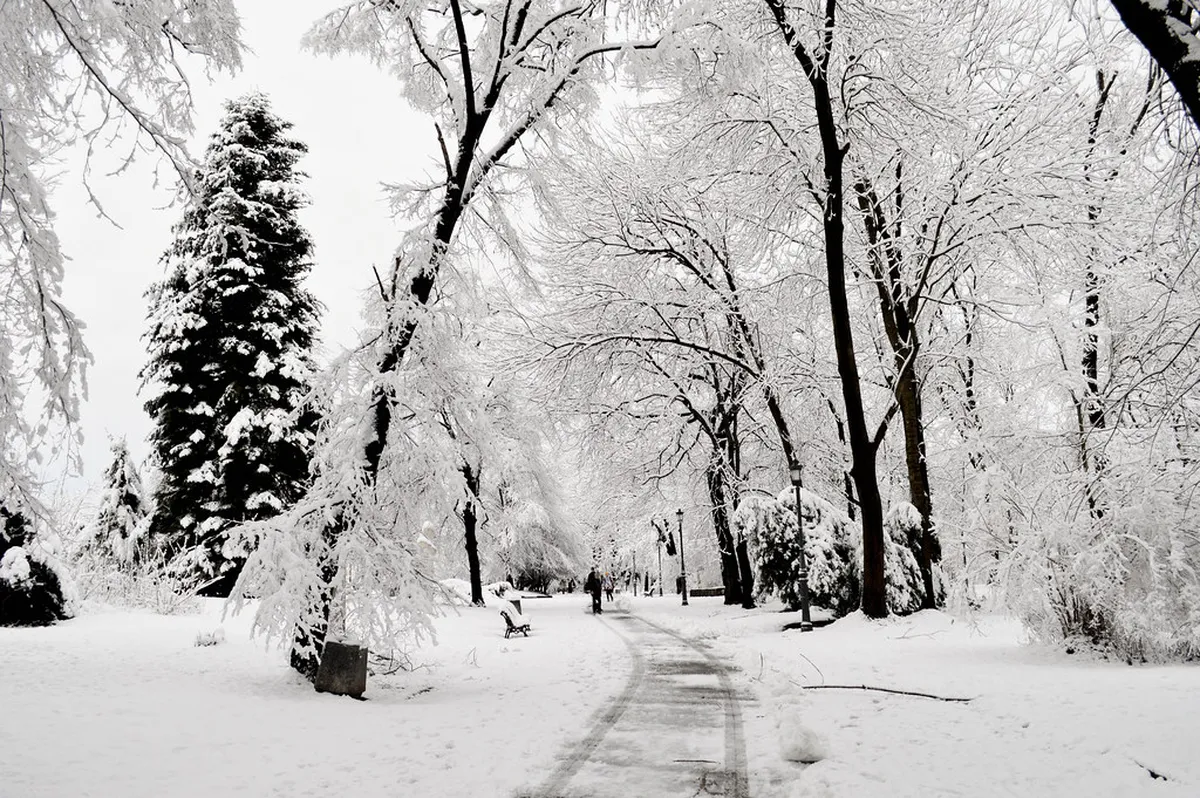
Borisova Gradina, begun in 1884 and named after Tsar Boris III, is Sofia's oldest and largest park — 3.02 km2 of lakes, rose gardens, monuments, and stadiums between Eagle Bridge and the national stadium.
Visitor guide →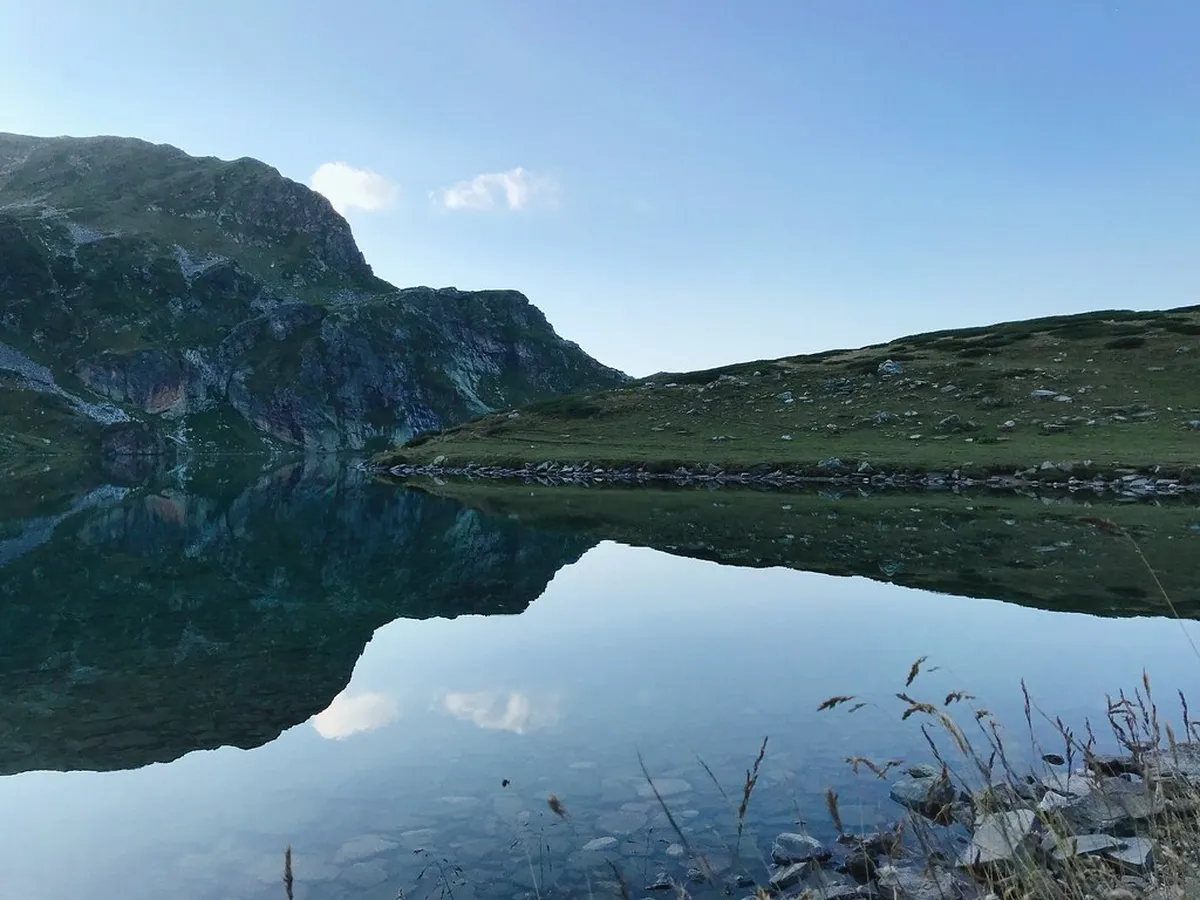
A group of seven glacial cirque lakes between 2,095 m and 2,535 m in the northwestern Rila Mountains, the most visited lake group in Bulgaria and a classic day trip from Sofia. Hiking is free; an optional paid chairlift from the Panichishte side shortens the ascent.
Visitor guide →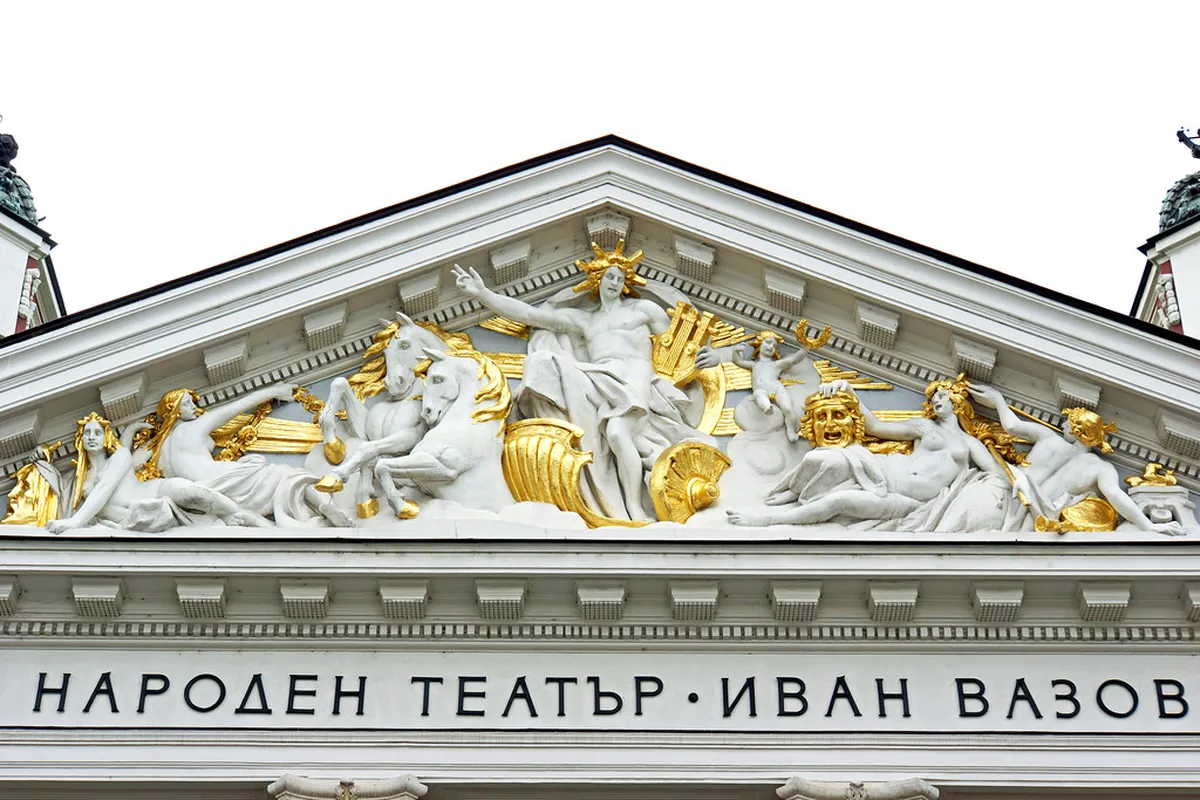
Bulgaria's national theatre, a neoclassical landmark from 1907 whose grand facade faces Sofia's City Garden in the exact centre of the city. The exterior and park are free to enjoy, while performance tickets vary by production.
Visitor guide →Sofia's attractions cluster tightly enough that you can build a walking day around a single district. Use this breakdown to decide which base to work from each morning.
Six of the twelve sit inside a compact area you can cross on foot in under 20 minutes. Start at the Alexander Nevsky Cathedral Visitor Guide, Sofia's gold-domed landmark, then cross the square to the 4th-century St. George Rotunda, tucked inside the Presidency courtyard. A short walk brings you to the open-air Ancient Serdica Archaeological Complex around Serdika metro station, then on to Banski Square for the Central Mineral Baths (Sofia History Museum) Visitor Guide building, now home to the Sofia History Museum. From there it's a few minutes to the neoclassical Ivan Vazov National Theatre Visitor Guide and its City Garden, and on to Vitosha Boulevard Visitor Guide, the pedestrian street that anchors the centre's evenings.
Borisova Gradina Visitor Guide, Sofia's oldest and largest park at just over 3 km², sits a short walk east of the centre between Eagle Bridge and the national stadium — a natural half-day break between museum stops or a morning walk before the day's sightseeing starts.
South of the centre, in the foothills district of Boyana, the UNESCO-listed Boyana Church Visitor Guide and the National History Museum, Sofia Visitor Guide sit close enough to combine in one outing — the standard pairing for visitors who want both the 13th-century frescoes and Bulgaria's largest historical collection without a separate trip out of town.
Everything with real elevation lives outside the city centre. Vitosha Mountain Visitor Guide rises directly from Sofia's southern edge and is reachable by public transport in under an hour. Further out, two UNESCO day trips each justify a full day: Rila Monastery Visitor Guide, about 117 km south, and the Seven Rila Lakes Visitor Guide, a glacial lake group in the same mountain range.
If you're planning around interests rather than geography, here's how the 12 attractions split by type.
Three of Sofia's attractions are working or former places of worship: the Alexander Nevsky Cathedral Visitor Guide, the 4th-century St. George Rotunda, and the UNESCO-listed Boyana Church Visitor Guide. All three remain consecrated buildings, so modest dress and quiet are expected even where entry is free.
The Ancient Serdica Archaeological Complex and the St. George Rotunda both predate the modern city by over a thousand years — physical proof that Sofia has been continuously inhabited since Roman Serdica.
The National History Museum, Sofia Visitor Guide and the Central Mineral Baths (Sofia History Museum) Visitor Guide building (home to the Sofia History Museum) cover, between them, Bulgaria's national story and the capital's own civic history.
Vitosha Boulevard Visitor Guide and Borisova Gradina Visitor Guide are Sofia's two essential outdoor, no-ticket spaces — one for shopping and people-watching, one for green space and lakes.
Vitosha Mountain Visitor Guide, Rila Monastery Visitor Guide, and the Seven Rila Lakes Visitor Guide take you out of the city — from a same-day mountain outing to a full UNESCO day trip.
The Ivan Vazov National Theatre Visitor Guide is Sofia's sole must-see performing-arts venue, worth a stop even if you don't catch a show — the neoclassical facade and City Garden setting are reason enough.
Roughly half of Sofia's essential sights cost nothing to visit — an unusually generous ratio for a European capital.
Two notes on the fringes: the Seven Rila Lakes Visitor Guide hike itself is free, and only the optional chairlift shortcut from the Panichishte side carries a fee. The Ivan Vazov National Theatre Visitor Guide's exterior and City Garden are free to enjoy — only performance tickets are paid, and those prices vary by production.
Pair these attractions into a route rather than visiting in list order — here's how to sequence one, two, and three days.
Start early at the Alexander Nevsky Cathedral Visitor Guide before tour groups arrive, cross to the St. George Rotunda, then walk the open-air Ancient Serdica Complex around Serdika metro. Break for lunch near Banski Square and step into the Central Mineral Baths (Sofia History Museum) Visitor Guide building for the Sofia History Museum, then finish the afternoon on Vitosha Boulevard Visitor Guide and in Borisova Gradina Visitor Guide before dinner. This covers six of the twelve attractions without leaving the city centre.
Keep day one as above, then dedicate day two to the Boyana district: the Boyana Church Visitor Guide in the morning (book the timed entry slot ahead — groups are capped at nine people) paired with the National History Museum, Sofia Visitor Guide next door. If you have energy left, head up toward Vitosha Mountain Visitor Guide for sunset views over the city — the massif rises directly from the same district.
Use day three for one full-day excursion: either Rila Monastery Visitor Guide, Bulgaria's largest and most important monastery about 117 km south, or the Seven Rila Lakes Visitor Guide in the same mountain range if you'd rather hike than sightsee (the lakes trail is only reliably open June through October). Pairing Boyana and the National History Museum on day two, then Rila Monastery on day three, is the most efficient way to see all 12 Sofia attractions in one visit — the Ivan Vazov National Theatre Visitor Guide fits neatly into any evening, whether as a facade stop or an actual performance.
Sofia's metro converges on Serdika, which sits directly above the Ancient Serdica ruins and within walking distance of the Nevsky Cathedral, the Rotunda, and Vitosha Boulevard — most city-centre attractions are a single metro ride or a 15-minute walk from that one hub. Trams cover the routes the metro doesn't, and the city centre itself is dense and flat enough to cover mostly on foot once you're there.
Boyana sits outside easy walking range: buses 63 and 111 run from the centre to the Boyana Church and National History Museum stop, and a taxi or rideshare is a reasonable backup if you're short on time. Vitosha Mountain is reachable by public bus toward the mountain's lift and trail stations. Both day trips — Rila Monastery and the Seven Rila Lakes — are best done by an organized tour or private transfer from Sofia, since public bus schedules to both run only once or twice a day. Renting a car is unnecessary for the city itself — parking is scarce and the core sights sit inside a pedestrian-friendly centre — but it gives more flexibility for a self-driven day trip to Rila if you'd rather set your own schedule.
Late spring through early summer (May–June) and September are the strongest windows: mild temperatures, long daylight, and thinner crowds at the Nevsky Cathedral and the Serdica ruins than at the peak of summer. July and August run hot — Sofia regularly climbs past 30°C — but the city stays lively, with terraces on Vitosha Boulevard busiest after dark.
Winter turns Vitosha Mountain into the draw: the ski season typically runs December through March, and the massif's proximity means you can ski in the morning and be back at a city-centre museum by early afternoon. The Seven Rila Lakes are the opposite case — this is a mountain-weather hike, and the trail is only reliably snow-free and open from June through October, so don't plan that day trip outside the warmer months. Rila Monastery draws day-tour buses year-round; arriving before 10:00 avoids the worst of the midday crowds.
Start with the free tier: the Alexander Nevsky Cathedral's nave, the St. George Rotunda, the open-air Ancient Serdica Complex, Vitosha Boulevard, Borisova Gradina, and Vitosha Mountain's trails cost nothing, and together they cover more than half the cluster. Rila Monastery's frescoed courtyard is also free to enter — only its museums charge.
Beyond that, watch for free museum days: the Sofia History Museum inside the Central Mineral Baths building typically waives entry on the first Thursday of the month, and 18 May (International Museum Day) brings free entry to many state museums nationwide, including the National History Museum. Students and seniors qualify for discounted tickets at most paid sites — bring ID and ask at the counter, since discounts aren't always advertised. Finally, Sofia's free walking-tour culture (tip-based city tours departing daily from the centre) is a genuinely useful way to see the Nevsky Cathedral, the Rotunda, and the Serdica ruins with context, for whatever you choose to tip.
Two days covers the city-centre attractions plus Boyana comfortably; three days lets you add one UNESCO day trip — Rila Monastery or the Seven Rila Lakes — without rushing. One day is realistically enough only for the six city-centre sights.
The Alexander Nevsky Cathedral. It's Sofia's most photographed landmark, free to enter, and centrally located next to several other attractions on this list, which makes it the natural first stop for almost every visitor.
About half are. The Nevsky Cathedral's nave, the St. George Rotunda, the open-air Serdica ruins, Vitosha Boulevard, Borisova Gradina, and Vitosha Mountain's trails cost nothing. Boyana Church, the National History Museum, and the Sofia History Museum charge admission, along with the Nevsky crypt icon museum and the Rila Monastery museums.
No — Sofia is one of the more affordable EU capitals to sightsee in. Paid attractions in this cluster range from about €4 to €12, and the free tier covers most of the headline sights, so a full day of sightseeing can cost very little beyond meals and transport.
May–June and September, for mild weather and lighter crowds. Winter suits visitors prioritizing Vitosha Mountain's ski season; the Seven Rila Lakes hike is only reliably open June through October.
You can cover the six city-centre attractions — the Nevsky Cathedral, St. George Rotunda, Serdica Complex, Central Mineral Baths, Ivan Vazov Theatre, and Vitosha Boulevard — in a single day on foot. Boyana and the mountain and day-trip attractions need additional days.
Yes. It's Bulgaria's largest Eastern Orthodox monastery, a UNESCO World Heritage Site since 1983, and unlike almost anything in the city itself. At roughly 117 km south of Sofia, it's a realistic single-day round trip by tour or private transfer.
Walk the city centre — it's compact and flat. Use the metro, with its hub at Serdika, or buses 63 and 111 to reach Boyana. Book an organized tour or private transfer for Rila Monastery and the Seven Rila Lakes, since public transport to both is limited.
These 12 attractions are the foundation of a Sofia visit, but they're only the starting point. For a fuller day-by-day breakdown, see our complete guide to things to do in Sofia, or jump straight to a ready-made 3-day Sofia itinerary that sequences the sights above with meals and transport built in. If museums are the focus of your trip, our guide to the best museums in Sofia goes deeper on the National History Museum, the Sofia History Museum, and 11 more collections across the city.
Filed under
Continue your journey
5 Jun 2026
3 May 2026
22 Jul 2026
22 Jul 2026
22 Jul 2026
22 Jul 2026