Kazanlak Attractions: Rose Valley, Thracian Tombs & Shipka (2026)
Plan your Kazanlak trip: 8 must-see attractions in Bulgaria's Rose Valley and Valley of the Thracian Kings, with 2026 ticket prices, itineraries and FAQs.
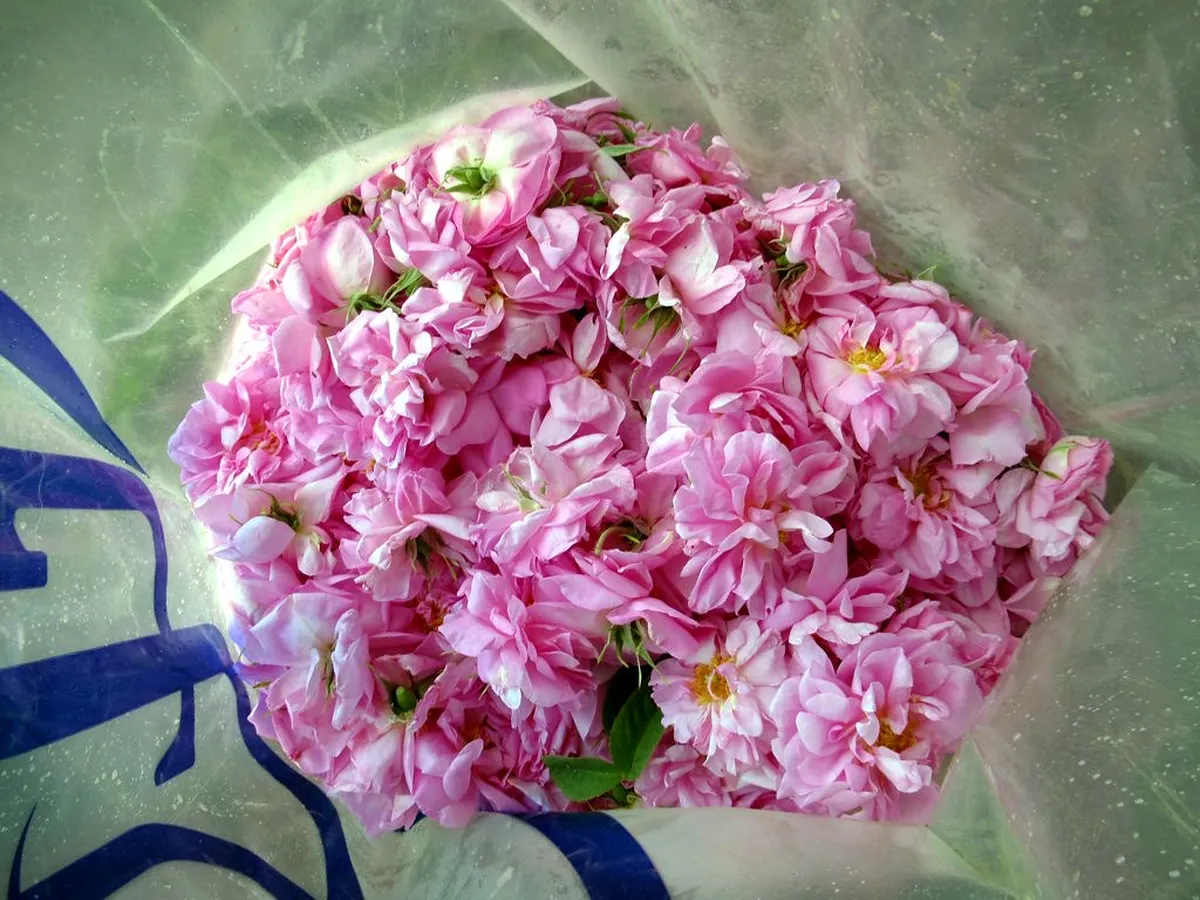
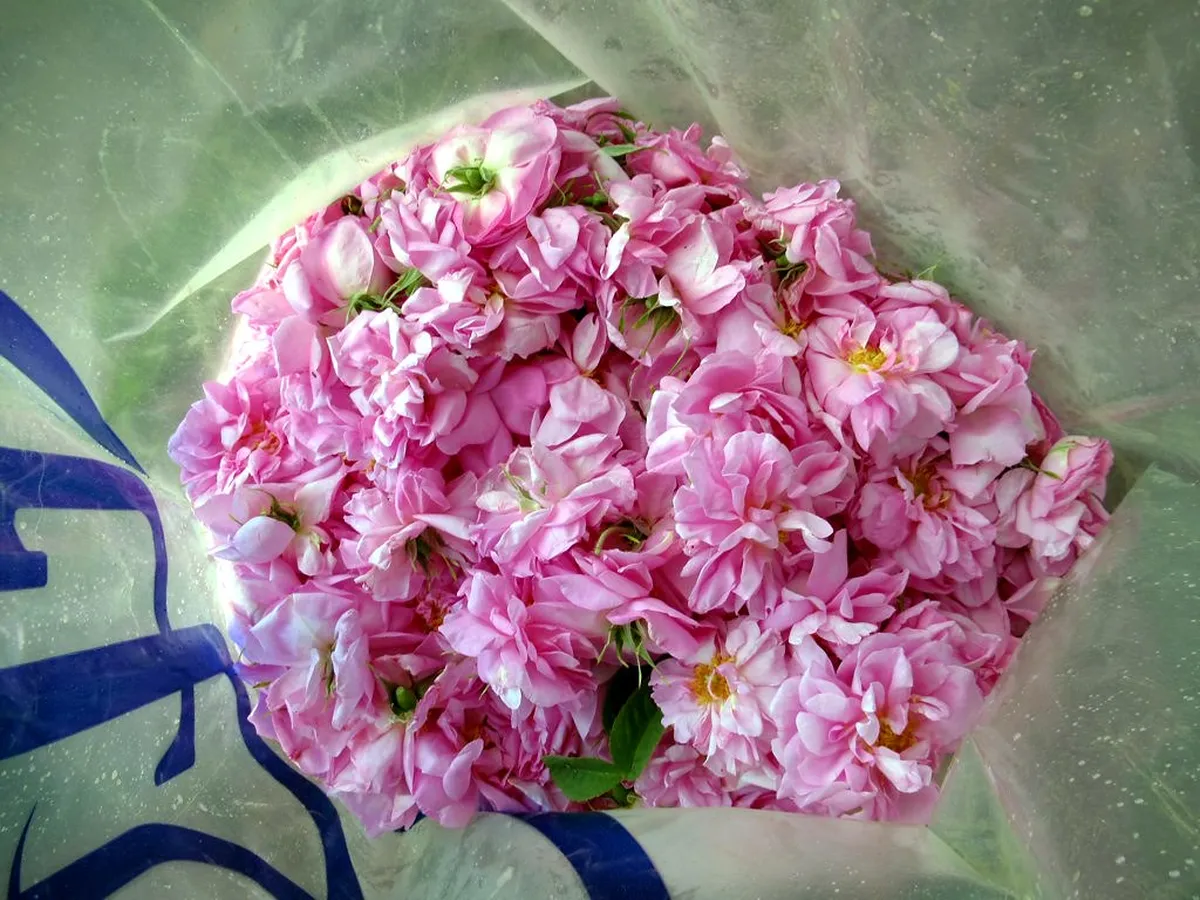
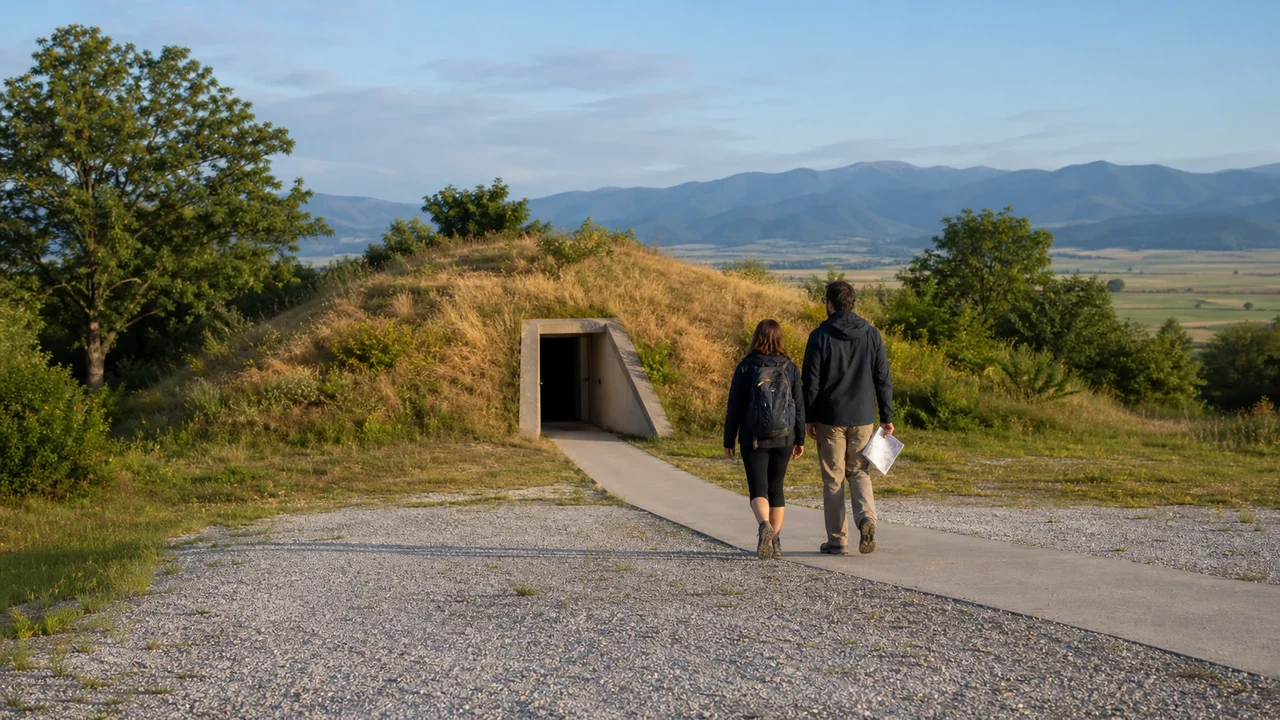
Kazanlak sits at the heart of Bulgaria's Rose Valley, a broad basin between the Balkan Mountains and the Sredna Gora where more than half the world's rose oil is distilled from Rosa damascena fields that ring the town every May and June. The same valley floor was once the royal burial ground of the Thracian Odrysian kingdom — archaeologists have opened dozens of mounded tombs here, and the town's own UNESCO-listed Thracian Tomb of Kazanlak, with its 4th-century BC frescoes, is the best-known survivor of what historians now call the Valley of the Thracian Kings. Roses and royal tombs share the spotlight with a very different kind of monument: Kazanlak is also the gateway to the Shipka Pass, where a 31.5-metre tower and a gold-domed memorial church commemorate the 1877 battle that helped win Bulgarian independence, and to the abandoned, saucer-shaped Buzludzha Monument on the ridge above. Together these sights give Kazanlak a claim few Bulgarian towns can match: rose-oil capital, Thracian burial ground, and Balkan-war memorial site within a 20-minute drive of each other. This guide covers the eight attractions worth building a trip around, what each one actually costs in 2026, how to string them into a day or two on the ground, and the questions first-time visitors ask most often.
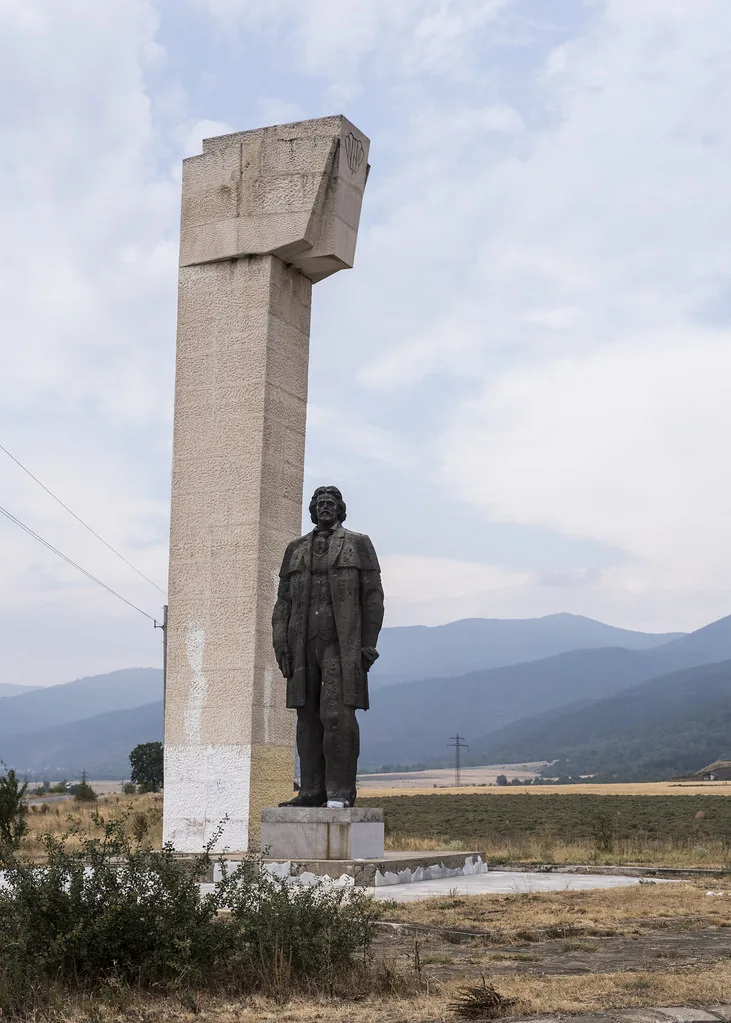
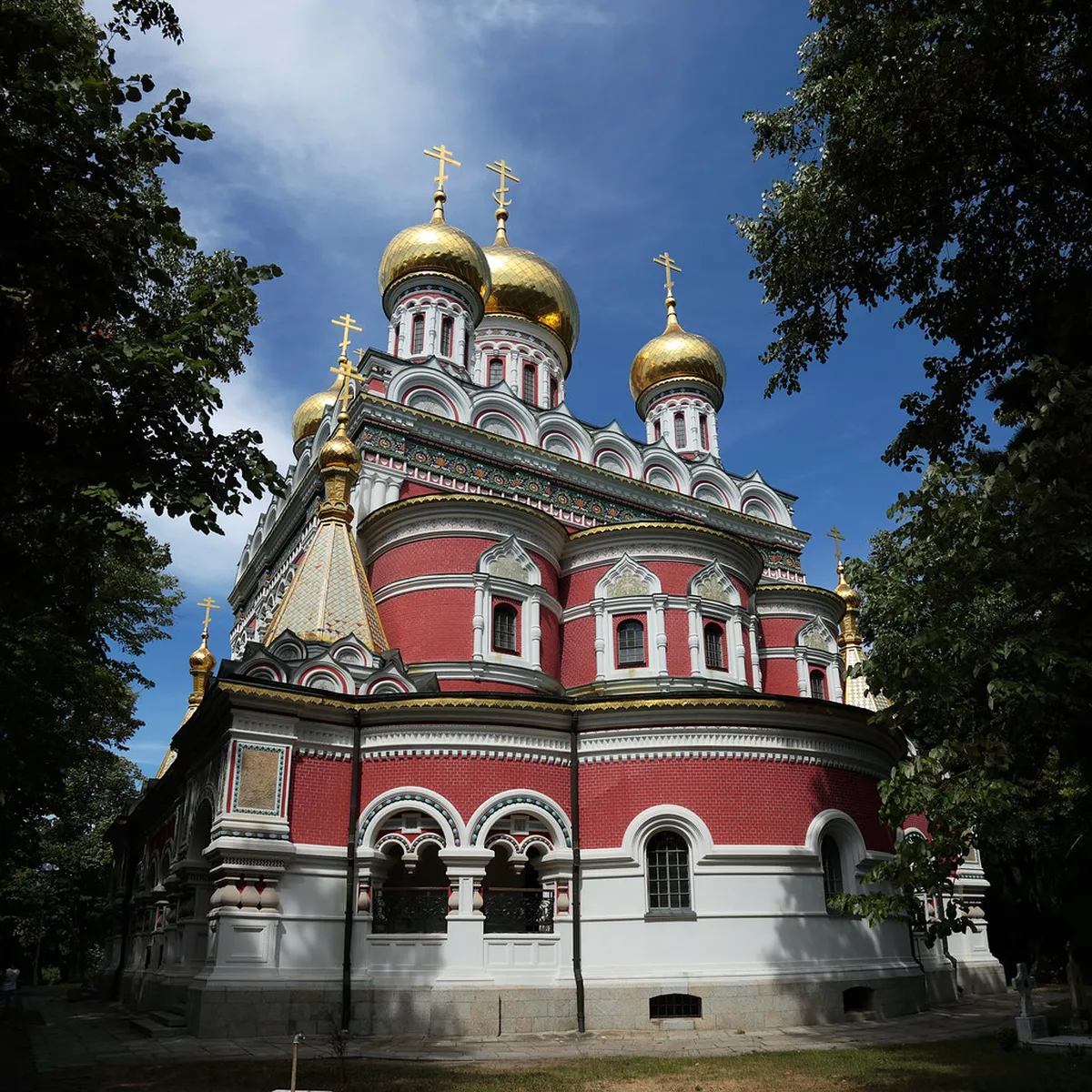
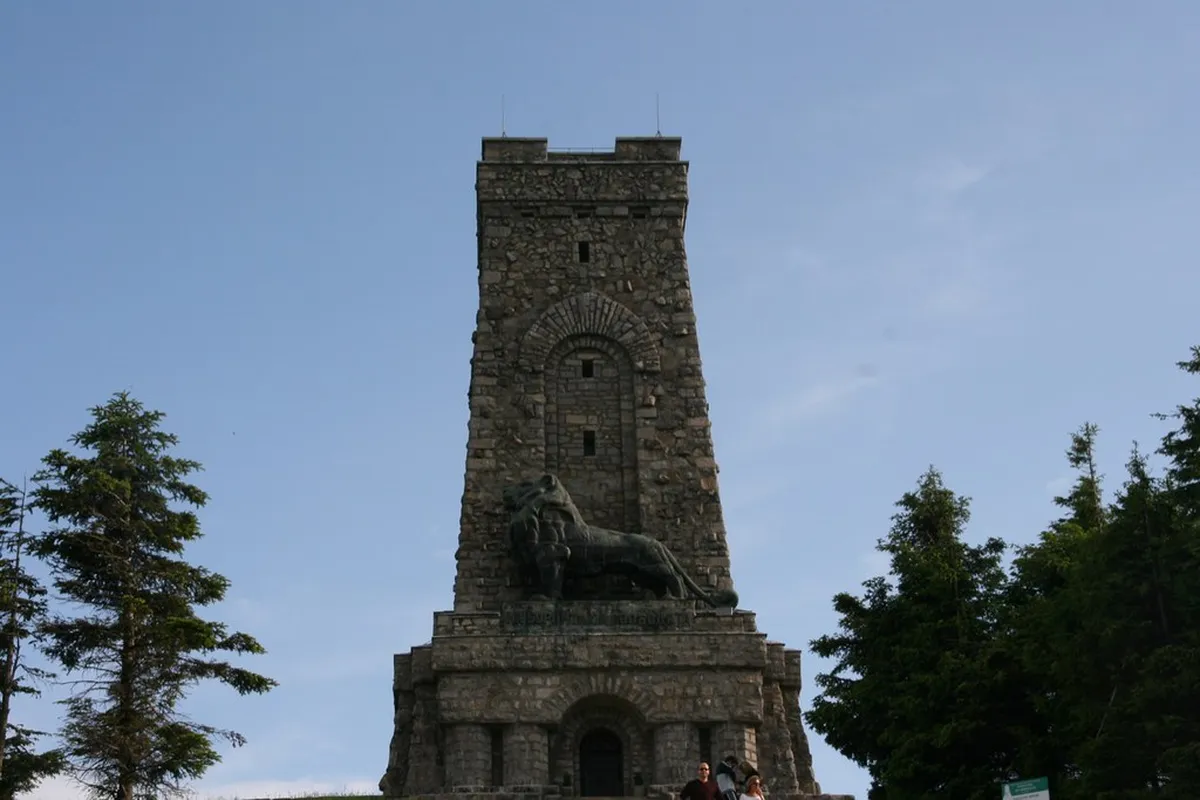
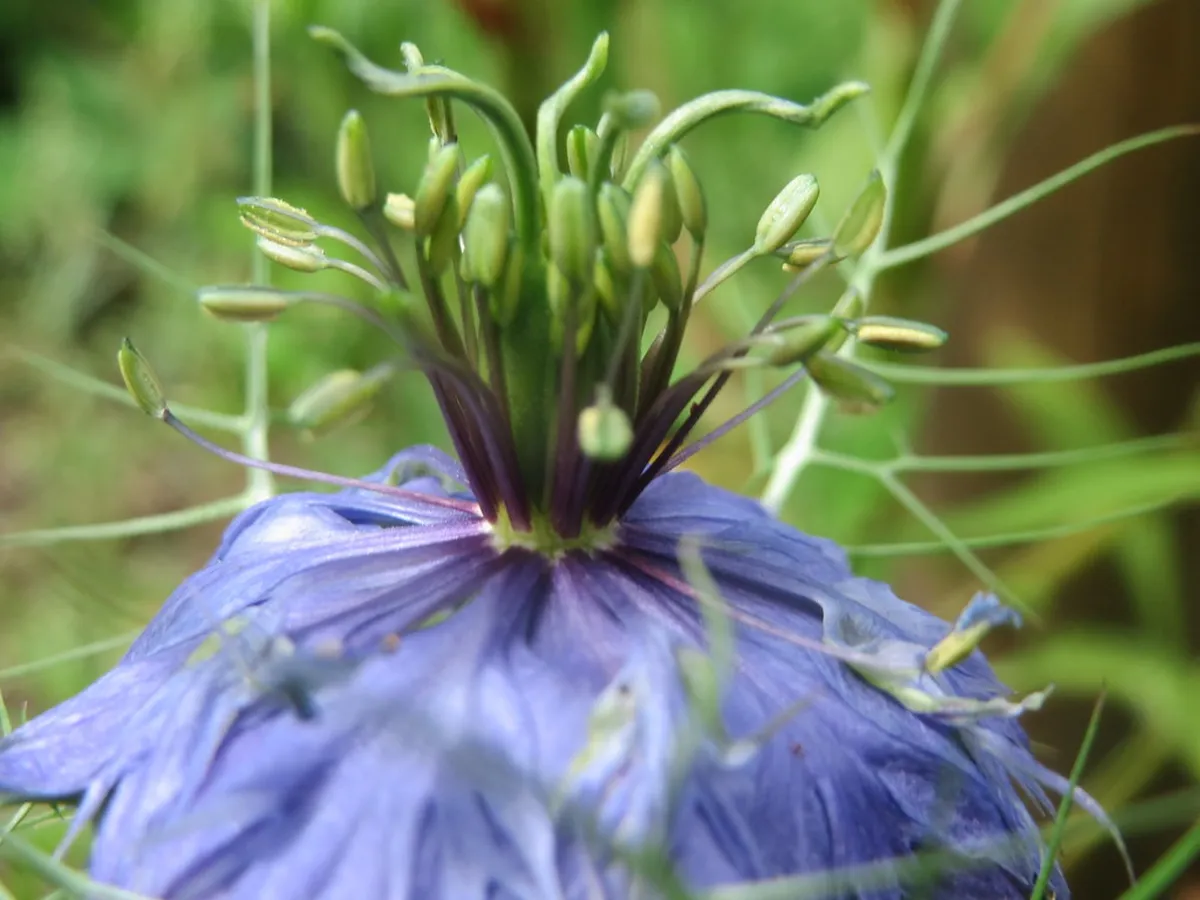
Here's a visual tour of Kazanlak's main attractions and the surrounding Rose Valley:
Guide focusTop 8 attractions in Kazanlak · Kazanlak attractions by theme
Also coveredWhat's free and what costs money · Suggested Kazanlak itineraries
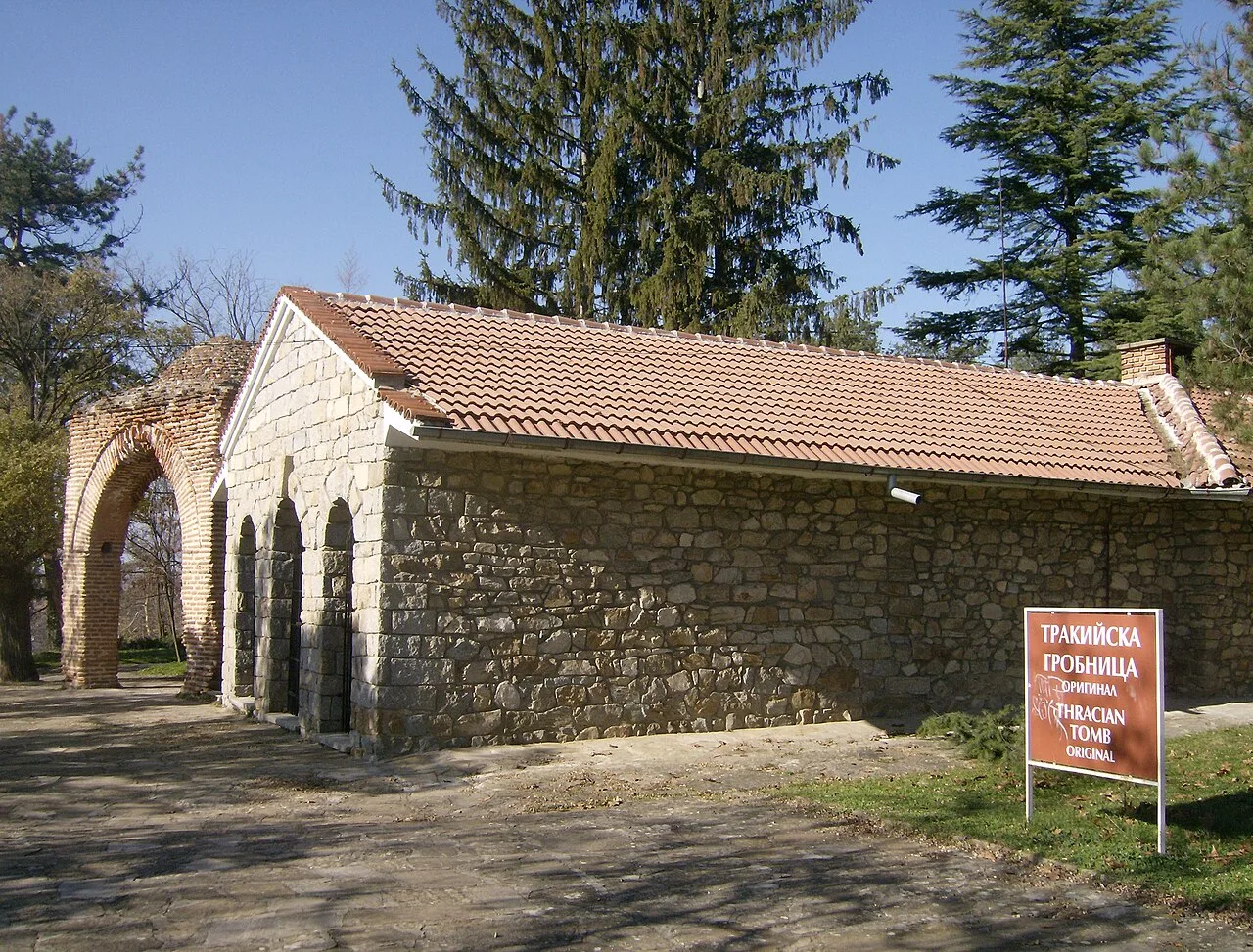
Thracian heritage — the Thracian Tomb of Kazanlak Visitor Guide, a UNESCO World Heritage Site since 1979 and the anchor of the wider Valley of the Thracian Kings.
Kazanlak's sightseeing splits fairly evenly between free viewpoints and modestly priced museum tickets — nothing here approaches the entry fees you'd pay at a major Western European sight.
Damascena Ethnographic Complex & Rose Distillery — around 6 EUR (12 BGN) for a guided visit.
Shipka Pass Monument to Liberty — free to reach the base; climbing the tower to the museum room costs around 1 EUR (2 BGN).
Shipka Memorial Church — free entry; donations toward upkeep are welcomed at the door.
Rose Valley — free to drive or walk through; only organised rose-picking experiences and workshops are ticketed.
Buzludzha Monument — free; the exterior and viewpoint are open year-round with no ticket, since the interior remains sealed for conservation.
Budget roughly 15-20 EUR per adult to see all four ticketed sites in a single visit, plus fuel or a taxi for the Shipka/Buzludzha stretch.
Suggested Kazanlak itineraries
Most visitors have one to two days in Kazanlak; here's how to use them well depending on what you're chasing.
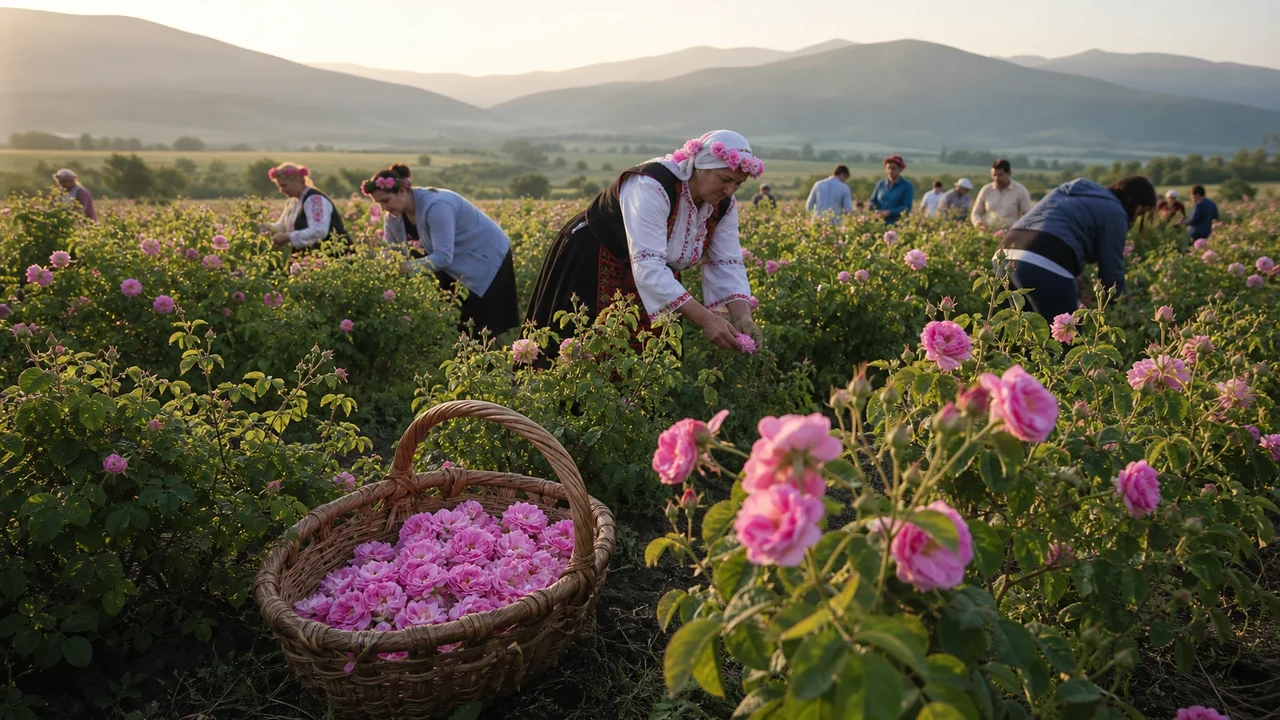
Rose-themed day — Start at the Kazanlak Rose Museum to learn the history, then drive out to the Rose Valley fields around Enina or Kran (best at dawn during the May-June harvest), and finish at the Damascena Ethnographic Complex in Skobelevo for a live distillation demonstration and a rose-product tasting. Add the Kulata Ethnographic Complex in town if you have an extra hour before dinner.
Thracian heritage half-day — Pair the Thracian Tomb of Kazanlak with the Kulata Ethnographic Complex; both sit within Kazanlak's town limits, so a rental car isn't essential for this half, and three to four hours covers both comfortably.
Shipka and Buzludzha mountain day — Drive north from Kazanlak to the Shipka Memorial Church first, continue up to the Shipka Pass Monument to Liberty for the climb and the view, then push on to Buzludzha for the exterior and the ridge-top panorama. This route needs a car (or a private tour) and a full day, since the road climbs and winds through the Balkan range.
Getting around Kazanlak and the Rose Valley
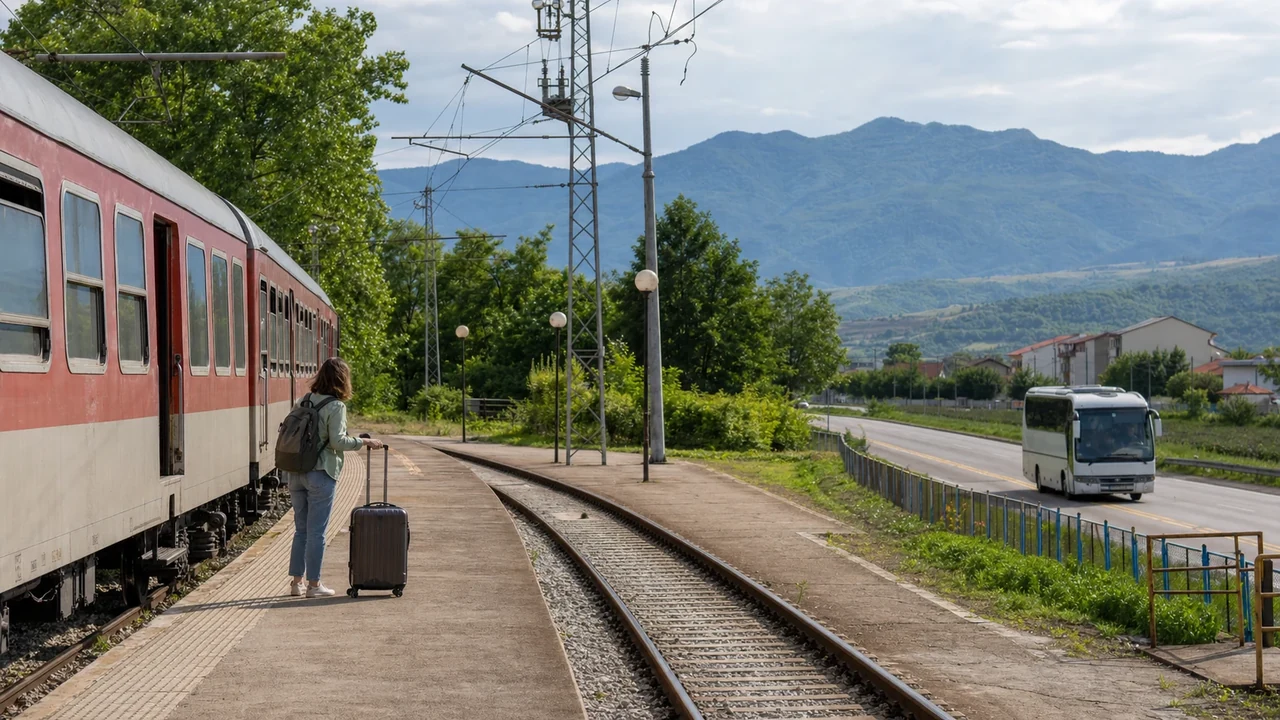
The Thracian Tomb, Rose Museum, and Kulata Ethnographic Complex all sit within walking distance of central Kazanlak, so a car isn't necessary for a town-only visit. Everything outside the town — the Rose Valley's outlying villages, the Damascena distillery in Skobelevo, Shipka village, the Shipka Pass, and Buzludzha — is spread across a mountain corridor with limited public transport, so a rental car or a private driver is effectively essential if you want to see more than the town centre. Buses do run from Kazanlak to Shipka village, but onward transport up to the Shipka Pass Monument and Buzludzha is sparse, and a taxi for the full loop is usually simpler than trying to coordinate connections.
Best time to visit Kazanlak attractions
Late May into June is the single best window: the rose harvest peaks, the Rose Valley's fields are at their most fragrant, and the town hosts the Kazanlak Rose Festival on the first weekend of June (main days 5-7 June 2026), with parades, rose-picking rituals in nearby villages, and the crowning of a Rose Queen. Outside that window the museums, tomb replica, and Shipka/Buzludzha sights are open and pleasant year-round, with July-August bringing the warmest, driest hiking conditions on the Balkan ridge and September-October offering cooler, quieter sightseeing without the festival crowds. Winter is workable for the indoor museums, but the mountain road up to Buzludzha can be affected by snow and fog.
Money-saving tips for Kazanlak sightseeing
The Iskra Historical Museum, which runs the Thracian Tomb, Rose Museum, and Kulata Ethnographic Complex, offers free entry to all three on the last Monday of each month — a useful date to build a visit around if your schedule allows it. The Rose Valley's best views cost nothing at all: driving or walking the back roads around Enina and Kran during bloom season is free, and the Buzludzha Monument's exterior and Shipka Pass base are both free year-round. If you're budgeting for just one ticketed site, the Thracian Tomb's UNESCO status makes it the highest-value single stop.
Frequently Asked Questions
When do the roses bloom in Kazanlak?
Rosa damascena blooms from late May into June, with picking typically running through most of June. The Kazanlak Rose Festival, held the first weekend of June (5-7 June 2026), marks the peak of the season with parades and rose-picking demonstrations in nearby villages.
Can you go inside the Buzludzha Monument?
No. The interior has been sealed since the monument was abandoned in 1989 and remains closed for conservation work, with no confirmed reopening date. The exterior and surrounding ridge, however, are free to visit and photograph year-round.
Is the Thracian Tomb of Kazanlak the original tomb?
No. The original 4th-century BC tomb is permanently sealed to protect its frescoes. Visitors tour an exact, full-size replica built alongside it in Tyulbe Park.
How many days do you need in Kazanlak?
One full day covers the town's Thracian Tomb, Rose Museum, and Kulata Ethnographic Complex comfortably. A second day lets you add the Rose Valley countryside, the Damascena distillery, and the Shipka Pass/Buzludzha mountain route without rushing.
Do I need a car to visit Kazanlak's attractions?
Not for the town centre — the Thracian Tomb, Rose Museum, and Kulata Ethnographic Complex are all walkable. A car (or private driver) is effectively essential for the Rose Valley countryside, the Damascena distillery, Shipka village, and the Shipka Pass/Buzludzha route.
How far is Shipka Pass from Kazanlak?
Shipka Pass is around 20 kilometres north of Kazanlak, roughly a 30-40 minute drive through Shipka village and up the mountain road; the Buzludzha Monument is a further drive along the same ridge.
Is the Shipka Memorial Church free to visit?
Yes. Entry is free, though donations toward the church's upkeep are welcomed at the door.
Plan your Kazanlak trip
Ready to put these attractions into a full schedule? Our 2-day Kazanlak itinerary maps out timings for the tomb, Rose Valley, and a Shipka/Buzludzha day trip, our best time to visit Kazanlak guide goes deeper on the rose season and shoulder months, and our day trips from Kazanlak guide covers routes beyond the town for travelers with an extra day to spare.