The Ultimate Gurko Street Visitor Guide: 10 Essential Tips
Walking along the scenic Gurko Street offers a glimpse into the past of the Second Bulgarian Empire. This iconic thoroughfare in Veliko Tarnovo captures the essence of Bulgarian history and architectural beauty. Visitors often describe it as the most picturesque street in the entire Balkan region. Our guide helps you navigate this cobblestone treasure to find the best views and lesser-known places.
The street winds gracefully above the Yantra River, offering panoramic views that change with every step. You will encounter traditional houses that seem to hang precariously over the steep river cliffs. This area serves as a living museum of the Bulgarian Revival period and local culture. Planning your visit carefully ensures you capture the magic of this historic neighborhood without missing key details.
This walkthrough captures the street's distinctive features and panoramic river views:
The History and Architecture of Gurko Street
The street has carried the name of General Joseph (Yosif) Gurko since 1888, honoring the Russian general whose forces helped liberate Veliko Tarnovo in 1877. His liberating army passed along this very street, as did the revolutionary Vasil Levski before him, so the name predates the modern tourist trail by well over a century. That naming detail rarely makes it into shorter city guides, but it explains why so many Bulgarian towns have their own "General Gurko" street pointing back to the same 1877-78 campaign.
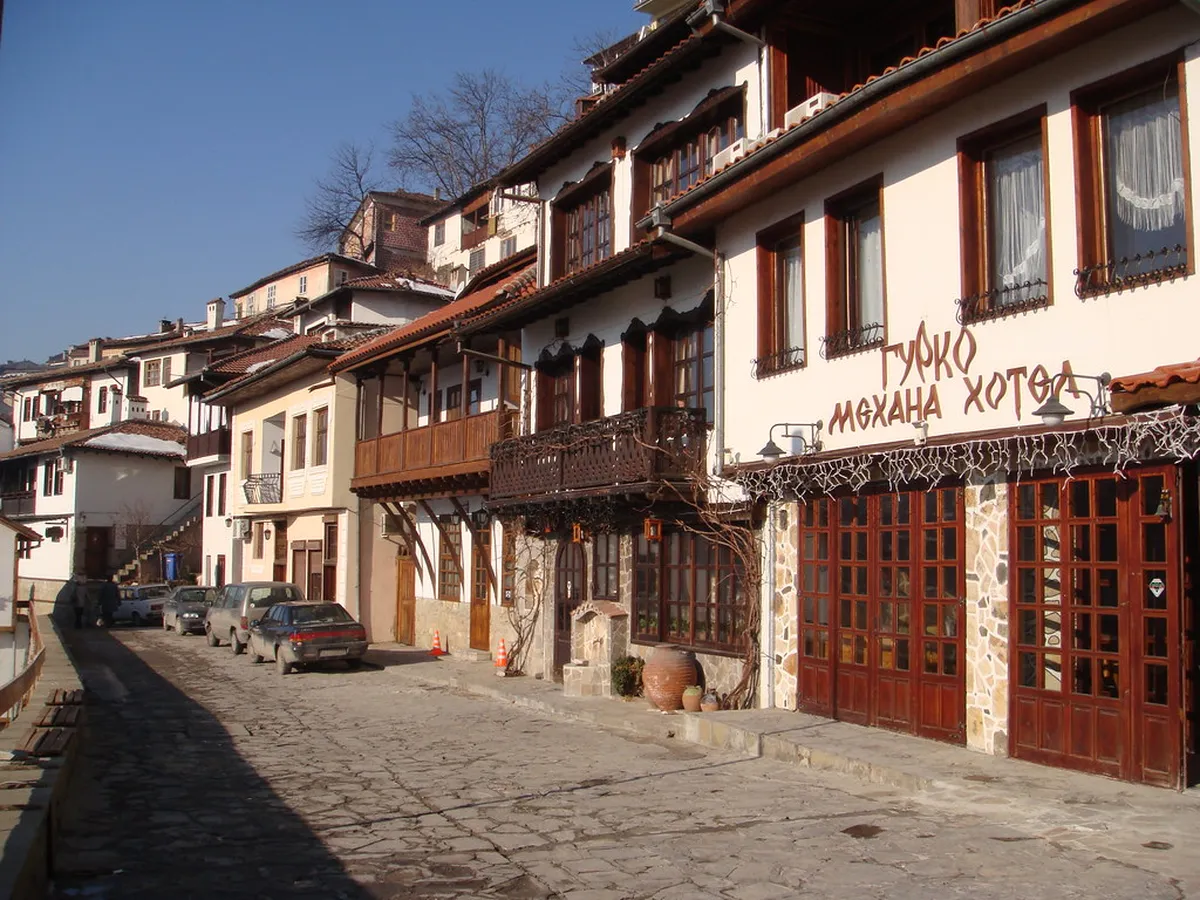
The architecture reflects the Bulgarian National Revival style that flourished during the 18th and 19th centuries in the Varusha quarter. Stone ground floors pair with jettied wooden upper storeys and white-washed walls, a construction method that let builders add living space above without widening the footprint at street level. Ornate bay windows, heavy wooden doors, and carved eaves are standard features along this narrow path.
What sets Gurko Street apart from a flat old-town lane is how the houses are stacked in tiers down the slope toward the Yantra gorge, so the roofline of one house often sits level with the courtyard of the next. Many of these tiered houses have been restored using traditional timber-frame and stone-masonry techniques, which is why the street still reads as a single, cohesive streetscape rather than a patchwork of eras.
Must-See Highlights Along the Cobblestones
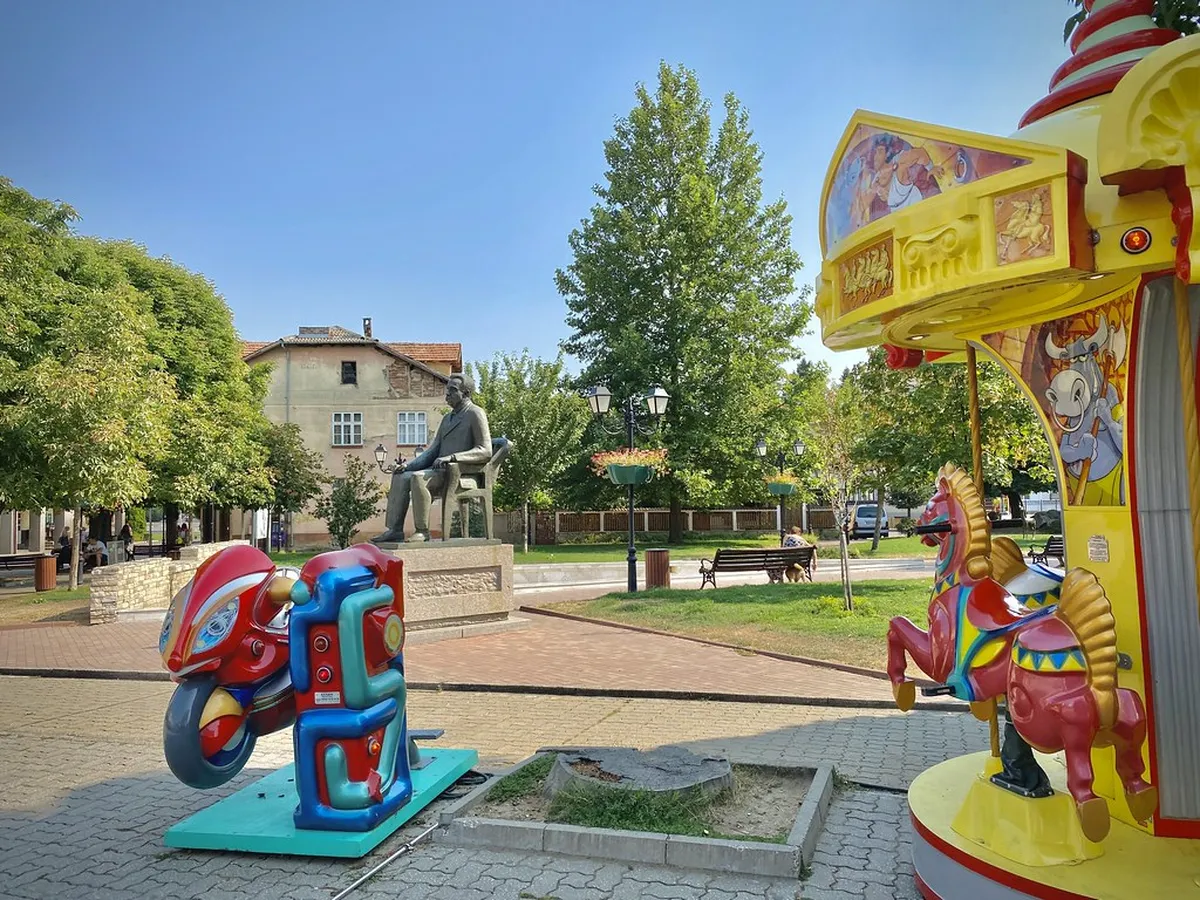
The anchor stop on the street is the Sarafkina House Visitor Guide at No. 88, run by the Regional Museum of History. It recreates the household of a wealthy 19th-century money-changer family (a "sarafin," hence the name), with period furniture, carved wooden ceilings, and interiors that show how a prosperous Revival-era family actually lived. Further along, a modest monument to Ivan Panov Semerdzhiev marks the street as well, easy to miss if you are not looking for it.
As you walk, look for the flower displays that adorn many of the wooden balconies. The contrast between the colorful blooms and the dark timber creates some of the street's most photographed moments, and residents keep them going through the warmer months. These small details do more to shape the atmosphere than any single building.
Until the early 20th century, Gurko Street was lined with small shops and craft workshops that served the Varusha quarter. That commercial life is history now; today the street is residential and quiet, and what you are walking through is closer to an open-air architectural museum than a shopping lane. Knowing that distinction ahead of time saves visitors who arrive expecting boutiques and cafes along every stretch from being disappointed.
Best Viewpoints of the Yantra River and Monument
The street provides some of the most dramatic views of the Yantra River as it curves through the gorge. From several vantage points, you can see the water glistening hundreds of feet below the houses. The natural landscape creates a powerful backdrop for the historic architecture of the city. These vistas are especially impressive after a light rain when the colors of the valley pop.
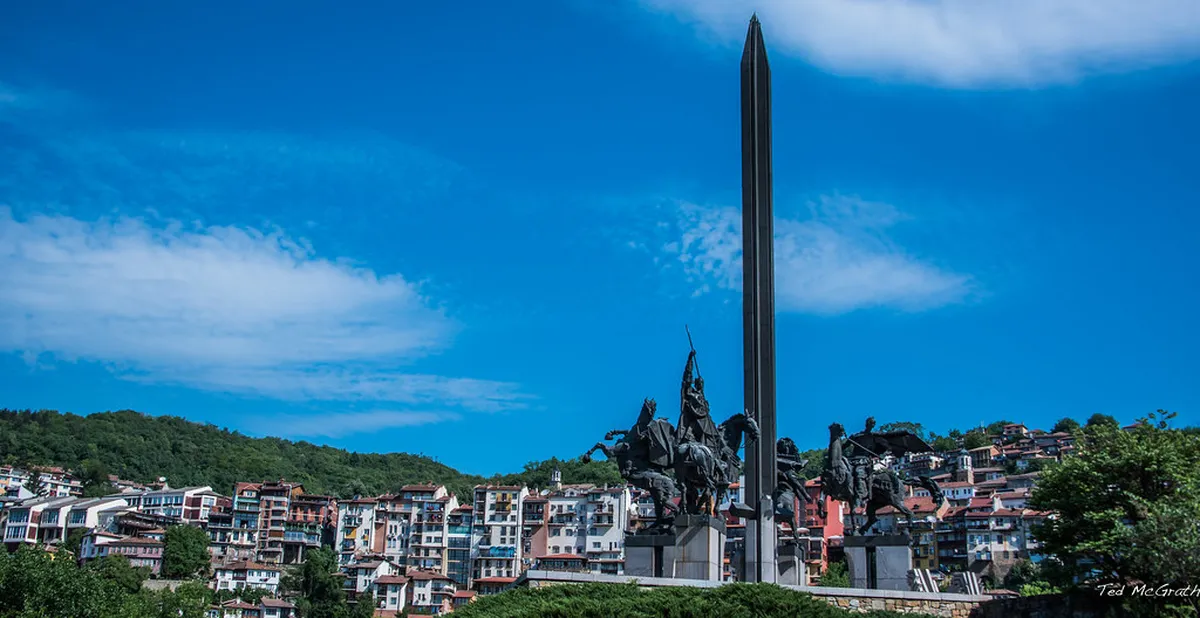
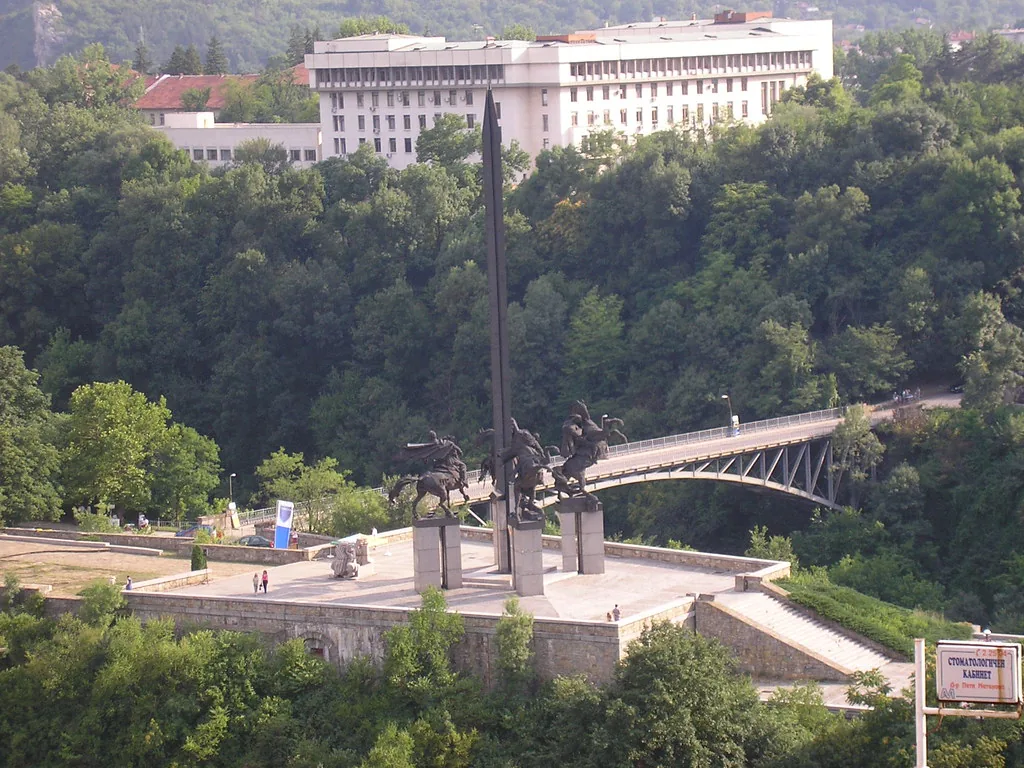
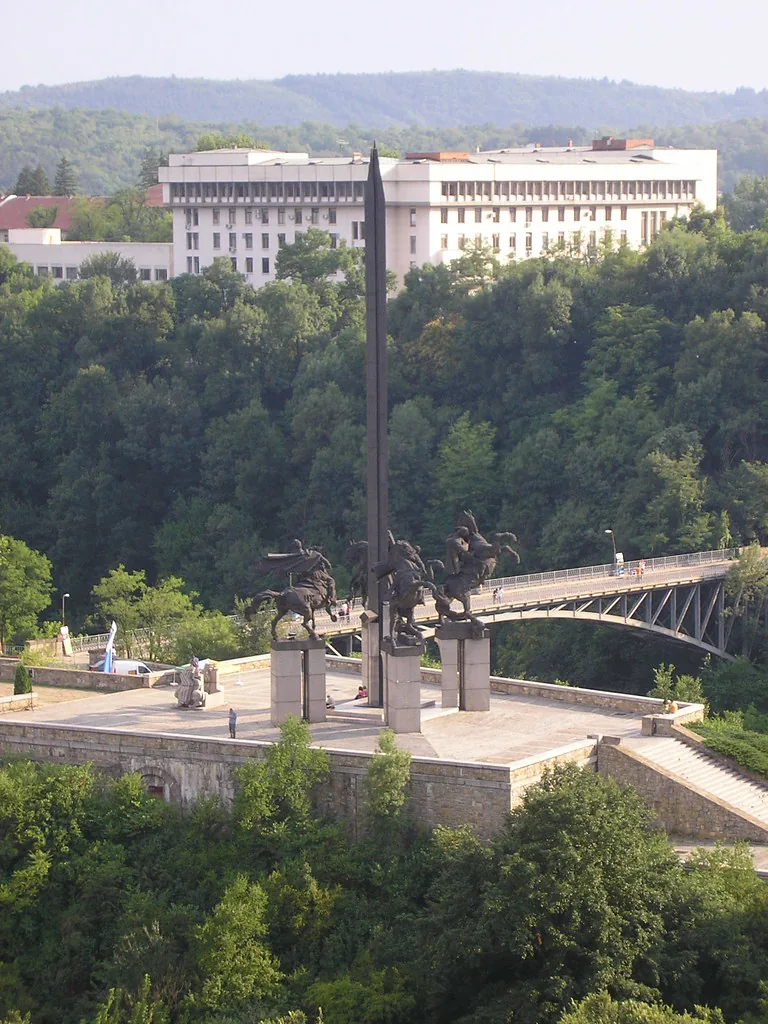
You will have a clear view of the Monument to the Asen Dynasty (Asenevtsi) Visitor Guide across the river, and where you stand on the street changes what you get. From the lower, eastern stretch nearest the Yantra bend, the monument's four swords read as a single sharp silhouette against the sky. Climb toward the upper end of the street and the same monument shrinks into the wider valley shot, framed by the tiered rooftops in front of it - useful if you want a photo that shows the monument and the Old Town together rather than the monument alone.
The skyline of the city unfolds before you, showing layers of houses built into the cliffs. You can see how the city expanded over time from the fortress towards the modern center. The Stambolov Bridge is also visible, connecting the Old Town to the monument area. This view captures the essence of why this city is considered a masterpiece of urban planning.
Photography Tips: Capturing the Golden Hour
The best time for photography on Gurko Street is during the late afternoon golden hour. Warm sunlight hits the white-washed walls and brings out the rich textures of the wood. Shadows stretch across the cobblestones, adding depth and drama to your street photography. Plan to arrive about an hour before sunset to find the best compositions.
Using a wide-angle lens helps you capture the narrow street and the vast river valley simultaneously. Try to frame the Asenevtsi Monument through the gaps between the historic houses. Low-angle shots can emphasize the rugged texture of the ancient cobblestone path. Experiment with different heights to find unique perspectives that standard tourist photos often miss.
Sunrise offers a different mood, with soft mist often rising off the Yantra River. The morning light is cooler and creates a peaceful, ethereal atmosphere, and the street is far quieter before the tour groups arrive. The two sessions are not interchangeable, since the light falls from opposite directions on a street that runs roughly east-west above the gorge:
- Sunrise (before roughly 08:00): light rakes low across the river gorge, backlighting the mist and silhouetting the tiered houses - strongest for moody, atmospheric shots of the street itself, weaker for the monument, which sits in shadow this early.
- Sunset (the hour before dusk): warm light hits the house facades and the white-washed walls directly, and the Asenevtsi Monument across the river catches full sun - the better window if the monument, not the street, is your main subject.
Practical Information: Getting There and Accessibility
You can find the start of the street near the city center at ul. "General Gurko", 5000 Veliko Tarnovo, Bulgaria. It is a free, ordinary public street, open around the clock every day of the year, with no ticket booth or gate to pass through. It runs through the Varusha quarter from Mother Bulgaria Square down toward the Old Capital School of Economics, easily reached on foot from Stefan Stambolov street and the main shopping areas.
A direct walk end-to-end takes around 15-20 minutes; budget 30-60 minutes if you plan to stop for photos, which is what most visitors end up doing. Most people start from the upper end and walk downhill toward the river and the monument, which is gentler on the knees than climbing the other way.
Wear sturdy shoes with good grip because the cobblestones can be very uneven and slippery. Avoid wearing high heels or thin sandals that might get caught in the gaps between stones. The path involves several steep sections and narrow walkways that require careful footing. Comfortable footwear is the most important factor for enjoying your time on this historic street.
Travelers with limited mobility should be aware that the street is not wheelchair accessible. The steep inclines and rough terrain can be challenging for those with knee or hip issues. Consider taking a taxi to the upper sections if you want to see the views without the climb. Check the weather forecast as the stones become particularly treacherous during rain or snow.
Veliko Tarnovo: The Context of Gurko Street
Gurko Street is just one part of the rich historical tapestry found in Veliko Tarnovo. The city served as the capital of the Second Bulgarian Empire for over two centuries. You can see the majestic Tsarevets Fortress Visitor Guide looming in the distance from many points. This proximity highlights the strategic importance of the river valley throughout the Middle Ages.
Nearby, the Samovodska Charshia Visitor Guide market offers a different side of the Old Town experience. While Gurko Street is residential and scenic, the market is a hub of active trade and crafts. Visiting both areas gives you a complete picture of life in the historic capital. They are within walking distance of each other, making for a perfect half-day itinerary.
The city is famous for its vertical layout, where houses are built on top of one another. Gurko Street perfectly illustrates this unique urban design that adapted to the natural landscape. It remains a vital part of the city's identity and tourism appeal in 2026. Exploring this context makes your walk along the river even more meaningful.
Choosing Your Season: Fog, Bloom, and Ice
Winter (December-February) is the moodiest time to walk Gurko Street. Fog often settles in the Yantra gorge overnight and burns off slowly, so the tiered houses can appear to float above a white void for an hour or two after sunrise - a scene most visitors never see, since the street is close to empty in the cold months. The trade-off is underfoot: the cobbles ice over easily in shaded, north-facing stretches that see little direct sun between the tall houses, and local crews do not always grit these narrow lanes as fast as the main roads. Trekking poles or boots with real tread are worth packing if you are visiting between December and February.
Spring and summer (April-August) bring the balconies into full bloom, warmer light, and the largest crowds of the year, echoing the wider "best time to visit Veliko Tarnovo" advice for the whole city. Cobblestones are dry and grippy, which makes this the easiest season for anyone with knee or balance concerns, but the golden-hour window gets busy with tour groups, so arriving at least 30 minutes before the light peaks matters more than in the off-season.
September and October split the difference: the valley's foliage turns color, crowds thin out from the summer peak, and the cobbles are usually still dry. Many repeat visitors rank early autumn as the single best season for photography on this street, for exactly that combination of light, color, and elbow room.
Plans Like a Pro: Navigating the Old Town
Pro travelers know about the hidden staircases that connect Gurko Street to the lower river level. One specific set of stairs leads directly down towards the Stambolov Bridge and the monument. Using these shortcuts can save you a long walk around the main road system. Be prepared for a steep climb back up if you choose to explore the riverbank.
Visit the street during the early morning to avoid the largest crowds of tour groups. The narrow path can feel congested when multiple groups are moving through at once. Having the street to yourself allows you to notice smaller architectural details and carvings. It also makes for a much more peaceful and authentic experience of the Old Town.
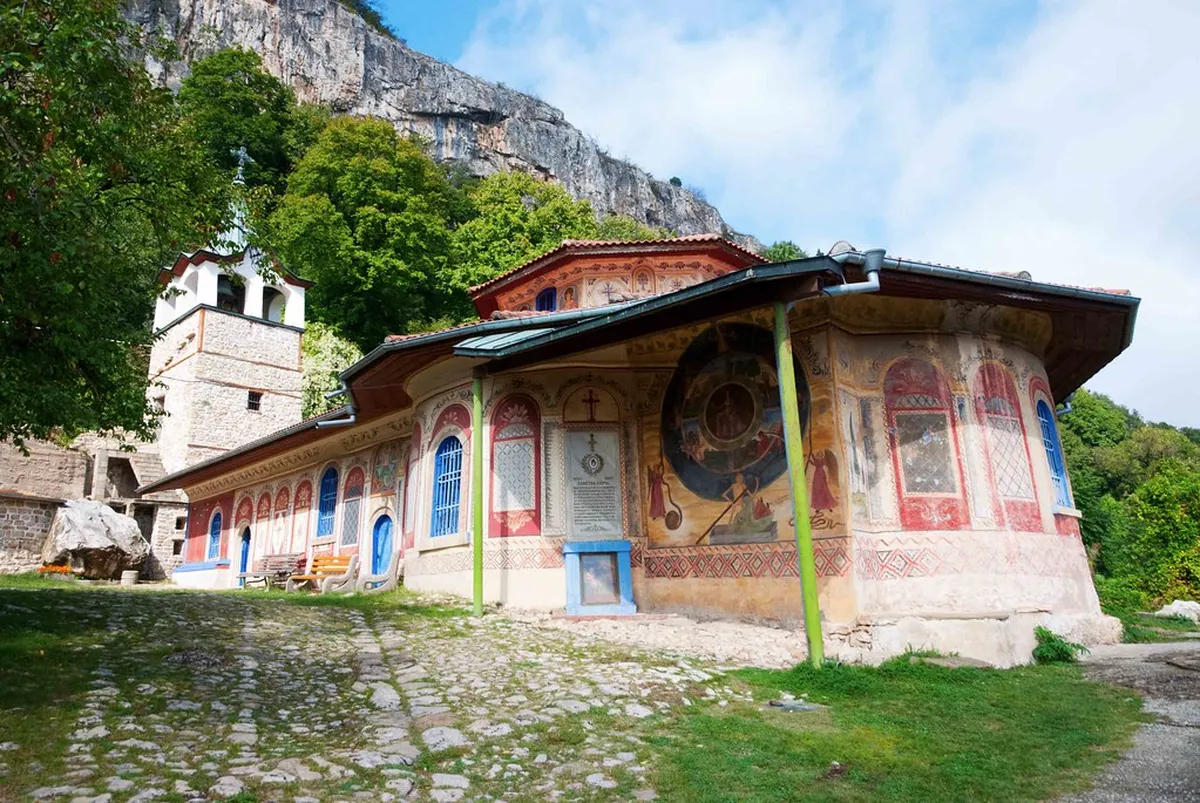
Combine your walk with a visit to the nearby churches to see stunning medieval frescoes. The route naturally flows towards the lower part of the city where several historic temples sit. Planning your path in a loop ensures you see the most attractions with the least backtracking. This strategy helps you manage your energy while exploring the hilly terrain.
Quick Facts and Personal Thoughts
Gurko Street remains the soul of Veliko Tarnovo for many who visit this ancient capital. Its combination of history, architecture, and natural beauty is a big part of why the city gets ranked among the most picturesque in the Balkans. Most visitors end up walking it more than once during a stay, because the mood shifts noticeably with the light and the season. In 2026 the street itself has not changed - what changes is when you choose to show up.
- Walking Route Duration and Difficulty
- Time: 20-30 minutes
- Difficulty: Moderate
- Terrain: Uneven cobblestones
- Elevation: Significant inclines
- Best Times for Photography Sessions
- Morning: 7:00 AM - 9:00 AM
- Evening: 5:00 PM - Sunset
- Crowds: Lowest before 10:00 AM
- Light: Best at Golden Hour
- Essential Items for Your Visit
- Shoes: Sturdy walking shoes
- Water: Essential in summer
- Camera: Wide-angle lens recommended
- Map: Offline digital map
Continue planning: Use Veliko Tarnovo Attractions: 10 Top Things to Do to connect this guide with the rest of your Bulgaria itinerary.
Frequently Asked Questions
What is Gurko Street famous for?
It is Veliko Tarnovo's most picturesque preserved street, lined with Bulgarian National Revival-era houses that hang in tiers directly above the Yantra River in the old Varusha quarter. Looking up you see houses stacked one above another; looking down, the river - a combination that has drawn painters for generations.
Is Gurko Street free to visit?
Yes. It is an ordinary public street, open to walk at any hour every day of the year, with no ticket or entrance fee.
Who is Gurko Street named after?
It has carried the name of General Joseph (Yosif) Gurko since 1888, honoring one of the Russian generals whose army liberated Bulgaria. His liberating army passed along this very street, as did the revolutionary Vasil Levski before him.
What can you see on Gurko Street?
Besides the Revival-era houses themselves, the street holds the Sarafkina House at No. 88, a museum house run by the Regional Museum of History, and the monument to Ivan Panov Semerdzhiev. Until the early 20th century the street was lined with small shops and craft workshops.
Where does Gurko Street start and end?
It runs through the Varusha quarter of the old town, stretching from Mother Bulgaria Square to the Old Capital School of Economics, a short walk downhill from the main Stefan Stambolov street.
How long do you need for Gurko Street?
A slow end-to-end walk with photo stops takes around 30-60 minutes. Early morning and the hour before sunset are the best times for photographs of the houses above the Yantra, and it combines easily with the Asenevtsi Monument on the river bend below.
Gurko Street is a must-see destination that captures the heart of Veliko Tarnovo. From its rich history to the stunning river views, it offers something for every traveler. We recommend taking your time to explore the small details that make this street unique. Your journey through these ancient cobblestones will surely be a highlight of your Bulgarian adventure.
Remember to bring your camera and wear comfortable shoes for the best experience. The memories of the sun setting over the Yantra River will stay with you forever. For more information on the city, check our full guide to Veliko Tarnovo. Enjoy your walk through one of the most beautiful streets in Europe.
For more Veliko Tarnovo planning, read our Shopping in Veliko Târnovo 2026 guide.
For official details, visit the Gurko Street on Wikipedia.