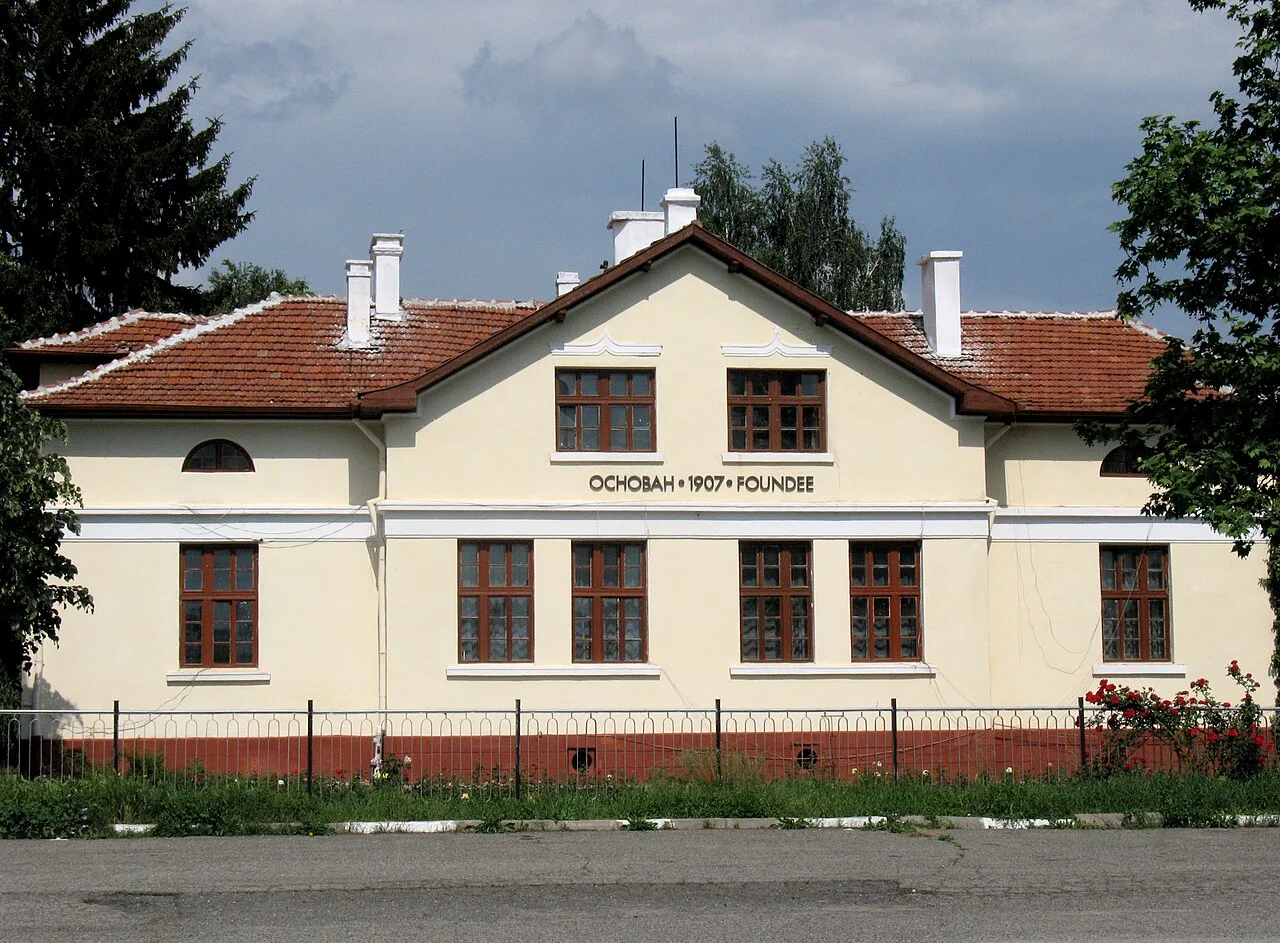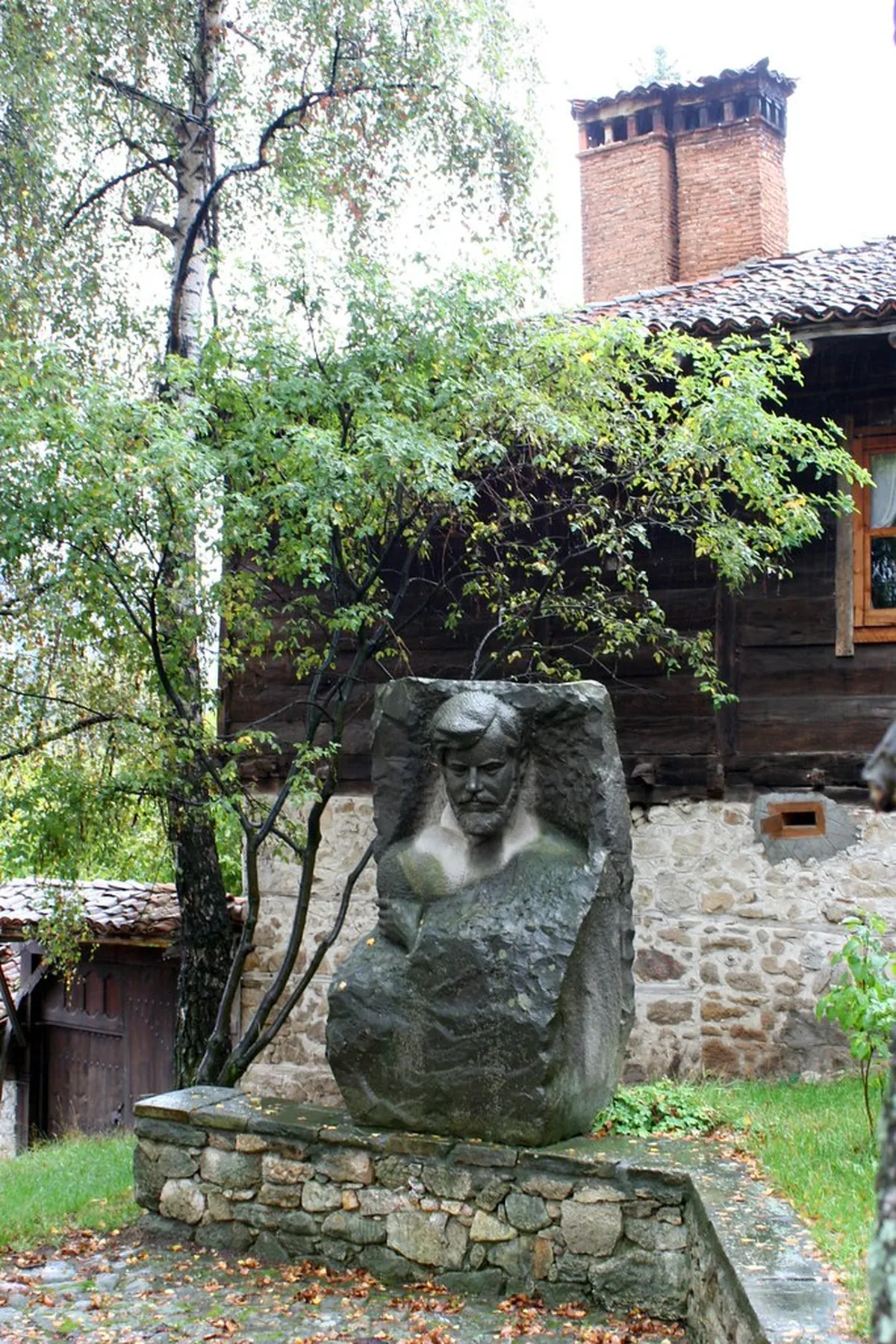
Melnik Museum of Wine Visitor Guide: 10 Things to Know
This melnik museum of wine visitor guide helps you explore the smallest town in Bulgaria without any confusion. Travelers often mistake this Bulgarian gem for a town in the Czech Republic with a similar name.
The Wine Museum in Melnik opened in 2013 to celebrate thousands of years of local viticulture. You will find it tucked into the hillside near the town center among historic Renaissance houses.
Visitors can enjoy deep underground vaults that stay naturally cool even during the hot summer months. This guide covers everything from the famous Churchill wine to creating your own souvenir bottle.
This tour of Villa Melnik offers a visual introduction to the Melnik wine region before you visit:
Overview of the Wine Museum in Melnik, Bulgaria
Before you book anything, confirm the map pin says Melnik in southwestern Bulgaria, not Mělník near Prague — a mix-up that catches more travelers than you'd expect. The historic town of Melnik sits roughly 180 km south of Sofia near the Greek border, and it is the museum's only home.
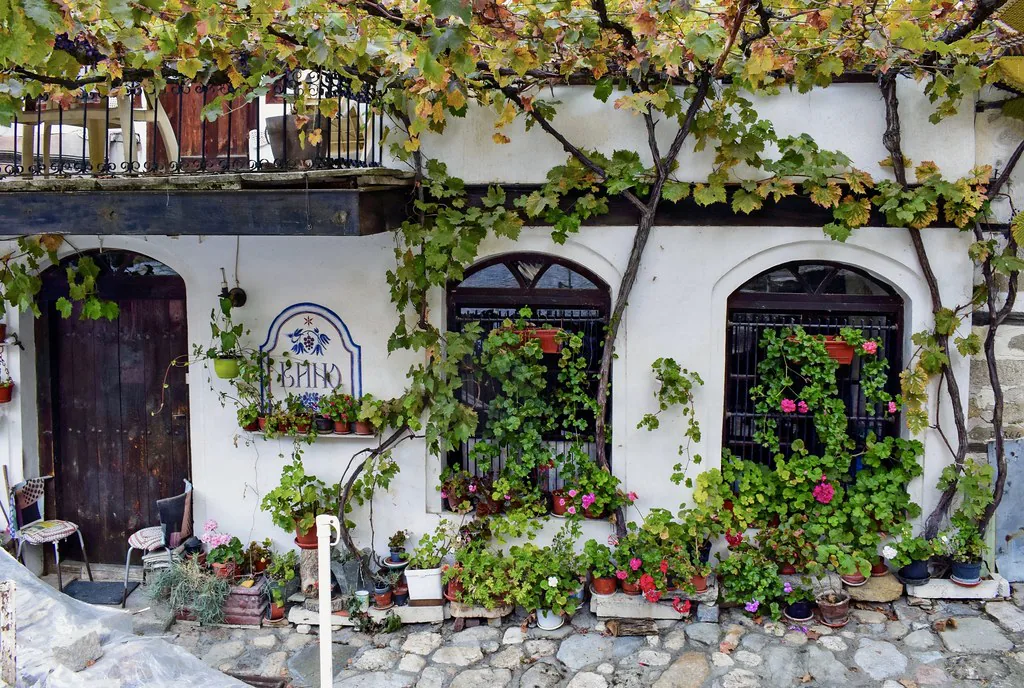
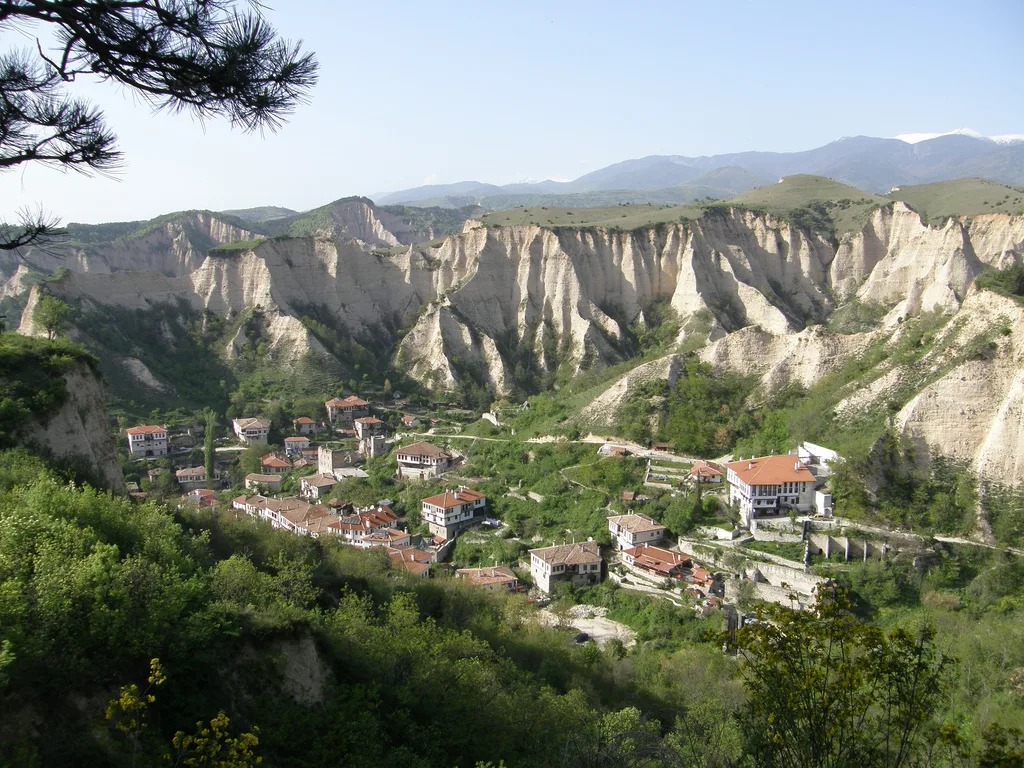
The museum occupies a modest building a short walk from the main square, right below the sandstone cliffs the town is named for — a living tribute to the Struma Valley's winemaking heritage rather than a static exhibit hall.
The layout is built directly into the soft rock of the hillside, which keeps the interior naturally cool even when the square outside bakes at 35°C in August. That same geology is why wine has aged well here for centuries.
Walk in and the change is immediate: stone floors, low arched ceilings, and rows of dark bottles replace the bright cobblestone lanes outside. In 2026, it remains one of the best-value stops in a town built almost entirely around wine.
The History of Winemaking in the Struma Valley
Winemaking here predates the town's Bulgarian name by centuries: Thracian tribes pressed grapes in this valley more than two thousand years ago. Local guides still repeat the claim that Roman Emperor Trajan kept Melnik's dark, heavy wine on his own table.
Melnik's commercial peak came much later, in the 18th and 19th centuries, when its wine and tobacco trade supported roughly 20,000 people and dozens of churches and merchant mansions. A 1912 fire and shifting Balkan borders emptied the town after; fewer than 400 people live here year-round today, part of why the museum still feels like a family effort. Deeper historical background is on livetheworld.com.
A local myth claims Melnik wine carries natural enzymes that promote extreme longevity, a story tied to the same Trajan-era legends. It is folklore, not medicine, but it gets repeated often enough on-site that it is worth knowing before a guide states it as fact.
The museum preserves this timeline alongside genuinely old tools: hand presses, wooden fermentation vats, and clay vessels that show how little the core technique has changed even as the town around it shrank.
Exploring the Museum Exhibits and Cave-Vaults
The centerpiece is the cave-vault itself: a tunnel network cut into sandstone holding more than 400 wines from Melnik and beyond. Temperature barely shifts between January and August down here, the same reason local families have used spaces like it for storage since long before the museum existed.
Display panels trace the walk from vineyard to bottle, covering the region's grape varieties and the specific pressing and fermenting methods Struma Valley families have used for generations. This is one part of the wider Melnik visitor experience that rewards slowing down rather than rushing through.
You will pass old wooden barrels, hand-operated presses, and clay amphorae used before glass bottling became standard. Little of it sits behind glass at a distance — the museum favors close, tactile viewing over case displays.
Expect a quiet, almost church-like atmosphere. The mix of cool stone, aged oak, and damp earth is as much a part of the visit as the exhibits themselves.
Wine Tasting Packages and Authentic Local Varieties
No melnik museum of wine visitor guide is complete without the legendary Shiroka Melnishka Loza, the Broadleaved Melnik Vine that produces the dark, tannic red the region built its reputation on. It is the wine Winston Churchill is said to have ordered by the case, and it still anchors most tastings here.
A standard tasting pours three reds and one white, usually rotating in Melnik 55 and Melnik 1300 — two hybrids bred in Bulgaria specifically to soften the original grape's heavy tannins while keeping its berry-and-tobacco character. Staff will often volunteer which harvest year is pouring, so ask if you want to compare vintages rather than just varieties.
Snacks are simple and consistent across visits: toasted bread with local olive oil, meant to reset your palate rather than compete with the wine. Do not expect a food-pairing menu; this is a tasting stop, not a restaurant.
If you have extra time, family-run cellars elsewhere in town also pour tastings in genuine rock-cut spaces — a good add-on if the museum's fixed flight leaves you wanting more variety.
How to Create Your Own Personalized Wine Bottle
The bottle-sealing station is the most hands-on part of the visit and the easiest way to leave with something better than a fridge magnet. Choose a wine you tasted, and staff fill a fresh bottle straight from the barrel rather than off a shelf.
Next comes the seal: staff dip the neck into heated wax and press the museum's stamp into it while it is still soft, the same method used here for generations before shrink-wrap existed.
The label is where it gets personal — hand over a photo and staff print and attach it on the spot rather than mailing it later. Budget roughly EUR 5-6 for the finished bottle, cash preferred.
The whole process takes about ten minutes once you have picked your wine, so build it into your visit rather than treating it as a separate errand. It travels well in checked luggage if you wrap it in a spare shirt.
Essential Visitor Info: Entrance Fees and Opening Hours
Basic entry to the cave-vault runs about EUR 1.50, and a tasting-inclusive ticket is closer to EUR 2.55 — among the cheapest paid attractions in Bulgaria. The personalized bottle adds roughly EUR 5-6 more, so a full visit with a souvenir rarely clears EUR 8 per person; travelfinder.bg is a useful cross-check for current pricing.
Bulgaria completed its switch from the lev to the euro on 1 January 2026, and prices here are now quoted in EUR at the fixed conversion rate of 1.95583 leva per euro. Do not be surprised if a staff member still quotes leva out of habit before converting; carry small euro coins rather than a large note, since a family-run booth selling a EUR 1.50 ticket may not hold change for EUR 20, and a card machine is not guaranteed at every till.
Travel guides report daily hours of roughly 10:00 to 19:00, though hours can shift without much online notice — a quick check with your guesthouse the evening before saves a wasted walk. Arrive in the morning to beat the coach groups that land midday.
Most visits run 30 to 60 minutes depending on whether you add a tasting. The nearest full-service banks and ATMs are in Sandanski, about 24 km away, so treat Melnik itself as a cash-light, coin-heavy stop.
Must-See Melnik Attractions Near the Museum
Walk uphill and you will reach the Kordopulov House Visitor Guide within about ten minutes — a National Revival mansion with its own carved wine cellar and stained-glass windows, and the natural next stop for anyone who has just toured the museum's vaults.
Beyond the two wine sites, Melnik quietly packs in more culture than its size suggests: small ethnographic displays tucked inside historic houses show traditional costumes and tools, old churches hold local religious art behind modest bell towers, and the Despot Slav Fortress (St. Nicholas Fortress) Guide ruins sit above town as raw, unrestored medieval remains rather than a polished castle.
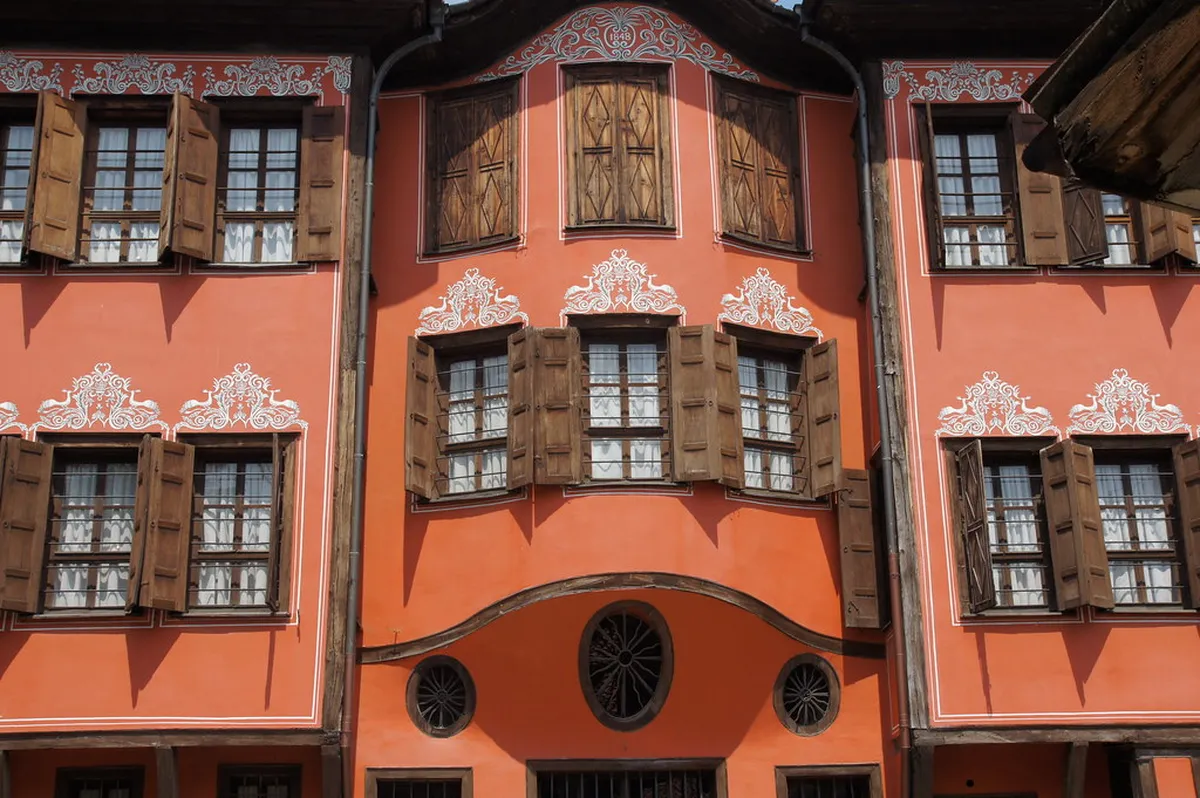
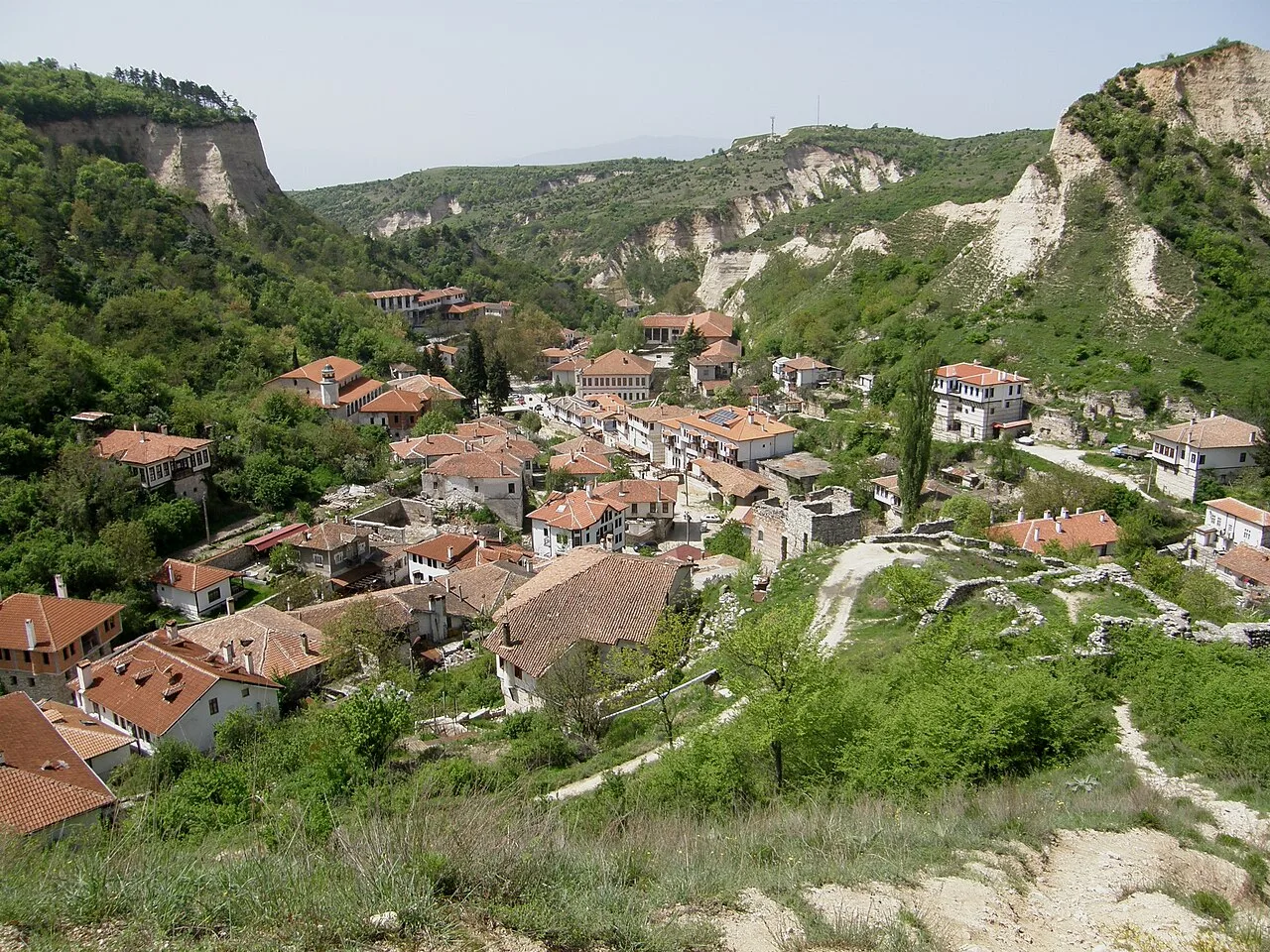
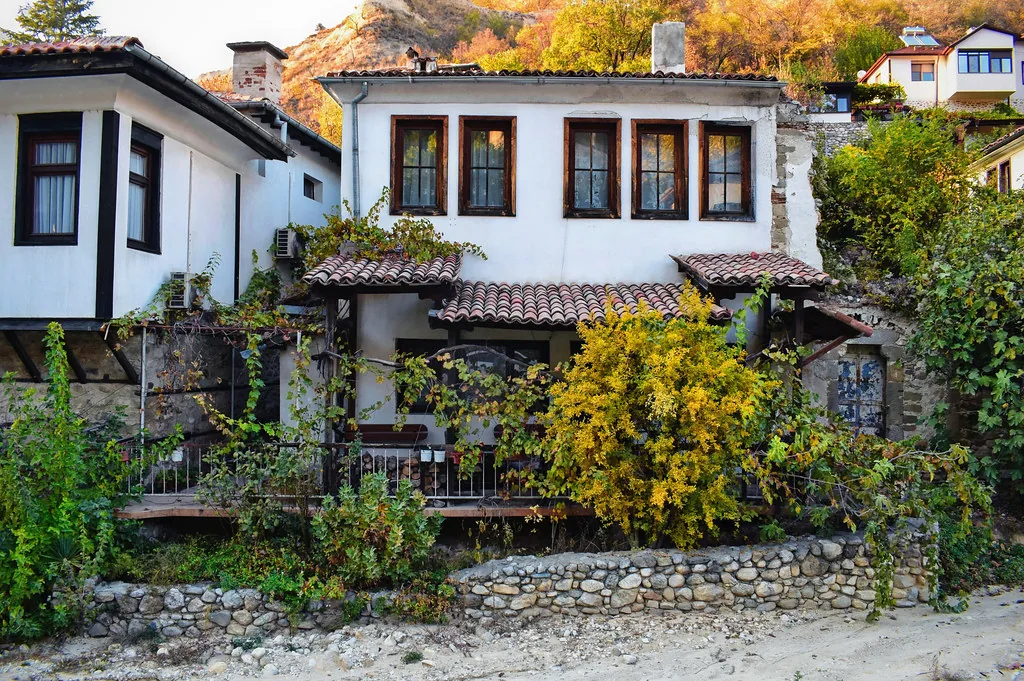
For scenery, the Melnik Sandstone Pyramids (Melnik Earth Pyramids) Visitor Guide tower over the white-walled houses and make the most photographed backdrop in town. The old quarter itself functions as an open-air museum of cobblestone lanes and National Revival architecture.
Nearly everything sits within a ten-minute walk, so you can realistically cover the wine museum, Kordopulov House, the fortress ruins, and the pyramids viewpoint in one unhurried afternoon.
Parks, Gardens, and Outdoor Spots in Melnik
Melnik has no formal park, but the sandstone hills around it function as one. Marked trails lead straight out of the town center into the pyramid formations, and even a 20-minute walk gets you above the rooftops for a proper view of the valley.
The walk to Rozhen Monastery (Nativity of the Mother of God) Visitor Guide is the most popular longer route, climbing through the sandstone for views that stretch toward the mountains on the Greek border. Budget around two hours each way on foot, or drive the short access road if time is tight.
Closer to town, tavern courtyards double as informal gardens, offering shade and a glass of local juice or wine through the hottest part of the afternoon.
Air quality here is genuinely different from Sofia or Plovdiv — expect the scent of wild herbs and pine rather than traffic, especially early morning before the day-trip buses arrive.
Family-Friendly and Budget-Friendly Options in Melnik
Backpacker guides now rank Melnik as the #2 village in Bulgaria, and the value case is easy to see: it is one of the cheapest overnight bases in the country relative to what it offers.
Families benefit from the same low costs and from streets that are entirely walkable and free of serious traffic. Kids tend to enjoy the museum's cave-like vaults and the sandy pyramid trails more than a typical indoor exhibit.
Guesthouses run by local families undercut city hotel prices by a wide margin, and staying overnight — rather than day-tripping from Sofia or Bansko — lets you experience the town once the tour buses leave and the old quarter goes quiet.
See our full Melnik travel tips guide for specific guesthouse picks and seasonal pricing before you book. Planning ahead helps you secure the most scenic rooms in the historic center.
How to Plan a Smooth Melnik Attractions Day
Spring and early autumn give the best balance of mild temperatures and thinner crowds; check seasonal averages on climatestotravel.com before picking dates, since Melnik's summer heat can push past 35°C by early afternoon.
Wear shoes with real grip — the mix of cobblestones, sandy paths, and loose gravel around the pyramids is more slippery than it looks in photos. Many travelers pair a Melnik day with a stop in nearby Sandanski, which has the region's spa infrastructure and better transport connections.
Start at the Wine Museum before 11:00, ahead of both the heat and the coach groups, then work uphill toward Kordopulov House and the fortress ruins while the morning light is still soft. That leaves the afternoon free for a long mehana lunch and the pyramids at golden hour.
Keep small cash on hand for tickets and tastings, charge your camera for sunset at the pyramids, and do not rush — most of what makes Melnik worth the detour is the pace, not a checklist of sights.
Continue planning: Use Melnik Attractions: Things to Do in Bulgaria's Smallest Wine Town to connect this guide with the rest of your Bulgaria itinerary.
Frequently Asked Questions
How much does it cost to visit the Melnik Museum of Wine?
Entry is a small charge of roughly EUR 1.50 (3 BGN under the old currency), while the ticket that includes a wine tasting is around EUR 2.55 (5 BGN). These figures are reported by travel guides, so check the current euro price at the ticket office when you arrive.
What is included in the wine tasting?
The tasting typically lets you sample three sorts of red wine and one white, served with bites of toast drizzled in olive oil. The cave-vault holds more than 400 wines produced locally and abroad.
What is the Melnik wine grape?
It is the Broadleaved Melnik Vine, known in Bulgarian as Shiroka Melnishka Loza. This grape is grown almost exclusively in the Melnik region and produces a robust red with notes of berries, tobacco, mint and pepper; it is said to have been a favourite of Winston Churchill.
What are the opening hours of the museum?
Travel guides report daily opening from about 10:00 to 19:00, but hours can vary by season. Because Melnik is a very small town, it is worth confirming times locally or with your accommodation before visiting.
How do I get to Melnik and the wine museum?
Melnik lies in south-west Bulgaria about 24 km from Sandanski, just off the Sofia-Athens (E79) road. Most visitors drive or take a day tour; the museum sits right in the small town centre, opposite Hotel Bulgari, so everything is within easy walking distance once you arrive.
Can I buy wine or souvenirs at the museum?
Yes. You can buy local wines and homemade brandy, and a popular souvenir is a bottle sealed with your own photo label, which costs roughly EUR 5-6 (10-12 BGN).
Why is Melnik so famous for wine?
Melnik has produced strong wine since at least 1346 and, despite being Bulgaria's smallest town, remains one of the country's best-known wine destinations thanks to its unique Broadleaved Melnik Vine and its cool sandstone cellars carved into the hillsides.
Is the museum suitable for a short visit?
Yes. It is a compact cave-vault museum, so a visit with a tasting usually takes around 30 minutes, making it easy to combine with the town's other sights such as the Kordopulov House and the Despot Slav Fortress ruins.
A visit to the Melnik Museum of Wine is a highlight for anyone traveling through southern Bulgaria. It offers a mix of ancient history, unique architecture, and delicious local flavors.
Whether you are a serious wine enthusiast or a casual backpacker, the cave-vaults provide an unforgettable experience. Remember to seal your own bottle to take a piece of Melnik's soul home with you.
Plan your trip carefully to enjoy the sandstone pyramids and the historic houses alongside your museum tour. This tiny town proves that the best travel experiences often come in the smallest packages.
For more Melnik planning, read our Melnik Wine: Guide to Bulgarian Varietals & Wine Country and Best Time to Visit Melnik, Bulgaria guides.
For the latest official information, see the Melnik Museum of Wine on Wikipedia and Melnik Museum of Wine on Wikipedia.