For a visual sense of Pleven's layout and main attractions, this walking tour provides a guided overview:
Things to do in Pleven: an overview
Pleven is Bulgaria's monument to a single, decisive siege. Across five brutal months in 1877, Russian, Romanian and Bulgarian forces fought Ottoman troops entrenched around the city during the Russo-Turkish War — a siege that broke the deadlock of the war and opened the road to Bulgarian liberation. That one event still shapes almost everything worth doing here: Pleven's short list of attractions reads as a single memorial landscape rather than four unrelated stops, and it rewards a visitor who takes it in as one story.
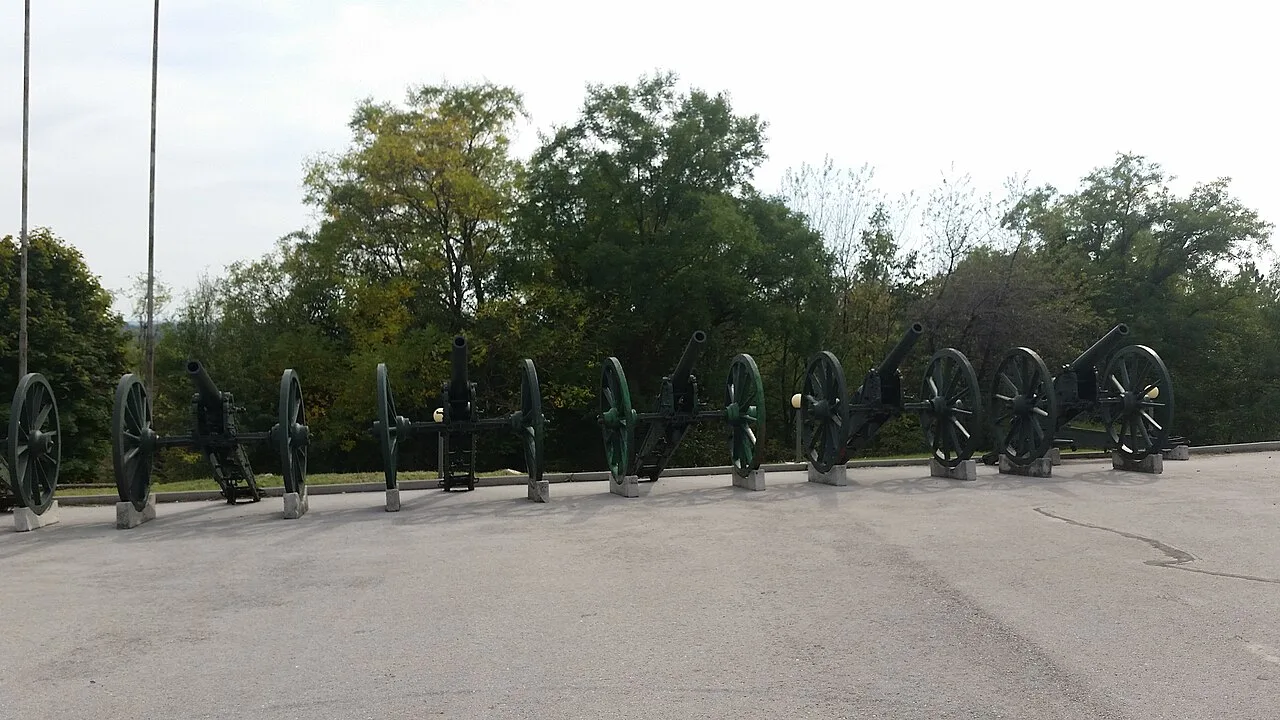
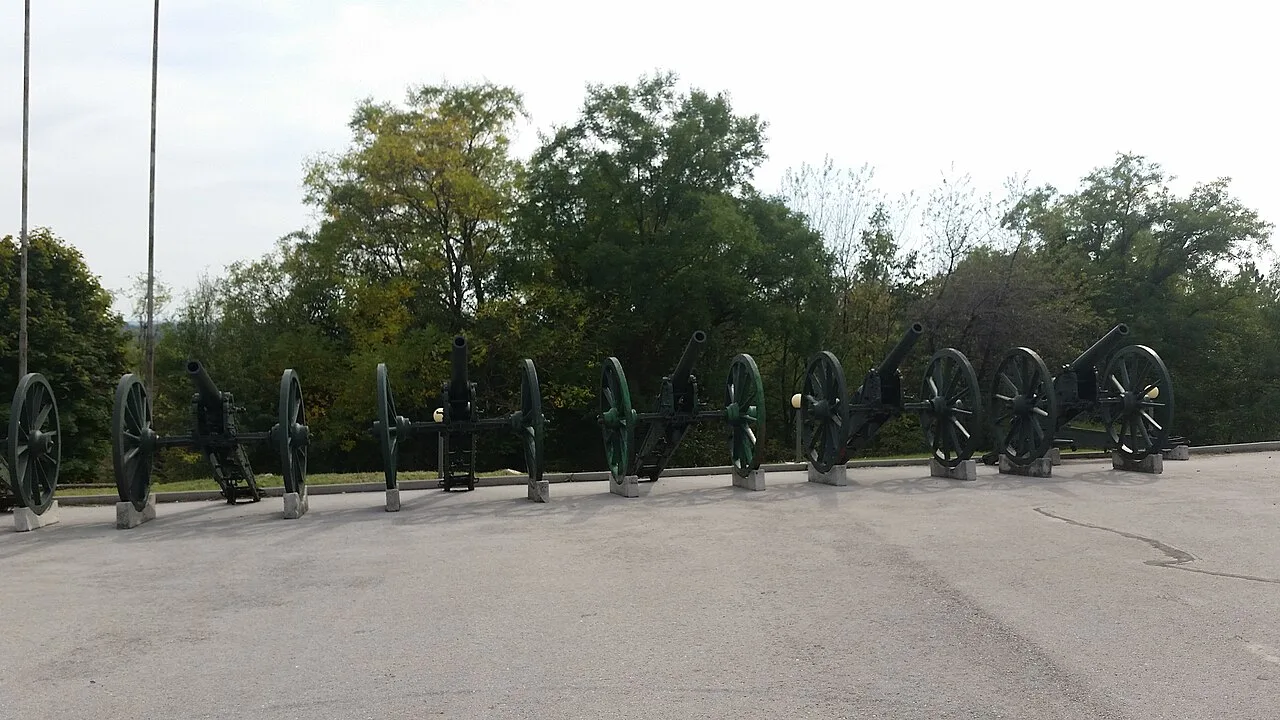
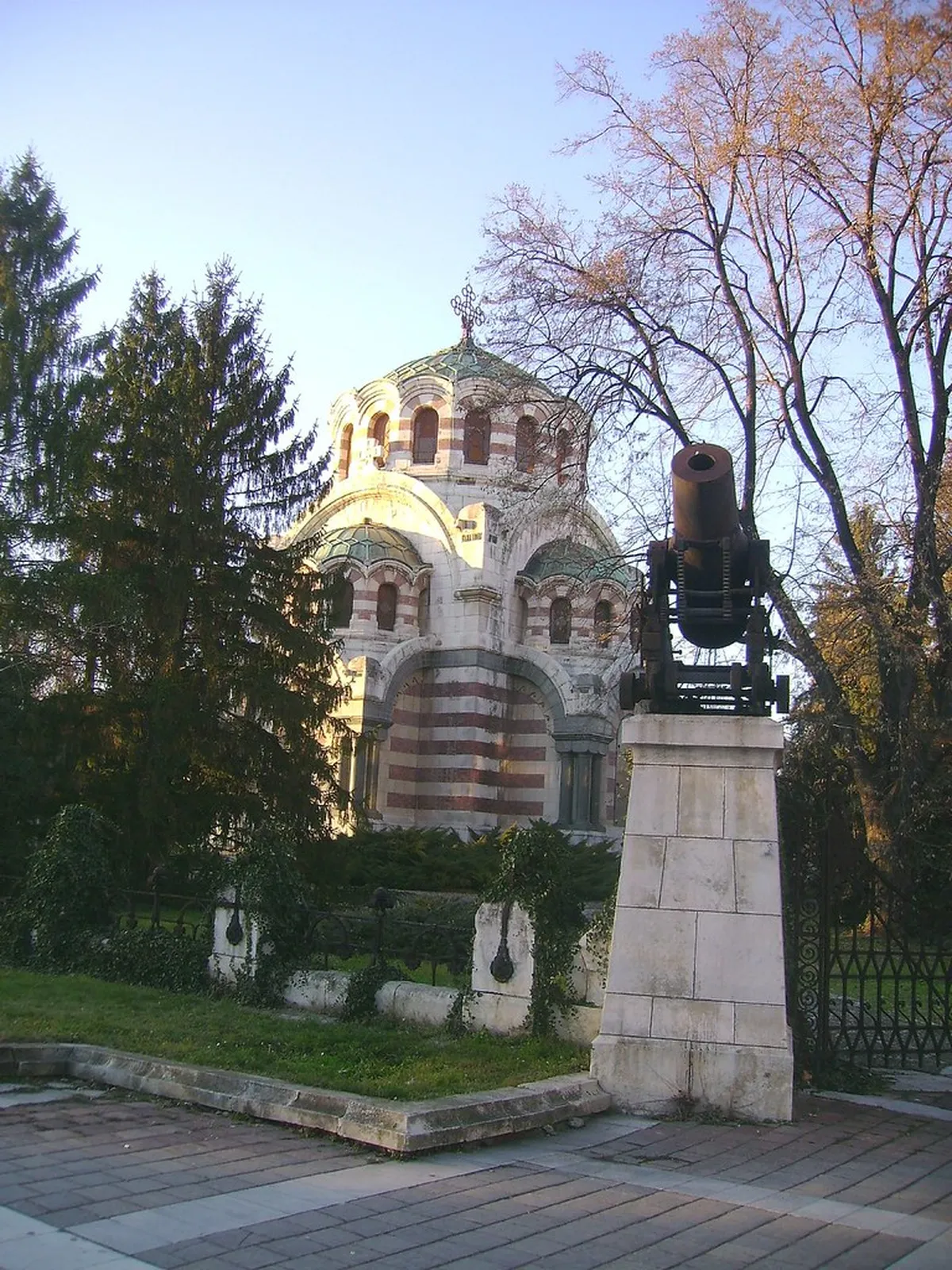
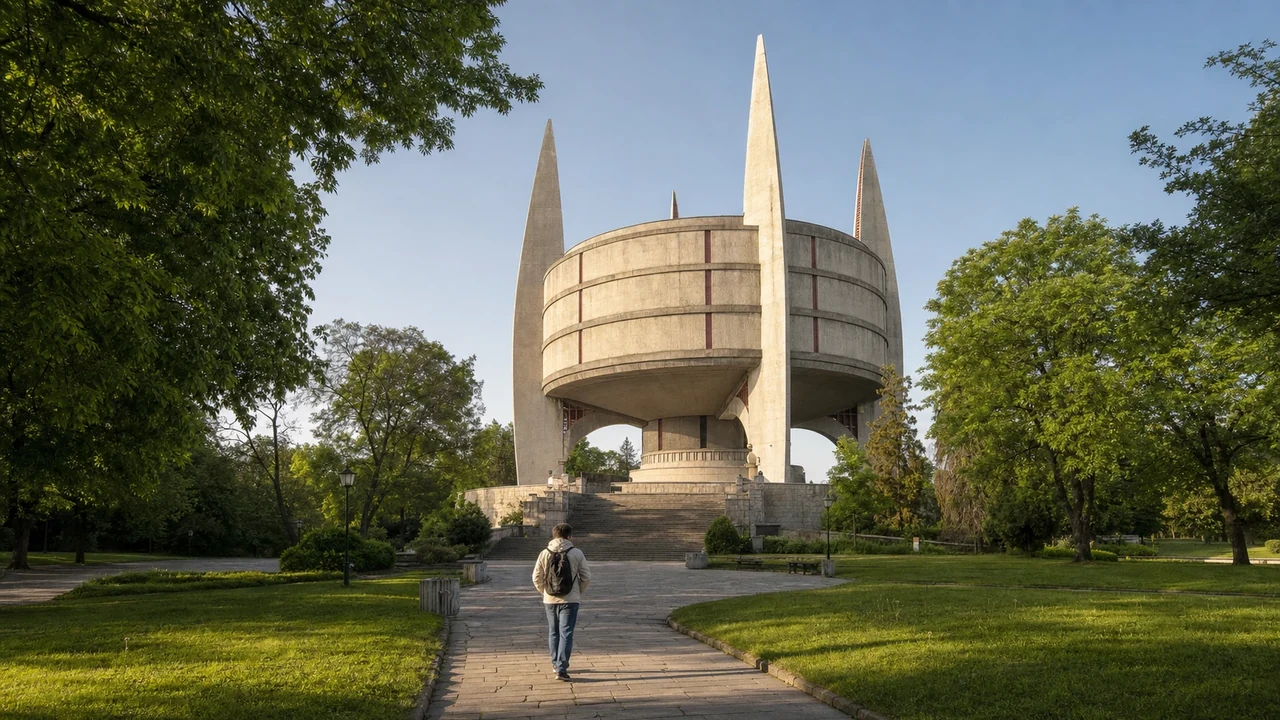
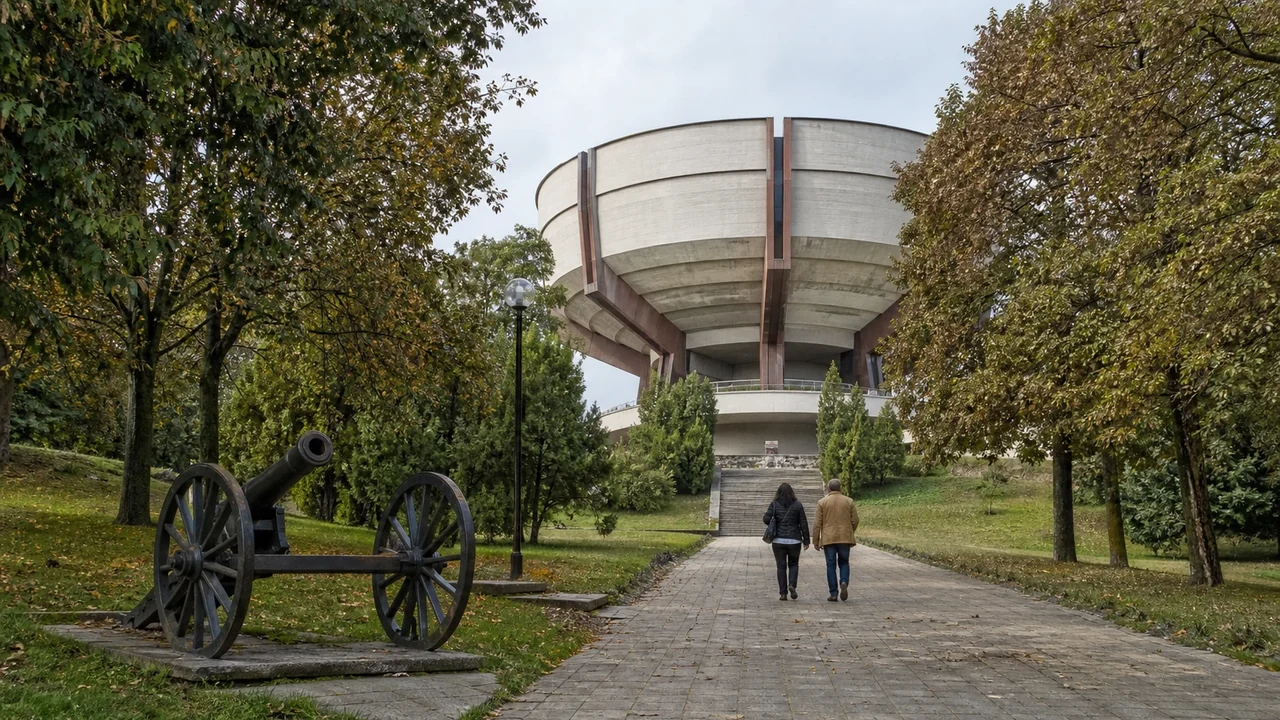
At the center of it is the Pleven Panorama (Pleven Epopee 1877), a 360-degree painted rotunda recreating the siege's climactic assault in immersive scale — one of only a handful of panorama museums of this size anywhere in the world, and reason enough on its own for the detour off Bulgaria's main Sofia-Varna corridor. It stands inside Skobelev Park, the preserved battlefield-turned-memorial park where restored trenches, cannon batteries and mass graves mark the ground troops actually fought over, a short distance from the domed St George the Conqueror Chapel-Mausoleum in the city's central garden, built to hold the remains of soldiers who died taking the city.
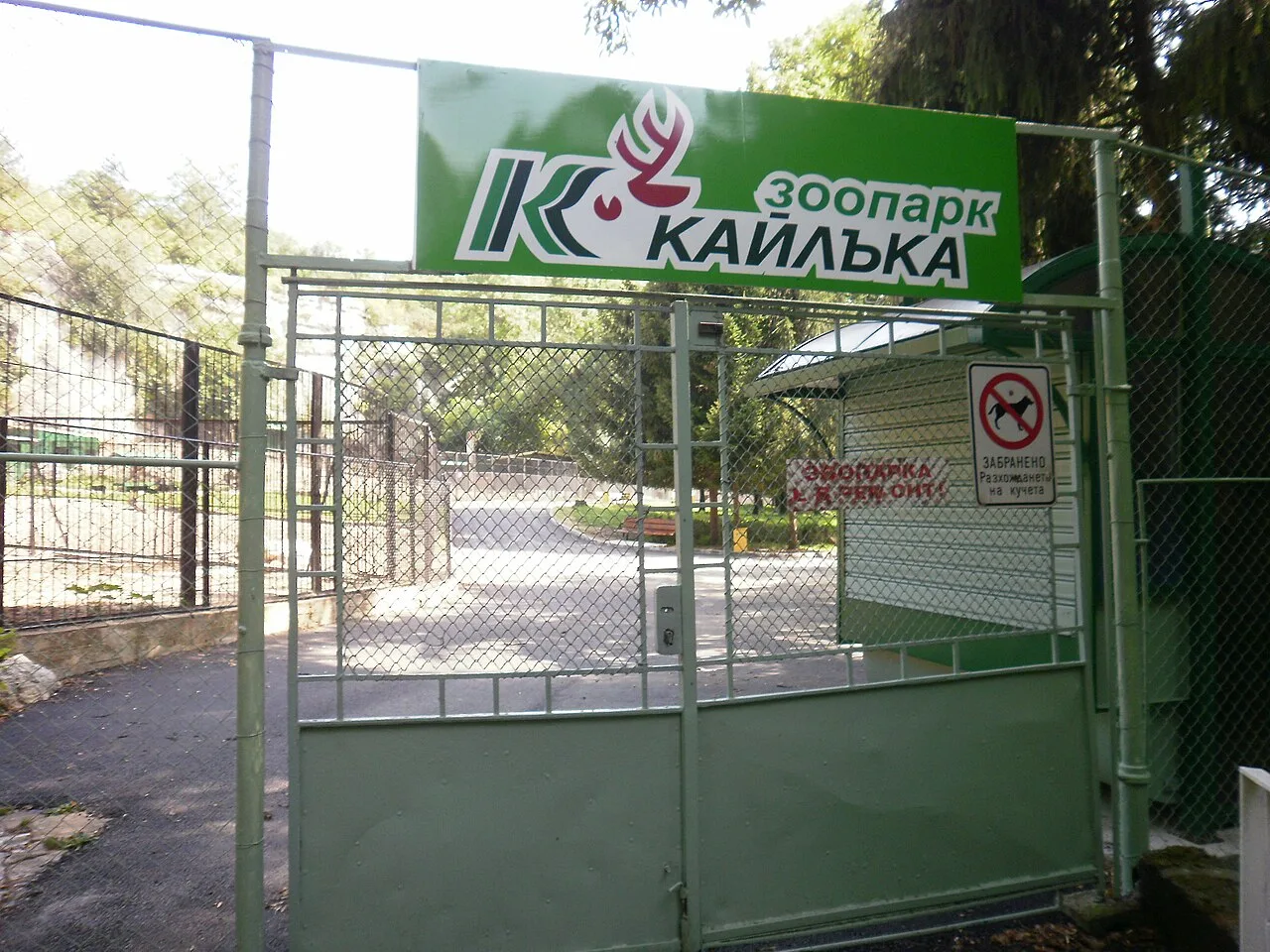
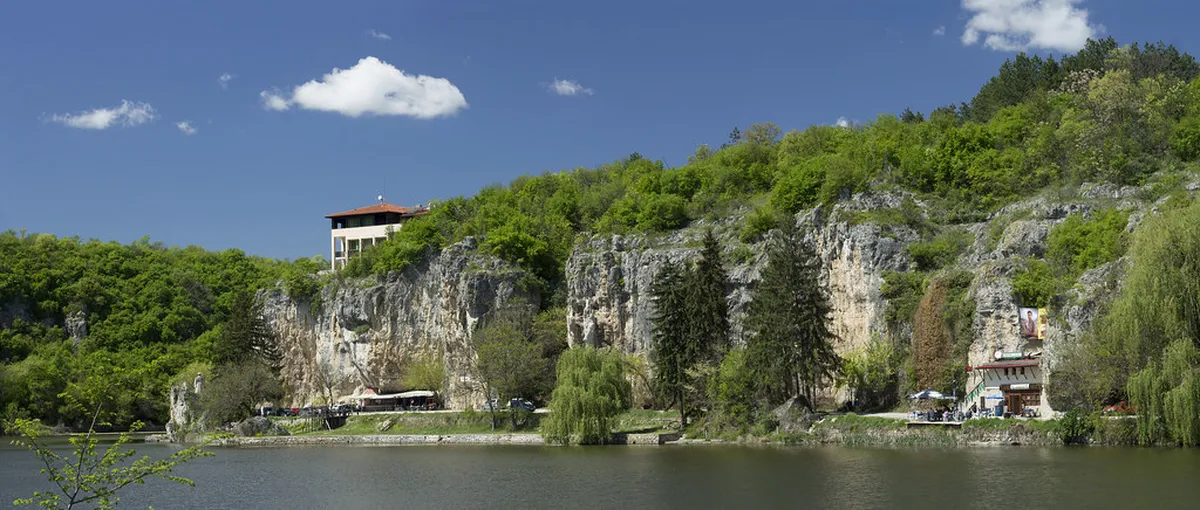
Away from the siege, Kaylaka Park gives Pleven its green counterweight — a karst-canyon nature park on the city's southern edge, with limestone cliffs, lakes and trails. About two hours north of Sofia by car or train, Pleven rewards history-focused travelers with a compact, walkable cluster of sights that fills a day without feeling rushed.
By theme: 1877 siege history and Kaylaka's nature park
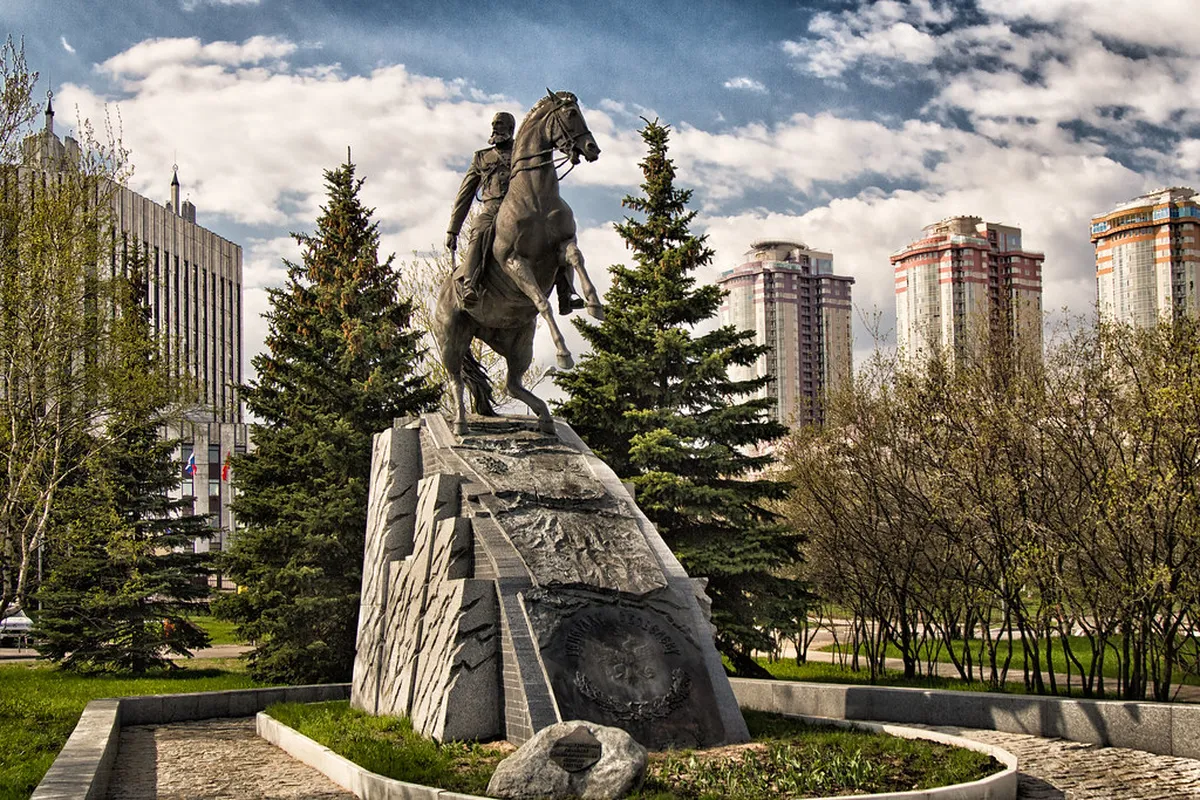
Three of Pleven's four attractions belong to a single narrative thread: the 1877 Siege of Plevna. The Pleven Panorama is the centerpiece, its 360-degree canvas recreating the third and bloodiest assault on the city; it stands inside Skobelev Park, the actual battlefield-turned-memorial ground, where restored trenches, gun batteries and nine mass graves mark where Russian, Romanian and Bulgarian troops fought under General Mikhail Skobelev. A short distance away in the city's central City Garden, the St George the Conqueror Chapel-Mausoleum holds the remains of soldiers from the same campaign beneath its distinctive tiled dome — a quieter, more contemplative stop that pairs naturally with the other two.
Kaylaka Park is the outlier, and the reason to build in extra time. Set in a limestone canyon carved by the Tuchenitsa river on Pleven's southern edge, it swaps war memorials for cliffs, lakes and Roman-era ruins, alongside a working mix of family attractions — boating, a swimming pool, walking trails and a small cave-set wine museum. It's the natural add-on once the siege sites are done, not a substitute for them.
Free vs paid: what costs money in Pleven
Pleven is an inexpensive city to sightsee in, and most of what fills a day here costs little or nothing:
St George the Conqueror Chapel-Mausoleum — a small admission fee applies; confirm the current price on site, as it's set independently by the Regional Military-Historical Museum.
Skobelev Park and Kaylaka Park — free to enter. Both are open-air public parks; individual facilities inside them (boating, the swimming pool, guided cave tours) charge their own separate fees.
Budget for one paid ticket (the Panorama) plus the Mausoleum's small fee, and the rest of a Pleven day costs nothing beyond getting there.
Suggested itineraries for Pleven
Siege-history half day: start at the St George the Conqueror Chapel-Mausoleum in the central City Garden, then head to Skobelev Park for the trenches, cannon batteries and mass graves, finishing inside the park at the Pleven Panorama itself — allow 45-60 minutes for the panorama hall. Three to four hours covers all three at an unhurried pace, with time left for lunch in the city center.
Full day, add Kaylaka: do the siege-history route in the morning, then head south to Kaylaka Park for the afternoon — the canyon trails, lake and cave wine museum comfortably fill two to three more hours. It's an easy add-on rather than a detour, since Kaylaka sits at the edge of the same city.
Getting to and around Pleven
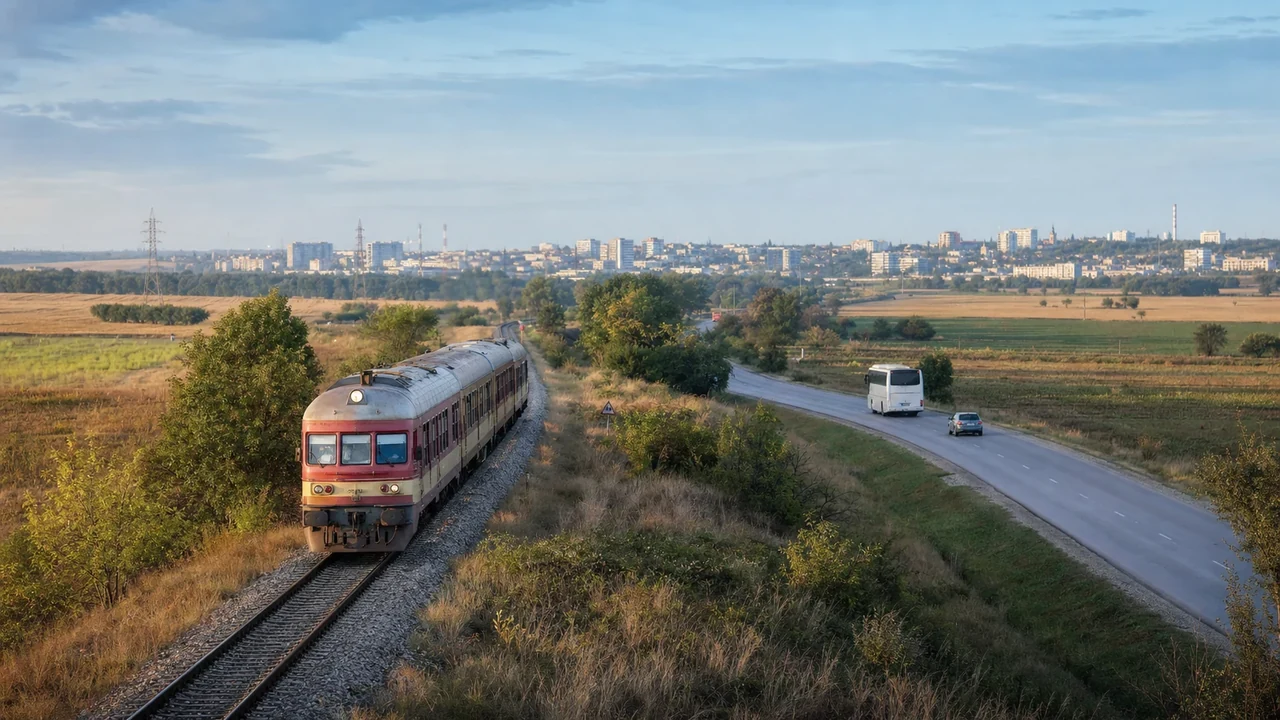
Pleven is roughly 170 km north of Sofia, about two to two-and-a-half hours away by car, direct train or bus, with several departures a day either way. It's a workable long day trip from Sofia if you start early, though an overnight stay lets you take Kaylaka Park at an easier pace.
Within the city, the siege-history sights cluster tightly: the St George Mausoleum sits in the central City Garden, an easy walk from most central hotels, while Skobelev Park (with the Panorama inside it) is further out and usually reached by taxi or a short drive rather than on foot. Kaylaka Park sits separately on the city's southern edge, a short drive from the center — a car or taxi is the practical way to reach it, since public transport options are limited.
Best time to visit Pleven
Spring and autumn — roughly April through June and September through October — give Pleven's outdoor sights, especially Kaylaka Park and the open-air grounds of Skobelev Park, their best conditions: mild temperatures, lower rainfall and comfortable walking weather. Summer is warmer but still workable, since the Panorama and the Mausoleum are both indoor, shaded stops. Winter thins the crowds further (Pleven sees relatively little overtourism even in peak season) but makes the outdoor parks less rewarding, so aim for the shoulder seasons if the trip is flexible.
Pleven FAQ
What is the Pleven Panorama?
The Pleven Panorama (officially the Pleven Epopee 1877) is a circular panorama museum inside Skobelev Park with a 360-degree painted canvas recreating the decisive 1877 Siege of Plevna. Completed in 1977 by a team of Russian and Bulgarian artists, it combines the painted canvas with a sculpted foreground for an immersive, walk-around viewing experience, and is counted among the largest panorama museums in the world.
How do you get to Pleven from Sofia?
Pleven is about 170 km from Sofia, roughly two to two-and-a-half hours away by car via the main northbound route, or by direct train or bus several times a day in a similar amount of time. It's manageable as a long day trip, though staying overnight leaves more time for Kaylaka Park.
Is Pleven worth visiting?
Yes, particularly for travelers interested in Bulgarian history — Pleven concentrates the country's most complete 1877 Siege of Plevna memorial landscape (the Panorama, Skobelev Park and the St George Mausoleum) in one compact, walkable city, with Kaylaka Park's canyon scenery as an easy add-on. It sees relatively few tourists even in high season, so sights rarely feel crowded.
How many days do you need in Pleven?
One full day covers the essentials: a half day for the siege-history sites (Panorama, Skobelev Park, St George Mausoleum) and an afternoon at Kaylaka Park. A second day only adds value if you want to explore Kaylaka's trails at a slower pace or dig deeper into the Regional Historical Museum.
Is Kaylaka Park free to visit?
Yes. Entry to Kaylaka Park is free — it's a public nature park. Individual facilities inside it, such as the swimming pool, boat rentals and guided cave tours, charge their own separate fees.
What is Pleven famous for?
Pleven is best known for the 1877 Siege of Plevna, a five-month siege during the Russo-Turkish War that was pivotal to Bulgaria's liberation. The Pleven Panorama, Skobelev Park and the St George the Conqueror Chapel-Mausoleum all commemorate this event, making Pleven Bulgaria's principal city for 1877 war history.
Are Pleven's attractions within walking distance of each other?
Partly. The St George Mausoleum sits in the central City Garden, walkable from most hotels. Skobelev Park and the Panorama inside it are further out and usually reached by taxi or a short drive rather than on foot. Kaylaka Park is separate again, on the city's southern edge, and is best reached by car or taxi.