Church of the Holy Mother of God (Sveta Bogoroditsa), Sozopol Visitor Guide
The Church of the Holy Mother of God stands as a silent witness to centuries of Bulgarian history. This spiritual site dates back to the 15th century when the Ottoman Empire ruled the Balkan region. Local builders constructed the sanctuary during a time of strict religious restrictions for Christian communities. Today, it remains one of the oldest preserved buildings in the charming seaside town of Sozopol.
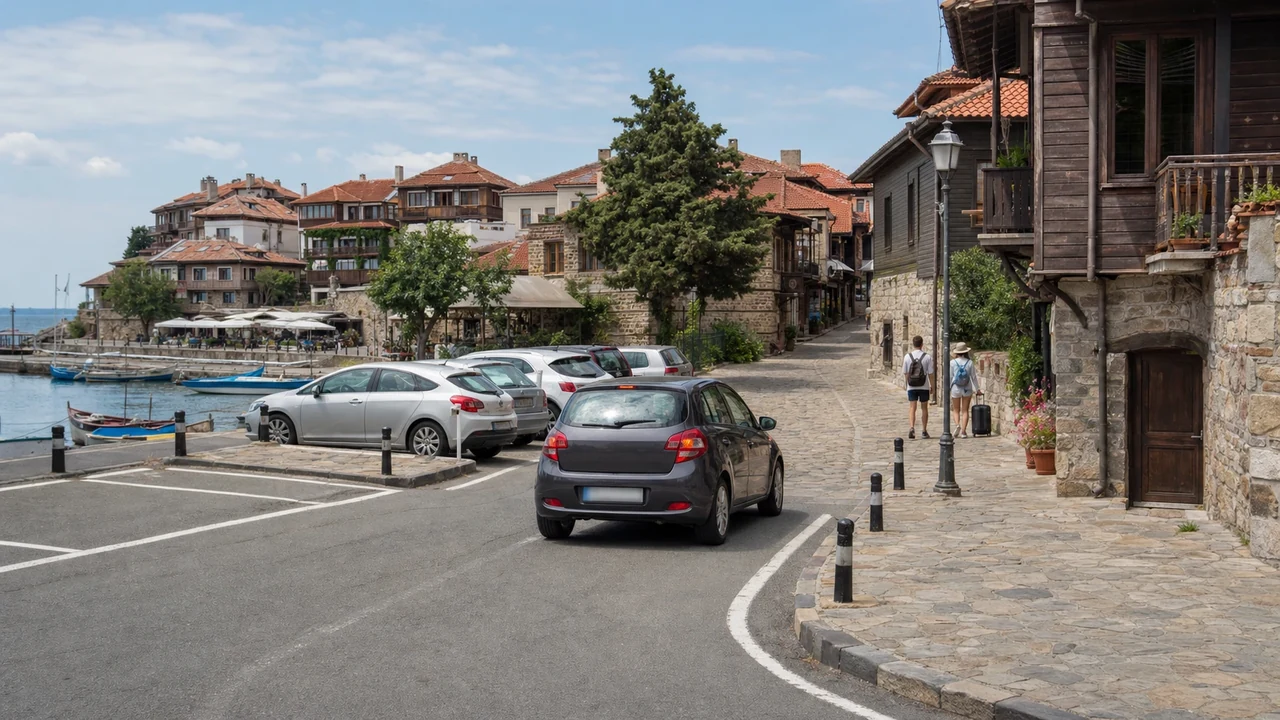
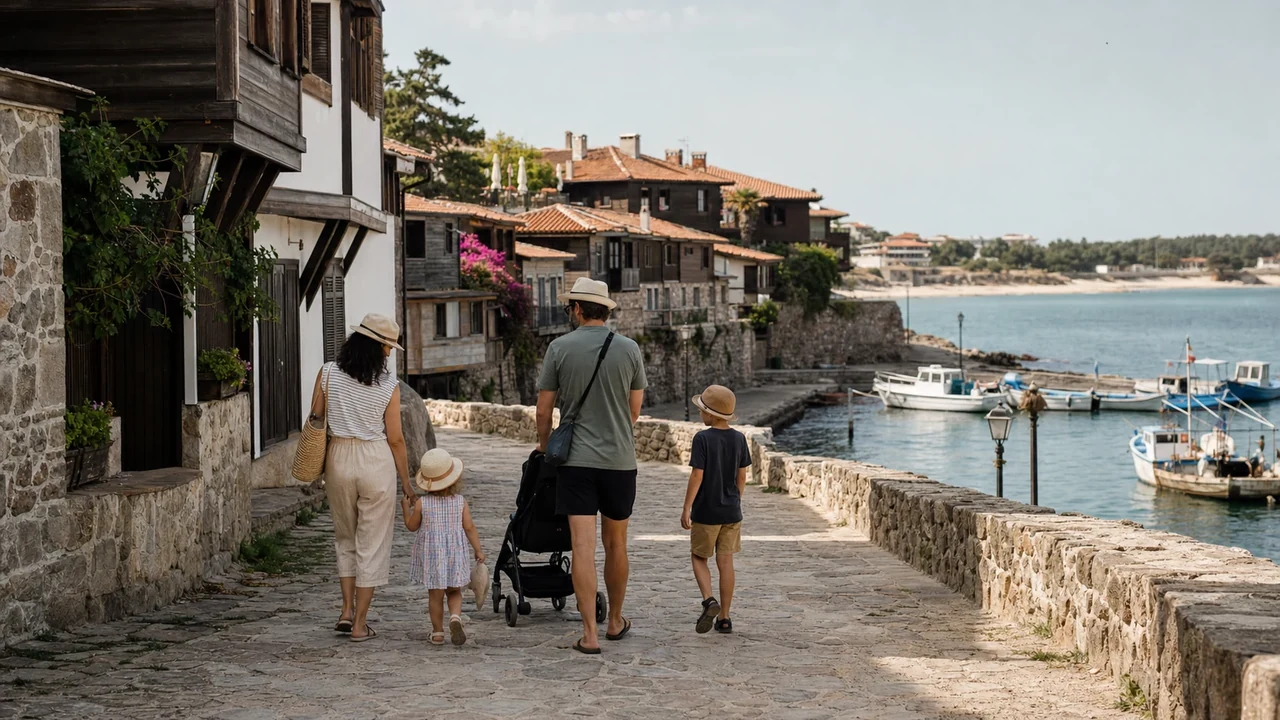
Walking through the narrow streets of the Old Town leads you to this unique architectural gem. The church is famous for its 'half-buried' design, which hides a rich interior beneath a humble exterior. Travelers visiting Sozopol Bulgaria should not miss the chance to explore this sacred space. Our guide provides everything you need to know for a meaningful visit in 2026.
For an immersive visual preview of Sozopol's enchanting old-town setting before your visit, this 4K walking tour showcases the town's picturesque streets and atmosphere:
Historical Context: A 15th-Century Ottoman-Era Relic
The Church of the Holy Mother of God (Sveta Bogoroditsa) is generally dated to the late 15th century, built soon after Ottoman rule reached Sozopol's stretch of the Black Sea coast. It rises on the footprint of an earlier medieval sanctuary, continuing a tradition of worship on this exact spot that predates the Ottoman period. Centuries before either church stood here, the same peninsula was home to Apollonia Pontica, the ancient Greek colony that gave Sozopol its layered identity as one of Bulgaria's oldest continuously inhabited towns.
Ottoman-era law placed strict limits on Christian construction: new churches could not rise above the height of a man on horseback, and building at all required special permission from local authorities. Sozopol's Christian community met these restrictions by digging into the ground rather than building upward, a workaround repeated in several churches along the Bulgarian coast during the same period.
Today the church sits inside Sozopol's protected Old Town, part of the historical reserve often referred to as the 'Ancient City of Sozopol,' a grouping of Revival-era and Ottoman-era structures on Bulgaria's UNESCO World Heritage Tentative List. That status reflects the density of surviving religious architecture packed into a few narrow streets, of which Sveta Bogoroditsa is one of the best preserved. A visit pairs naturally with a walk through the rest of the Sozopol Old Town Visitor Guide district.
Unique Architecture: Why the Church is Half-Buried
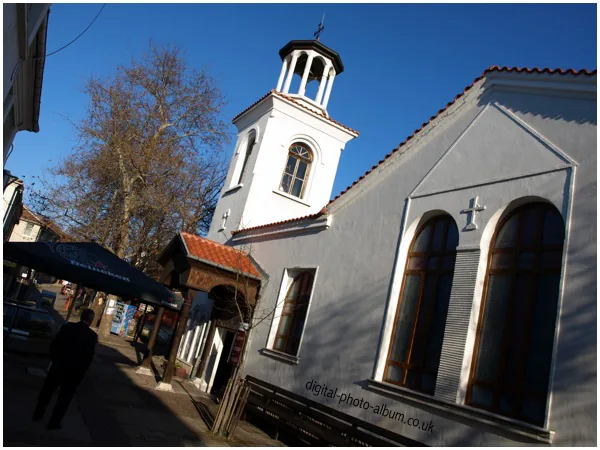
The defining feature of Sveta Bogoroditsa is its low, half-buried profile. Rather than building the nave at street level, the original masons dug down into the earth so the roofline stayed below the ceiling imposed on Christian buildings. From the street, the church barely registers as a landmark; only a small dome and descending stone steps at the entrance give it away.
Architecturally, the building follows a pseudo-basilica plan: a rectangular hall divided into three aisles by rows of stone piers, without the raised central dome of a true basilica. The exterior walls are thick, undressed stone built to withstand the coastal salt air and humidity, while small windows set high near the roofline let in only a narrow band of daylight, a deliberate dimness suited to quiet prayer.
Once inside, the sunken floor works in the church's favor: because the nave sits well below the surrounding courtyard, the interior ceiling feels far more generous than the exterior silhouette suggests. It is a compact, clever solution that let Sozopol's Christian community keep a full-sized place of worship without breaking Ottoman building law.
Interior Masterpieces: The Iconostasis and Woodcarvings
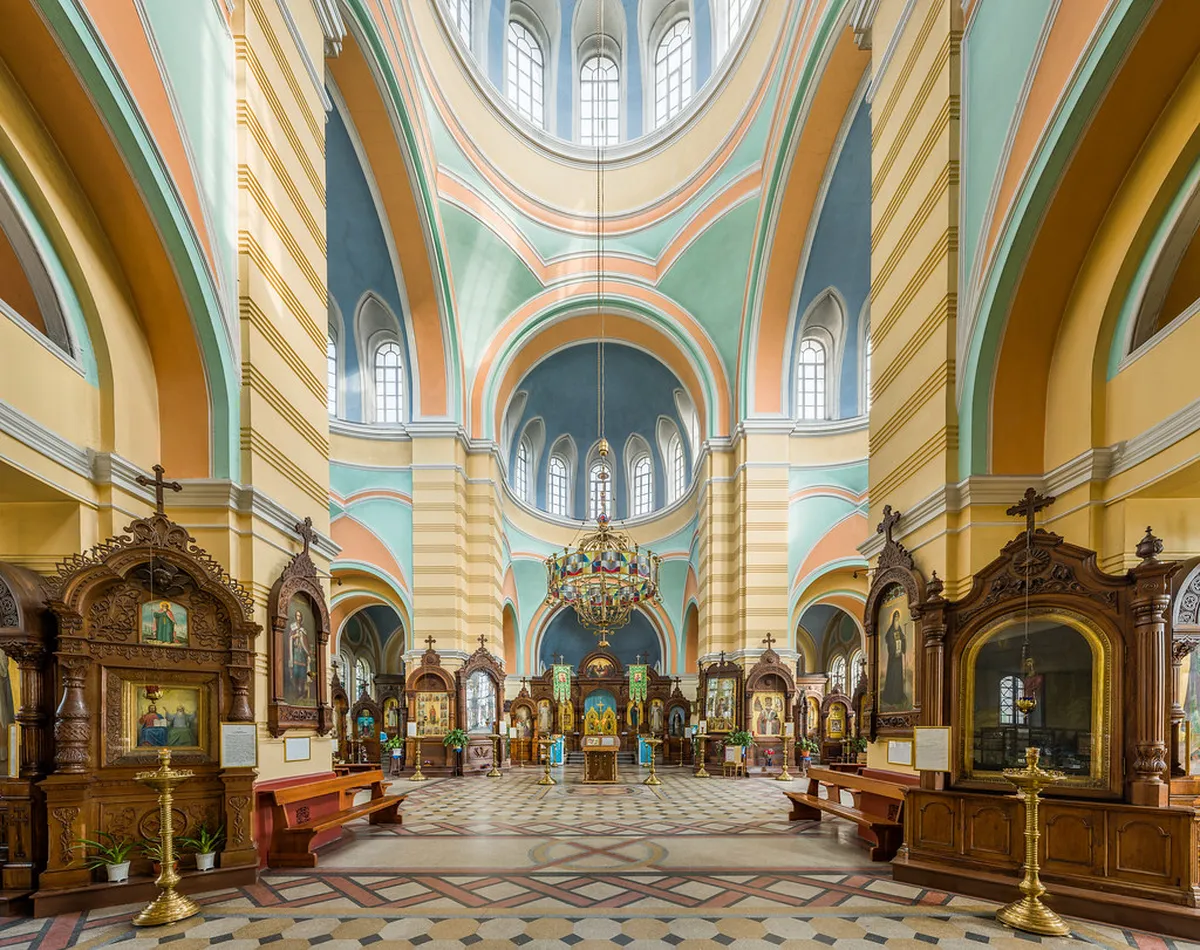
The interior's centerpiece is a wood-carved iconostasis completed in the late 18th century by an unidentified master carver, one of several furnishings added during Bulgaria's National Revival. The screen is worked in deep relief with vine leaves and bunches of grapes twisting around biblical scenes, a motif repeated on the matching pulpit and bishop's throne. Despite the anonymity of the carver, the quality of the work places it among the finest surviving iconostases on the Bulgarian Black Sea coast.
Around the nave, the church holds a modest but valuable collection of icons donated over the centuries by Sozopol's sailors, merchants, and shipowning families, reflecting the town's long identity as a fishing and trading port. The icons follow the traditional Byzantine style, with the Virgin Mary and various saints outlined in gold leaf that still catches candlelight in the dim interior.
Preserving carved wood and painted icons inside a semi-underground space with high humidity is an ongoing task, so ask at the door whether any section of the nave is covered for conservation before paying the entry fee.
Comparing Sveta Bogoroditsa to Sozopol's Other Old-Town Churches
Sozopol's small peninsula holds several historic churches, and first-time visitors often try to see them all in one afternoon without realizing how different each one is. The Church of Sveti Georgi (St. George), a short walk from Sveta Bogoroditsa, sits at street level with a brighter, simpler interior and is easier to spot from the road. Sveta Bogoroditsa is the only one of the group built semi-sunken, and it holds the more elaborate of the town's surviving iconostases, so it rewards a slightly longer stop.
If you only have time for one church in the Old Town, prioritize Sveta Bogoroditsa for the architecture and woodcarving, and add Sveti Georgi only if you are already walking past it. Travelers who want a fuller sense of Sozopol's religious architecture can treat the two as a short, self-guided pairing of around 30 to 40 minutes combined, since both sit within the same few blocks of the peninsula.
Practical Visitor Guide: Hours, Tickets, and Location
The church keeps a fairly consistent daily schedule in season, typically from around 10:00 to 18:00, though hours tighten in the shoulder months and the site occasionally closes for services. A modest entrance fee is charged at the door to help fund the museum-church's upkeep; bring a little cash, since card payment is not guaranteed and the exact amount is best confirmed on site rather than assumed in advance. Morning visits before 11:00 tend to be quietest, ahead of the larger old-town walking-tour groups.
Because Sveta Bogoroditsa remains a consecrated Orthodox church rather than a pure museum piece, dress code and behavior expectations are stricter than at a typical archaeological site. Visitor listings for the site confirm the same basics locals will tell you at the door: cover shoulders and knees, keep noise to a minimum, and switch phones to silent before heading down the stone steps into the nave.
- Know Before You Go
- Hours: roughly 10:00-18:00 in season, shorter off-season
- Address: ul. Anaksimandar 13, Sozopol Old Town
- Dress code: shoulders and knees covered
- Payment: small entrance fee, cash preferred
- Photography: no flash inside
Light inside the nave is genuinely low, filtered through narrow windows near the roofline, so photos of the iconostasis need a steady hand rather than a flash, which is discouraged around the icons anyway. For the best exterior shot, step back into the small courtyard by the fig tree rather than shooting from the street; the sunken roofline reads more clearly from a slight elevation, and the tree frames the entrance well in late-afternoon light.
How to Find the Church in Sozopol's Old Town
Finding the church can be a challenge, since the Old Town's street plan follows the shape of the peninsula rather than a grid. It stands on Anaksimandar Street, a narrow lane in the northern half of the peninsula, marked in the small courtyard by a massive, centuries-old fig tree that has become a landmark for anyone searching for the entrance.
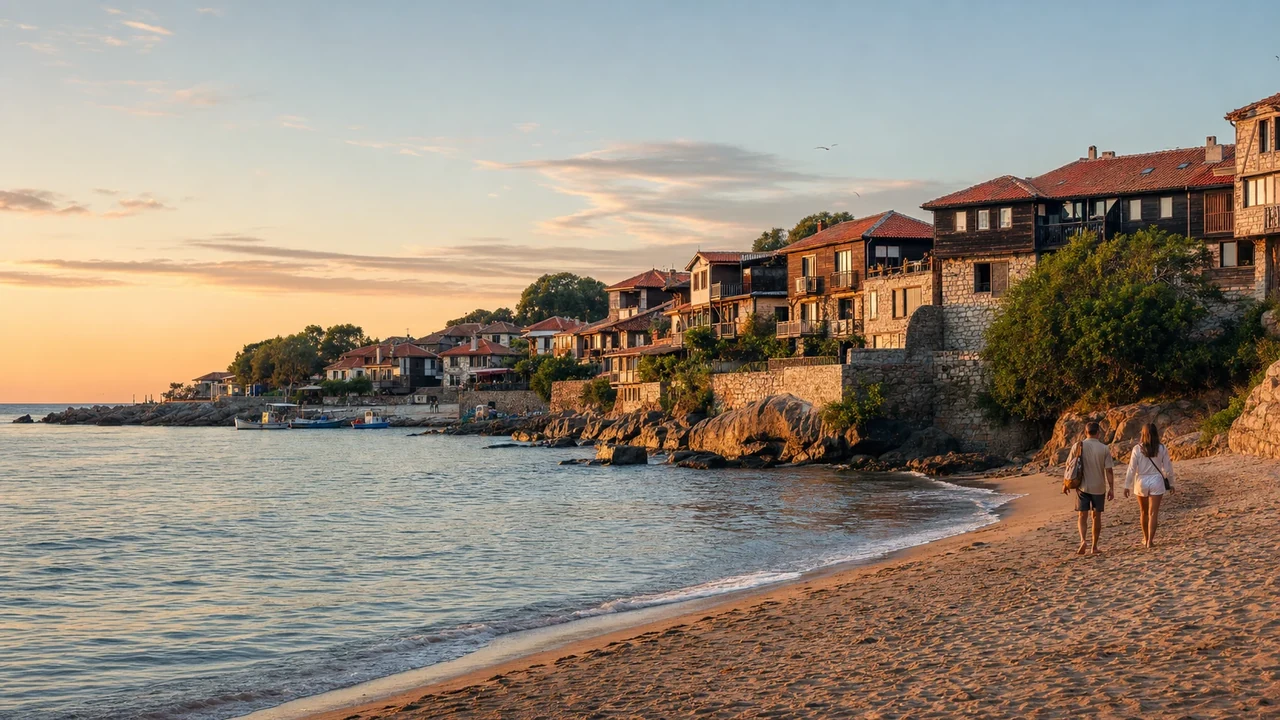
From the bus station or the harbor front, walk into the Old Town along the waterfront and continue toward the peninsula's higher ground. Follow the signs for the 7 Top Things to Do in Sozopol Old Town historical reserve to stay on the right path. The walk takes about ten minutes through some of the most scenic streets in Sozopol. GPS signal is unreliable among the tall stone houses, so ask locals or check a printed map once you are inside.
The entrance itself is easy to miss: a plain wooden gate opens onto a small garden, and the church roof sits almost level with the surrounding pavement. Stone steps lead down from the courtyard to the heavy wooden doors, and that short descent below street level is the clearest sign you have found the right building.
Top Attractions to Visit Nearby in Sozopol
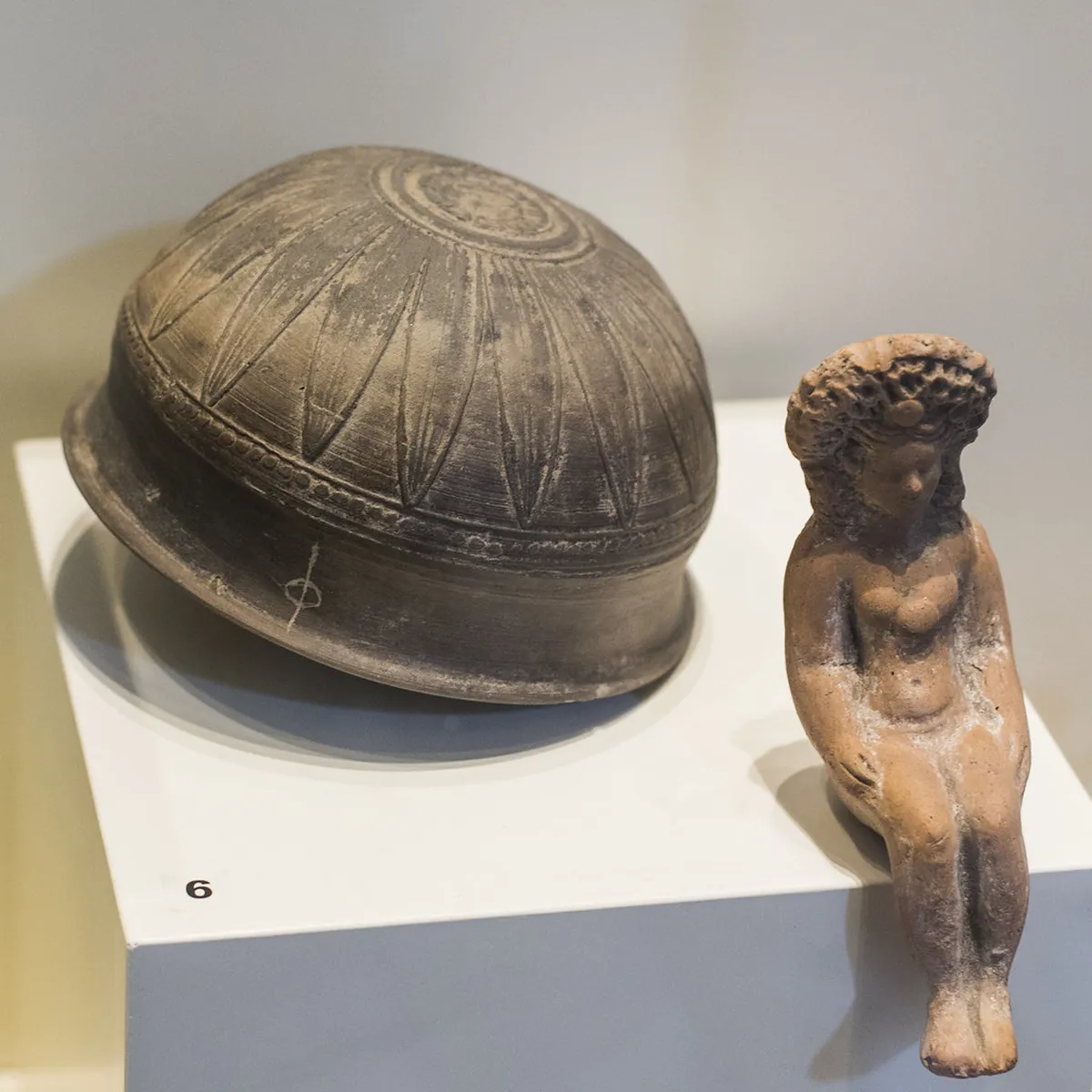
The church sits within easy walking distance of several other Old Town highlights. The Archaeological Museum Sozopol Visitor Guide is a natural next stop, holding Greek and Roman artifacts recovered from ancient Apollonia Pontica, the settlement that once occupied this same peninsula.
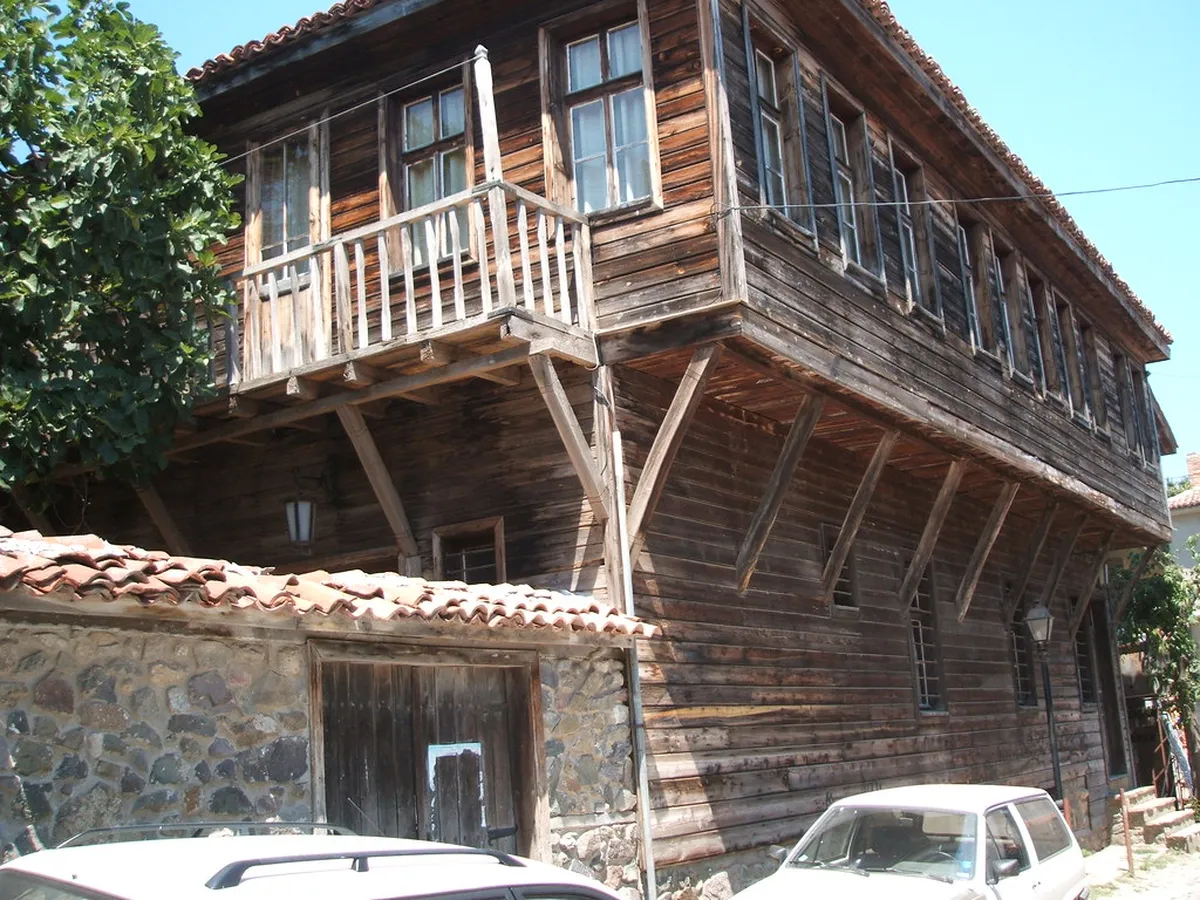
Along the rocky shoreline, the Southern Fortress Wall and Tower Visitor Guide offers open Black Sea views, with St. Ivan Island (sveti Ivan) Visitor Guide visible offshore from the northern cliffs on a clear day. Both sit within the same short loop as the church.
Travelers with a car and a couple of extra hours often add Ravadinovo Castle ('In Love With the Wind') Visitor Guide just outside town, a modern, fairy-tale-style attraction that makes a deliberate contrast with the Old Town's centuries-old stonework.
Continue planning: Use Sozopol Attractions: 7 Top Things to Do in Sozopol Old Town to connect this guide with the rest of your Bulgaria itinerary.
Frequently Asked Questions
What is the Church of the Holy Mother of God in Sozopol?
It is a 15th-century Orthodox church known as Sveta Bogoroditsa, tucked into the heart of Sozopol's old town. The stone building is sunk partly below street level and is celebrated for its intricately carved wooden iconostasis.
Why is the church built partly below ground?
Under Ottoman rule, Christian churches were not allowed to rise above the surrounding houses, so the builders dug much of the structure into the ground to keep a deliberately low profile. The result is the distinctive semi-sunken church you see today.
What is special about the iconostasis?
The late-18th-century wooden iconostasis and pulpit were carved by an unknown master craftsman and feature motifs such as bunches of grapes. It is regarded as one of the most beautiful carved iconostases on the Bulgarian coast.
Is there an entrance fee to visit the church?
Yes, a small entrance fee is collected on site to visit the church as a museum-church, so it is worth carrying a little cash. Amounts are modest; confirm the current price at the door.
Where exactly is the church located?
It stands on Anaximander Street (ul. Anaksimandar 13) on Sozopol's old-town peninsula, within a short walk of the harbour and the town's other historic churches. Set in a small courtyard, it is often shaded by a large fig tree.
There are many 'Holy Mother of God' churches in Bulgaria - how do I find the right one?
Sveta Bogoroditsa is a very common church name in Bulgaria, with well-known examples in Plovdiv and Veliko Tarnovo. The Sozopol church is specifically the semi-sunken 15th-century one on Anaximander Street in the old town, so navigate to that address to avoid confusion.
When is the church open to visitors?
It generally welcomes visitors during old-town sightseeing hours in the tourist season, but opening times can vary, so it is best to check locally on the day of your visit.
Can I take photos inside?
It remains a consecrated Orthodox church, so dress modestly and follow any posted rules about photography and silence inside the building.
The Church of the Holy Mother of God remains one of the most tangible links to Sozopol's Ottoman-era history, a building shaped as much by restriction as by faith. Its half-buried form, carved iconostasis, and small collection of icons reward the short detour off the beach path. Anyone touring Sozopol's Old Town in 2026 should build fifteen or twenty unhurried minutes into the day, ideally before the late-morning crowds reach Anaksimandar Street.
To verify current details, consult the Church of the Holy Mother of God (Sveta Bogoroditsa), Sozopol on Wikipedia and Church of the Holy Mother of God (Sveta Bogoroditsa), Sozopol guide on Lonelyplanet.
For more Sozopol planning, read our 25 Best Things to Do in Sozopol, Bulgaria (2026) and Is Sozopol Worth Visiting? An Honest Travel Guide for 2026 guides.