Belogradchik Rocks Visitor Guide
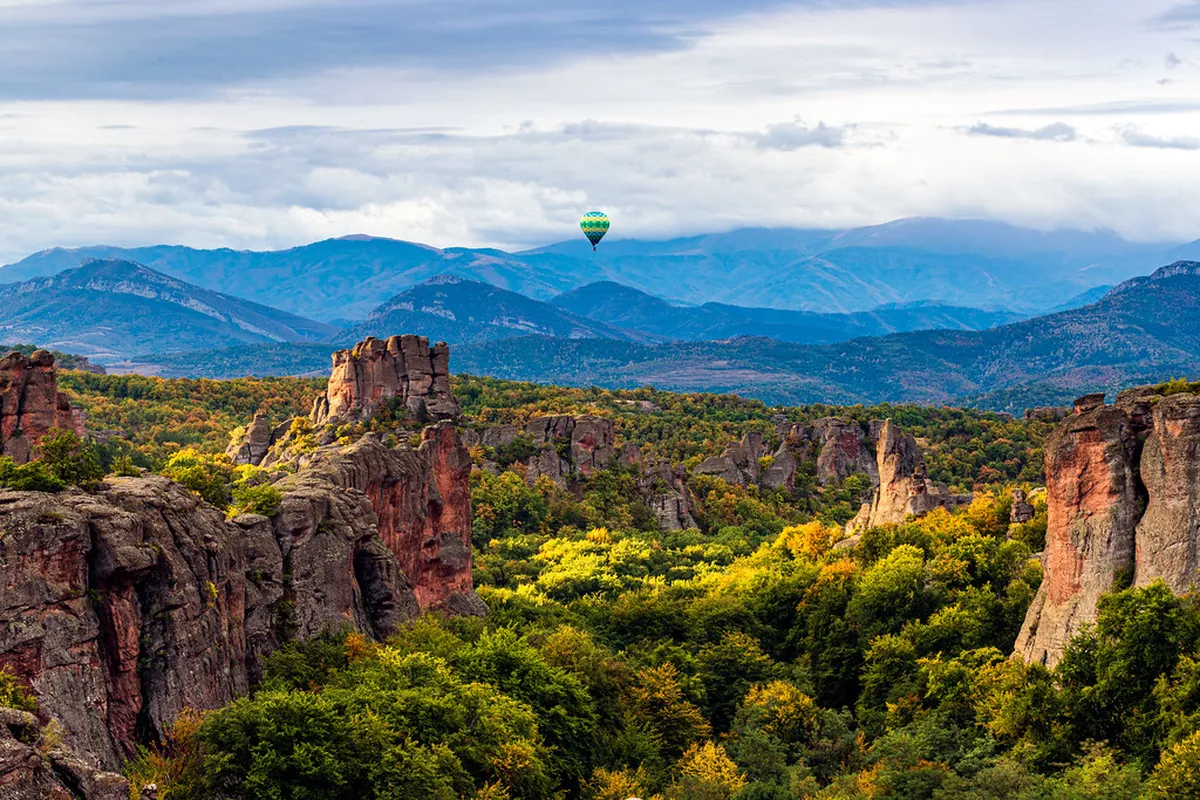
Exploring the northwest corner of Bulgaria reveals a landscape that feels like a scene from a fantasy novel. This belogradchik rocks visitor guide helps you navigate one of the most stunning natural wonders in the Balkan region. These massive sandstone towers stretch across a vast field that spans roughly 30 kilometers in length and 7 kilometers in width. Travelers often visit this site to witness the dramatic contrast between the red rocks and the lush green forests.
For a visual introduction to the dramatic red formations and the nearby cave systems, this short tour captures the landscape and scale:
What Are the Belogradchik Rocks?
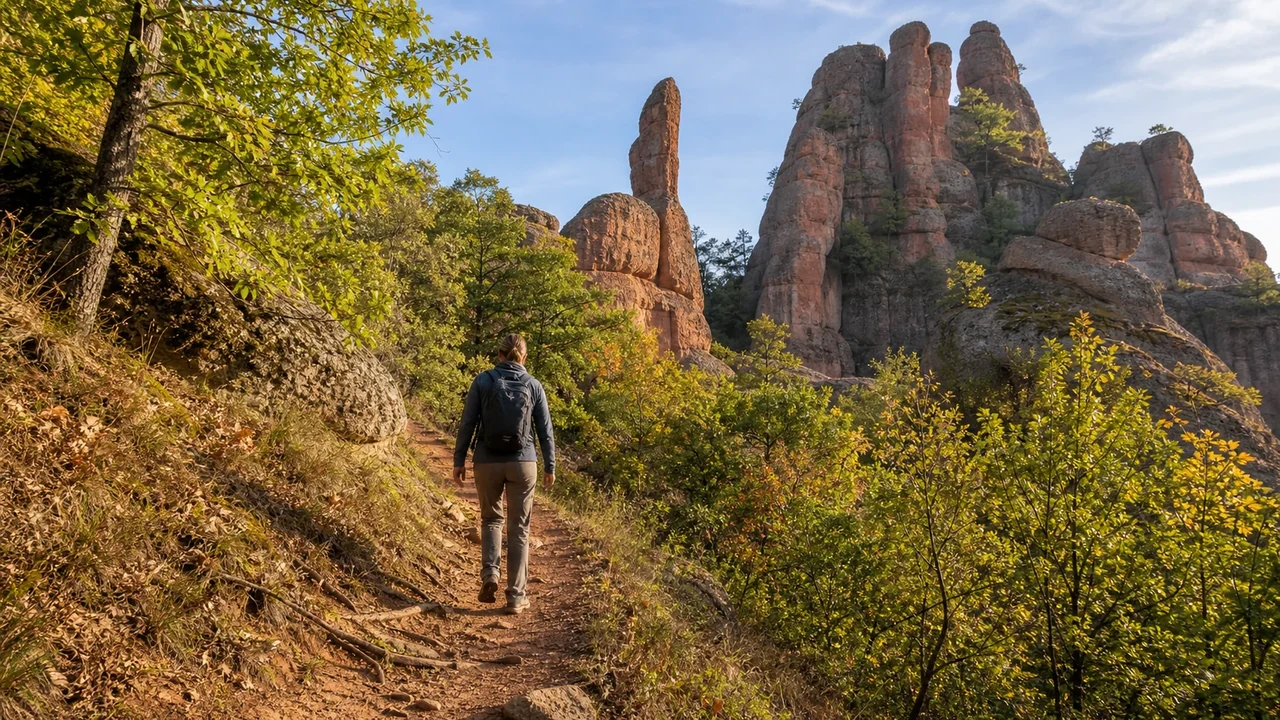
These formations were shaped by roughly 230 million years of erosion, starting from sediment laid down in the Triassic period. The striking reddish-brown color comes from hematite locked inside the sandstone and conglomerate layers. According to the Belogradchik Rocks overview, many towers exceed 100 meters, with the tallest pillars approaching 200 meters. Three distinct clusters ring the small town of Belogradchik, each with its own character.
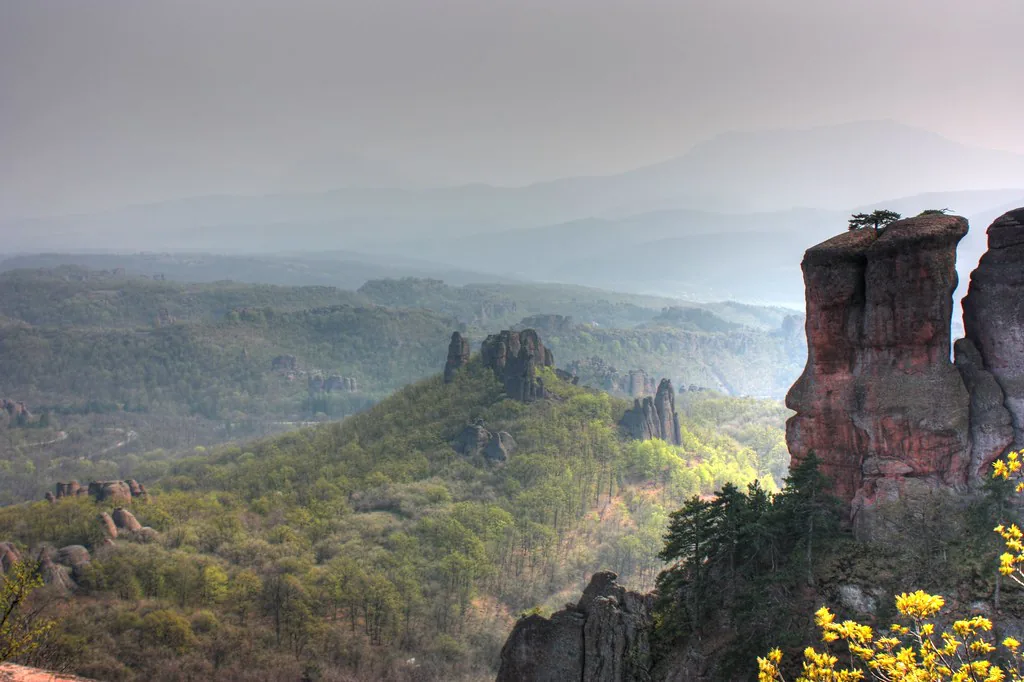
The first and largest group sits directly around Belogradchik Fortress and is the most visited part of the site. A second cluster lies to the west along quieter trails that see far fewer visitors than the fortress approach. The third group, roughly 4 kilometers east of town, includes the cliffs near the Latin Gate and the Lipenik Cave. Local legends have attached names to individual shapes -- the Horseman, the Madonna, the Schoolgirl, the Bear -- most involving petrification, unrequited love, or divine punishment.
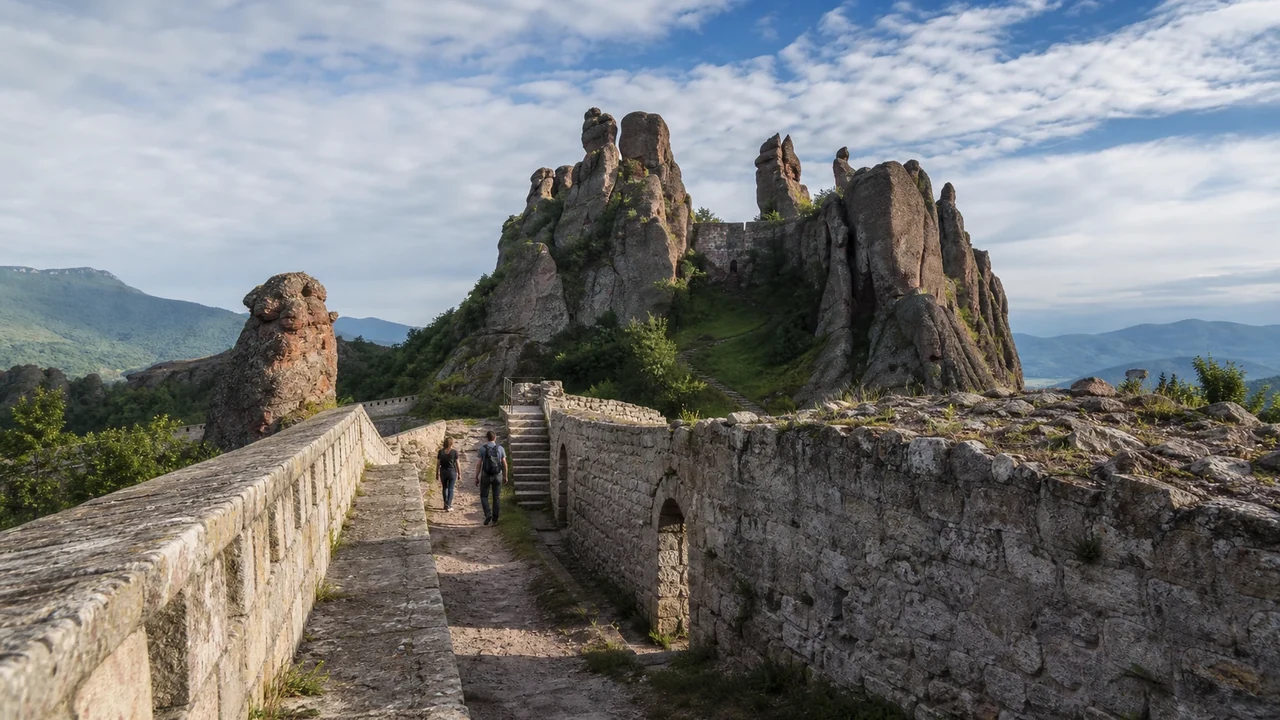
Budget at least 90 minutes to explore the main viewing area and take in the scale of what surrounds you. The walk from the car park to the highest point takes about 15 minutes on stone stairs that turn steep in places, and the sandstone can be slippery when wet or dusty. The most dramatic views come around sunrise and sunset, when the low light deepens the red of the rock.
Best Time to Visit: Sunrise, Sunset, and Seasons
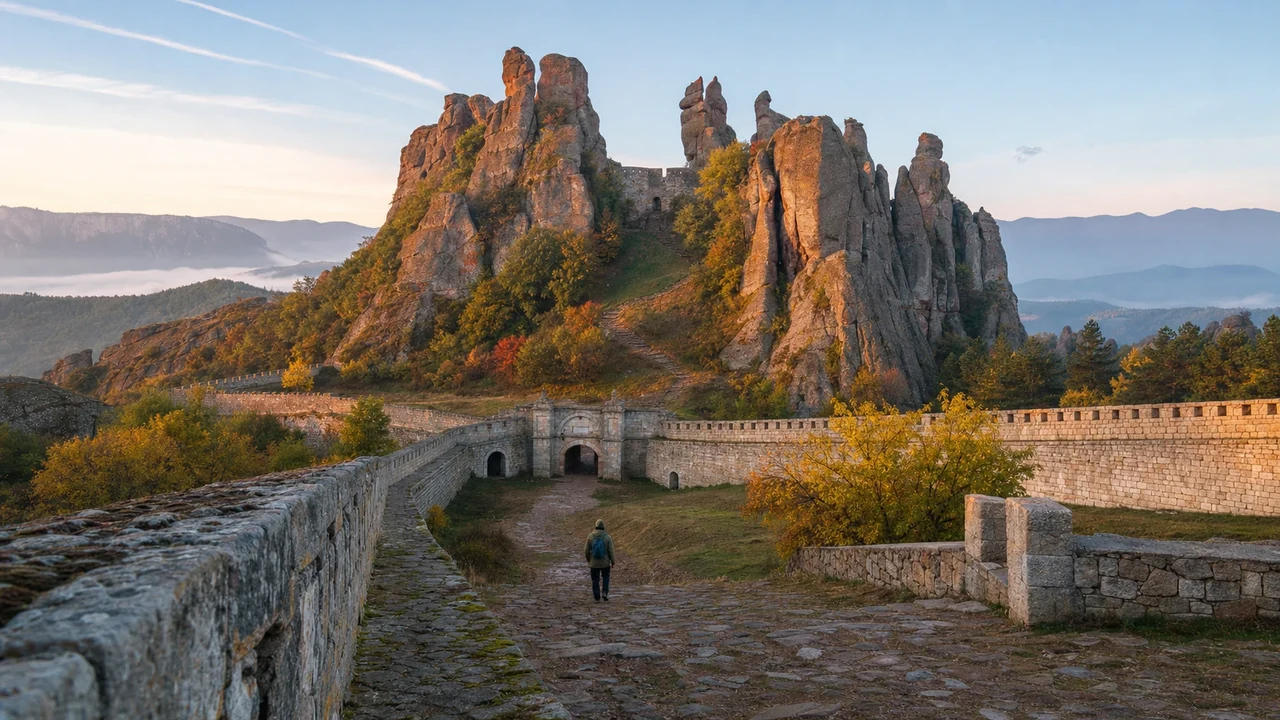
Timing pays off here more than at most Bulgarian sights, because the sandstone changes character with the light. At sunrise the cliffs glow deep amber before the valley fully lightens, and the quiet lasts until tour groups arrive around 10:00. Sunset is just as rewarding -- scout a viewpoint during the day and return in late afternoon; in summer 2026, golden hour on the west-facing rocks falls roughly between 19:00 and 20:30.
Season matters almost as much as time of day. Spring brings wildflowers to the lower slopes and comfortable temperatures for longer walks around the outer clusters. Autumn is the most photogenic stretch, when the warm rock tones sit against red and amber forest color on the surrounding hills. Summer draws the most visitors, and midday heat can make the exposed stairs uncomfortable, so aim for morning or early evening instead.
Winter is quiet and occasionally dramatic, with frost or a dusting of snow against the red stone, but check road conditions through the Petrohan Pass before setting out, since the route can turn icy with little warning. A handful of smaller guesthouses close for the coldest months, so confirm heating and availability ahead of a winter trip. Whatever season you choose, build in slack -- the light that makes a photo worth taking rarely arrives on schedule.
Costs and Budgeting for a 2026 Visit
Northwest Bulgaria remains one of the country's more affordable regions, and Belogradchik has not seen the price increases hitting the coast or Bansko. A realistic overnight budget for two people in 2026 runs around 120 to 150 Lev per day, covering a mid-range guesthouse room, three meals at local taverns, and everyday extras like coffee and snacks. You can find more detail on regional pricing on our Belogradchik Attractions page.
The rock formations themselves cost nothing to view -- the main clusters, viewpoints, and approach roads around town are open to the public with no ticket required. The one exception is Belogradchik Fortress, which sits among the central rocks and charges its own modest entrance fee; check our Belogradchik Fortress (Kaleto) Visitor Guide page for the current price before you climb, since it can change year to year. Students and seniors typically get a discount there, so bring ID.
Cash still rules in smaller guesthouses and taverns, though hotels and restaurants in the town center increasingly take cards. Budget roughly 70 to 100 Lev for a double room, 40 to 60 Lev for a day of meals for two, and a few Lev for coffee or a bakery pastry. Planning these numbers ahead of time means focusing on the scenery instead of budget math at the till.
- 2026 Budget Estimates
- Hotel: 70-100 Lev
- Meals: 40-60 Lev
- Rock viewpoints: free
- Fortress ticket: separate, see fortress page
- Coffee: 3 Lev
Where to Stay: Best Areas and Accommodation
Choosing the right base for your stay can significantly impact your experience of the rocks and the fortress. Staying within the town of Belogradchik Attractions allows you to walk to the main entrance in under 15 minutes. This proximity is ideal for photographers who want to reach the summit before the first day-trippers arrive from Sofia. Many small guesthouses offer balconies with direct views of the red sandstone formations rising above the rooftops.
If you prefer a more rural and quiet atmosphere, consider staying in the nearby village of Varbovo. Located just 20 minutes away by car, this village provides a peaceful retreat surrounded by rolling hills and forests. Varbovo is an excellent choice for travelers who want to experience traditional Bulgarian village life away from the town center. You will find fewer dining options here, so plan to eat in town before returning to your countryside base.
Booking your accommodation at least two weeks in advance is recommended during the peak summer months of July and August. Check the bulgariatravel.org site for official listings of registered guesthouses in the Vidin province. Winter visits offer lower prices and fewer crowds, but some smaller guesthouses may close during the coldest months. Always confirm that your chosen stay includes heating if you plan to visit between November and March.
Getting Around Once You’re There
Reaching this corner of Bulgaria takes planning if you're not driving yourself. There is no train station in Belogradchik -- the nearest rail stop is Oreshets, with a taxi or hotel transfer covering the last stretch. By bus, 2026 timetables typically show two to three daily departures from Sofia, with the last one leaving around 16:30 and one-way tickets running 18-22 Lev; schedules shift by season, so check current times before you travel.
Driving from Sofia takes around three hours via the Petrohan Pass, a scenic but winding mountain route that deserves extra care in rain or snow. An alternative runs via the Hemus Highway toward Vratsa and Montana -- longer in distance but better road surfaces throughout. From Vidin, the nearest sizeable town, it's a straightforward 55 km and about an hour on Road 11 to the Belogradchik Fortress (Kaleto) Visitor Guide area.
Once you're in town, walking covers everything that matters. The fortress entrance, main rock viewpoints, tourist information point, and central square all sit within a 15-minute walk of each other, so a car isn't needed for the core sights. The hike from the car park to the highest viewpoint is short but involves steep stone stairs, so wear shoes with real grip. For the wider trails through the western and eastern clusters, consult the Belogradchik travel guide for maps of the lesser-known paths.
Where to Eat and Drink in Belogradchik
Bulgarian cuisine here is hearty, and the better restaurants cluster near the fortress approach road and the main square. A terrace restaurant just below the fortress entrance serves the regional standards -- shopska salad, kavarma in a clay pot, grilled meats -- for around 12-18 Lev a main, with direct views of the rocks. Arriving before 12:00 or after 13:30 avoids the lunchtime crowd.
For something quieter, small family-run taverns near the center serve local specialties like patatnik, a dense potato-and-cheese dish from the Vidin region, alongside tarator made with local cucumbers. A full meal with a drink typically runs 18 to 25 Lev per person. Bakeries on the main street open around 07:00 and sell fresh banitsa for about 3 to 4 Lev with coffee -- the best way to start a morning before the fortress gates open.
Local beer is mostly Zagorka and Kamenitsa, and it's worth asking about wine from the Vidin region, a small tradition that pairs well with the grilled dishes. Carry a water bottle on the rock circuit -- there are few shops among the formations, and the climb is warmer than it looks.
How Belogradchik Compares to Bulgaria's Other Rock Formations
Bulgaria has several well-known rock landscapes, and knowing how they differ helps decide whether Belogradchik deserves the detour. The Melnik Sand Pyramids, in the far south near the Greek border, are soft sand-and-clay formations that erode visibly year to year and are best viewed from marked paths rather than climbed. The Stob Pyramids, near Rila Monastery, are a smaller, easier stop -- a short loop trail rather than a multi-cluster landscape. Pobiti Kamani, the so-called Stone Forest near Varna, is a flat field of stone columns you walk between rather than up.
Belogradchik's sandstone and conglomerate towers are the tallest of the four, some approaching 200 meters, and sturdy enough to support a fortress built directly into them -- something none of the other sites offer. The trade-off is remoteness: Belogradchik sits roughly three hours from Sofia by road, well past Melnik's day-trip range from Sandanski or Pobiti Kamani's spot just off the coastal highway near Varna. If your route already includes the northwest -- Vidin, the Danube, Magura Cave -- Belogradchik is the natural stop; touring the south or coast, one of the other three may fit better without the extra driving.
Nearby Sights: Fortress, Magura Cave, and the Eastern Cluster
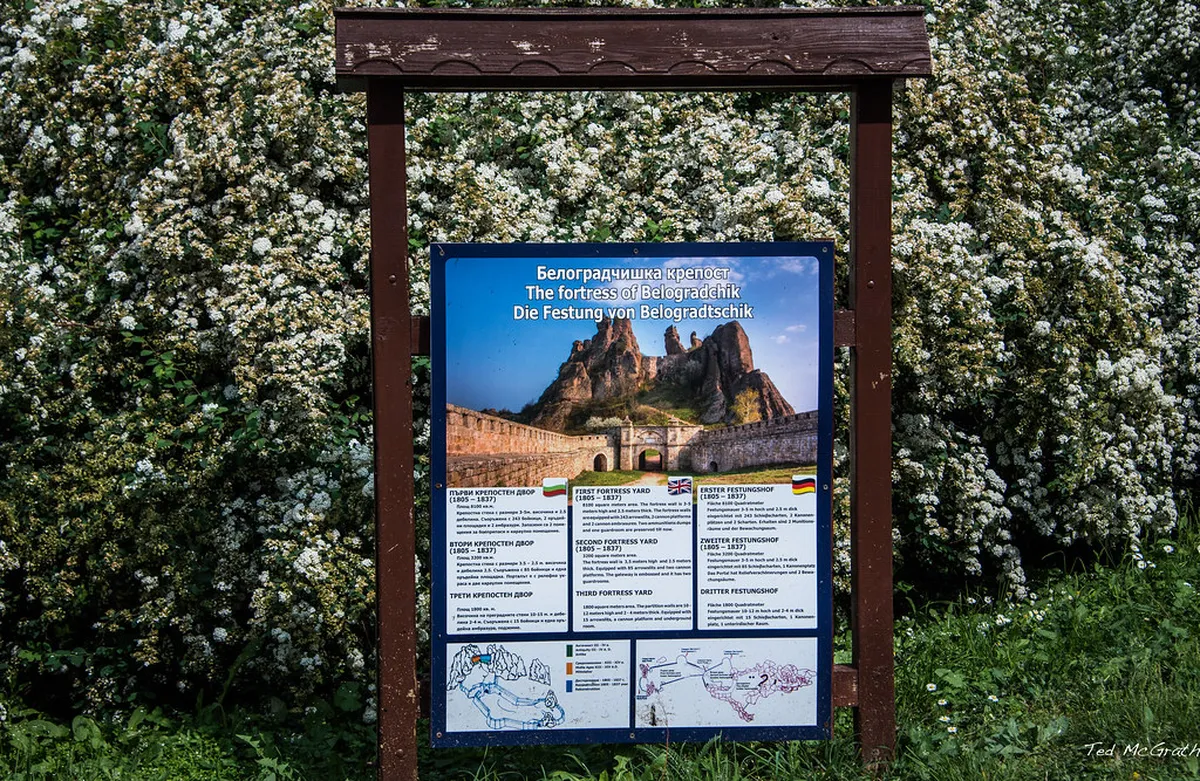
The Belogradchik Fortress (Kaleto) Visitor Guide, also called Kaleto, is built directly into the central rock cluster and is the obvious next stop after admiring the formations from below -- Roman, medieval Bulgarian, and Ottoman builders each added to it over roughly 1,500 years, using the boulders themselves as ready-made walls.
About 20 kilometers away, Magura Cave Visitor Guide holds prehistoric rock paintings estimated at several thousand years old and ranks among Bulgaria's largest and most visited caves. Combining the rocks with a Magura Cave visit turns a rushed half-day into a full day, and it's the pairing most repeat visitors recommend.
Closer to town, the eastern cluster near the Latin Gate and Lipenik Cave sees far less foot traffic and rewards a quieter, more independent visit -- though paths aren't always clearly signed, so a local guide helps here more than elsewhere on the site. Coming from Sofia, plan on an overnight rather than a same-day round trip; the three-hour drive each way leaves little room to see the rocks, fortress, and cave without rushing.
Practical Tips: Protected Status, Accessibility, and Safety
The Belogradchik Rocks have been protected as a natural landmark since 1949, which in practice means staying on marked paths, not removing rock material or plants, and getting permission before flying a drone inside the protected zone -- Bulgaria's Civil Aviation Authority regulates drone use nationally, and rules for protected natural sites are stricter still. It's a detail few visitors think to check before packing a drone for sunrise photos.
Mobility is a real constraint to plan around. Lower viewpoints near the fortress and the main approach paths are reachable on relatively flat, compacted ground, but the full rock circuit and the fortress's upper courtyards involve uneven stone and steep stairs with no guardrail in places -- not manageable for wheelchairs or anyone unsteady on their feet. The tourist information point can suggest easier routes for specific needs.
Belogradchik is a quiet, low-crime town with no particular safety concerns for solo travelers or families in 2026, though parents should watch children near the unguarded fortress stairs. Mobile data is decent in the town center but patchy on the outer trails, so download offline maps beforehand. None of this should discourage a visit -- it just rewards a little preparation over showing up unplanned.
Continue planning: Use Belogradchik Attractions: Rocks, Fortress & Magura Cave to connect this guide with the rest of your Bulgaria itinerary.
Frequently Asked Questions
Are the Belogradchik Rocks free to visit?
Yes. The rock formations spread over roughly 30 km around the town and are largely free to view from Belogradchik itself and the surrounding roads and viewpoints. Only the Belogradchik Fortress, which sits among the central group of rocks, charges an entry ticket.
What are the famous named rock formations?
The formations are named after the shapes people saw in them. The best-known include the Horseman, the Madonna, the Schoolgirl, Adam and Eve, the Bear, the Camel, the Lion, the Monks and the Dervish, most of them clustered in the central group around the fortress.
How were the Belogradchik Rocks formed and why are they red?
They are sandstone and conglomerate formations shaped over roughly 200 million years by uplift and erosion of the Balkan Mountains. Iron oxide (hematite) in the rock gives many of them their distinctive rusty-red colour, and some pillars rise up to 200 m high.
Were the Belogradchik Rocks a New7Wonders candidate?
Yes. The rocks were nominated to the New7Wonders of Nature campaign in 2007 and for a long time led their category of caves, rock formations and valleys before the final rankings. They are also on Bulgaria's UNESCO World Heritage tentative list.
How do I get to the Belogradchik Rocks from Sofia?
Belogradchik is about 170 km north-west of Sofia, roughly a 3-hour drive via Montana. Public transport is slower: take a train or bus toward Vidin and change for a local bus to Belogradchik, so most visitors find a car or an organised day tour easiest.
How do I get there from Vidin?
From Vidin, the nearest large town and Danube crossing, Belogradchik is about 50 km (roughly an hour) to the south. There are local buses, but a car gives the most flexibility for reaching the various rock viewpoints.
When is the best time to visit the rocks?
Spring through autumn offers the most reliable weather for walking among the formations. Late afternoon and sunset are especially rewarding, when low light deepens the red glow of the sandstone.
How much time should I plan for the Belogradchik Rocks and Fortress?
Allow around half a day to enjoy the main viewpoints and climb through the Belogradchik Fortress. Combining the rocks with nearby Magura Cave makes a comfortable full-day trip from the region.
Visiting the Belogradchik Rocks offers a rare opportunity to see one of Europe's most unique geological wonders. Whether you are a history buff or a nature lover, this destination provides a memorable experience in central Bulgaria. We hope this belogradchik rocks visitor guide helps you plan an incredible journey to this red sandstone paradise. Pack your camera and sturdy shoes to discover the legends hidden within these ancient stone towers.
For more Belogradchik planning, read our 10 Best Things To Do in Belogradchik (2026) guide and our Belogradchik Fortress Kaleto Travel Guide.
To verify current details, consult the Belogradchik Rocks official site and Belogradchik Rocks on Wikipedia.