Best Time To Visit Golden Sands
Choosing the best time to visit Golden Sands, Bulgaria, ensures a memorable trip to this popular Black Sea resort. For most travelers, the sweet spot falls within the shoulder seasons. Late spring (May to early June) and early autumn (September to early October) offer ideal weather and fewer crowds. Late September often combines warm sea temperatures with pleasant evenings. This guide, updated for 2026, helps you pick your ideal travel dates.
For a visual preview of the beaches, restaurants, and day trip options at Golden Sands:
Golden Sands truly shines when the weather is warm, but without the peak summer rush. The resort offers a lively setting, beautiful beaches, and diverse activities. Understanding the seasonal shifts in weather, prices, and events is key to planning your perfect getaway.
Whether you seek lively nightlife, family-friendly fun, or a peaceful retreat, Golden Sands has a season for you. Consider your priorities before booking your Bulgarian escape. We will explore each season to help you make an informed decision.
Golden Sands Season Comparison: Weather, Crowds and Prices
Golden Sands experiences distinct seasons, each offering a unique travel experience. The Black Sea climate brings warm summers and mild, often chilly, winters. Understanding these patterns helps you choose the best time to visit Golden Sands.
Temperatures and sea conditions vary significantly throughout the year. Crowd levels also fluctuate, impacting prices for accommodation and activities. This overview will help you quickly compare what each season holds for your trip.
| Season | Air Temp | Sea Temp | Crowds | Prices | Best for |
|---|---|---|---|---|---|
| Spring (March–May) | 8–20°C | 10–18°C | Low to moderate | Low | Budget travelers, nature lovers, active holidays |
| June | 20–25°C | 19–22°C | Moderate, building | Mid-range | Families with young children, first-timers |
| July–August | 25–30°C | 23–26°C | Very high, peak | High | Beach holidays, nightlife, water sports |
| September | 18–25°C | 21–23°C | Moderate, falling | Mid-range, dropping | Couples, culture, balanced trips |
| October–November | 10–18°C | 13–20°C | Low | Low | Budget-conscious, city breaks |
| Winter (Dec–Feb) | 0–8°C | 5–10°C | Very low | Very low | Spa breaks, off-season exploration |
Golden Sands Climate and Weather: Month-by-Month Breakdown
Golden Sands sits on Bulgaria's northern Black Sea coast, roughly 18 km north of Varna. The resort benefits from a moderate continental-maritime climate: hot dry summers, mild springs and autumns, and cool winters with occasional snow. Sunshine hours peak in July at around 10–11 hours per day, then taper off steadily through October.
Rainfall is low from May through September — typically 30–50 mm per month — which means afternoon showers are brief and rare. The Black Sea warms slowly and retains heat well into autumn, which is one reason September swimming is so reliably comfortable. Wind from the northeast (the "Bora" direction) can produce choppy conditions in spring and late autumn but rarely disrupts summer beach days.
| Month | Avg High (°C) | Avg Low (°C) | Sea Temp (°C) | Rain (mm) | Sunshine (hrs/day) |
|---|---|---|---|---|---|
| January | 5 | -1 | 7 | 40 | 3 |
| February | 7 | 0 | 6 | 35 | 4 |
| March | 10 | 3 | 8 | 38 | 5 |
| April | 15 | 7 | 10 | 40 | 6 |
| May | 20 | 12 | 16 | 44 | 8 |
| June | 25 | 16 | 21 | 48 | 9 |
| July | 28 | 19 | 25 | 32 | 11 |
| August | 29 | 20 | 26 | 34 | 10 |
| September | 25 | 15 | 23 | 38 | 8 |
| October | 18 | 10 | 19 | 50 | 6 |
| November | 11 | 5 | 14 | 52 | 4 |
| December | 6 | 1 | 9 | 45 | 3 |
The sea temperature is the most practical figure for swimmers. At 23°C in September, the water is still warmer than most Northern European beaches ever get. By mid-October it drops to around 17–18°C, which is cool for extended swimming but fine for a brief dip on a sunny afternoon.
Spring in Golden Sands (March–May): Mild and Inviting
Spring in Golden Sands brings a refreshing change as the resort awakens from winter. March and April are still cool, with temperatures ranging from 8–15°C, based on typical climate data. By May, the weather becomes pleasantly warm, reaching 15–20°C, making it ideal for outdoor activities.
The sea temperature gradually rises, becoming comfortable for a dip by late May at around 16°C. Crowds are sparse in early spring, offering a peaceful experience. Many seasonal businesses begin to open their doors towards the end of May, and by the first week of June the main strip is close to fully operational.
You can enjoy long walks along the Golden Sands Beaches Travel Guide without the summer throngs. Exploring nearby 10 Essential Tips for Your Aladzha Monastery Visitor Guide is particularly beautiful with blooming nature. Spring is perfect for those seeking tranquility before the lively summer rush. Flight prices in April and early May are typically 40–60% lower than peak July rates, and hotel availability is excellent even at short notice.
Easter is the biggest local event in spring. The date shifts each year but usually falls in April. Village churches hold midnight services, and bakeries sell kozunak (sweet braided bread). It is not a beach-focused event, but it adds warmth to the atmosphere for visitors who happen to be in the area.
May is the best budget month that still provides warm weather for outdoor enjoyment. Hotels in mid-June are 20–30% cheaper than in August, and the beach feels noticeably less packed. If you want a warm, comfortable trip without peak-season crowds, target late May or early September — both months offer water temperatures of 21–23°C with minimal jellyfish risk.
Summer in Golden Sands (June–August): Peak Beach Season
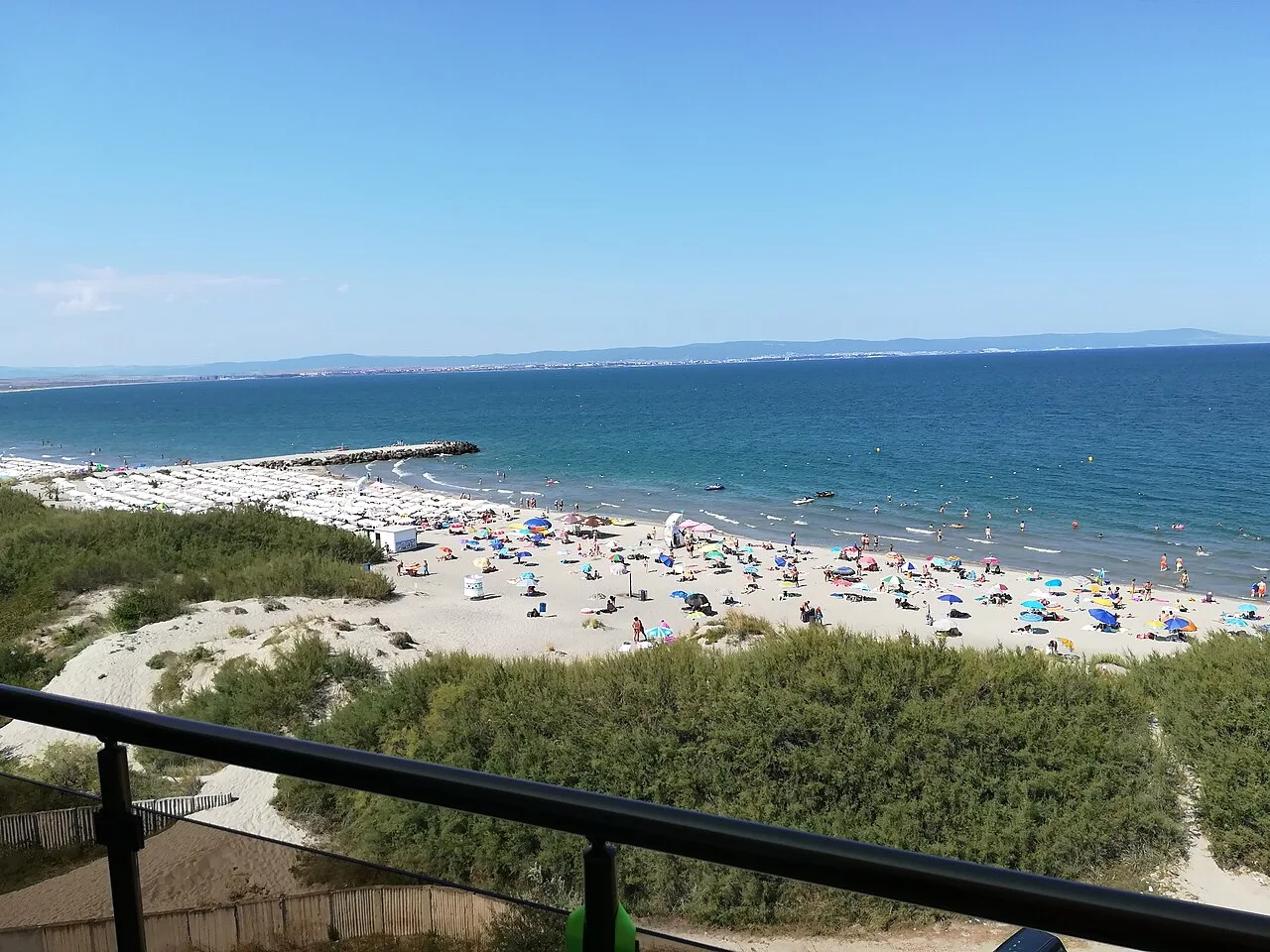
Summer is the undisputed peak season in Golden Sands, drawing visitors for its hot weather and lively setting. Temperatures consistently hover between 25–29°C, often feeling warmer in direct sun. The Black Sea is wonderfully warm, averaging 21–26°C across the three summer months, perfect for swimming and water sports.
Crowds are at their highest, especially in July and August. The resort buzzes with activity, from bustling beaches to lively nightlife venues. Prices for accommodation and flights are at their peak during these months — a beachfront hotel that costs 60 EUR per night in May can reach 130–180 EUR in late July. Book flights and accommodation at least three months ahead for July and August travel.
June is worth singling out as the quietest month within summer. The weather is already excellent — sea at 21°C and air at 25°C — but the school holiday wave from Germany, Russia, and the UK has not yet peaked. Hotels in mid-June are 20–30% cheaper than in August, and the beach feels noticeably less packed. Families with flexible school schedules do well to target the first three weeks of June.
The famous Aquapolis Water Park is fully operational from June through early September, offering fun for all ages. The Golden Sands International Folk Festival, traditionally held in late June or early July, brings folk dance ensembles from across Europe and runs for several evenings along the promenade — free to attend.
The Jellyfish Window: What Swimmers Need to Know
Late July and August bring periodic jellyfish blooms to the Bulgarian Black Sea coast. The culprit is typically the moon jellyfish (Aurelia aurita), which is translucent and mildly stinging — uncomfortable for sensitive skin but not dangerous. Local lifeguards raise a purple flag when concentrations are high; on those days, the water is technically swimmable but unpleasant.
No competitor travel guide for Golden Sands covers this consistently, yet jellyfish are one of the most common complaints from August visitors. The blooms are patchy and often clear within a day or two. Checking with the lifeguard before entering the water takes thirty seconds and saves a lot of frustration. Wind direction matters too — an onshore breeze from the northeast pushes jellyfish toward the shore, while offshore winds typically disperse them.
This is a practical reason why experienced visitors often prefer June or September over August. The swimming window is longer and more reliable in those months, even though peak August air temperatures are marginally warmer. If you are set on August, the northern end of the main beach (toward Nirvana Beach) tends to be less affected than the central strip, based on consistent reports from repeat visitors.
Late July and August bring periodic moon jellyfish blooms to the Black Sea coast. Local lifeguards raise a purple flag when concentrations are high. Check with the lifeguard before entering the water — it takes thirty seconds and saves frustration. Wind direction matters: offshore winds disperse jellyfish, while onshore breezes push them toward shore. The northern end of the main beach tends to be less affected than the central strip.
Autumn in Golden Sands (September–November): The Shoulder Season Sweet Spot
Autumn offers a delightful shoulder season experience in Golden Sands, combining pleasant weather with fewer tourists. September sees air temperatures around 18–25°C, with the sea still warm at 21–23°C. This month is often considered the best overall time to visit Golden Sands for a balanced trip.
October cools to 12–18°C for daytime highs, and by November it is 8–12°C. The bustling summer crowds dissipate, allowing for a more relaxed pace. Prices begin to drop significantly after mid-September, often returning to spring-level rates for accommodation and restaurants. Early October still offers beach walks and outdoor dining; it just requires a light jacket for the evenings.
The Varna International Ballet Competition, held in nearby Varna, typically runs in late September or early October. It draws professional dancers from across Europe and Asia, and evening performances at the Varna Opera House are both excellent and affordable by Western European standards — tickets typically run 20–40 BGN (roughly 10–20 EUR). This is the kind of cultural experience that is impossible to access in July when every evening is dominated by beach clubs.
September also coincides with grape harvest season in the surrounding Bulgarian countryside. A day trip inland toward the Shumen region or the Varna wine villages offers wine tastings at cellar-door prices that would be unrecognisable to visitors used to Western European wine tourism. This is the differentiating experience of an autumn visit — the resort itself is quieter, but the cultural context around it is richer.
Winter in Golden Sands (December–February): Quiet Charm and Closures
Winter in Golden Sands is the quietest time, transforming the vibrant resort into a serene, almost sleepy destination. Temperatures typically range from 0–8°C, with occasional snowfall along the coast. The sea is cold, averaging 5–10°C, making beach activities unsuitable.
What closes in the low season
Many seasonal hotels, restaurants, and beach bars close from late October through April. Attractions like Aquapolis Water Park and most mini-golf courses are not operational. The main promenade strip operates at perhaps 10–15% capacity. If you are choosing winter specifically for Golden Sands, plan to spend the majority of your evenings in Varna, a 20-minute bus ride away, where the city infrastructure runs year-round.
Essential services, including some year-round hotels and a selection of restaurants, remain open. Varna itself offers excellent dining, the Varna Archaeological Museum Visitor Guide (one of the best in Bulgaria for the famous Varna Gold), and a functioning transit network. Winter can be ideal for spa breaks — several larger hotels maintain their wellness facilities and offer substantial winter discounts — or for exploring the nearby city without any crowds.
Golden Sands for Every Traveler: Seasonal Recommendations
Choosing the best time to visit Golden Sands depends entirely on your travel priorities. The resort caters to various interests throughout the year. Consider what kind of experience you are hoping to have before you book.
- Couples and culture seekers — late September is the clearest recommendation. Warm sea, thin crowds, Varna ballet season, and harvest-season day trips combine into a trip that is difficult to replicate at any other time of year.
- Families with school-age children — June is the best compromise month. Full resort infrastructure is open, the sea is already warm enough for children, and prices and crowds are meaningfully lower than in August.
- Families with young children (under 5) — target early June or September when the beach is uncrowded and heat is manageable. Avoid peak July–August if your children are sensitive to noise and heat, as the central beach area is very loud and busy.
- Party travelers and nightlife seekers — July and August are the only months that deliver. Most major clubs open in late May and close by mid-September, with peak programming concentrated in July and August.
- Budget travelers — April, May, October, and November offer the lowest prices. May is the best budget month that still provides warm enough weather for outdoor enjoyment.
- Swimmers focused on water quality — June and September. Both months offer warm sea temperatures (21°C and 23°C respectively) with minimal jellyfish risk compared to August.
- Solo travelers and active holiday makers — May and September both suit well. Hiking and cycling in the Golden Sands Nature Park are most comfortable in these months, before summer heat peaks.
Seasonal Activities and Events in Golden Sands
Golden Sands' activity calendar is tightly tied to the season. Most beach and water activities — pedal boats, jet skiing, parasailing, banana boats — are available from late May through early September. Aquapolis Water Park runs its full programme from June through early September, typically opening at 10:00 and closing at 18:00.
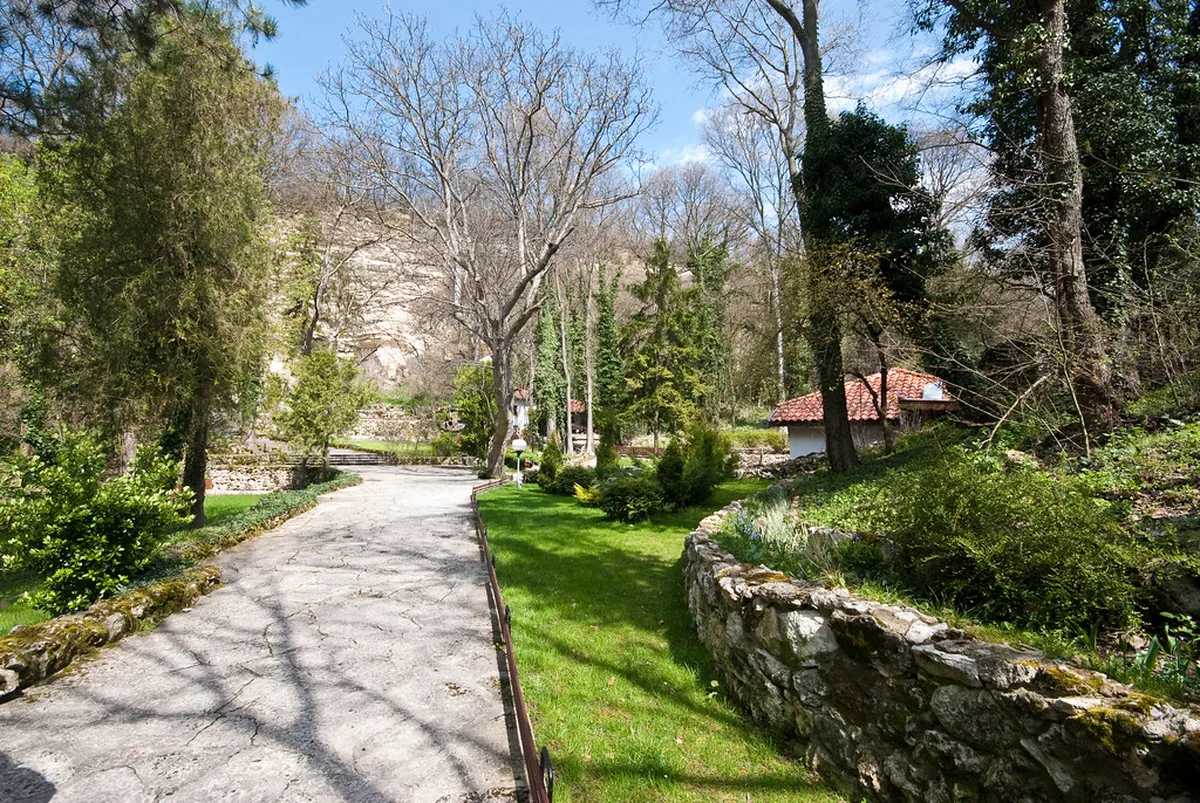
The Golden Sands Nature Park (Zlatni Pyasatsi) Visitor Guide, a forested reserve immediately behind the resort, is accessible year-round. It covers approximately 1,343 hectares of coastal forest and includes marked trails, hot mineral springs (the springs themselves require a short hike from the park entrance), and birdwatching routes. Autumn and spring are the best seasons here, when the forest is colourful and wildlife is active.
- Late June / early July — Golden Sands International Folk Festival (promenade, free)
- 6–7 September — Bulgarian Unification Day (national holiday, local celebrations)
- 22 September — Bulgarian Independence Day (national holiday)
- Late September / early October — Varna International Ballet Competition (Varna Opera House, ticketed)
- 24–26 December — Christmas celebrations in Varna city centre; Golden Sands itself is largely quiet
Mini-golf at the central course near the main promenade operates from May through September. The small tourist train along the seafront, which connects the northern and southern ends of the resort, runs daily in summer and is a practical and inexpensive way to move between accommodation and the beach — fares are around 2 BGN (roughly 1 EUR).
Getting to Golden Sands: Seasonal Travel Tips
Varna Airport (VAR) is the gateway for most international visitors. It sits approximately 18 km from Golden Sands and is reached in around 20–30 minutes by taxi or bus. Direct charter and scheduled flights from the UK, Germany, Poland, Scandinavia, and Russia operate predominantly from late April through early October. In winter, connections thin out dramatically — most visitors arriving November through March need to route via Sofia or Bucharest.
From Varna Airport, bus line 409 runs to the Varna city centre bus terminal, from where you transfer to line 109 for Golden Sands. The full journey takes about 50–60 minutes and costs a few BGN in total — by far the cheapest option. A direct taxi from the airport to Golden Sands costs approximately 40–55 BGN (20–28 EUR) depending on negotiation and time of day. During peak season (July–August) taxi availability at the airport can be tight after busy flights; booking a transfer in advance is worth the modest premium.
If you are flying into Sofia rather than Varna, the overland distance is approximately 470 km. Intercity buses connect Sofia Central Bus Station with Varna in around 7–8 hours; trains take slightly longer. Hiring a car in Sofia is practical if you want to explore beyond Golden Sands — the drive along the Black Sea coastal road north from Varna is particularly scenic in spring and autumn.
Where to Stay: Accommodation by Season
Golden Sands has roughly 70 hotels ranging from basic pension-style guesthouses to large all-inclusive resort complexes. The all-inclusive model dominates the summer market — hotels like the International Hotel Casino and Tower Suites and Riviera Beach operate as near-self-contained resorts with multiple pools, restaurants, and entertainment. In peak season (July–August), all-inclusive packages often represent better value than room-only bookings, because food and drink prices on the strip are elevated.
Outside peak season, room-only bookings make more sense. Many of the larger all-inclusive properties either switch to bed-and-breakfast pricing in June and September or close entirely by mid-October. A curated shortlist of what is open when, combined with nightly rate ranges, is in the 8 Best Areas & Hotels: Where to Stay in Golden Sands (2026) guide.
For the shoulder season (May and September–October), look at the hotels along the northern end of the resort, near Nirvana Beach. These tend to remain open slightly longer into autumn and reopen slightly earlier in spring. Booking in March for a May trip or in July for a September trip will secure the best rates — shoulder season availability rarely sells out more than 6–8 weeks ahead.
Nightlife and Dining: What Is Open When
Golden Sands has a reputation as one of Bulgaria's liveliest nightlife destinations, but that reputation is almost entirely a summer phenomenon. The main clubs — Disco Arena, Yalta, and the complexes around the central promenade — open in late May or early June and close by mid-September. The window for serious nightlife is effectively 15 June through 10 September. Attempting a club-focused trip in May or October will disappoint; the venues are either closed or operating with a fraction of their normal programming.
Beach bars and restaurant terraces follow a similar calendar. The majority open for the season in May and close by mid to late October. A core selection of year-round restaurants, typically those located slightly inland or in permanent hotel buildings, serve food through winter. Cuisine in Golden Sands leans heavily toward grilled meat, seafood, and Bulgarian classics (shopska salad, banitsa, kebapche). Prices are noticeably lower than in Western European beach resorts — expect to pay 15–25 BGN (7–12 EUR) for a full main course at a mid-range restaurant even in peak season.
The casino at the International Hotel operates year-round and is a genuine year-round draw for some visitors. Entry requires showing a passport; you are issued a membership card on the spot. It runs table games and slots, with minimum bets typically in euros.
What to Pack for Golden Sands by Season
Packing appropriately for Golden Sands ensures comfort and preparedness for varying weather. The Black Sea climate can sometimes be unpredictable, even within seasons. Always check the forecast closer to your travel dates for the most accurate information.
- Spring (March–May) — light jacket or sweater, long-sleeved shirts, comfortable walking shoes, rain jacket, swimsuit for late May
- Summer (June–August) — light breathable clothing, swimsuits and beachwear, high-SPF sunscreen (the Black Sea sun is strong), hat, sandals, light evening cover-up
- Autumn (September–November) — layered clothing, medium-weight jacket, closed-toe shoes, swimsuit for September, small umbrella
- Winter (December–February) — warm winter coat, sweaters and thermals, scarf and hat, waterproof boots
One item worth adding regardless of season: insect repellent. The forested nature park behind the resort means mosquitoes are present from May through September, particularly in the evenings. This catches many first-time visitors off guard.
Continue planning: Use 11 Best Things To Do In Golden Sands, Bulgaria Travel Guide and 3-Day Golden Sands Itinerary: Beach, Nature & Nightlife to connect this guide with the rest of your Bulgaria itinerary.
Frequently Asked Questions
How do you get to Golden Sands, Bulgaria?
You can fly into Varna Airport (VAR), which is about 30 minutes away. From there, taxis are readily available. Public bus line 409 also connects the airport and Varna city center to Golden Sands, offering an affordable option.
What is the cheapest time to visit Golden Sands?
The cheapest time to visit Golden Sands is during the low season, from November to April. Prices for flights and accommodation are significantly lower. You will find fewer tourist amenities available, but excellent deals can be found.
When are the Golden Sands clubs open?
Most of the major clubs and nightlife venues in Golden Sands operate during the peak summer season. They typically open from late May or early June and close by mid-September. Some smaller bars may open earlier or close later.
Is Golden Sands good for families in summer?
Yes, Golden Sands is excellent for families in summer. The resort offers numerous family-friendly hotels, safe beaches, and attractions like Aquapolis Water Park. Be prepared for larger crowds and higher prices during this peak period.
Golden Sands offers a diverse range of experiences throughout the year, catering to every traveler's preference. The best time to visit Golden Sands truly depends on what you seek from your Bulgarian vacation. Whether it's the vibrant summer energy or the peaceful shoulder seasons, careful planning ensures a perfect trip.
For a balance of pleasant weather and manageable crowds, consider late spring or early autumn. Always book your accommodations and flights well in advance, especially for peak summer travel. Enjoy your adventure to this beautiful Black Sea resort!