Borovets Gondola (Yastrebets Gondola) Visitor Guide: 7 Essential Tips
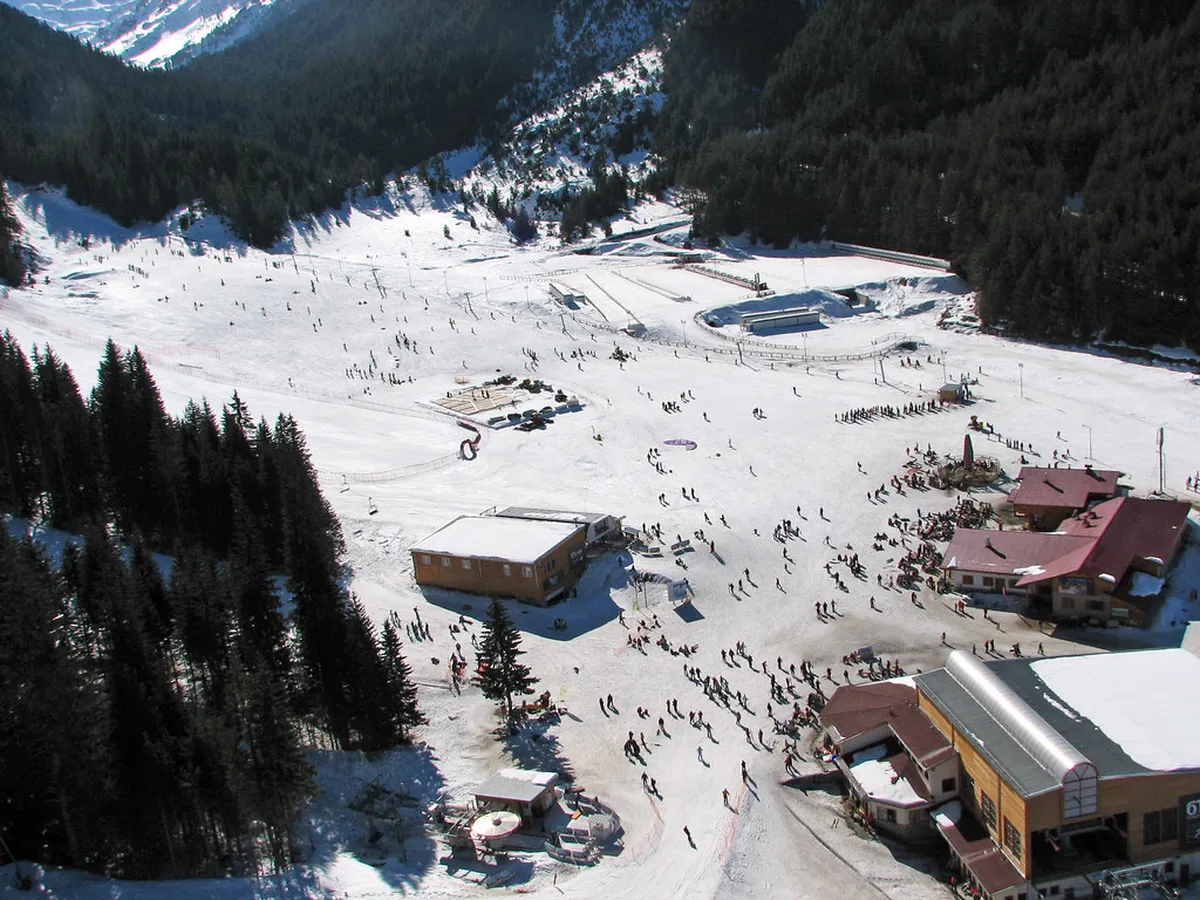
Welcome to our comprehensive borovets gondola (yastrebets gondola) visitor guide for the upcoming winter season. This iconic lift serves as the main gateway to the highest peaks of the Rila Mountains in Bulgaria. Visitors rely on this system to access pristine slopes and breathtaking alpine views throughout the year. Planning your trip requires understanding the logistics of timing, pricing, and mountain weather patterns.
Watch this overview of the gondola cabins and the views from the top station before you visit:
Understanding the Yastrebets Gondola System
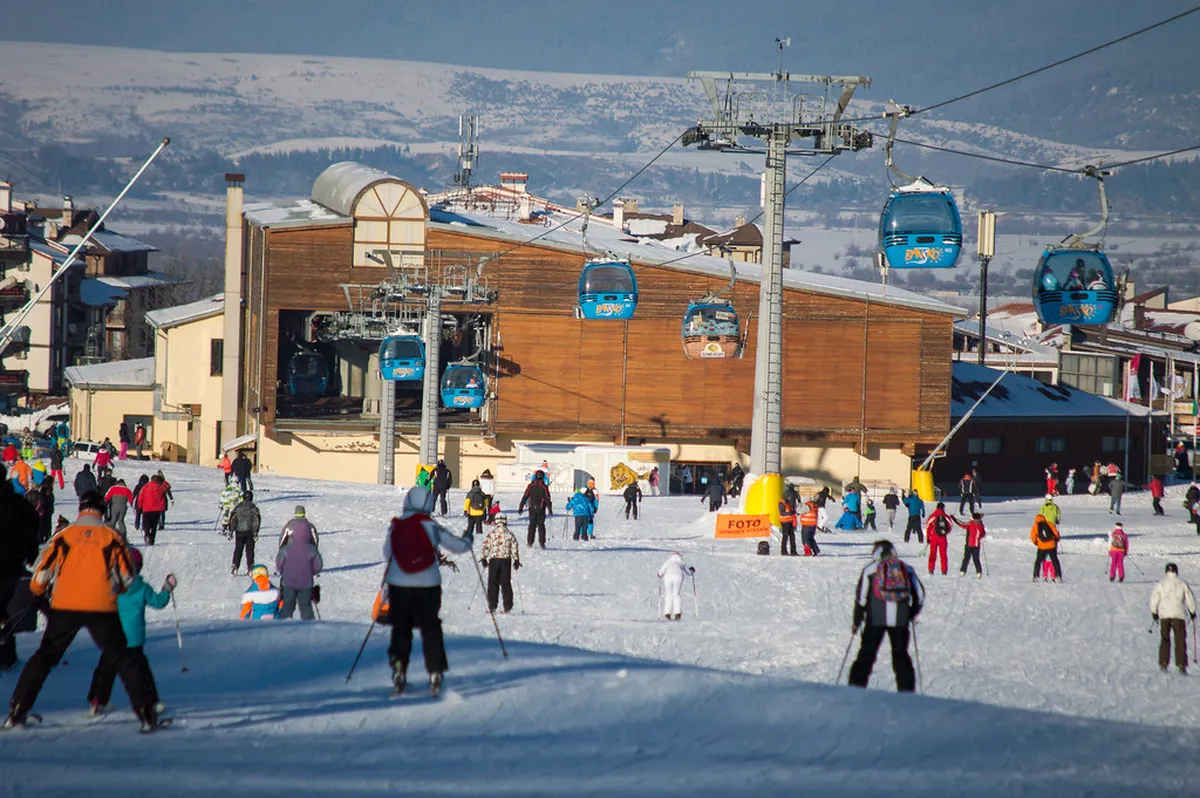
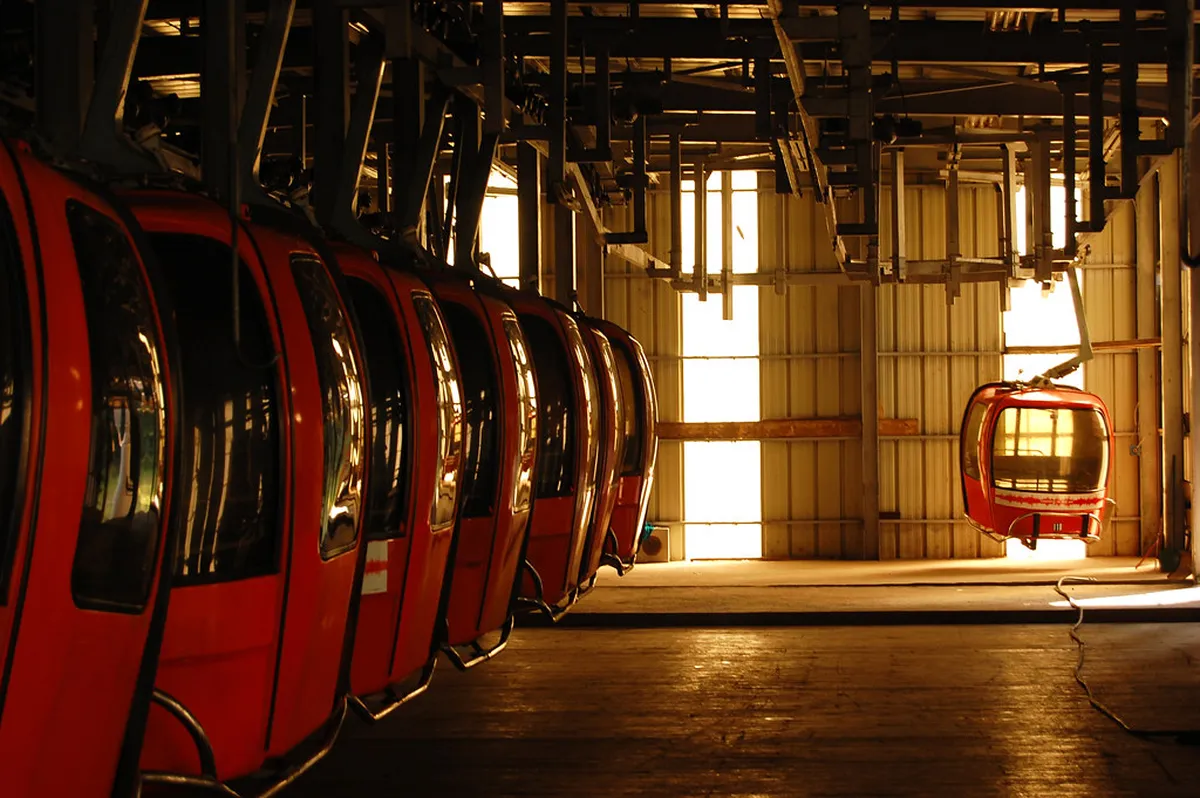
The Yastrebets Gondola is a six-person cabin lift that connects the Borovets resort base to the high-altitude Yastrebets station. The line runs 4,827 meters and climbs from 1,350 meters to about 2,363 meters, a ride of roughly 20 to 25 minutes each way. It is the primary artery for anyone heading to the upper ski zones, and most regulars consider it the single most important facility inside the entire Top 5 Things to Do in Borovets & the Rila Mountains resort.
Modern cabins shield riders from the wind during the climb, and each one has enough room for skis, boards, and daypacks, which suits families and groups riding together. The system can move up to about 1,200 people an hour, though queues still build during the mid-morning rush. Regular maintenance keeps it dependable through the busiest weeks of the season, and the view over the pine forest below is often a highlight for non-skiers riding up just for the scenery.
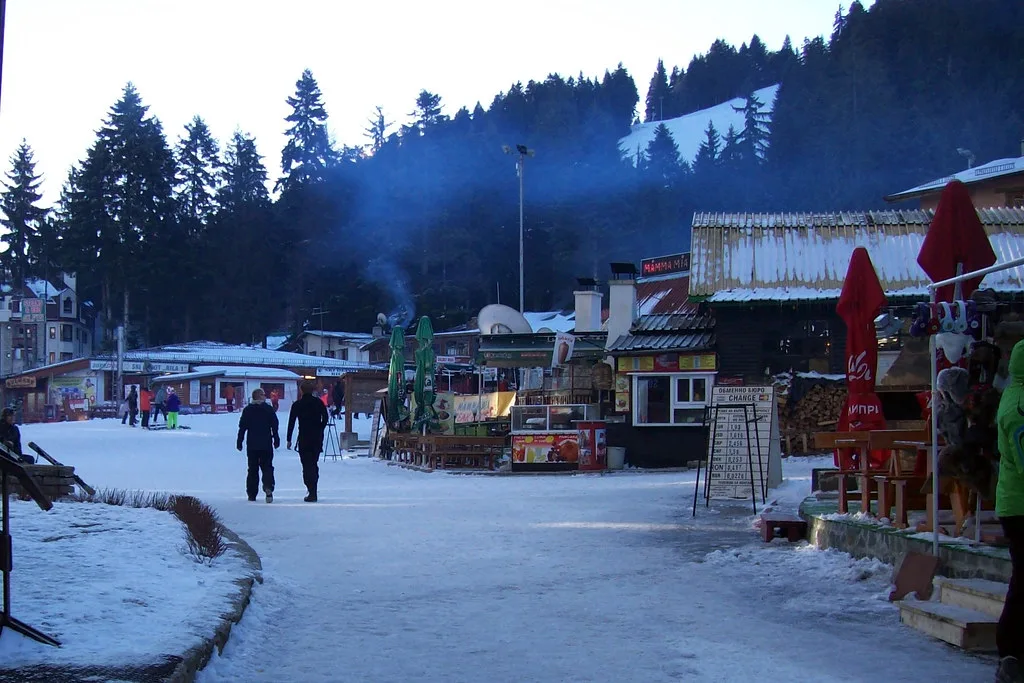
Staying close to the gondola base matters more than almost any other logistics decision at Borovets. Hotels within a two or three minute walk let you skip the shuttle and parking scramble that slows down guests staying further out. The base area has ski rental shops, a small coffee kiosk, and clear signage, so learning the layout on your first morning pays off for the rest of the trip.
2025/26 Gondola Ticket Prices and Ticket Types
A round-trip Yastrebets Gondola ticket for the 2025/26 season costs 40.90 EUR (80 BGN) for adults, 20.45 EUR (40 BGN) for juniors aged 14 to 22, and 10.23 EUR (20 BGN) for children (source: borovets-bg.com/prices). Bulgaria adopted the euro in January 2026, so the Official Borovets Lift Prices page now lists euro first, with lev shown alongside at the fixed conversion rate of 1.95583. These figures cover the gondola ride itself, so confirm the same page before you travel since resort pricing is reviewed every season.
That gondola fare is separate from a full multi-lift day pass, which also unlocks the Sitnyakovo and Markudjik chairlifts and drag lifts rather than just the cabin ride up to Yastrebets. In the 2024/25 season a full adult day pass ran close to 90 lv (about 46 EUR), with cheaper half-day cards for a morning (08:30-12:30) or afternoon (from noon) session; treat those as a ballpark rather than this season's confirmed rate. Skiers who only want the scenic ride or a shortcut toward Musala should buy the cheaper round-trip gondola ticket instead of a full lift pass.
The currency switch has caused a few first-timer mix-ups at the ticket windows this year. Card payments are charged in euro automatically, but some older printed signage and a handful of self-service kiosks still show lev only, so check the total before you tap your card. Staff still accept lev cash alongside euro during the transition, and a lost or damaged plastic lift card carries a small replacement fee regardless of which currency you paid in.
Daily Operating Hours and Best Times to Ride
Standard winter operations for the Yastrebets Gondola begin at 08:30 and run until the final descent at 16:30. Arriving at the base station by 08:15 puts you among the first riders on fresh snow, ahead of the queue. The peak congestion window falls between 11:00 and 13:30 as day-trippers and coach groups arrive together, so an early lunch is the simplest way to dodge the worst of the line for both the lift and the slopes below.
Night skiing runs on the lower Sitnyakovo pistes from 18:30 to 22:00 on set nights through the season, but the Yastrebets Gondola itself does not run during those sessions. Check the Accuweather Borovets Forecast before an evening session, since wind and visibility shift quickly after dark, and layer up: temperatures drop fast once the sun is down.
- Crowd Management Schedule
- 08:30 – 10:00: Low crowds
- 11:00 – 13:30: Peak rush
- 14:00 – 16:30: Moderate flow
- 18:30 – 22:00: Night session
Directions: Getting to the Gondola from Sofia and Samokov
Borovets sits about 70 km south of Sofia, and the drive to the gondola base takes roughly an hour in normal conditions; allow closer to two hours from Plovdiv. Private transfers and shared shuttles are the most reliable way to reach the gondola straight from Sofia Airport, and mountain roads call for winter tires, with chains needed on the worst storm days. Parking near the lift fills fast after the morning rush, so arriving before 09:00 saves a long walk from an overflow lot.
Staying inside Borovets itself, within a two to five minute walk of the gondola base, costs more than lodging in Samokov, the market town 10 km down the valley, but it removes the daily commute entirely. Visitors based in Samokov use frequent shuttle buses, roughly every 15 minutes in peak season, that drop off a short walk from the ticket office, which suits budget travelers willing to trade a short bus ride for cheaper beds. Public transport from Sofia's South Bus Station is the cheapest option for solo travelers, though it runs slower and less predictably once snow closes in.
The Tsarska Bistritsa (Royal Palace Borovets) Visitor Guide, a former royal hunting lodge, sits a short drive from the gondola and makes an easy half-day break from the slopes. Many visitors pair a morning on the mountain with an afternoon walking the palace grounds, which stay open to the public year-round. The wooded park there is a quieter contrast to the energetic pace of the ski center.
Ski Zone Breakdown: Yastrebets, Markudjik, and Sitnyakovo
Borovets splits into three ski centers with distinct characters. Yastrebets Ski Centre, reached straight off the gondola, serves intermediate and advanced skiers with three long red runs through the forest. Markudjik, accessed from the top of the same gondola, is the highest zone at roughly 2,500 to 2,550 meters and carries the resort's toughest red and black terrain. Sitnyakovo, the lowest and largest zone, sits near the main village and is where most beginners and ski schools start.
Weather at the Markudjik peak can differ sharply from conditions down at the base, and high winds shut the upper Markudjik lifts on their own schedule even when the main gondola keeps running. Check the Borovets Resort Map each morning to confirm which zones are open before committing to the gondola queue. The Musala pathway, a gentle green-blue run, links all three centers and is the easiest way to move between them without riding back down to the base.
Confident skiers looking to escape the crowds often head straight to Markudjik or continue toward the rugged Malyovitsa Visitor Guide area for a wilder, less groomed experience. Sitnyakovo stays busiest since it sits closest to the hotels, bars, and the night-skiing pistes, so skiers wanting quieter runs generally do better up at Yastrebets or Markudjik. Signage at each junction marks the transition clearly, and each zone keeps a distinct feel, from tight forest glades at Yastrebets to open alpine bowls higher up.
Beyond Winter: Summer Hiking and Biking Access
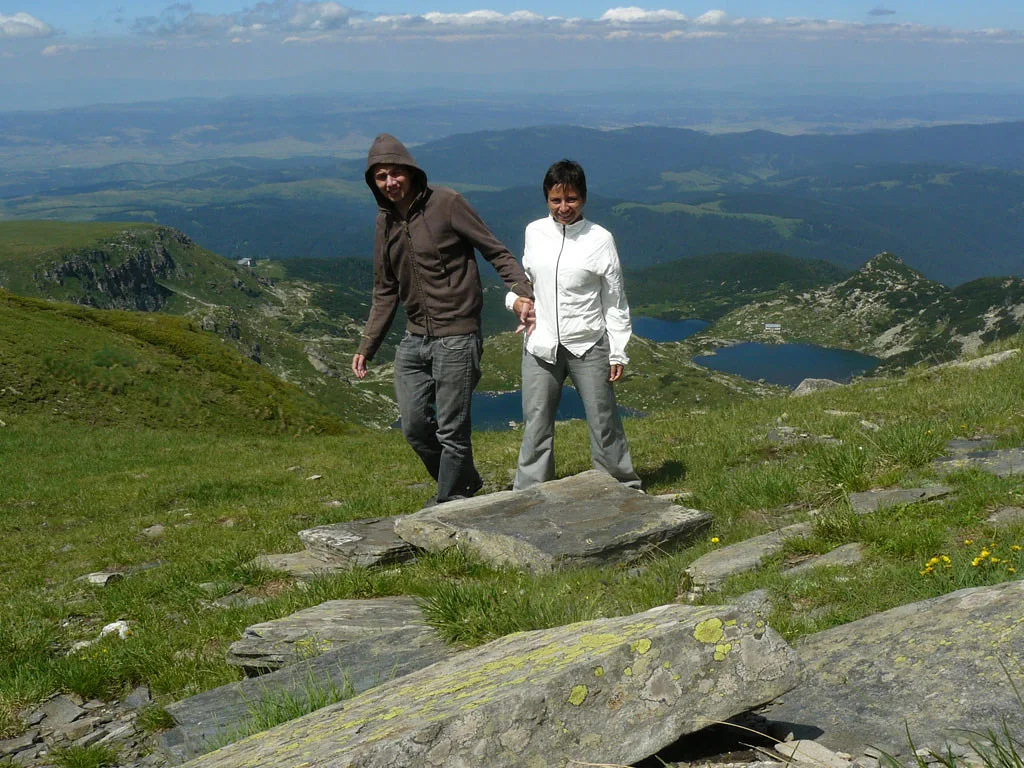
The gondola earns its keep outside ski season too, running as a sightseeing and hiking lift on weekends from 08:00, 27 July through 1 September 2026. For hikers, riding up saves several hours and roughly 1,000 meters of climbing on the way to Musala Peak Visitor Guide, the highest summit in the Balkans; from the top station it is still a five to six hour return hike, so an early ride matters even more than it does in winter.
Mountain bikers use the same cabins, fitted with external racks, to reach the upper trailheads without the climb. Riders can choose technical downhill tracks or gentler cross-country routes through the forest below Yastrebets, and summer temperatures across the Rila National Park Visitor Guide stay noticeably cooler than in the lowland cities, part of the appeal for a day trip out of Sofia.
Families often ride up for a picnic with a view over the ridgelines, and the upper station has short walking paths suited to children and casual walkers rather than serious hikers. Wildflowers and the occasional chamois or marmot turn up a short way from the lift. Because the summer schedule only runs weekends, confirm the current timetable and fare at the ticket office before planning a visit, since the sightseeing rate is set separately from the winter ski ticket and is not published as widely in advance.
Practical Logistics: Parking, Equipment, and Facilities
The 10 to 15 minute walk from many hotels to the gondola base, carrying skis and boots, is the most common complaint from first-time visitors. Guests staying in the lower village can use ski storage lockers at the base station to leave gear overnight instead of hauling it back each evening. That transit time matters most on the first morning, when a missed group meeting or lesson start can cost half an hour of daylight.
Wind is the deciding factor for anyone heading to the higher Markudjik zone. Conditions can look calm at the base while gale-force gusts shut the upper lifts within minutes, so check the status board at the gondola entrance before committing to the queue, and keep a backup plan for the lower Sitnyakovo runs on gusty days.
Both the base and the Yastrebets top station have restrooms and small snack bars, though food and drink cost more on the mountain than in the village below. Cold temperatures drain phone batteries faster than usual, so carry a spare charge if you rely on your phone for lift status updates or photos. The base station also houses a first-aid point and the mountain rescue office for genuine emergencies.
Continue planning: Use Borovets Attractions: Top 5 Things to Do in Borovets & the Rila Mountains to connect this guide with the rest of your Bulgaria itinerary.
Frequently Asked Questions
How much is a Borovets gondola ticket in 2026?
A round-trip (two-way) gondola ticket for the 2025/26 ski season is about 40.90 EUR (80 BGN) for adults, 20.45 EUR (40 BGN) for juniors aged 14-22, and 10.23 EUR (20 BGN) for children (source: borovets.bg/prices). Bulgaria adopted the euro in January 2026, so prices are shown in euro with the lev equivalent at the fixed rate of 1.95583.
Does the Borovets gondola operate in summer?
Yes. In summer 2026 the gondola runs as a sightseeing and hiking lift on weekends starting at 08:00 between 27 July and 1 September. The summer tourist fare is cheaper than the winter ski ticket and is bought at the Borovets ticket office, so confirm the current price on the day.
How long does the gondola ride take?
The cabin ride from the Borovets base to the Yastrebets station takes roughly 20 to 25 minutes each way.
How high does the Yastrebets gondola go?
The gondola climbs about 1,054 m from the Borovets base at 1,350 m to the Yastrebets area at around 2,363 m above sea level.
Can I hike to Musala from the gondola?
Yes. Riding the gondola up to Yastrebets is the popular shortcut for climbing Musala (2,925 m), cutting several kilometres and about 1,000 m of ascent off the walk. From the top station it is roughly a 5-6 hour return hike to the summit.
What is the capacity of the Borovets gondola?
The Yastrebets gondola is a 4,827 m line that can carry up to about 1,200 people per hour.
Where does the Borovets gondola start?
The gondola base station is in Borovets resort on the northern slopes of the Rila Mountains, about 70 km south of Sofia and 10 km from Samokov.
The Yastrebets Gondola remains the essential link for any successful trip to this beautiful Bulgarian resort. By understanding the pricing, timing, and logistics, you can avoid common traveler mistakes and maximize your time. Whether you are visiting for winter sports or summer hiking, this lift provides unparalleled access to the peaks. Prepare for the mountain conditions and enjoy the spectacular scenery that the Rila range has to offer.
For the latest official information, see the Borovets Gondola (Yastrebets Gondola) on Wikipedia and Borovets Gondola (Yastrebets Gondola) official site.