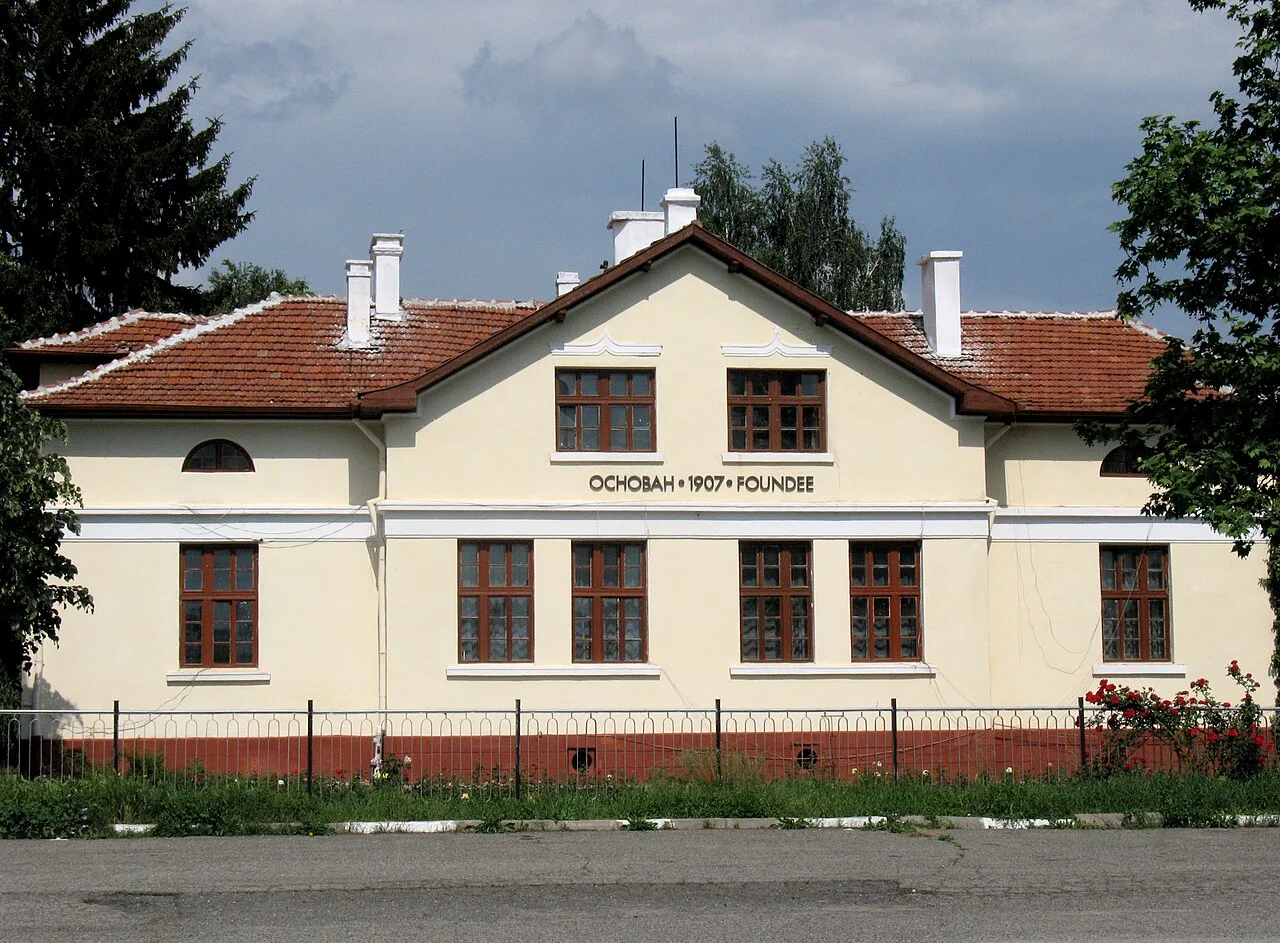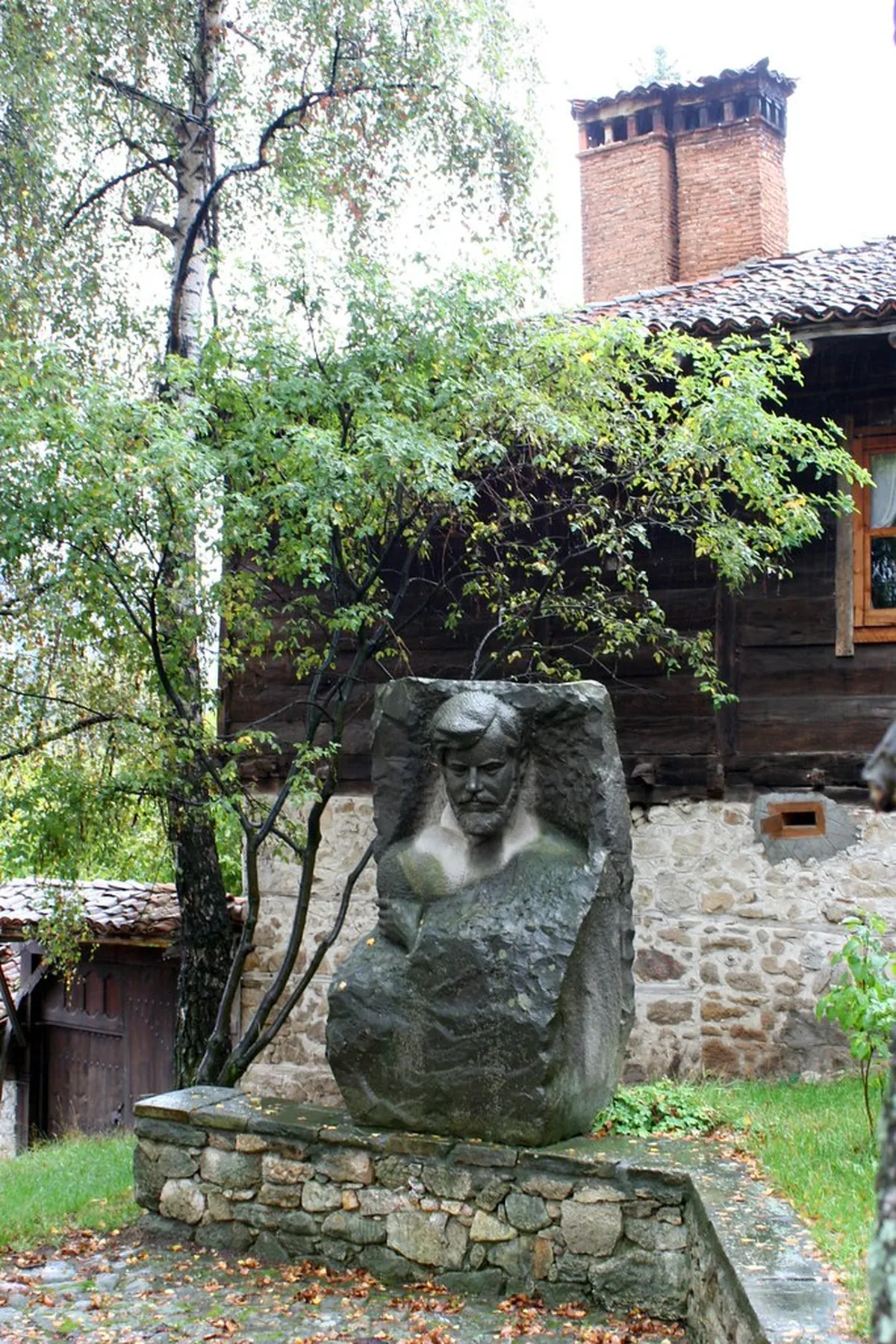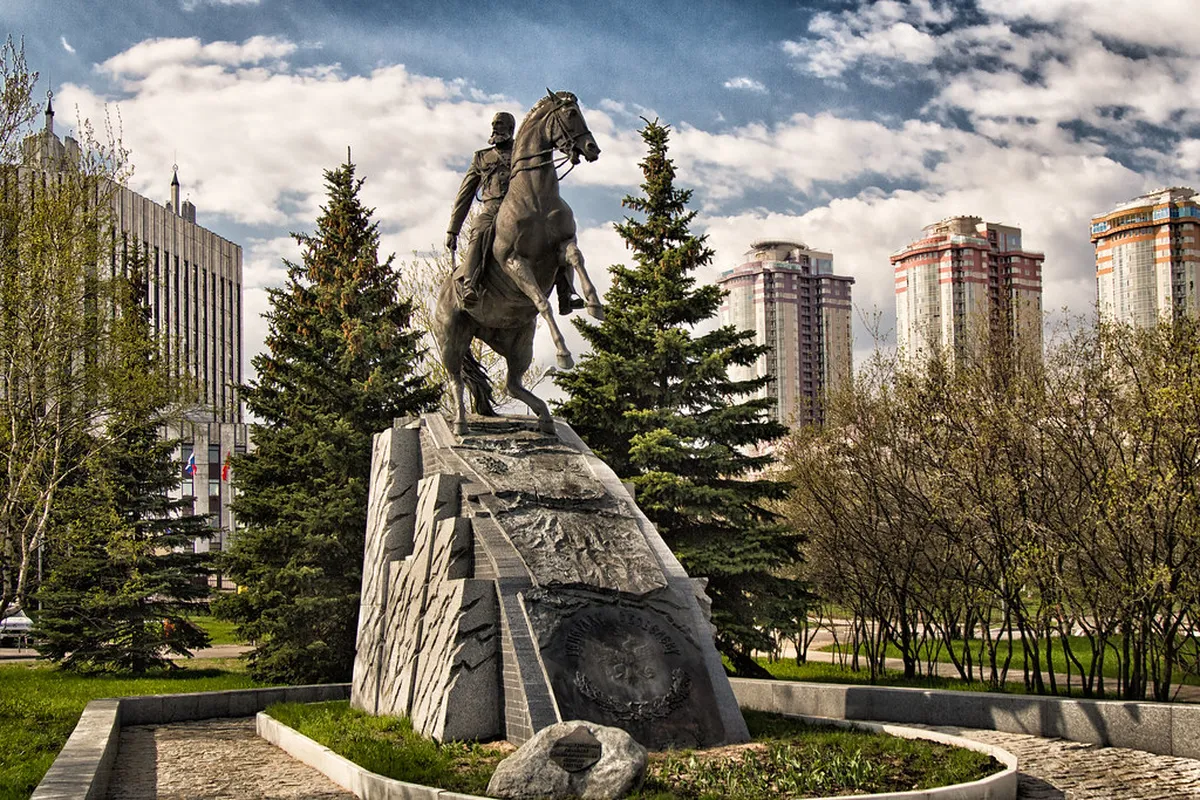
Skobelev Park-museum (skobelev Park) Visitor Guide
Skobelev Park-museum stands as a profound tribute to the soldiers who fought during the 1877 Siege of Pleven. This sprawling green space covers the very hills where the most intense battles of the Russo-Turkish War occurred. Visitors today find a peaceful park that blends somber historical monuments with beautiful natural landscapes. Using a skobelev park-museum (skobelev park) visitor guide helps you navigate the many memorials and museums effectively.
The park is named after General Mikhail Skobelev, a legendary figure who led Russian troops on these specific slopes. Walking through the grounds allows travelers to see authentic military equipment and massive mass graves from the conflict. It serves as an essential stop for anyone interested in the liberation of Bulgaria and European military history. The site offers a unique atmosphere where history feels alive among the quiet trees and paved paths.
Pleven is a city defined by its past, and this park is its most significant historical landmark. You will find the iconic Panorama building at the highest point of the park grounds. This guide provides the practical details you need to explore every corner of this historic destination. Prepare for a day of discovery as you walk the same ridges that changed the course of Balkan history.
To get a feel for the park's layout and the journey to the Skobelev monument, here's a walk-through of the historic grounds:
Must-See Skobelev Attractions
The centerpiece of the entire park is undoubtedly the Pleven Panorama, a massive circular building housing an immersive painting. This artistic masterpiece depicts the events of the third attack on the city with incredible detail and scale. You can find more details about this attraction at the Pleven Panorama (Pleven Epopee 1877) Visitor Guide official guide. The building itself stands as a unique example of late 20th-century architecture and design.
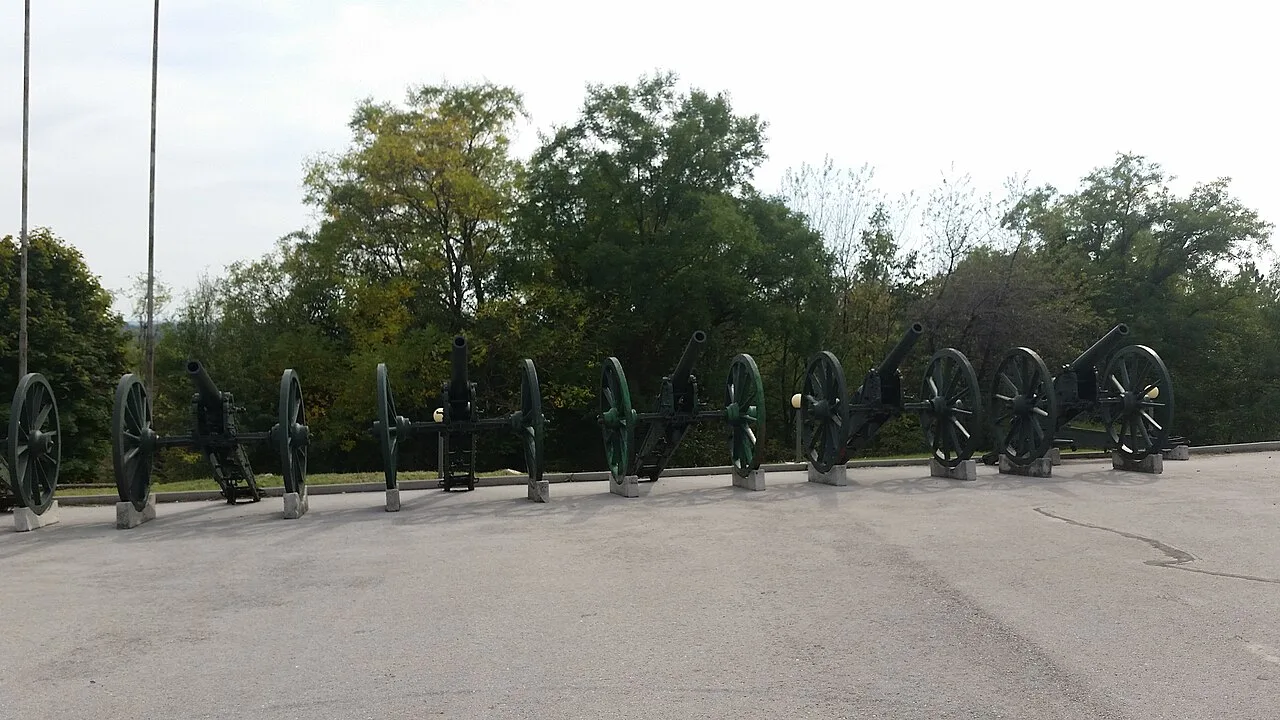
Beyond the Panorama, the park is dotted with heavy Russian cannons that remain in their original battle positions. These iron pieces provide excellent photo opportunities and a tangible connection to nineteenth-century warfare. Walking along the ridges, you will also pass the nine common graves and the ossuary, marked with simple stone memorials rather than individual headstones. These sites honor the thousands of soldiers who fell during the assaults on the Turkish redoubts.
Do not miss the monument to General Skobelev, which stands near the park entrance. Smaller memorials dedicated to specific regiments and fallen officers are scattered along the ridge as well. Well-maintained paths connect each site and offer a quiet space for reflection. Planning your route in advance helps you find the most significant markers without backtracking.
- The Pleven Panorama crowns the park's summit with its 1977 cyclorama of the siege — budget 45 minutes to an hour inside, and note it charges separate admission from the park.
- Batteries of Russian siege cannons sit in their original firing positions along the ridges, free to view and a favorite backdrop for photos.
- Nine common graves and an ossuary in the valley below hold the remains of soldiers killed in the 1877 assaults, marked with simple memorial stones rather than named headstones.
Museums, Art, and Culture in Skobelev
The cultural experience in Skobelev Park extends far beyond simple sightseeing and casual walking. The Panorama building functions as a multi-level museum with galleries dedicated to the entire Russo-Turkish War. You can view authentic uniforms, medals, and personal letters from the soldiers who fought in 1877. These exhibits provide a human perspective on the massive geopolitical shifts of that era.
Only a handful of cycloramas on this scale still operate anywhere in the world, and Pleven's is one of the largest still open to visitors. The closest comparisons are the Racławice Panorama in Wrocław, Poland, and the Borodino Panorama in Moscow — both pair a curved painted canvas with a sculpted foreground the same way Pleven does. Opened on 10 December 1977 for the war's centenary, the Pleven Epopee canvas measures 115 by 15 metres and was painted by a team of 13 Russian and Bulgarian artists, with a 12-metre three-dimensional foreground blending seamlessly into the paint.
Cultural events often take place in the park during national holidays and historical anniversaries. Local schools and military organizations frequently hold wreath-laying ceremonies at the various monuments. These traditions keep the memory of the liberation alive for younger generations in Pleven. Visitors during these times may witness traditional Bulgarian ceremonies and small military parades.
Parks, Gardens, and Outdoor Spots in Skobelev
While the history is heavy, the park itself is a lush and inviting green space for all visitors. The terrain consists of rolling hills that offer a gentle workout for those walking the full loop. Tall deciduous trees provide ample shade during the hot Bulgarian summer months. Many locals use the park for daily exercise or for walking their pets in the evening.
If you want a more extensive natural experience, consider visiting Kaylaka Park (Kaylъka) Visitor Guide nearby, a much larger wooded gorge on the opposite side of the city. Skobelev Park is smaller but offers a more curated feel with paved walkways and flower beds around the monuments. The view from the top ridge takes in the Pleven skyline and the surrounding farmland. It is a good spot to watch the sunset after a day of exploring the historical sites.
The layout of the grounds follows the natural contours of the Third Ridge battlefield. Landscapers have preserved the original trench lines and redoubt earthworks as part of the park design rather than smoothing them over. This integration of nature and history makes the park function as an outdoor museum in its own right. Several quiet corners with benches are well suited to reading or resting between monuments.
Family-Friendly and Budget-Friendly Options in Skobelev
Families find Skobelev Park an easy destination because it offers plenty of open ground for children to run. The outdoor cannons are popular with kids who enjoy climbing on the historic hardware. Admission to the park grounds is entirely free, which makes it a natural choice for budget travelers. You only pay if you choose to enter the Panorama museum building itself.
Bringing a picnic is a simple way to spend an afternoon here without extra cost. Several open areas around the park are suited to sitting down for a meal. Public restrooms near the Panorama building typically charge a small maintenance fee of a lev or two. Otherwise the park is a convenient place to spend several hours without needing to leave for facilities.
Budget-conscious visitors should check ahead for discounted or free admission days at the Panorama, which Bulgarian museums sometimes offer around national holidays. The open-air park itself stays accessible until dusk, so summer evenings allow for long, unhurried walks. Between the free grounds and the modest Panorama ticket price, it remains one of the most affordable ways to spend a half-day learning Bulgarian history.
How to Plan a Smooth Skobelev Attractions Day
A successful visit starts with choosing the right time of day to explore the ridges. Morning visits are recommended to avoid the midday heat and the larger tour groups that arrive around noon. The park is large, so wearing comfortable walking shoes is worth the effort. Most main paths are paved, but the redoubt and trench areas involve walking on gravel or grass.
One detail that catches first-time visitors off guard: the Pleven Panorama splits its day into a morning session and an afternoon session, with a break around midday both in summer (09:00–12:00, then 12:30–18:00) and in winter (09:00–12:00, then 12:30–17:00). Arriving at the ticket window at 11:50 usually means a short wait rather than being turned away, so plan the outdoor loop of cannons and redoubts for that window instead of standing at a closed door.
Accessibility is uneven across the site. The paved plaza and ramps around the Panorama building work fine for strollers and wheelchairs, but the trench-and-redoubt paths further along the ridge narrow into packed gravel with a few short flights of stairs. Visitors with mobility limitations can still get a full sense of the site by sticking to the summit loop near the Panorama rather than the outer ridge trails.
You can reach the park from the city center by local bus or a short taxi ride; some visitors prefer to walk from the pedestrian zone to take in the local architecture on the way. Check the Pleven city guide for current transport routes and maps. Allow at least three hours to see the Panorama and walk the main loop comfortably, more if you plan to follow every redoubt path. In 2026, closures beyond the daily midday break are limited to major holidays such as Liberation Day on 3 March, so a normal weekday visit rarely needs advance checking.
Skobelev Park and Museum, Pleven Cod 2206
The name "Skobelev Park-Museum, Pleven Cod 2206" comes up in several travel databases and audio-guide catalogs, where "Cod 2206" is simply an internal reference number rather than a description of the site's legal status. What matters for visitors is that the park sits within Bulgaria's network of 1877 Liberation War memorials, alongside the Pleven Panorama and the St. George Mausoleum in the city center. You can find more details in the Български language resources for researchers.
General Skobelev is the central figure of this park-museum, often remembered as the "White General" for the white uniform and horse he rode into battle. He was known for leading his troops from the front lines during the assault on the Turkish redoubts. Exhibits inside the Panorama building include items and documents tied to his role in the campaign. Understanding his part in the siege adds context to the monuments scattered across the grounds.
The Third Ridge, where the park now sits, was the scene of the most costly fighting of the 1877 campaign. Roughly 6,500 Russian and Romanian soldiers were killed or wounded here, which is why the valley below is still known as Martva dolina, or Dead Valley. Turning this ground into a park-museum in 1904–1907 was a deliberate choice to honor that sacrifice rather than build over it. Today it functions as both a memorial and a quiet green space for the city.
Hotels near Skobelev Park
Skobelev Park sits about 2 to 3 kilometres south of central Pleven, and there is little lodging directly at its gates, so most visitors base themselves in the city center instead. Staying near Vasil Levski Square or the pedestrian zone puts you within a short bus ride or taxi hop of the park while keeping the train and bus stations, restaurants, and the St. George Mausoleum within walking distance. Budget guesthouses in this area typically run around 25 to 35 EUR a night, with mid-range hotels closer to 45 to 70 EUR. You can browse the latest Pleven accommodation options to find a suitable match.
Boutique guest houses in the older parts of the city offer a more traditional Bulgarian stay, often with breakfast and informal tips from local hosts. Lodging in Pleven is generally cheaper than in Sofia, which makes it an easy base for a multi-day trip through northern Bulgaria. Booking ahead is worth doing if your visit lines up with a major historical anniversary, when rooms fill with tour groups.
Business-oriented hotels near the main square add conveniences like reliable Wi-Fi and secure parking, useful if you are driving between Pleven and nearby towns. Some can arrange a local guide for a more in-depth walk through the park's redoubts and monuments. Checking recent reviews before booking is still the best way to confirm a property matches what you need for comfort and location.
Similar tourist attractions
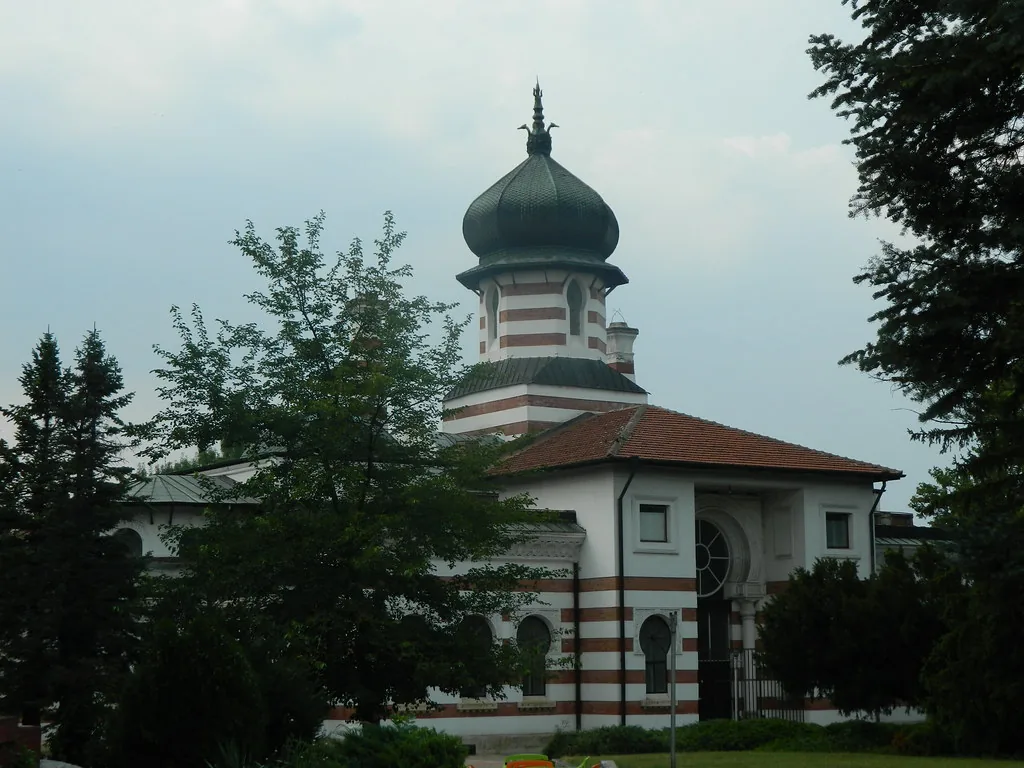
Pleven has several other historic sites that pair naturally with a visit to Skobelev Park. The St. George Mausoleum in the city center is another landmark from the same war, built as a chapel and memorial for soldiers of several nationalities. Its architecture makes it a good stop for evening photography after the park.
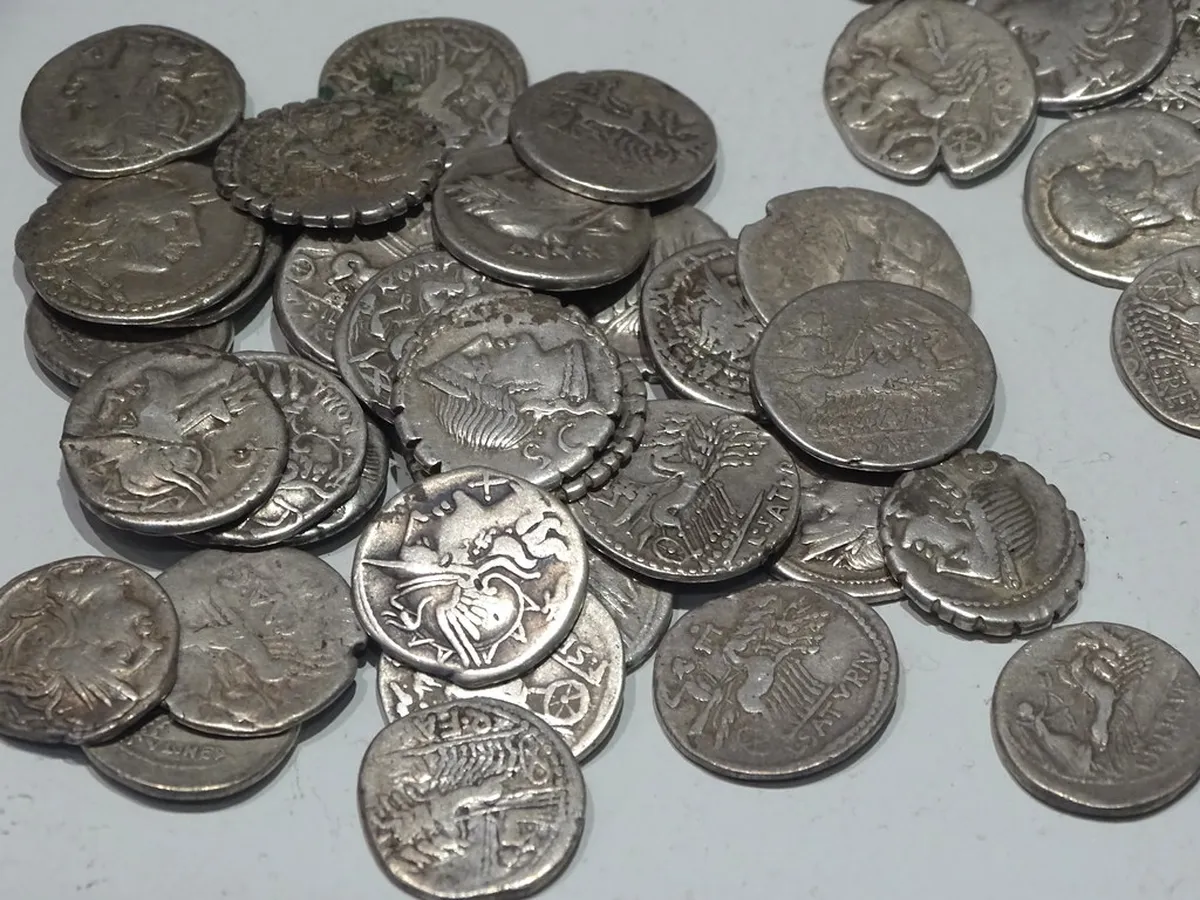
For a broader look at the region's history, the Pleven Regional Historical Museum holds a collection that includes Thracian gold and Roman-era artifacts alongside the 1877 war material. It rounds out a Skobelev Park visit with thousands of years of context rather than just the nineteenth century. Exhibit labels are mostly in Bulgarian, so a translation app helps if you want the full detail.
Wine enthusiasts should not miss the wine cellar and small wine museum built into the rock at Kaylaka Park, which explains the region's long winemaking history alongside a tasting. It is a lighter, more relaxed way to close out a day built around Pleven's military history. Combining the two parks makes for a full and varied day trip from the city center.
Continue planning: Use Pleven Attractions & Things to Do: Panorama, Kaylaka Park to connect this guide with the rest of your Bulgaria itinerary.
Frequently Asked Questions
What is Skobelev Park-Museum in Pleven?
It is an open-air memorial park laid out on the actual 1877 battlefield south of Pleven, commemorating the third assault led by General Mikhail Skobelev during the Siege of Plevna. Today it combines mass graves, restored fortifications, war cannons and the Pleven Panorama.
Is Skobelev Park free to visit?
Yes — the open-air park itself is free to walk through year-round. The Pleven Panorama building inside the park is a separate museum that charges its own admission at the ticket office.
What can you see inside the park?
The park holds nine common graves and an ossuary containing the remains of fallen soldiers, dozens of Russian cannons arranged as batteries, restored redoubts and trenches from the battle, a memorial mound, and the monumental Pleven Panorama.
What is the Pleven Panorama?
The Pleven Panorama ("Pleven Epopee 1877") is a monumental panoramic painting unveiled on 10 December 1977, with a 115 by 15 metre main canvas and a 12-metre three-dimensional foreground. Created by 13 Russian and Bulgarian artists, it recreates the five-month Siege of Plevna and is one of only a handful of such panoramas in the world.
Why is the valley called the Dead Valley?
The park lies in a valley known as Martva dolina, or "Dead Valley," named for the roughly 6,500 Russian and Romanian soldiers who were killed or wounded there during Skobelev's assault in the summer of 1877.
What are the opening hours?
The open-air park is accessible daily throughout the year. The Pleven Panorama inside is open every day: in summer (1 April – 31 October) 09:00–12:00 and 12:30–18:00, and in winter (1 November – 31 March) 09:00–12:00 and 12:30–17:00.
How do I get to Skobelev Park?
The park sits on high ground a few kilometres south of central Pleven. Visitors usually reach it by city bus or taxi, and it is a common combined stop with the Panorama on tours of Pleven's 1877 memorial sites.
When is the best time to visit?
Spring through autumn is ideal for walking the open-air park, the redoubts and the cannon batteries, and for the views from the Panorama's rooftop platforms over the historic battlefield. The 3 March Liberation Day period is an especially meaningful time to visit.
Skobelev Park-Museum is far more than a green space in Pleven — it is a working memorial where the outdoor grounds and the Panorama building tell the same story from two different angles. Following this skobelev park-museum (skobelev park) visitor guide should help you cover the redoubts, the graves, and the museum without wasted time or an unplanned wait at a closed ticket window.
Set aside a half-day if you only want the Panorama and the summit loop, and a full day if you plan to walk the outer ridge trails as well. Pair it with the St. George Mausoleum or Kaylaka Park to round out a visit to Pleven in 2026, one of the more affordable and less crowded of Bulgaria's historic cities to explore on foot.
To verify current details, consult the Skobelev Park-Museum (Skobelev Park) on Wikipedia, Skobelev Park-Museum (Skobelev Park) official site and Skobelev Park-Museum (Skobelev Park) official site.