First Shot Bridge (Kalachev Bridge) Visitor Guide
The First Shot Bridge stands as a powerful symbol of Bulgarian independence and national pride. Known also as the Kalachev Bridge, this modest stone structure witnessed the spark of the 1876 April Uprising. Travelers visiting Koprivshtitsa often find themselves drawn to this historic site to feel the weight of the past.
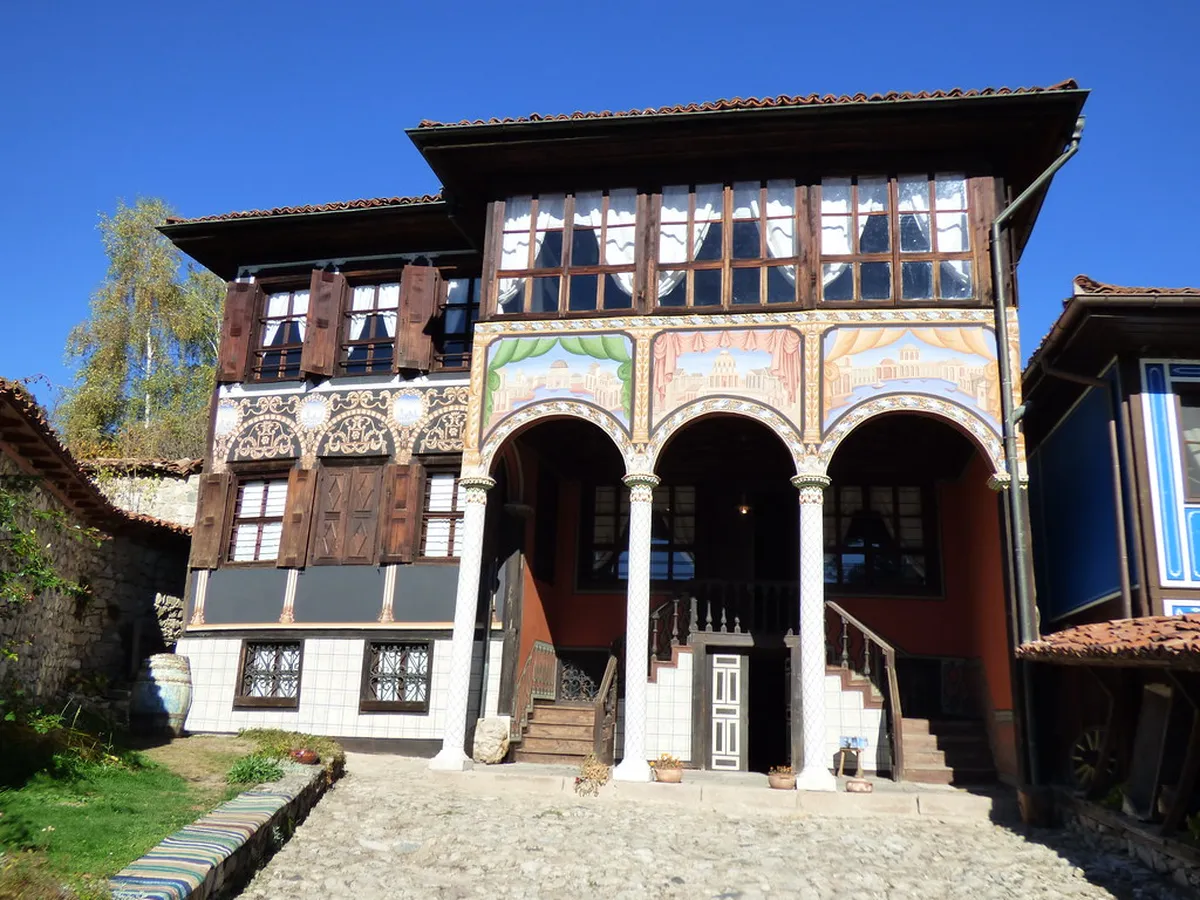
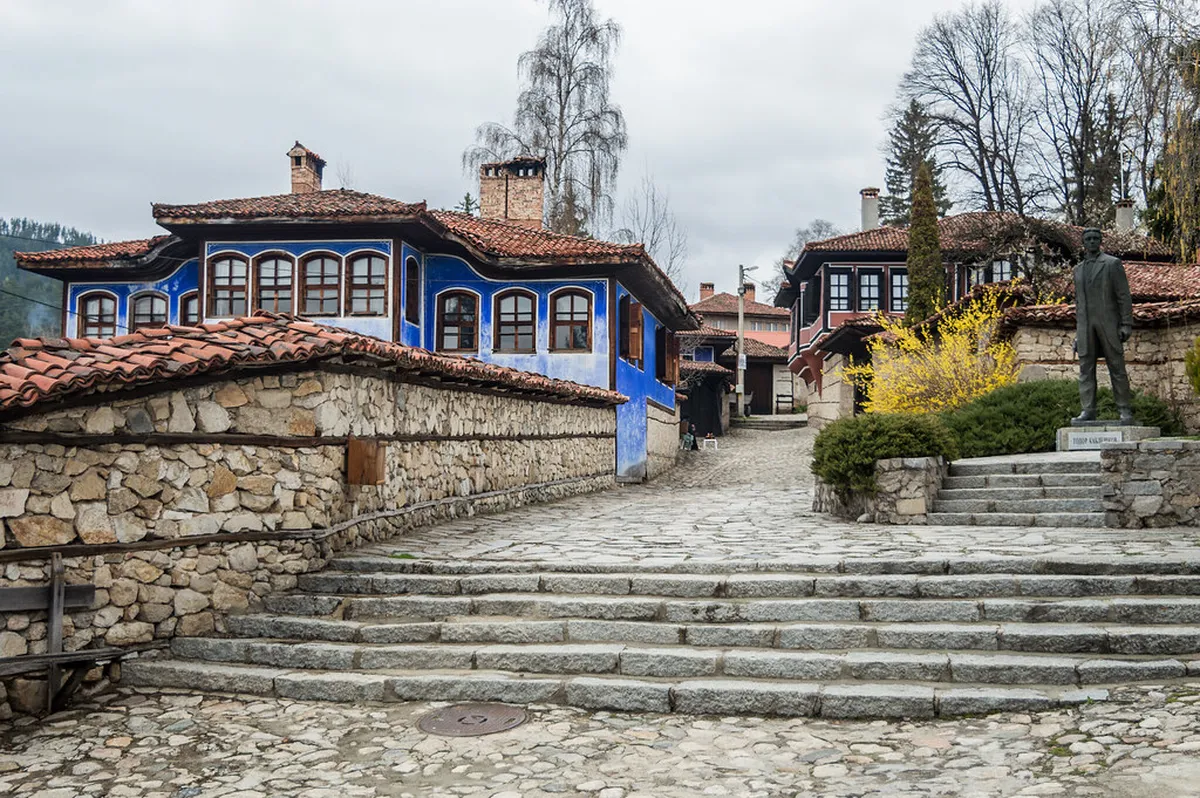
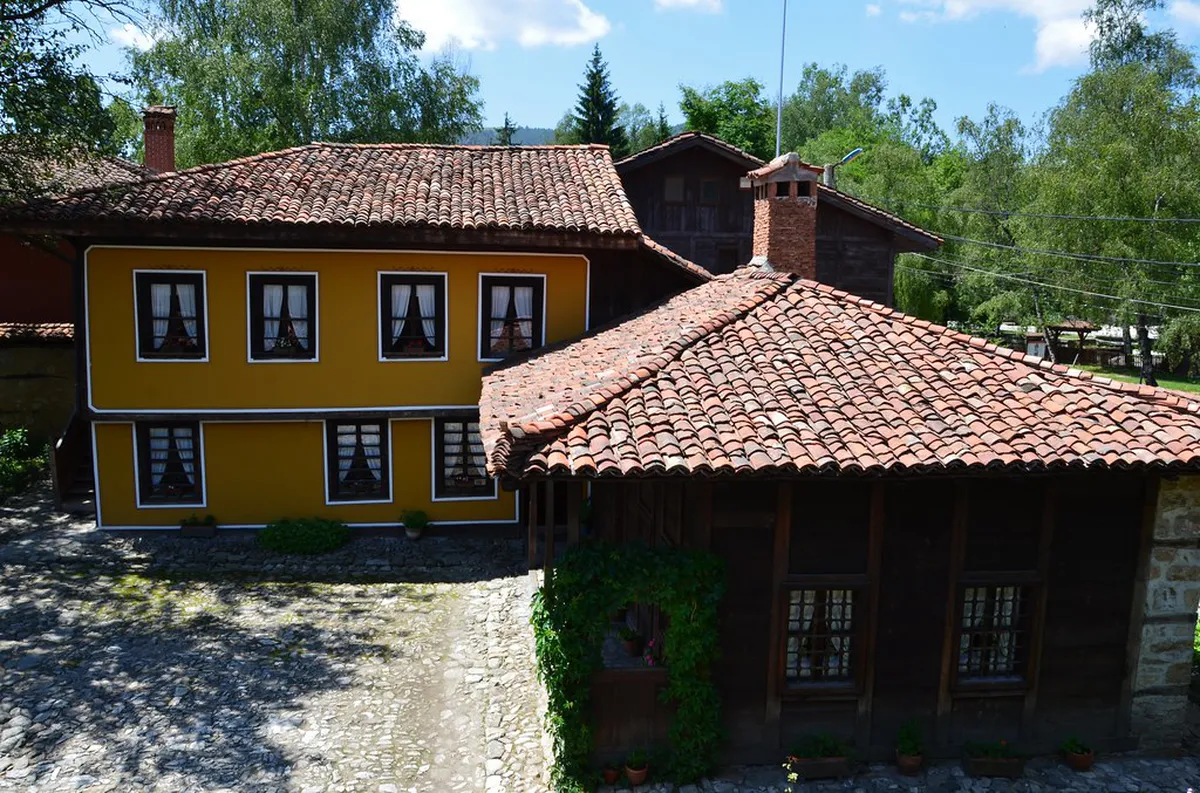
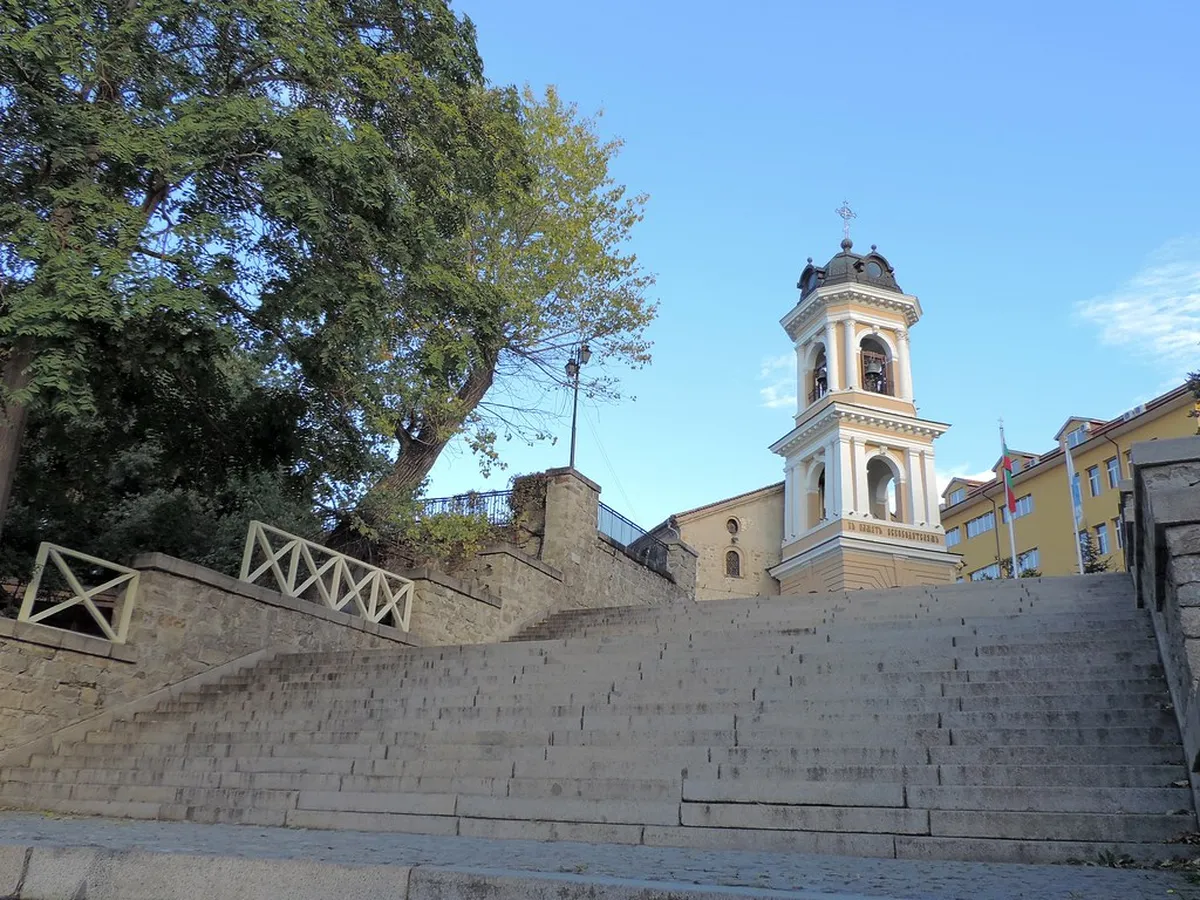
This architectural walk through Koprivshtitsa reveals the broader preservation context that surrounds the First Shot Bridge:
Walking across these weathered stones allows you to step back into the 19th century. The town itself is an architectural reserve where every corner tells a story of revolution and art. You will find that this bridge is more than just a crossing over the Topolnitsa River.
This guide provides everything you need to explore the bridge and the surrounding museum-town. We cover transport logistics, ticket prices, and the best ways to experience the local culture. Prepare for a journey through the heart of the Bulgarian National Revival period.
The History of First Shot Bridge (Kalachev Bridge)
Hadji Nayden Kalachev commissioned this humpback stone bridge in 1813, and locals still call it by his name even though the whole world now knows it as the First Shot Bridge. It carries a classic arched Revival-era design over the Topolnitsa river (the section here is locally known as the Byala reka) and originally served as an unremarkable river crossing for carts and livestock heading into the town square.
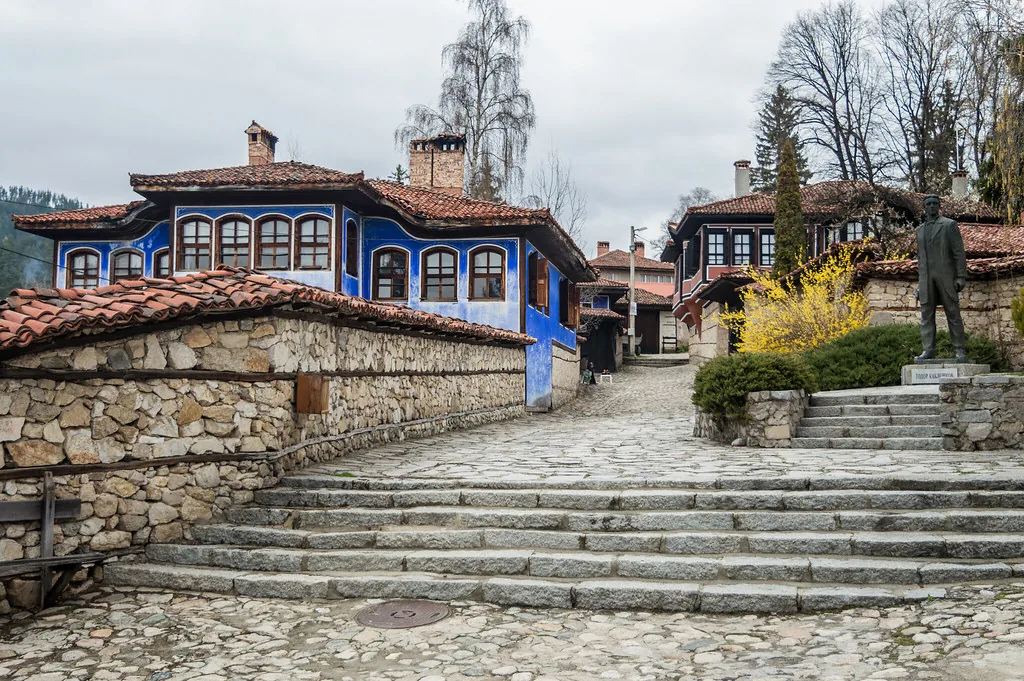
Everything changed on 20 April 1876 (Old Style calendar), when the insurgent Georgi Tihanek fired on an Ottoman watchman from this exact spot, the opening shot of the April Uprising. Revolutionary leader Todor Kableshkov had written the famous "Bloody Letter" earlier that day, announcing a rebellion that had not actually started yet, and the shot on the bridge forced his hand: the uprising began here rather than on the planned date. Within days the revolt spread across the region, and though Ottoman forces crushed it within weeks, the brutality of the reprisals shocked Europe and hardened international support for Bulgarian independence two years later.
The bridge itself is unassuming: a ten-metre span of grey stone, low parapets, and a gentle hump you barely notice underfoot. A commemorative plaque at the near end explains the events of 1876 in Bulgarian and English, and a restored fulling mill (tepavitsa) sits beside the water, a reminder that the site was working infrastructure long before it became a shrine.
For the fuller story of the letter and the man who wrote it, the Todor Kableshkov House-Museum Visitor Guide, a short walk away, displays the original documents and the room where the letter was drafted. Standing on the bridge first and then walking to the house (or the reverse) is the sequence most visitors find gives the story its proper weight.
Is Koprivshtitsa Worth Visiting?
Yes, and for reasons that go beyond the postcard-pretty streets. Koprivshtitsa is one of Bulgaria's most complete National Revival architectural reserves, with around 380 protected 19th-century buildings still standing, many of them lived in rather than roped off. Few towns in the country combine that architectural density with the historical weight of being the literal starting point of the 1876 uprising against Ottoman rule.
The honest caveat: a rushed two-hour coach stop undersells the place badly. The town rewards slower travel, and the First Shot Bridge in particular is easy to glance at and walk past if you do not already know what happened there. Reading the plaque, then visiting the Kableshkov House, turns a five-minute photo stop into an hour of genuinely moving history.
At roughly 1,060 metres elevation, Koprivshtitsa also runs noticeably cooler than Sofia or Plovdiv, which makes it a comfortable escape from lowland summer heat but means layers are worth packing even in July and August. Between the architecture, the revolutionary sites, and the mountain setting, most travelers who budget half a day or more leave rating it among the best stops in the country.
How to Get to Koprivshtitsa: Transport and Distances
Koprivshtitsa sits roughly 110 kilometers east of Sofia and about 100 kilometers northwest of Plovdiv, tucked into the Sredna Gora foothills roughly halfway between the two cities. Driving from Sofia takes 90 minutes to two hours via the A1 Trakia motorway, exiting toward Anton, then the scenic Sub-Balkan road (Podbalkanski pat) for the final stretch through forested hills and small villages. From Plovdiv, expect a similar 90-minute drive through the southern plains.
Bulgarian Railways (BDZ) runs the Sofia–Plovdiv line through Koprivshtitsa, and the ride is genuinely scenic. The catch is geography: the station sits 8 to 9 kilometers below the actual town in the valley. A shuttle bus timed to meet arriving trains covers the transfer in 10 to 15 minutes for about 4 BGN (roughly €2) per person, and it is worth photographing the posted timetable at the station for your return trip, since it is not published online.
Bring cash for the shuttle and for most small purchases in town; card acceptance is inconsistent outside restaurants and larger guesthouses. If you would rather skip the logistics entirely, an organised day trip from Sofia handles the transfer for you and typically bundles a guided tour of two or three house-museums.
- Sofia to Koprivshtitsa by car
- Distance: 110 km
- Time: 1.5–2 hours
- Route: A1 motorway to Anton, then the Sub-Balkan road
- Train + shuttle from the station
- Station distance: 8–9 km below town
- Shuttle cost: ~4 BGN / €2
- Shuttle time: 10–15 minutes, timed to trains
- Payment: cash only
Visitor Guide: Museum Tickets and Entry Costs
A combined ticket covering all six state museum-houses costs around 15 BGN (about €7.50) per adult, with student discounts available. You can buy it at the tourist information point on the main square or at any of the participating houses, and it is by far the best value in town if you plan to see more than two or three museums.
Individual house tickets run a few leva each if you only want one or two stops; the Todor Kableshkov and Oslekov houses are the strongest picks if time is tight. A separate small fee sometimes applies for interior photography, so ask at the desk before shooting the painted ceilings and murals.
Museums generally run 9:30 to 17:30 in peak season, with reduced hours and some Monday or Tuesday closures in winter. The First Shot Bridge itself carries none of this: it is a free, unticketed public landmark with no opening hours, so it can be visited at any time of day or night.
Bulgaria completed its switch to the euro on 1 January 2026, at the fixed rate of 1.95583 BGN to 1 EUR, so the 15 BGN combined ticket now converts to almost exactly €7.67. Expect ticket desks and small vendors around the museum quarter to display both currencies for a transition period, as is standard practice after a eurozone changeover, and it is still sensible to carry a mix of small BGN and EUR notes since neither the bridge nor the surrounding lanes have a cash machine.
Top Things to Do in Koprivshtitsa
The Oslekov House Visitor Guide, built in 1853-1856 for the merchant Nencho Oslekov, is the most photographed building in town: a painted three-bay facade, cedar columns imported from Lebanon, and carved ceilings that show off the wealth of the 19th-century Plovdiv Baroque style. Go early for the best light on the front, since the house sits on a short climb that catches the morning sun.
The Todor Kableshkov House-Museum Visitor Guide, the 1845 birthplace of the man who wrote the "Bloody Letter," opened as the town's very first museum in 1932 and remains the emotional core of a First Shot Bridge visit; the two sites are best paired on the same walk. Nearby, the Georgi Benkovski House-Museum Visitor Guide marks the 1831 birthplace of the leader of the uprising's cavalry "Flying Detachment," with a dramatic bronze equestrian monument standing close by.
The Dimcho Debelyanov House-museum Visitor Guide shifts the mood from revolution to poetry: this riverside birthplace of one of Bulgaria's best-loved lyric poets sits near the "Grieving Mother" sculpture that marks his grave. For architecture alone, the deep-blue Lyutov House (Lutova House) Visitor Guide (1854) is worth the detour for its curved Baroque facade and painted alafranga murals of European cities.
Wandering without an agenda between these sites is itself one of the best free things to do; the town is small enough that every lane eventually loops back toward the bridge or the main square. Our full guide to Koprivshtitsa's top attractions maps all six house-museums with hours and an efficient walking order.
Historic Bridges and the Streets Around Them
The First Shot Bridge is the famous one, but it is not the only stone crossing over the Topolnitsa. Several other humpbacked bridges thread the town, built in the same period by the same generation of local stonemasons, and together they frame some of the most-photographed views in Koprivshtitsa: painted Revival houses reflected in slow-moving water.
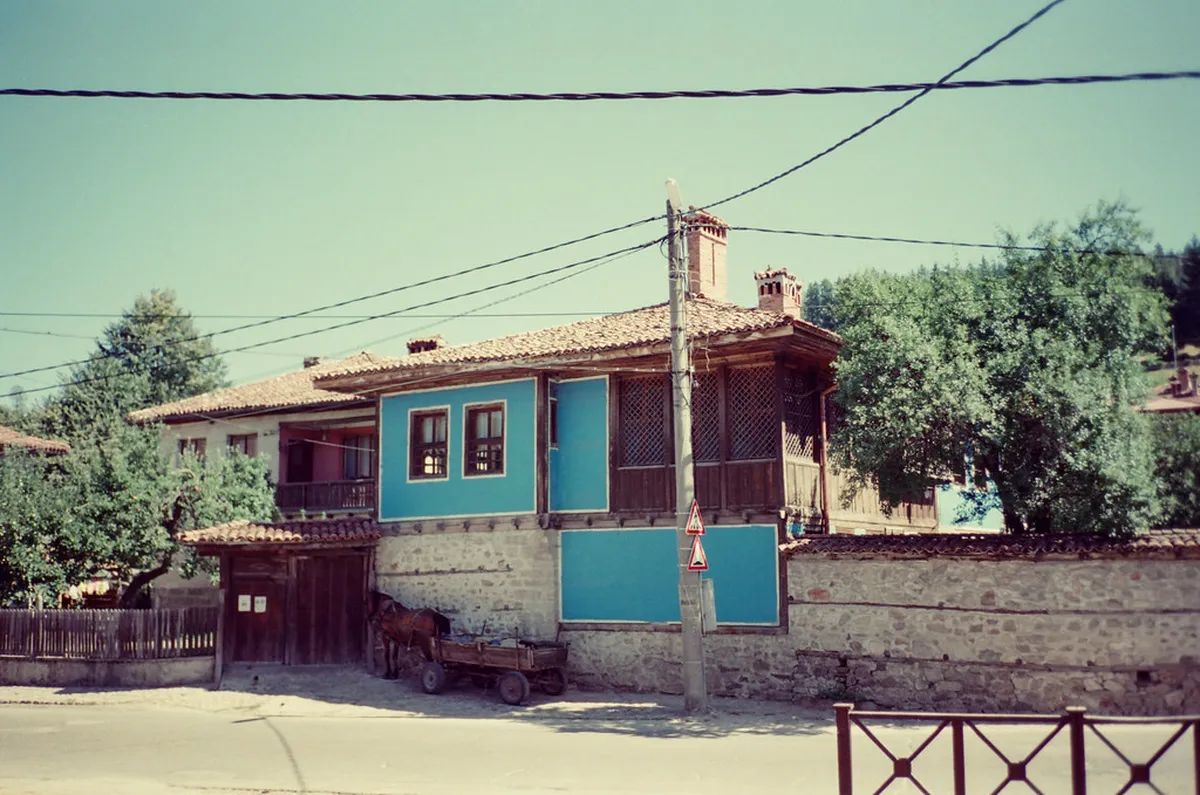
A short self-guided loop connects the bridge to the main square and the museum quarter in well under 20 minutes on foot, passing several of these smaller crossings along the way. There is no need to rush the walk; benches and low stone walls near the water make natural rest points, and the sound of the river is a constant, calming backdrop to the town's history.
Early morning, before the day-trip coaches arrive, is the best time to photograph the bridges without crowds in frame. Late afternoon light works almost as well and comes with the added bonus of the golden glow on the painted facades lining the riverbanks.
When to Visit: The Koprivshtitsa Folklore Festival
The National Festival of Bulgarian Folklore, a UNESCO-recognised heritage event, is held once every five years in the meadows above town, drawing thousands of performers in traditional costume; the most recent edition ran in August 2025, so the next full festival falls in 2030. In years between, smaller seasonal fairs and craft events keep the calendar active without the five-year event's scale.
Separately, the first week of May brings annual reenactments of the 1876 uprising at the First Shot Bridge itself, with local residents in period dress recreating the events that started here. This is a different, smaller-scale tradition from the National Folklore Festival, and the distinction trips up plenty of visitors who show up in May expecting the big five-year event.
Spring (May–June) and early autumn (September–October) offer the mildest weather and thinnest crowds. Given the town's 1,060-metre elevation, summer visitors should still pack a light jacket for the evenings, and winter brings genuinely cold, sometimes snowy conditions that close a handful of museum houses on weekdays.
Nature and Panoramas: Walks in Sredna Gora
Koprivshtitsa is ringed by the gentle slopes of the Sredna Gora range, and the walk up to the Georgi Benkovski monument above town is the most popular short hike: a manageable climb, easy enough for families, that rewards you with a full view of the red-tiled rooftops against green hillsides.
Longer, well-marked trails continue from town toward the Geren area and, for a fuller day out, up to Bogdan peak, the highest point in the Sredna Gora range, with 360-degree views toward the Balkan Mountains on a clear day. Spring brings wildflowers and birdlife to the meadows along these routes.
Trail markings thin out the higher you climb, so carry a offline map or GPS track rather than relying on signage alone. Combining a morning at the house-museums with an afternoon on these trails is a good way to balance history and mountain air in a single visit.
Where to Stay: Authentic Revival-Era Lodging
Staying in an original 19th-century house is the more atmospheric choice: thick stone walls, carved wooden ceilings, and yes, the famous creaky floors that come with a building this old. Rooms tend to be smaller and cooler than modern equivalents, which is a genuine trade-off in winter but a welcome one during a hot Bulgarian summer.
Newer guesthouses, often built in a matching Revival style rather than converted from an original one, trade some of that patina for reliable heating, private bathrooms, and better insulation. Both categories are typically family-run, and a hearty breakfast of banitsa, yogurt, and local honey is close to universal.
Book well ahead for the first week of May reenactments or any year the National Folklore Festival runs, since the town's guesthouse stock is modest relative to demand on those dates. Our roundup of things to do in Koprivshtitsa pairs well with lodging research if you are building a full itinerary.
Planning Your Visit: How Long Do You Need?
You can cross Koprivshtitsa on foot in 20 to 30 minutes, but seeing the museums properly takes 4 to 6 hours, and that is before factoring in a lunch stop or a walk to the bridge and back. A rushed day trip from Sofia is possible but feels tight; arriving before 10:00 (ahead of the coach crowds) makes a single day noticeably more pleasant.
The steep cobbled lanes are manageable on foot but genuinely difficult for strollers, so a baby carrier is the better call for the smallest visitors; the museums themselves hold limited appeal for young children even though the outdoor spaces and playgrounds around town do not.
If hiking in Sredna Gora is on your list, budget a full extra day for the mountains rather than squeezing it into a museum day. Most travelers who stay two to three nights report it as the highlight of a longer Bulgaria itinerary rather than a rushed afternoon detour.
Koprivshtitsa also works well as a base for reaching Plovdiv or the wider Rose Valley within about an hour's drive. See our Koprivshtitsa attractions guide for the full list of house-museums and how to sequence them into your day.
Continue planning: Use Koprivshtitsa Attractions: 6 House-Museums & Things to Do to connect this guide with the rest of your Bulgaria itinerary.
Frequently Asked Questions
Why is it called the First Shot Bridge?
The Kalachev Bridge earned the nickname 'First Shot Bridge' because it is where the first shot of the April Uprising was fired on 20 April 1876, when the Bulgarian insurgent Georgi Tihanek shot an Ottoman official, marking the start of the rebellion against Ottoman rule.
When was the Kalachev Bridge built?
The stone humpback bridge was built in 1813 and originally named the Kalachev Bridge; it later became a national symbol of the struggle for freedom after the events of 1876.
Who fired the first shot of the April Uprising?
The insurgent Georgi Tihanek is credited with firing the first shot on the bridge on 20 April 1876, killing an Ottoman watchman and signalling the outbreak of the April Uprising.
Is the First Shot Bridge free to visit?
Yes. The bridge is a free, open-air public landmark in the centre of Koprivshtitsa with no ticket or opening hours, and it can be visited at any time; a commemorative plaque explains its historical significance.
What river does the bridge cross?
The First Shot Bridge spans the Topolnitsa river (locally the Byala reka) as it flows through Koprivshtitsa, and the pedestrian bridge is about 10 metres long.
Where is the First Shot Bridge located?
The bridge sits in a picturesque square in central Koprivshtitsa's historical reserve, surrounded by colourful National Revival houses, and there is a fulling mill (tepavitsa) beside it that visitors can also see.
The First Shot Bridge is a small landmark with a massive historical legacy that every traveler should experience. It serves as the perfect starting point for exploring the rich culture and architecture of Koprivshtitsa. Standing on this bridge connects you directly to the bravery of the Bulgarian revolutionaries.
Whether you are a history buff or a nature lover, this town offers something truly unique. The combination of well-preserved 19th-century houses and stunning mountain scenery is unmatched in the region. We hope this guide helps you plan an unforgettable visit to this historic Bulgarian treasure.
Make sure to take your time and soak in the atmosphere of the cobblestone streets. The stories of the past are alive in every stone and fountain throughout the town. Enjoy your journey into the heart of the Bulgarian National Revival.
For more Koprivshtitsa planning, read our The Six Koprivshtitsa House-Museums: Combined Ticket Guide (2026).
For the latest official information, see the First Shot Bridge (Kalachev Bridge) on Wikipedia, First Shot Bridge (Kalachev Bridge) on Wikipedia and First Shot Bridge (Kalachev Bridge) official site.