Southern Fortress Wall and Tower Visitor Guide: 10 Essential Sections
Sozopol holds centuries of history within its ancient stone walls and narrow streets. The Southern Fortress Wall and Tower stands as a primary landmark for history lovers. This guide helps you explore the impressive fortifications overlooking the Black Sea. Prepare for a journey through time as you walk along these medieval defenses.
Watch this walkthrough of the fortress path and southern old-town promenade:
Must-See Southern Attractions
The fortress wall sits inside the Architectural-Historical Reserve known as Ancient Sozopol. Walking through the Sozopol Old Town Visitor Guide reveals a blend of Greek and Bulgarian heritage. Many visitors start their journey along the southern coastal promenade to see the ruins. This area showcases how the town defended itself against maritime invasions.
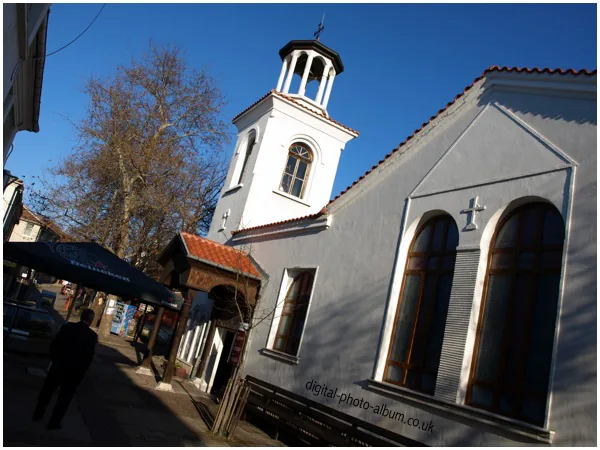
Ancient ruins dot the landscape around the Skamniy Peninsula. You will find remains of medieval churches and residential houses near the wall. The site offers a clear view of the deep blue sea and rocky cliffs. Coastal paths connect the main tower to other hidden historical gems.
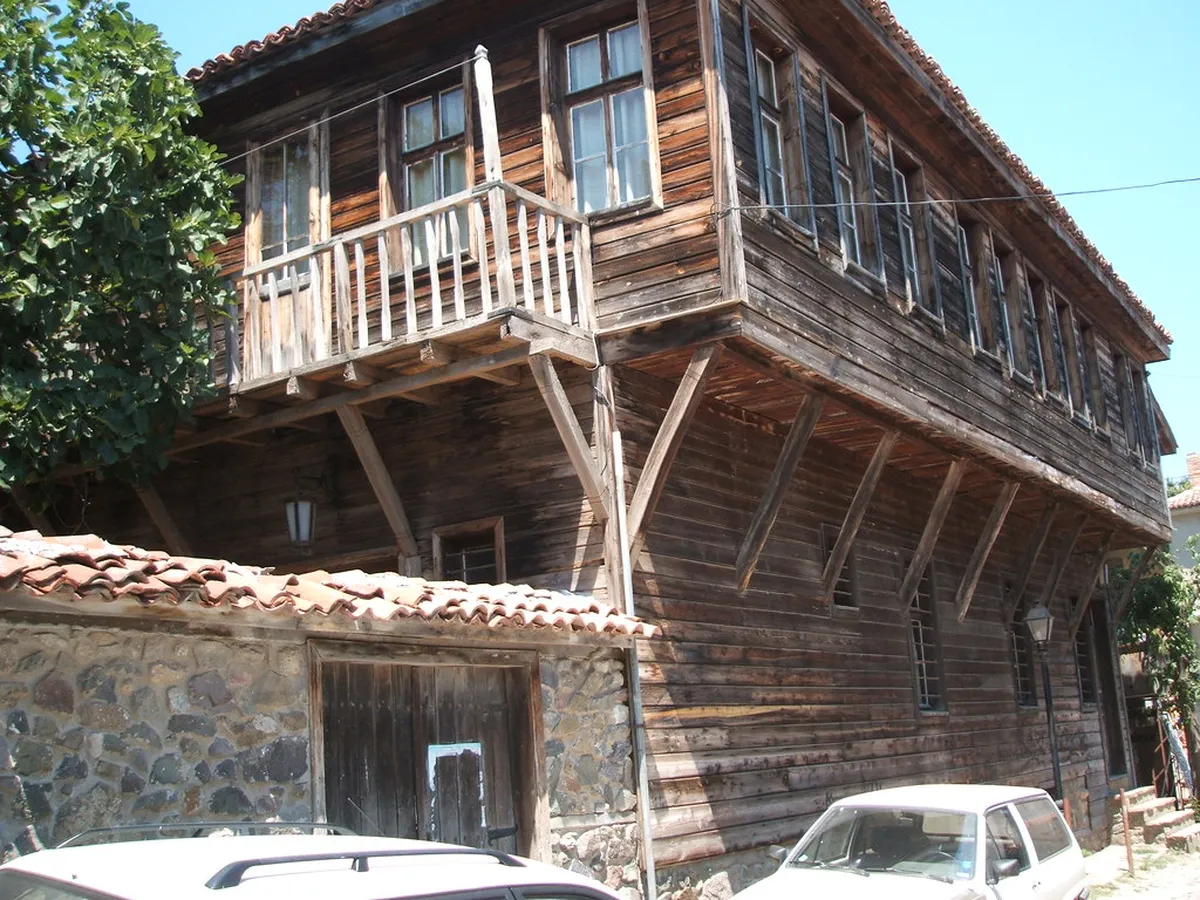
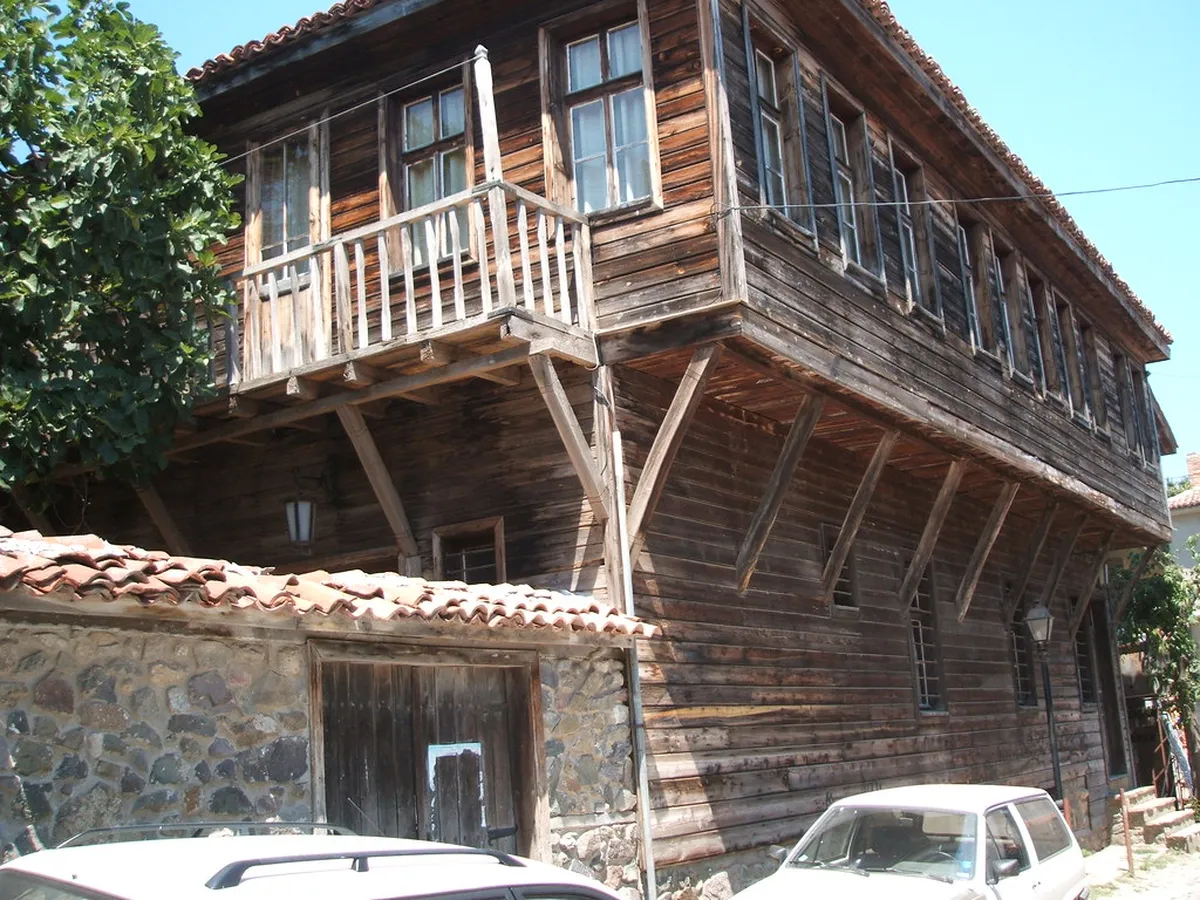
Look for the smaller architectural details that make this reserve unique. Traditional wooden houses stand just steps away from the heavy stone fortifications. Local guides often share stories of the various empires that once ruled here. Each stone tells a part of the long story of this coastal settlement.
Museums, Art, and Culture in Southern
This site operates as a private museum complex with a fascinating origin story. Archaeologists discovered the ruins during the planned demolition of an old house. The Archaeological Museum Sozopol Visitor Guide provides additional context for these finds. Local efforts transformed the discovery into a well-preserved cultural landmark.
Exhibits inside the complex feature artifacts from the Byzantine and Medieval eras. You can see pottery and tools used by the people who lived here centuries ago. The museum highlights the importance of Sozopol as a major trading port. Artistic displays often accompany the historical exhibits during the summer months.
Culture thrives in the small galleries located near the fortress complex. Artists often capture the dramatic shadows cast by the 14-meter watchtower. Many travelers enjoy the quiet atmosphere of the museum during the morning hours. Understanding the local culture adds depth to your visit to the stone walls.
Parks, Gardens, and Outdoor Spots in Southern
The Skamniy Peninsula offers some of the most scenic outdoor spots in the region. A long promenade runs alongside the wall and provides fresh sea air. Benches are placed at regular intervals for those who want to rest and enjoy the view. Nature and history blend perfectly along this rugged stretch of the Black Sea.
Photographers frequent the area to capture the contrast between stone and water. Golden hour provides the best lighting for the weathered masonry of the tower. The open spaces around the fortifications allow for easy movement and exploration. Visitors often spend hours simply watching the waves crash against the rocks below.
Small green patches and floral displays decorate the paths leading to the museum. These gardens provide a soft touch to the imposing defensive structures. The outdoor layout makes it easy to maintain social distance while exploring. Walking here feels like a peaceful retreat from the busier parts of town.
Family-Friendly and Budget-Friendly Options in Southern
Families often enjoy the coin-tossing tradition at the ancient well on site. This well dates back to the 4th or 3rd century BCE. Tossing a small coin into the water is said to bring good luck to travelers. Children find the deep stone well particularly mysterious and exciting to visit.
The museum complex offers affordable entry fees for both adults and students. Budget-conscious travelers can enjoy the exterior views of the wall for free. Walking the promenade is a great way to see the sights without spending money. Pack a few snacks to enjoy at the scenic viewpoints along the peninsula.
Budgeting for the stop also got simpler in 2026. Bulgaria switched its official currency from the lev to the euro on 1 January, so shops, cafes, and cash machines around Sozopol's Old Town now deal in euros rather than BGN. The Sozopol Foundation still has not published an updated official euro ticket price, so confirm the exact figure at the booth, but you no longer need to hold onto leftover lev just for this one stop. It is a small but genuinely useful change from what older travel guides still describe.
Interactive signs help explain the history to younger visitors in simple terms. The scale of the 14-meter tower usually impresses kids of all ages. Safe walking paths make it a low-stress destination for parents with children. Exploring the ruins feels like a real-life adventure for the whole family.
How to Plan a Smooth Southern Attractions Day
Navigating the Sozopol Bulgaria Old Town requires a bit of advanced planning. The area is a pedestrian-heavy zone with very limited access for vehicles. Park your car outside the Old Town gates to avoid getting stuck in narrow alleys. Early morning arrivals help you beat the heat and the largest tour groups.
Start your walk at the Tsentar area to get your bearings quickly. Follow the signs toward the southern coast to find the museum entrance. The layout of the town can be confusing with its winding cobblestone streets. Keep a digital map handy to help find the best shortcuts between attractions.
Allow at least two hours to fully explore the museum and the wall. This timeframe gives you enough room to read the historical plaques. Check the weather forecast to ensure clear skies for the best coastal views. A smooth day depends on having a flexible schedule and comfortable pace.
Plans like a pro. Thinks like you
Wear comfy shoes to handle the uneven cobblestone terrain throughout the site. The fortress wall sections are quite narrow at only 1.70 meters wide. Watch your step carefully as you climb the ancient stone stairs. Sandals or heels can make the walk difficult and potentially unsafe.
Call the ticket center phone number if the desk appears to be unstaffed. Staff members sometimes step away but are usually nearby to help visitors. Since the euro replaced the lev as Bulgaria's official currency on 1 January 2026, keep a few euro-cent coins ready for the ancient well ritual instead of hunting for old stotinki. Pro travelers know that a little patience goes a long way in small museums.
Bring a lightweight jacket even in summer as the sea breeze can be cool. The 14-meter tower offers great views but can feel quite windy at the top. Charge your phone fully before heading out to capture all the photo ops. These small tips ensure you have a much better experience than the average tourist.
Looking for day-by-day itineraries in Burgas?
Sozopol serves as the primary day-trip destination for those staying in Burgas. The town is located just 35 kilometers away from the regional center. Buses run frequently between the two cities throughout the summer season. A taxi or rental car offers more flexibility for late-night returns.
Transit trade-offs include lower costs on the bus versus faster travel by car. The bus ride takes about 40 minutes and drops you near the Old Town. Driving yourself allows you to stop at smaller beaches along the coastal road. Plan your return trip early as the last buses can get very crowded.
Many itineraries suggest visiting Sozopol for its unique medieval charm. It offers a quieter alternative to the modern urban feel of Burgas. Combining a morning in the museum with an afternoon at the beach is popular. This day trip is often the highlight of a week-long stay in the region.
Southern Fortress Wall and Tower
The fortress wall height varies between 8 and 11 meters across the complex. Builders used a technique called Opus Mixtum which features leveling brick belts. The watchtower stands 14 meters high for a clear defensive advantage. This height was intentionally built 2 meters higher than the main wall.
Archaeologists found a massive granary dating back to the 5th or 6th century. The granary measures 22 meters long and 14 meters wide for storage. A special 140cm hydrophobic coating protected the grain from sea humidity. This engineering detail shows how advanced the ancient builders really were.
Construction used double-sided masonry with rubble stone and horosan bonding. This strong mortar helped the walls survive centuries of salt and wind. The wall width of 1.70 meters provided enough room for soldiers to patrol. Technical specs like these appeal to history buffs and engineering fans alike.
- Fortress Wall Height Specs
- Range: 8 to 11 meters
- Width: 1.70 meters
- Style: Opus Mixtum
- Bonding: Horosan mortar
- Watchtower Design Details
- Total Height: 14 meters
- Defense: 2m above wall
- View: 360-degree Black Sea
- Access: Internal stairs
- Ancient Granary Dimensions
- Length: 22 meters
- Width: 14 meters
- Era: 5th-6th Century
- Feature: Hydrophobic coating
What's the weather like in Burgas?
Weather patterns in the region directly affect your visibility from the tower. NASA weather data suggests that humidity levels peak during the mid-summer months. High humidity can create a hazy horizon over the Black Sea. Clear days offer the best photography opportunities for the distant coastline.
Spring and fall provide the most comfortable temperatures for walking the walls. Winter can bring strong winds that make the coastal promenade feel very cold. Check local forecasts before planning your climb up the 14-meter watchtower. Sudden sea mists can add a dramatic and mysterious look to your photos.
Summer temperatures often rise above 30 degrees Celsius during the day. The stone walls absorb heat and can feel quite warm to the touch. Visiting in the late afternoon provides cooler air and better lighting. Most travelers prefer the mild conditions found in late September.
Your itinerary and your map in one view
Begin your walking sequence at the Tsentar location for the best experience. The official address is Google Maps Location: Tsentar, ul. Milet 52. Walk south along the coast to reach the main museum entrance. This route ensures you see the most dramatic parts of the wall first.
Timing your walk for the sunset provides an unforgettable visual experience. The sun dips below the horizon and paints the stone walls in gold. Many visitors finish their tour at a nearby seaside restaurant for dinner. This sequence maximizes your time and offers the best views in town.
A map of the Old Town helps you navigate the pedestrian-only zones. Look for the signs marking the Architectural-Historical Reserve boundary. The path is mostly linear along the coast which makes it hard to get lost. Keep this visitor guide handy to identify the key technical features as you walk.
Continue planning: Use Sozopol Attractions: 7 Top Things to Do in Sozopol Old Town to connect this guide with the rest of your Bulgaria itinerary.
Frequently Asked Questions
Where is the Southern Fortress Wall and Tower located?
It stands on the southern promenade of Sozopol's old-town peninsula, at 50 Milet Street (also reached from the South Panoramic Alley), overlooking the coastal cliffs and the Black Sea.
How much is entry, and is it free?
The complex is a ticketed site rather than free. Travel guides cite a small entry fee of around 3 BGN (about EUR 1.53), but the managing Sozopol Foundation does not publish a current euro price online, so confirm the fee at the ticket office on arrival.
What are the opening hours?
Travel sources list summer hours of roughly 09:30-20:00 daily. Hours vary by season, so it is best to confirm locally before visiting.
What can you see at the complex?
Visitors can walk a restored section of the late-antique and medieval southeastern fortress wall, climb the reconstructed rectangular watchtower, and see a large 5th-6th-century granary that once had guards' barracks above it. Amphorae and ceramic finds from the excavations are displayed around an ancient stone well.
What is the ancient well in the complex?
The well was built in the 4th-3rd century BC as part of a cult complex, a Nymphaeum dedicated to the Three Nymphs. It is made of tightly fitted sandstone blocks without mortar, and fresh water began to spring from its bottom again during the archaeological excavations.
When was the Southern Fortress Wall and Tower complex opened?
The architectural and historic complex was created by the Sozopol Foundation and opened to visitors in September 2004; by August 2020 it had welcomed more than 285,000 guests.
Is the site accessible for visitors with disabilities?
Yes. The complex includes an elevator, ramps, and a moving platform, as well as a tourist bridge, to help visitors with reduced mobility reach the different levels.
Who manages the Southern Fortress Wall and Tower?
The site is developed and managed by the Sozopol Foundation as an architectural and historic complex within the old town's protected fortifications.
The Southern Fortress Wall and Tower is a worth considering forone in Sozopol. Its blend of technical engineering and coastal beauty creates a unique atmosphere. Plan your visit for the golden hour to see the fortifications at their best. Enjoy exploring one of the most significant historical sites on the Black Sea.
For official details, visit the Southern Fortress Wall and Tower guide on Lonelyplanet and Southern Fortress Wall and Tower official site.
For more Sozopol planning, read our 25 Best Things to Do in Sozopol, Bulgaria (2026) and Sveti Ivan Island: History, How to Visit & What to See in Sozopol guides.