Arbanasi Village: Frescoes, Fortified Houses, and the View over Tsarevets
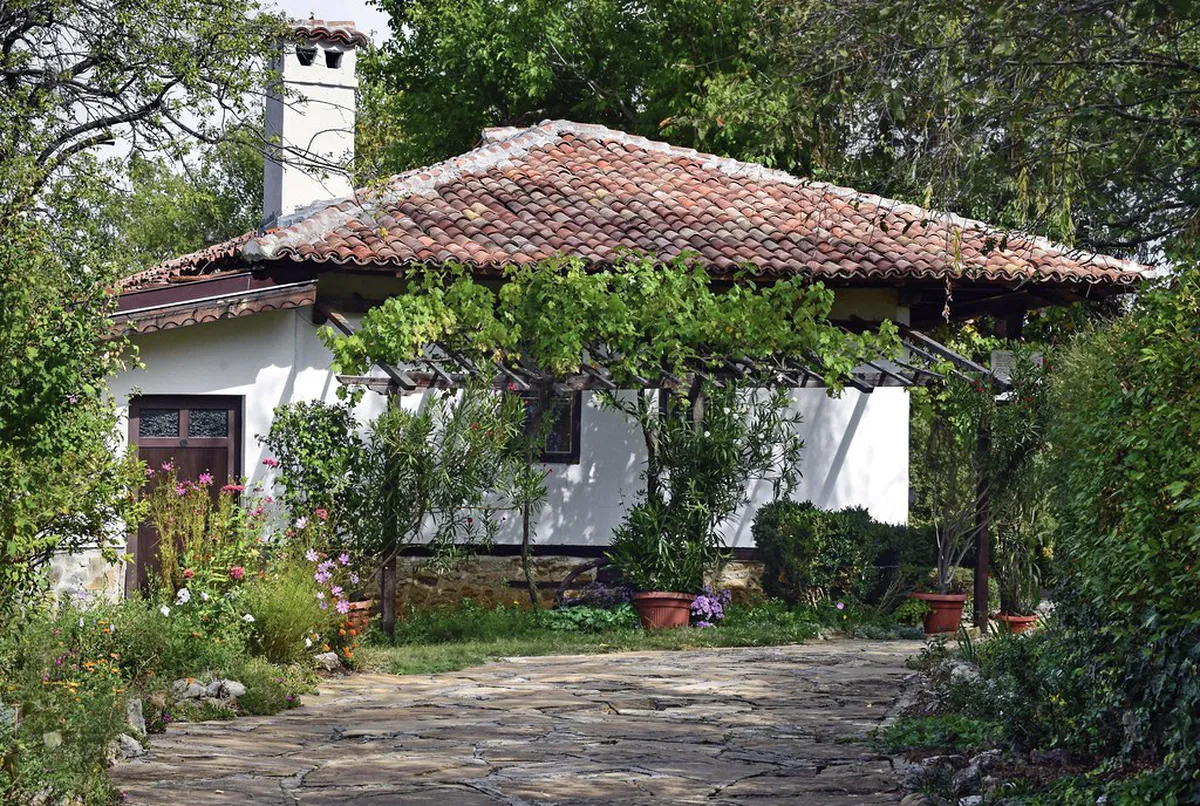
Four kilometres north of Veliko Tarnovo, on a plateau above a bend of the Yantra River, sits one of Bulgaria's most historically layered villages. Arbanasi grew rich under Ottoman rule, its merchant families trading cloth and furs as far as Venice, Warsaw, and Moscow. They spent that wealth on private chapels decorated by masters from the Athonite tradition, and on stone residences whose thick outer walls and hidden compartments were designed to outlast any raid. Today the village is an archaeological reserve, and what they built survives in a quality of preservation that is genuinely unusual for this region.
Most visitors come on a half-day trip from Veliko Tarnovo and return satisfied but slightly stunned — the frescoes inside the Nativity of Christ Church rank among the finest examples of post-Byzantine painting in the Balkans, yet Arbanasi appears on very few international itineraries. This 2026 guide covers the practical essentials: what to see, how long you need, what it costs, and the clearest routes from Tarnovo's old town.
Ottoman Origins and the Merchant Prosperity of the 16th–18th Centuries
The earliest surviving document referring to Arbanasi is a sultanic decree of 1538, through which Suleiman the Magnificent granted the plateau lands to his son-in-law, Grand Vizier Rüstem Pasha. The first settlers appear to have included Albanian and Greek families from Epirus — hence the name, derived from the Ottoman term for Albanians — though tax registers from 1541–1544 already record Orthodox names that are predominantly Slavic. By that date the village held 63 households; by 1579–1580 the number had risen to 271 households and 277 unmarried men.
The real transformation came in the 17th century. Protected by the sultan's original grant and later by direct ties to the Patriarchate of Constantinople, Arbanasi's leading families — the Konstantsalievs, the Atanasovs, the Hadzhiivanovs — built a trading network that reached across Europe and deep into Russia. A 1685 account specifically names Italy, Hungary, Poland, and Muscovy as their key markets. The revenue flowing back financed the construction of private chapels, enlarged residences, and eventually six churches for a settlement that numbered only a few hundred families.
This prosperity ended violently. Brigand raids in 1792, 1798, and 1810 burned much of the village, and the wealthiest families fled north to Wallachia and Russia. What remained was acquired by Tarnovo's old families and later fell under Bulgarian state protection. The village was declared an architectural and historical reserve in 1964, preserving the surviving churches, houses, and monastery complex as a coherent ensemble rather than isolated monuments.
The Church of the Nativity of Christ and Its Extraordinary Frescoes
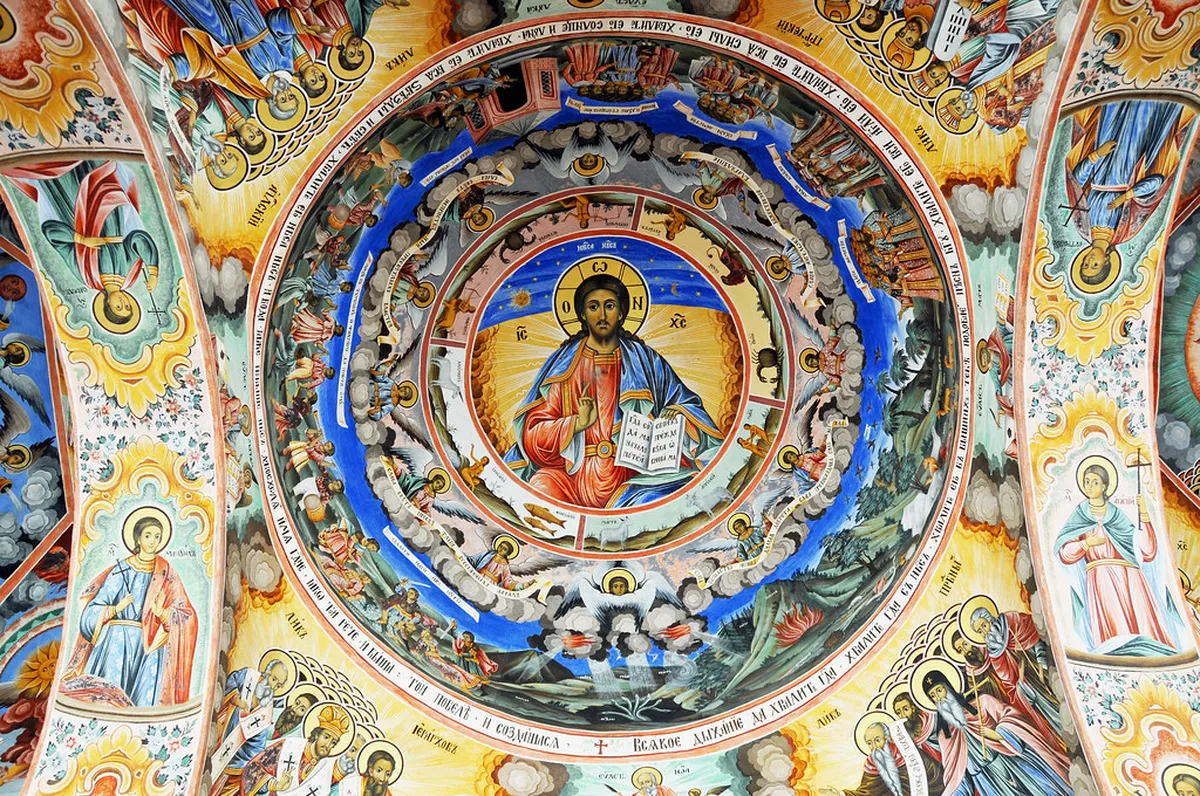
Every surface inside this church is painted. Floor-to-ceiling frescoes cover the nave, the narthex, the apse, and the outer walls of the porch — an estimated 3,000 individual figures spread across several layers of painting that date from the early 17th century to around 1760. The dominant cycle follows the Orthodox liturgical calendar: the Nativity, the Baptism, the Entry into Jerusalem, the Crucifixion, and the Resurrection all appear in monumental compositions rendered in the deep ochres, reds, and greens characteristic of the Athonite painting tradition.
What sets the Arbanasi church apart from comparable provincial examples is the iconographic programme in the narthex, where the painters included a cycle depicting every scene from the Old Testament book of Genesis alongside an unusually complete Last Judgment. The Last Judgment fresco alone occupies the entire west wall and separates the saved from the damned with a compositional confidence rarely seen outside major Greek monasteries. Art historians trace the influence to Meteora and Mount Athos, suggesting that the merchant families who commissioned the church may have paid Athonite masters directly rather than relying on local workshops.
The church was built in the early 17th century with deliberately modest exterior dimensions — low roofline, small windows, and a plain stone facade that avoids any public display of Christian wealth under Ottoman rule. Inside, the original wooden iconostasis survives, its carved panels gold-leafed and crowded with icons from three different periods. The floor is partly original stone, and the low wooden benches along the walls date to the 18th century.
In 2026, adult admission to the Nativity of Christ Church costs approximately 8 BGN (around 4 EUR), with a family ticket available. Guided tours in Bulgarian, English, or other languages are offered at additional cost — the translated tour runs roughly 20 EUR for the group and is worth booking if you want the iconographic programme explained properly. Hours run from 09:00 to 18:00 (last entry 15:30) from April through October; November through March the site is open by appointment. Full pricing and booking are handled through the Regional Museum of History Veliko Tarnovo, which manages the site along with several other Arbanasi monuments.
The Konstantsalieva House: Inside a Merchant Fortress
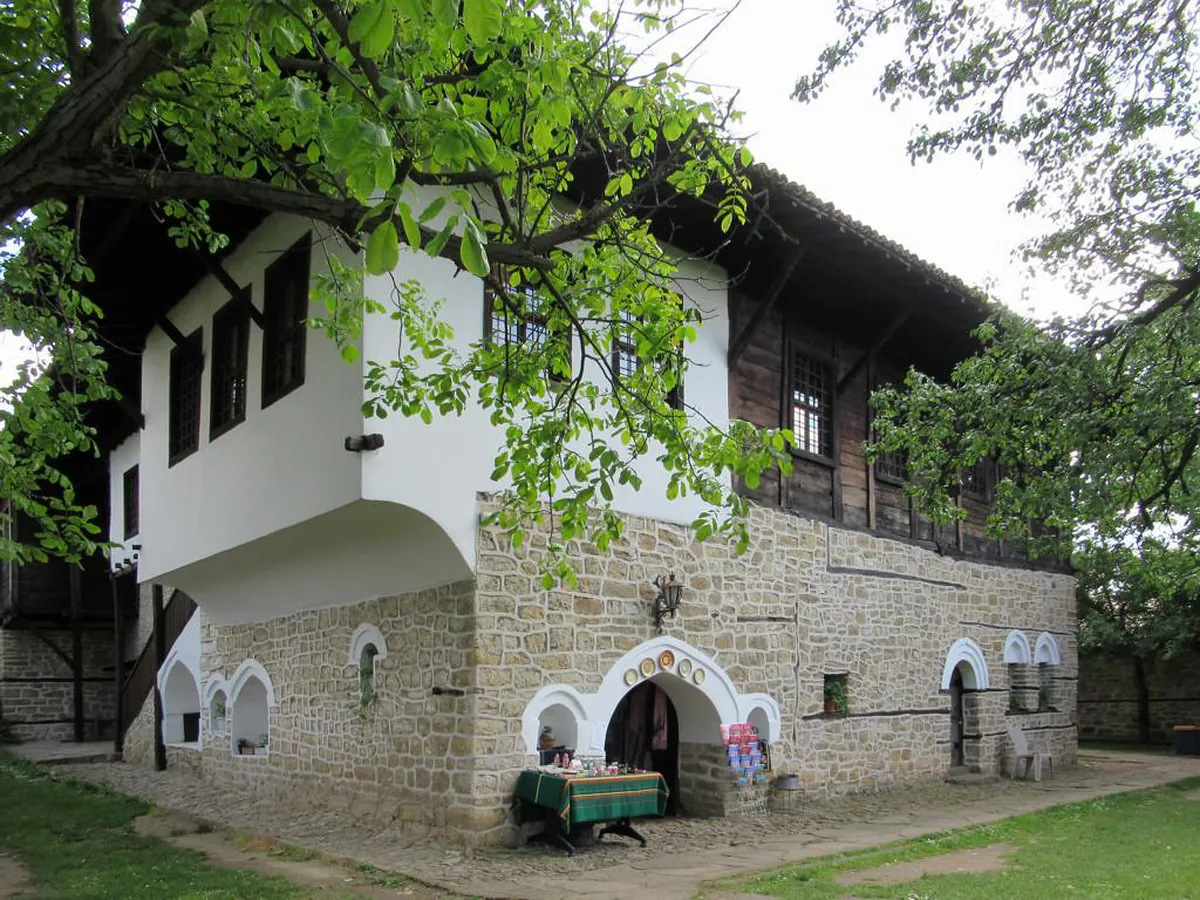
The Konstantsalieva House is the best-preserved example of the domestic architecture that made Arbanasi famous. Built in the 17th century for one of the village's leading trading families, it has been restored and opened as a museum, allowing visitors to walk through the same rooms where cloth merchants negotiated contracts with Russian and Venetian partners.
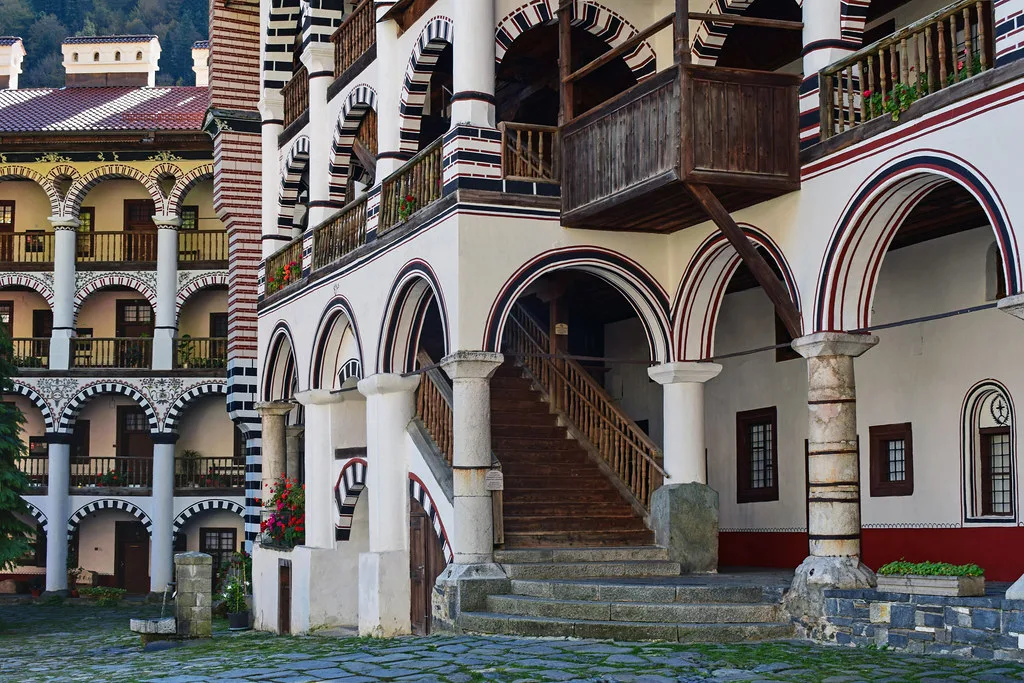
The house is large by any standard: a two-storey structure with a ground floor built almost entirely from stone, thick-walled and windowless on the street side, opening instead onto an enclosed inner courtyard. The upper floor is where the family actually lived, and it is here that the craftsmanship concentrates. Ceilings are decorated with white carved plasterwork in floral and geometric patterns; wall niches hold small icons and decorative ceramic plates; the wooden furniture includes a storage chest with wrought-iron fittings that still locks. The restoration has been careful enough to preserve the original layout of rooms — separate spaces for men and women, a weaving room, a prayer alcove — while adding clear explanatory panels in Bulgarian and English.
The most striking architectural feature is the combination of defensive necessity and domestic comfort within the same walls. The ground-floor storage rooms have iron-reinforced doors; some accounts describe hidden passages between the house and the church wall, though these are not open to visitors. In the courtyard, a well and a detached summer kitchen reflect the self-sufficiency that any prosperous family needed during a period when Ottoman authority did not always extend to protecting Christian merchants from bandits.
Admission follows the same pricing structure as the Nativity Church — approximately 8 BGN adult in 2026. The house is open Tuesday through Sunday from 09:00 to 18:00 (April–October), closed Mondays. Current opening details and combined ticket options are listed on the Regional Museum Veliko Tarnovo ticket page.
The Fortified Konaks: Reading Arbanasi's Streets
Walking through Arbanasi is an exercise in reading a landscape shaped by the specific pressures of the 17th and 18th centuries. The residential buildings here — called konaks or konatsi in Bulgarian — share a distinctive logic: high perimeter walls of roughly dressed stone, narrow gate openings without decorative frames, and a complete absence of ground-floor windows facing the lane. The street face of each property is essentially a defensive wall. Everything domestic — windows, carved wooden balconies, the sound of cooking and children — faces inward.
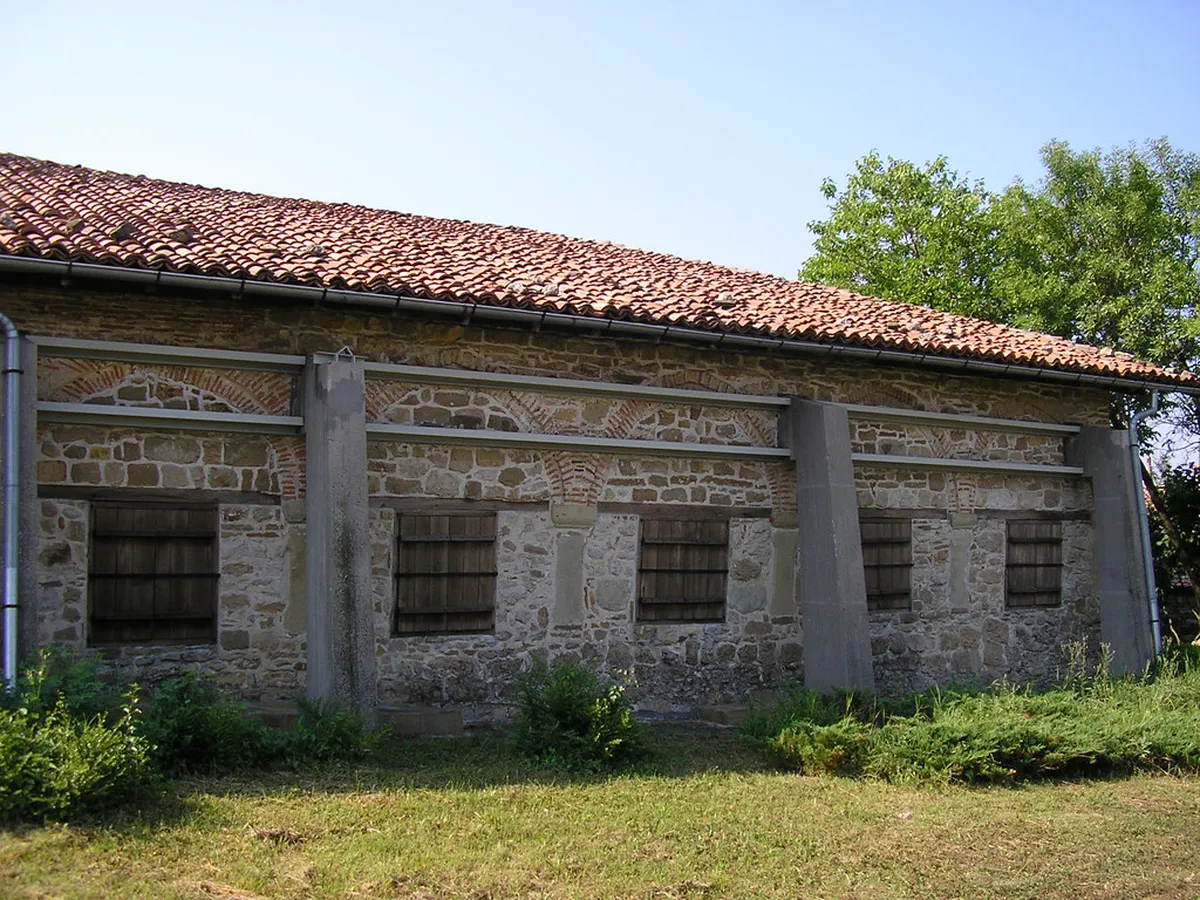
This was not an aesthetic choice. The merchant families of Arbanasi built this way because wealth and religious difference made them targets. The same stone walls that blocked bandits also concealed their accumulation of silver, imported textiles, and trade documents from the view of Ottoman tax inspectors. The result is a village that looks closed from outside and reveals itself only when you step through a gate. Several of the larger konaks have been partially restored, and a few are used as guesthouses, so it is possible to stay overnight inside one of these historic compounds.
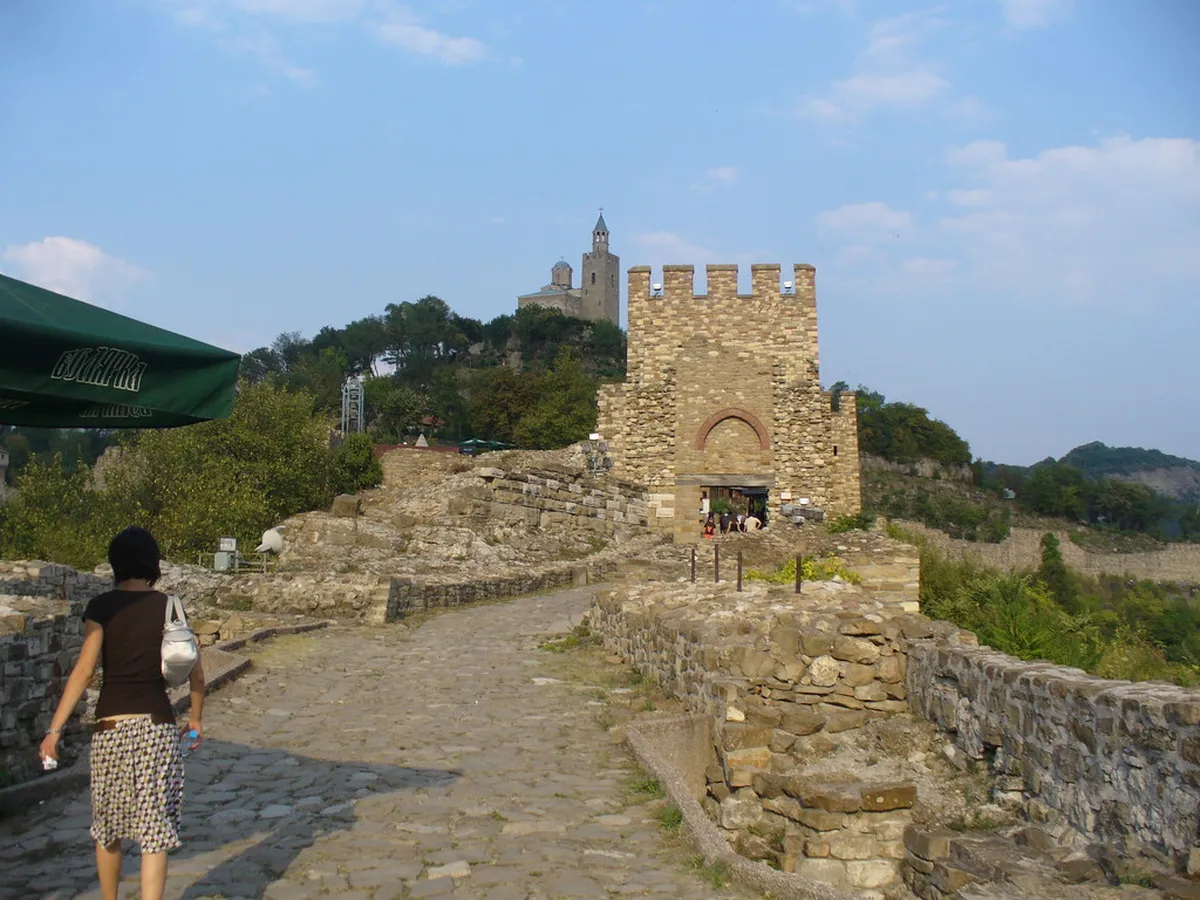
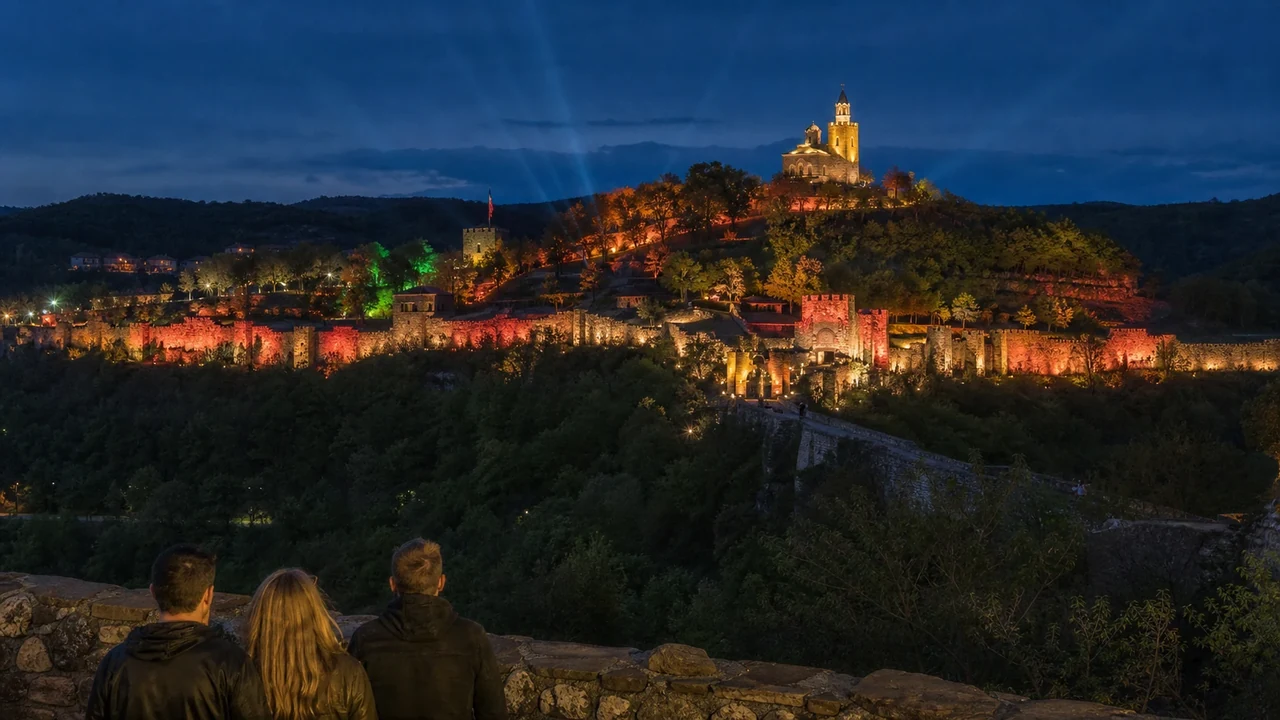
The urban layout follows the plateau topography, with the main lane running roughly east–west and the properties stepping down the northern slope toward the Yantra valley. From the higher ground at the eastern end of the village — near the Monastery of St. Nicholas — the view extends south over the river bend to the Tsarevets Fortress Visitor Guide hill. On a clear day you can see the entire outline of the medieval citadel and the Patriarchal Cathedral on its summit. This is one of the best views of Tsarevets available from outside the fortress itself.
If you want deeper context on how Arbanasi fits into the broader history of the old capital, the Bulgarian Ministry of Tourism's reserve listing covers the archaeological reserve's protected status and the range of monuments within it.
The Monastery of St Nicholas and the Other Churches
Arbanasi contains six churches for a village of only a few hundred historic households — a concentration that reflects the extraordinary wealth the merchant families channelled into religious patronage. Besides the Nativity of Christ Church, the Church of the Holy Archangels Michael and Gabriel is managed by the Regional Museum and carries comparable frescoes on a smaller scale; both are covered by the museum's combined ticket options.
The Monastery of St Nicholas sits on the northeastern edge of the plateau. Founded in the 17th century and rebuilt after the fires of the early 19th century, it remains an active monastic institution. The courtyard is open freely during daylight hours — no admission charge — and the panoramic view from the monastery grounds south toward Tsarevets is among the clearest in the area. Between these monuments and the Konstantsalieva House, Arbanasi fits naturally into any itinerary built around our guide to the top experiences in Veliko Tarnovo. For those planning a quick escape from Tarnovo, our practical guide to a day trip from Veliko Tarnovo to Arbanasi covers transport, timing, and how to combine it with other nearby stops.
Getting to Arbanasi from Veliko Tarnovo
The direct road distance is about 4 kilometres, but the plateau sits noticeably higher than the Tarnovo valley, and the approach involves a sustained uphill stretch regardless of how you travel.
By taxi is the most convenient option. The ride from central Tarnovo or the Tsarevets area takes 8–10 minutes and typically costs between 15 and 25 BGN one-way. This is the most practical choice because taxi supply in Arbanasi itself is limited — ask your driver to wait, or arrange a pick-up time before you arrive. Several local taxi firms accept WhatsApp booking.
By bus, line 12 runs from Veliko Tarnovo bus station to Arbanasi four times a day. The fare is approximately 2.20 BGN each way, and the journey takes around 15 minutes. Check the current timetable before you travel, as the departure schedule has limited evening runs. Return timing matters: the last bus back to Tarnovo runs in the early afternoon, so a taxi return is often necessary if you arrive mid-morning and spend the full three to four hours at the sites.
Walking is possible for fit travellers. The route from the Tsarevets area covers about 4–5 kilometres on a combination of road and stone path. Plan for 45–60 minutes uphill, and be aware that there is no shaded section on the final approach in summer heat. Walking down to Tarnovo after visiting the village is a more comfortable option than the climb up — the descent takes around 30–35 minutes and gives a different perspective on the valley.
Guided tours from Tarnovo's old town hotels typically include Arbanasi as part of a half-day or full-day circuit that also covers Tsarevets and Shipka. These tours handle transport and include a guide — useful if you want the fresco programme explained without the additional cost of a museum guide. Our overview of Best Day Trips from Veliko Târnovo lists reputable local operators alongside other excursion options in the region.
Where to Eat and Stay in Arbanasi
The village has a small cluster of mehanas (traditional Bulgarian taverns) and guesthouses near the main road through the reserve. Expect grilled meats, shopska salad, and tarator soup at prices noticeably lower than comparable restaurants in central Tarnovo. Several of the larger historic konaks now operate as boutique hotels — staying overnight is a different experience from Tarnovo's old town; the plateau is quiet after 18:00 when day visitors leave, and morning light on the valley is a reward for early risers. Book ahead in summer as capacity is limited.
For broader context on what the Tarnovo region offers beyond the main sights, our guide to lesser-known spots around Veliko Tarnovo covers villages and viewpoints in the same radius worth combining with an Arbanasi visit.
Continue planning: Use Things To Do in Veliko Târnovo and Arbanasi Day Trip From Veliko Tarnovo Travel Guide to connect this guide with the rest of your Bulgaria itinerary.
Frequently Asked Questions
How much does it cost to visit the Nativity of Christ Church in Arbanasi in 2026?
Adult admission is approximately 8 BGN (around 4 EUR). A family ticket is also available. Guided tours in Bulgarian, translated English, or other languages are offered at additional cost, ranging from roughly 15–26 EUR depending on the language. Children under 7 are free. Tickets are managed by the Regional Museum of History Veliko Tarnovo.
What are the opening hours for Arbanasi's museums?
From April through October, the Nativity Church and Konstantsalieva House are open 09:00 to 18:00 (last entry 15:30), Tuesday through Sunday. November through March, visits are by appointment only. The Monastery of St Nicholas courtyard is open freely during daylight hours without charge.
How do you get from Veliko Tarnovo to Arbanasi?
The easiest option is a taxi, which costs 15–25 BGN one-way and takes about 8–10 minutes. Bus line 12 runs four times daily from Veliko Tarnovo bus station for approximately 2.20 BGN. Walking is possible — around 45–60 minutes uphill — though the return walk downhill is considerably easier. Guided tours from Tarnovo hotels often include Arbanasi on a half-day circuit.
Is Arbanasi worth visiting if I only have one day in Veliko Tarnovo?
It depends on your priorities. If you have a strong interest in Orthodox fresco painting or Ottoman-era domestic architecture, Arbanasi is a clear priority — the Nativity Church frescoes are among the finest in Bulgaria. If you only have a few hours and Tsarevets is your main target, you can complete both on the same day, but you will need to start early. A taxi between the two sites keeps the logistics manageable.
When is the best time to visit Arbanasi?
May, June, and September offer the best combination of mild temperatures, longer daylight hours, and smaller crowds. July and August are the busiest months, with coach tours from the Black Sea coast arriving mid-morning. Winter visits are possible but access to the Nativity Church and Konstantsalieva House requires advance booking. The autumn light on the valley and fortress is particularly good for photography between late September and mid-October.
Arbanasi occupies a specific place in Bulgarian history that is hard to find duplicated elsewhere: a protected enclave where Ottoman-era Christian merchants built private chapels of extraordinary quality, fortified residences that still stand, and a village form that has survived largely intact for four centuries. The Nativity of Christ Church alone makes the detour from Veliko Tarnovo worthwhile. Allow three to four hours, plan your return transport before you arrive, and consider a weekday visit if you want the frescoes to yourself.